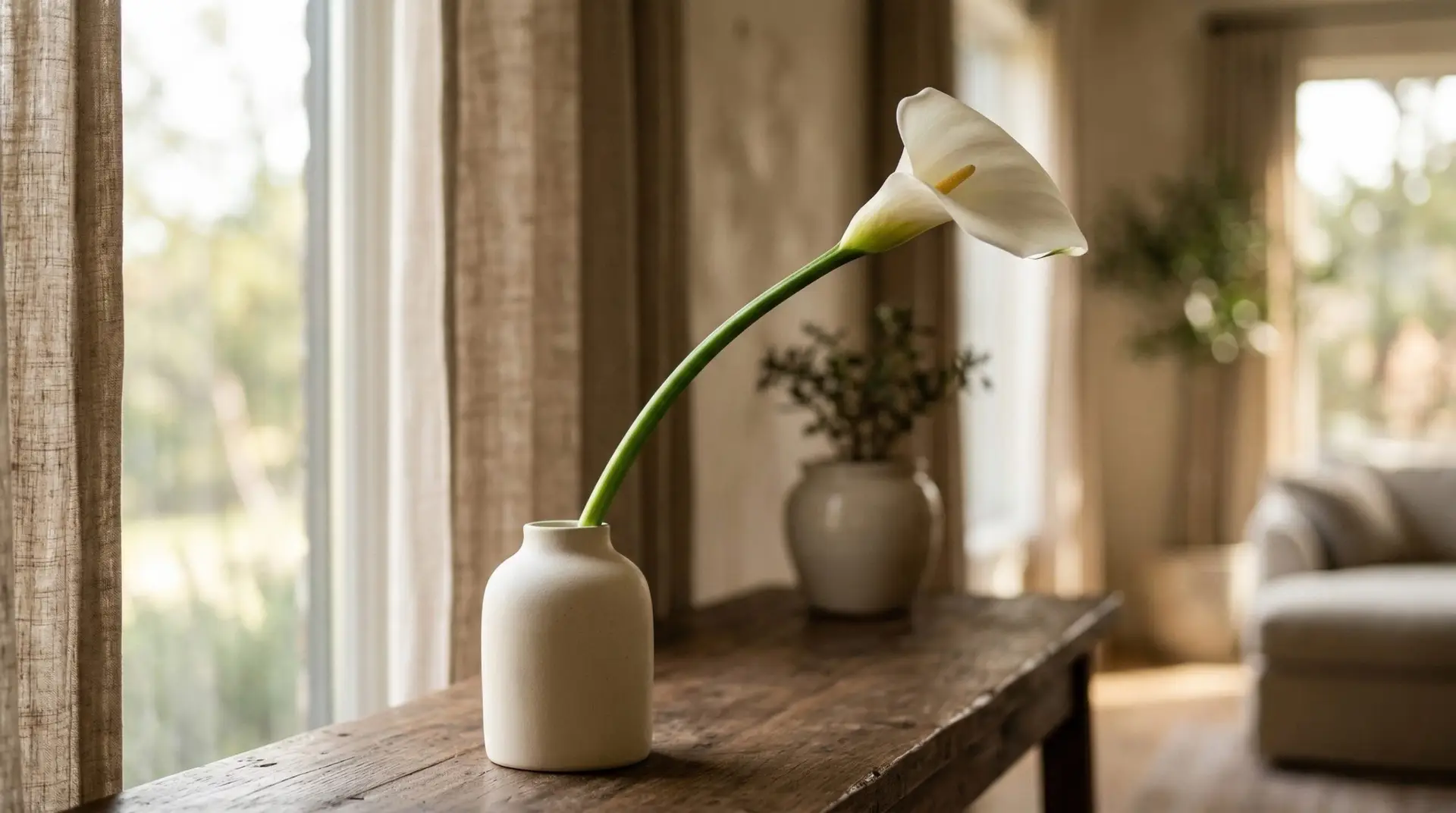
I wish you could stand beside me right now in the cool morning air of the studio to watch the light hit this single white calla lily arrangement. The early sun slants through the tall windows and catches the edge of the solitary bloom resting in a heavy glass cylinder. You can almost feel the weight of the flower just by looking at it. The single white petal, which botanists call a spathe, wraps around itself like a thick piece of parchment paper that someone has carefully rolled and left to unfurl. Inside that pristine white cone sits the spadix, a finger of pale pollen that looks like crushed yellow velvet. The room holds a faint scent, a clean, green fragrance smelling of freshly cut grass mixed with cold spring water, completely unlike the heavy perfume of a rose garden. The entire modern calla lily arrangement feels less like a bouquet and more like a piece of sculpture resting quietly on the concrete table.
Contents 4 sections
The architecture of a single stem
When you hold a calla lily in your hands, you immediately notice the sheer density of the stem. It is thick and fleshy, feeling almost like a smooth, water-filled reed that yields slightly under the pressure of your fingertips. This structural strength makes the flower perfect for a minimalist flower arrangement where every single element must carry its own visual weight. You do not need dozens of stems to fill a space when you have one perfect line drawing the eye upward. The stem rises straight and true before curving gently at the neck, bowing the heavy white head just enough to catch the shadows in the room. In a corporate styling environment, a row of three identical calla lilies in separate, identical glass vases creates a rhythm that feels incredibly deliberate and calm. The eye follows the repetition of those thick green lines and smooth white curves without any chaotic foliage to distract the gaze.
You can pair these flowers with other structural blooms to build tension and contrast in a room. I placed one tall calla lily next to a dark red anthurium earlier today, and the difference in their surfaces was fascinating to observe. The calla lily absorbs the light into its soft, matte white folds, while its companion reflects the room with a hard, patent-leather shine. Together, they look less like plants and more like modern art pieces chosen specifically for their contrasting textures. You can achieve this same architectural drama for event centerpieces by keeping the varieties strictly separated rather than mixing them into a traditional mound. A low, rectangular black ceramic basin filled entirely with tightly packed calla lily stems cut very short creates a solid block of white and green. The eye reads the smooth tops of the rolled petals as a continuous, undulating surface rather than individual flowers.
Selecting vessels for clean lines
The container you choose changes the entire feeling of the flower resting inside it. A tall, frosted glass vase blurs the thick green stem into a soft shadow, leaving only the sharp white bloom suspended in the air above it. If you choose a completely clear, heavy crystal cylinder, the water itself becomes part of the design. You can see the pale green flesh of the submerged stem and the tiny, silver air bubbles that slowly gather along its surface over the course of the day. A matte black ceramic vessel, rough and sandy to the touch, offers a severe contrast to the smooth, waxy perfection of the white petal. When arranging these minimalist pieces, you must pay attention to where the lip of the vase meets the plant. The water line should be perfectly level and clean, free of any floating debris or stray leaves that would ruin the pristine geometry of the presentation.
You can also manipulate the physical shape of the calla lily by submerging the entire plant underwater. The thick stems are surprisingly pliable if you warm them slightly in your hands and bend them with slow, steady pressure. You can coil a single long stem around the inside of a large glass bowl, trapping the white bloom beneath the surface of the water. The water acts as a magnifying lens, making the veins in the white petal look incredibly distinct and turning the yellow spadix into a glowing focal point. When the afternoon light hits the glass bowl, the water casts moving, watery shadows across the table and the walls. This technique transforms the familiar flower into something entirely unexpected and strange. It strips away the traditional context of an upright vase and leaves you with a pure study of form and fluid movement.
Color palettes in modern design
While the classic white bloom is beautiful, the darker varieties offer a completely different mood for a modern space. I recently brought in a bundle of calla lilies that are a saturated, bruised plum color, so dark they appear almost black in the corners of the room. When you place these dark blooms against a stark white wall, they look like shadows cut from heavy velvet. In the direct sun, you can see deep burgundy undertones glowing beneath the surface of the dark petals. You can place these dark stems in a clear vase next to the sharp, aggressive orange angles of a bird of paradise to create a very warm, tropical minimalism. The smooth, sweeping curve of the dark calla lily softens the rigid, spear-like leaves of its companion. The arrangement relies entirely on the contrast between dark and bright, smooth and sharp, rather than relying on volume to fill the space.
There are also pale butter yellow and soft peach varieties that bring a quiet warmth to cold, industrial spaces. These lighter colors look beautiful resting on a concrete counter or a steel table, where their soft tones warm up the harsh gray surfaces. You can create a very delicate, floating arrangement by pairing a pale yellow calla lily with the wide, hovering wings of a white moth orchid. The orchid petals feel like thin, translucent silk compared to the thick, opaque parchment of the calla lily. Both flowers share a clean, sculptural quality, but they occupy the air in completely different ways. The calla lily is firmly rooted and upright, while the orchid seems to drift horizontally across the visual plane. Together, they create a quiet, contemplative scene that invites you to lean in closer and study the exact shade of yellow fading into white.
Care and conditioning for lasting form
Keeping these minimalist arrangements looking sharp requires attention to the physical condition of the stems. When you first bring them inside, you must cut the bottom of the thick stalks with a very sharp, clean knife. You will hear a distinct crunch as the blade slices through the dense, water-filled tissue, leaving a bright green, perfectly flat circle at the base. The water in the vase must be shallow, perhaps only two inches deep, because the soft stems will begin to turn mushy and decay if they are submerged too deeply. You will know the stem is beginning to fail when the firm, celery-like texture softens and feels slick to the touch. Changing the water every single day keeps the glass perfectly clear and the stems rigid enough to hold their heavy heads high. The daily ritual of lifting the cool stems and pouring fresh, cold water into the rinsed glass becomes a quiet meditation on preserving the form of the flower.
As the day ends, the light in the studio shifts from bright white to a deep, dusty blue. The single calla lily arrangement on the table slowly loses its interior shadows and becomes a flat, graphic silhouette against the darkening window. The thick line of the stem and the elegant curve of the spathe remain perfectly recognizable even when all the color drains from the room. The flower holds its posture through the night, a quiet sentinel waiting in the dark. It is this lasting structural grace that makes the plant so essential for modern spaces. You do not need a loud, overflowing vase to bring life into a room. A single, perfectly placed stem tracing a line in the air is enough to change the entire atmosphere of the space it inhabits.
More About Calla Lily
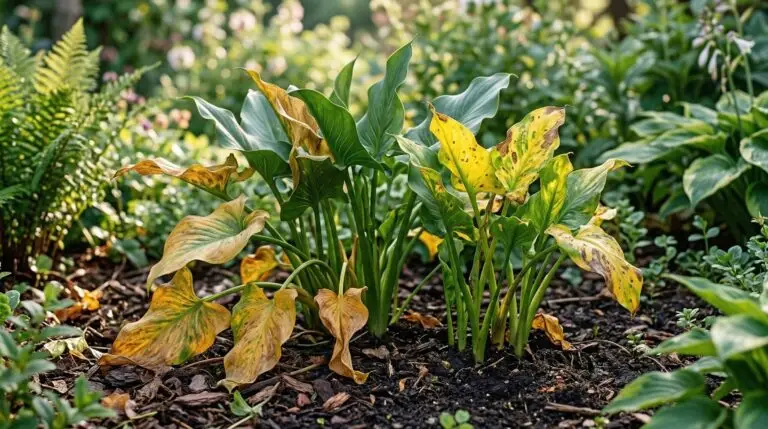
Why calla lily leaves are turning yellow and how to revive your plant
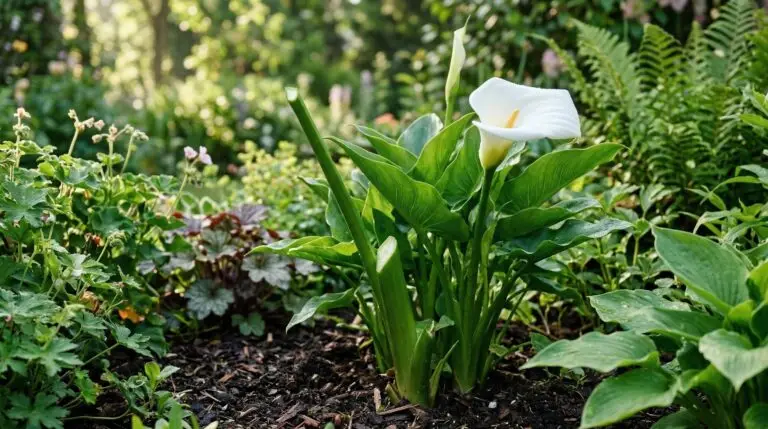
Calla lily as a cut flower and how to make arrangements that last over a week

How to store calla lily bulbs over winter and replant them in spring
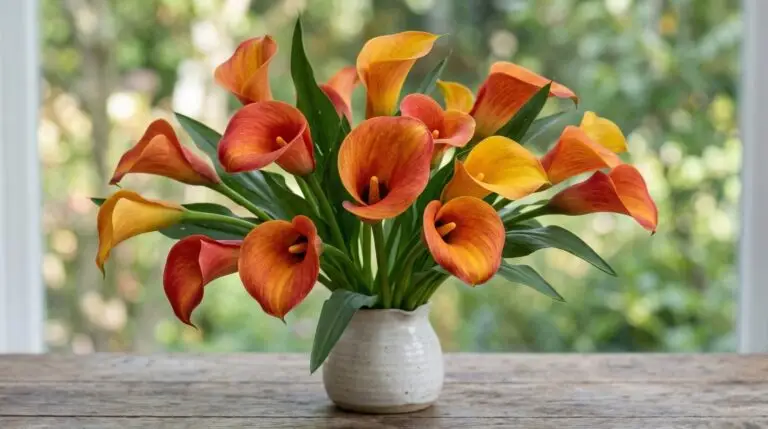
Colorful calla lily varieties that go far beyond the classic white trumpet
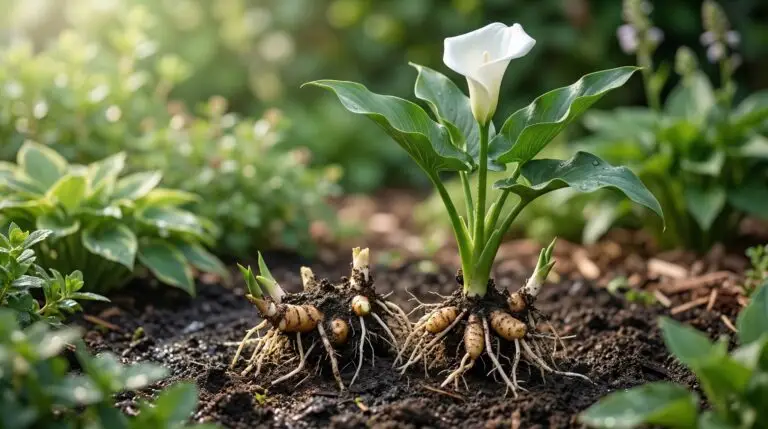
Calla lily propagation by dividing rhizomes for more plants every season
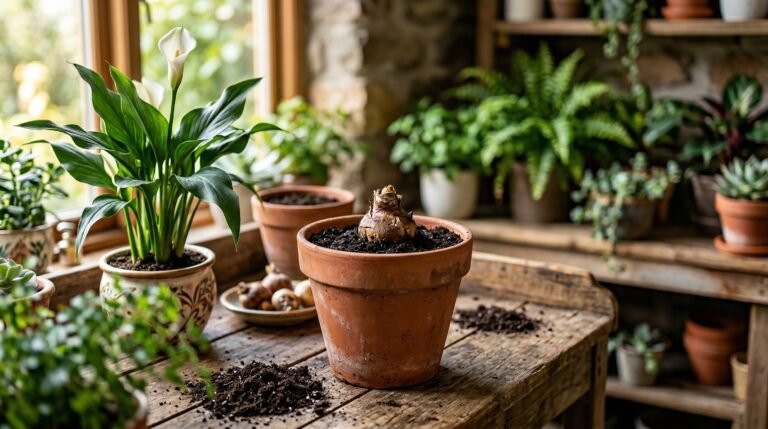
How to grow calla lilies in pots indoors for elegant year-round blooms
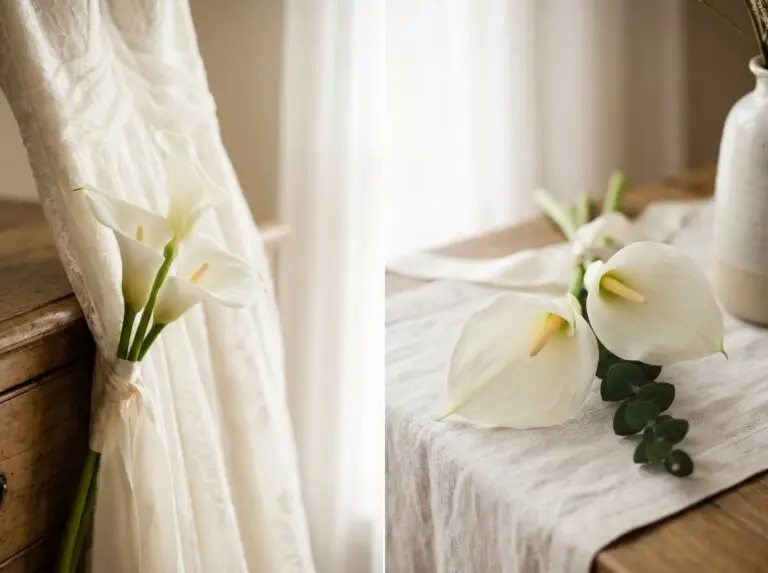
Calla lily meaning, from weddings to funerals, honestly explained
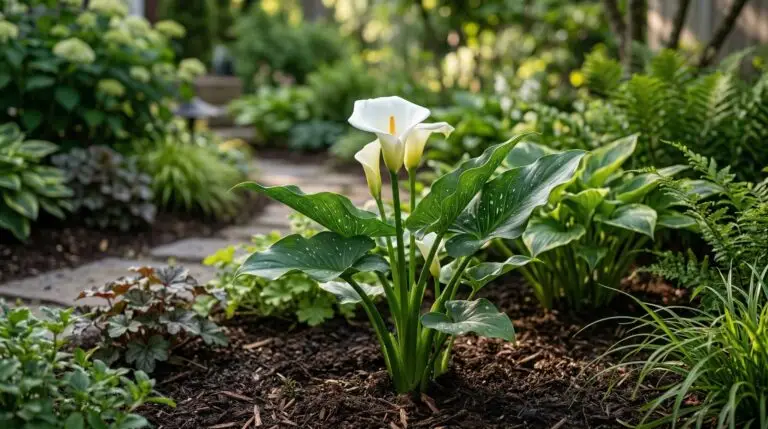
Growing calla lilies outdoors in garden beds as a summer focal point
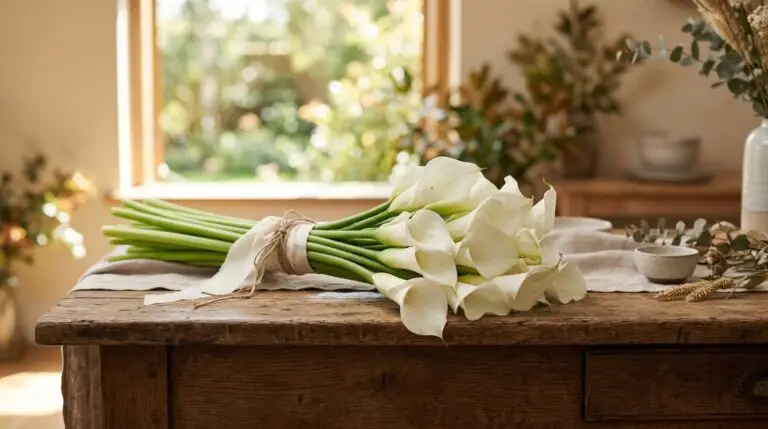
Calla lily wedding bouquets and why brides have loved them for generations
Enjoying our flower guides? Add YourFlowersGuide as a preferred source on Google. It helps more readers find us.
Add to Preferred Sources