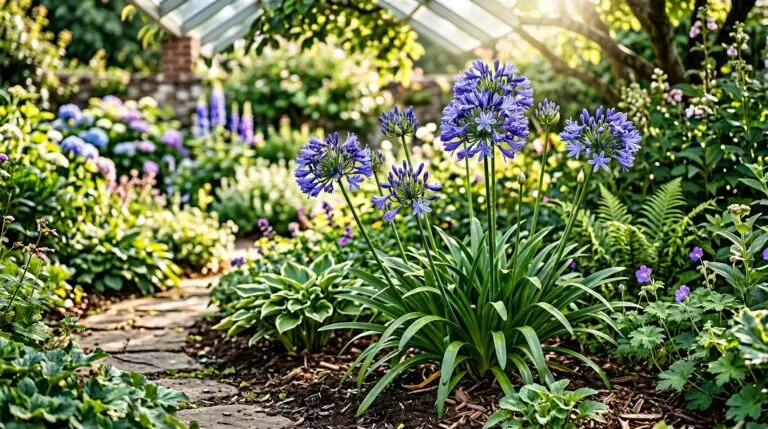

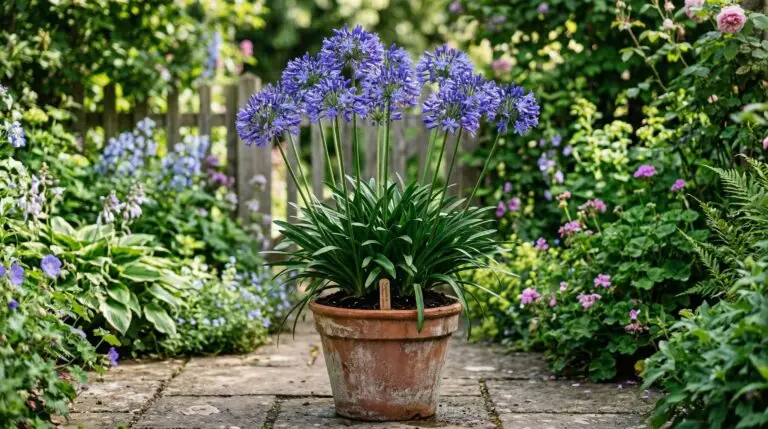


Taxonomy and origin
Agapanthus is a genus in the amaryllis family (Amaryllidaceae), placed in the subfamily Agapanthoideae and formerly treated as its own family Agapanthaceae. Every species is native to southern Africa, growing wild on rocky slopes and grasslands, and the plant reached European cultivation in the 17th century through Dutch ships rounding the Cape of Good Hope. The everyday names African lily, lily of the Nile, and Nile lily all attach the word lily to it, but it is not a true lily: true lilies belong to the genus Lilium in a separate family, while agapanthus sits closer to amaryllis and clivia. The distinction matters for a practical reason. True lilies are deadly to cats, while agapanthus is only a mild irritant, so the shared common name should not be used to judge its safety.
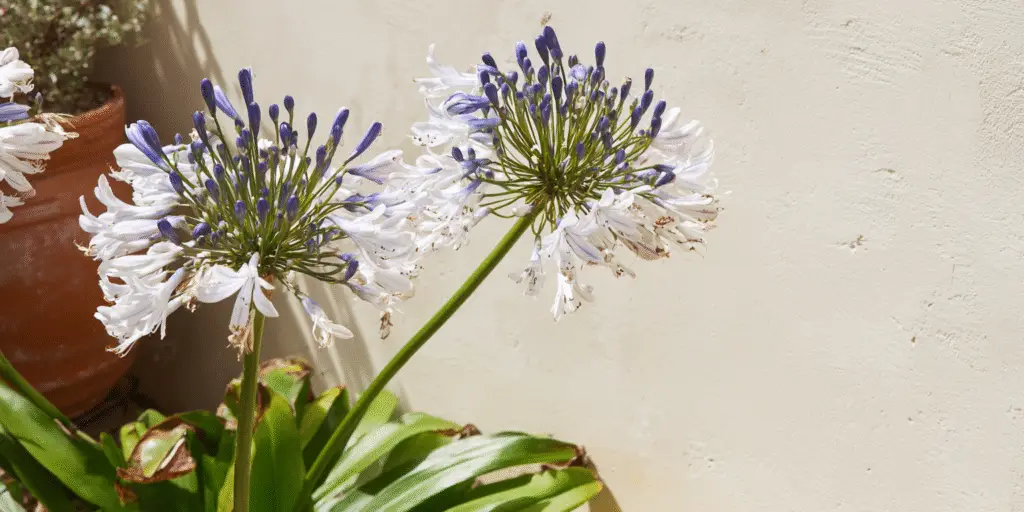
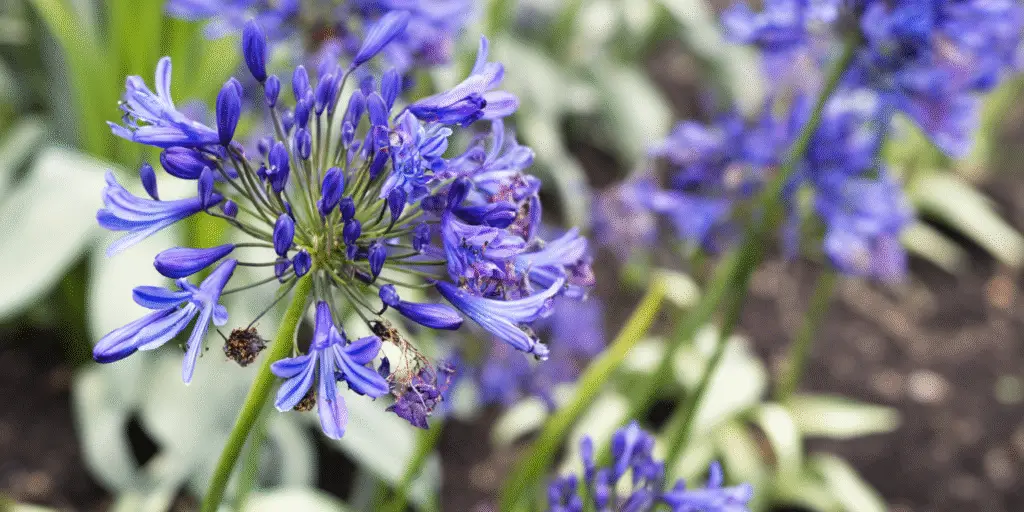
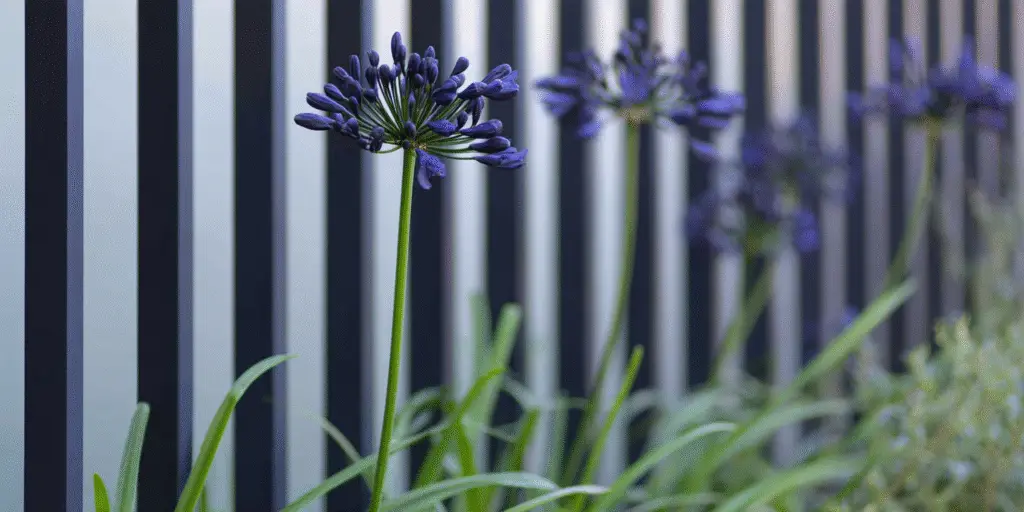
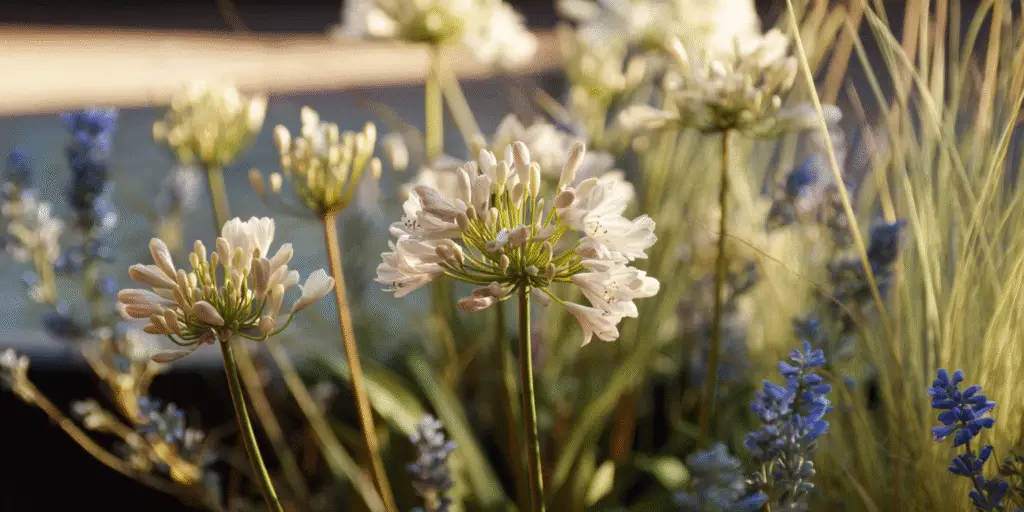
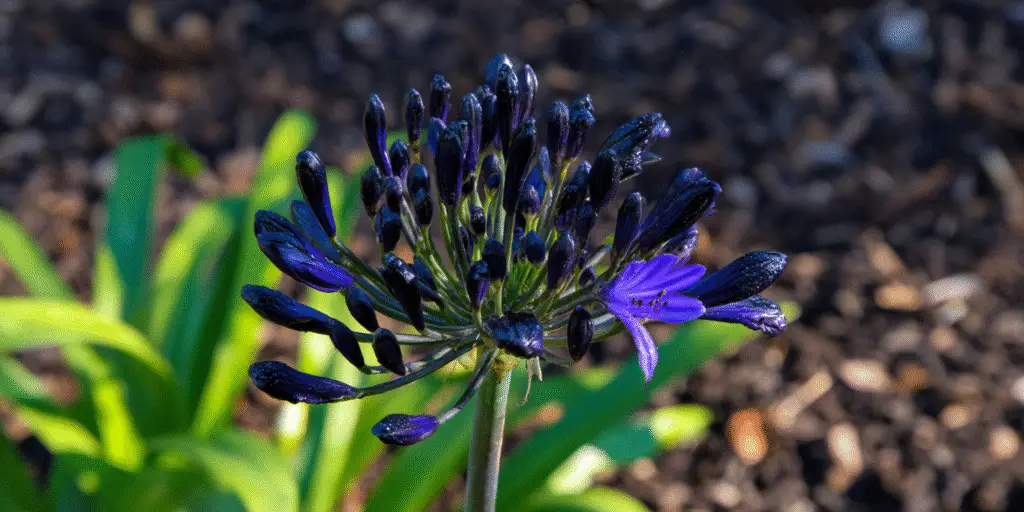
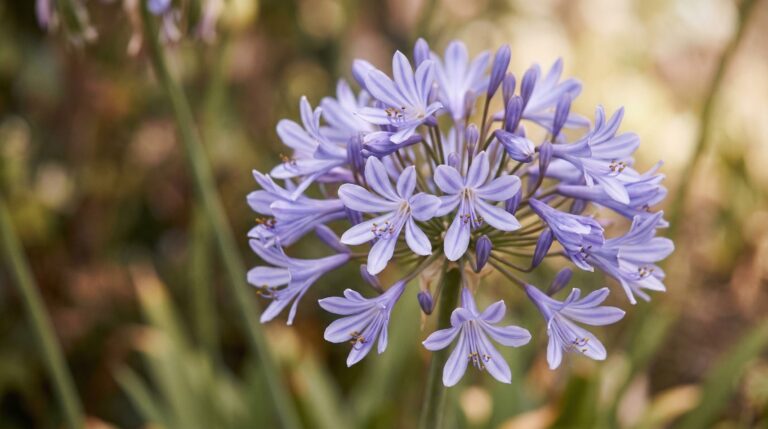
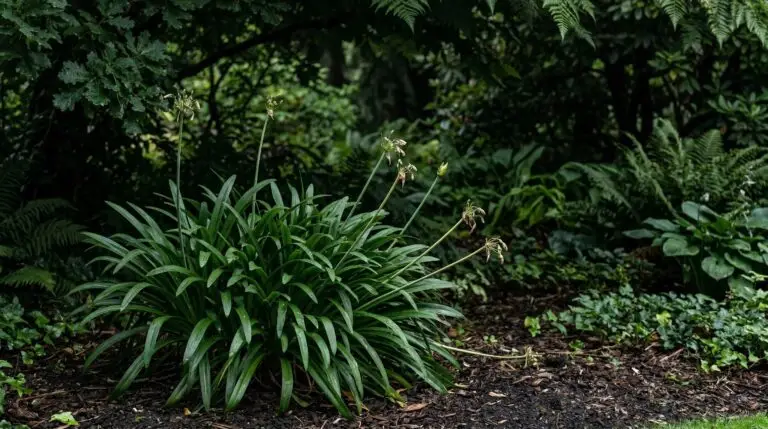
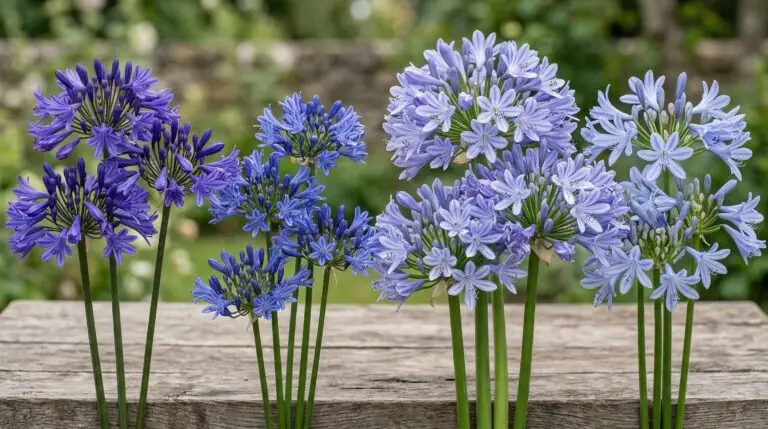
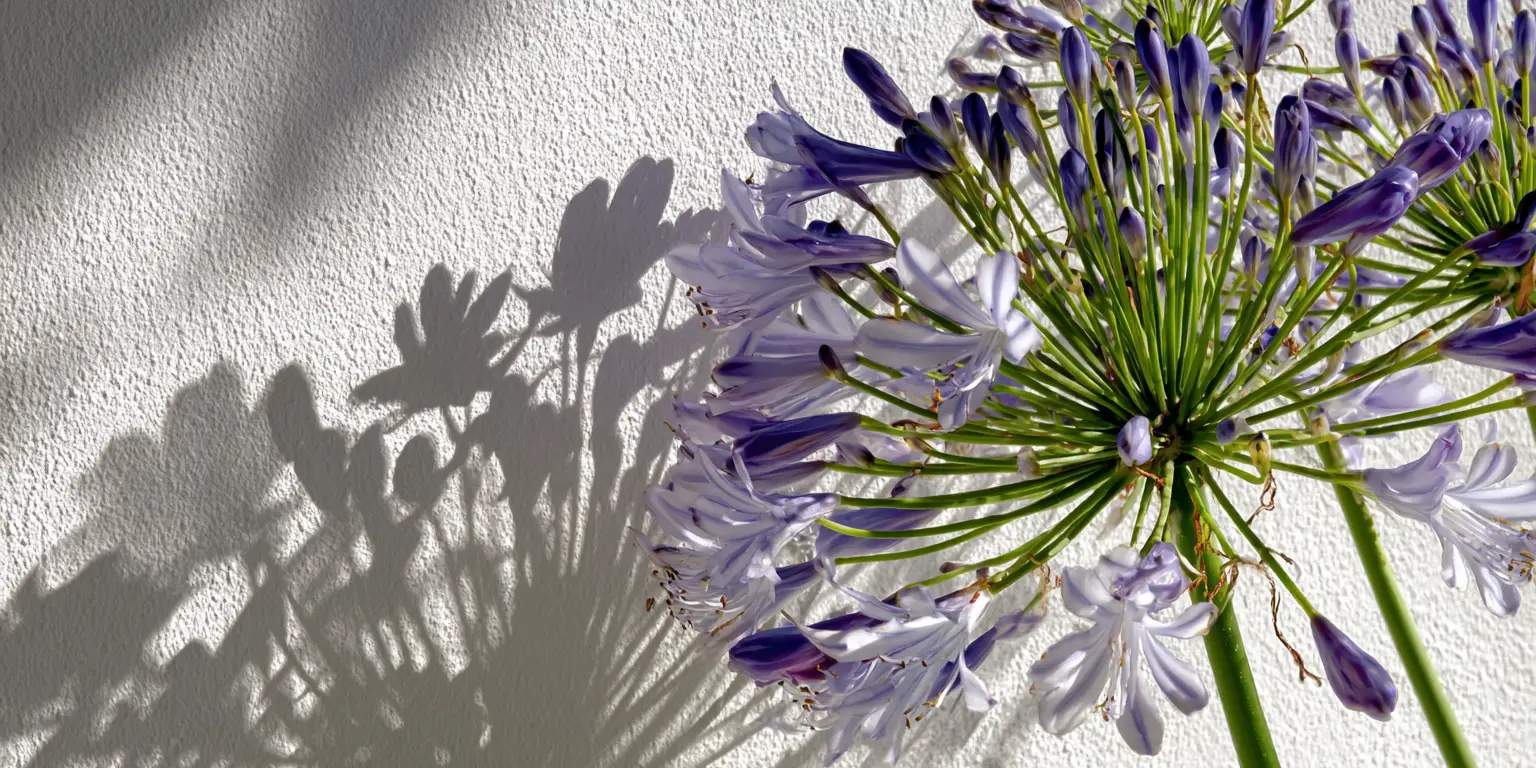
Most garden plants are hybrids bred from a small group of South African species, and they fall into two camps that govern hardiness and winter care. Evergreen types, descended from species such as Agapanthus africanus, keep their leaves year round and are the more frost-tender group. Deciduous types, derived largely from Agapanthus campanulatus and praecox, lose their foliage in autumn, rest underground through winter, and are the hardiest choice for cold gardens, sometimes sold under the older Headbourne Hybrids name. Within both groups, height ranges from dwarf cultivars near a foot tall, such as ‘Peter Pan’, to selections topping five or six feet. Flower color is dominated by shades of blue and violet alongside crisp whites, which is why agapanthus is a mainstay of any planting built around blue flowers.
The two groups, and the named cultivars inside them
Wisconsin Horticulture Extension counts two evergreen species and four deciduous ones in the genus and states the split plainly: most of the common types are evergreen, but some are deciduous. That is the axis that decides the winter rather than a cosmetic preference, and the verdict under each photo is the wording of the source named inside it.
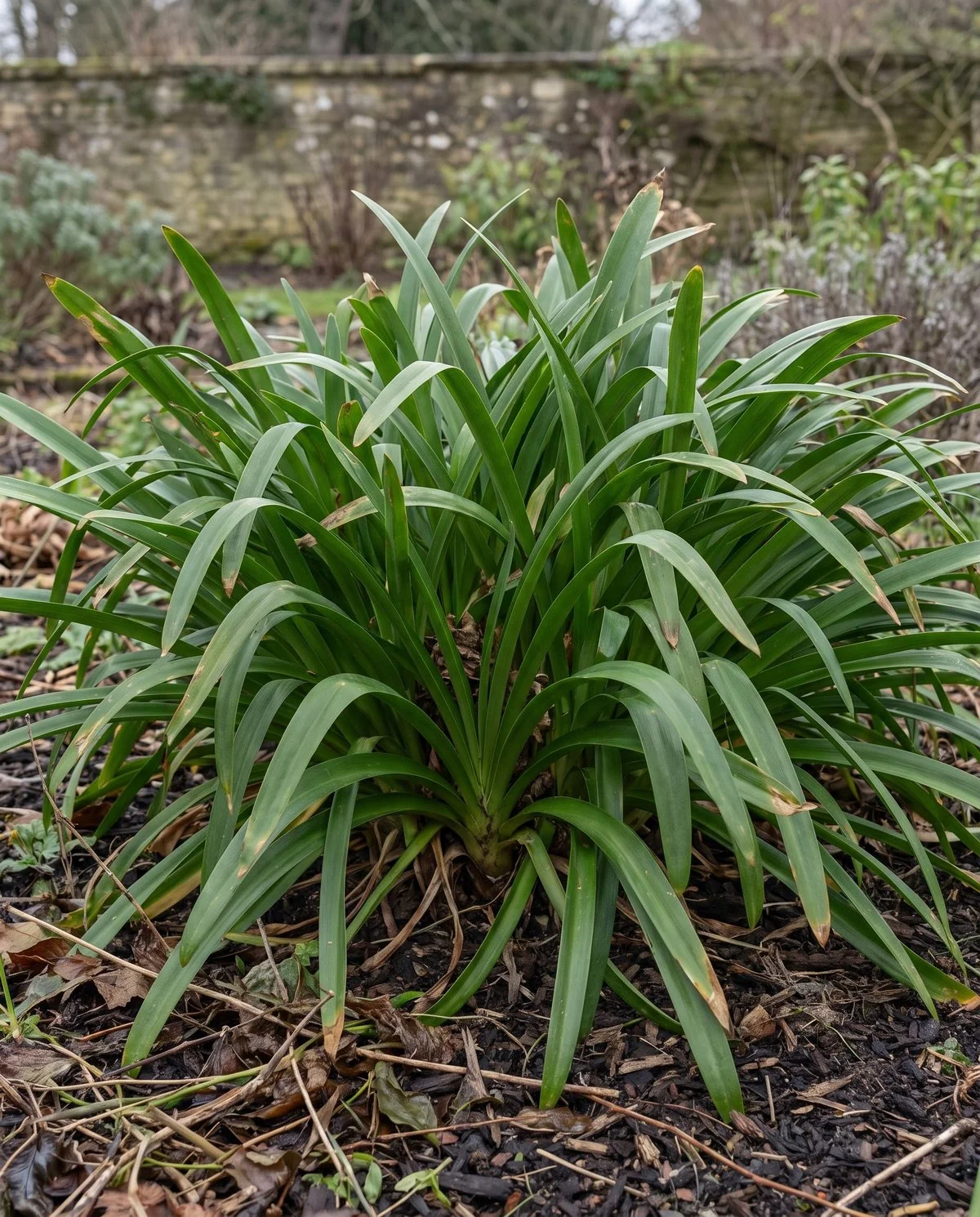
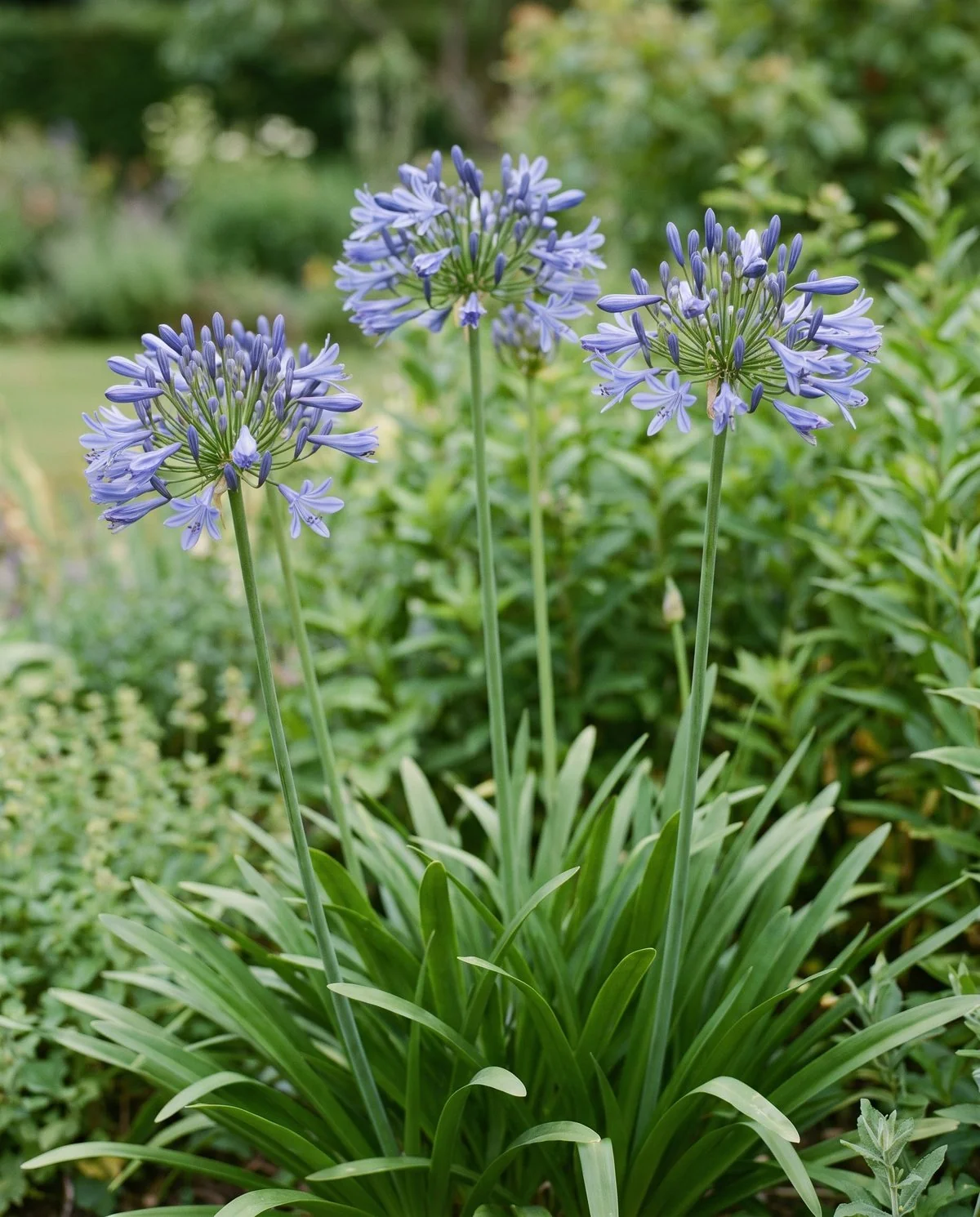
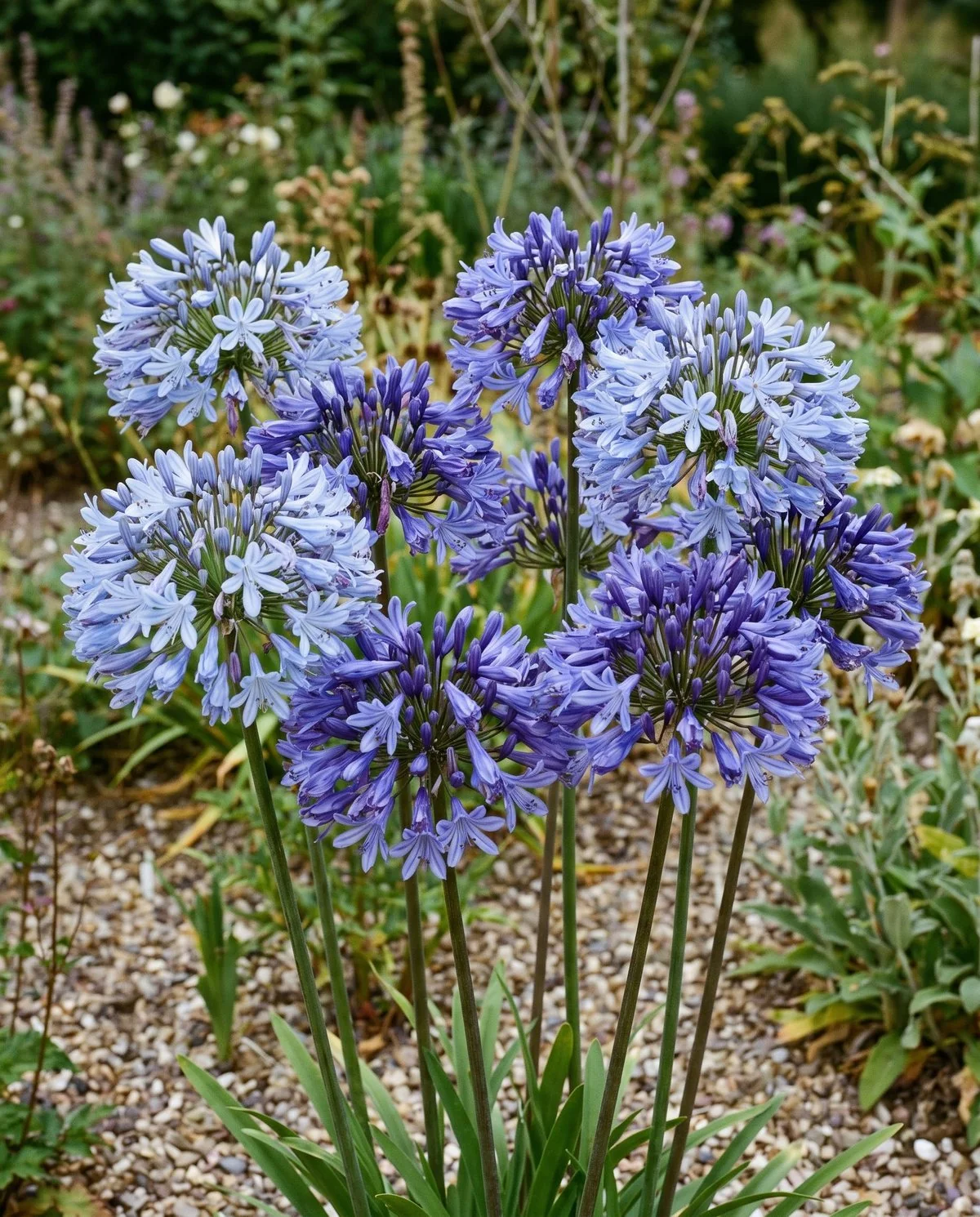
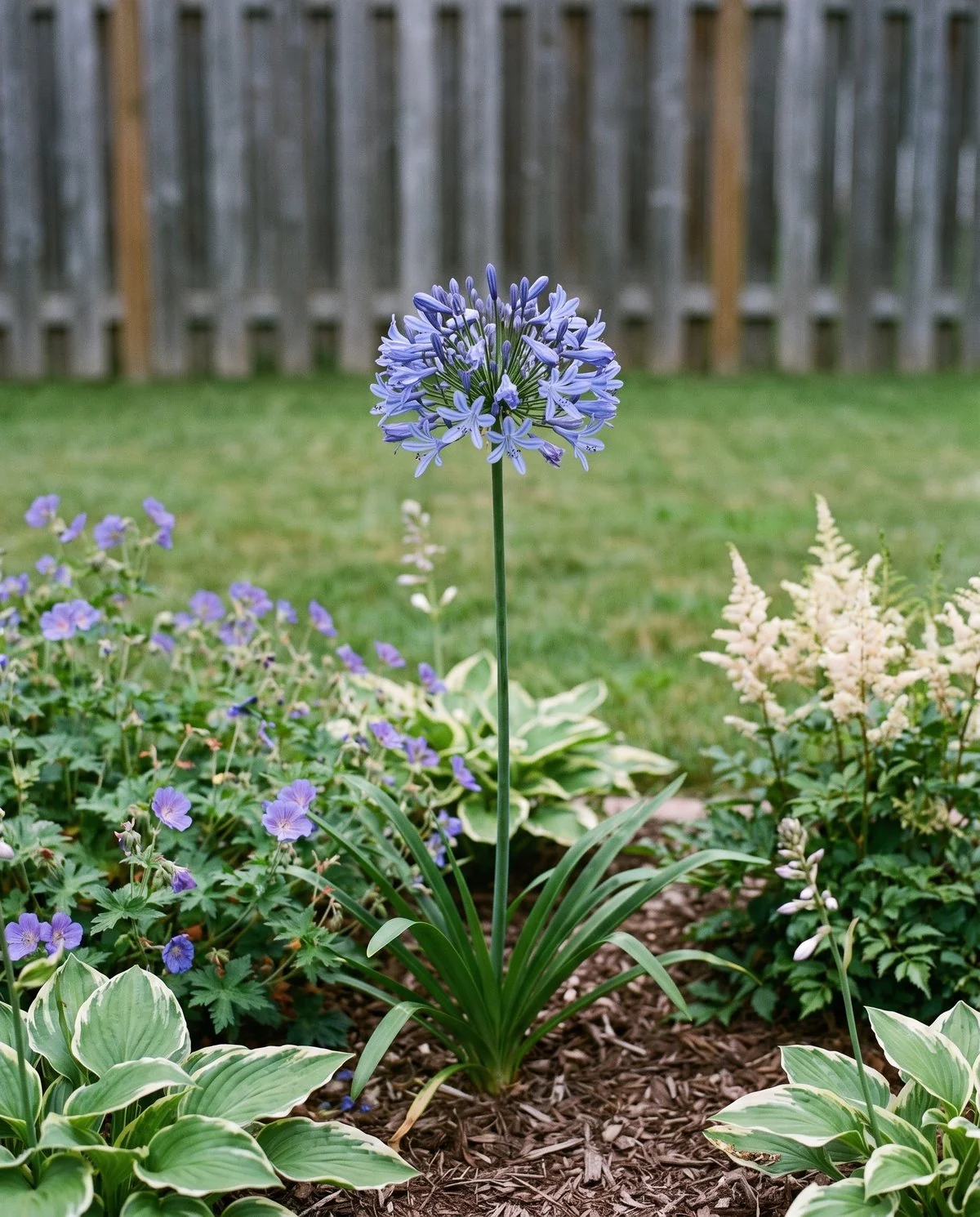
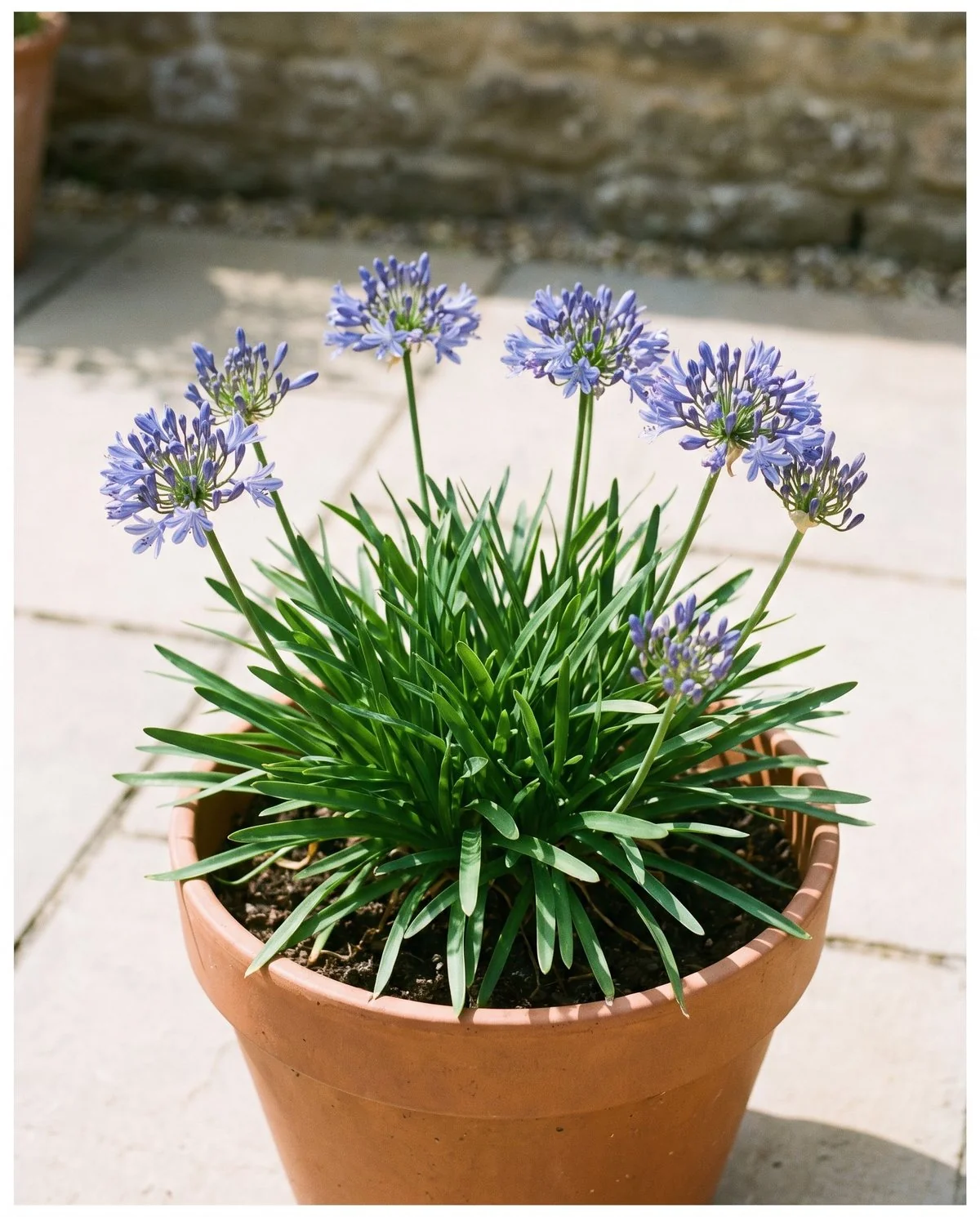
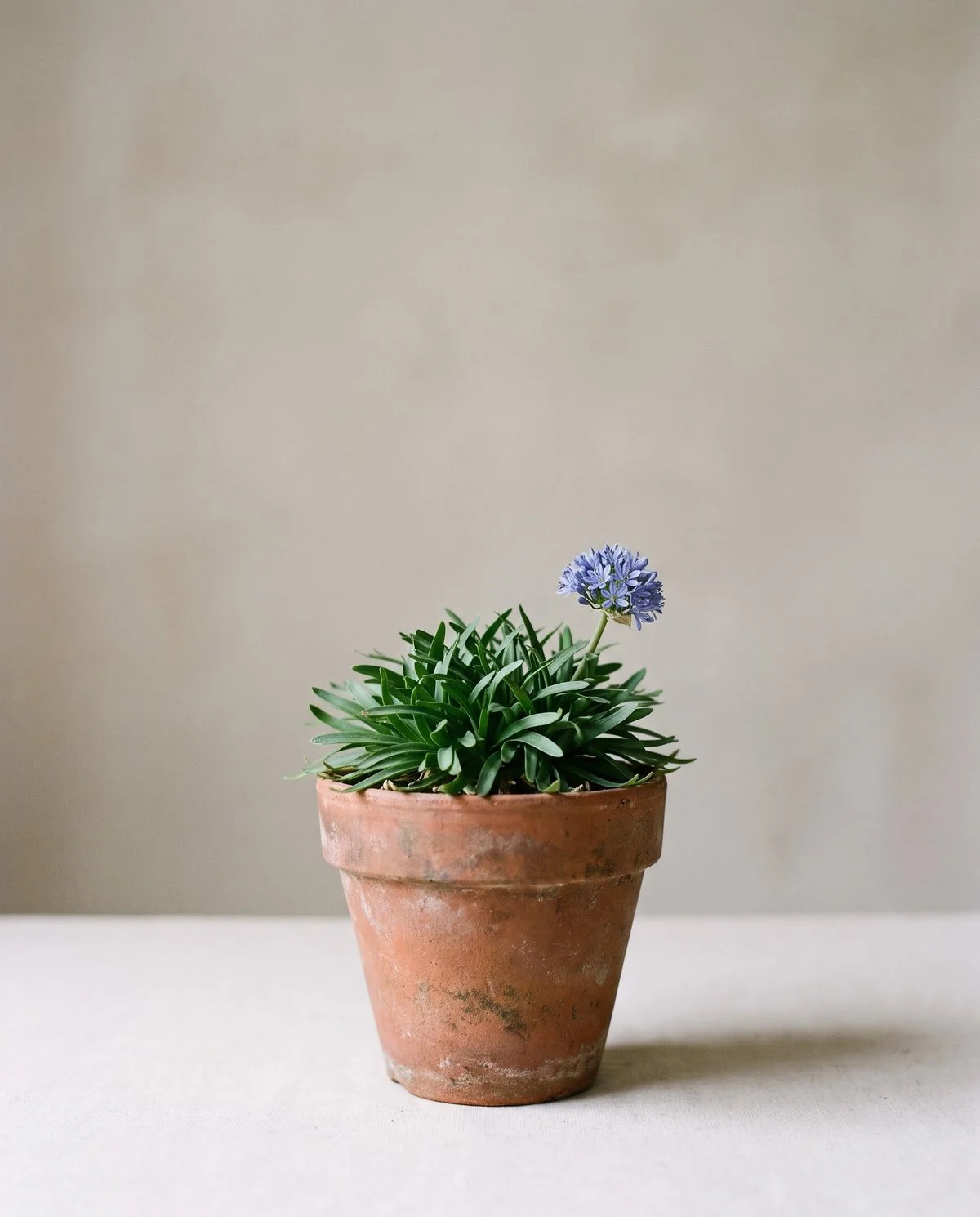
Two figures mark the size range of the whole genus rather than either group: Missouri Botanical Garden's own listing runs from Blue Baby at 8 in to Ellamae at up to 5 ft. Bloom timing is the gap. No extension or botanic-garden source found in this research splits the evergreen and deciduous groups into early, mid and late season; NC State Extension describes both as summer into fall bloomers in frost-free areas, and nothing finer than that is claimed here.
Bloom time
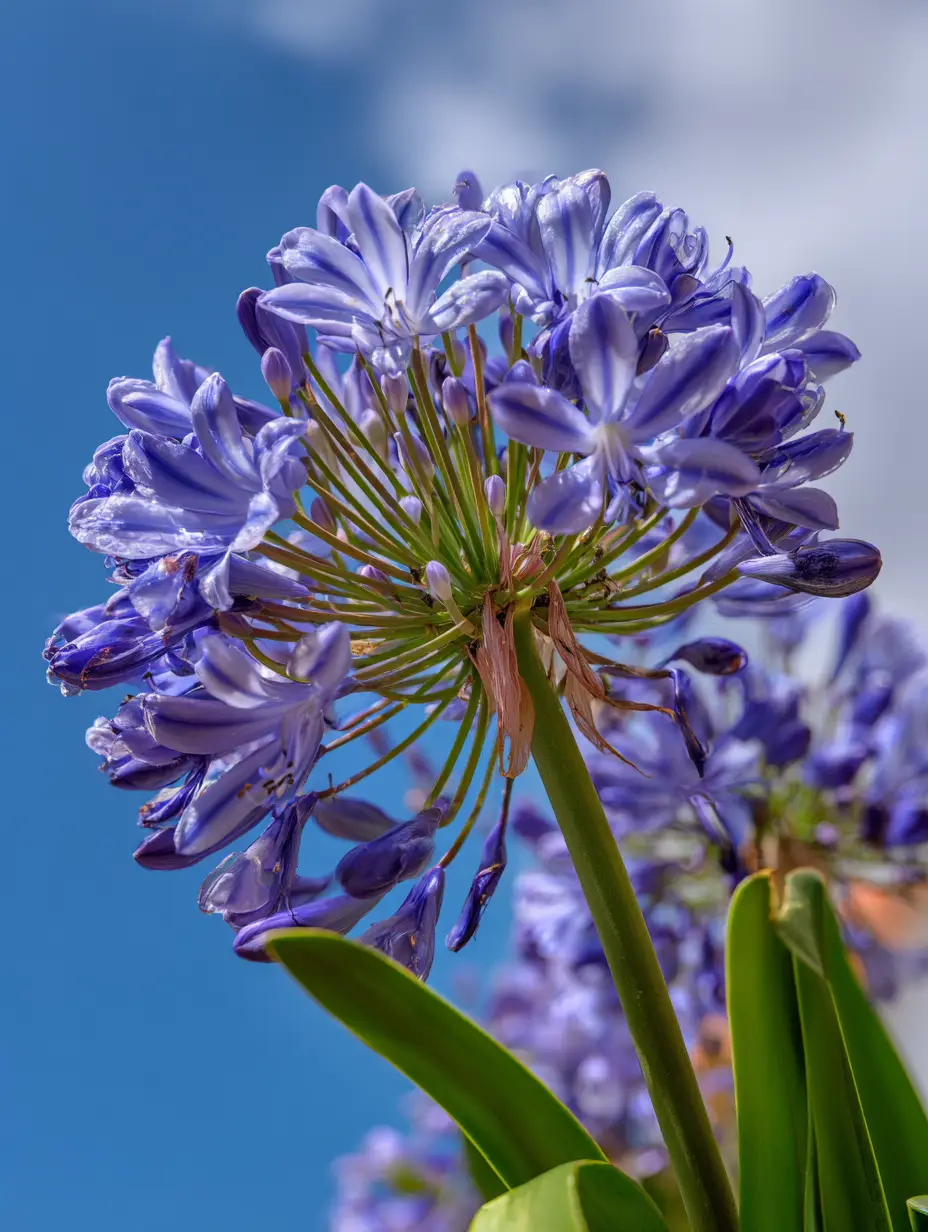
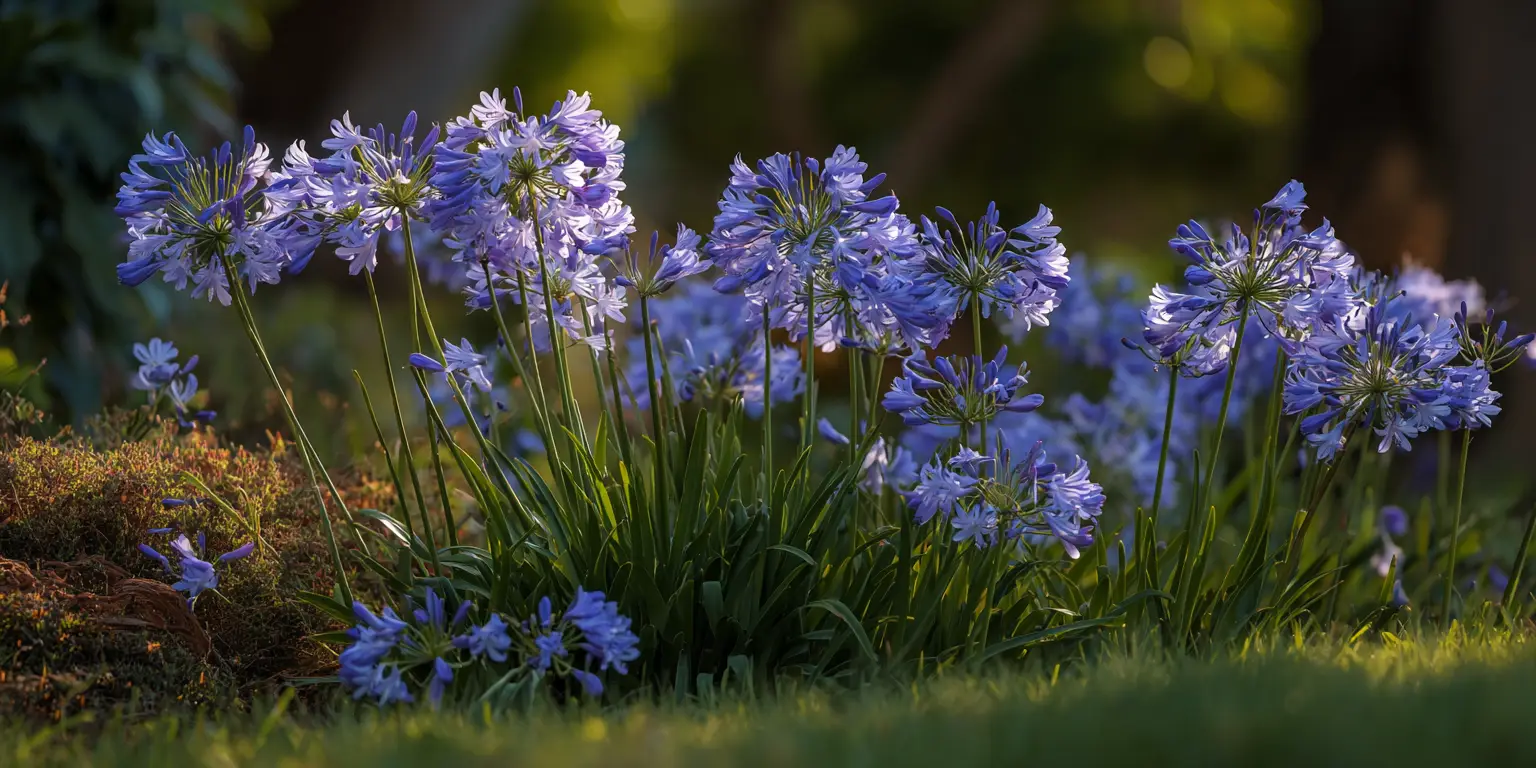
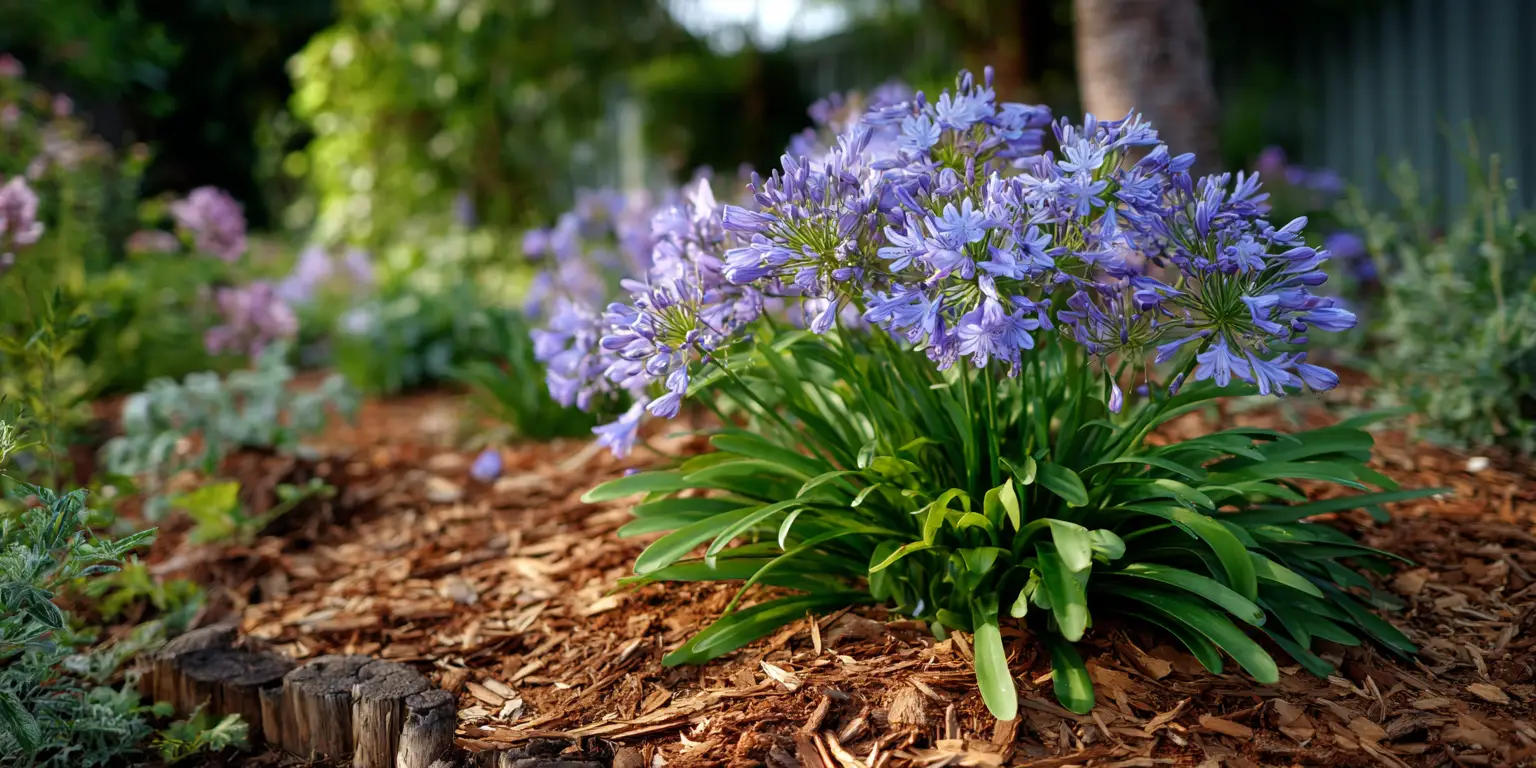
Most agapanthus bloom in midsummer, with heads opening from early to late summer depending on cultivar and climate; in mild-winter regions some begin in late spring and flower on and off for longer. Each plant sends up several bare stems, and each round cluster holds many florets that open in sequence, so a single head stays colorful for weeks and fills the gap between spring bulbs and autumn flowers. A clump in full flower is the payoff for getting the growing conditions right, which is exactly where many gardeners fall short.
When the leaves look healthy but the flowers never come, the reasons are consistent. The plant needs full sun to set buds, so shade is the first suspect. Young plants grown from seed or recent divisions commonly take two to three years to reach flowering size, so patience is part of the answer. Too much nitrogen, often from a lawn feed drifting into the bed or a rich general fertilizer, pushes leafy growth at the expense of flowers. Cold can also strip an evergreen type of the buds it formed, leaving foliage but no display. The cause-and-fix table in the FAQ separates these out.
Work down the list before you change the feed
Two failures cover most of what goes wrong: a clump that makes leaves and no flower stems, and leaves that yellow. Both have a fixed order, and in both the site comes before the fertiliser bag, because that is the order the institutional sources themselves use.
Height and spread
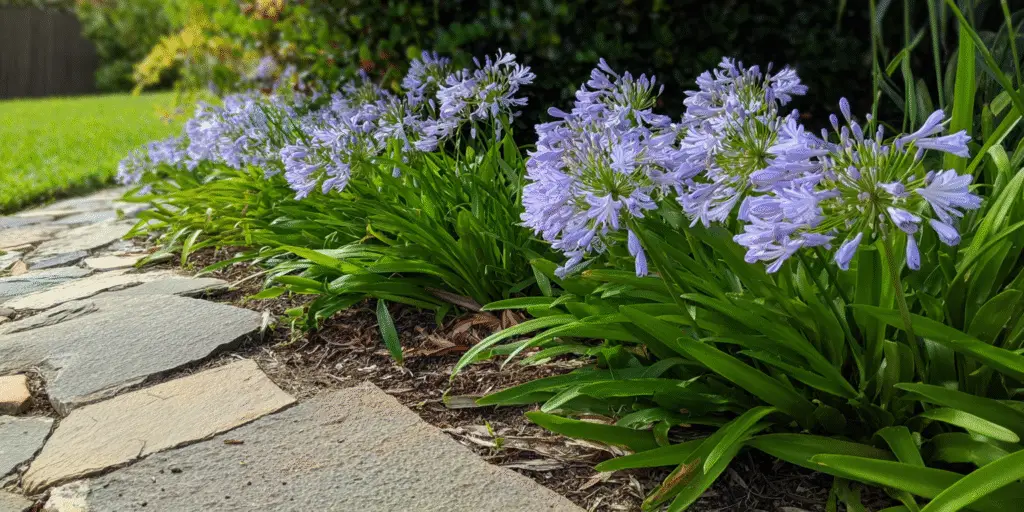
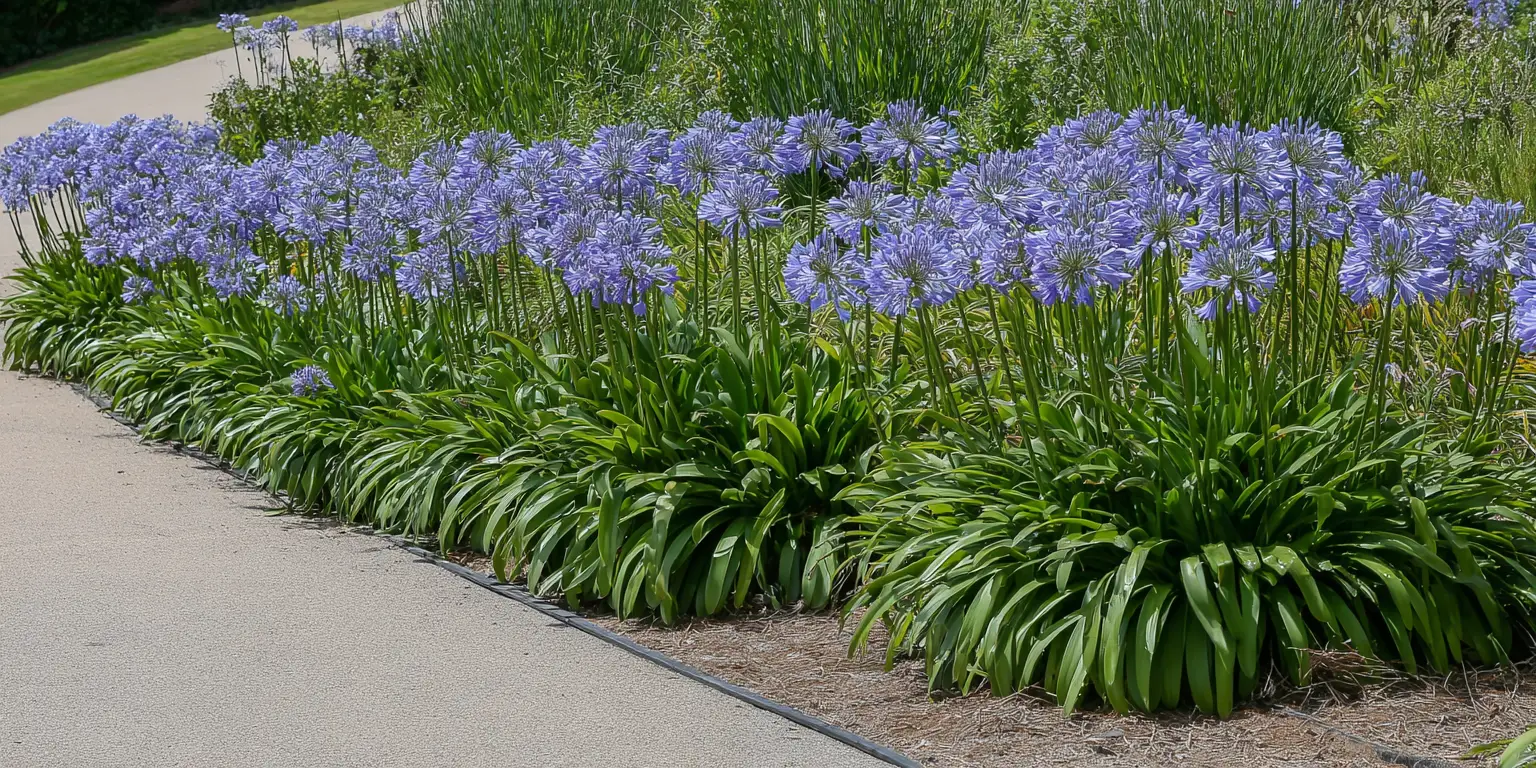
Agapanthus forms a tidy clump of arching basal leaves usually 12 to 24 inches tall (30 to 60 cm), with flower stems most often reaching 2 to 4 feet (60 to 120 cm). Dwarf cultivars such as ‘Peter Pan’ stay near a foot, while tall selections climb to 5 or 6 feet (1.5 m and up), so the mature size depends heavily on the type chosen. The plant spreads slowly outward from its crown rather than by running roots, and a mature clump reaches roughly 2 to 3 feet (60 to 90 cm) across after several years. For borders or mass plantings, space plants 18 to 24 inches apart, remembering that the slow, clumping habit means they hold their position for years rather than wandering.
Light
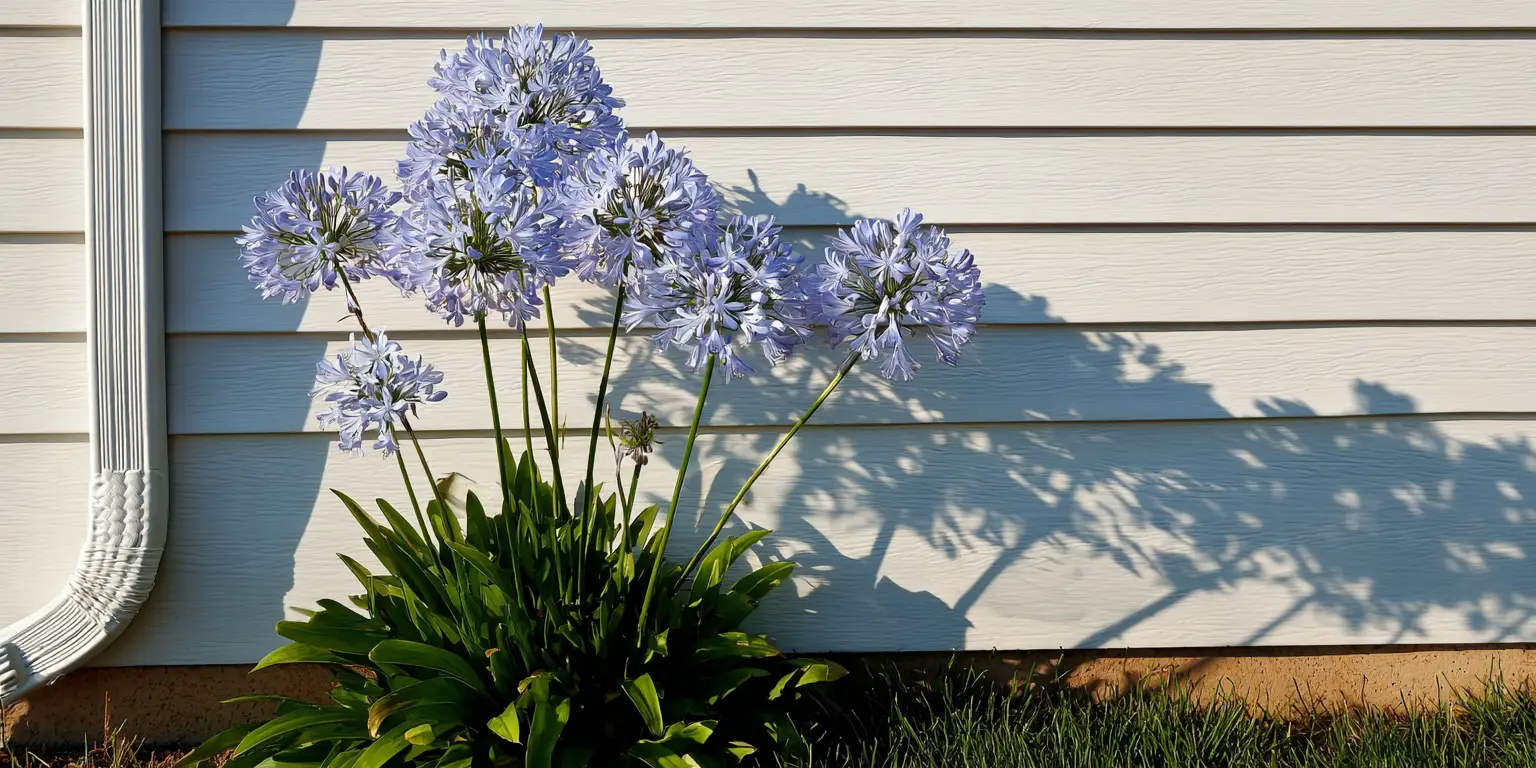
Full sun is not optional for flowers. Agapanthus blooms best with 6 to 8 hours of direct light a day, and shade is the single most common reason a healthy-looking clump fails to bloom. In partial shade the foliage stays green and full while the flower count drops sharply, and deep shade can stop blooming altogether. The one exception is very hot climates, where light afternoon shade prevents leaf scorch without costing many flowers, though the plant still needs strong morning and midday sun. Container plants follow the same rule and perform best on south- or west-facing patios where they catch the most light.
Water
Agapanthus likes even moisture during active growth but resents sitting in soggy soil. In spring and summer, water when the top 1 to 2 inches of soil dry out, then soak thoroughly so the fleshy roots reach down. Container plants are the exception that proves the rule, since a pot left to dry out completely through summer flowers poorly the following year, so they need steadier watering than plants in the ground. Once established in a bed it shrugs off brief dry spells, though a prolonged drought will cut flowering. The real danger runs the other way: overwatering and poor drainage cause root rot, and waterlogged winter soil is a frequent killer, especially for deciduous types that are dormant and using almost no water. Winter watering should drop off sharply as growth slows.
Soil and pH
Drainage matters more than richness, because the thick roots rot quickly in standing water. A well-draining soil of moderate fertility is ideal: in beds, a loam improved with compost works well, while heavy clay needs added organic matter or grit, or a raised bed, to move water away from the crown. Agapanthus tolerates a fair range of pH, doing best in roughly neutral to slightly acidic ground around pH 6.0 to 7.0. Slightly alkaline soil is fine where drainage is good, but very high pH can trigger nutrient problems that show as pale, weak foliage. When feeding, favor a fertilizer higher in potassium and phosphorus than nitrogen, since heavy nitrogen is one of the classic causes of leaves without flowers.
Three claims worth stating precisely
The myth: Agapanthus has to be pot-bound before it will flower.
The reality: Two institutions frame the mechanism differently and agree on what to do. Wisconsin Horticulture Extension states plainly that agapanthus blooms best when grown in full sun and pot-bound, that a plant should not be divided or repotted until it is pushing out of its pot, and that division belongs on a 4 to 5 year interval. RHS states just as plainly that agapanthus do not actually flower better when pot-bound as a general claim, and that plants flower poorly at either extreme, overpotted or excessively pot-bound, with its own instruction being a pot 1 to 2 in larger every 2 to 3 years. Both rule out eager repotting and frequent division. The precise version is snug, not strangled.
The myth: It is called a lily, so it carries a true lily's danger to cats.
The reality: Agapanthus is not in the lily family at all. It is the sole genus in the subfamily Agapanthoideae of Amaryllidaceae. The ASPCA carries no dedicated entry for it under either agapanthus or African lily, checked directly for this research, which is a gap in that database rather than a clearance. The best-sourced toxicity data found is Massey University's New Zealand poisonous plants database: the toxic principles are yuccagenin, a haemolytic saponin, and agapanthogenin, a steroidal saponin, concentrated in the tubers, with the leaves recorded as not seeming to be poisonous. The listed effects are oral and gastrointestinal, mouth ulceration, gastritis, contact skin irritation, nausea, vomiting and diarrhoea, and tuber ingestion is flagged as capable of killing livestock while the prognosis is otherwise good. NC State Extension separately rates it low poison severity with the toxic principle unknown. True Lilium and daylily toxicity in cats works by a different mechanism, attacking the kidneys directly, and the ASPCA's own lily article is where that contrast is documented.
The myth: Agapanthus is an invasive weed wherever it is grown.
The reality: Regionally true, and checkable in both directions. In New Zealand it has been on weed registers since 1996, was designated a surveillance plant pest by Auckland Regional Council in 2007 and a restricted pest plant by Bay of Plenty Regional Council from 2011 to 2016, and two separate bids to add it to the national Pest Plant Accord, in 2006 and again in 2011 to 2012, were both declined after debate. It is documented as an environmental weed in parts of Australia as well. California's own invasive-plant authority, Cal-IPC, carries no assessed listing for it at all, checked directly against its plant profiles for this research, which is worth stating because a widely repeated claim that Cal-IPC has agapanthus on a watch list does not survive that check.
USDA hardiness
Hardiness is the point where the evergreen and deciduous split becomes a buying decision. Evergreen types are the tender group, generally listed for USDA Zones 8 to 11, and they need winter protection or to be moved under cover where frost is hard. Deciduous types are the toughest, with many handling Zone 7 and some surviving lower with a deep winter mulch over the crown. Where winters regularly drop hard below freezing, the safest approach is to grow agapanthus in containers and move them to a sheltered, frost-free place for the cold months. The table below matches each group to its hardiness and winter routine.
| Type | Foliage | Cold hardiness | Frost tolerance | Overwintering |
|---|---|---|---|---|
| Evergreen (e.g. A. africanus hybrids) | Keeps leaves year round | Roughly USDA 8 to 11 | Frost-tender | Move pots to a cool, bright, frost-free place; wrap or mulch and shelter in-ground plants in marginal zones |
| Deciduous (e.g. A. campanulatus, Headbourne Hybrids) | Dies back in autumn | Hardier, many to Zone 7 | More frost-hardy | Apply a deep 6 to 9 inch winter mulch over the crown in the ground, or move pots somewhere cool and frost-free in cold zones |
The figures behind each group's year
Every number here belongs to the source named beside it. NC State Extension supplies the evergreen range and the planting figures, Wisconsin Horticulture Extension the storage and watering rules, RHS the container, protection and pest windows, and Ask Extension the outer edge of the division interval.
Propagation and longevity
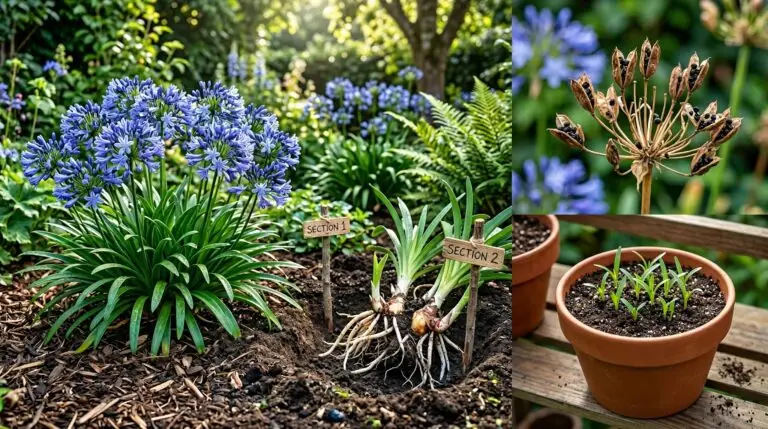
Agapanthus is propagated by seed or by division of established clumps. Seed germinates slowly over weeks to months and seedlings take years to flower, and because most garden plants are hybrids, the seedlings will not match the parent. Division is the reliable route, and it is also where many gardeners sabotage their own flowering. Agapanthus blooms best when its roots are congested, and it performs poorly when overpotted or over-divided, so splitting a clump too often resets it and buys a season or two of leaves with no flowers while it re-roots. There is no need to divide on a schedule. Leave a healthy clump undisturbed and split only when it grows so dense that flowering finally drops, or when a potted plant has filled its container, doing it in spring or just after flowering and replanting at the same depth. In a suitable climate agapanthus is long-lived, and an undisturbed clump can hold the same spot for many years, flowering more freely the more crowded it becomes.
What the years after a division actually look like
Division is the standard propagation route, and the first season after one goes into rebuilding root mass rather than into flowers, which the sourced material frames as normal rather than as something to troubleshoot. Seed is the slower road, and the sources disagree about how much slower: BBC Gardeners' World puts seed-grown plants at two to three years before flowering, other consumer sources at three to five, and no extension or university source found in this research settles it, so the honest figure is a two-to-five-year range rather than a number. Seed also loses the parent, since agapanthus cultivars do not come true from it and seedlings vary in both vigour and colour. What governs bloom quality after that is a maintenance rhythm the institutional sources do agree on: Wisconsin Horticulture Extension divides an established clump every 4 to 5 years, Ask Extension's expert every 5 to 6, timed either after flowering or in early spring, and RHS lifts and divides in late March or April. The curve that follows is strong flowering after a division, a gradual thinning as the clump ages and crowds itself, then a reset. That is the real difference between agapanthus and a hybrid tulip bulb, whose sourced decline runs on a fixed window whatever the gardener does: here the decline is framed by these same sources as manageable through division, which is why the interval matters more than the plant's age. One thing none of them settles is whether an evergreen or a deciduous type reaches first bloom sooner from the same starting point, seed or division. Nothing addressed it, and nothing here fills that gap by inference.
Fragrance
Agapanthus has little to no scent. Up close a faint sweet note is sometimes detectable, but the plant earns its place through the architecture of its flower heads and its cool blue and white color rather than fragrance, so it is rarely chosen for perfume in a planting.
Toxicity and pet safety
Agapanthus is an irritant rather than a serious poison. The sap and rhizome contain saponins, and skin contact can cause irritation or a mild dermatitis in sensitive people, which is why gloves are sensible whenever you cut stems or divide a clump. If any part is eaten, it tends to cause mouth irritation and mild stomach upset; a dog or cat that chews the leaves or roots may drool, retch, or vomit, with the toxins most concentrated in the roots and bulb-like base, but a pet would generally have to eat a fair amount to be affected. It is not on the ASPCA’s list of plants toxic to cats and dogs, and it is not poisonous in the way true lilies are, which are deadly to cats. The sensible course is still to keep it out of reach of pets and small children and to rinse skin after handling. Gardeners weighing it against other plants can cross-check it in the guide to flowers that are safe around cats and dogs.
Vase life
Agapanthus cuts well, and the round heads give arrangements height and structure. Stems typically look good for about a week, sometimes a little longer in a cool room with fresh water. Cut in the morning, choosing stems with a few open florets and others still in bud, since buds often keep opening in the vase. Strip any leaves that would sit below the waterline, recut the stems before arranging, and refresh the water every couple of days. Because the sap can irritate skin, it is worth wearing gloves when stripping and recutting stems for the vase as well.
What the cut-flower sources measured, and what they did not
No academic or extension source addressing agapanthus cut-flower vase life was found in this research. Every figure below comes from florist and commercial sources, and they disagree with each other by a wide margin, so the spread is reported rather than resolved by picking the most common-sounding number.
There is a settled number of days for cut agapanthus.
There is not. The florist sources disagree from 5 days to 12, and no measured trial sits behind any of them. A range stated honestly carries more information than a single figure with nothing underneath it.
A penny, an aspirin or a splash of vodka extends it, the way people say for tulips.
Nothing in this research ties any of those to agapanthus. No agapanthus-specific home remedy was found to test, and a debunk borrowed from another flower's research would not be a debunk of anything.
Pests and diseases
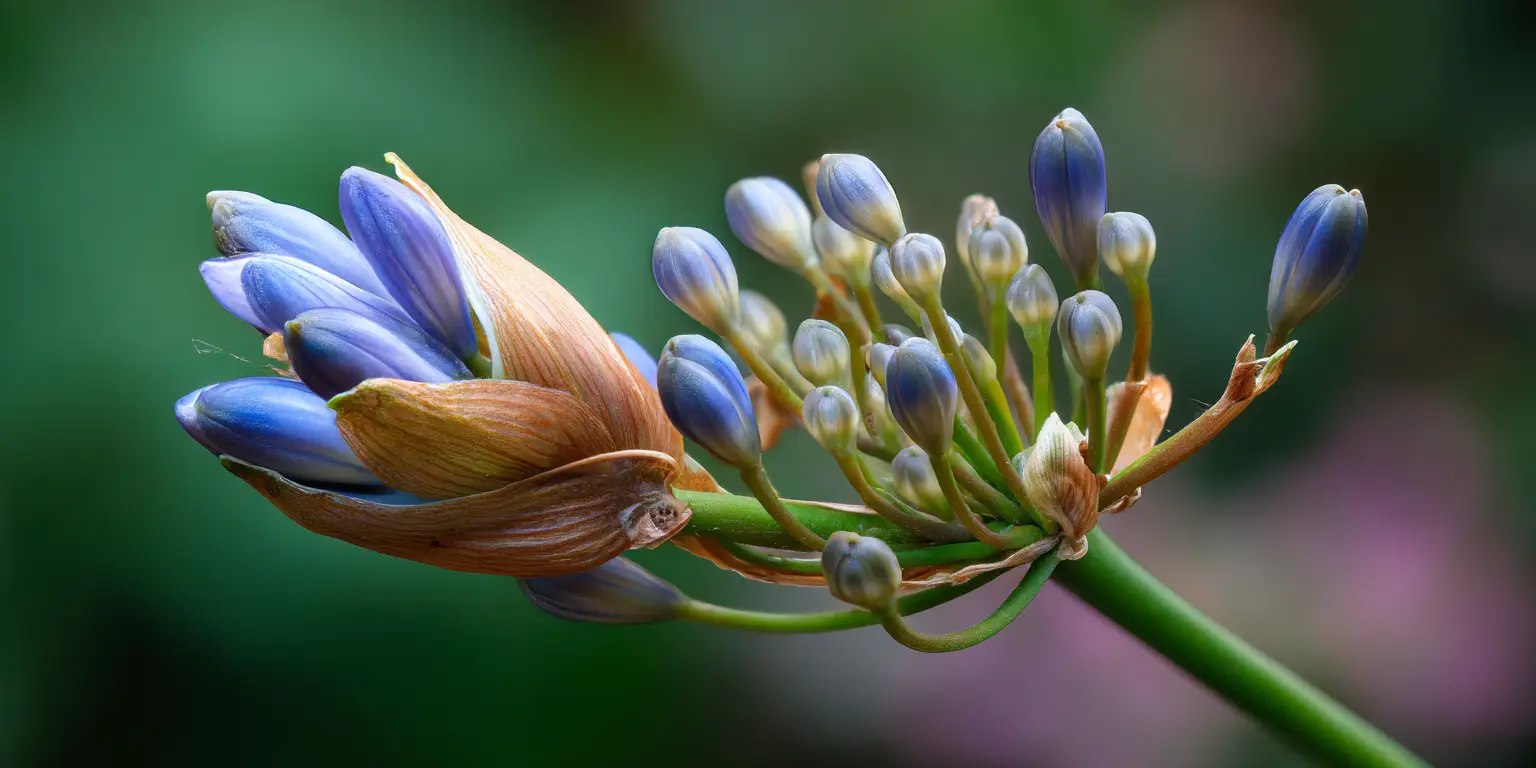
Agapanthus is fairly tough, and most trouble traces back to plants kept too wet or too crowded. In humid weather, leaf spots and gray mold can appear, and good spacing, airflow, and the removal of spent flower stalks go a long way to preventing them. The biggest single risk is root rot in poorly drained soil; yellowing leaves and a sudden collapse of the clump almost always trace back to waterlogged conditions rather than any disease. Snails and slugs chew ragged holes in the foliage, while aphids and thrips turn up occasionally. In parts of Europe the agapanthus gall midge has become a problem, deforming and discoloring developing buds so they fail to open, and removing and destroying affected buds is the main way to limit it.
What actually goes wrong, by frequency
Counted by hand from the full title and body of every post in a 40-post pull from r/gardening and r/plantclinic through the Arctic Shift Reddit archive, 22 posts and 18 posts respectively. One gardener posted the same yellowing-and-leaning story to both subreddits, so 39 complaints sit under the 40 threads. Forty posts is a small sample and it is worth saying so plainly rather than dressing it up: agapanthus is discussed far less on English-language Reddit than a plant like tulips, whose comparable pull ran to 239 posts. Themes overlap, so the shares do not sum to 100.
Whether the base of the clump is firm. This is the largest bucket and a genuine grab-bag underneath: overwatering, heat stress and early rot all present as yellowing first, and the posters routinely could not tell which they had.
Nothing, from the text alone. These are image-only posts with a one-line title, undiagnosable without the photo, which is worth stating rather than sorting them into a category they do not fit.
The rhizome, never the foliage. Deciduous die-back, conflicting overwintering advice and new centre growth that looks dead cluster tightly together here.
The thermometer. All three posts named a specific high temperature, over 90F in central Texas, 100F in central California, and a southern California heatwave, rather than describing generic wilting.
Whether growth has crossed the bed's edge. Small on Reddit, and independently confirmed as a named regional problem by New Zealand pest-plant authorities.
Whether the base is mushy as well as yellow. These posts named rot outright, which is why they sit apart from the yellowing bucket they overlap with.
Where the water goes once it has left the can, rather than how often it leaves.
Whether anything is wrong at all. Neither of these is a disease, and both deserve a plain answer instead of a diagnosis.
The figures rather than the symptoms. These are how-to questions, recurring often enough to belong in the FAQ.
Sun, first. Treat 2.5 percent as a floor rather than the real demand: one Reddit thread stands against a dedicated Ask Extension ticket, a GardeningKnowHow reader question that appears twice in its own archive, and RHS's troubleshooting section naming five separate causes for it.
The buds. The single case was a UK glasshouse post with no diagnostic detail given, which is geographically and structurally the profile RHS's own agapanthus gall midge alert describes.
Whether it has held the same size for several seasons. This feeds the FAQ rather than the problem ranking.
Five calls a single photo cannot settle
Each card carries the one visual detail that separates the pair. Two of them are the exact forks real gardeners posted a photo of and could not resolve: a winter clump that may be dormant or dead, and frost-blackened foliage that may or may not be worth cutting.
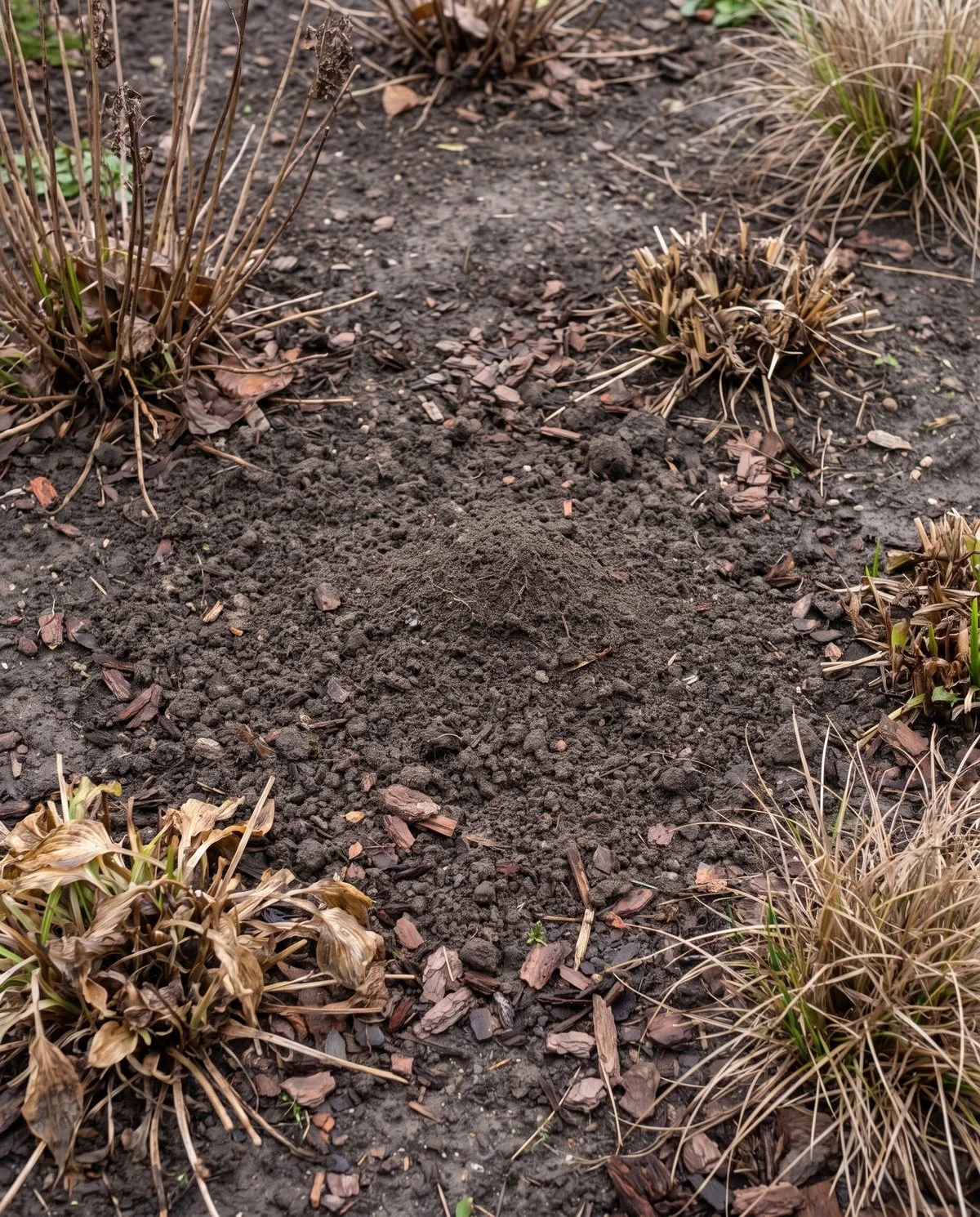
The rhizome decides this, not the foliage. A deciduous agapanthus dies back to the ground every autumn, and the sourced winter-care material describes the rhizome underneath as far tougher than it looks, staying firm when it is dug up and checked. Soft, mushy or blackened tissue is the real dead signal, and it usually follows a winter spent too wet, against Wisconsin Horticulture Extension's own instruction to store dormant containers in a cool, above-freezing, dark place and allow them to remain dry until spring.
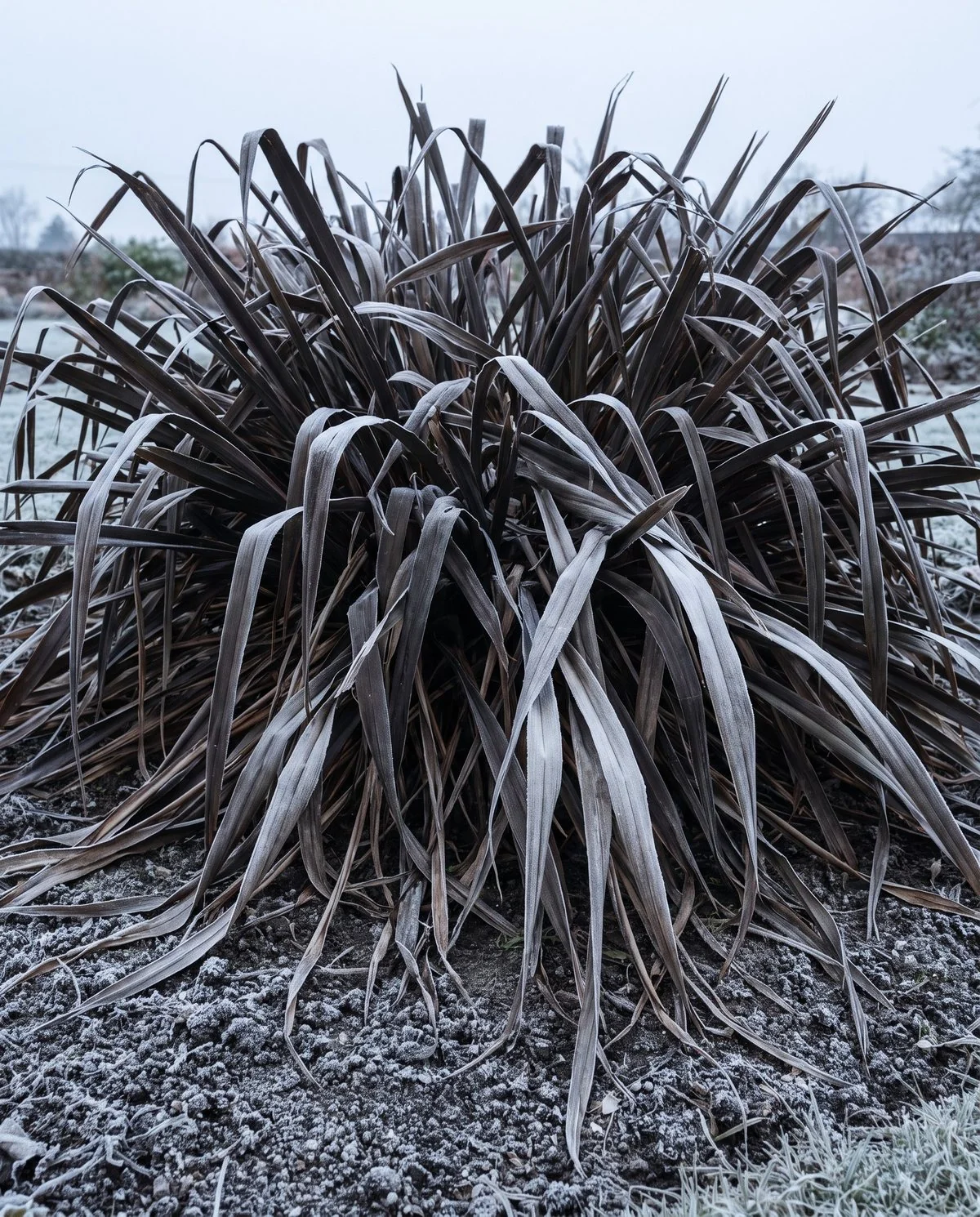
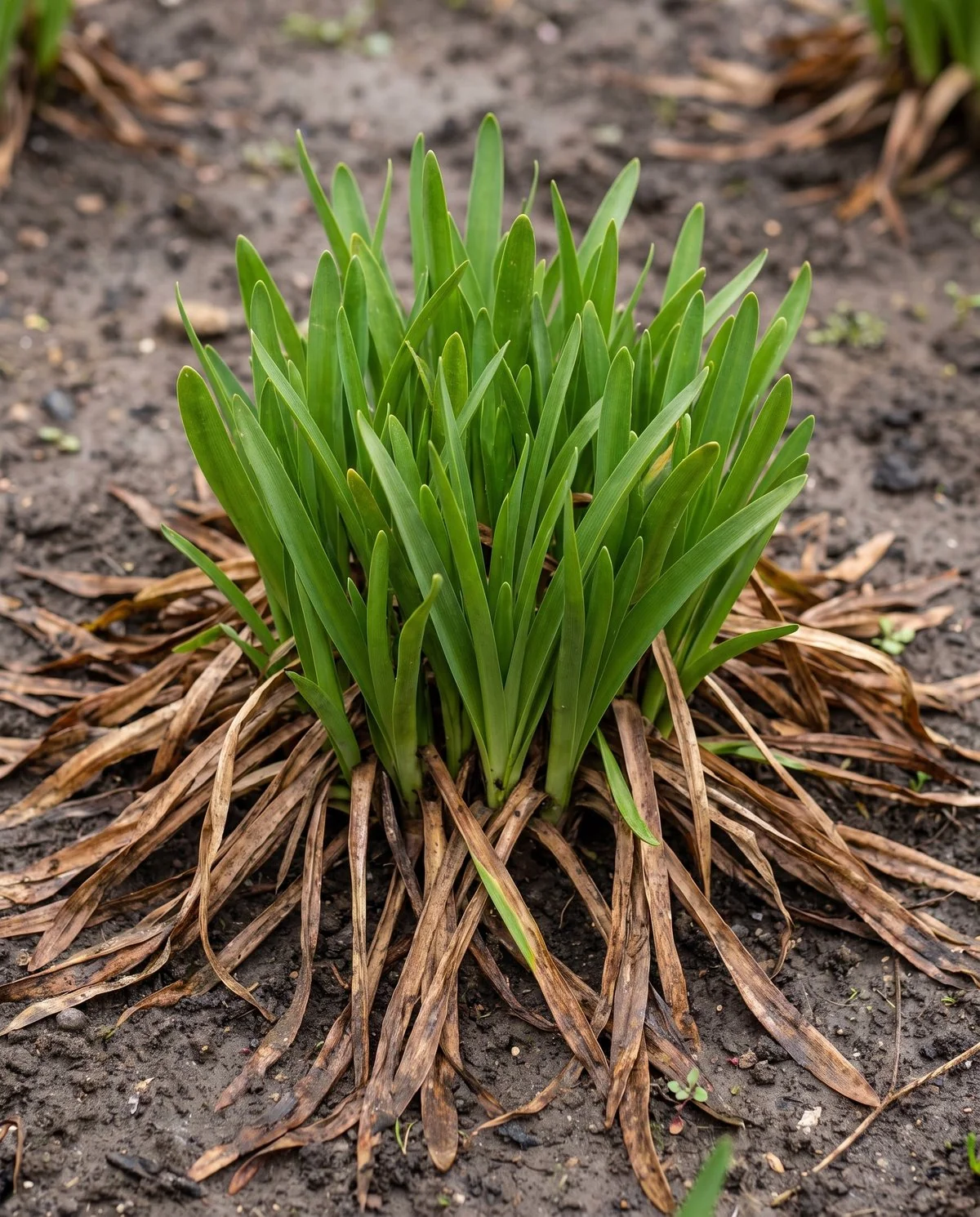
Frost blackens or bleaches whole blades uniformly, tips first, and it appears after one specific cold night rather than spreading over weeks. The crown beneath frequently lives, which is why the standard handling is to cut nothing back until new spring growth confirms what survived; cutting first removes tissue that is still sheltering the crown. Fresh green growth pushing from the centre is the confirmation worth waiting for.
RHS describes it exactly: buds deformed in shape with brown patches, failing to open, then drying up or rotting, and a suspect bud cut open reveals creamy yellow or orange maggots up to 3 mm long, sometimes alongside a watery liquid inside the bud tissue. The insect is Enigmadiplosis agapanthi, first documented in the UK in 2014, active June through early October with multiple overlapping generations. A healthy bud swells symmetrically, takes colour normally and opens on schedule. There is no photo pair here on purpose: RHS's own project report noted how little was known about the insect's biology, so this fingerprint has to come from a real reference photo rather than a generated one.
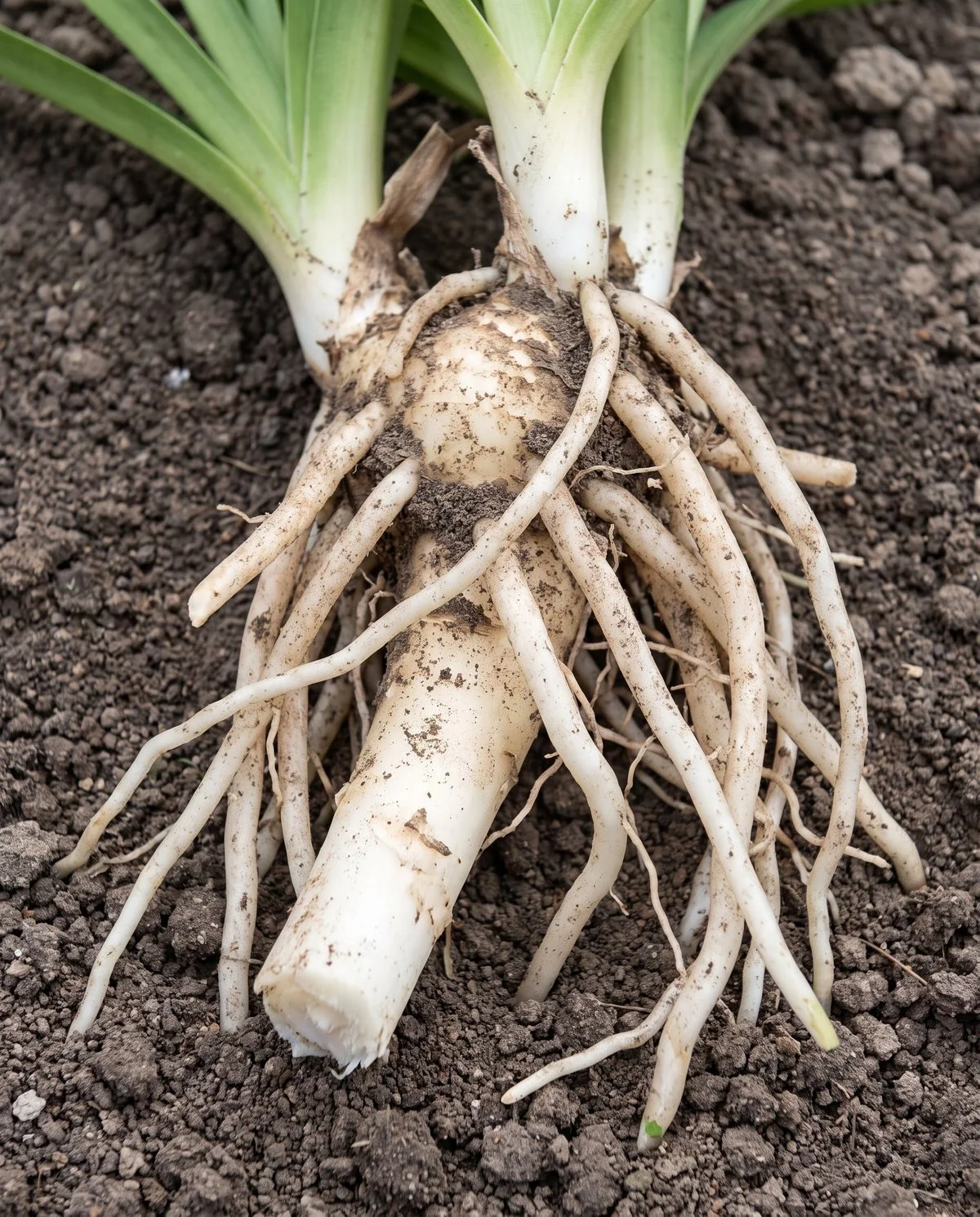
NC State Extension gives the genus one named disease risk and nothing else: no significant problems, root rot can occur in too wet soils. The check is the rhizome rather than the leaf. Healthy tissue is firm and pale cream to white with visibly draining mix around it, and rotted tissue is soft and discoloured while the top growth yellows at the same time. The rot texture itself is not illustrated here, for the same reason the gall midge is not.
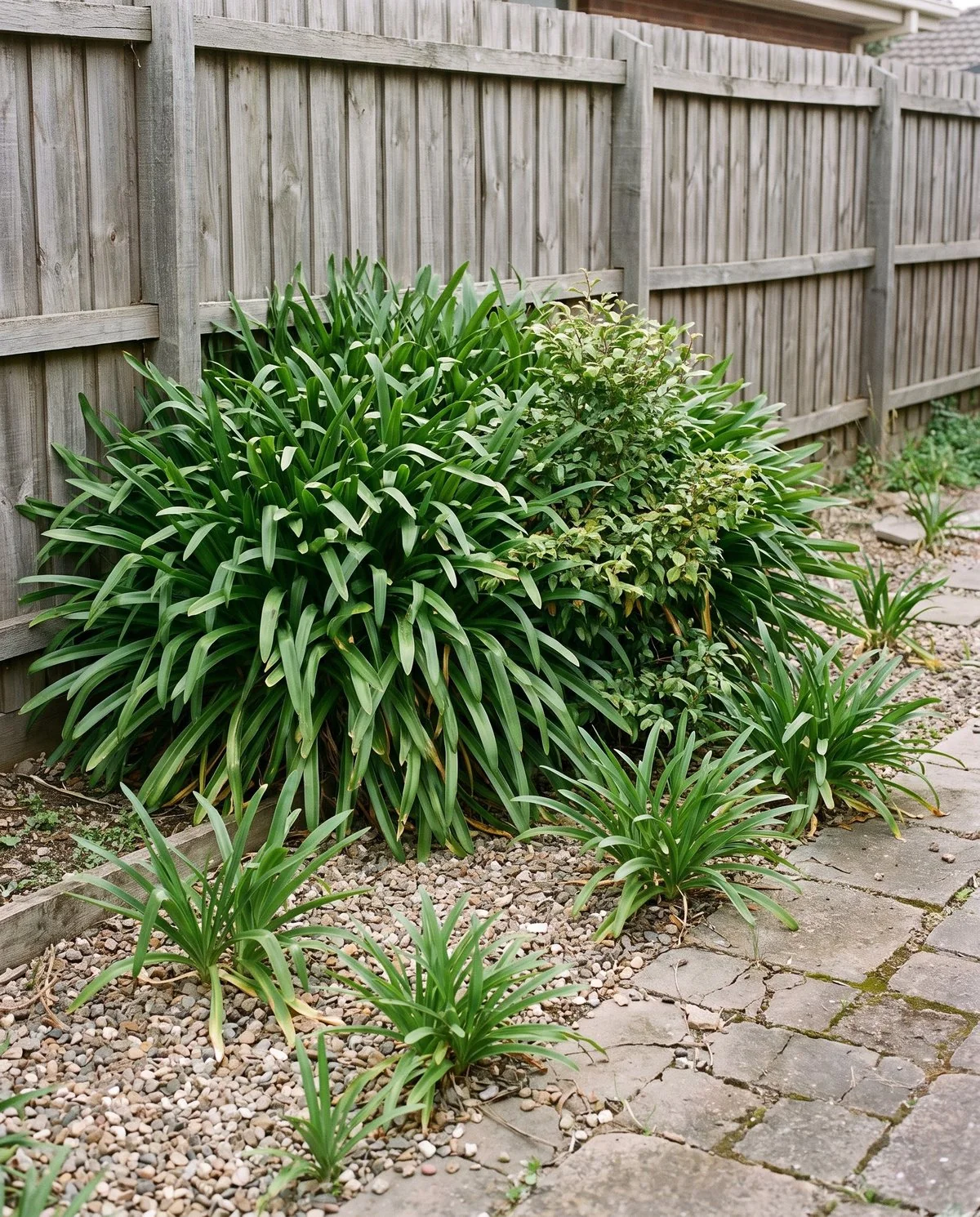
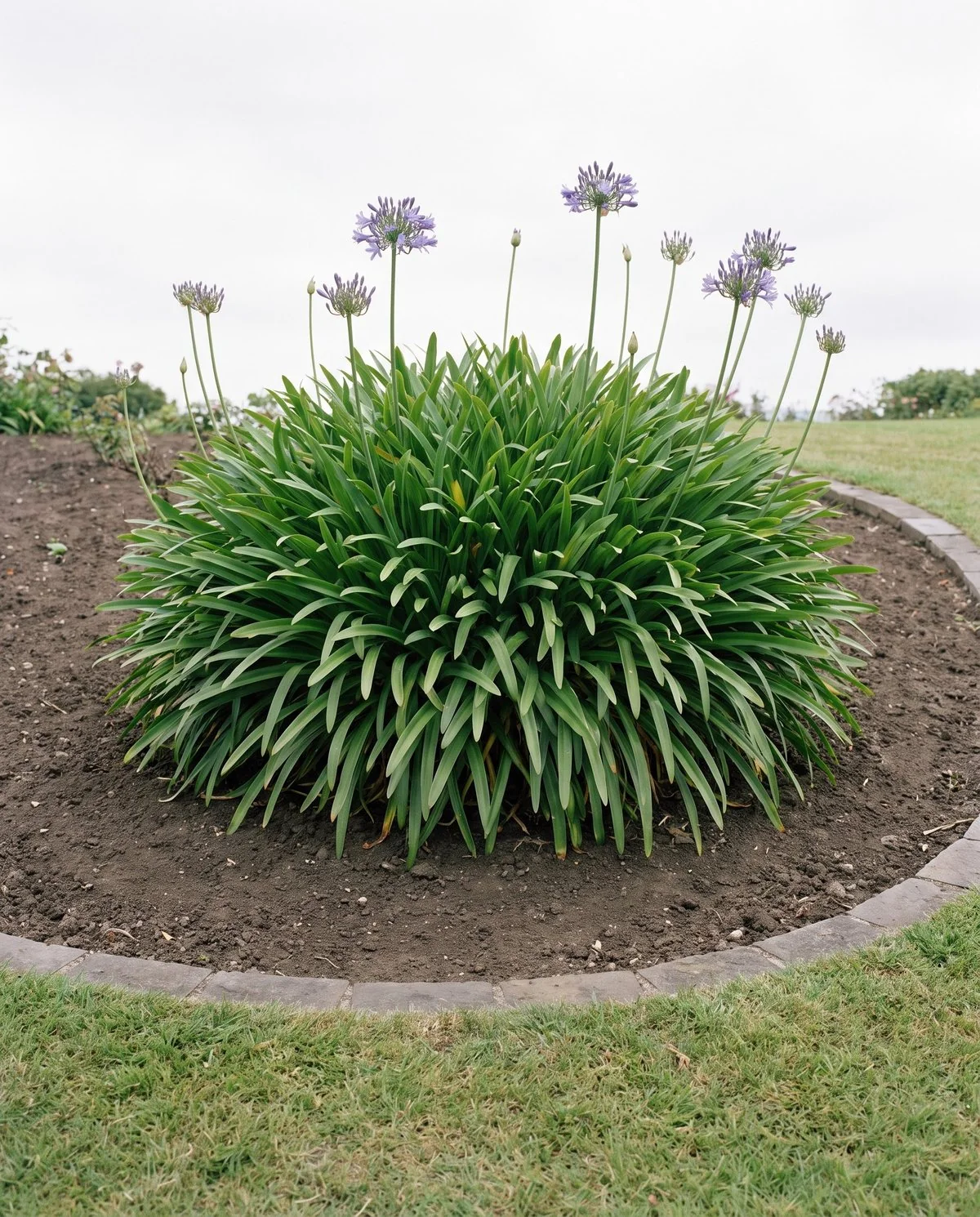
The pattern is offshoots and seedlings appearing beyond the original bed's edge, displacing neighbours or pressing against hardscape, rather than one defined clump slowly widening in place. New Zealand's regional pest-plant classifications name the mechanism behind it: birds disperse the seed, and rhizome fragments travel in stormwater and in dumped garden waste. That is also why removal means lifting the whole rhizome mass and disposing of it rather than composting the pieces at home.
Flower photos
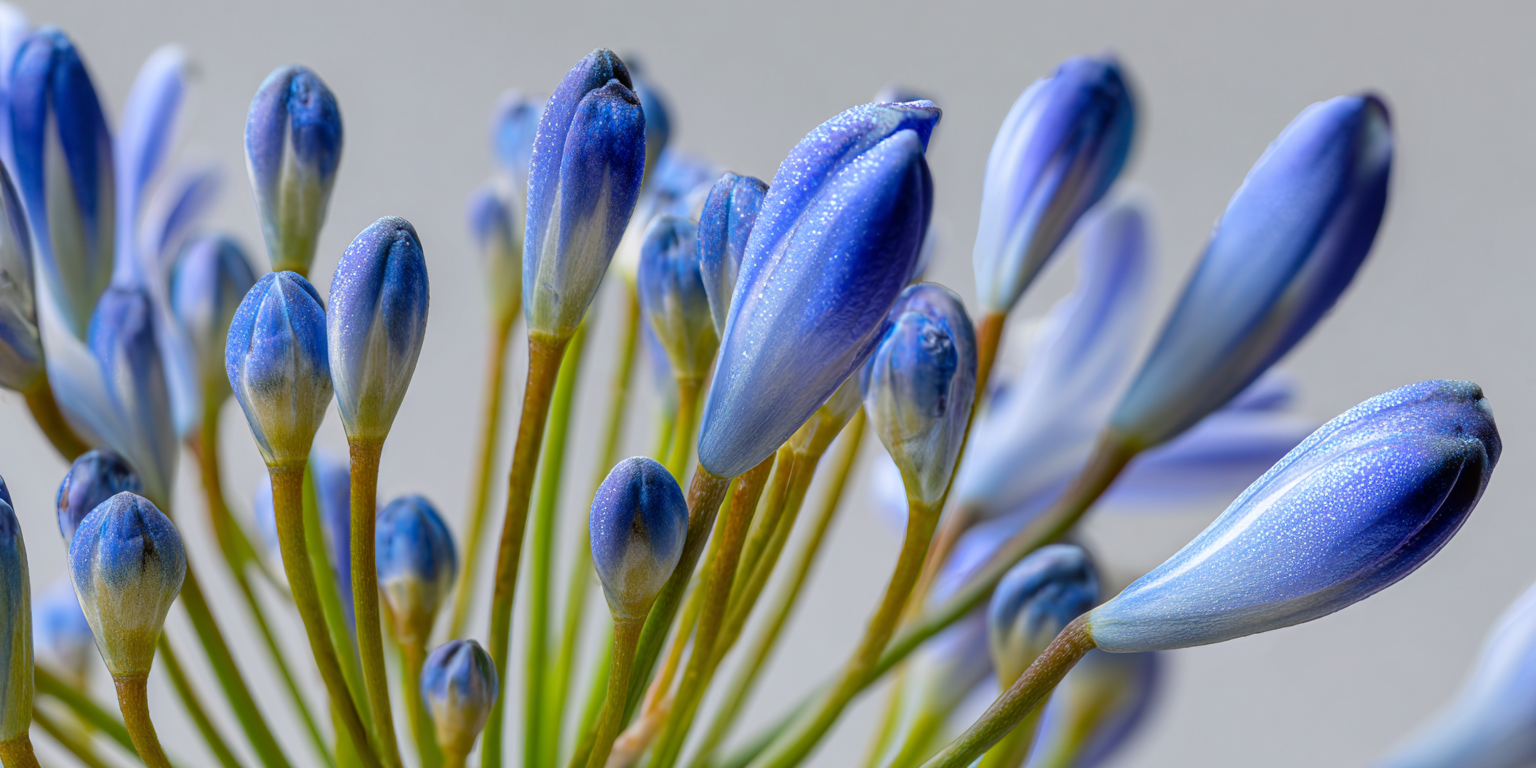
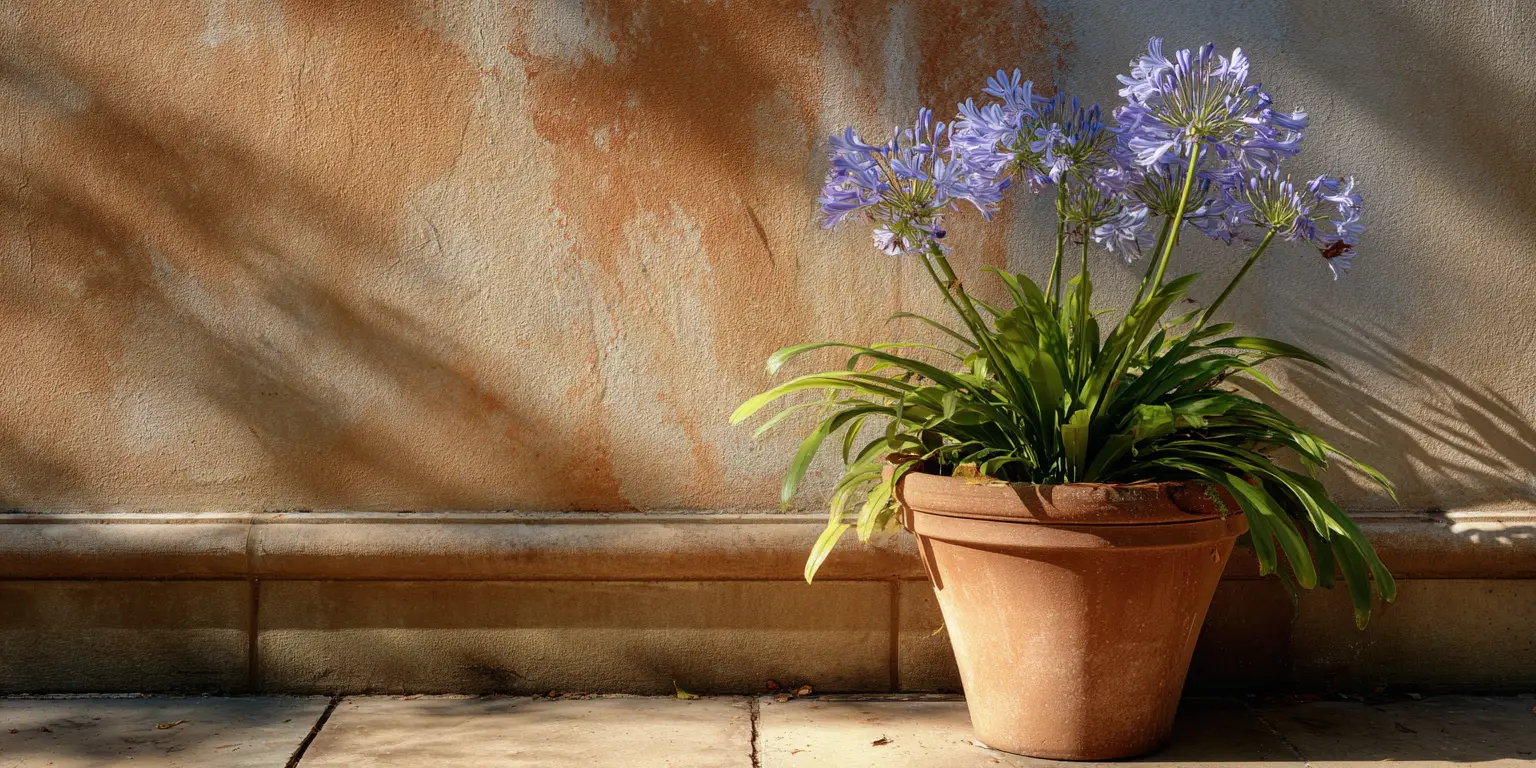
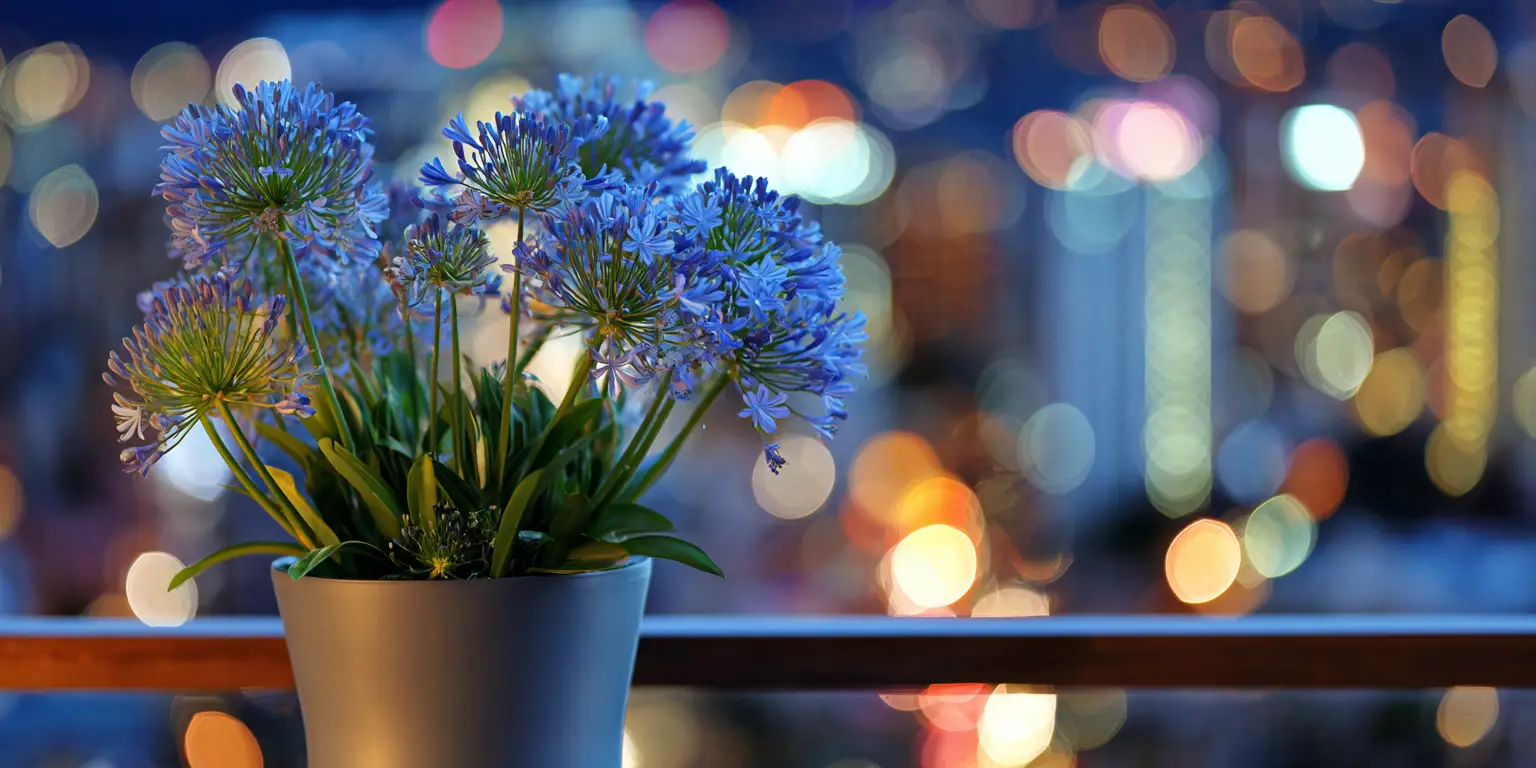

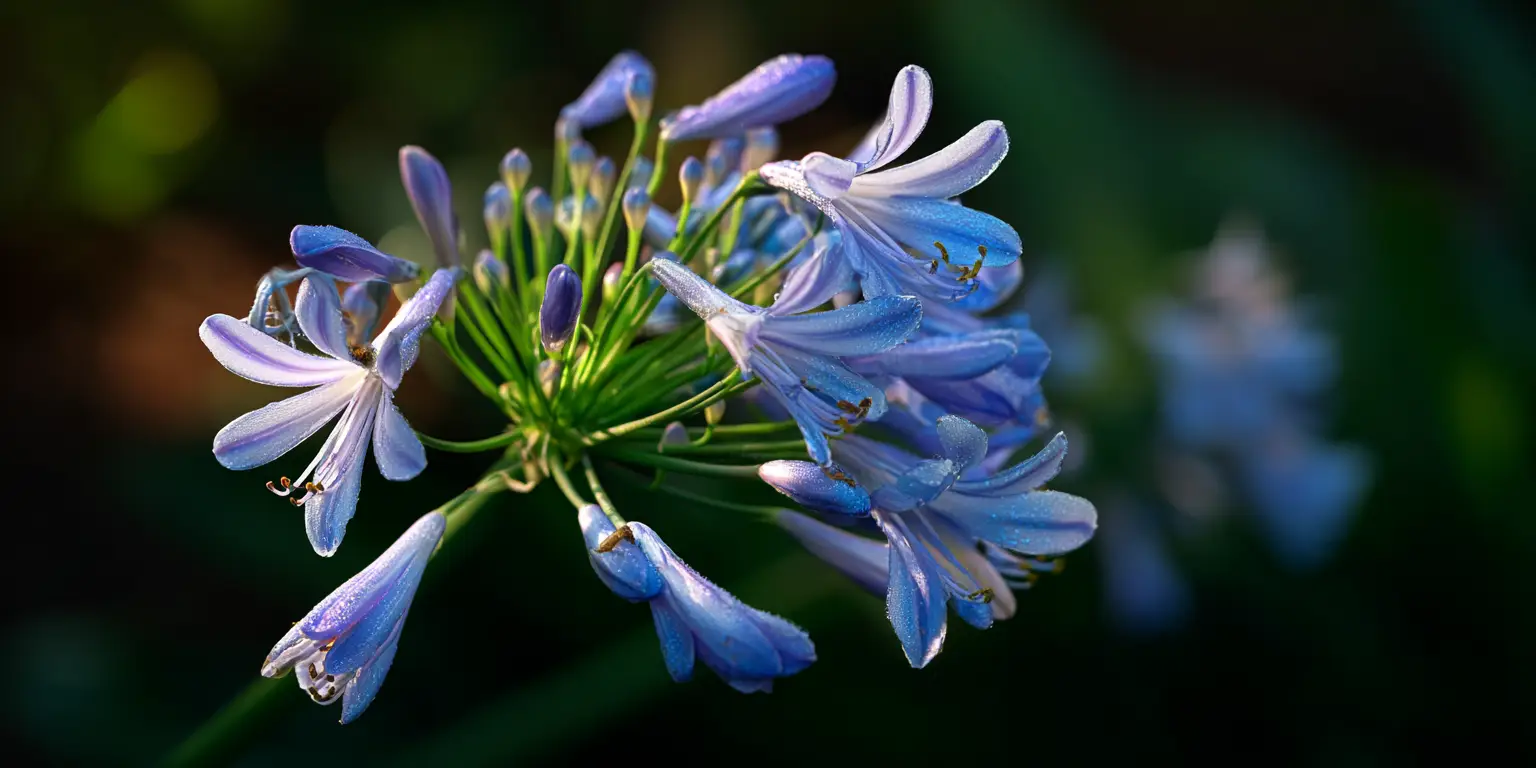
FAQ
Why is my agapanthus not flowering?
Usually one of a few causes, and they are easy to separate.
| Cause | What you see | Fix |
|---|---|---|
| Too little sun | Lush leaves, few or no stems | Move to a spot with 6 to 8 hours of direct sun |
| Plant too young | Healthy seedling or small division, no buds | Wait; seedlings and divisions often take 2 to 3 years to flower |
| Recently divided or overpotted | Was flowering, then stopped after splitting or moving to a big pot | Leave it undisturbed; it blooms best when roots are congested |
| Too much nitrogen | Tall, leafy, dark green growth, no flowers | Switch to a low-nitrogen, higher-potassium feed |
| Cold-damaged evergreen | Foliage survives but buds fail | Protect evergreen types from frost or grow hardier deciduous ones |
Do agapanthus need full sun?
Yes. Six to eight hours of direct light a day is what drives flowering; in shade you get foliage and few blooms. Only in very hot climates does light afternoon shade help, and only to prevent leaf scorch.
Are agapanthus hardy, and will they survive winter?
It depends on the type. Evergreen agapanthus are frost-tender and survive winter outdoors only in about Zones 8 to 11, while deciduous types are hardier and many return in Zone 7 under a deep mulch. In colder zones, grow them in pots and overwinter them in a cool, frost-free place.
What is the difference between evergreen and deciduous agapanthus?
Evergreen types keep their leaves all year and are the more tender group needing winter protection. Deciduous types die back in autumn, rest underground, and are hardier, making them the better pick for cold gardens. The hardiness table above pairs each with its overwintering routine.
Is agapanthus a true lily?
No. Despite the names African lily and lily of the Nile, it belongs to the genus Agapanthus in the amaryllis family, not the genus Lilium. It is not toxic the way true lilies are, which is an important distinction for cat owners.
How often should I divide agapanthus?
As rarely as you can. It flowers best when crowded and performs poorly when over-divided, so leave a clump alone and split only when it grows so dense that flowering drops off, or when a pot is completely full. Frequent division is one of the most common reasons a plant stops blooming.
Can I grow agapanthus in pots?
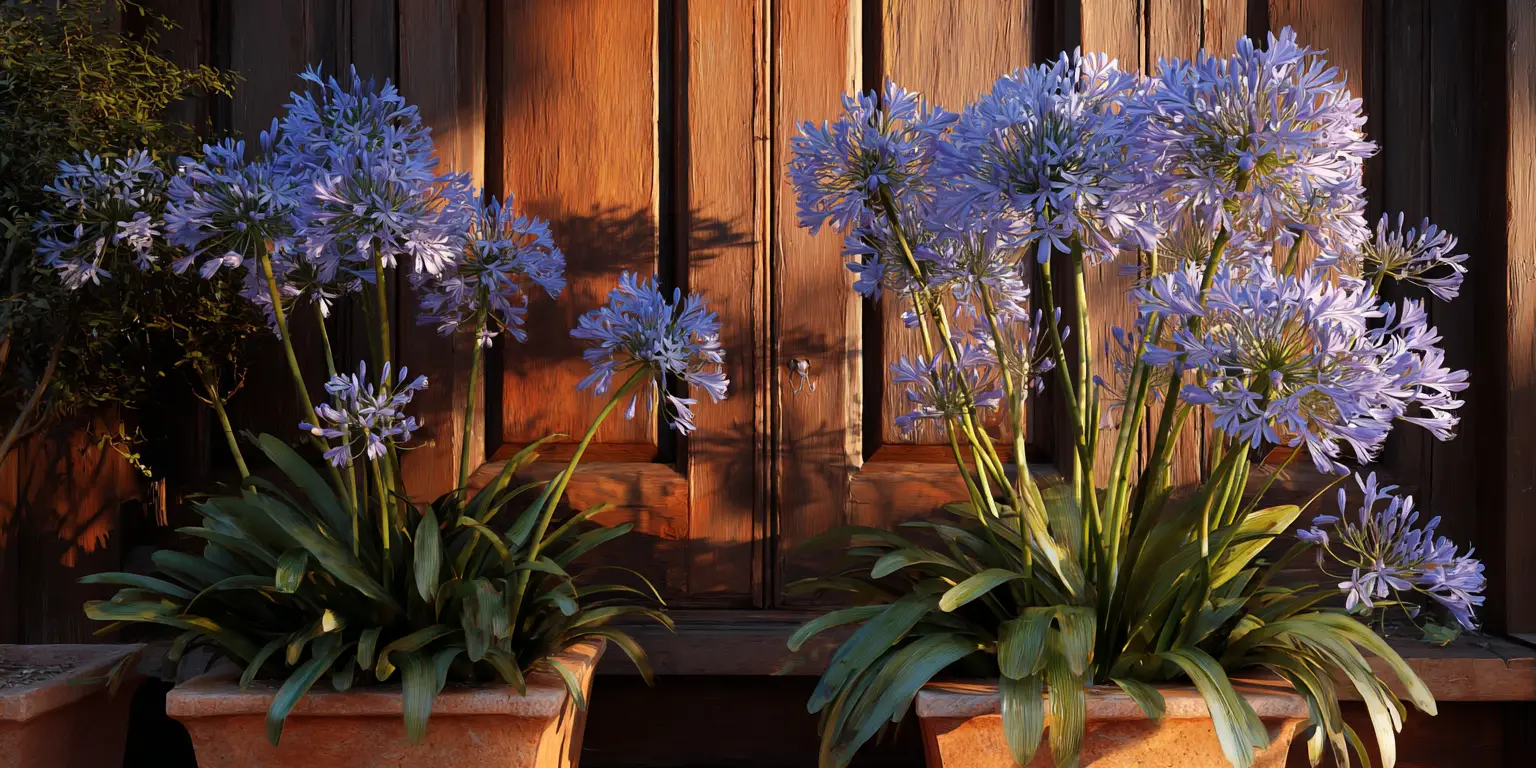
Yes, and it often blooms better slightly snug in a pot. Use a container with drainage holes and a free-draining mix; a 12-inch (30 cm) pot suits one plant. Keep it watered through summer rather than letting it bake dry, and pots make winter easy in cold regions, since you can move evergreen types somewhere cool and bright and keep deciduous types cool and nearly dry.
Is agapanthus poisonous to cats and dogs?
It is a mild irritant rather than a serious poison, and it is not on the ASPCA’s toxic-plant list. A pet that chews it may drool or vomit, and the sap can irritate skin, so wear gloves to handle it and keep it away from animals and children, but it is not in the dangerous league of true lilies.
When do agapanthus bloom, and what colors?
Most flower in midsummer, from early to late summer, in shades of blue and violet or in white, with each head staying colorful for weeks as its florets open in sequence.
Only a couple of mine are sending out flowers this year. I don't fertilize them. Should I start feeding them?
That question reached Ask Extension as ticket 338771, and the expert's answer skipped fertiliser entirely. It named sun first, since agapanthus is a sun loving plant, so the thing to check is whether the bed now gets less light than it did, from a grown tree or a new fence. Then winter protection for the crowns, then the years since the clump was divided, because a clump left more than 5 to 6 years blooms less reliably.
My agapanthus new centre growth looks dead. Is it?
Not on winter appearance alone. A deciduous agapanthus spends winter as a rhizome that the sourced winter-care material describes as far tougher than it looks, and it can sit apparently lifeless for months. Wait for the plant's normal spring emergence window. If nothing has come up well into spring and the rhizome itself feels mushy or smells foul when it is checked, that is the real dead signal, not the state of the winter foliage.
How deep do I plant these?
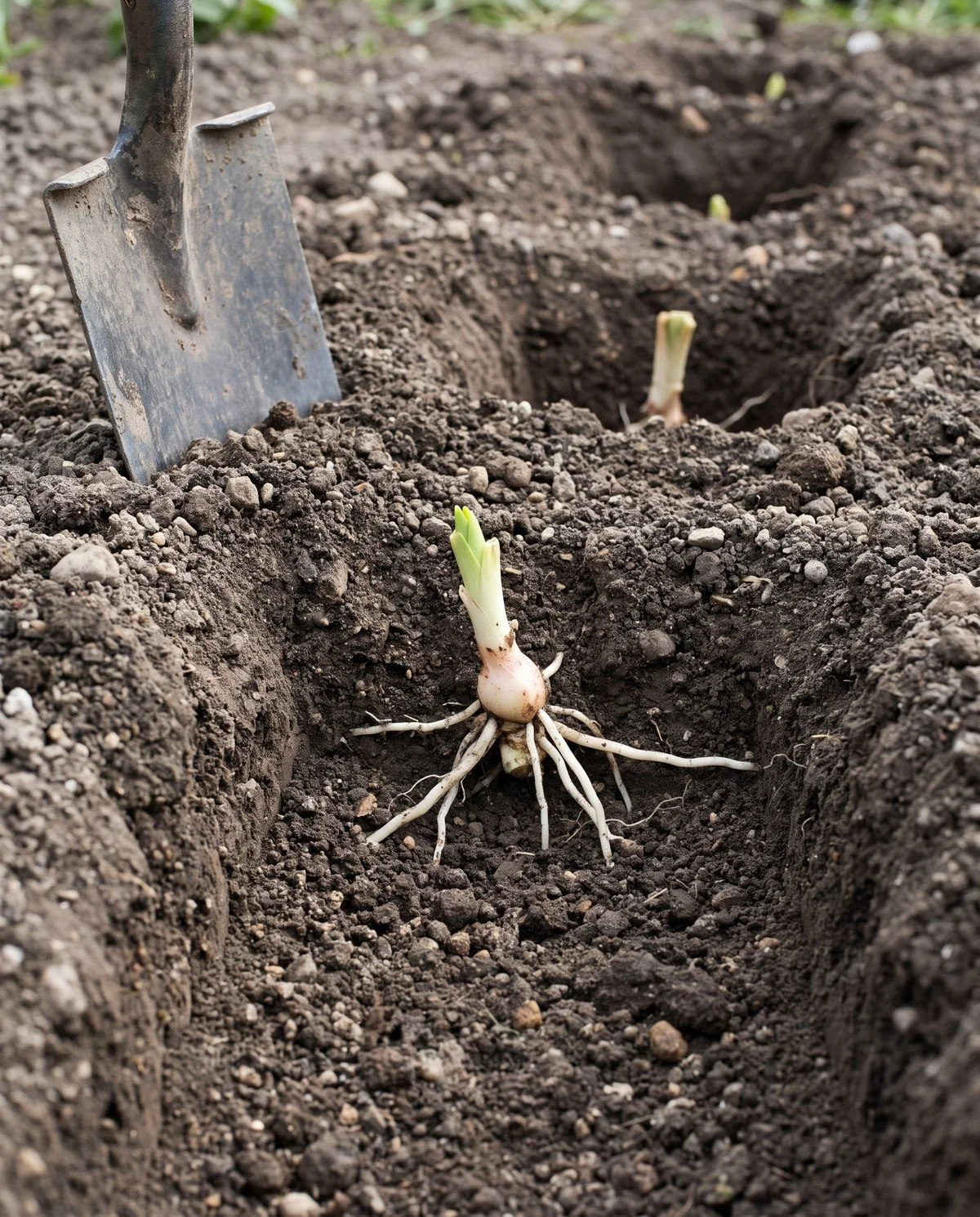
NC State Extension's figure for rhizomes is 1 in deep and 8 in apart. For a container, RHS's figure is a pot only 1 to 2 in larger than the current one rather than a dramatically bigger one, which is also its answer to a potted plant that has stopped flowering.
Should I remove the brown dead bits after frost, or wait?
Wait. Frost-blackened foliage looks worse than the crown underneath usually is, and cutting before new growth confirms the plant is alive removes tissue that is still sheltering that crown. Check again once the normal spring growth window arrives.
It is destroying my fence. How do I get rid of it?
Agapanthus spreads by rhizome and by bird-dispersed seed, which is the mechanism New Zealand's pest-plant authorities cite for its regional weed status there. Removing an established clump means digging out the whole rhizome mass rather than cutting the foliage back, and disposing of the material rather than home-composting it, since fragments re-root.
Is this a mini or dwarf agapanthus, or one that just isn't fully grown yet?
Genuine dwarfs stay compact permanently and are sold labelled as such: Baby Pete is listed at 12 to 18 in by the growers who carry it, and Peter Pan is the widely grown dwarf with a Chicago Botanic Garden profile of its own. A young standard cultivar keeps gaining height season by season, so a plant that has held the same size for several years, as several posters in the sample reported, is a genuine dwarf rather than an immature standard.
Interesting tips
A few habits separate a heavy-flowering agapanthus from a leafy one. Resist the urge to divide or feed it generously, since both work against bloom: it flowers most freely when its roots are crowded and its diet is lean, so overfeeding and frequent splitting are the two surest ways to lose flowers. In cold regions, grow it in containers from the start, which lets you move tender evergreen types under cover for winter and keeps slightly root-bound plants flowering well. The sturdy stems rarely need staking, and deadheading before the seed pods mature limits any self-seeding in frost-free areas. For color pairings, the cool blue heads sit well beside warm yellows and oranges from companions such as marigolds and daylilies, and dwarf forms like ‘Peter Pan’ suit edging while tall selections anchor the back of a border.
Related Guides & Flowers
Elegant bell shaped flowers in shades of blue and purple that echo the rounded umbels of agapanthus in softer, more cottage style borders.
Delphinium elatum
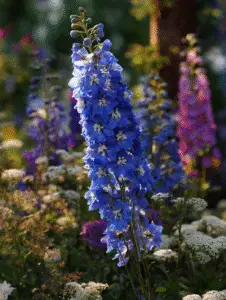
Tall, dramatic spires of blue flowers that pair beautifully with agapanthus in vertical, layered borders for summer displays.
Great Blue Lobelia
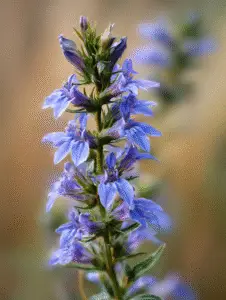
A moisture loving blue perennial with upright spikes that offers a more naturalistic, meadow or pond side look next to agapanthus.

Blue Flax
Airy stems and sky blue saucer shaped blooms give a light, floating texture that contrasts nicely with the bold agapanthus clumps.
Cornflowers
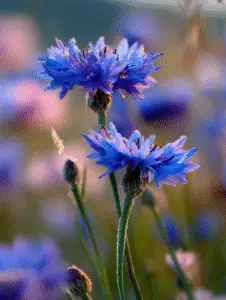
Classic intense blue annuals that can fill gaps around agapanthus and reinforce a strong blue color theme in mixed beds.
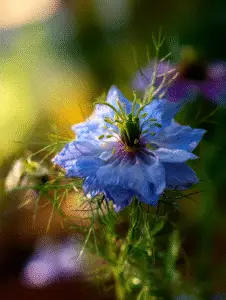
Love in a Mist
(Nigella)
Fine, feathery foliage and hazy blue flowers create a romantic, airy foreground for more architectural agapanthus clumps.
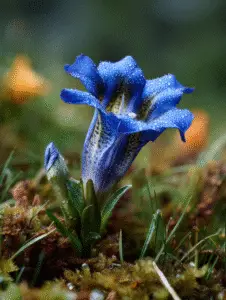
Gentian
Deep, saturated blue trumpet blooms that extend the cool palette and add a more alpine or rock garden note near agapanthus.
References
Enjoying our flower guides? Add YourFlowersGuide as a preferred source on Google. It helps more readers find us.
Add to Preferred Sources