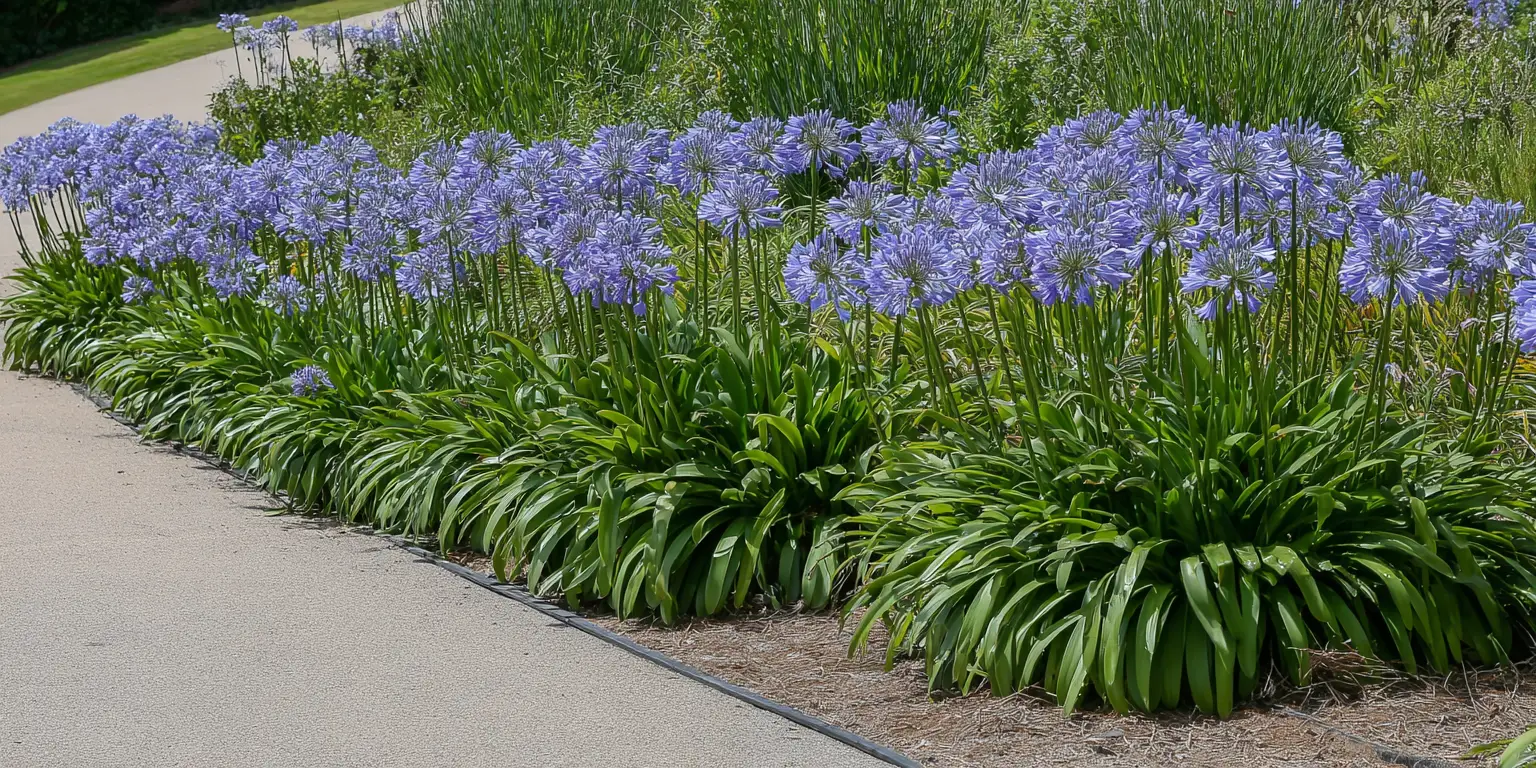
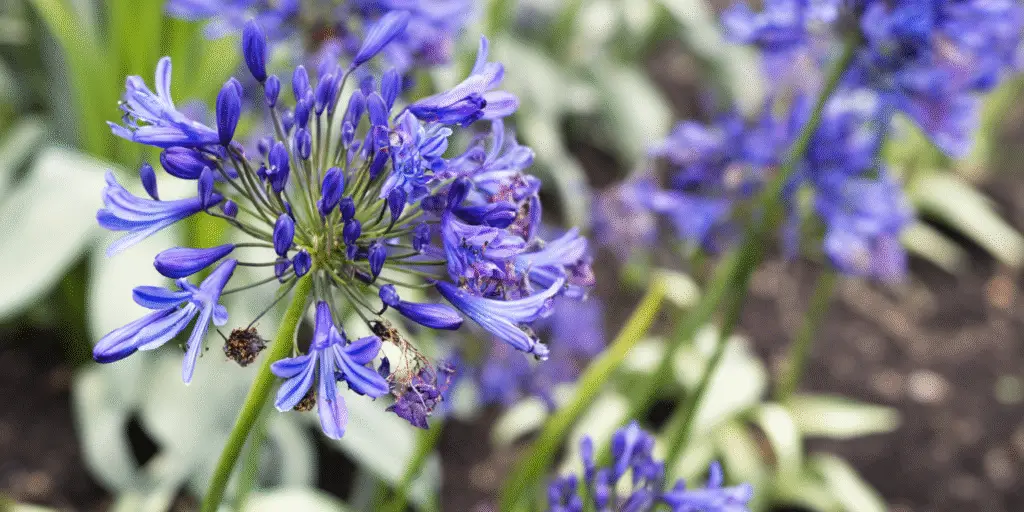
Agapanthus (Agapanthus spp., Amaryllidaceae) is a clump‑forming perennial grown for its tall scapes topped with rounded umbels of trumpet flowers. Gardeners know it as lily of the Nile or African lily. Most garden plants are hybrids derived from species such as A. praecox and A. africanus. In mild regions many selections are evergreen. In colder regions deciduous types go dormant and return when the soil warms. Give this sun‑loving plant a well‑drained site, and it will repay you with blue, violet, or white bloom clusters that rise clear of the foliage. This guide focuses on practical, region‑aware Agapanthus care for U.S. home landscapes.
Agapanthus thrives with six or more hours of direct sun in most climates. In very hot summers, light afternoon shade prevents leaf scorch and prolongs bloom. Most hybrids are hardy outdoors in USDA Zones 8 to 10. Some deciduous selections tolerate colder winters in protected sites. Success boils down to three habits: plant in a draining soil, water deeply during the growing season but keep roots drier in winter dormancy, and resist frequent division so clumps can mature and bloom well.
Soil & Bed Preparation
Soil texture and structure.
Agapanthus grows from fleshy rhizomes that resent standing water. A sandy loam or loam with added organic matter is ideal. In clay, improve the top 8 to 12 inches with composted material and coarse mineral amendments so water moves through the profile instead of pooling around the crown. Sandy soils benefit from compost to hold moisture and nutrients without becoming soggy. Cooperative Extension sources note the plant tolerates many textures when the drainage is sound and organic matter is present.
Drainage matters most.
Persistent wetness invites root rot and Botrytis on spent flower stalks, especially in humid summer regions. If you garden on heavy subsoils or a site that holds water after rains, build a raised bed 8 to 12 inches high so the crown sits above the wettest layer. Containers are an excellent option anywhere drainage is unpredictable.
Soil reaction.
Aim for slightly acidic to neutral soil. A practical target is near neutral, and Agapanthus tolerates slightly alkaline conditions. If you garden on high‑pH soils, compost and mulch help moderate moisture swings and improve nutrient availability.
Testing and correcting.
Send a soil sample to your local Extension office before planting. If a lab test is not feasible, start with two or three inches of compost incorporated into the top 8 to 12 inches of bed space. Use lime or sulfur only when a test report recommends it. Excess fertilizer and quick pH fixes stress rhizomes and push soft growth that blooms poorly.
Raised beds vs in‑ground.
In‑ground beds suit Zones 8 to 10 with average to good drainage. Raised beds benefit clay soils, coastal sites with periodic salt spray, and high‑rainfall regions. Where winters are cold, a raised bed that warms quickly in spring can speed flowering, but mulch generously to buffer freeze and thaw.
Rhizomes, not bulbs.
Agapanthus is often sold with other “bulbs,” but it is a rhizomatous perennial with thick, fleshy roots. Good aeration around the crown is important. Planting too deep or into soggy mixes is a common cause of weak bloom.
Drainage Test and pH Targets
- Simple drainage check: Dig a hole 12 inches wide and 12 inches deep. Fill with water and let it drain. Refill and time the second drain. If water remains after 24 hours, improve drainage or choose containers or raised beds.
- Practical pH goal: Slightly acidic to neutral soil is suitable. Most gardeners succeed near neutral and the plant tolerates slightly alkaline soils. Use a soil test to confirm before adjusting.
Planting Calendar by USDA Zone
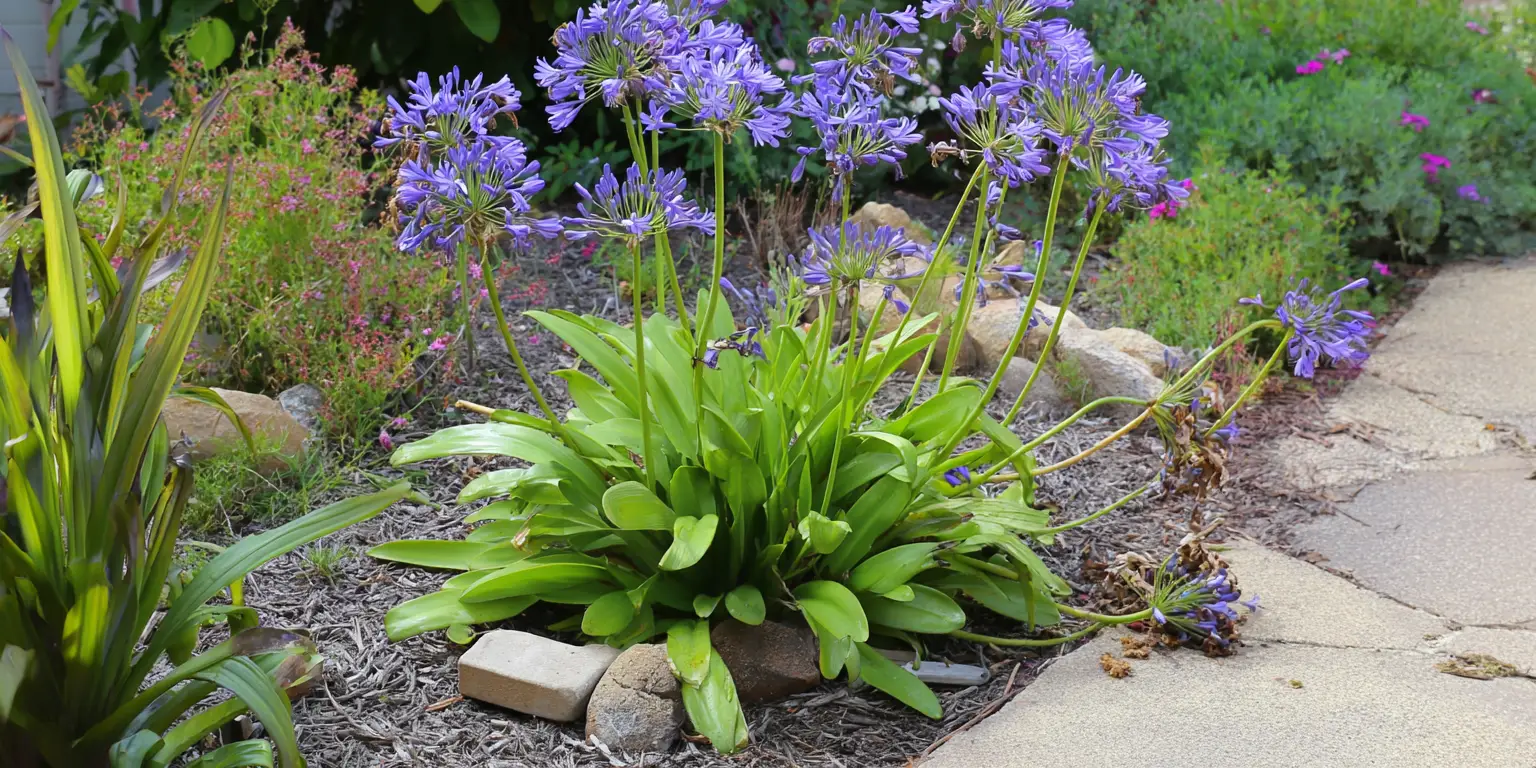
Zones 9 to 11: Plant in fall through early spring when soils are workable. Fall planting gives roots all winter to establish. In very warm winter regions with dry winters, water lightly every few weeks if the soil becomes bone dry. Evergreen selections can remain in place year‑round.
Zone 8: Plant in early spring after danger of hard frost, or plant in early fall at least six weeks before your average first frost so roots anchor before winter. Mulch 2 to 3 inches for winter protection, keeping mulch pulled back from the crown.
Zones 6 to 7: Treat most Agapanthus as container plants. Move pots outdoors after last frost and gradually acclimate to full sun over 7 to 10 days. In sheltered microclimates, some deciduous hybrids may overwinter in the ground with excellent drainage and a deep winter mulch. Where winters are variable, lift and store divisions or bring containers indoors before the first freeze.
Special regional notes.
- Hot and humid summers: Prioritize air movement and morning sun. Avoid overhead irrigation late in the day. Remove spent stalks promptly to reduce Botrytis.
- Arid and high‑altitude regions: Water deeply but infrequently. Afternoon shade from a light canopy can reduce heat stress without sacrificing bloom.
- Coastal gardens: Many selections show moderate salt tolerance, so inland coastal locations are usually fine. Protect from direct salt spray and wind.
- High‑elevation sites: Use containers so you can stage plants in the warmest, sunniest spots and move them during early fall cold snaps.
Planting: Depth & Spacing
Bulbs or Tubers
Not applicable. Agapanthus grows from rhizomes with thick, fleshy roots rather than true bulbs or corms. The planting principles below keep the crown near the soil surface for good aeration.
Bare‑Root or Divisions
Set divisions so the crown is just at or slightly below the soil surface. A reliable depth is to cover rhizomes with about 1 inch of soil. Firm the soil to remove air pockets and water well to settle. For borders, space mature selections 18 to 24 inches apart so clumps can expand and still breathe. For mass plantings where a solid ribbon of color is desired in one to two seasons, you can plant divisions closer, then thin later. After transplanting, shade with a sheet or lightweight cloth for three to five days in bright, hot weather to limit shock.
Container‑Grown Plants
Slide the plant from its pot and loosen only the outermost roots. Set the crown level with the finished soil line in the bed or the rim line in a new container. Choose a container with a generous drainage hole. A single mature plant will fill a 12 inch diameter pot, which balances root room with the light root restriction that encourages blooming. When stepping up a pot, move only one or two sizes larger so roots quickly re‑colonize the mix. After planting, water thoroughly and ease the plant into full sun over a week.
Transplant shock and acclimation
Harden plants by exposing them to outdoor conditions a little longer each day for 7 to 10 days before planting into full sun. Water deeply the day before moving. If wind is strong the first week, position a temporary windbreak or site the container near a wall that blocks prevailing gusts. Keep new plantings evenly moist for the first two to three weeks while roots knit into the surrounding soil.
Watering & Mulching
Establishment watering.
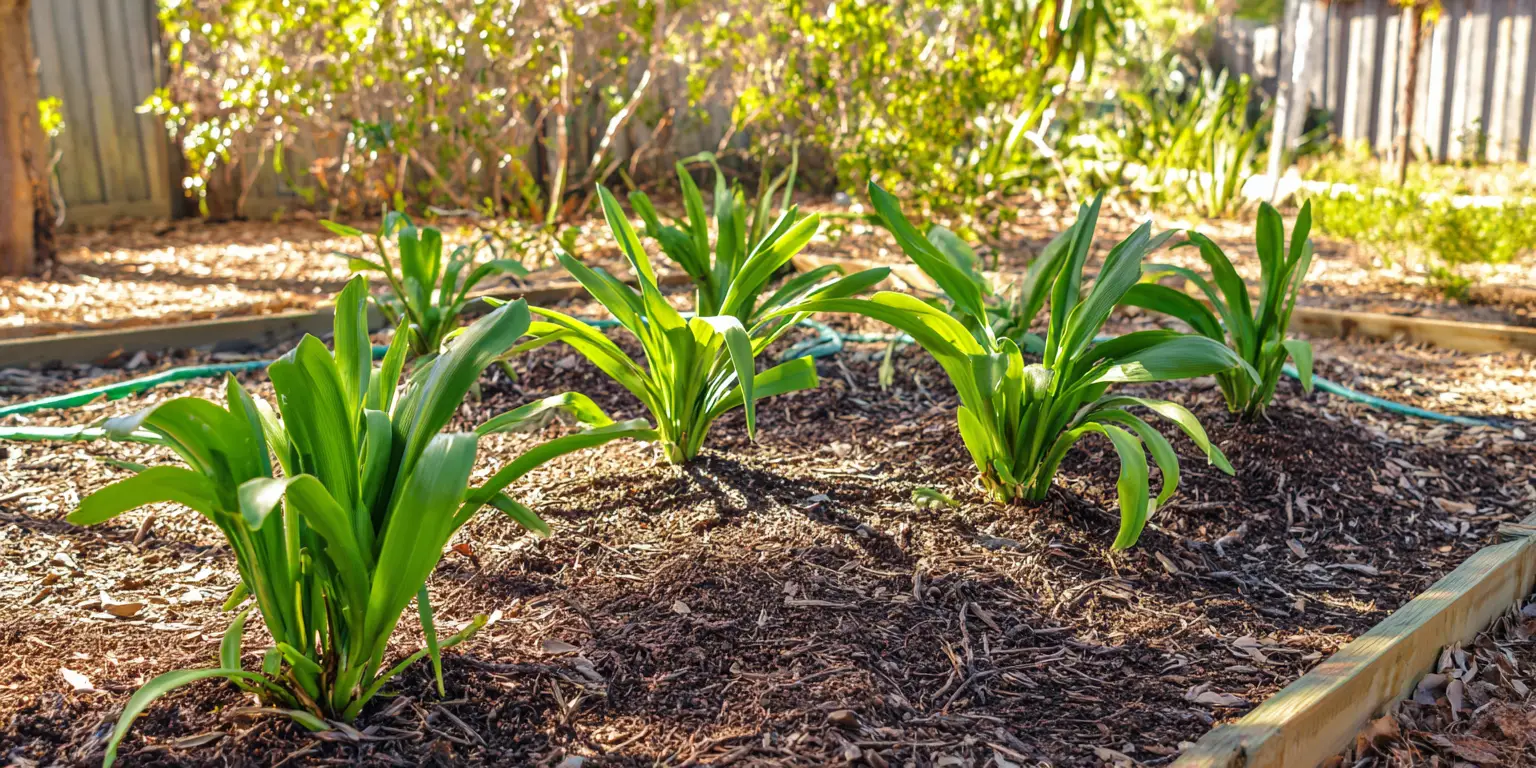
Keep the root zone evenly moist for the first 6 to 8 weeks. In typical spring weather, this means deep watering once or twice per week depending on soil texture, rainfall, and temperature. In sandy beds you may water a bit more often with smaller volumes. In clay‑amended beds, wait until the top inch dries before watering again.
Mature schedule.
Once established, Agapanthus tolerates periods of dryness but blooms better with consistent moisture during active growth. Deeply soak the root zone, then allow the surface to dry before repeating. In most summer conditions a seven to ten day cycle works. Adjust based on heat and wind. In Florida and similar climates, provide light irrigation spring through fall, and keep plants on the dry side during winter dormancy.
Mulch.
Apply 2 to 3 inches of coarse organic mulch such as shredded bark or pine needles, keeping it an inch away from the crown. Mulch evens soil moisture, suppresses weeds, and cools the root zone in hot spells. In colder zones, increase to 3 to 4 inches in late fall for winter protection, then pull mulch back slightly in early spring to warm the soil. Avoid piling mulch against stems to prevent rot.
Protecting the crown.
Waterlogging at the crown causes decline. If rainfall is frequent, reduce supplemental irrigation and check that mulch is not forming a dense mat. In containers, never let pots sit in saucers of standing water.
Heat spikes and drought.
During extreme heat, water early in the morning and consider temporary shade cloth in the hottest afternoons, especially for new plantings. Allowing the plant to go bone dry during a heat wave can abort developing buds.
Coastal and salinity notes.
Some types show moderate salt tolerance and can perform in inland coastal sites with occasional salt drift. Rinse foliage after storm‑driven spray and ensure free drainage.
Feeding
Timing.
For strong bloom, feed twice a year in regions with defined seasons. A light feeding in early spring as growth restarts and a second light feeding right after flowering is reliable. In warm winter areas where growth is nearly year‑round, a single spring application may suffice.
N‑P‑K range.
Use a balanced or low‑nitrogen fertilizer such as 5‑10‑15 or 8‑8‑8 at modest rates. Excess nitrogen pushes lush leaves with fewer flowers. Slow‑release granulars are convenient for beds and large tubs. If you prefer organic options, match the total N‑P‑K to a similar low‑N profile and supplement with compost to build soil biology.
When to skip.
If plants are vigorous yet shy to bloom, step back on nitrogen and avoid repotting into an oversized container. Dense, undisturbed clumps with adequate light and leaner nutrition often bloom best. Retest soil every couple of years in beds with chronic bloom issues to verify pH and phosphorus.
Organic matter goals.
A yearly top‑dressing of compost under the mulch improves water management and feeds beneficial microbes. Work it in lightly around the perimeter of the clump to avoid burying the crown.
Pruning & Support
Deadheading and clean‑up.
After flowering, cut spent scapes at the base to keep the clump tidy and reduce disease pressure. Remove yellowing leaves cleanly at the crown. In fall where plants go dormant, rake away leaf litter and refresh mulch.
Shaping and division.
Divide only when necessary. Agapanthus often blooms best when clumps remain undisturbed for several years. If flowering declines despite proper light and feeding, lift and split into vigorous outer fans, discarding woody centers. Replant into refreshed soil with the crown near the surface.
Support.
In windy sites or exposed borders, tall, heavy heads on slender scapes may lean. A simple ring or discreet stake for the few tallest stems keeps flower balls upright without fuss.
Tool hygiene.
Use clean shears when removing spent stalks or dividing clumps. Wipe blades with alcohol between plants to limit spread of sap‑borne pathogens.
Overwintering
Zones 9 to 11: Plants can stay in the ground. Evergreen types keep foliage through winter. Maintain light moisture during extended dry spells. Do not overwater cool soils.
Zone 8: Provide a 2 to 3 inch mulch blanket in late fall. Most established clumps overwinter well with drainage. If a polar front threatens, throw a breathable cover over the bed for the night and remove it in the morning.
Zones 6 to 7: Choose one of two strategies.
- Lift and store divisions. After frost blackens leaves, dig divisions with a generous root ball. Shake off excess soil, allow to dry a day in a cool, airy spot, then store in a box with barely moist peat or paper in a place that stays above freezing.
- Grow in containers. Before first frost, move pots to a bright, frost‑free space. Keep them almost dry if the plants are deciduous. For evergreen types, water sparingly just enough to prevent leaf desiccation. Return outdoors after last frost and re‑acclimate to sun over a week.
Freeze-thaw management. In the ground, a deep mulch reduces freeze thaw cycles that can heave crowns out of the soil. Check beds after a cold snap and push any lifted rhizomes back so the crown sits level.
Rodent protection. If voles or gophers are a recurring problem, line planting holes with hardware cloth baskets when establishing new clumps.
Growing Environments
Containers. Agapanthus is an outstanding container subject. Choose a sturdy pot with a drainage hole. Use a well‑drained, soilless mix that includes coarse bark or perlite to keep air around the roots. A single plant fills a 12 inch container nicely and often flowers better when slightly root bound. Refresh the top few inches of mix annually and repot only when the root mass is clearly pressing against the pot walls.
In‑ground borders. Give full sun in most climates. In regions with intense afternoon heat, light shade after 2 p.m. is helpful. Space plants for airflow, especially where humidity is high. Site clumps where the spherical flower heads can rise above lower perennials for a tiered effect.
Microclimate tips. South‑ or west‑facing walls reflect heat and speed growth in cool springs, but add mulch and monitor water in hot spells. Frost pockets in low areas of the yard delay spring growth and increase winter injury. Group containers in a protected corner to buffer wind.
Companion Planting & Design
Hide dieback and extend the show. Because deciduous types go quiet in winter and many evergreen selections slow their pace, pair Agapanthus with perennials and shrubs that fill the gaps. Spring bulbs and low groundcovers knit the bed early, while summer partners keep color going as scapes rise.
Pollinator‑friendly partners. Combine with nectar‑rich perennials to bring bees, butterflies, and hummingbirds. Salvia, catmint, and gaura bloom through the same warm season, and the clean, vertical scapes of Agapanthus float above these companions.
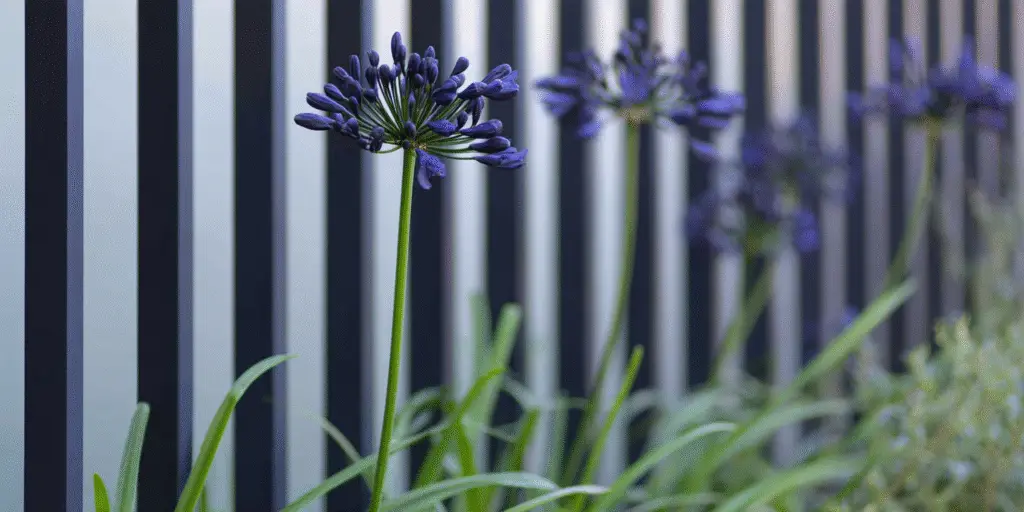
Agapanthus ‘Black Pantha’
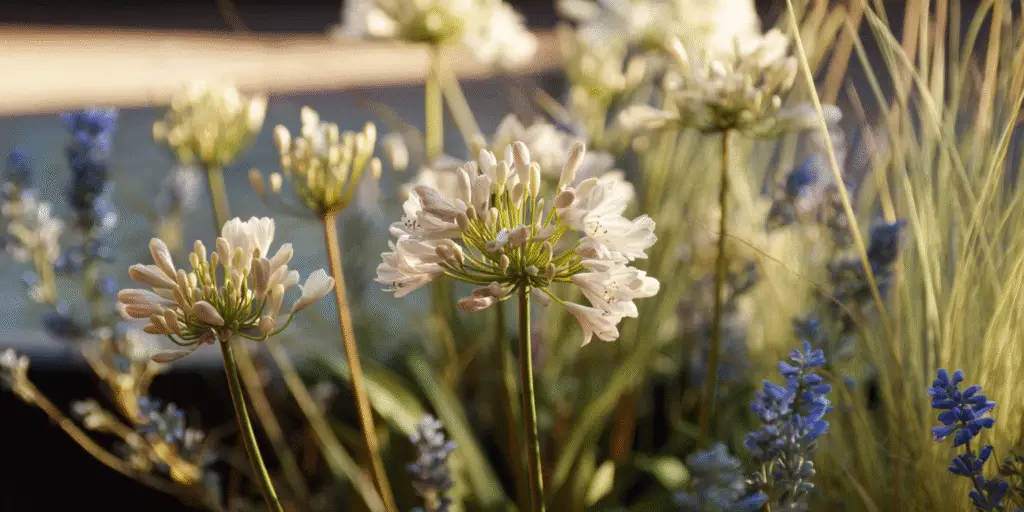
Agapanthus africanus ‘Albus’
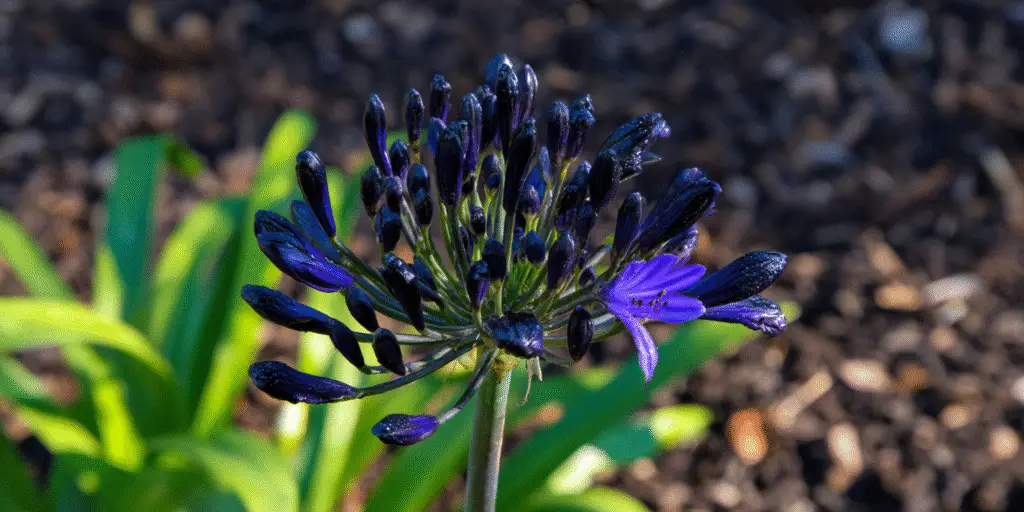
Agapanthus ‘Northern Star’
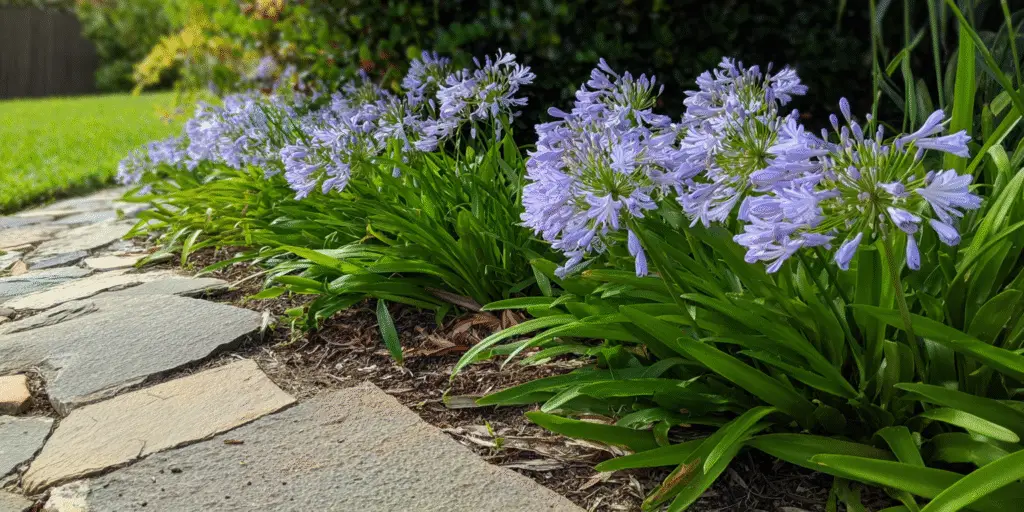
Agapanthus ‘Peter Pan’
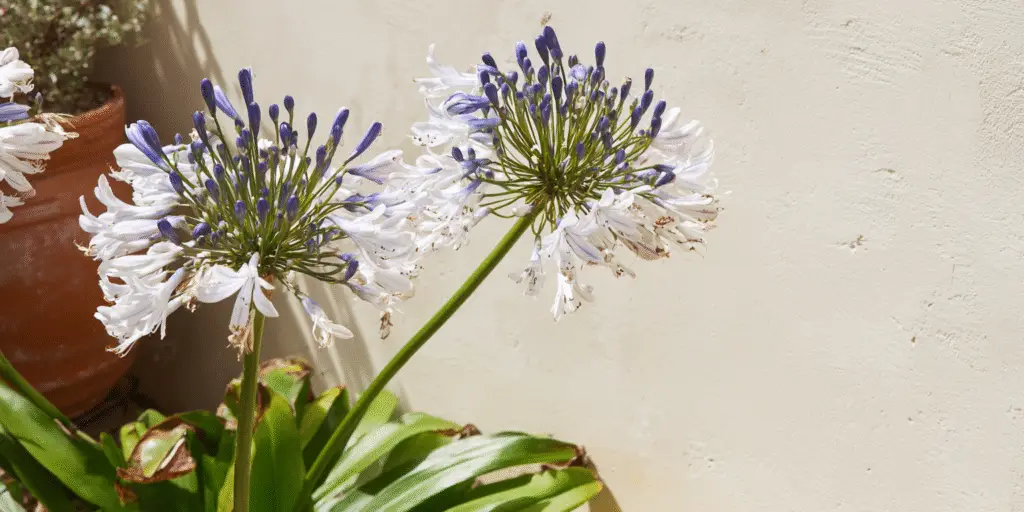
Agapanthus ‘Queen Mum’
Agapanthus ‘Midknight Blue’
Agapanthus ‘Black Pantha’
Agapanthus africanus ‘Albus’
Agapanthus ‘Northern Star’
Agapanthus ‘Peter Pan’
Agapanthus ‘Queen Mum’
Agapanthus ‘Midknight Blue’
References
- University of Florida IFAS Extension. “Agapanthus – Gardening Solutions.”
- University of Florida IFAS Extension. “Agapanthus orientalis: Agapanthus, African Lily, Lily of the Nile (FP018).”
- North Carolina State Extension, Extension Gardener Plant Toolbox. “Agapanthus.”
- North Carolina State Extension, Extension Gardener Plant Toolbox. “Agapanthus praecox.”
- Clemson Cooperative Extension, Home & Garden Information Center. “Tips and Tricks for Growing Lily of the Nile.”
- Missouri Botanical Garden, Plant Finder. “Agapanthus (group).”
- University of Wisconsin-Madison Division of Extension. “Agapanthus.”
- Colorado State University, Guide to Poisonous Plants. “Lily of the Nile.”
- University of California Agriculture and Natural Resources. “Poisonous Plants and Pets.”
- Oregon State University Extension Service. “Container Planting” (general guideline for flowering perennials in containers).
Enjoying our flower guides? Add YourFlowersGuide as a preferred source on Google. It helps more readers find us.
Add to Preferred Sources