returns in
304
days
Bloom calendar
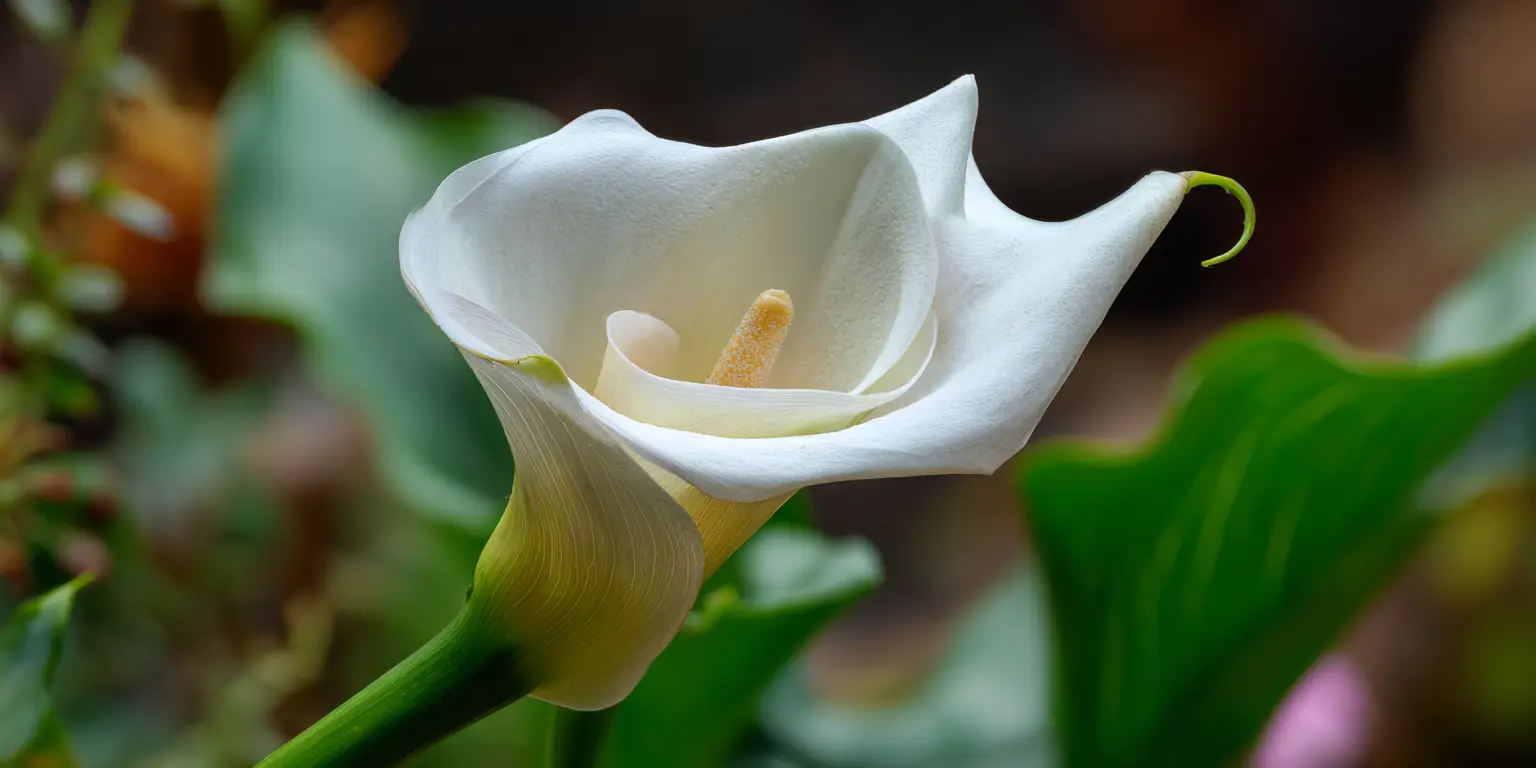
Zantedeschia odorata
Species; winter growing arum lily · P. L. Perry, 1989, South Africa
At‑a‑glance
- Group/Class: Species; winter growing arum lily
- Height × spread: 28 to 39 in (70 to 100 cm) × 12 to 18 in (30 to 45 cm)
- Bloom window: Late winter to spring under cool season growth
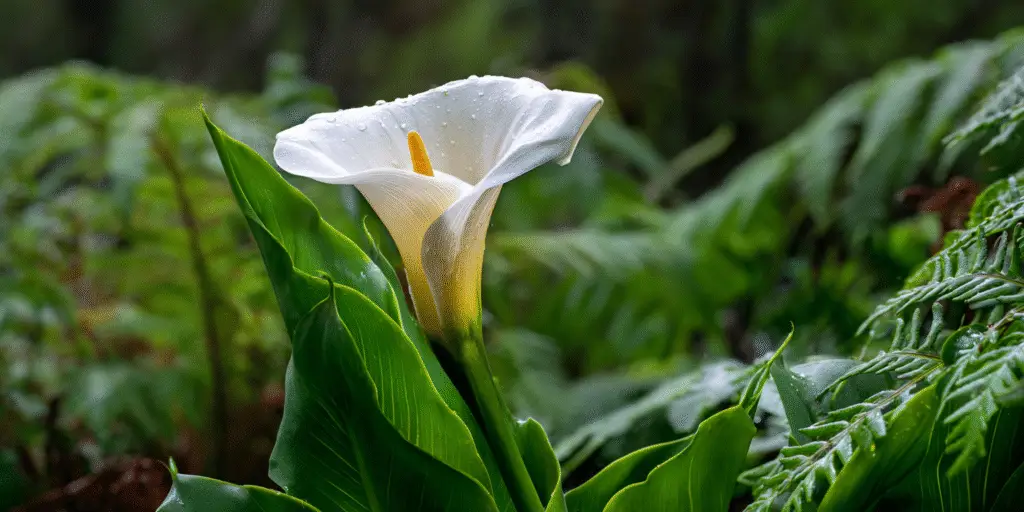
- Color & flower form: White spathe with yellow spadix; narrow funnel form
- Fragrance: 2 noticeable
- USDA hardiness: Grown as container in most regions; protect from frost; varies by climate
- Breeder / Year / Origin: P. L. Perry, 1989, South Africa
- Cut‑flower notes: Stems are sturdy; vase life similar to other callas when cut at open spathe stage
- Pet safety: Avoid
How it differs
- Noticeably fragrant spathes compared with most callas.
- Winter growing cycle rather than summer growth.
- Narrower spathe and shorter spadix than the common arum.
- Best kept in containers outside frost free climates.
Strengths
- Fragrance adds sensory interest.
- Elegant white flowers for cool season display under cover.
- Performs in bright light with evenly moist media in winter.
Care in one minute
Site: bright light to morning sun; protect from hot afternoon sun.
Soil: free draining and humus rich mix; keep evenly moist while in leaf.
Watering: water well in winter growth; reduce and keep nearly dry in summer dormancy.
Feeding: light monthly fertilizer during winter growth only.
Grooming: remove spent spathes promptly.
Overwintering: avoid freezes; provide cool and bright conditions in winter growth.
Watch‑outs
- Availability is limited; verify cultivated sources.
- Requires a dry summer rest; overwatering in summer can cause rot.
- Frost sensitive; protect from freezing temperatures.
Best uses (tags)
Provenance note
Western Cape species described in 1989.
References
- SANBI – PlantZAfrica: Zantedeschia odorata
- Royal Botanic Gardens, Kew – Plants of the World Online: Zantedeschia odorata
- Pacific Bulb Society – Zantedeschia odorata notes
- ASPCA – Calla lily toxicity
Similar Flowers
Enjoying our flower guides? Add YourFlowersGuide as a preferred source on Google. It helps more readers find us.
Add to Preferred Sources