The pairing · pick a flower
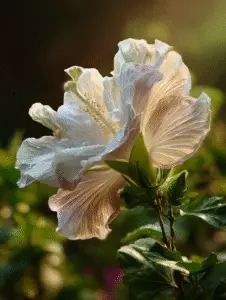 Hibiscus+
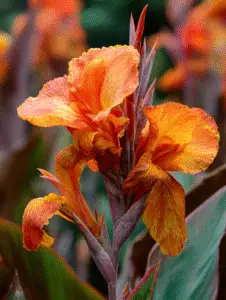 Canna lilyPartial
Full sun and moist, organic-rich soil overlap almost exactly with hibiscus, and canna's paddle-leaved height fills the middle-to-back of a border while echoing hibiscus's warm tropical color range.
Hibiscus+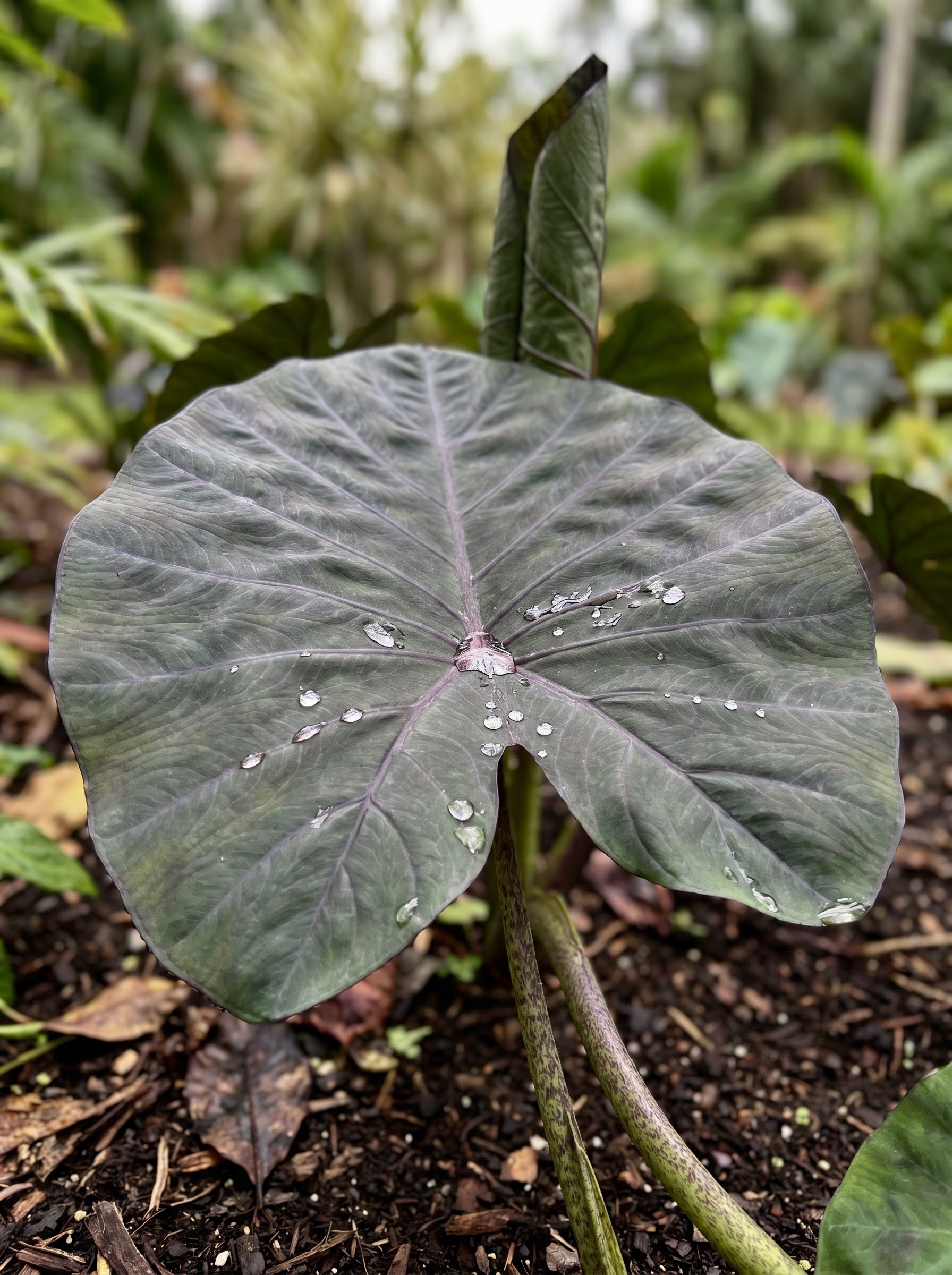 Elephant earPartial
Elephant ear wants the same fertile, consistently moist soil hibiscus does, and its massive shield-shaped leaves are the strongest texture contrast available to hibiscus's smaller, serrated foliage.
Hibiscus+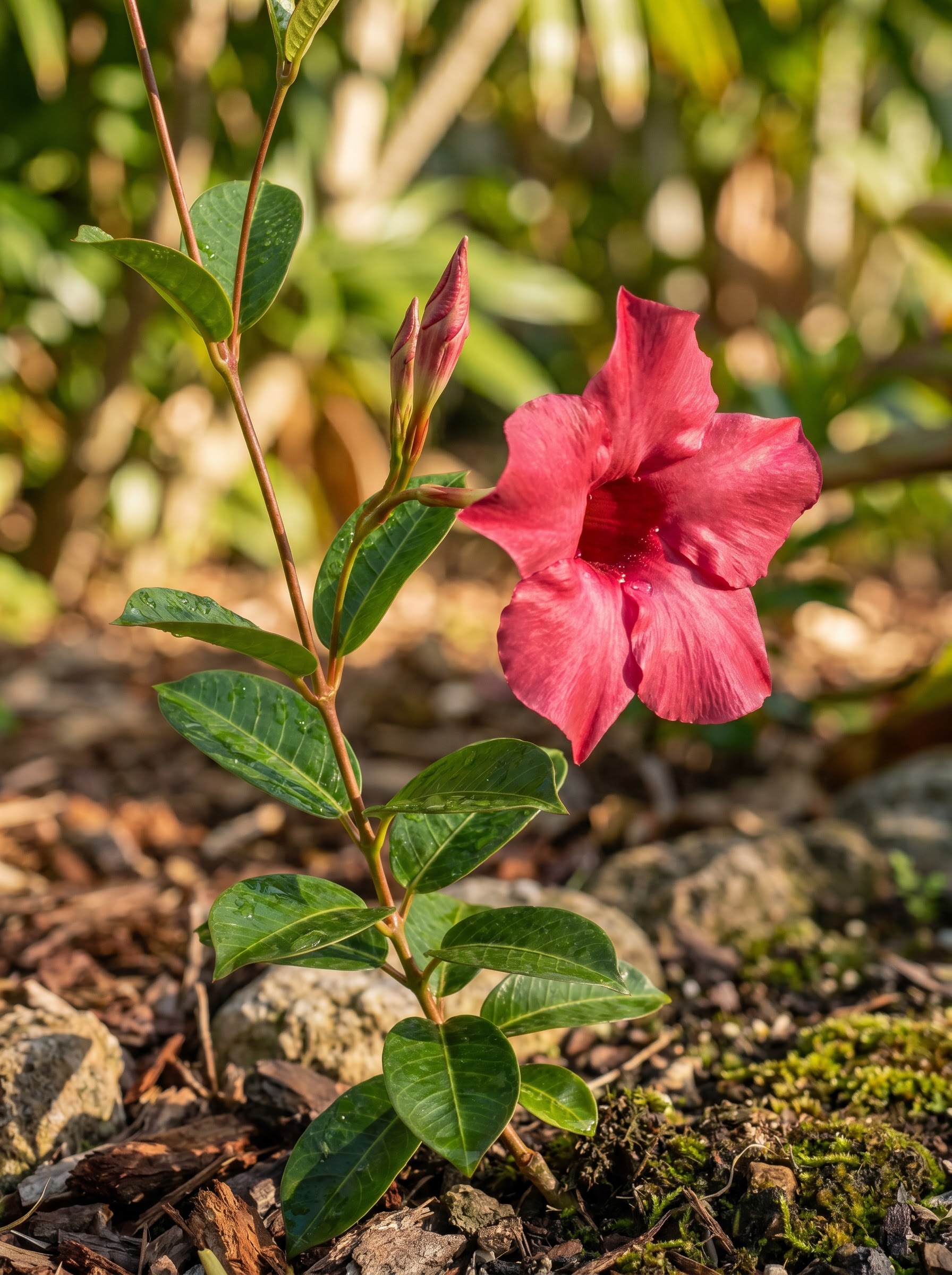 MandevillaPartial
Full sun, evenly moist soil, and the same zone 10 to 11 tenderness put mandevilla on hibiscus's exact care schedule, and trained on a trellis it twines lightly through open branches instead of smothering them.
Hibiscus+ Bird ofPartial
Bird of paradise wants the same sunny spot and fertile, well-drained, organic soil as hibiscus, and its rigid upright paddles give a back-of-border geometry hibiscus's rounded form can't supply on its own.
Hibiscus+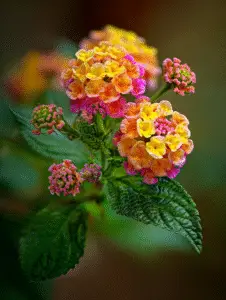 LantanaPartial
Lantana shares hibiscus's full sun and tolerates the same moisture range, forms a low mounding skirt that hides bare woody stems as the shrub matures, and its nectar-rich flowers draw the same bees and hummingbirds hibiscus attracts, though it leans more drought-tolerant so let it sit at the drier edge of the bed.
Hibiscus+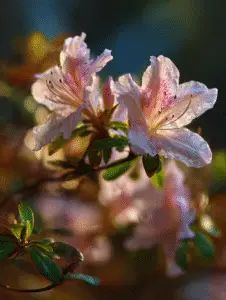 AzaleaProven
Azalea genuinely shares hibiscus's acid-soil lean (pH 4.5 to 6.0), a real conditions match some listicles get backward by listing it as a competitor, though it wants more shade than hibiscus does best in full sun, so give each its own light exposure within the same acid bed.
Hibiscus+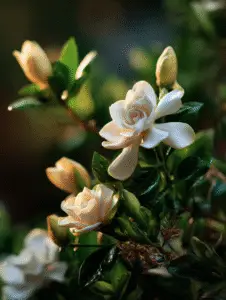 GardeniaProven
Gardenia wants the same acid, moist, well-drained soil hibiscus does, a real shared-conditions match, but it prefers morning sun with afternoon shade rather than hibiscus's all-day sun, so it belongs at the part-shade edge of the same bed rather than dead center.
Hibiscus+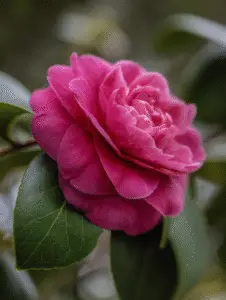 CamelliaProven
Camellia prefers the same slightly acid soil as hibiscus, and its evergreen structure and cool-season bloom fill the gap when a cold snap sends tropical hibiscus indoors or drops its leaves, though camellia wants shelter from full afternoon sun that hibiscus tolerates easily.
Hibiscus+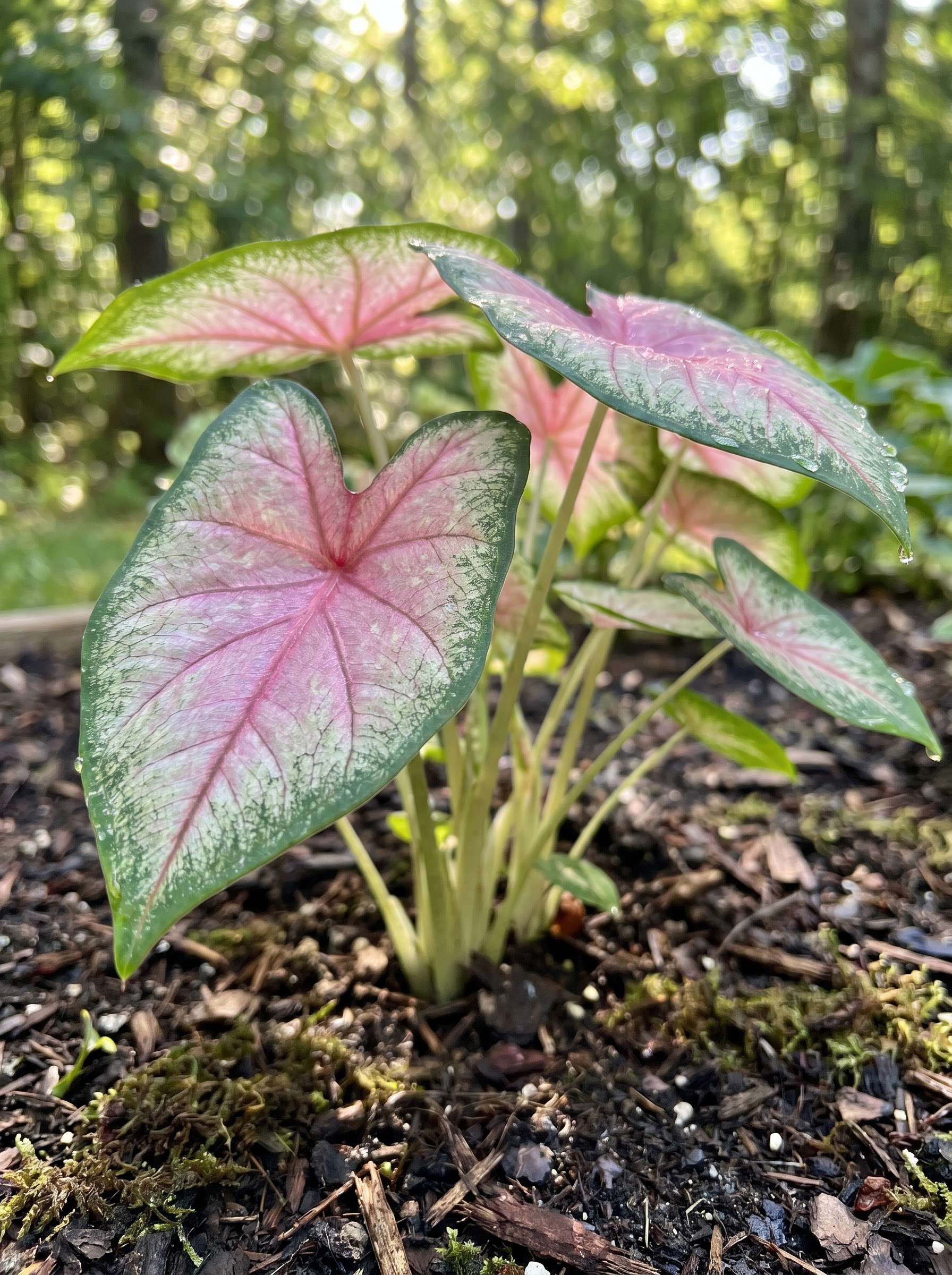 CaladiumProven
Caladium wants the same acid, consistently moist soil as hibiscus and tolerates the dappled shade a mature hibiscus canopy casts, filling the bed with colorful foliage in the gap before hibiscus reaches full bloom, then receding into a supportive underplanting.
Hibiscus+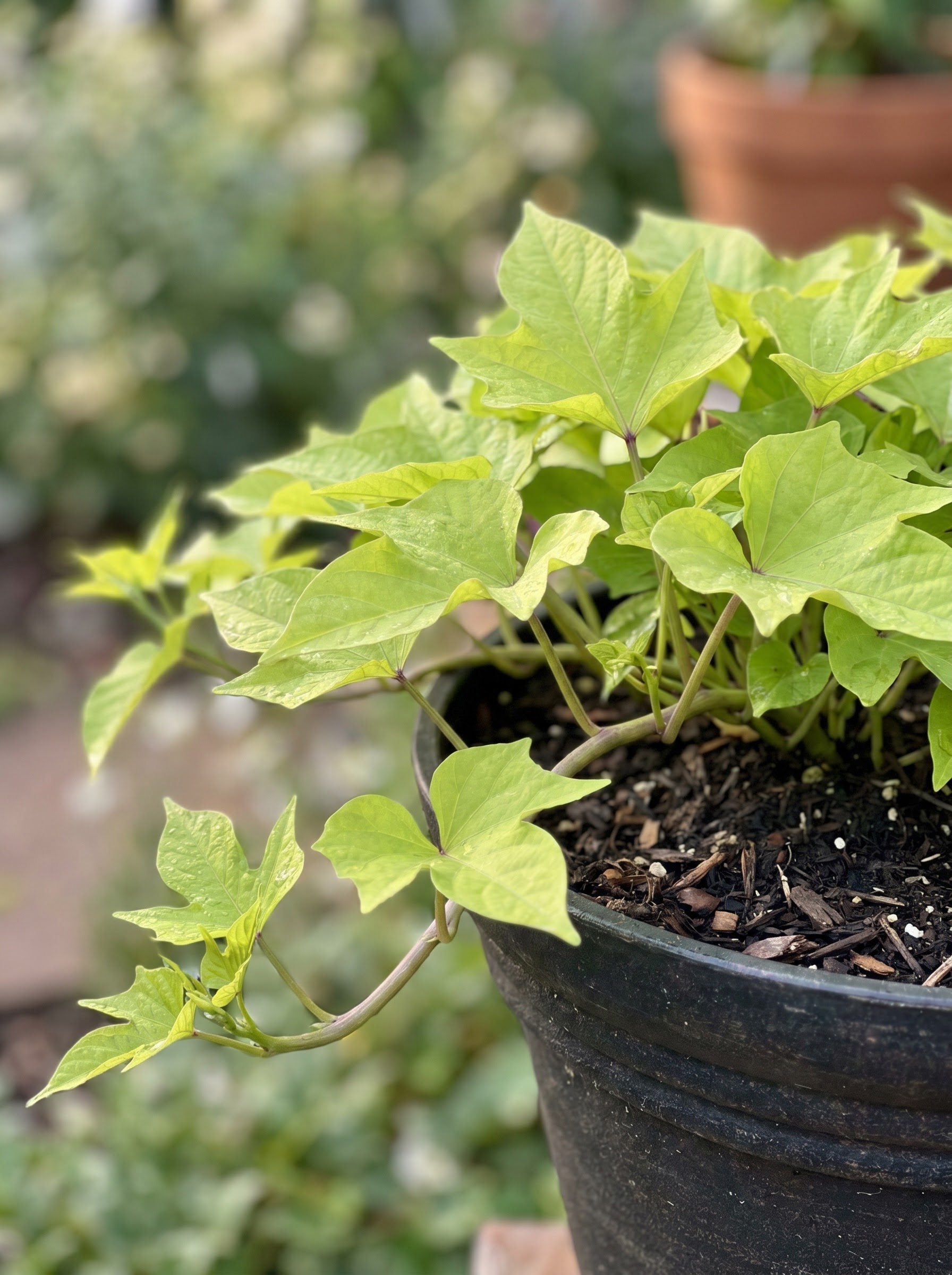 Sweet potatoPartial
Sweet potato vine tolerates hibiscus's full sun and takes regular watering without complaint, and it spreads low and fast to cover bare soil at the base, working especially well as the trailing spiller in a shared container even though it is more drought-tolerant than hibiscus and does not strictly need the same steady moisture to thrive.
All hibiscus companions
10 flower companions, best match first
What not to plant near hibiscus
Most bad neighbours are not evil, they just want the opposite light, water or root run. Here is what to keep away, and what to do instead.
True xeric and Mediterranean plants (succulents, cacti, sedum, rosemary, lavender, agave, yucca)
These plants need soil that dries out completely between waterings and rot in consistently moist conditions, which is exactly what hibiscus's root zone stays; keeping the two together means watering one of them wrong on purpose.
Aggressive smothering vines (morning glory, English ivy, kudzu-type climbers)
Left unchecked, English ivy climbs into a canopy and grows out to the branch tips, shading out the host plant's own foliage and killing entire limbs; morning glory does similar damage by twining rapidly over anything nearby, and either one smothering a hibiscus shrub cuts off the light its flowering depends on.
Mint-family runners and running bamboo
Mint spreads by underground rhizome that can extend well beyond its planting hole in a single season, competing for water and root-zone space; running bamboo does the same at a much larger scale, and neither is specific to hibiscus so much as a hazard in any shared bed.
Other heavy feeders crowded into the same tight bed or container
Hibiscus is a genuine heavy feeder that responds to small, frequent applications of nitrogen through the growing season; packing several other heavy feeders like canna, elephant ear, or dahlia into one tight container or bed means real competition for that fertilizer and water, not just a design crowding problem.
The best companions for hibiscus, explained
Tropical hibiscus sets a demanding but simple standard for its neighbors: full sun, soil that never fully dries out, and a feeding schedule steady enough to keep those dinner-plate blooms coming all summer. The companions that actually earn a spot are the ones built for that exact standard rather than plants chosen because they photograph well next to a red or apricot bloom. Canna lily is close to the ideal partner for precisely that reason: it wants the same full sun and moist, organic-rich soil, and its tall paddle-leaved height fills the middle-to-back of a border while echoing hibiscus’s own warm color range, especially the dark-leaved cultivars set against yellow or pink flowers. Elephant ear does similar work at a bigger scale, its massive shield-shaped leaves the strongest textural contrast available to hibiscus’s smaller serrated foliage, and it shares the same appetite for rich, constantly moist soil that makes it a genuine conditions match rather than a design accident.
Bird of paradise and mandevilla round out the tropical anchor set, and both are worth naming specifically because they solve a real structural gap. Bird of paradise wants the same sunny spot and fertile, well-drained soil, and its rigid upright paddles supply the vertical geometry a rounded, mounding hibiscus shrub can’t produce on its own; it also blooms best when a little pot-bound, so once it’s settled, leave the roots alone. Mandevilla is the deliberately-trained counterpart to the aggressive vines covered below, sharing hibiscus’s full sun, even moisture, and same zone 10 to 11 tenderness closely enough that the two are routinely overwintered indoors together; trained up its own trellis or obelisk, it twines lightly through open lower branches instead of blanketing them, the whole practical difference between a companion vine and a problem one. Lantana closes out the front of the bed, tolerant of the same warm, moist-to-average conditions and genuinely useful as a low mounding skirt that hides hibiscus’s bare lower stems as the shrub ages, its small clustered flowers a real textural foil to one large hibiscus bloom and a legitimate pollinator draw for the same bees and hummingbirds hibiscus itself attracts, though it leans more drought-tolerant, so it does best kept toward the drier edge of the planting rather than dead center.
What not to plant near hibiscus
The clearest mismatch is pairing a plant that wants to dry out completely with one that never should. Succulents, cacti, sedum, rosemary, lavender, agave and yucca are the textbook version of this: they need soil that goes bone dry between waterings, and tucked next to hibiscus their roots sit in soil this wet more often than not, which is a documented route to root rot in that group. There’s no compromise spot for this pairing, only real distance, or better, growing hibiscus in its own container so its watering schedule never overlaps with a xeric bed at all. Aggressive smothering vines belong on the list for a completely different reason: left unchecked, English ivy climbs woody plants and blocks the light their canopy depends on, eventually killing what it covers, and morning glory does the same by twining rapidly over anything nearby. Either one wrapped around a hibiscus shrub cuts off the light its flowering needs, a mechanical problem rather than a folklore one, and it’s exactly why mandevilla above gets trained onto its own separate trellis instead of left to find the hibiscus’s branches on its own.
Mint-family runners and running bamboo cause a milder version of the same competition, spreading underground by rhizome fast enough to extend well past their original planting hole in a single season and pulling water and root-zone space away from anything nearby; this is a generic hazard of nearly any shared bed rather than something particular to hibiscus, worth a caution more than a hard rule, so contain a running herb in its own sunken pot if it must go in at all. A softer avoid worth naming honestly: crowding several other heavy feeders, canna, elephant ear, dahlia, into one tight container or bed with hibiscus means real competition for the frequent nitrogen feeding hibiscus itself depends on, which argues for more space or more fertilizer rather than fewer companions. Worth saying plainly, because several consumer lists get this backward: azalea, gardenia and camellia get flagged as competitors on a surprising number of sites, almost always without evidence, and that claim collapses against the fact that all three genuinely share hibiscus’s acid-soil lean. The honest caveat with that trio isn’t chemistry, it’s light, since each one wants more shade than hibiscus performs best in.
Do they like the same conditions?
The rule that filters this whole list is full sun and even, never-dry moisture, tested against every candidate before it earns a spot. Hibiscus blooms most heavily with six or more hours of direct sun and tolerates light afternoon shade, but flowering slows noticeably in deeper shade, which is why azalea, gardenia and camellia, genuinely good companions on soil chemistry, work better at the part-shade edge of a hibiscus planting than in its sunniest center. Water matters almost as much: Texas A&M AgriLife Extension notes hibiscus is only somewhat drought tolerant and needs supplemental watering directed at the root system through the hottest, driest months, which is precisely why xeric plants are a genuine mismatch rather than a style choice gone wrong, and why caladium, wanting the same steady moisture, makes far better underplanting than a Mediterranean herb ever could.
This is also where the honest myth-adjacent nuance belongs, because it’s easy to get backward. Several consumer companion lists treat hibiscus as tolerant of neutral-to-alkaline soil the way many common garden shrubs are, but the same Texas A&M source states plainly that hibiscus does best under slightly acidic conditions, and pushed too far alkaline, plants in this acid-loving group typically struggle to take up nutrients properly, well before the plant actually dies from it. That makes the acid-loving cluster, azalea, gardenia, camellia, a genuinely closer conditions match than several plants routinely listed as safer, more mainstream companions, and it’s the reason this page treats that trio as a real pairing rather than repeating the unsupported "avoid" claim that shows up on some sites. Hibiscus is also a confirmed heavy feeder, wanting small, frequent nitrogen applications through the growing season rather than one big spring dose, which matters for spacing as much as for soil chemistry: pack too many other heavy feeders into the same bed and the fertilizer gets split thinner than any of them want.
How to plant them together
Layer by height and by role rather than filling the bed with everything at once. Canna, elephant ear and bird of paradise work as the tall anchor layer, spaced 24 to 36 inches from the hibiscus so each heavy feeder gets its own well-fed patch of soil rather than competing directly for the same root zone. Mandevilla wants its own trellis or obelisk 12 to 18 inches out, close enough to share the hibiscus’s watering schedule but structured so it climbs hardware instead of hibiscus branches. Lantana and sweet potato vine belong at the front edge, 12 to 18 inches from the base, doing the low, spreading work of hiding bare stems and covering soil; give lantana the slightly drier side of that front row since it tolerates more drought than hibiscus does. Caladium tucks directly under the canopy at 8 to 12 inches, taking advantage of the dappled shade a mature hibiscus already casts. Give azalea, gardenia and camellia their own amended acid-soil pocket 3 to 4 feet out, sited where they get some relief from full afternoon sun, since sharing that pH lean doesn’t mean sharing the exact same light exposure.
In containers, the same logic holds at a smaller scale, and it’s arguably the more common real-world setup for tropical hibiscus outside true zone 9 to 11 gardens. A large pot, at least 12 inches in diameter for a young plant and considerably more for a mature specimen, lets sweet potato vine trail over the rim as a spiller while mandevilla climbs a small obelisk at the center; mandevilla genuinely shares hibiscus’s need for regular water, while sweet potato vine simply tolerates the same routine without needing a drier rest of its own. Whatever the setting, water should reach the root system directly and keep foliage as dry as practical, since wet leaves invite the powdery mildew and other foliar diseases hibiscus is already somewhat prone to, and mulch two to three inches deep to hold moisture steady between waterings for every companion sharing that soil.
Does companion planting actually work for hibiscus?
Some of it, genuinely, and some of it is closer to a design habit dressed up as horticulture, which is worth separating plainly. The shared-conditions matches are the strongest claim here: canna, elephant ear, bird of paradise, mandevilla, caladium, and the acid-loving cluster of azalea, gardenia and camellia all want real, verifiable overlaps with hibiscus’s sun, water or soil chemistry rather than a similar look in a catalog photo, and that’s precisely why extension sources keep confirming the same conditions independently of any companion-planting angle. Lantana’s pollinator draw is real too, hibiscus and lantana both pulling in bees and hummingbirds on genuinely overlapping bloom windows, though that’s a bonus riding on top of a conditions match rather than a mechanism unique to the pairing.
Where the evidence gets thin is anywhere claiming a companion actively protects hibiscus from its own well-known pest problem. Hibiscus produces soft, constant new growth that’s an unusually strong magnet for aphids, whiteflies, spider mites and thrips, and while insectary plants elsewhere on this site are genuinely documented to draw in the ladybugs and hoverflies that eat those pests, no source ties that mechanism specifically to a hibiscus bed rather than gardens generally, so any "plant this to repel hibiscus pests" claim belongs in the folklore column until shown otherwise. The black walnut, eucalyptus and ornamental fennel warnings that show up on a few consumer sites fall the same way: real phenomena in general horticulture, but no hibiscus-specific extension source names hibiscus among the plants actually affected, which is a strong tell that those claims were reused wholesale from an unrelated flower’s avoid list rather than researched for this one. That’s the honest verdict: match sun, water and pH first, use height and bloom timing to do the design work second, and treat anything claiming to actively shield hibiscus from pests or disease as unproven until the evidence catches up.
FAQ
What can I plant in front of hibiscus?
Lantana and sweet potato vine both work well as a low front layer, spaced 12 to 18 inches from the base; both spread quickly enough to cover bare soil within a season and tolerate the same sun hibiscus gets, though lantana handles a slightly drier spot better than sweet potato vine does.
What should you not plant near hibiscus?
Skip true xeric plants like succulents, cacti, sedum, rosemary and lavender, since their soil needs are close to opposite hibiscus’s, and keep aggressive smothering vines like English ivy and morning glory out entirely, since either one can climb over the shrub and cut off the light its blooming depends on.
Does hibiscus need acidic soil?
Not to survive, but it does best in it. Texas A&M AgriLife Extension notes hibiscus does best under slightly acidic conditions, and in sandy soils recommends working in organic matter to keep the pH and drainage in that range, even though the plant itself usually keeps growing in soil that runs more neutral.
Can hibiscus and hibiscus companions share a container?
Yes, as long as every plant in the pot tolerates hibiscus’s regular watering. Mandevilla on a small trellis and caladium tucked at the base genuinely need that same steady moisture, and sweet potato vine trailing over the rim handles it without complaint even though it could get by on less; a succulent or other drought-lover in the same pot will struggle no matter how good it looks in the photo.
What grows well with hibiscus for pollinators?
Lantana is the strongest match here, its small nectar-rich flowers drawing the same bees and hummingbirds that visit hibiscus itself, on a bloom window that overlaps for most of the summer.
Sources
- Texas A&M AgriLife Extension (Galveston County), Tropical Hibiscus (Hibiscus rosa-sinensis)
- Clemson Cooperative Extension (HGIC), Hibiscus
- NC State Extension Gardener Plant Toolbox, Hibiscus rosa-sinensis
- University of Missouri Extension, Growing Azaleas and Rhododendrons
- Clemson Cooperative Extension (HGIC), Gardenia
- Clemson Cooperative Extension (HGIC), Camellia
- NC State Extension (Union County), English Ivy
More About Hibiscus
Hibiscus tea from flowers to cup and the health benefits of this ruby red drink
Growing hibiscus in containers for tropical patio style even in northern gardens
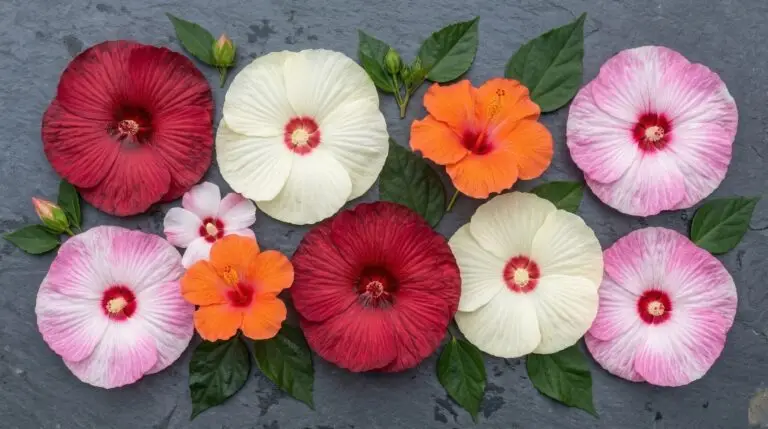
Best hardy hibiscus varieties with enormous flowers that rival tropical species
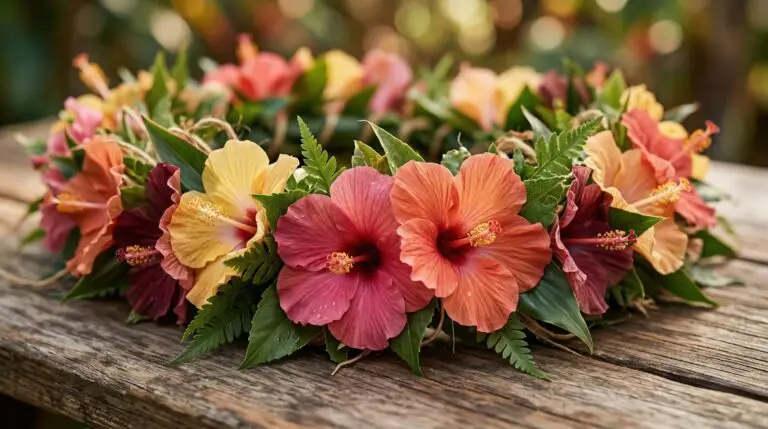
Hibiscus flower meaning and why it represents beauty and tropical paradise worldwide
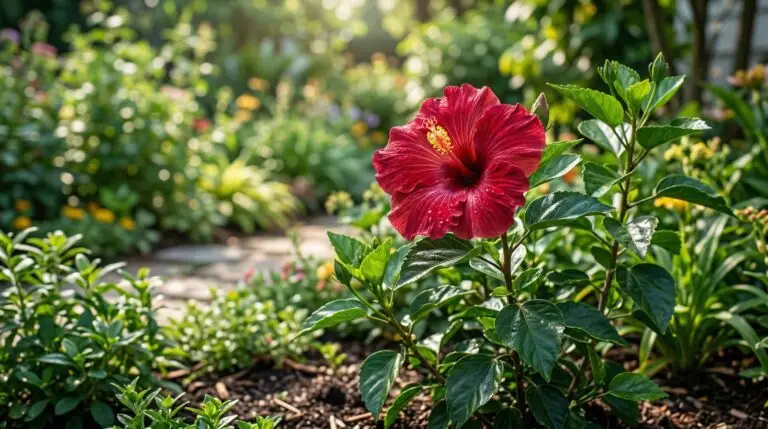
How to grow tropical hibiscus for dinner-plate-sized blooms in vivid tropical colors
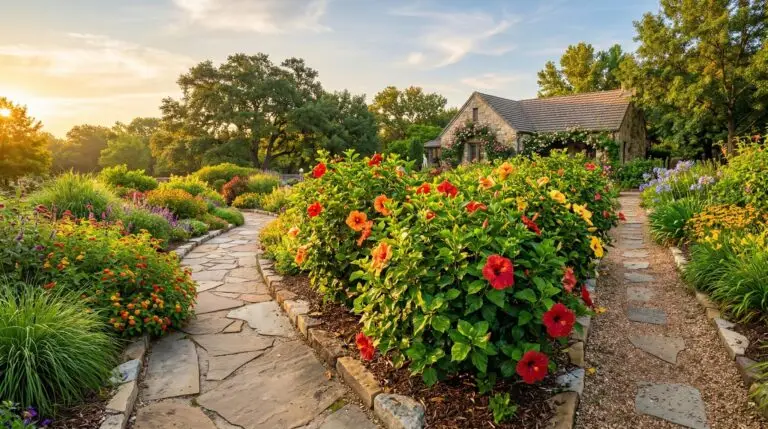
Overwintering tropical hibiscus indoors without losing all the leaves
Why hibiscus leaves turn yellow and the common care mistakes that cause it
Pruning hibiscus at the right time for maximum flowers and bushy compact growth
Hardy hibiscus versus tropical hibiscus and which one survives your winter