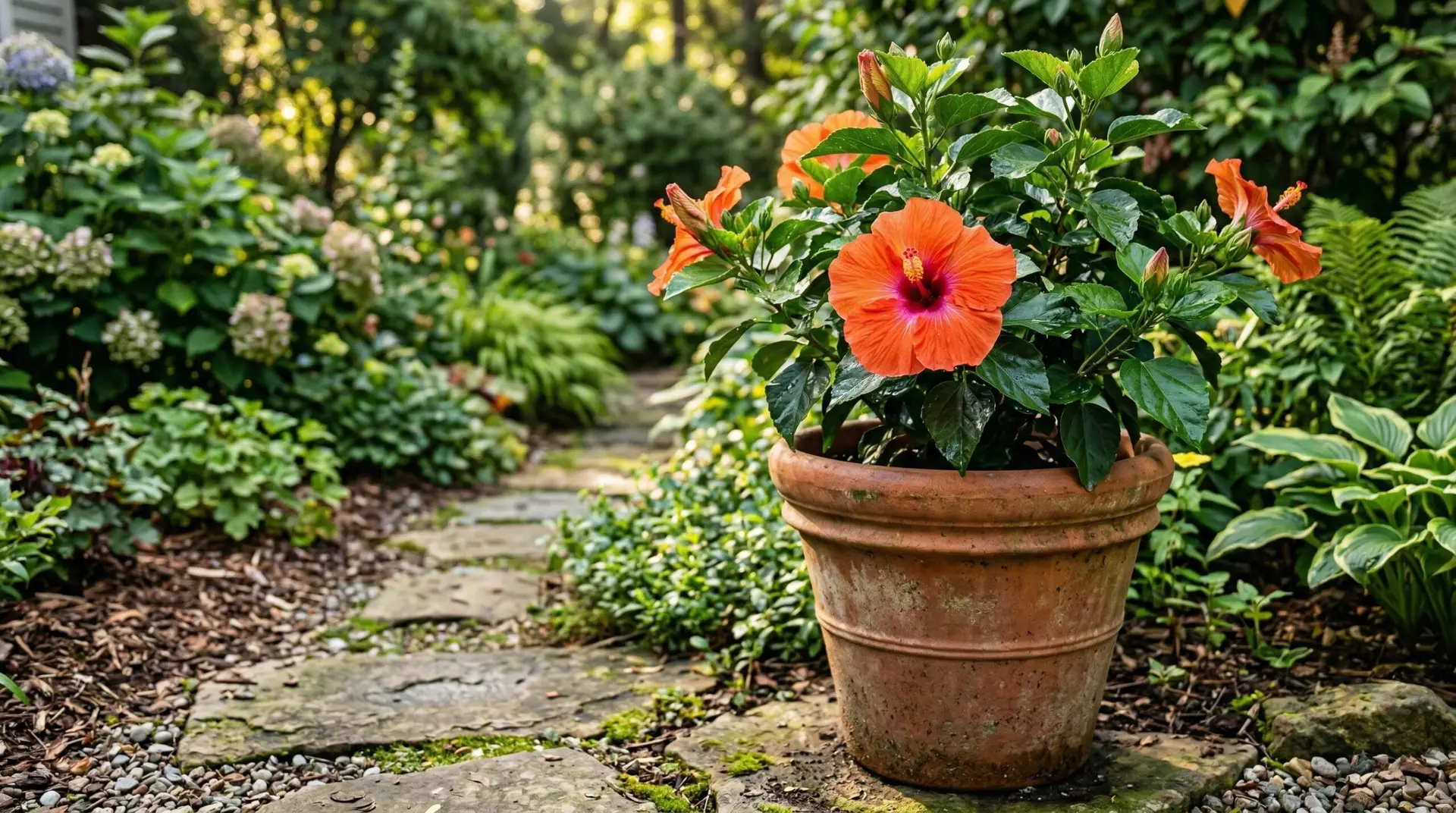
Walking through the local garden center in late May usually involves staring longingly at the massive tropical plants near the greenhouse entrance. Those big, saucer-shaped flowers make anyone want to transform a plain concrete slab into a lush vacation spot. Growing a tropical hibiscus in pots is the most reliable way to get that look without living in a frost-free climate. A dedicated container hibiscus can live for decades if treated right, blooming relentlessly through the hottest parts of the summer. The trick is understanding that these plants demand a specific routine of water, food, and winter protection. Gardeners in northern zones often treat them as expensive annuals, but keeping them going year after year is entirely possible with a little practical effort.
Contents 4 sections
Sizing up containers and getting the soil right
When bringing a new plant home, the instinct is often to repot it immediately into a massive decorative planter so it has room to grow. Tropical hibiscus actually bloom much better when their roots are slightly cramped inside the pot. Moving the plant into a container just two inches wider than its nursery pot prevents the soil from staying entirely waterlogged. Any standard plastic or terracotta pot will work perfectly as long as it has at least three large drainage holes in the bottom. A basic, inexpensive potting mix works fine, provided a few handfuls of perlite are mixed in to help the water drain straight through. Heavy garden soil or compost straight from the yard will suffocate the roots and lead to a quick death for the plant.
Watering these plants during the peak of summer requires a serious commitment, especially when they are grown on a hot, sunny hibiscus patio. A large plant with dozens of leaves will transpire water rapidly, and the soil in a dark plastic pot can bake dry in a matter of hours. Gardeners in the South might find themselves watering twice a day during August just to keep the leaves from turning crispy. In northern zones, a deep soaking once a day is usually enough, but the rule is always to water until it runs out the bottom of the pot. If the leaves start drooping dramatically by mid-afternoon, the plant is thirsty, but checking the soil with a bare finger is the only way to know for sure. Letting the plant wilt severely on a regular basis will cause all the unopened flower buds to drop off onto the patio.
Maintaining a heavy feeding schedule
Keeping a container hibiscus covered in flowers from June until October is entirely dependent on fertilizer. These plants are incredibly heavy feeders, and they will exhaust the nutrients in a standard potting mix within a month. Without regular feeding, the lower leaves will turn bright yellow and fall off, leaving a bare stem with a few green leaves at the very top. The most effective approach is mixing a basic water-soluble bloom fertilizer at half the recommended strength and applying it every single week when watering. Giving the plant a massive dose of fertilizer once a month often burns the roots and leads to erratic growth spurts rather than steady blooming. A cheap box of all-purpose plant food from the hardware store does the job perfectly well, so there is no need to hunt down expensive specialty mixes.
Many home gardeners prefer buying a hibiscus trained into a standard tree form, which features a single braided or straight trunk with a round canopy of leaves on top. These tree forms look incredibly neat and tidy flanking a doorway, but they require regular pruning to maintain that lollipop shape. Whenever a branch shoots out much longer than the rest of the canopy, pinching off the tip will force it to branch out and become bushier. Pruning does delay the flowers on that specific branch for a few weeks, so it is best to only trim one or two wild branches at a time. If the top gets too heavy, a strong summer thunderstorm can easily snap the trunk, so driving a wooden stake into the pot and tying the main stem to it is a smart precaution.
Creating tropical container combinations
A single large hibiscus makes a great focal point, but grouping it with other heat-loving plants creates a much more convincing tropical atmosphere. Mixing different textures and heights draws the eye around the patio rather than focusing on just one plant. Placing the hibiscus pot next to tall canna lilies provides a striking background of wide, paddle-shaped leaves that contrast perfectly with the dark green hibiscus foliage. Because the hibiscus needs so much water and fertilizer, it is usually better to keep companion plants in their own separate pots rather than crowding them all into one giant container. Grouping the pots closely together hides the plastic rims and creates the illusion of a single, massive planting bed right on the concrete.
Filling the lower levels of a container display is just as important as the tall focal points. A creeping plant trailing over the edge of a nearby pot helps soften the harsh lines of the patio furniture and the containers themselves. Growing lantana in a smaller pot tucked right at the base of the hibiscus is an excellent choice because it thrives in the same baking sun and blooms continuously. For those who want to commit fully to the jungle aesthetic, adding a bird of paradise to the arrangement introduces a completely different architectural shape. All of these plants demand full sun and heavy watering, making them perfect companions for a patio that gets hot afternoon light.
Moving plants indoors for the winter
In any zone that experiences frost, leaving a tropical hibiscus outside past October is a guaranteed death sentence. Moving a large container indoors is heavy, messy work, and it requires a bit of preparation to avoid bringing an entire ecosystem of pests into the living room. Before the nighttime temperatures drop below fifty degrees, the plant needs a thorough washing with a strong blast from the garden hose. Spraying underneath every single leaf helps dislodge the spider mites and aphids that inevitably hide there during the summer. Once the plant is clean, dragging the pot into a garage or sunroom for a few days helps it acclimate to lower light levels before it moves into the heated house.
The transition to indoor living is rarely graceful, and the plant will likely look completely miserable for the first month. Dropping a massive amount of yellow leaves is just the plant reacting to the sudden lack of sunlight and humidity, so there is no need to panic and drown it in water. The plants often look half dead for a few weeks after a major environmental shift, but they are just resting. Place the pot in front of the brightest, sunniest window available, cut watering back to once a week, and stop fertilizing completely. By late spring, new green growth will start pushing out of the bare branches, signaling that the plant survived the winter and is ready to head back out to the patio.
More About Hibiscus
Hibiscus tea from flowers to cup and the health benefits of this ruby red drink
Best hardy hibiscus varieties with enormous flowers that rival tropical species
Hibiscus flower meaning and why it represents beauty and tropical paradise worldwide
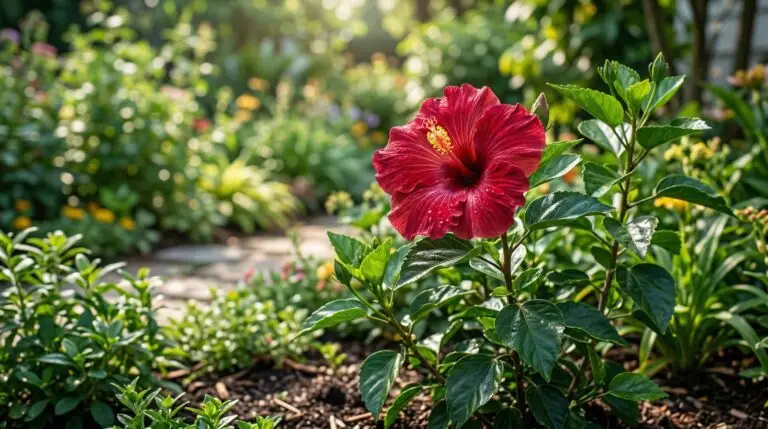
How to grow tropical hibiscus for dinner-plate-sized blooms in vivid tropical colors
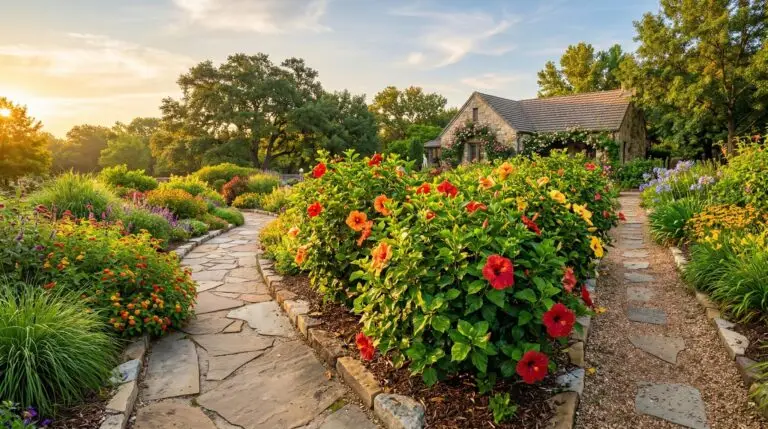
Overwintering tropical hibiscus indoors without losing all the leaves
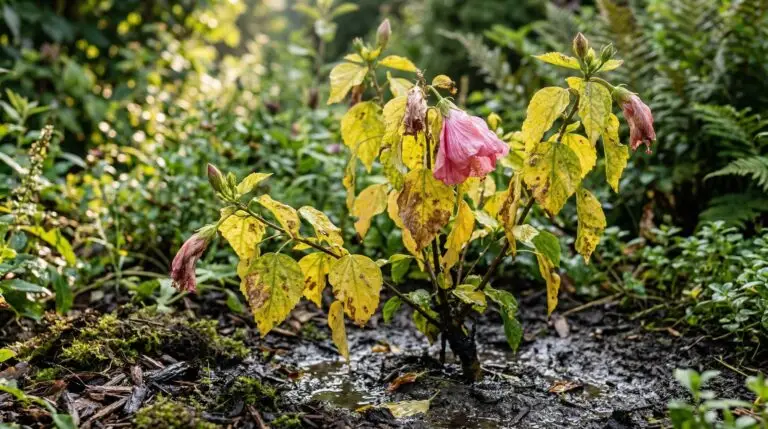
Why hibiscus leaves turn yellow and the common care mistakes that cause it
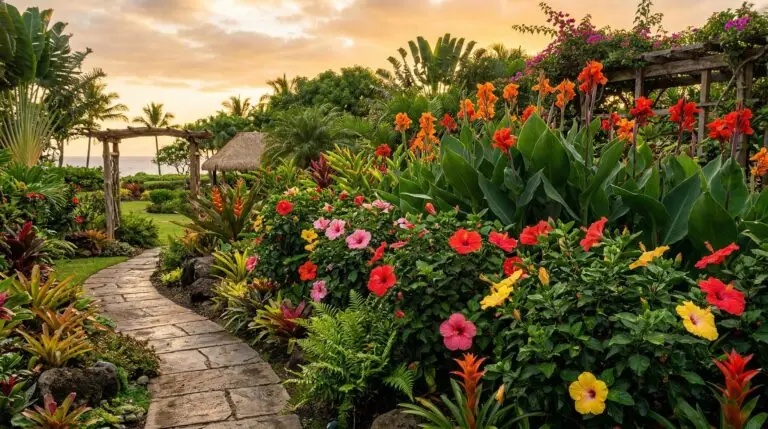
Companion plants for hibiscus: what to grow, what to avoid
Pruning hibiscus at the right time for maximum flowers and bushy compact growth
Hardy hibiscus versus tropical hibiscus and which one survives your winter
Enjoying our flower guides? Add YourFlowersGuide as a preferred source on Google. It helps more readers find us.
Add to Preferred Sources