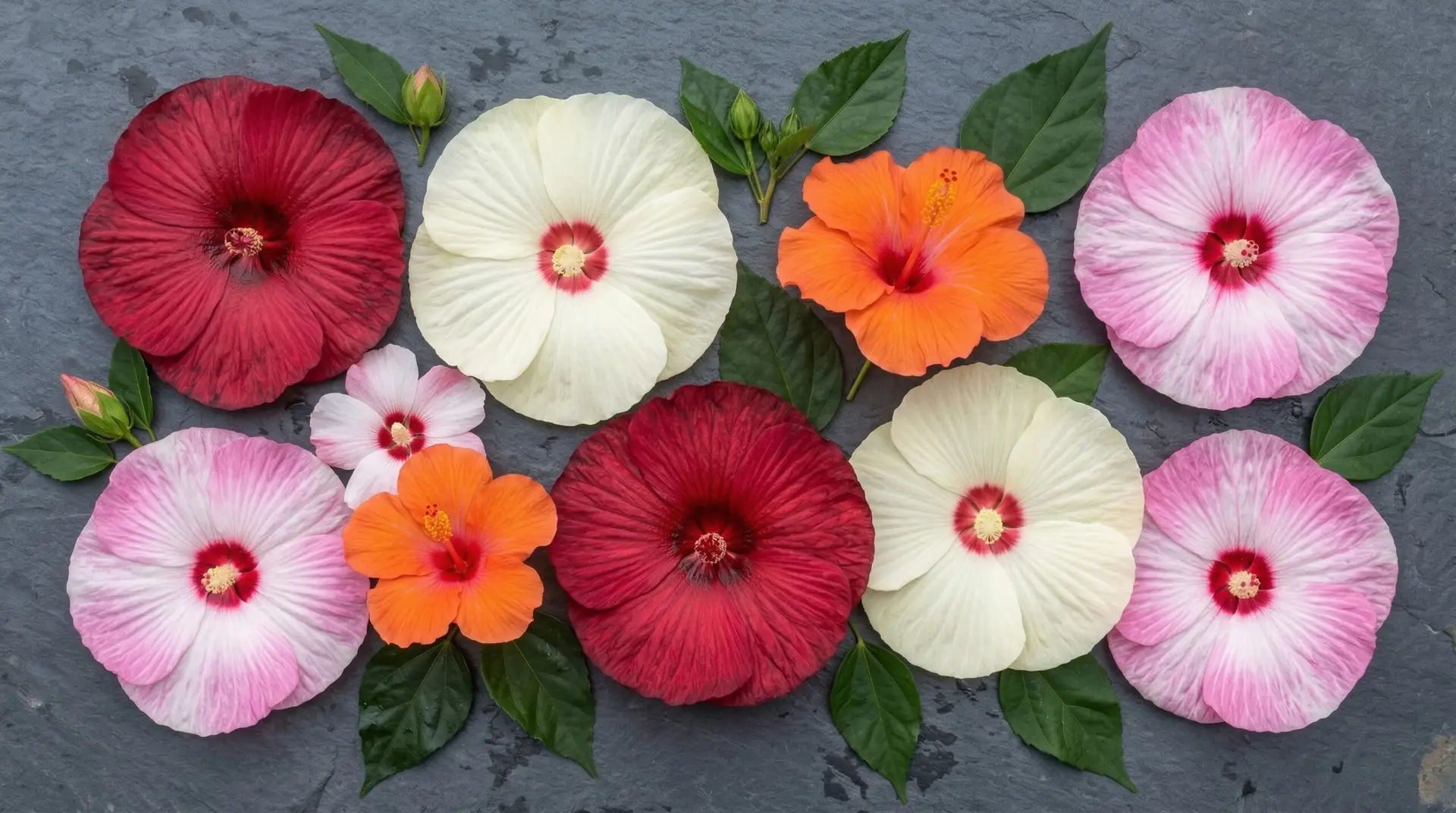
When gardeners think of large, exotic flowers, they usually picture tropical plants that require greenhouse wintering in most climates. The reality is that some of the largest flowers you can grow in a cold climate belong to the hardy hibiscus. Specifically, modern Hibiscus moscheutos varieties have been bred to produce ten to twelve inch blooms on plants that survive harsh winters with ease. Originally native to wetlands and marshy areas across North America, the wild species is a tall, somewhat sparse plant with plain green leaves. Many older garden guides still recommend the standard species or early hybrids, but those tend to grow excessively tall, become leggy, and produce flowers only at the very top of the stems. By focusing on recent introductions with dark foliage and improved branching, you can cultivate a much more substantial presence in the garden. This selection curates the best hardy hibiscus varieties available today, chosen for flower size, foliage quality, and reliable cold tolerance.
Contents 5 sections
The standard for dark foliage
Dark foliage transforms a hardy hibiscus from a brief summer spectacle into a season-long anchor plant. ‘Midnight Marvel’ remains the benchmark for this category because it combines deep wine-purple leaves with pure, rich red flowers. The contrast between the dark leaves and the bright blooms creates a focal point that commands attention long before the first bud opens. Older dark-leaf varieties often faded to a muddy green in the heat of summer, but ‘Midnight Marvel’ holds its color exceptionally well as long as it is planted in full sun. The plant forms a dense, rounded shrub about four feet tall and wide, making it a reliable structural element in the middle of a border. The leaves themselves are deeply lobed and somewhat glossy, shedding rain easily and resisting common fungal issues. Pair it with the bright gold foliage of a daylily to emphasize the deep purple tones of the hibiscus leaves throughout the entire growing season.
Reliable performance and massive blooms
Plant breeders have spent decades trying to eliminate the bare lower stems that plagued early hardy hibiscus varieties. The ‘Summerific’ series represents the most successful solution to this problem, offering plants that are fully branched from the ground up. These varieties produce flowers all along the stems rather than just at the tips, resulting in a much higher total bloom count over the late summer weeks. Within this series, ‘Berry Awesome’ is a particularly strong performer with deeply lobed, dark olive leaves and massive lavender-pink flowers that reach eight to ten inches across. The petals have a ruffled texture and a distinctive red eye that draws pollinators deep into the center of the flower. Like all hardy hibiscus, these plants are notoriously late to emerge in the spring, often showing no signs of life until early summer heat warms the soil. Once they break dormancy, they grow with astonishing speed, adding inches of growth daily to form a massive shrub by August.
Compact growth for smaller spaces
Not every garden has room for a five-foot shrub that expands to an equal width by late summer. The ‘Luna’ series earns its place in this curation by delivering the massive, dinner-plate flowers of larger varieties on a plant that rarely exceeds three feet in height. These plants are grown from seed rather than cuttings, which makes them highly vigorous and quick to establish a deep root system in the landscape. ‘Luna Red’ and ‘Luna Rose’ both produce blooms that easily measure eight inches across, completely obscuring the foliage when the plant is at peak bloom. Their compact stature makes them ideal for large containers or the front of a sunny border where taller varieties would block the view. Because they have a smaller root mass than the giant varieties, they do require consistent moisture, especially if grown in pots on a hot patio. You can plant them alongside a low-growing coneflower to create a layered planting that thrives in full sun and tolerates late summer heat.
An unexpected color break
Most hardy hibiscus varieties fall strictly into the red, pink, or white color categories. ‘Vintage Denim’ is a relatively recent introduction that breaks this mold with flowers that open a soft, dusty blue-lavender before fading to a subtle slate color. Finding cool tones in late summer flowers is difficult, and this variety provides a much-needed visual rest from the intense warm colors that usually dominate August gardens. The blooms are slightly smaller than those of the ‘Summerific’ series, averaging about seven to eight inches across, but the unique coloration more than compensates for the slight reduction in size. The foliage is a clean, bright green with a deeply cut, maple-like shape that adds textural interest even when the plant is not in bloom. Unlike the dark-leaved varieties that demand intense sun to maintain their color, ‘Vintage Denim’ performs beautifully in spots that receive bright morning light and a bit of afternoon shade. This is an excellent choice for gardeners who want the tropical look of a hibiscus but prefer a more muted, sophisticated color palette.
The standout recommendation
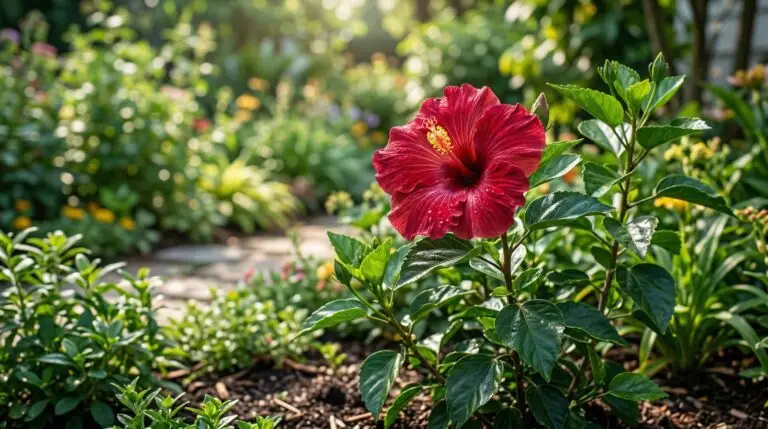
While all the varieties discussed here offer excellent performance, ‘Holy Grail’, another member of the ‘Summerific’ series, stands as the ultimate achievement in modern hardy hibiscus breeding. It combines near-black foliage with enormous, deep red flowers that easily reach nine to ten inches in diameter. The leaves are so dark they appear almost charred, providing an intense, dramatic background that makes the rich red petals appear to glow in the sunlight. Unlike older red varieties that lean toward pink or orange as they fade, ‘Holy Grail’ maintains a true, saturated crimson color until the flowers drop. The plant is exceptionally vigorous, reliably returning from the roots even after winters where temperatures drop well below zero. It thrives in rich, consistently moist soil and will happily grow in low spots in the garden where other perennials might rot. For anyone looking to plant just one hardy hibiscus that delivers maximum visual impact with minimal maintenance, this variety is the clear and unequaled choice.
More About Hibiscus
Hibiscus tea from flowers to cup and the health benefits of this ruby red drink
Growing hibiscus in containers for tropical patio style even in northern gardens
Hibiscus flower meaning and why it represents beauty and tropical paradise worldwide
How to grow tropical hibiscus for dinner-plate-sized blooms in vivid tropical colors
Overwintering tropical hibiscus indoors without losing all the leaves
Why hibiscus leaves turn yellow and the common care mistakes that cause it
Companion plants for hibiscus: what to grow, what to avoid
Pruning hibiscus at the right time for maximum flowers and bushy compact growth
Hardy hibiscus versus tropical hibiscus and which one survives your winter
Enjoying our flower guides? Add YourFlowersGuide as a preferred source on Google. It helps more readers find us.
Add to Preferred Sources