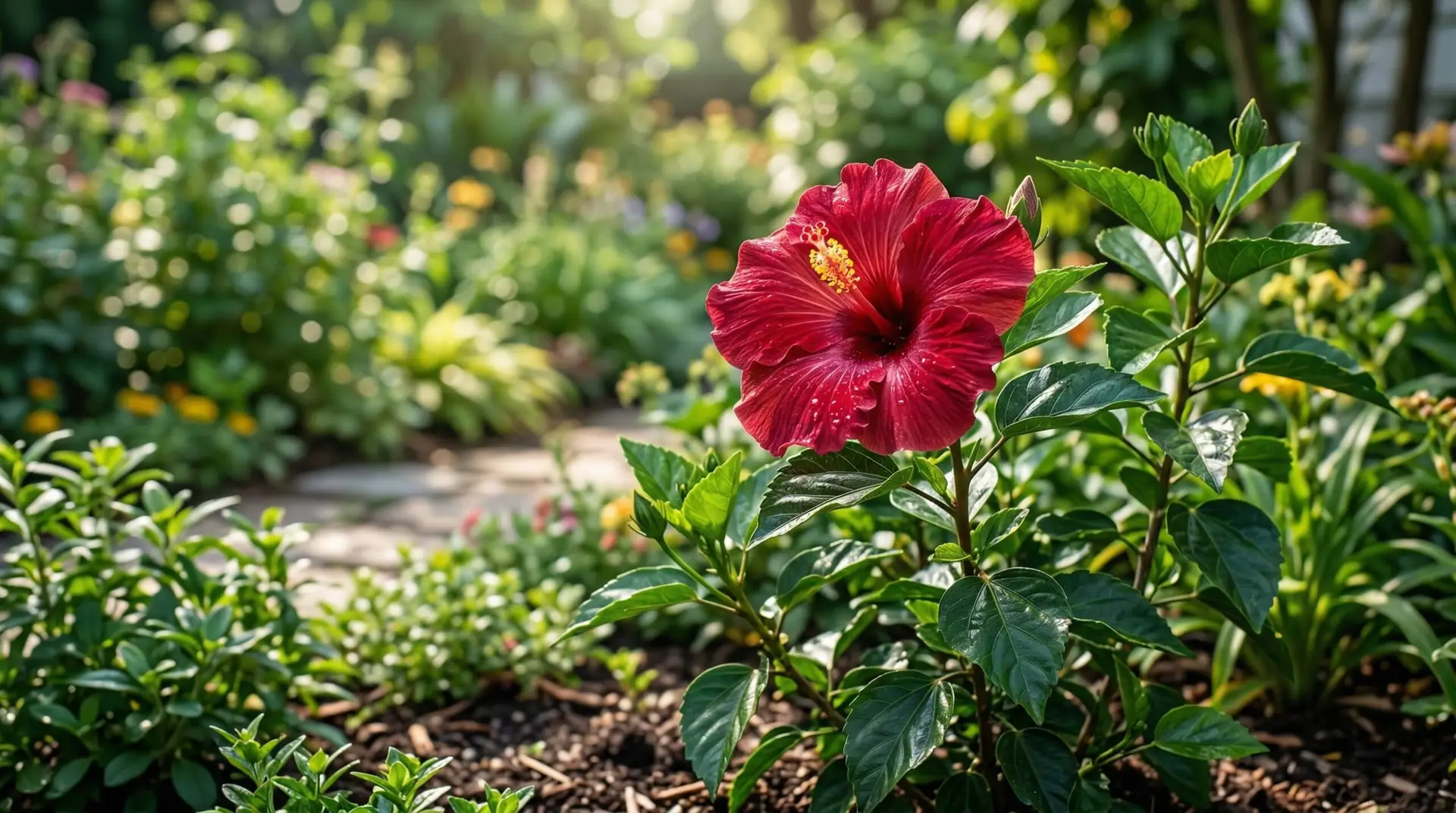
Tropical hibiscus plants produce some of the most morphologically complex and resource-intensive flowers in the botanical world. I have spent countless hours in conservatories observing the daily cycle of Hibiscus rosa-sinensis, where each massive flower opens at dawn and typically collapses by sunset. Growing hibiscus successfully requires understanding that these plants are heavy feeders with a relentless metabolic drive. They originate from warm, humid equatorial regions and have zero genetic adaptation to frost. Many gardeners bring them home expecting a low-maintenance patio plant, only to be disappointed when bud drop occurs or the foliage yellows. Mastering tropical hibiscus care comes down to managing their specific demands for light, water, and highly targeted nutrition. Once you understand their biological rhythm, you can cultivate those massive, saucer-sized blooms reliably throughout the growing season.
Contents 5 sections
Light requirements and temperature thresholds
Tropical hibiscus plants are obligate sun lovers, requiring a minimum of six to eight hours of direct sunlight daily to initiate flower buds. When grown in deep shade, the plants will push out large, dark green leaves but will stubbornly refuse to bloom. However, in regions with extreme summer heat where afternoon temperatures exceed ninety degrees Fahrenheit, providing dappled shade during the hottest part of the day prevents heat stress. I have often seen plants abort their buds entirely when root zones bake in black plastic nursery pots on hot concrete patios. Temperature is just as critical as sunlight, as these plants thrive when daytime temperatures hover between seventy and eighty-five degrees Fahrenheit. Growth slows significantly when nighttime temperatures drop below sixty degrees, and any exposure to freezing temperatures will cause irreversible cellular damage to the stems and roots. If you are pairing them with other heat-loving patio plants, a potted lantana makes an excellent companion because it shares similar sunlight and temperature preferences without competing for the same root space.
Soil composition and feeding strategies for maximum bloom size
The foundation of proper hibiscus plant care begins with the potting medium and a highly specific approach to fertilization. These plants prefer a slightly acidic soil pH ranging from 6.0 to 6.5, which allows them to absorb micronutrients efficiently. A standard commercial potting mix is usually too heavy, so I recommend amending it with perlite and composted pine bark to ensure rapid drainage. Tropical hibiscus are highly sensitive to phosphorus, the middle number on a fertilizer label, which can build up to toxic levels in the soil and block the uptake of iron and other essential elements. To support the continuous development of dinner-plate-sized blooms, you need a fertilizer formulation that is high in potassium and nitrogen but very low in phosphorus. I typically apply a water-soluble fertilizer with a ratio similar to 17-5-24 every two weeks during the active growing season. This high potassium intake fuels the cellular expansion required to push out those massive petals day after day, much like the heavy feeding regimen required for a vigorously growing canna lily in peak summer.
Moisture management and recognizing water stress
Tropical hibiscus possess a massive leaf surface area that transpires a significant amount of water during a hot summer day. You must maintain an even level of soil moisture without ever allowing the root zone to become waterlogged or completely desiccated. When a hibiscus experiences severe drought stress, it protects its core by immediately dropping its lower leaves and aborting any developing flower buds. Conversely, a plant sitting in a saucer of standing water will quickly develop root rot, a fungal condition that destroys the fine feeder roots responsible for nutrient uptake. I always recommend watering deeply until moisture runs out the drainage holes, then waiting until the surface feels dry before watering again. During peak summer heat, a large specimen in a container may require daily watering to keep up with its metabolic demands. Observing the foliage early in the morning will give you the most accurate read on the plant’s hydration status, as afternoon wilting is often just a temporary defense mechanism against intense heat.
Pruning techniques for structure and continuous flowering
Because tropical hibiscus only produce flower buds on new terminal growth, regular pruning is an absolute necessity for maximum bloom production. Left to their own devices, these plants tend to grow into leggy, sparse shrubs with flowers only at the very tips of long branches. I practice a technique called pinch pruning early in the season, snapping off the top half-inch of new green shoots to force the plant to branch out from lower nodes. Each new branch you create through pruning provides another terminal tip where a future flower can develop. Major structural pruning should occur in late winter or early spring before the plant breaks dormancy, allowing you to remove crossing branches and open up the center of the canopy to light and air circulation. When making these structural cuts, always cut just above an outward-facing leaf node at a slight angle to direct the new growth away from the center of the plant. A well-pruned hibiscus will develop a dense, rounded habit that supports dozens of blooms simultaneously rather than just a few isolated flowers.
Overwintering tropical plants in cold climates
For gardeners outside of hardiness zones ten and eleven, overwintering tropical hibiscus requires a transition to an indoor environment well before the first autumn frost. As soon as nighttime temperatures consistently dip into the low fifties, it is time to thoroughly wash the foliage to dislodge aphids and spider mites before bringing the plant inside. You should place the container in the brightest room available, ideally near a south-facing window, though supplemental grow lights are often necessary to prevent severe leaf drop. The plant will naturally enter a semi-dormant state indoors, meaning you must drastically reduce your watering frequency and halt all fertilization until spring. Yellowing leaves are common during this transition period as the plant sheds excess foliage it can no longer support in lower light conditions. Much like moving a large bird of paradise indoors for the winter, the goal is simply survival rather than active growth or flowering. Keep a close eye on soil moisture throughout the winter months, watering only when the top two inches of the potting mix feel completely dry to the touch, and prepare to resume your regular care routine when the days lengthen in spring.
More About Hibiscus
Hibiscus tea from flowers to cup and the health benefits of this ruby red drink
Growing hibiscus in containers for tropical patio style even in northern gardens
Best hardy hibiscus varieties with enormous flowers that rival tropical species
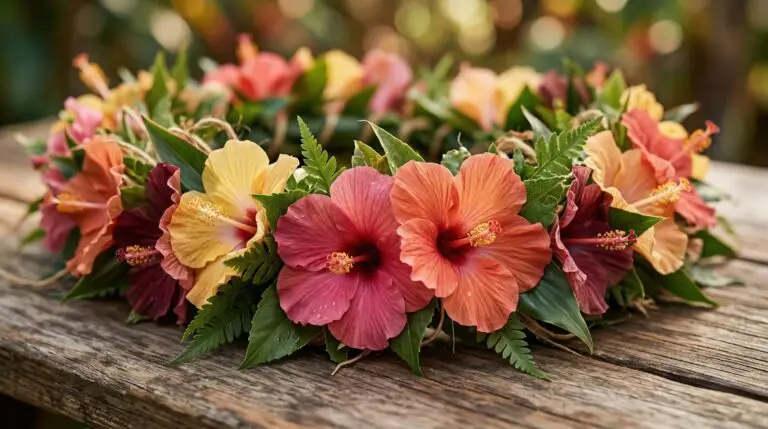
Hibiscus flower meaning and why it represents beauty and tropical paradise worldwide
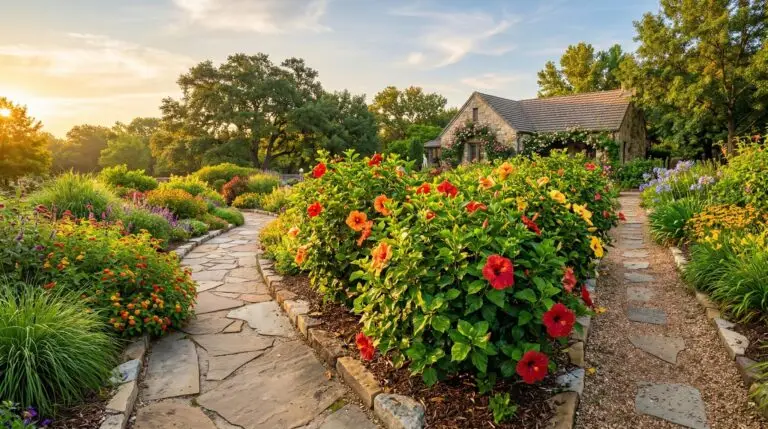
Overwintering tropical hibiscus indoors without losing all the leaves
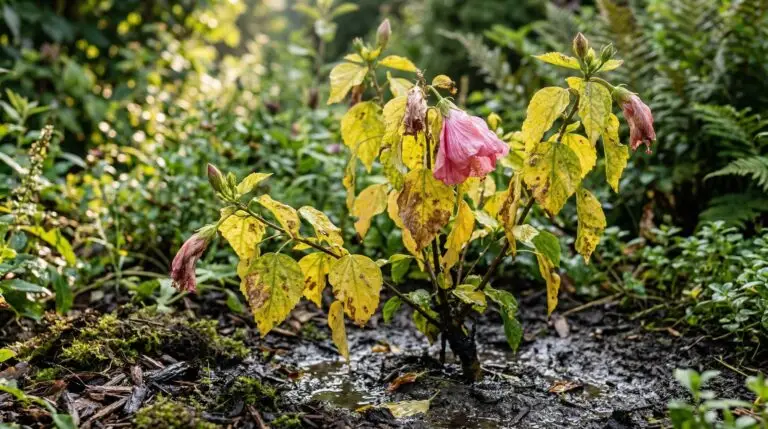
Why hibiscus leaves turn yellow and the common care mistakes that cause it
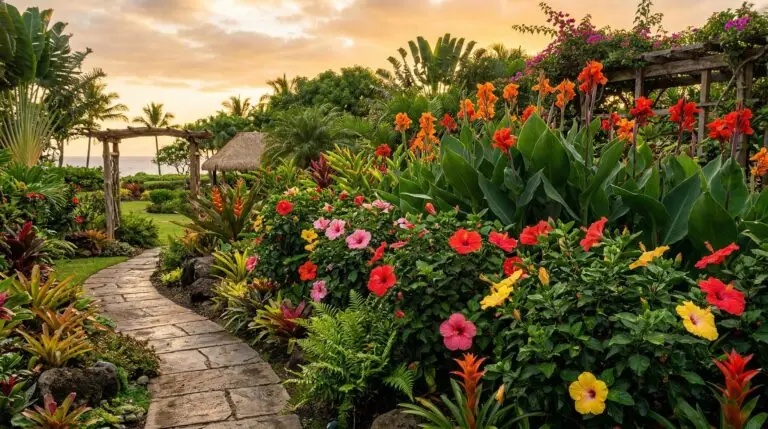
Companion plants for hibiscus: what to grow, what to avoid
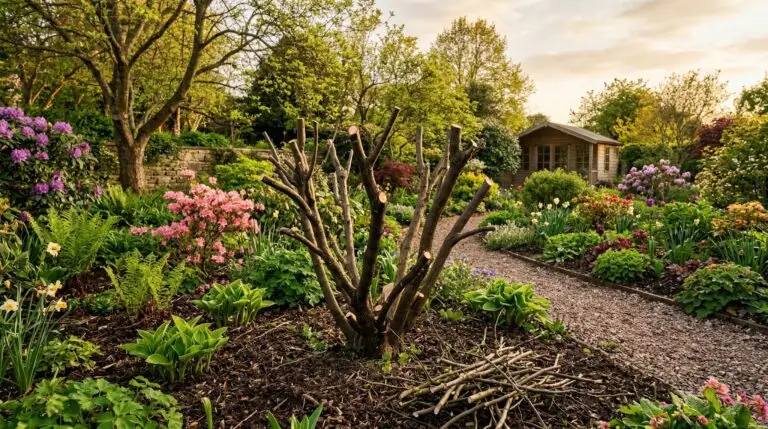
Pruning hibiscus at the right time for maximum flowers and bushy compact growth
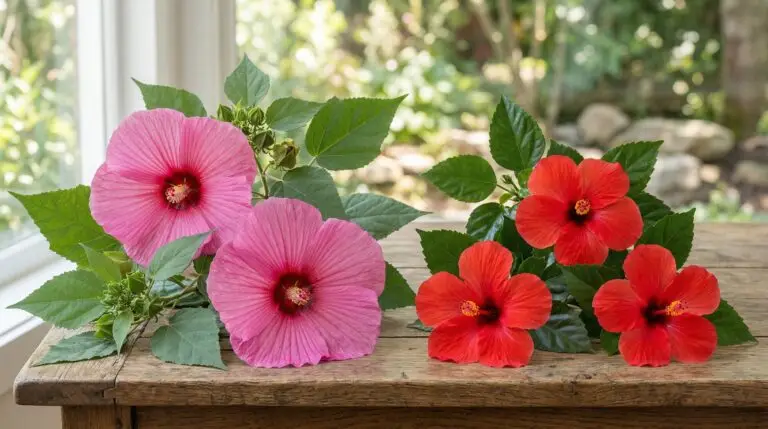
Hardy hibiscus versus tropical hibiscus and which one survives your winter
Enjoying our flower guides? Add YourFlowersGuide as a preferred source on Google. It helps more readers find us.
Add to Preferred Sources