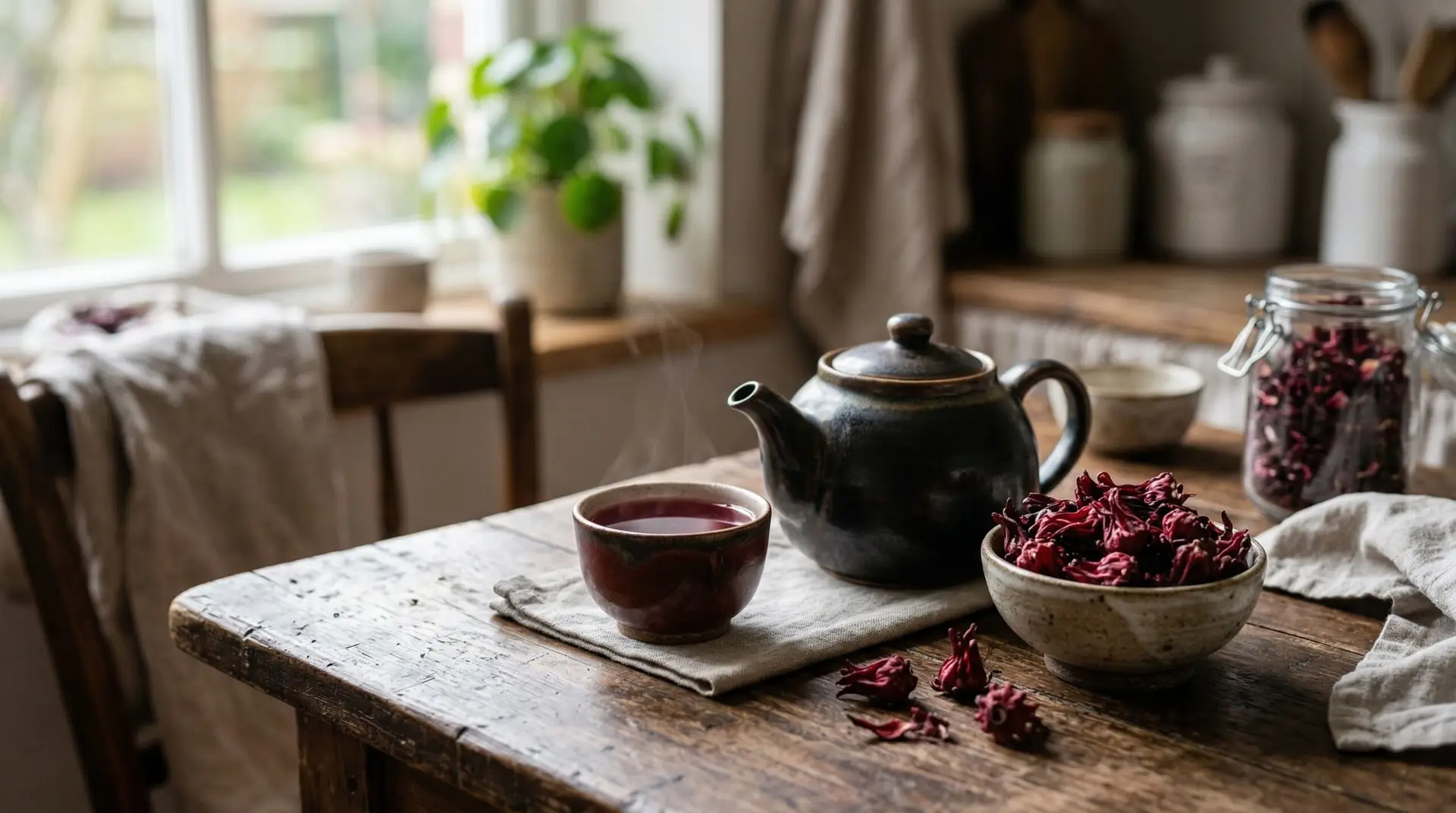
One of the first things gardeners ask when they start growing hibiscus is whether they can actually make tea from the giant blooms in their backyard. The answer requires a bit of botanical clarification because the tropical plants blooming by your patio are probably not the ones you want in your mug. The variety used for commercial teas and traditional beverages is specifically Hibiscus sabdariffa, commonly known as roselle. This specific plant produces pale yellow flowers that look quite different from the giant red ornamental varieties you might be used to seeing. The real magic happens after that pale flower drops off the plant entirely. You are left with a bright red, fleshy cup called a calyx at the base of the stem. This calyx is the actual ingredient used for making hibiscus tea worldwide.
Contents 4 sections
Finding the right hibiscus for brewing
The natural follow-up question is how to know when these calyces are ready to harvest for your tea. You want to wait until the flower petal falls away naturally, leaving the red calyx to swell and become plump over the next few days. The calyx should feel crisp and snap off easily when you bend it at the stem. Inside this fleshy red outer layer sits a green seed pod that you need to pop out before you start the drying process. Many people wonder if they can just brew the fresh calyces right away. You absolutely can boil the fresh red pieces to make a bright drink immediately. Most people prefer drying them to store for year-round use and to concentrate the tart flavor.
This leads to something many growers wonder about when they bring their harvest indoors to dry. Because the calyces are thick and hold a lot of moisture, they take significantly longer to dehydrate than thin petals. If you have ever dried rose petals for tea, you know they crisp up in just a few days on a screen. Hibiscus calyces need very good air circulation and warm temperatures to prevent mold from forming in their fleshy folds. A food dehydrator set to a low temperature is the most reliable method for home growers. You will know they are completely dry when they become brittle and snap like a dry twig between your fingers. Store these dried pieces in an airtight glass jar away from direct sunlight to preserve their deep red color.
The science behind the ruby red color
Once you have your dried harvest, you probably want to know what gives the resulting drink that intense color and tart flavor. The deep ruby hue comes from high concentrations of anthocyanins, which are the same water-soluble plant pigments found in berries and red cabbage. These compounds release instantly when the dried calyces hit hot water, turning the liquid a brilliant magenta within seconds. The tartness is the result of natural organic acids like citric acid and malic acid present in the plant tissue. This sharp, cranberry-like flavor profile is exactly why the drink is so refreshing on a hot day. In Mexico and Central America, this tartness is balanced with sugar to create agua de jamaica, a staple chilled beverage served over ice. You can sweeten it with honey, agave, or simple syrup to suit your personal preference.
Understanding the health benefits
People often ask if the health claims surrounding this bright red drink are actually real or just folklore. The hibiscus tea benefits are heavily researched, particularly regarding cardiovascular health and blood pressure management. Regular consumption of the brewed calyces has been shown to have a mild lowering effect on blood pressure for some individuals. The high concentration of anthocyanins also means the drink is packed with antioxidants that help neutralize free radicals in the body. By the way, because it is naturally caffeine-free, it makes an excellent evening beverage without disrupting your sleep cycle. Many tea drinkers find the ritual of brewing it just as relaxing as preparing a cup of lavender or chrysanthemum tea before bed. It is always wise to consult a doctor if you are taking blood pressure medication, as the tea can interact with certain prescriptions.
Brewing the perfect cup
A common curiosity among new tea makers is whether boiling water destroys the beneficial compounds in the dried calyces. While boiling water extracts the color and flavor very quickly, a gentler approach often yields a smoother cup. Pouring hot, but not boiling, water over a small handful of dried calyces and letting them steep for five to ten minutes extracts plenty of flavor without pulling out bitter notes. Cold brewing is another excellent method that many people overlook entirely. You can simply place a handful of the dried plant material in a pitcher of cold water and leave it in the refrigerator overnight. The cold extraction pulls out the fruity flavors and bright color while leaving behind some of the sharper acidic notes. This cold brew method creates a perfectly smooth base for summer mocktails or a refreshing afternoon drink.
You might be wondering what to do with the leftover soggy calyces after you finish brewing your tea. Most people simply throw them in the compost bin, but they are completely edible and still retain some tart flavor. You can chop the rehydrated pieces and fold them into fruit salads or mix them into morning oatmeal. Some creative cooks even boil the spent calyces with sugar and pectin to create a tangy, bright red jam. They add a pleasant chewiness and a burst of acidity to baked goods when chopped finely. Finding ways to use the whole plant turns your tea-drinking habit into a zero-waste kitchen practice. Treating the brewed pieces as an ingredient rather than trash opens up entirely new ways to enjoy your hibiscus harvest.
More About Hibiscus
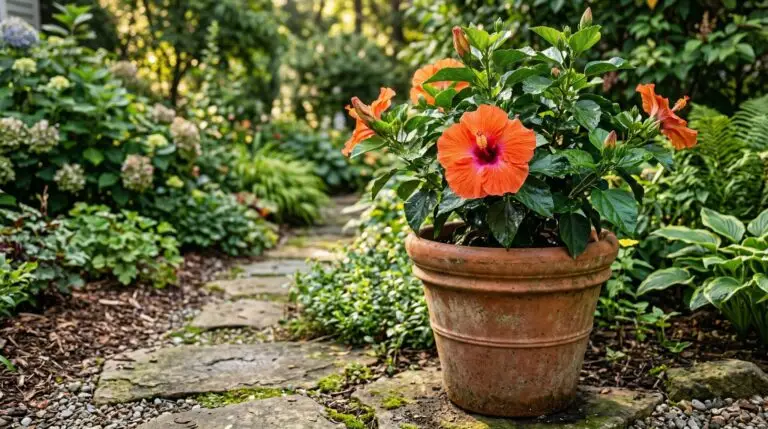
Growing hibiscus in containers for tropical patio style even in northern gardens
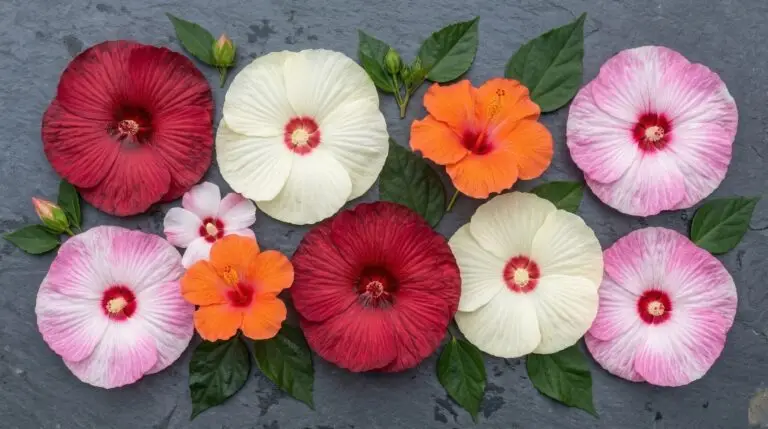
Best hardy hibiscus varieties with enormous flowers that rival tropical species
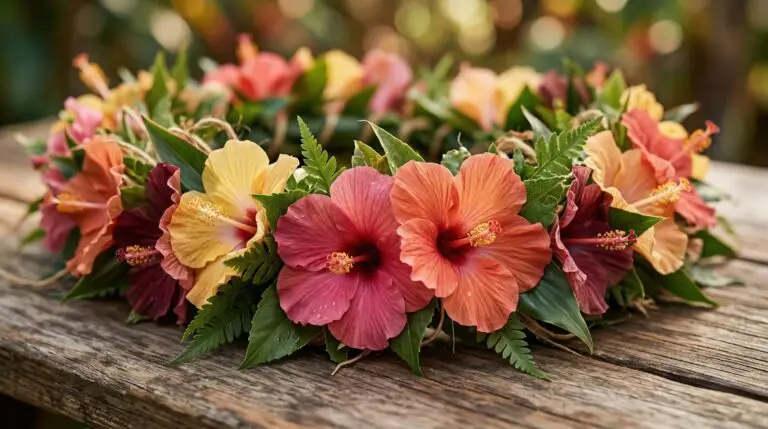
Hibiscus flower meaning and why it represents beauty and tropical paradise worldwide
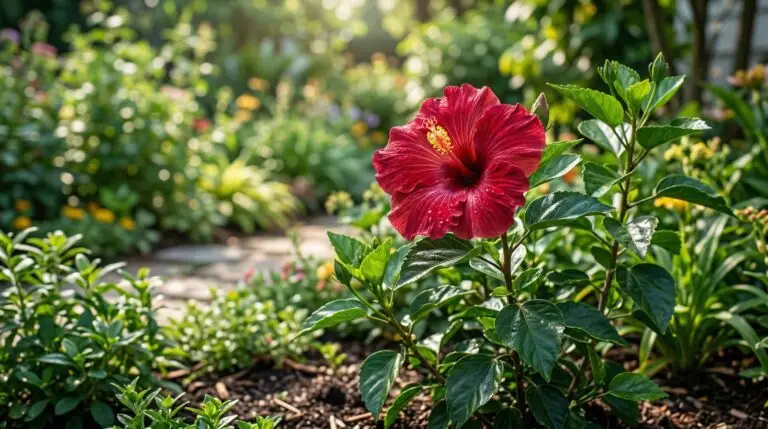
How to grow tropical hibiscus for dinner-plate-sized blooms in vivid tropical colors

Overwintering tropical hibiscus indoors without losing all the leaves
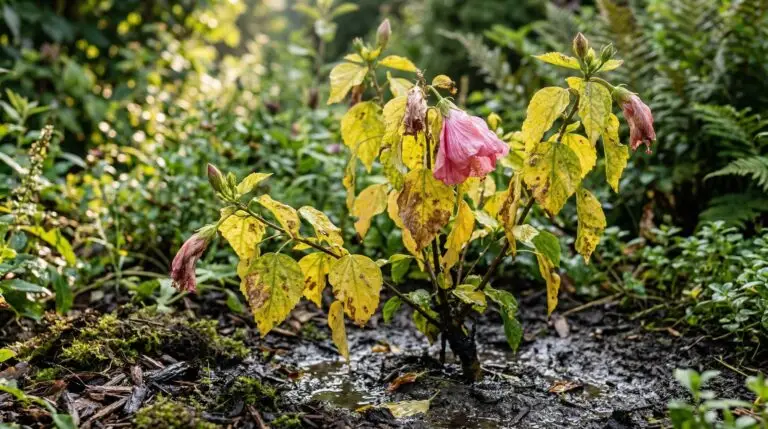
Why hibiscus leaves turn yellow and the common care mistakes that cause it

Companion plants for hibiscus: what to grow, what to avoid

Pruning hibiscus at the right time for maximum flowers and bushy compact growth
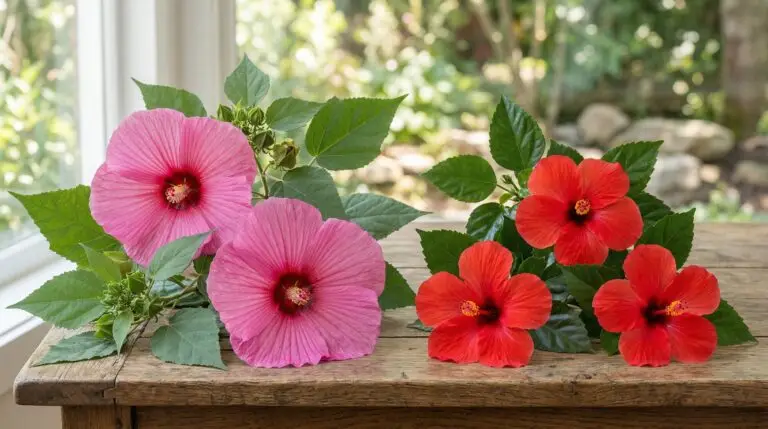
Hardy hibiscus versus tropical hibiscus and which one survives your winter
Enjoying our flower guides? Add YourFlowersGuide as a preferred source on Google. It helps more readers find us.
Add to Preferred Sources