


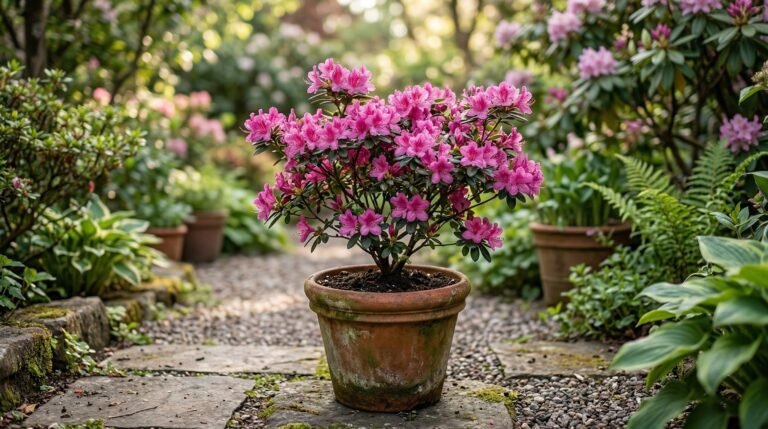
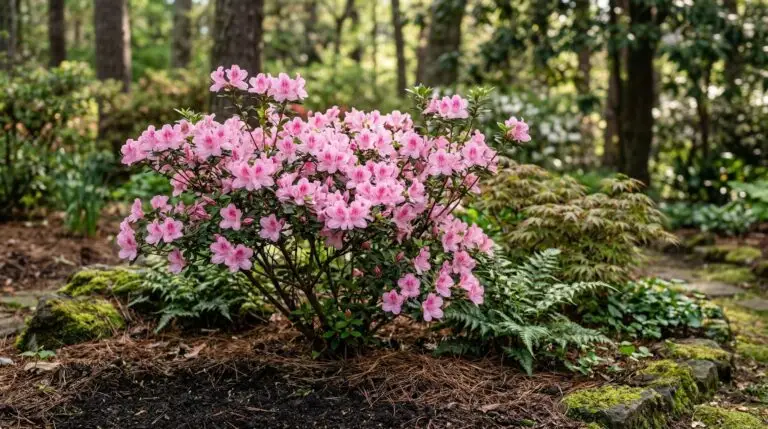
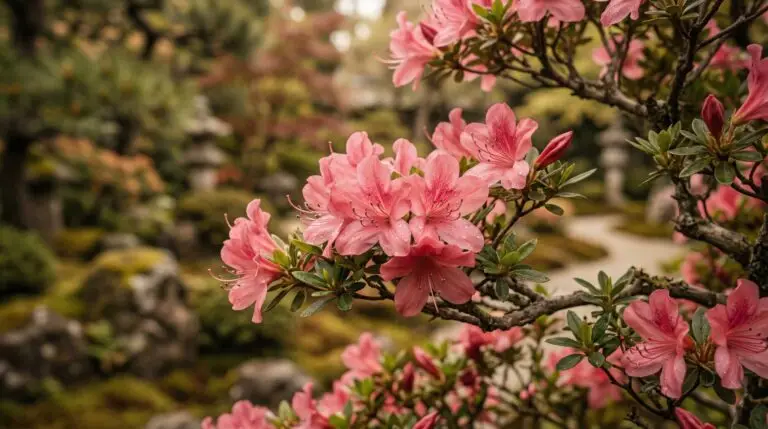
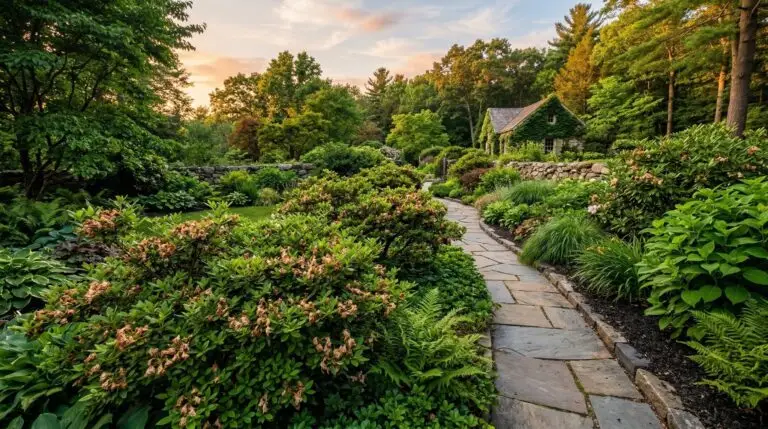
Azalea bloom time across the US
Interactive map
 See the interactive map
Drag the date and the bloom moves north across the country. Every point has its own window, and the map says where it has no records rather than guessing. Free, with nothing to sign up for. Open the azalea map.
City by city
Typical window, earliest first. Cultivars of the same flower can open days or weeks apart.
In the language of flowers
What azalea symbolizes
In today's flower language the azalea is the "take care of yourself for me" flower, a gentle wish for someone's wellbeing rather than a romantic declaration.
The Victorian reading. In Victorian flower lists the azalea stood for temperance and self-restraint, and was sent to mean "take care of yourself for me."
What to write on the cardTo someone unwell or far away: "Take gentle care of yourself for me."
Taxonomy and origin
Azaleas are not a separate plant from rhododendrons. They are a group within the genus Rhododendron, in the heath family Ericaceae, alongside blueberries, heathers, and cranberries, and the name covers the Rhododendron species and hybrids that carry smaller, funnel-shaped flowers and thinner leaves than the big-leaved rhododendrons. A rough field test separates the two: an azalea flower usually has five stamens, while most true rhododendrons have ten or more. Two broad groups matter to a gardener. Evergreen azaleas, which keep their leaves through mild winters, were bred largely from East Asian species in Japan and China and supply most of the familiar mounded garden shrubs. Deciduous azaleas shed their leaves each fall and include the wild native species of North America, which tend to bloom a little later and carry the fragrance the evergreen types lack. People have grown azaleas for centuries, praising them in Japanese poetry more than a thousand years ago, describing them in European botany by the 1700s, and hybridizing them so heavily since that the registered cultivars now number well past 10,000. Choosing well starts from the type, because leaf habit, bloom season, hardiness, and scent all follow from it.
The breeding programmes behind the cold ratings
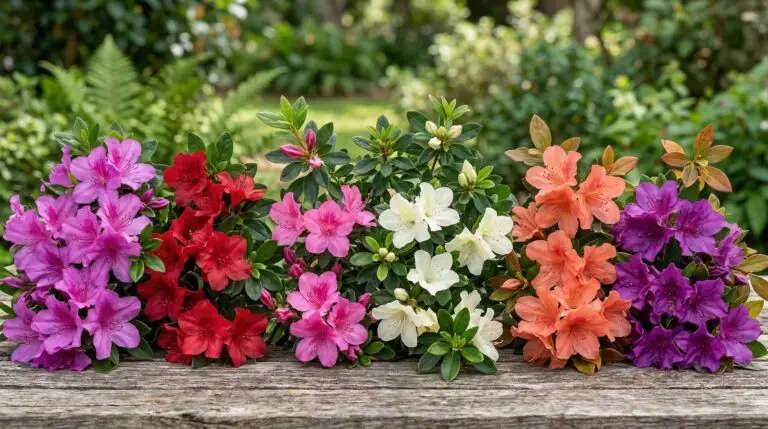
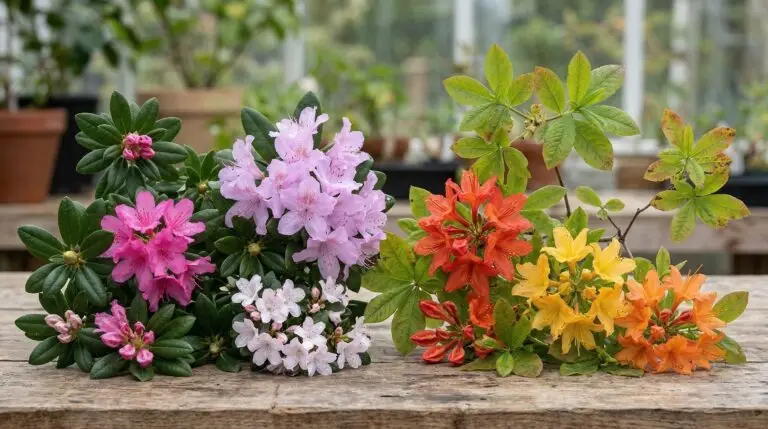
The Azalea Society of America is the only source found in this research that gives hardiness group by group with named breeders and dates, which is why it stands behind most of what follows. The badge under each photo answers one question and nothing else: does the cold rating for this group trace to a named authority, or to a claim nobody can follow back to a study.
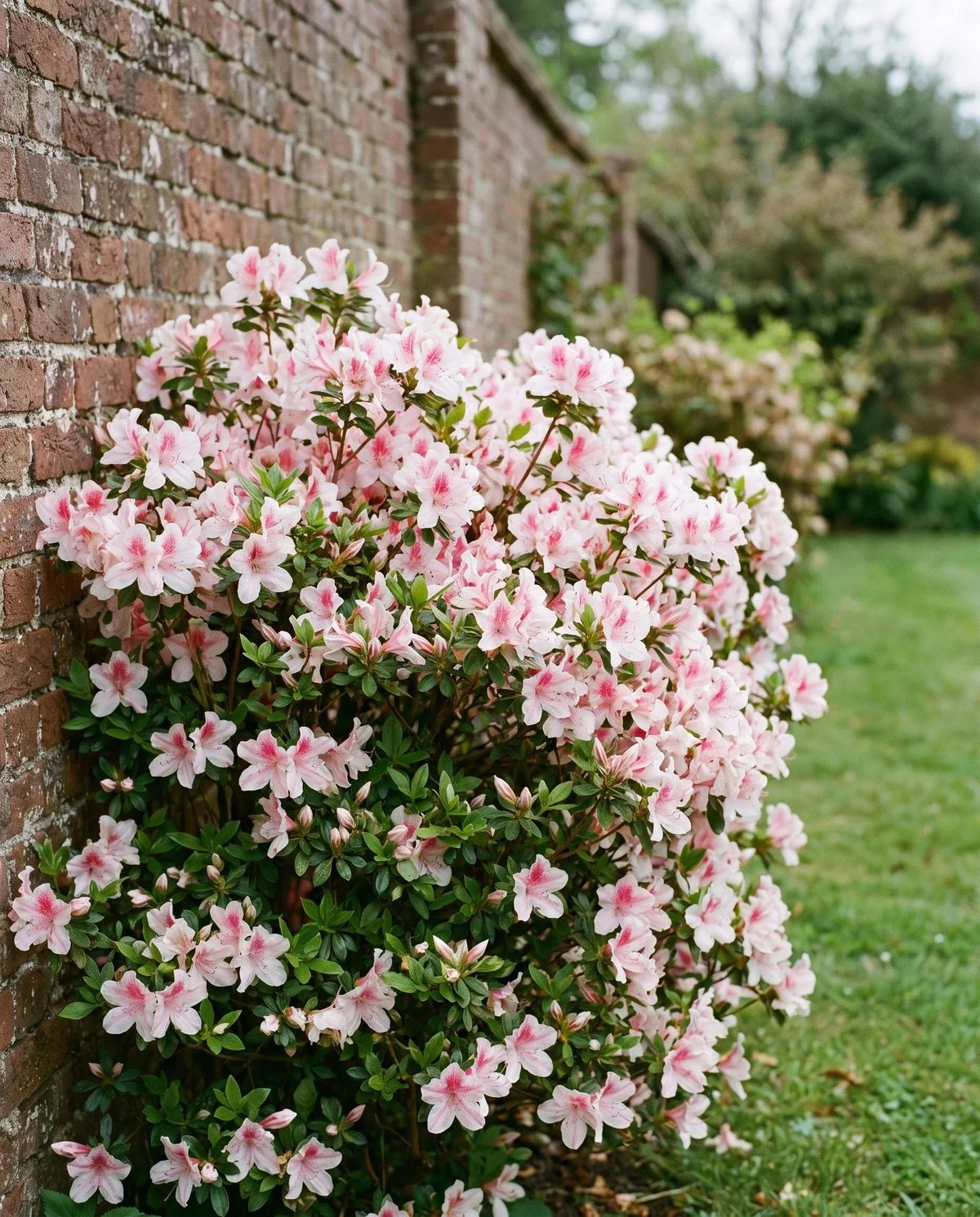
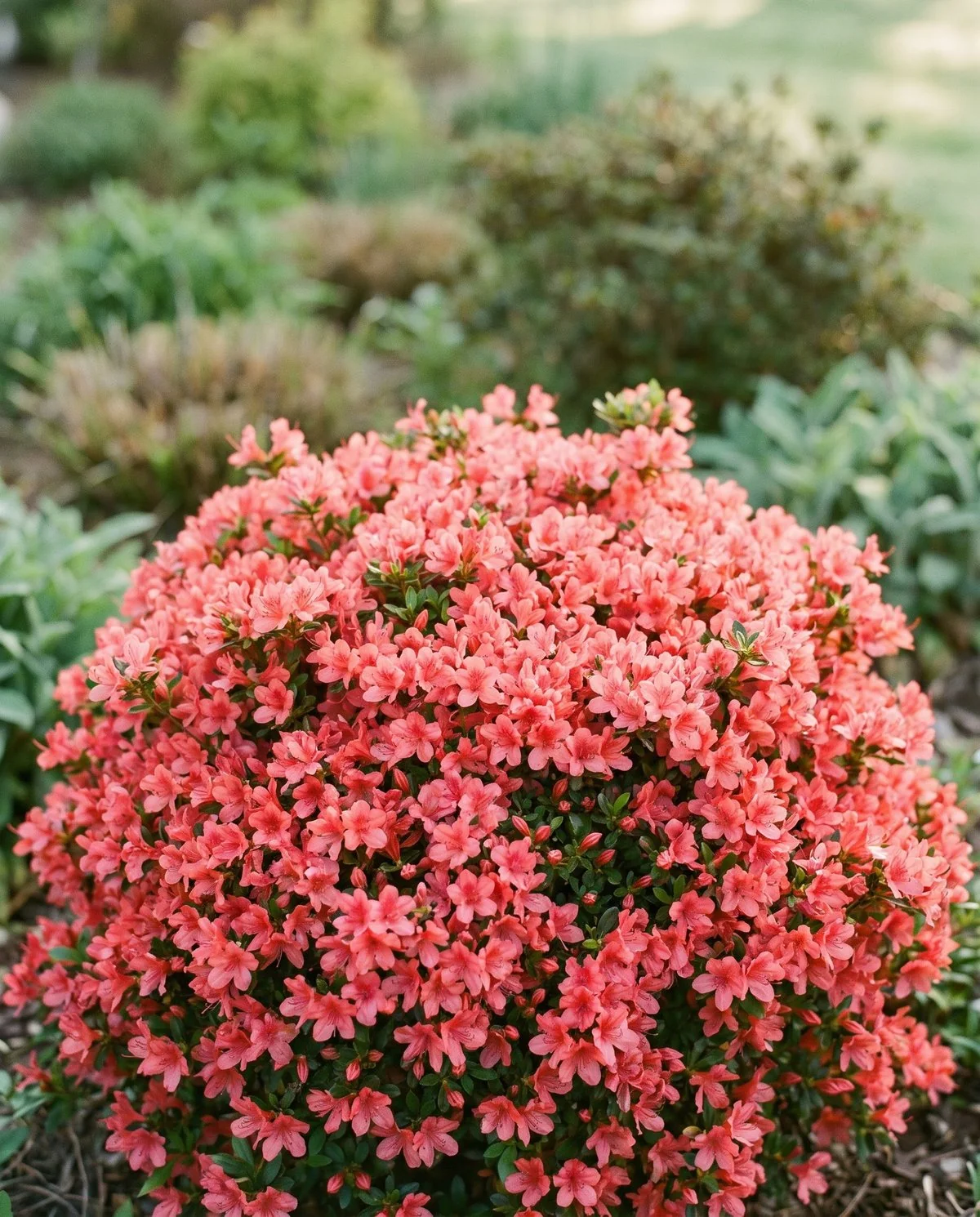
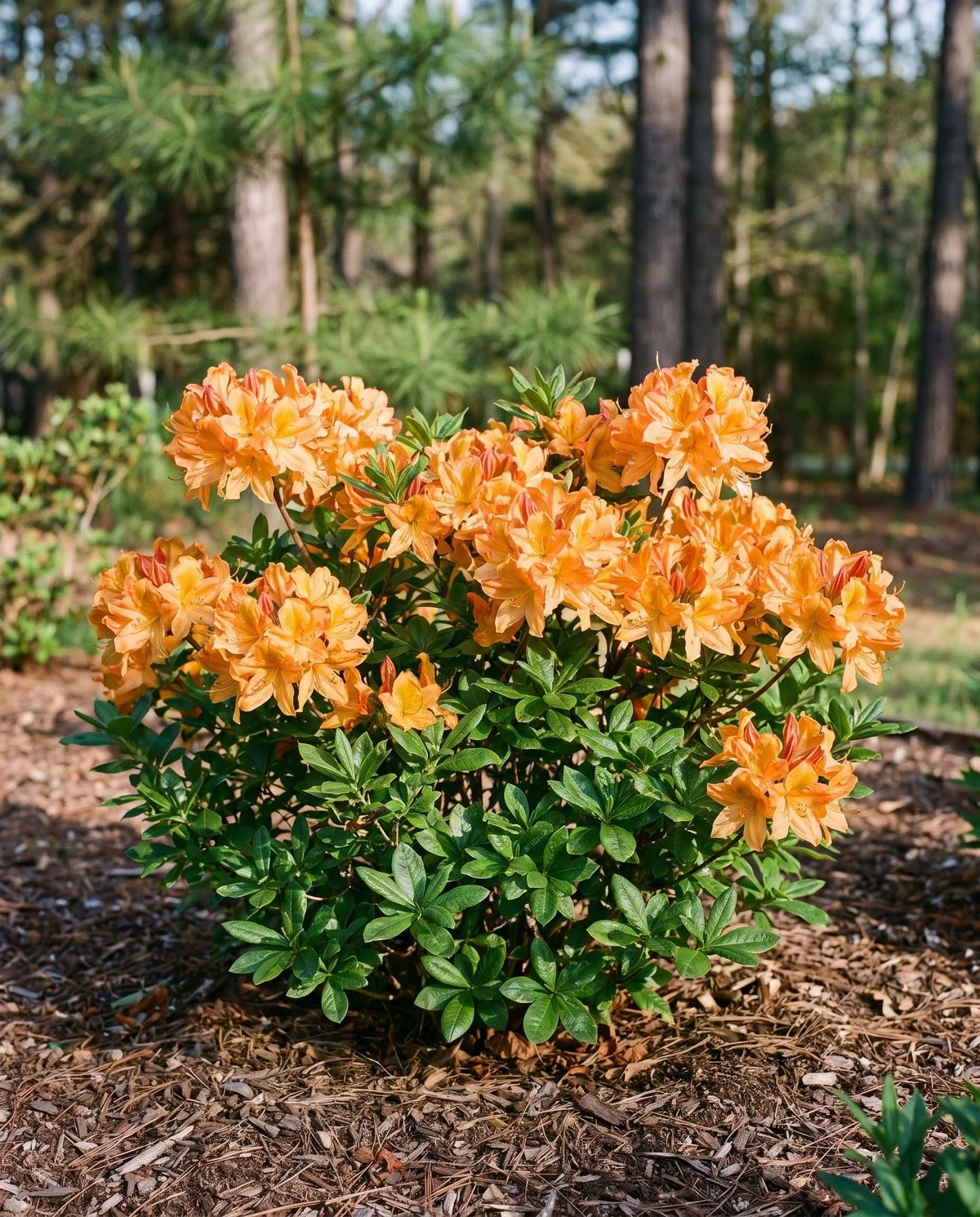
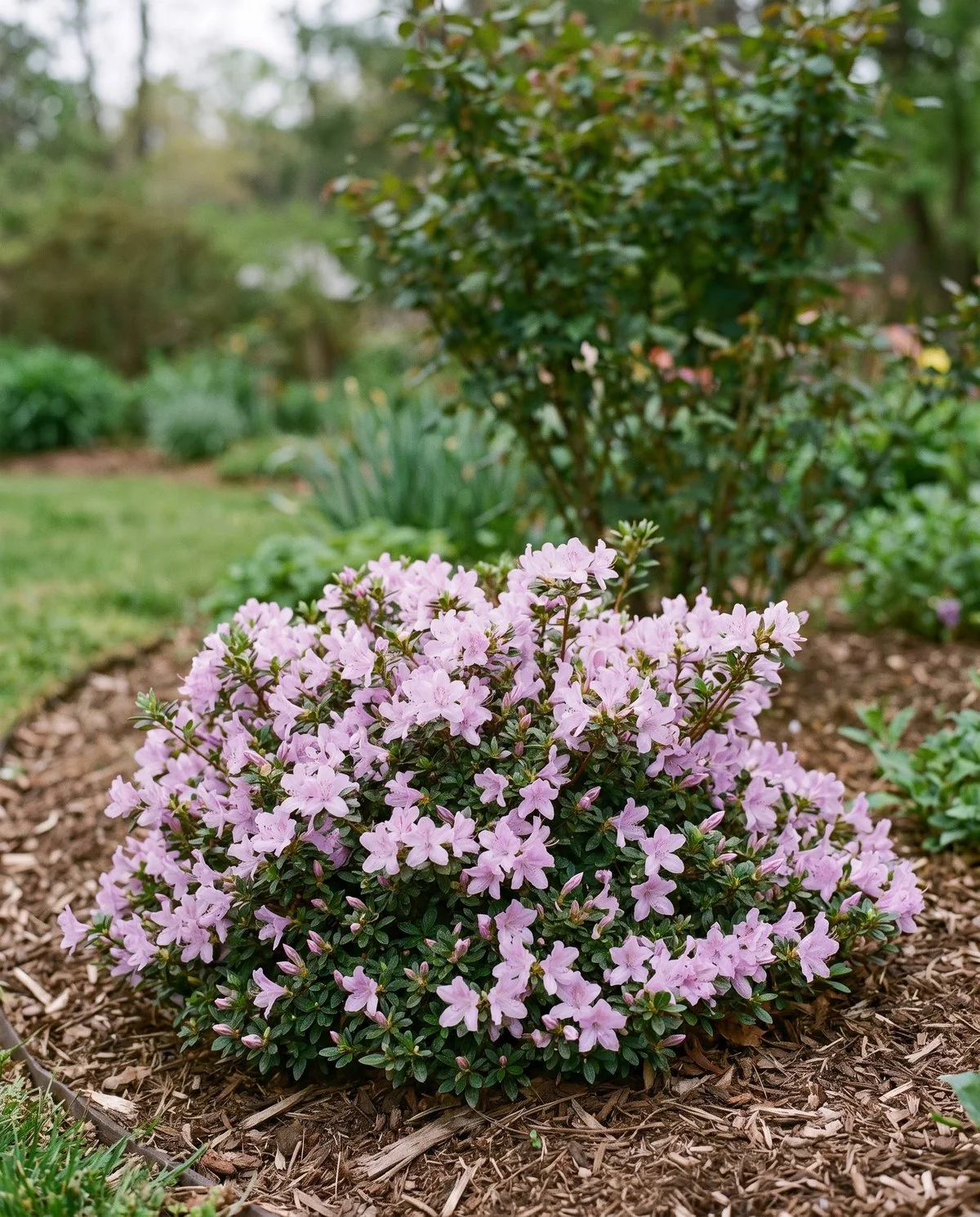
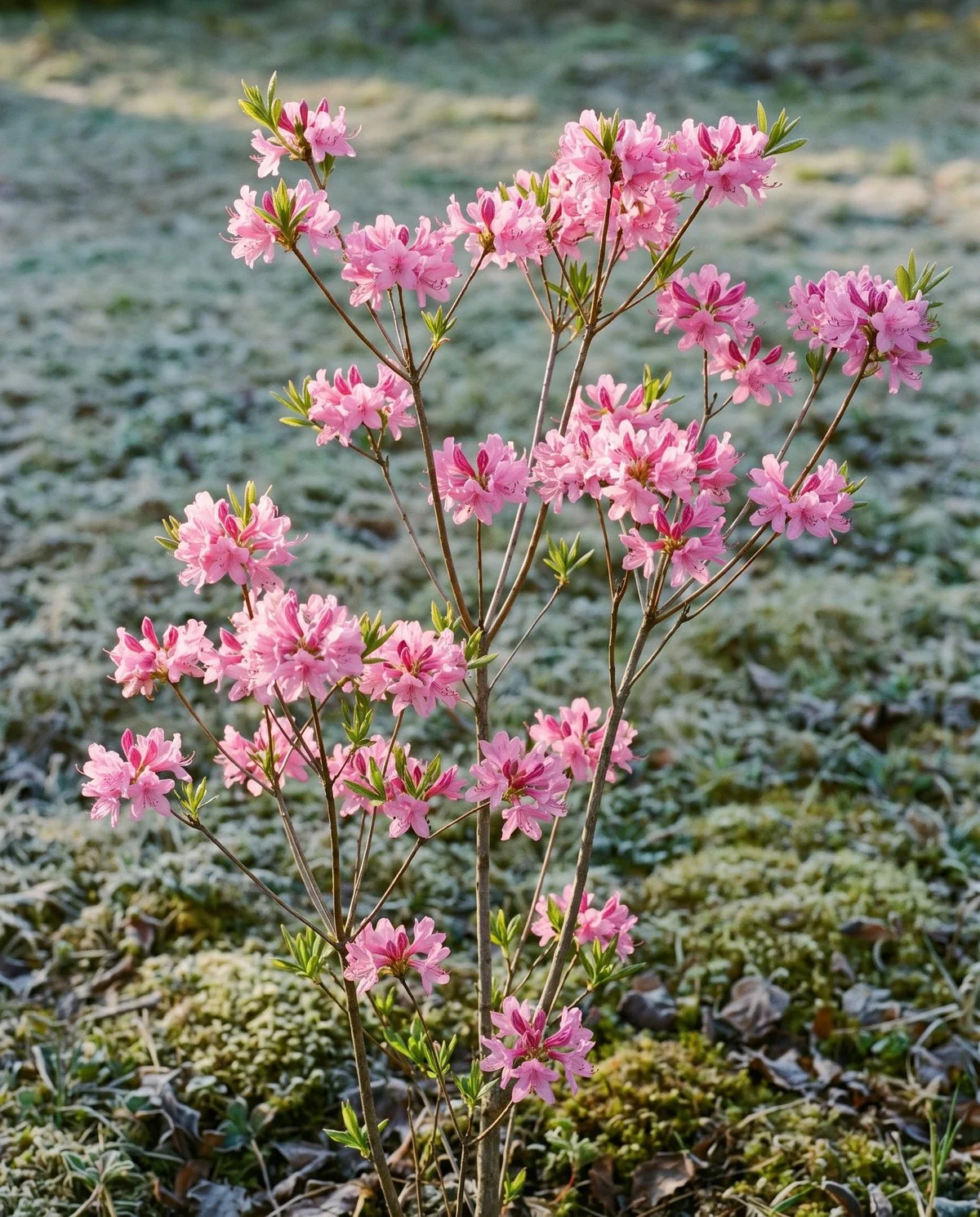
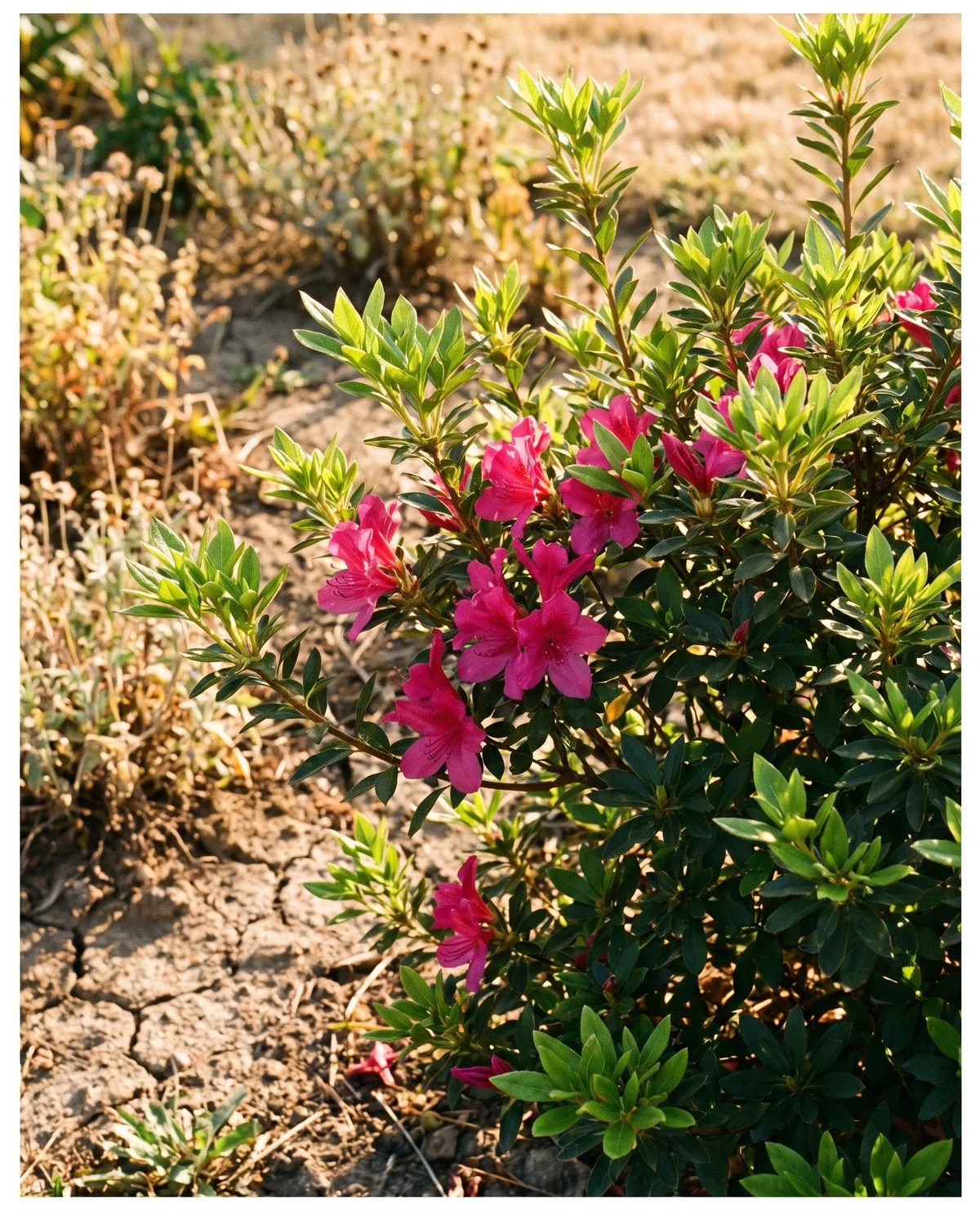
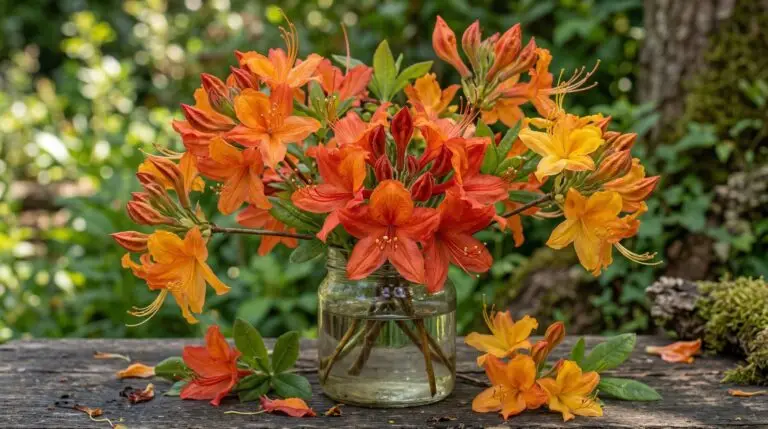
Four notes sit around the grid. Southern Indica, the big Gulf South hedge azalea at 7 to 10 ft, is the group multiple sources describe as the least cold-hardy of the widely grown evergreens, and the minus 5F figure often repeated for it appears nowhere on the Azalea Society of America's own hybrid-groups page, which does give minus 5F for Arendsii, a tested 0F for Aronense and 0F for Glenn Dale. Satsuki, hybridized in Japan for at least 500 years, reaches up to 5 ft, blooms late and is the group bonsai culture favours. Kehr, from Dr. August E. Kehr of Hendersonville, North Carolina, holds 11 registered azaleas raised toward an unusually specific target, a true yellow evergreen azalea. And among the 17 to 18 native deciduous species, which no single extension page in this research covers as a list, four are worth naming individually: Rhododendron calendulaceum, the flame azalea, deep orange at 4 to 8 ft; Rhododendron austrinum, native to Alabama, Florida, Georgia and Mississippi, fragrant in orange through gold and yellow with flowers 1 to 1.5 in across; Rhododendron arborescens, described as the most fragrant of the eastern natives, at zones 4 to 7; and Rhododendron prunifolium, the plumleaf azalea of southwestern Georgia and southeastern Alabama, zones 5 to 8, which blooms in July and genuinely extends the season past the spring rush every other group here belongs to. One more group-level fact belongs to the buying decision: Rutgers Cooperative Research and Extension's landscape-plant deer-resistance bulletin rates evergreen azaleas and Rhododendron periclymenoides at Frequently Severely Damaged, its worst of four grades, with deciduous azaleas one tier better at Occasionally Severely Damaged.
Bloom time
Azaleas are spring shrubs first and foremost. Most flower once a year in mid-spring for a run of two to four weeks, opening as early as March in the warm Southeast and holding off until late April or May in cooler regions. Each individual flower lasts several days, and because a healthy shrub opens its buds in overlapping waves, the whole plant can stay in color for the better part of a month, often peaking alongside dogwoods and the last of the tulips. The modern exception is the reblooming group led by the Encore series, which flowers in spring and then again through summer and into fall; these rebloomers want a little more sun than traditional azaleas, closer to four to six hours a day, to fuel the repeat flushes. For every type the spring show is the biggest, and the buds that produce it were set the previous summer, which is the fact that governs when the shrub can safely be cut.

Year one, the reblooming exception, and why decline is not the story
Year one is largely decided before the plant arrives. A nursery azalea normally comes carrying flower buds set the previous summer, so first-year bloom is close to guaranteed unless it goes in very late or dries out while establishing, and the real year-one risk in this research's own corpus is not bloom failure at all but transplant-stage wilting and the over-or-under-watering question, which are the first and fourth ranked themes in it. Reblooming types have their own first year: an Encore-type plant flowers in spring like any azalea, and the summer and fall cycles the series is bred for typically need a full growing season to establish, which is why several posters reported zero bloom in year one on a new Encore and read it as a failed plant. After that the honest story is durability rather than decline. Where a hybrid tulip bulb has an expected upper limit on its flowering years, a healthy azalea is a woody shrub that tends to improve and enlarge with age, and the corpus supplies the texture for that: one named cultivar described as 35 years old and still a single glorious specimen, and several posts from new homeowners who inherited azaleas of 15 to 30 years, assumed they were dead or dying, and found them thriving once basic care resumed. The two real threats to that longevity are both preventable and both already named: a cut made after the July bud set, which takes next spring's flowers with it, and root rot in ground that does not drain. Old age is not on the list. One set of numbers is deliberately missing from all of this. The inches-per-year growth figures and the years-to-mature-size estimates that circulate for azalea are consumer-source claims with no extension page behind them in this research, so they are left out rather than repeated with borrowed authority.
Height and spread
Size depends entirely on the type, so the plant label matters more than any average. Dwarf and low-growing azaleas stay under two feet and spread into flowering mounds that work as a groundcover beneath taller shrubs, while the common garden evergreens settle at three to six feet tall with a similar spread and slowly build a rounded form. Larger evergreen selections and many deciduous natives keep going, reaching eight to ten feet or more given years and room, and a few wild deciduous species grow nearly tree-like. Azaleas are not fast, adding only a few inches a year, which is why they rarely need cutting back for size and why crowding them is a mistake that shows up slowly. Give each plant the width its type will reach at maturity, because a shrub planted tight against its neighbors traps damp air in its canopy and invites the leaf problems covered further down.
Light
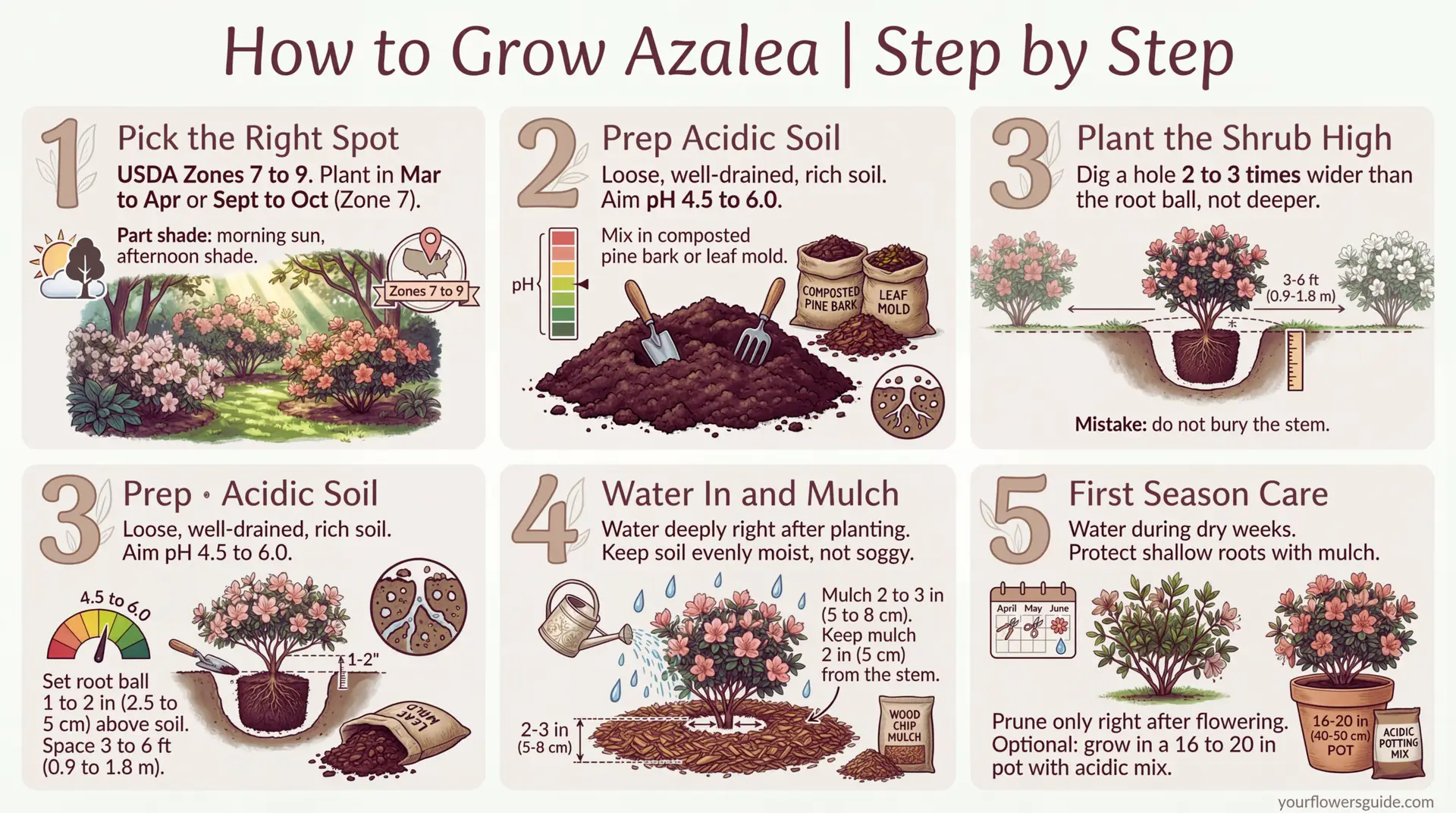
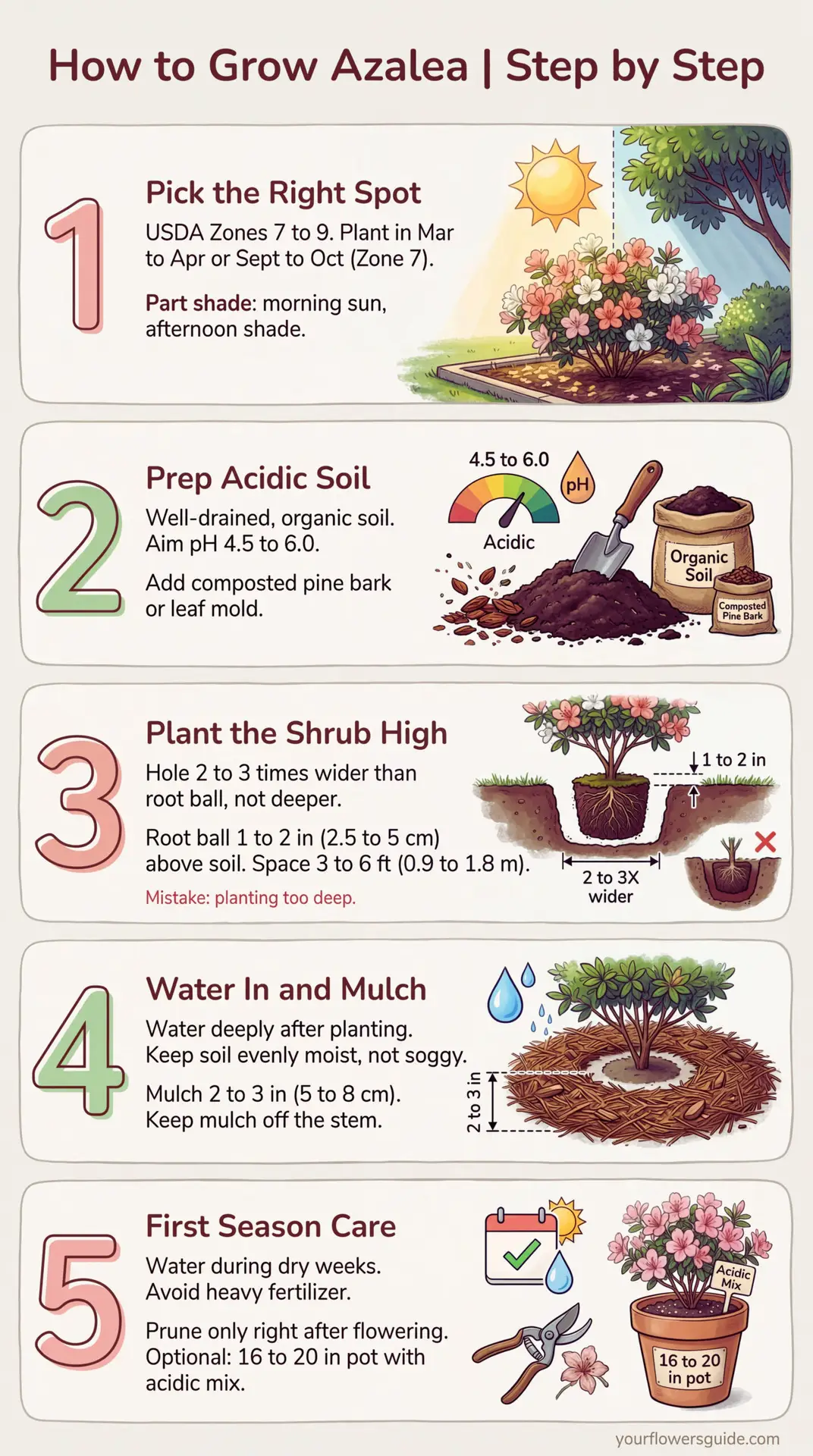
Azaleas are woodland-edge plants, and the light they want reflects it: bright, dappled, or part shade rather than either extreme. The ideal is a few hours of gentle morning sun followed by shade through the hot afternoon, the kind of light found under high-limbed pines. Too much sun is not only a matter of faded flowers; plants baked in long, hot, full sun scorch at the leaf edges, dry out fast over their shallow roots, and draw far heavier lace bug infestations than shaded plants do. Deep shade is the opposite failure, producing a leggy shrub that stretches for light and sets few flower buds. A spot with morning light and afternoon protection satisfies both the bloom and the plant's health, which is why azaleas are one of the most reliable shrubs for a shaded bed. In cooler northern gardens they tolerate more direct sun, provided the soil is kept moist.

Water
Everything about watering an azalea follows from its roots, which are fine and shallow and sit near the surface instead of reaching deep for moisture. That shallow system dries out quickly, so azaleas need steady, even moisture, especially through their first years and during summer heat, and they respond to a deep soak that wets the soil to six or eight inches whenever the top few inches have dried. What they will not tolerate is standing water, which suffocates and rots those surface roots as surely as drought starves them. The single most useful habit is a two to three inch layer of organic mulch, pine bark or pine straw, spread over the root zone and out past the branch tips but held a couple inches back from the main stem. Mulch keeps the shallow roots cool and moist, smothers competing weeds, and spares the gardener from hoeing or digging around the plant, which severs roots that live too close to the surface to disturb. Let an established azalea dry out completely and it will drop leaves and set fewer buds the next spring, so consistency matters more than volume.
Soil and pH
Soil chemistry is where most azaleas succeed or fail. They need acidic soil, roughly pH 4.5 to 6.0, rich in organic matter and sharply drained, the sort of humus-heavy ground found on a forest floor. In soil that runs too alkaline the plant cannot take up iron, and the newest leaves turn yellow between their veins while the veins themselves stay dark green, the telltale pattern of iron chlorosis. Gardeners working with neutral or limey ground can shift it into range with elemental sulfur, an acidic pine bark or pine needle mulch, and a fertilizer formulated for acid-loving plants; the guide on lowering soil pH for azaleas walks through the amendments and their timing. Drainage matters as much as acidity, because the shallow roots rot in wet ground. Where the soil is heavy clay or drains poorly, the fix is to plant high: set the root ball an inch or two above grade and mound composted pine bark or a loose acidic mix over and around it, so water sheds away from the crown rather than pooling at it. A periodic soil test takes the guesswork out of keeping the bed acidic from one year to the next.

Four beliefs, and what the named sources say
The myth: Coffee grounds acidify the soil enough to matter for an acid-loving azalea.
The reality: Mostly false, or at best mild and temporary. Fresh grounds are acidic, but used and brewed grounds come out close to pH neutral, 6.5 to 6.8, because brewing pulls most of the acid into the cup, and whatever small shift used grounds do produce is short-lived, with decomposition tending to neutralize it further. Those figures come from Oregon State University's own reporting on what coffee grounds do in soil, which frames them as a soil-conditioning material rather than an acidifier.
The myth: Azaleas are shade plants.
The reality: Partly true, and the tradeoff is the real story rather than the label. Azaleas grown in full sun produce more blooms, on shorter stems, and those individual blooms do not last as long, while the plant is more exposed to lace bug damage and leaf scorch. Azaleas in full shade bloom less overall, and their individual flowers last longer. The commonly recommended middle is 4 to 6 hours of morning sun with afternoon shade, and the honest core of the myth is that deep all-day shade genuinely does produce a healthy-looking azalea that will not flower well.
The myth: An established azalea cannot be moved.
The reality: Mostly false for azalea specifically, and the mechanism is documented. Iowa State Extension describes even the cold-hardy Lights series as relatively shallow-rooted, which is the structural reason azaleas move more easily than deep-taprooted shrubs. What the move actually requires is timing, during dormancy in fall or early spring, and a wide intact root ball reset at the same planting depth. The forum data supports it from an odd angle: transplant shock appears in only 2 of 1,770 posts, far fewer than the number of people asking whether they may move an established azalea at all, which is roughly what a mostly successful operation looks like in a corpus of complaints. This is azalea-specific and should not be carried across to other acid-soil shrubs without checking them on their own terms.
The myth: Azalea and camellia grow in the same bed, so they carry the same risk around pets.
The reality: They do not, and each statement has to stay pinned to its own plant. Azaleas are Rhododendron spp. in the family Ericaceae, and the ASPCA lists Rhododendron spp. as toxic to dogs, toxic to cats and toxic to horses, with grayanotoxin as the toxic principle and clinical signs given in its own words as vomiting, not in horses, diarrhea, weakness, cardiac failure. Camellia is the opposite case in the same database: the ASPCA's own Camellia entry, listed under Camellia japonica, reads non-toxic to dogs, non-toxic to cats and non-toxic to horses. Nothing about a shared soil preference carries across to toxicity in either direction.
USDA hardiness
How cold an azalea can take depends on its type more than on anything else, so hardiness is the first thing to check on a plant tag. The evergreen garden azaleas that fill nursery benches are generally reliable through USDA zones 6 to 9, holding their leaves through winter in the milder end of that range. The toughest plants in the group are deciduous: several North American native azaleas and their hybrids shrug off zone 5 winters, and a few endure zone 4. At the warm end most azaleas do well to zone 9, with a handful taking zone 10, though in the hottest and most alkaline southern soils they struggle without shade and acidification. The exception that catches people out is the florist azalea, the blooming plant sold in pots by grocery stores and florists. These are tender greenhouse selections of Rhododendron simsii, hardy only to about zone 8, so in a cold-winter garden they belong indoors as houseplants and move out to a shaded spot for the summer only. Match the cultivar's rated range to the local zone rather than trusting the plant to adapt.
The dated windows and measured thresholds
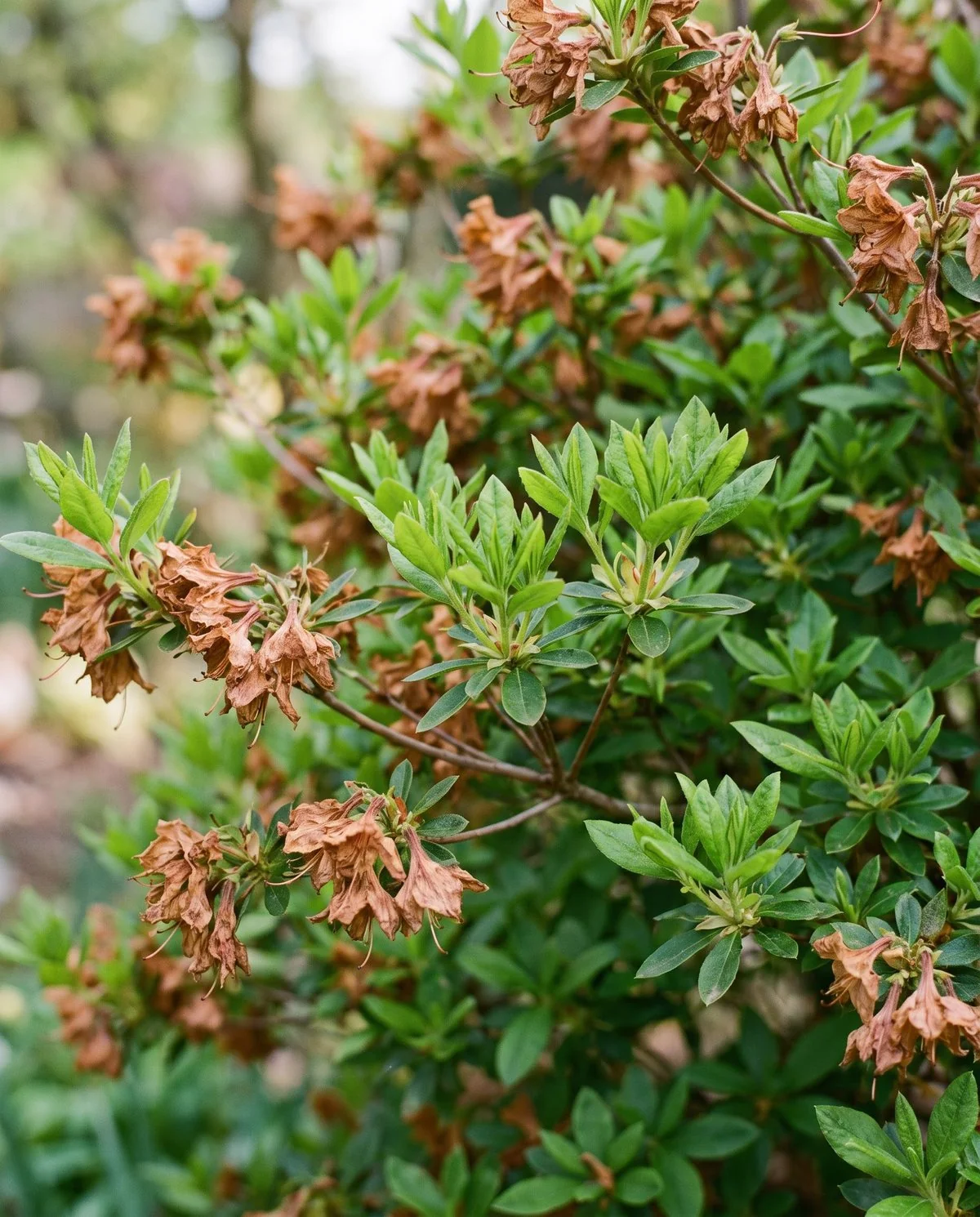
Clemson HGIC supplies the feeding, watering and cold-injury figures, UGA CAES the bud-set timing that governs pruning, and Iowa State Extension the coldest measured figure in this sourcing. Each number below belongs to the source named beside it.
Propagation and longevity
Azaleas are propagated most often from cuttings, and the method follows the type: semi-hardwood cuttings taken from the current season's growth in early summer root well for evergreen azaleas, while softwood cuttings in late spring suit the deciduous kinds, both kept humid with a little rooting hormone until they take. Layering is the simplest home method, pinning a low branch to the ground until it roots while still attached to the parent, then severing it after a season, and deciduous azaleas that spread by suckers can be divided outright. Seed works for the wild species but not for hybrids, whose seedlings do not come true to the parent. Whatever the start, an azalea is a long-term resident: established plants routinely live thirty to fifty years, and specimens in old gardens and temple grounds have passed a century.
This is also where pruning belongs, because timing it wrong is the most common reason an azalea stops flowering. Azaleas bloom on old wood and set the next year's flower buds during the summer after they bloom, so the safe window to cut is narrow: prune right after the spring flowers fade, and stop by about the first of July, the cutoff extension horticulturists give for spring-flowering azaleas. Shear an azalea in late summer, fall, or winter to tidy its shape and the cuts take off the very buds that would have opened the following spring, which is why a hard cleanup so often leaves a neat green shrub with no flowers. Light shaping just after bloom is all most plants need. An overgrown, leggy azalea is better renewed gradually, cutting about a third of the oldest stems low each year over three years so the plant keeps flowering while it rebuilds, and the guide on pruning azaleas at the right time covers the cuts in detail.

Fragrance
Scent is not why most people plant azaleas. The evergreen garden types are bred and bought for color, and the great majority carry little or no fragrance, at most a faint sweetness noticeable only up close. The deciduous side is where the scent lives: many deciduous azaleas, and the North American native species in particular, are genuinely fragrant. The sweet azalea, Rhododendron arborescens, gives off a honeysuckle-like perfume, and several of the yellow and orange native deciduous types add a light, spicy sweetness to a spring garden while drawing in butterflies and hummingbirds to their long-tubed flowers. A gardener who wants both the color and the scent should look to the deciduous natives rather than the evergreen hybrids, and plant them where the fragrance can be caught along a path or beside a door.
Toxicity and pet safety
Azaleas are seriously poisonous, and this is the part of their care to take at face value. Every part of the plant, the leaves, flowers, nectar, and pollen, contains grayanotoxins, and the ASPCA lists azaleas and rhododendrons as toxic to cats, dogs, and horses. A pet that chews even a few leaves can begin drooling and vomiting, with diarrhea and weakness following, and a larger dose can progress to a dangerously slow or irregular heartbeat, low blood pressure, tremors, seizures, and in the worst cases cardiac failure; horses do not vomit but suffer the rest. Livestock and grazing animals are poisoned the same way by clippings or browse. The toxin even carries into honey made from azalea and rhododendron nectar, the historical "mad honey" that has sickened people who ate it. Most animals leave the bitter foliage alone, but the risk is real enough that azaleas do not belong where a curious dog, a nibbling child, or grazing stock can reach them, and any suspected mouthful is a reason to call a veterinarian or poison control at once. Anyone choosing plants for a home with pets should start instead from the guide to flowers that are safe around cats and dogs.

Vase life
Azaleas earn their keep as garden shrubs, and their flowers do most of their work outdoors; as cut material an azalea behaves like a flowering branch rather than like a florist's long-stemmed bloom. Branches can still be brought indoors for a short display, ideally cut with a few buds just opening and the rest still tight, then stood immediately in clean water with the below-water leaves stripped off. Handled that way an azalea branch holds for roughly four to seven days before the blooms begin to drop, and it lasts longest kept cool and away from direct sun and heating drafts. Recutting the stem and refreshing the water every couple of days helps, but the honest expectation is a brief, pretty accent rather than a long-lived arrangement. For most gardeners the flowers are better enjoyed on the plant, where they hold their full two to four weeks.
The indoor azalea is a different plant, and the vase numbers do not exist
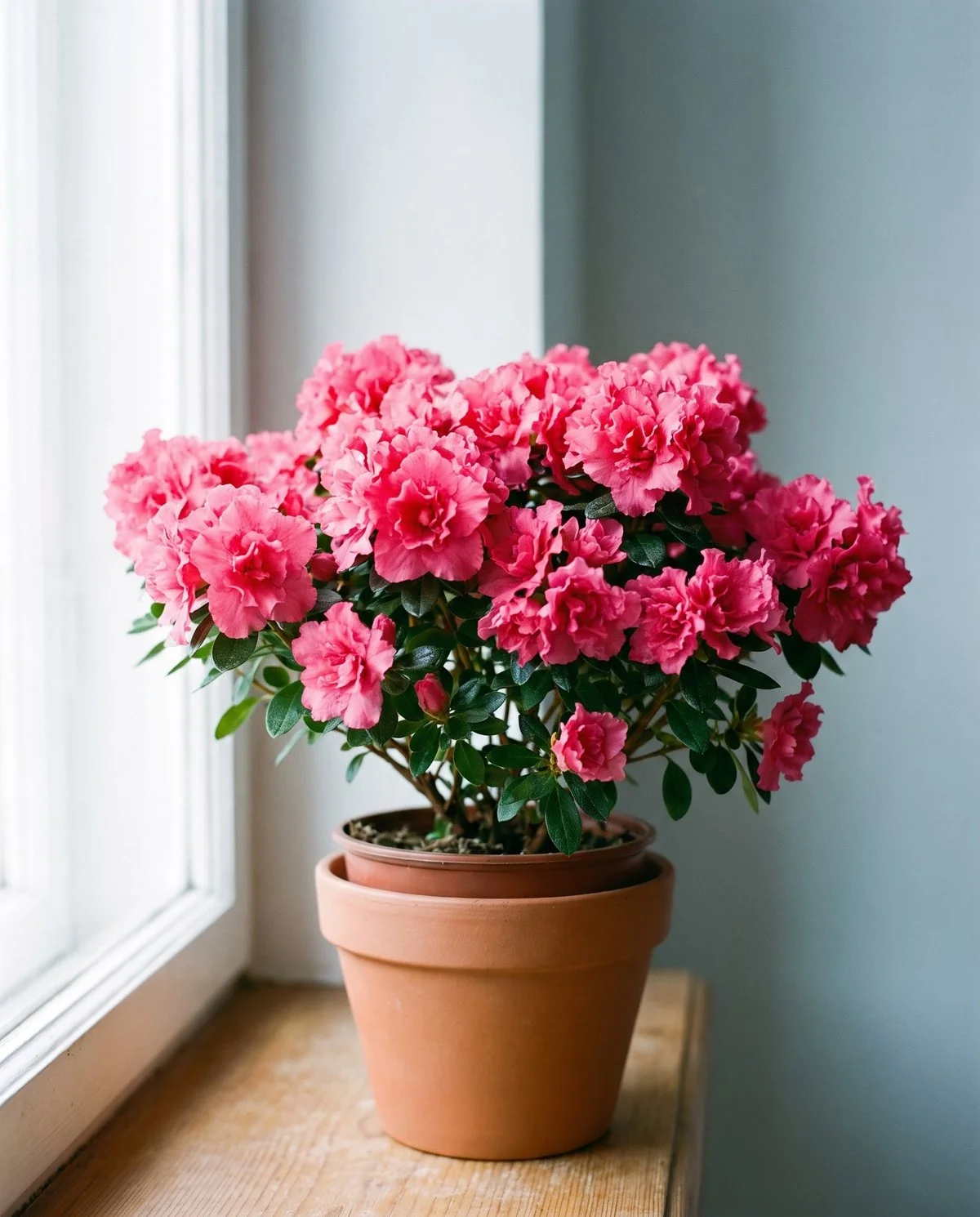
Two honest findings sit under this heading. No vase-life trial or cut-flower source for azalea was found anywhere in this research, and the potted azalea most people bring indoors is not the same species as the shrub in the garden, which is where the measured indoor figures below belong.
Azalea is a cut flower, the way a rose or a tulip is.
It is not, and no measured vase-life data for it exists anywhere in this research. Azalea branches do appear in floral and ikebana arranging for their foliage and form, but nothing in this sourcing grows, markets or discusses azalea as a stem for a kitchen vase.
A florist azalea will rebloom on a windowsill if you keep feeding it.
Not without a genuine cold-dormancy period, which is the one thing a heated room cannot give it. Most home growers treat it the way they treat a poinsettia or a holiday mum instead, and there is no failure of care in that.
Pests and diseases
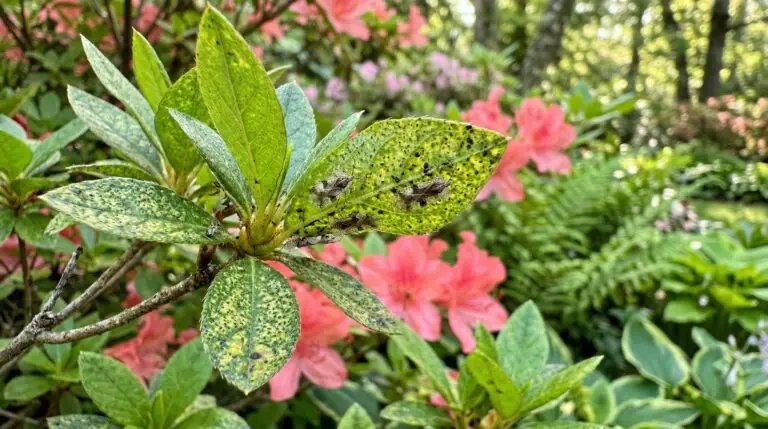
A well-sited azalea is a tough plant, but a handful of problems are common enough to recognize on sight, and the first is the azalea lace bug, the signature pest of the plant. These small insects feed on the undersides of the leaves with piercing mouthparts, and the damage shows on top as a stippled, silvery-yellow speckling that can bleach a whole leaf, while the undersides carry scattered dark, varnish-like spots and cast skins. Lace bugs punish plants in full sun far more than shaded ones, which is one more reason to site an azalea in part shade; where they take hold, treating the leaf undersides with horticultural oil or insecticidal soap and encouraging natural predators keeps them in check. Spider mites cause a similar fine speckling in hot, dry spells, and in the Southeast the grouped, striped azalea caterpillar can strip branches late in the season. Deer are the other regular visitor: they browse azaleas readily and will work through flower buds and tender new growth over winter, so in areas with real deer pressure fencing or repellents become part of growing the plant at all.
Three diseases account for most of the rest. Azalea petal blight turns open flowers to brown mush in warm, wet spring weather, and clearing fallen blooms and keeping water off the petals is the practical answer. Phytophthora root rot, brought on by wet, poorly drained soil, wilts and yellows a plant from the roots up, which is what the sharp drainage and high planting described earlier are there to prevent. Azalea leaf gall swells new leaves into pale, fleshy growths in spring that look alarming but do little harm and are simply picked off. The table below pairs the symptoms people search for with what lies behind them.
| Symptom | Likely cause | What to do |
|---|---|---|
| Healthy plant, few or no flowers | Pruned too late so next year's buds were cut off, too little light, or frost-damaged buds | Prune only right after bloom; give morning sun; shelter buds from late frost |
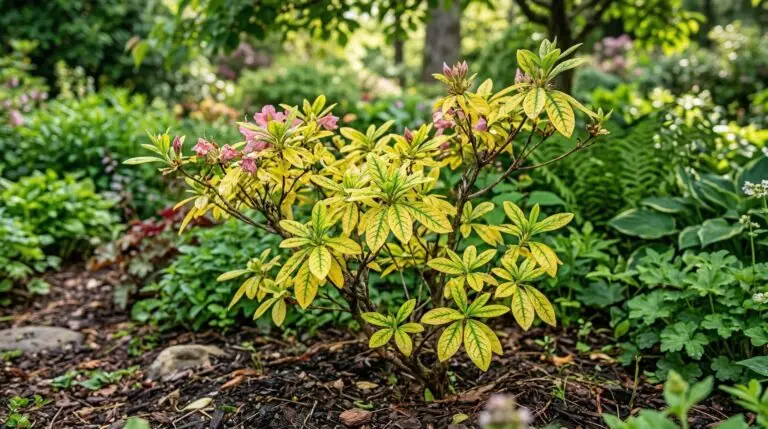
| New leaves yellow between green veins | Iron chlorosis from soil that is not acidic enough | Lower the pH with sulfur, mulch with pine, feed an acid-loving fertilizer |
| Silvery, stippled upper leaves, dark spots beneath | Azalea lace bug, worst in full sun | Treat leaf undersides with horticultural oil or insecticidal soap; move to part shade |
| Open flowers turn brown and mushy quickly | Petal blight in warm, wet spring weather | Clear fallen and spent flowers, avoid wetting the petals |
| Whole plant wilts, yellows, and dies back | Phytophthora root rot in wet, poorly drained soil | Improve drainage, plant high, water less; remove badly affected plants |
| Swollen, pale, fleshy leaves or buds in spring | Azalea leaf gall, a spring fungus | Pick off and destroy the galls; otherwise harmless |
| Leaf edges scorched, brown, and dry | Too much hot sun over dried-out shallow roots | Move to afternoon shade, mulch, and keep the soil evenly moist |
| Buds and new shoots stripped in winter | Deer browsing | Fence, apply repellents, or site the shrub close to the house |
What actually goes wrong, by frequency
Counted from 1,770 unique azalea-mentioning posts pulled through the Arctic Shift Reddit archive and deduplicated by post id, across r/gardening, r/plantclinic, and the entire r/rhododendron corpus of 1,609 posts filtered down to the 165 that mention azalea. Two things keep these percentages small. The corpus is large, and it is heavily diluted by pure appreciation photographs, the highest-scoring post in it being a beauty shot at 6,661 upvotes with no problem content at all. Both r/gardening title queries, azalea and azaleas, independently hit a 600-post pagination cap before merging, so this is a large, honest sample rather than an exhaustive one. The counts come from symptom-specific patterns rather than a loose distress signal, precisely so beauty-shot noise does not inflate the ranking. Themes overlap, so the shares do not sum to 100.
How recently it was planted. The dominant theme, and it overlaps heavily with the two below: most of these are new transplants within weeks of planting, asking whether the cause is sun, water or shock.
When it was last cut. This theme carries the single highest-engagement problem post in the whole corpus, and Clemson's own problem factsheets name it independently.
Whether the outer layer of a root slides off the inner one. Posters dig at the base looking for rot, often do not find it, and stay unsure.
Moisture at 6 to 8 in, not at the surface. This is the single most common uncertainty in the corpus: almost nobody can tell from the plant alone which direction they have gone wrong in.
Whether anything is on the leaf underside. This overlaps with the lace bug and black-spot themes to form a genuine three-way visual confusion cluster.
Root texture at the base. Distinct from wilting: posters report leaves falling while the rest of the plant still looks structurally fine.
Dark tarry frass on the underside. Independently confirmed as the top-named azalea insect by both Mississippi State Extension and Clemson.
Whether the spots rub off. One poster noted that they did not, which is what ruled out sooty mould for them and left the spots embedded in the leaf tissue.
Which leaves, and whether the veins stay green. Real but modest in raw count, and likely under-counted for the same reasons as the slow problems below.
Clemson's two thresholds, 35F and 25F. These cluster in late-winter and early-spring posts, and several explicitly ask whether they are looking at frost or a disease.
The shape of the cut. Lower in raw count than a Frequently Severely Damaged deer rating would predict, most likely because an established shrub gets fenced or replanted without a dedicated post while the drama of a first raid is what gets written up.
Nothing on the plant. Small in count and high in stakes: two of the three posts are a direct question about whether all azaleas and rhododendrons are toxic and how people with dogs grow them at all.
The pruning history first. Treat this figure as a floor rather than the size of the problem: 2 direct hits, and yet the single highest-upvoted problem post in the whole corpus is exactly this story, at 1,600 upvotes and 220 comments, asking why only half a bush blooms now against how it looked in 2022. When the story does get told it clearly resonates; almost nobody has the comparison photographs to tell it.
The date of the last cut. This is the clearest under-count in the whole corpus: one post out of 1,770 explicitly connected its own late pruning to a missed bloom, while UGA Extension treats the July bud set as the reason gardeners lose a season's flowers. The cause and the effect are seven to nine months apart, so the count measures how hard the link is to make rather than how often the mistake happens.
Nothing here. Bud drop is essentially absent from the azalea corpus, which is worth stating because it is a top-tier complaint for other flowering shrubs and simply is not one for this plant.
Two failures, worked in the order that resolves them
The corpus behind this research is blunt about which two problems matter: wilting is the largest theme and no bloom is the second, and between them they carry almost every high-engagement problem post about this plant. Each has an order, and in both the calendar and the drainage come before any disease.
Five calls, and the detail each one turns on
Three of the five pairs below have no photograph of the problem side on purpose. Lace bug frass, leaf gall, petal blight and root rot are all specific disease and pest fingerprints, and a generated image of any of them risks inventing a pattern that does not match the real thing, which is worse than no image at all for somebody trying to identify what is on their own shrub.
Both bleach the upper surface into a stippled, silvery-yellow speckle, so the call is made underneath. Lace bug leaves dark, tarry frass spots and its eggs on the leaf underside, with lacy-winged adults sometimes still present. Spider mites leave no frass at all, and instead there is fine webbing, especially on the underside and in the junctions where leaf meets stem. Mississippi State Extension and Clemson both name lace bug as the headline azalea insect, and in the corpus behind this research lace bug appears in 22 posts against a single spider-mite case, so the odds favour lace bug before the check and the check settles it either way. Neither side is illustrated here, because the frass pattern is a pest signature that has to come from a real photograph.
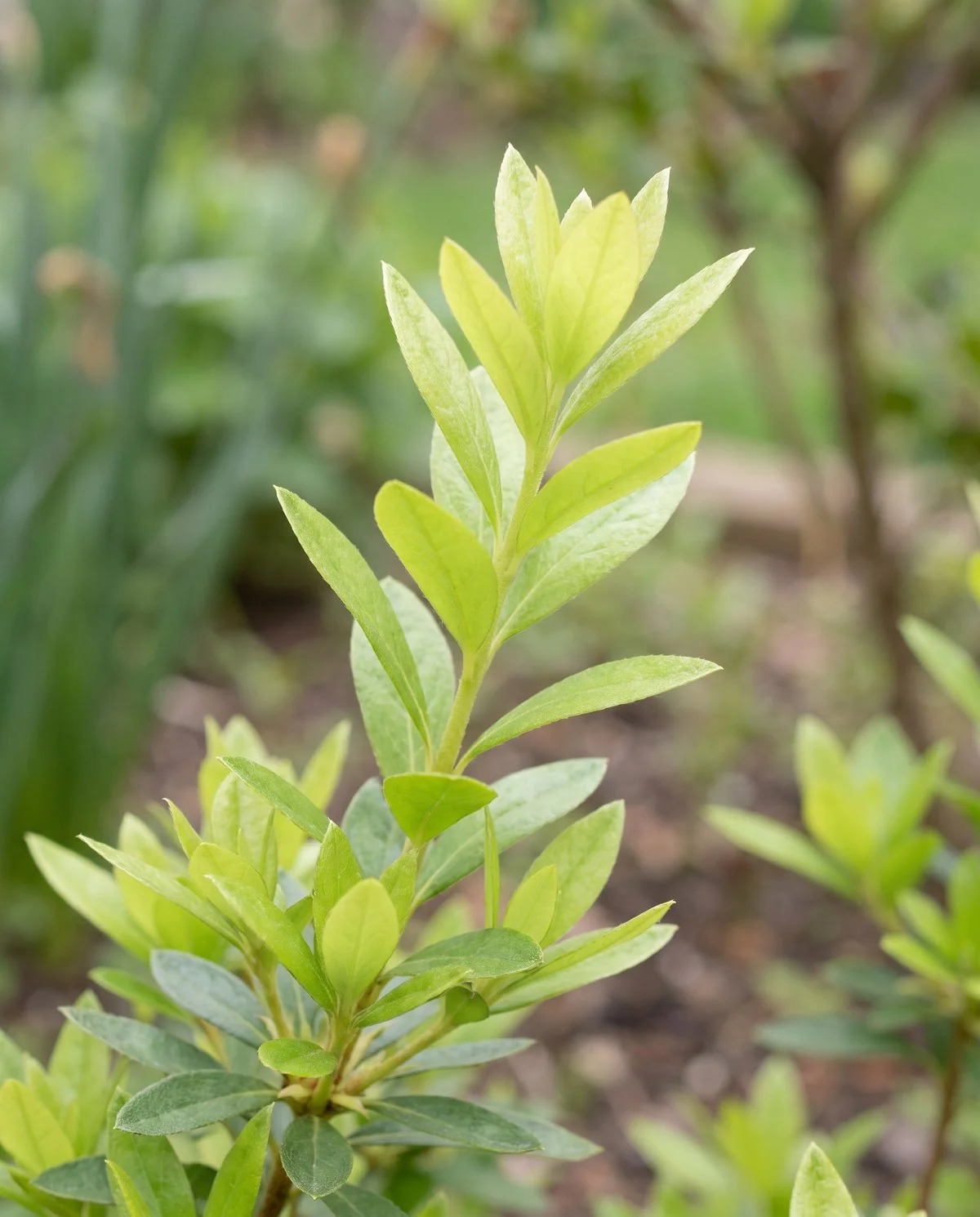
The tell is how much of the flush is involved. Gall takes a few leaves rather than the whole shoot, and those leaves go thick, waxy and swollen, described as looking like someone poured candle wax on them, bright green at first, later developing a white surface layer of fungal spores, and finally turning brown and hard. It is Exobasidium vaccinii, per University of Maryland Extension. Normal new growth emerges uniformly across the entire flush, thin and flat and glossy, hardening and deepening in colour evenly across the whole shoot. Clemson's own framing explains why this one is a curiosity rather than an emergency: it will not threaten the health of the plant.
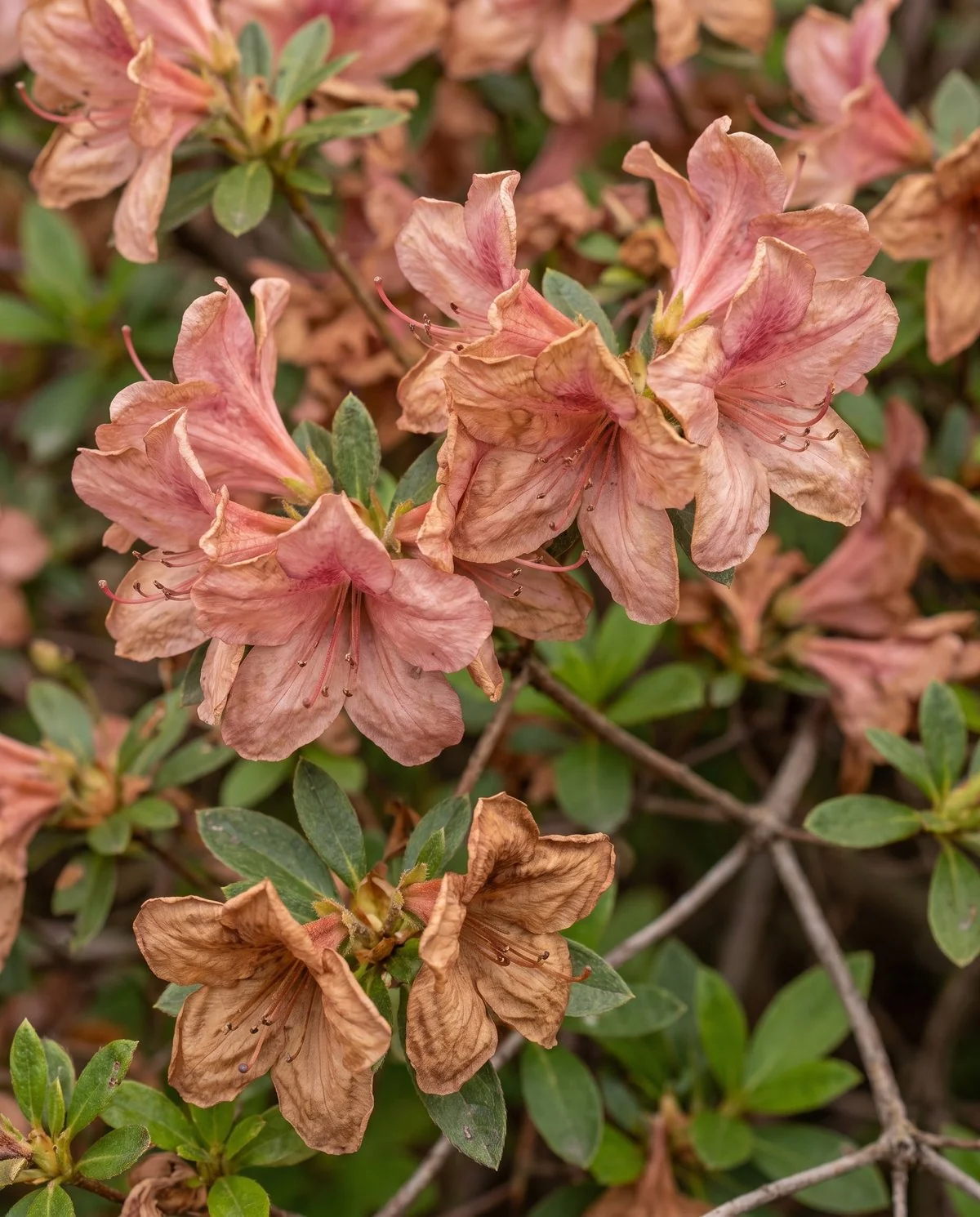
Petal blight is Ovulinia azaleae, and per Clemson it begins as tiny, irregularly shaped freckled spots on the petals, white spots on coloured flowers and brown spots on white ones, which then enlarge rapidly into a soft, watery rot across the whole bloom. A normal spent flower fades more evenly, and the whole bloom browns and drops together at the natural end of its life with no freckled stage at all. Warm, wet spring weather is what triggers the disease, which is how it takes a whole display in days rather than over a fortnight.
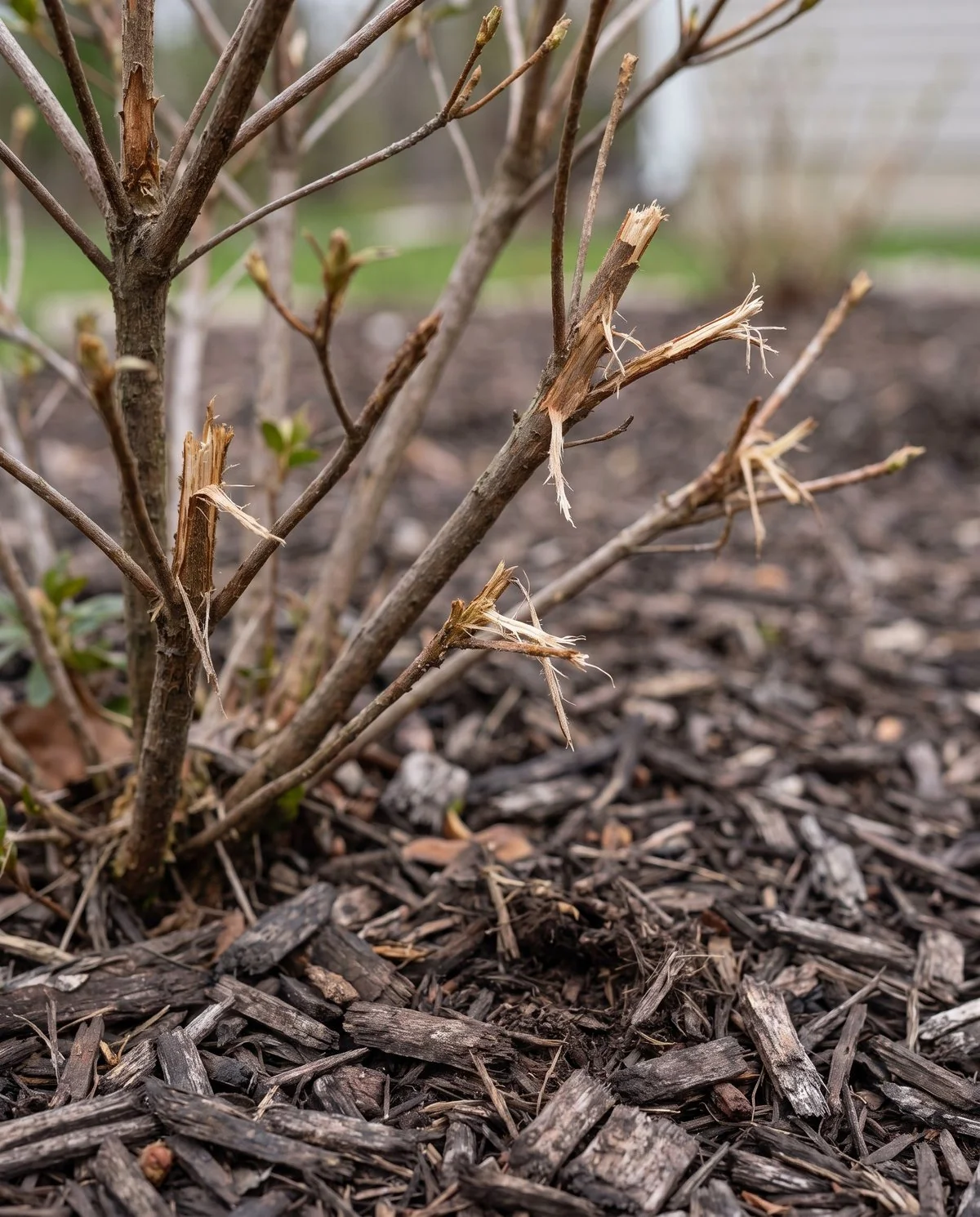
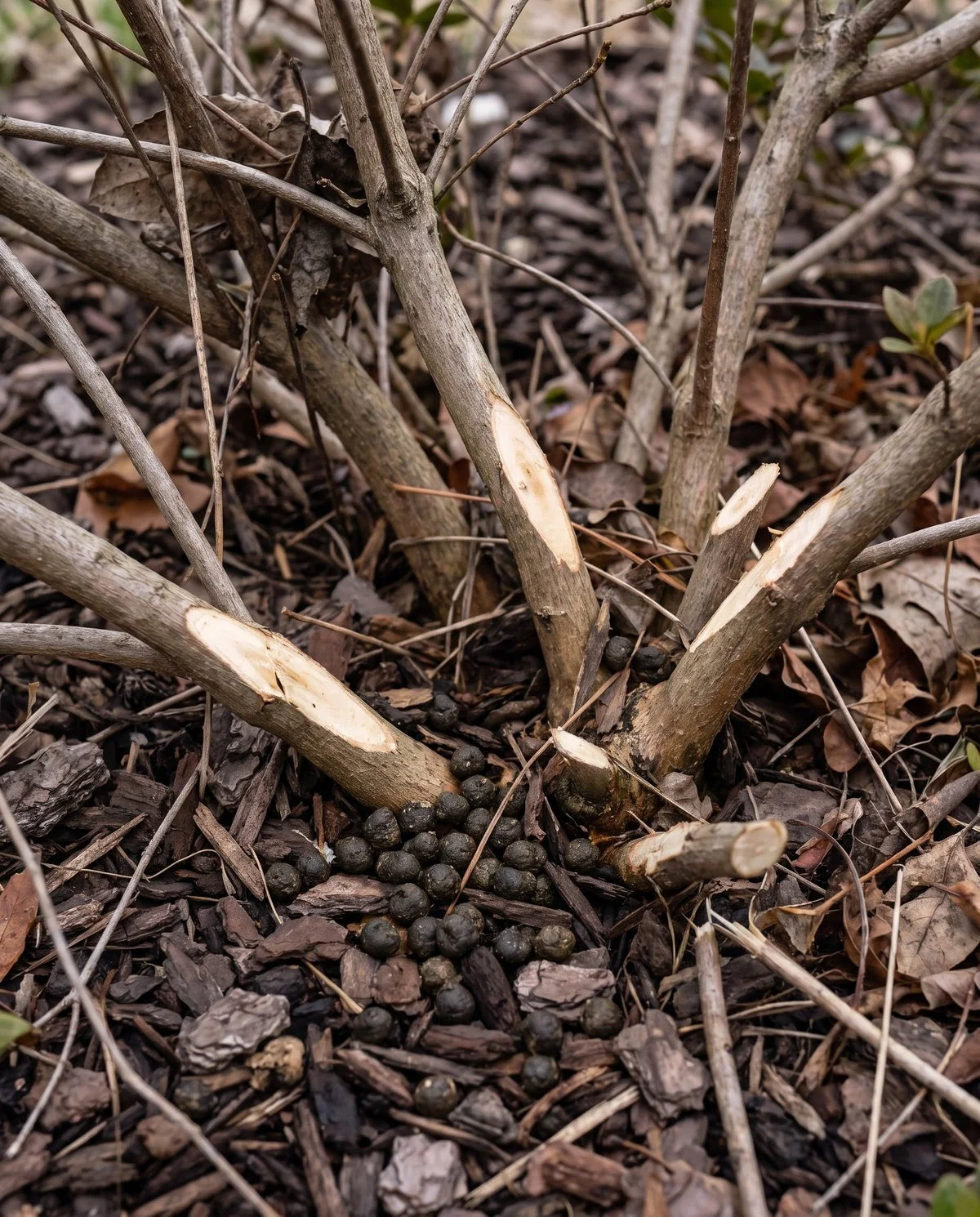
Deer have no upper incisors, so they tear rather than slice, leaving ragged, torn stem ends along with stripped foliage and buds. Rabbits cut cleanly at a sharp angle, low down, and leave pellets nearby: one gardener in this corpus found half an azalea gone, very sharp-looking cuts and rabbit pellets at the base, which is the whole diagnosis in one sentence. Squirrel and vole damage on a shrub looks different again, working at or below the base rather than browsing the canopy, chewed bark at the root collar and disturbed mulch rather than clean removal of top growth.
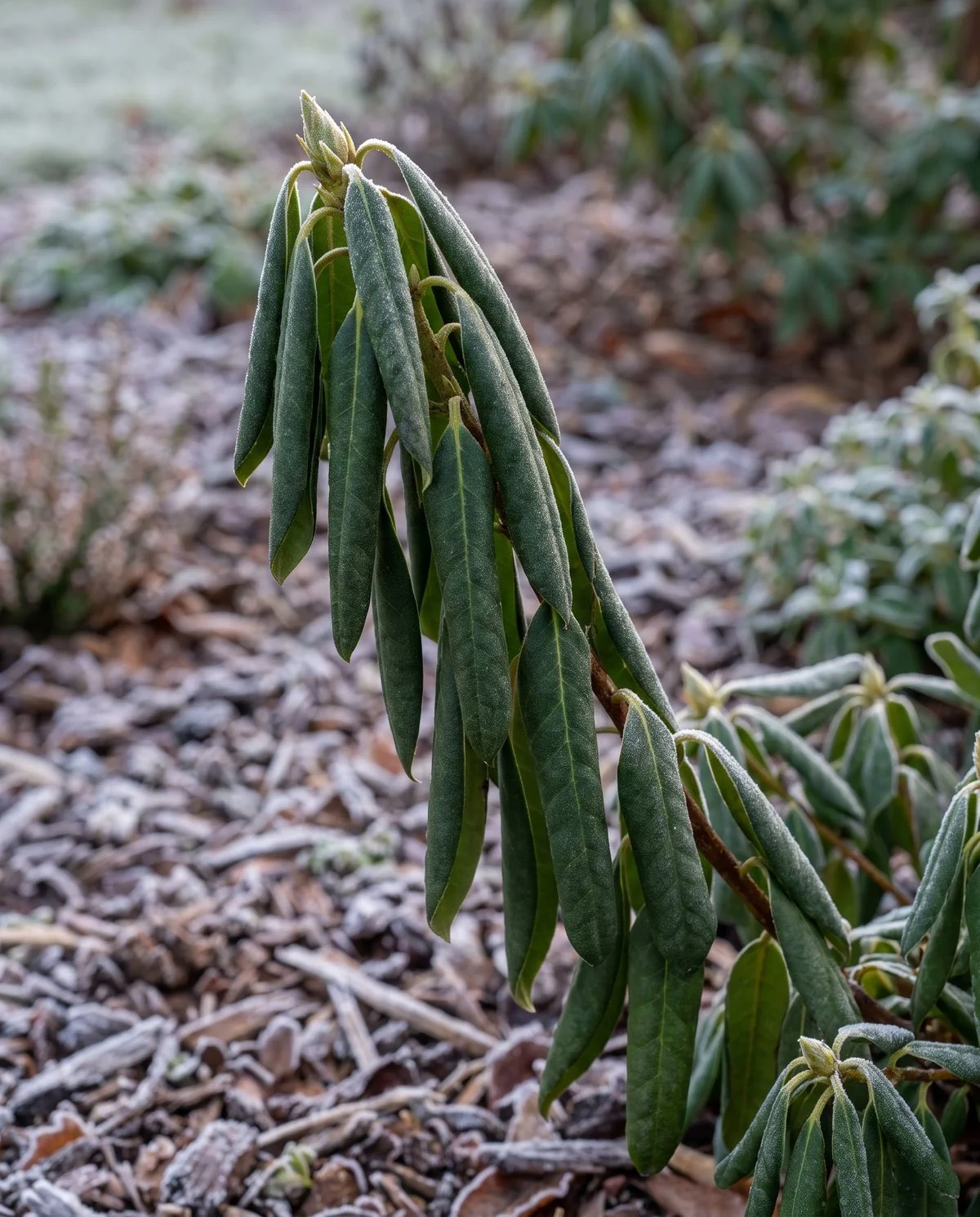
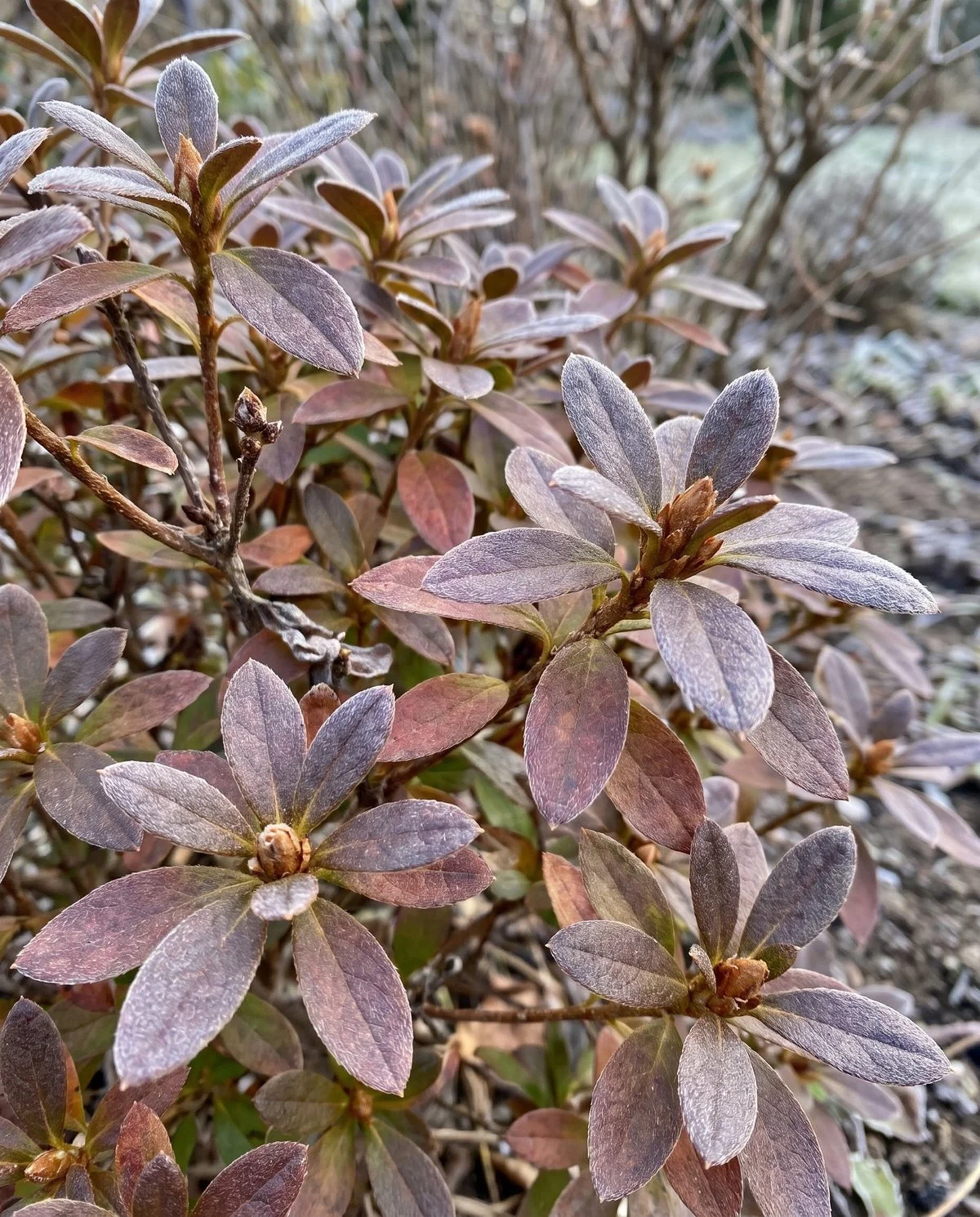
Clemson gives the thresholds: leaf curling begins below 35F and becomes tight curling with drooping at 25F, appearing suddenly after a specific cold event. Normal winter bronzing is a colour change without a shape change, since some evergreen cultivars shift their leaf colour toward bronze or purple in cold weather as a seasonal adaptation while the leaves stay firm and flat. Clemson adds one piece of timing that matters more than either: avoid exposing frozen foliage to early morning sun after a hard freeze, because the rapid thaw can split bark.
Flower photos


FAQ
Are azaleas annual or perennial?
Perennial. Azaleas are woody shrubs that live for decades, not plants that die after one season. They drop their spent flowers after blooming, and deciduous types shed their leaves in fall, but the shrub itself lives on and sets new growth and flower buds for the next year.
Do azaleas prefer sun or shade?
Part shade. The ideal is a few hours of morning sun with protection from hot afternoon sun, the dappled light under high trees. Full afternoon sun scorches the leaves and invites lace bugs, while deep shade produces a leggy plant with few flowers. Climate shifts that line: in cool northern gardens an azalea takes a full day of sun as long as the soil stays moist, but in a hot climate the same exposure stresses the plant. Reblooming types such as Encore need a bit more sun than traditional azaleas to flower again.
When and how should I prune my azaleas?
Prune right after the spring flowers fade, and finish before midsummer. Azaleas set next year's buds on old wood during the summer, so pruning in late summer, fall, or winter cuts off the coming spring's flowers. Light shaping is usually enough; to renew an old, leggy shrub, cut about a third of the oldest stems low each year over three years.
Can azaleas be grown in pots or containers?
Yes, and dwarf evergreen types do especially well. Use a pot with drainage holes and an acidic mix made for azaleas, camellias, or rhododendrons, site it in part shade, and water more often than a plant in the ground since pots dry out faster. Add mulch on top, and in cold regions shelter the pot over winter because roots in a container freeze more easily than roots in the earth.
Why are the leaves on my azalea turning yellow?
The most common cause is iron chlorosis from soil that is not acidic enough, which yellows the newest leaves between their green veins; lower the soil pH and feed an acid-loving fertilizer. Yellowing can also come from lace bug feeding (check for dark spots under the leaves), from waterlogged soil stressing the roots, or, on deciduous types, from the normal drop of old leaves in fall.
Why didn't my azalea bloom this year?
The leading reason is pruning at the wrong time, cutting off the buds that were set the previous summer, so prune only right after bloom. Too little light, a late frost that killed the buds, drought stress the summer before, or a young plant still settling in can all suppress flowering as well.
Are azaleas poisonous to cats and dogs?
Yes. All parts of the plant contain grayanotoxins, and the ASPCA lists azaleas as toxic to cats, dogs, and horses. Even a few leaves can cause drooling, vomiting, diarrhea, and weakness, and a larger amount can lead to a slow or irregular heartbeat, low blood pressure, tremors, or seizures. Contact a veterinarian or poison control right away if a pet eats any part of an azalea.
I received a blooming azalea as a potted gift. Can I plant it outdoors?
It depends on the type. Most gift plants are tender florist azaleas (Rhododendron simsii), hardy only to about zone 8, so in a cold-winter region they are best kept as houseplants that summer outdoors in shade. If the plant is labeled as a hardy cultivar suited to your zone, it can go into acidic, well-drained soil in part shade once frost has passed, with a gradual move from indoor to outdoor conditions.
How do I tell lace bugs from something else on my azalea leaves?
Check the underside. Dark, tarry frass spots there are the lace bug's own signature, alongside its eggs and sometimes the lacy-winged adults themselves. Fine webbing with no frass points to spider mites instead. Waxy, swollen individual leaves in spring are not an insect at all but leaf gall. In the corpus behind this research lace bug outnumbers spider mite 22 posts to 1, so the odds are with lace bug before you look, and the underside settles it either way.
Is this normal leaf drop, or is my azalea dying?
Dig gently at the base and check the root texture. Firm and pale means a healthy root system under some other stress, usually water-related. Soggy or blackened roots whose outer portion easily pulls away from the inner portion are Clemson's own description of Phytophthora root rot. A structurally sound shrub shedding some leaves under heat or transplant stress is a different situation, and usually a recoverable one.
Do deer eat azaleas, and how do I protect them?
Yes, and the rating is specific. Rutgers Cooperative Research and Extension's landscape-plant deer-resistance bulletin puts evergreen azaleas and Rhododendron periclymenoides, the pinxterbloom azalea, at Frequently Severely Damaged, its worst of four grades, with deciduous azaleas one tier better at Occasionally Severely Damaged. No azalea group in this sourcing qualifies as genuinely deer-resistant, which leaves fencing or repellents through the highest-pressure seasons as the practical answer.
Can I move an established azalea?
Generally yes, and more easily than many shrubs, because Iowa State Extension describes even the cold-hardy Lights series as relatively shallow-rooted. The requirements are timing and root ball: move during dormancy in fall or early spring, keep the ball wide and intact, and reset it at the original planting depth. Transplant shock appears in only 2 of the 1,770 posts in this corpus, well below how often people ask whether the move is safe to attempt.
Interesting tips
The name azalea comes from the Greek azaleos, meaning dry, a nod either to the brittle wood of some species or to the well-drained ground the plant demands. Its family, Ericaceae, is the same one that holds blueberries, heathers, and cranberries, all of them acid-soil plants, which is why azaleas pair so naturally with an acid-loving companion like camellia in a shaded bed. Centuries of breeding have pushed the count of registered cultivars past ten thousand, running from ankle-high groundcovers to shrubs taller than the gardener pruning them. The plant's toxicity has left its own trail through history: honey made from azalea and rhododendron nectar, known as mad honey, was reportedly used in antiquity to sicken invading armies, and in Victorian flower language an azalea delivered in a black vase was read as a death threat. For a quick way to tell an azalea from a true rhododendron in a nursery, count the stamens in a single flower, since azaleas usually show five where rhododendrons show ten or more.
- The word "azalea" comes from Greek azaleos, meaning "dry", likely a reference to one of the original species’ preference for well-drained soil or the dry, brittle nature of its wood.
- Azaleas are sometimes called the "Royalty of the Garden" because of their vibrant colors and prominent status in spring landscapes. They belong to the same plant family (Ericaceae) as blueberries, heathers, and cranberries.
- There are over 10,000 registered azalea cultivars, thanks to centuries of breeding and hybridization. New varieties continue to be developed, including reblooming types and unusual flower forms.
- Historically, azaleas and their relatives have been associated with some fascinating folklore. "Mad honey" made from azalea/rhododendron nectar was reportedly used to incapacitate invading armies in ancient times due to its intoxicating, toxic effect.
- One quirky historical symbol: receiving a bouquet of azalea flowers in a black vase was once considered a death threat in Victorian floriography, a testament to the plant’s known toxicity.
- Wondering how to tell an azalea from a rhododendron at a glance? Count the stamens. Azalea flowers usually have five stamens, whereas true rhododendrons typically have ten or more.
Related Guides & Flowers
Camellia
Evergreen, showy blooms, and similar light needs. Great companion shrub for layered, glossy foliage texture.

Hydrangea macrophylla
Another classic landscape bloomer that pairs well in part shade and moist, rich soil beds for long seasonal color.
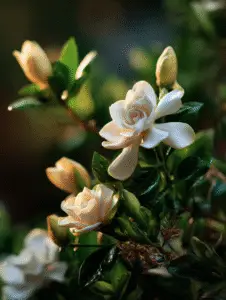
Gardenia
Acid loving evergreen with strong fragrance. Works as a warm climate alternative companion to azaleas.
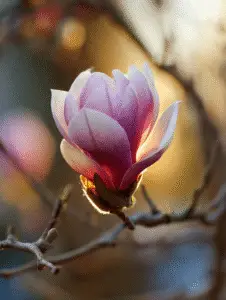
Magnolia
Big spring presence with bold flowers and structure. Pairs well as a focal tree behind azalea mass plantings.
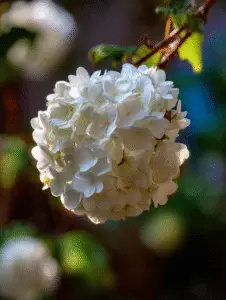
Viburnum
Many viburnums bloom in spring and offer fragrance or berries, giving a similar seasonal effect with different form.
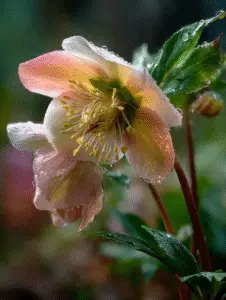
Hellebore
Shade friendly early season blooms that extend interest before azaleas peak. Perfect underplanting idea.
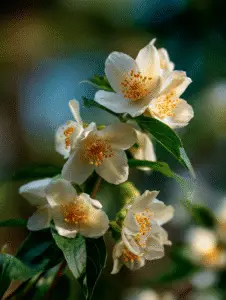
Mock orange
White spring flowers and strong scent. Useful if you want a fragrant shrub mix with azaleas, especially in mixed borders.
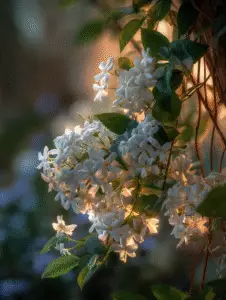
Jasmine flower
Fragrant option for nearby patios and trellises, adding scent and a different growth habit near azalea beds.
References
- Clemson University HGIC, Azalea Care Soil pH range, planting basics, and core care guidance.
- University of Georgia Extension, Azaleas issues and care Practical problem prevention notes plus soil pH guidance.
- University of Delaware Cooperative Extension, Azalea lace bug Symptoms and management guidance, including site placement like partial shade to reduce pressure.
- LSU School of Veterinary Medicine, Azalea Clear toxicity notes for dogs, cats, horses, plus toxic principle information.
- University of Florida IFAS Extension PDF, Toxic Plants and Your Pets Quick reference list that includes Azalea and Rhododendron as toxic plants.
Enjoying our flower guides? Add YourFlowersGuide as a preferred source on Google. It helps more readers find us.
Add to Preferred Sources