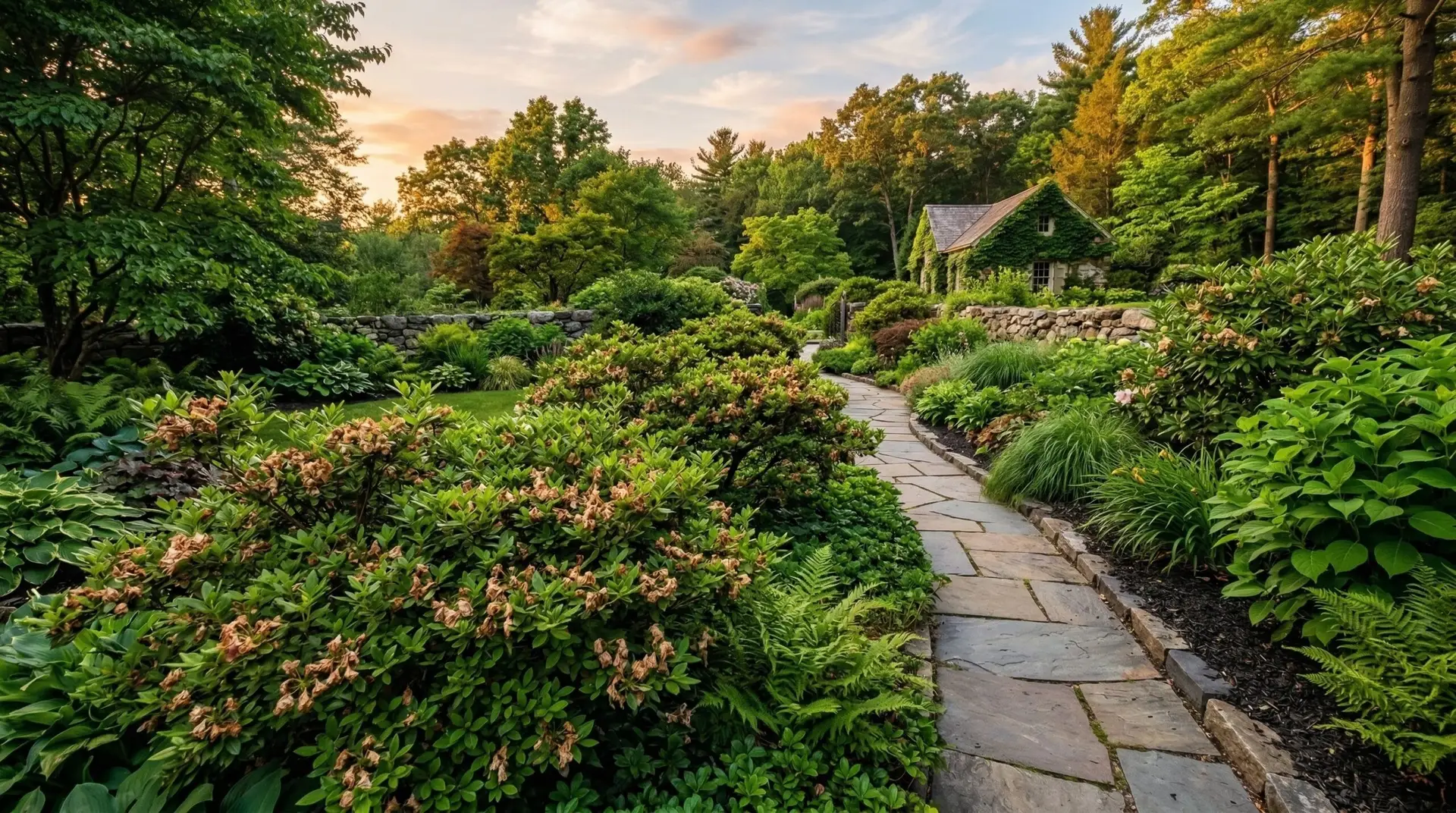
In my years managing woodland gardens, few tasks cause homeowners as much anxiety as taking shears to an established azalea. These plants, which belong to the genus Rhododendron, have a specific rhythm to their growth that dictates exactly how and when they should be cut. People often approach them with a heavy hand, treating them like formal boxwood hedges, which ruins their naturally graceful, layered architecture. The reality is that azaleas require very little intervention if planted in the correct location with acidic, well-draining soil. However, when intervention becomes necessary to control size or remove dead wood, timing is the single most critical factor.
The confusion stems from the fact that azaleas bloom on old wood, meaning they form their flower buds during the summer for the following spring. If you cut the plant back in the fall or winter, you are severing the very tips that hold the dormant floral display. I have seen countless gardeners make this exact error, resulting in a lush green shrub completely devoid of spring color. To avoid this, you must understand the brief window of opportunity that opens immediately after the last petals drop to the ground. Recognizing this biological timeline allows you to manage the plant’s size confidently without sacrificing a single bloom.
Contents 4 sections
Understanding the azalea growth cycle and bud set
Deciding precisely when to prune azaleas requires close observation of your specific plant rather than looking at a calendar. Depending on your climate zone and the cultivar you are growing, the blooming period can range from early March to late June. The rule I teach my students is to begin pruning the moment the flowers fade and begin to shrivel, but before the plant pushes out its flush of new vegetative growth. This post-bloom window usually lasts about three weeks, during which the plant is transitioning its energy from flowering to producing new shoots. Once those new shoots mature into midsummer, the plant begins setting the terminal buds that will overwinter and open next year.
Missing this three-week window is one of the most common azalea pruning mistakes I encounter in residential landscapes. If you wait until late July or August to tidy up an overgrown bush, you will inevitably remove the developing buds. Growers in warmer southern climates must be particularly vigilant, as the extended growing season means bud set can happen earlier in the summer than it does in cooler northern zones. Reblooming varieties like the Encore series complicate this timing slightly, as they produce flowers on both old and new wood. For these repeat bloomers, the safest approach is still to perform your major structural cuts immediately after their first heavy spring flush.
Routine shaping versus structural correction
When you approach the shrub with your bypass pruners, you must decide whether you are performing a light aesthetic shaping or a more deliberate structural correction. Routine pruning involves reaching into the canopy to remove dead, diseased, or crossing branches that create unhealthy friction. You should follow individual errant branches down into the body of the plant and make your cuts just above a lateral branch or dormant bud. This selective thinning opens the interior of the shrub to sunlight and air circulation, which reduces the likelihood of fungal diseases like petal blight. Much like the selective thinning required when managing a mature lilac, your goal is to maintain the natural, slightly asymmetrical form of the plant.
Shearing an azalea into a tight geometric globe is a practice I strongly discourage, despite how frequently it occurs in commercial landscaping. Continuous surface shearing forces a dense outer shell of foliage that blocks light from reaching the interior branches. Over a few seasons, this creates a hollow, woody center that is highly susceptible to dieback and pest infestations. Instead of using hedge trimmers, take the time to use hand pruners to reduce the height of the tallest branches by making cuts at staggered lengths. This technique preserves the natural cascading habit that makes spring-flowering shrubs like azaleas and forsythia so valuable in a woodland garden setting.
Renovation pruning for severely overgrown plants
There are times when an azalea has been neglected for decades and has grown excessively tall, bare at the base, and visually unbalanced. In these situations, light selective pruning is insufficient, and you must employ a technique known as renovation or rejuvenation pruning. This involves cutting the entire plant down to a height of twelve to eighteen inches above the soil line. Unlike routine maintenance, renovation pruning must be done in late winter or very early spring before the plant breaks dormancy. You will sacrifice the current year’s floral display entirely, but the dormant buds located under the old bark will respond to the drastic cut by pushing vigorous new growth.
I usually advise gardeners to spread this severe renovation over three years if they are nervous about the plant’s ability to recover. In the first year, you cut one-third of the oldest, thickest canes completely down to the ground. The following year, you remove another third of the old wood, and in the final year, you remove the remaining old canes. This phased approach allows the shrub to maintain some foliage and root energy while gradually replacing its entire canopy. Whether you choose the immediate or the phased method, renovation pruning requires the plant to be fundamentally healthy, with a strong root system capable of supporting the sudden burst of regenerative growth.
Post-pruning care and environmental considerations
Any significant removal of plant tissue causes a temporary stress response, making your post-pruning cultural care highly important. Azaleas have shallow, fibrous root systems that dry out quickly and resent heavy competition from turfgrass or aggressive weeds. After you finish pruning azaleas, you should apply a two-inch layer of organic mulch, such as pine straw or composted bark, extending it out to the drip line. This helps regulate soil temperature and conserves the moisture necessary for the plant to push out healthy new stems. You must keep the mulch pulled slightly away from the main trunk to prevent bark rot and discourage rodents from nesting against the wood.
Soil chemistry also plays a role in how well your plant recovers and sets new buds for the following season. Azaleas require acidic soil with a pH ranging strictly between 4.5 and 6.0 to properly absorb nutrients like iron and nitrogen. If the foliage emerges pale green with dark veins after pruning, the soil is likely too alkaline, a condition that frequently affects acid-loving evergreens like azaleas and camellia shrubs. You should conduct a proper soil test before applying any supplemental fertilizers, as adding unnecessary nitrogen can force excessive leafy growth at the expense of flower bud formation. By paying close attention to these soil conditions and respecting the plant’s natural growth cycle, you ensure your shrub will recover predictably and bloom reliably year after year.
More About Azaleas
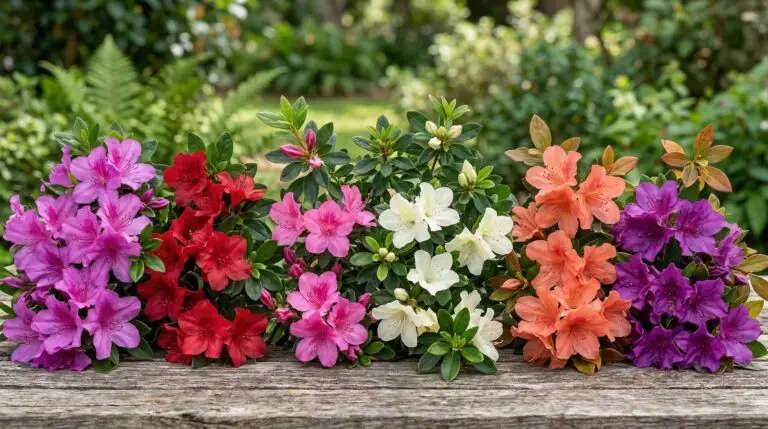
Encore azaleas that bloom three times a year for non-stop garden color

Azalea garden design ideas for a breathtaking spring landscape under trees
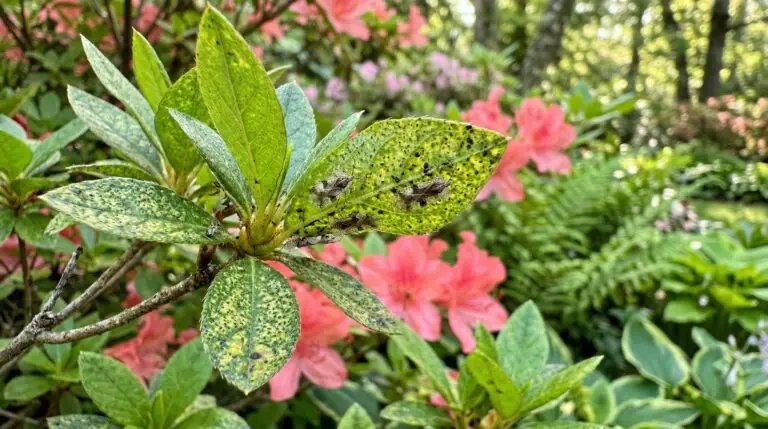
Common azalea pests and diseases and organic methods to control them
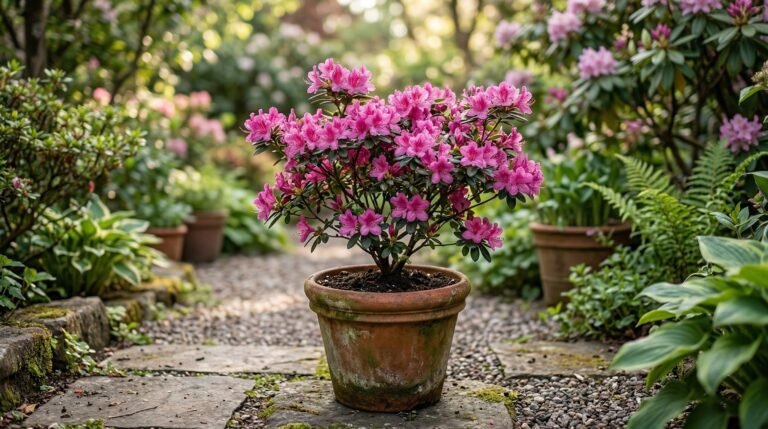
How to grow azaleas in containers for stunning patio and entryway displays
Native azaleas of North America and how to grow these fragrant wild beauties
Growing azaleas in acidic soil and how to lower soil pH naturally
How to choose the right azalea variety for your garden soil and climate
Azalea flower meaning and their place in Japanese garden culture and symbolism
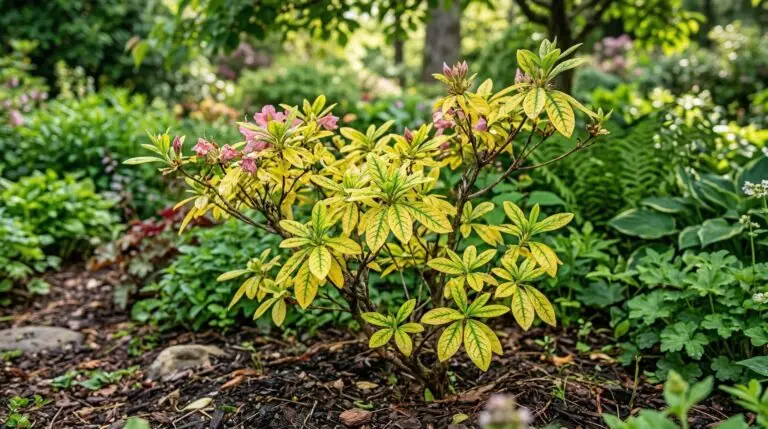
Why azalea leaves are turning brown or yellow and how to save your shrub
Enjoying our flower guides? Add YourFlowersGuide as a preferred source on Google. It helps more readers find us.
Add to Preferred Sources