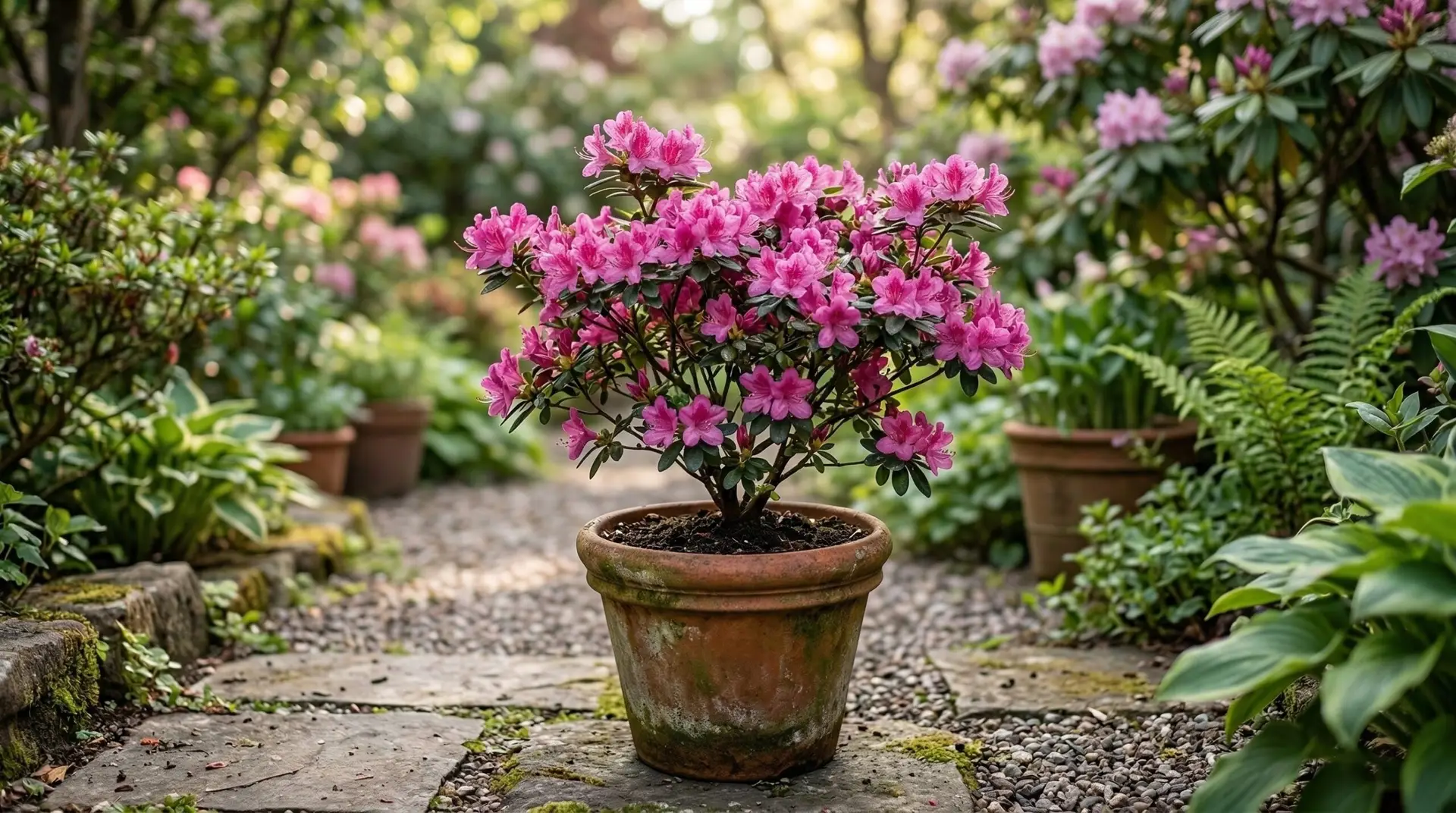
Springtime nursery runs usually end with at least one impulse purchase of a blooming azalea covered in bright, perfect flowers. Those nursery pots make it look incredibly easy to keep an azalea in pot looking like a magazine cover on the front porch. The reality hits about three weeks later when the blooms drop, the leaves turn slightly yellow, and the whole plant looks miserable. Growing azaleas in containers takes a bit more thought than just dropping them into a decorative planter and watering them when they look thirsty. These shrubs have very fine, shallow root systems that dry out quickly and suffocate just as fast if left sitting in water. Learning how to balance their specific needs takes some trial and error, but it is entirely possible to keep them thriving on a patio for years.
The secret to success starts long before the plant ever needs its first watering at home. A container azalea requires an environment that mimics the acidic, well-draining forest floors where its wild cousins grow naturally. When a potted azalea starts failing, the problem almost always points back to either the potting mix or the drainage situation. Catching these issues early saves a lot of frustration and money spent replacing dead shrubs every spring. Gardeners in the South may find the humidity helpful for the foliage, while northern zones require a bit more attention to winter protection for potted shrubs. Following a few tested methods makes the difference between a temporary spring decoration and a permanent patio fixture.
Contents 4 sections
Choosing the right container and soil mix
Picking the right pot is the first major decision, and drainage is the only non-negotiable requirement. A beautiful ceramic pot without a drainage hole is essentially a coffin for an azalea. Always look for containers with multiple large holes in the bottom, or drill them yourself if the pot is plastic or resin. Size matters heavily as well, because putting a small nursery plant into a massive pot leads to soggy soil where the roots cannot reach to absorb the moisture. A good rule of thumb is choosing a container just two inches wider than the current root ball. Upgrading the pot size gradually every couple of years keeps the roots snug and prevents the soil from staying wet long enough to cause root rot.
The soil mix determines how well the plant will eat and drink over the next few seasons. Regular potting soil straight from a generic bag is usually too alkaline and holds too much water for growing azaleas in containers. Creating an acidic potting mix at home is highly affordable and works better than many expensive specialty bags. Mixing equal parts of standard potting soil, peat moss, and finely shredded pine bark creates a loose, acidic environment that drains beautifully. This exact same homemade mix works perfectly for other acid-loving shrubs, so if there is a potted camellia on the patio, it will thrive in this blend too. Do not skip the pine bark, because it provides the air pockets those delicate, hair-like azalea roots need to breathe.
Getting the water and light balance right
Watering an azalea in a container is a careful balancing act that changes with the seasons and the weather. The surface of the soil might look completely dry, but plunging a finger two inches into the pot often reveals plenty of moisture below. If the soil feels damp at that depth, wait another day before reaching for the watering can. When it is time to water, pour slowly until liquid runs freely out of the bottom drainage holes to ensure the entire root ball gets soaked. Empty the saucer underneath the pot within an hour, because letting the pot sit in a puddle will drown the plant very quickly. Rainwater is always the best option if it can be collected, as municipal tap water often contains minerals that slowly raise the soil pH over time.
Finding the right spot on the patio or porch dictates how well the plant will bloom the following year. Morning sun and afternoon shade provide the ideal lighting for almost any container azalea. Placing the pot in full, baking afternoon sun will scorch the leaves, turning the edges brown and crispy by mid-summer. Conversely, putting the plant in deep, heavy shade keeps the foliage green but results in a disappointing lack of flowers in the spring. Regional sunlight intensity plays a big part here, as northern gardeners can often get away with more direct sun exposure than those dealing with intense southern summers. Moving the pot around the patio a few times during the first season helps pinpoint that perfect location where the plant looks its happiest.
Managing indoor florist azaleas
Those foil-wrapped florist azaleas sold in supermarkets during the winter are a completely different animal than the hardy outdoor shrub varieties. These are usually tender Indica varieties bred specifically to bloom heavily indoors, and they are notoriously finicky if their specific needs are ignored. The biggest mistake is treating them like regular houseplants and placing them on a warm windowsill above a heating vent. They desperately need cool temperatures and high humidity to hold onto their flowers and leaves. A cool, bright room away from direct heat sources gives them the best chance of surviving past their initial blooming phase. If the leaves suddenly start showering down onto the floor, the air is almost certainly too dry or the potting mix has completely dried out.
Keeping an indoor azalea happy requires a bit of daily monitoring to maintain that tricky moisture balance. Setting the pot on a tray filled with pebbles and a little water creates a localized pocket of humidity around the foliage. Never let the bottom of the pot actually touch the water in the pebble tray, or the roots will rot. When the nursery pot feels incredibly light to lift, submerge the entire pot in a bucket of water until the bubbles stop rising. This soaking method rehydrates the peat-heavy soil mixes these indoor plants are usually grown in, which often repel water when they get too dry. Once the blooms finally fade, carefully snip them off to keep the plant looking tidy and redirect its energy back into growing leaves.
Keeping outdoor potted azaleas alive through winter
Winter survival is the final hurdle for growing azaleas in containers outdoors, and it requires some preparation before the first hard freeze hits. Plants in the ground are insulated by the earth, but roots in a container are exposed to freezing air temperatures on all sides. Leaving a ceramic pot out on an unprotected patio in a northern climate usually results in a cracked pot and a dead plant by spring. The most reliable method for cold regions is moving the pots into an unheated garage or shed where the temperatures stay cold but do not fluctuate wildly. This same overwintering strategy is highly recommended for other sensitive potted plants, like a bigleaf hydrangea, which also appreciates a break from harsh winter winds. Check the soil moisture once a month during storage, giving them just enough water to keep the roots from completely drying out.
If moving the pots indoors is not an option, creating an insulated huddle on the porch is the next best defense. Push all the containers together against a sheltered wall of the house, placing the hardiest plants on the outside and the azaleas in the middle. Wrapping the pots tightly in layers of burlap, bubble wrap, or old moving blankets provides a thick barrier against freezing winds. The plant will likely look completely lifeless and miserable by late February, with drooping, curled leaves that seem beyond saving. Do not panic and throw them away, because this leaf curling is a natural defense mechanism to prevent moisture loss during freezing weather. Once the spring temperatures slowly begin to warm the patio, those sad-looking leaves will unfurl, and the buds will start swelling for another season of blooms.
More About Azaleas
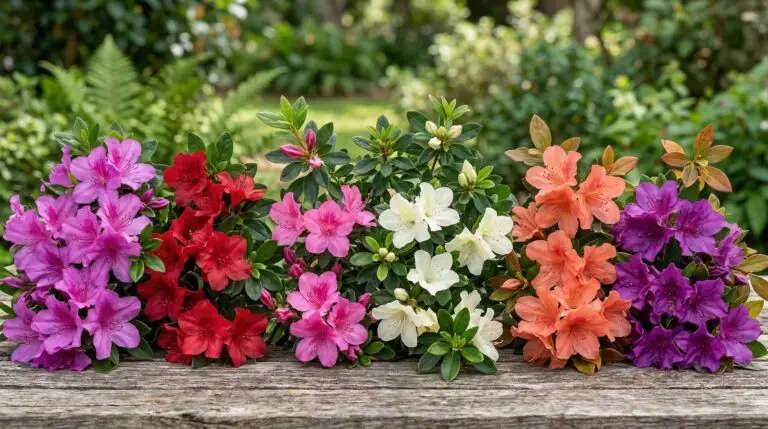
Encore azaleas that bloom three times a year for non-stop garden color
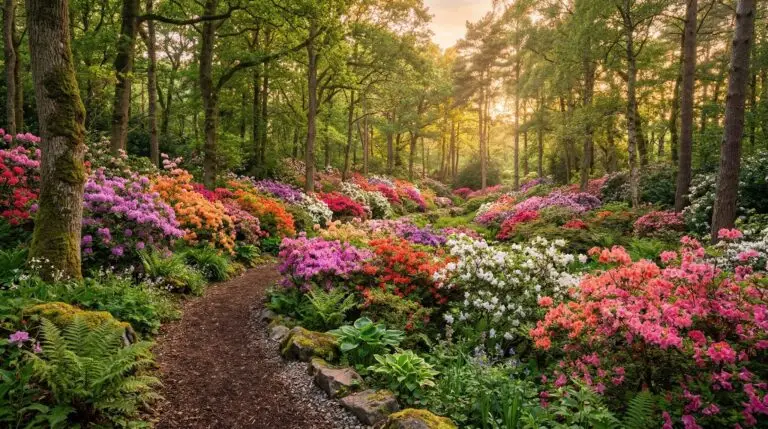
Azalea garden design ideas for a breathtaking spring landscape under trees
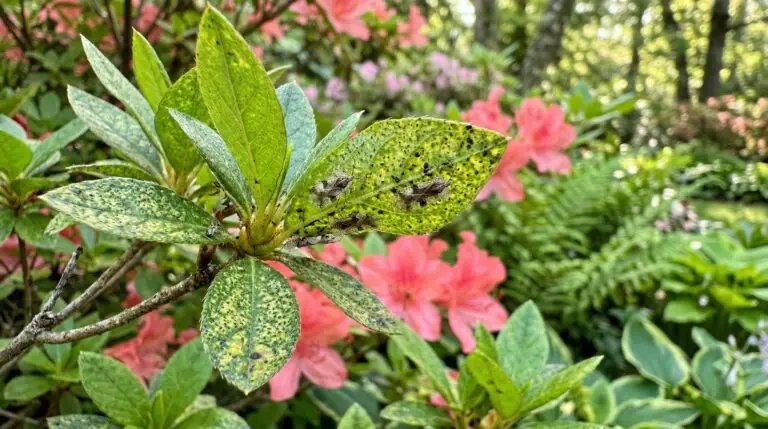
Common azalea pests and diseases and organic methods to control them
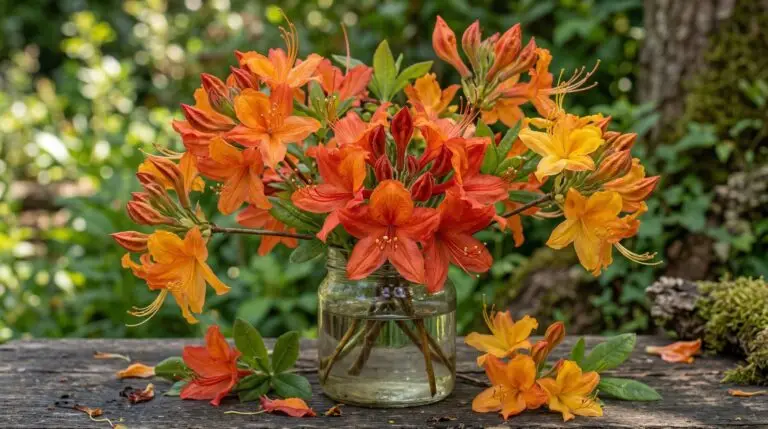
Native azaleas of North America and how to grow these fragrant wild beauties
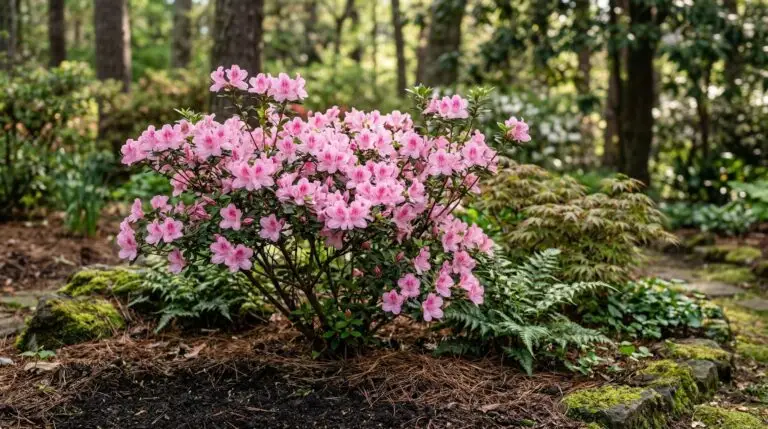
Growing azaleas in acidic soil and how to lower soil pH naturally
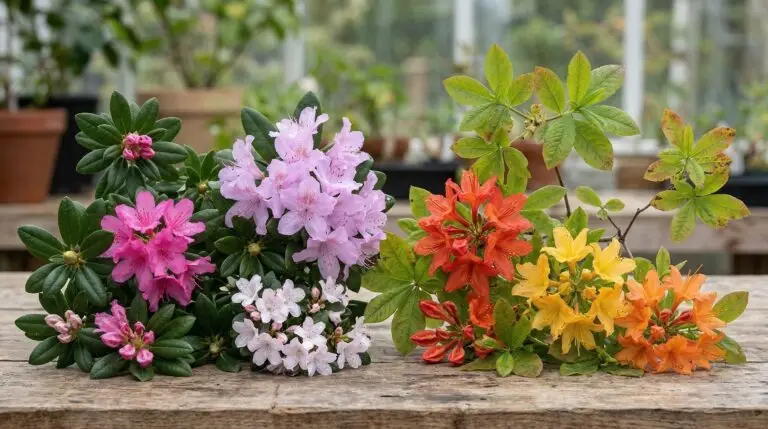
How to choose the right azalea variety for your garden soil and climate
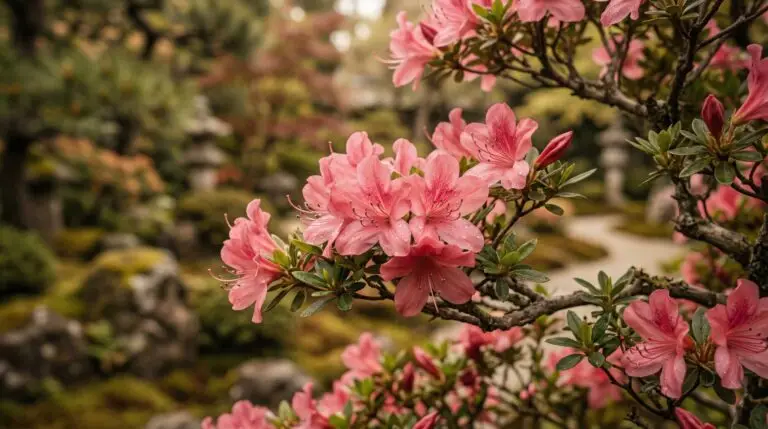
Azalea flower meaning and their place in Japanese garden culture and symbolism
Why azalea leaves are turning brown or yellow and how to save your shrub
How to prune azaleas at the right time without cutting off next year’s flowers
Enjoying our flower guides? Add YourFlowersGuide as a preferred source on Google. It helps more readers find us.
Add to Preferred Sources