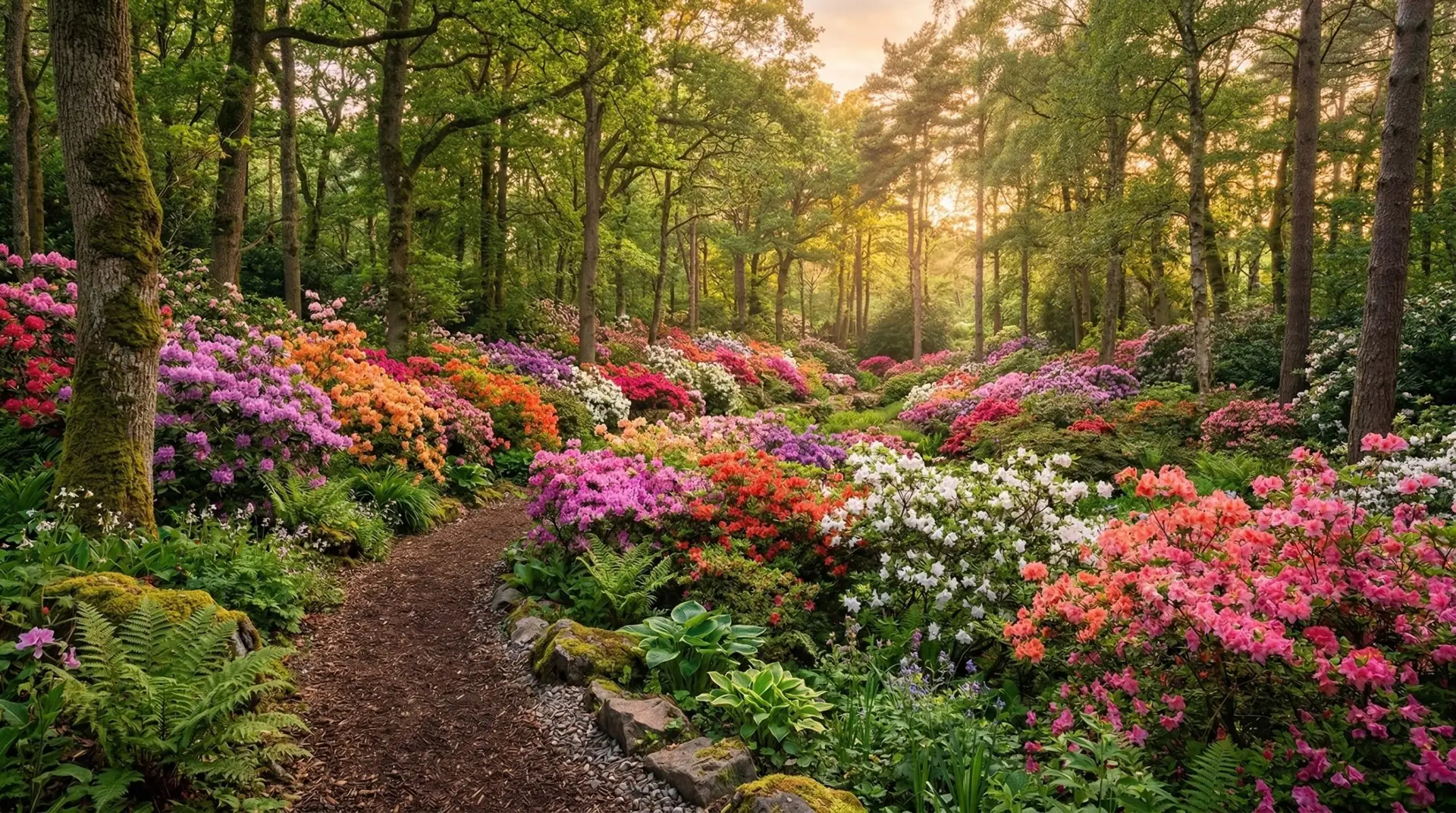
When we think about structuring a woodland edge or a shaded garden, the azalea is an indispensable tool for defining space beneath a high canopy. In a professional azalea garden design, these shrubs act as the critical middle layer that connects towering shade trees to the ground plane. They serve as structural anchors that give a garden a sense of permanence while providing a massive visual impact during their spring bloom cycle. Because they naturally possess a mounding, horizontal growth habit, they ground the vertical trunks of oaks and pines, creating a comfortable, human-scale environment. You can use them to guide the eye along a curving path, frame a distant view, or create a dense backdrop for lower-growing perennials. Understanding how to manipulate their form, color, and texture allows you to build a cohesive landscape rather than just a collection of spring-blooming shrubs.
Contents 4 sections
Designing with color and mass planting impact
Successful azalea landscape ideas rely heavily on intentional color grouping rather than a random mixing of available varieties. A common mistake is planting single shrubs of different colors in a row, which creates a chaotic, polka-dot effect that disrupts the visual flow of the garden. Instead, you should plant identical varieties in sweeping drifts of three, five, or seven to create a unified mass of color that reads clearly from a distance. If you want a calm, harmonious atmosphere, stick to an analogous color scheme using varying shades of pink, peach, and white. For a more dramatic composition, pair magenta or deep red azaleas with the chartreuse spring foliage of nearby maples or the dark, glossy greens of a camellia planted slightly further back in the border. White azaleas are particularly valuable in the shade garden, acting as visual pauses that separate stronger colors and reflecting light in the dimmest corners beneath heavy tree canopies.
Layering textures under a woodland canopy
The true success of an azalea under trees depends on how well you contrast its foliage and form with surrounding plants. Most evergreen azaleas have relatively fine, small leaves that create a dense, visually heavy mound in the landscape. To balance this visual weight, you need to introduce plants with contrasting textures, such as the large, coarse leaves of hostas or the delicate, feathery fronds of native ferns. Early in the season, you can create a beautiful succession of bloom by planting a hellebore colony around the base of your azaleas, allowing the low, nodding winter flowers to bridge the gap before the main spring show begins. In a Japanese garden style, designers often tightly shear azaleas into smooth, undulating mounds that mimic rolling hills or boulders, contrasting them sharply with the soft, flat carpet of moss below. Whether you prefer a loose woodland look or a highly controlled aesthetic, the goal is to make the azalea’s solid form stand out against the varied shapes of its neighbors.
Balancing light and spatial relationships
The spatial relationship between the tree canopy and the ground layer dictates how you should position your azaleas for maximum effect. High, dappled shade provided by mature oaks or tall pines creates the ideal lighting conditions, allowing the azaleas to produce dense foliage and prolific blooms without suffering from the harsh afternoon sun. When designing these spaces, you must carefully study the light patterns in your yard and place your brightest, most saturated flower colors in areas that receive shafts of morning sunlight. Darker, heavily shaded zones benefit from white or pale pink varieties that visually recede and make the garden feel more expansive. You should also consider the negative space between your azalea groupings, using groundcovers or simple mulch pathways to provide visual rest areas for the eye. This careful balance of planted mass and empty space prevents the woodland garden from feeling claustrophobic and highlights the individual beauty of each planting zone. You can use sweeping curves in your bed lines to reinforce this fluid, naturalistic feeling.
Scale and proportion are critical when positioning these shrubs relative to viewer sightlines and existing architecture. Large, fast-growing varieties need plenty of room to expand without encroaching on pathways or swallowing up low stone walls. You should position the tallest varieties at the back of the border to serve as a dark green backdrop, stepping down to mid-sized cultivars, and finally placing dwarf varieties near the front edge of the bed. This tiered approach mimics the natural understory progression found in the wild and creates a sense of depth that makes small gardens feel larger. As you map out the space, remember to leave adequate physical distance between the azaleas and the trunks of your canopy trees to prevent root competition and ensure proper air circulation. The spacing might look sparse upon initial planting, but the shrubs will eventually knit together into a continuous, flowing line that leads the eye effortlessly through the garden.
Maintaining structure and seasonal interest
While the spring flower display is the most obvious draw, a well-designed garden must account for what the plant contributes during the other eleven months of the year. Evergreen azaleas provide essential winter structure, holding their leaves to maintain the garden’s spatial organization long after deciduous plants have gone dormant. Some varieties even offer a subtle color shift in cold weather, with their foliage taking on deep bronze or purple tones that look exceptionally handsome against a light dusting of snow. Deciduous azaleas, often native to North American woodlands, offer an entirely different architectural presence with their elegant, open branching habits and brilliant orange, red, or yellow autumn foliage. By mixing both evergreen and deciduous types in your overall design, you ensure the garden has a strong, year-round skeleton while benefiting from distinct seasonal changes. The bare, architectural stems of the deciduous types look especially striking when underplanted with early spring ephemerals like Virginia bluebells that emerge just as the azalea buds begin to swell.
The most effective design principle you can apply to your azalea plantings is the concept of the continuous line. Rather than treating each shrub as an individual specimen, think of them as a single stroke of paint that sweeps through the understory, curving around tree trunks and flowing alongside pathways. When you connect these masses visually, you create a cohesive framework that unifies the entire shade garden and gives it a clear, intentional direction. You can achieve this by repeating the same variety at regular intervals or by overlapping different varieties with similar growth habits to create a seamless transition. This approach transforms a disjointed collection of plants into a highly curated, professional landscape composition. By prioritizing mass, texture contrast, and structural continuity, you will build a garden space that feels grounded, balanced, and visually engaging in every season.
More About Azaleas
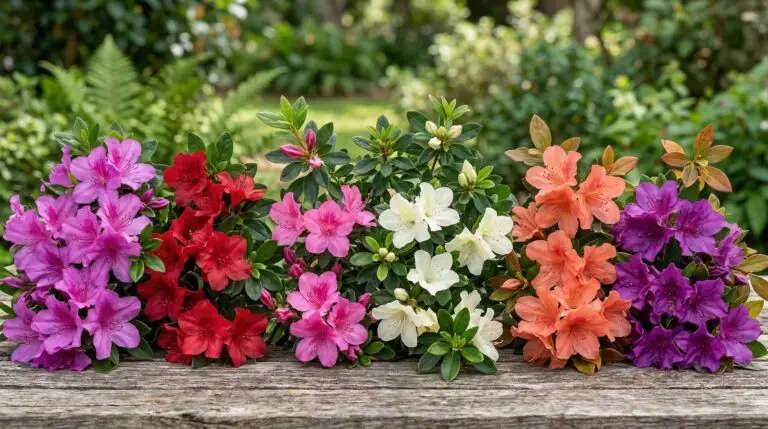
Encore azaleas that bloom three times a year for non-stop garden color
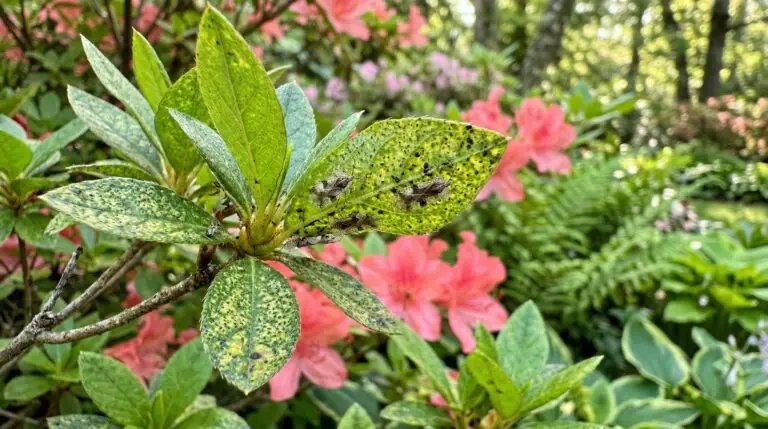
Common azalea pests and diseases and organic methods to control them
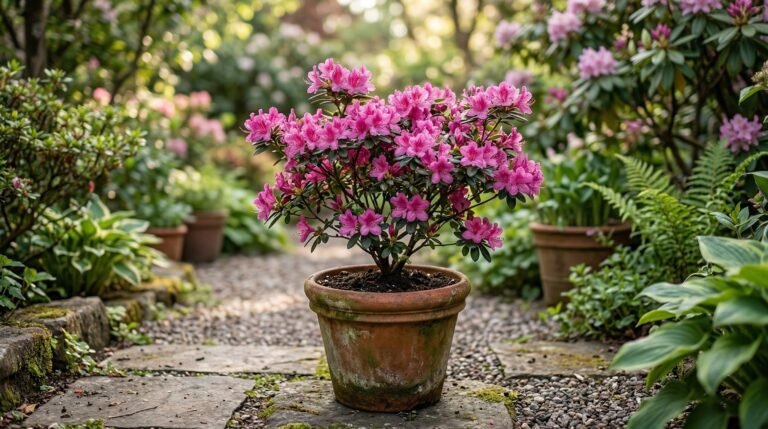
How to grow azaleas in containers for stunning patio and entryway displays
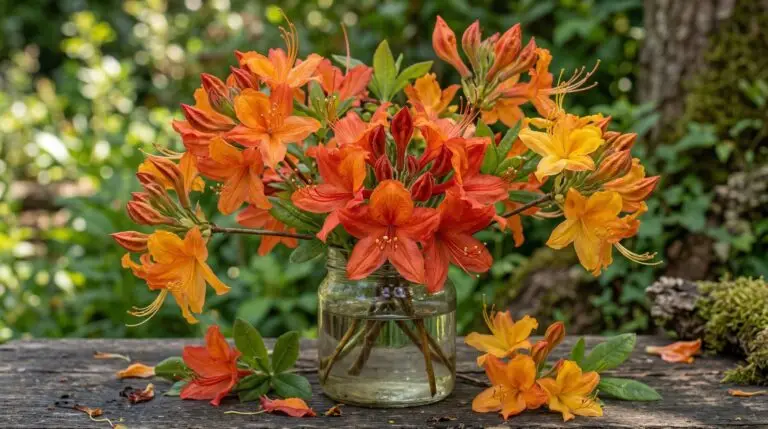
Native azaleas of North America and how to grow these fragrant wild beauties
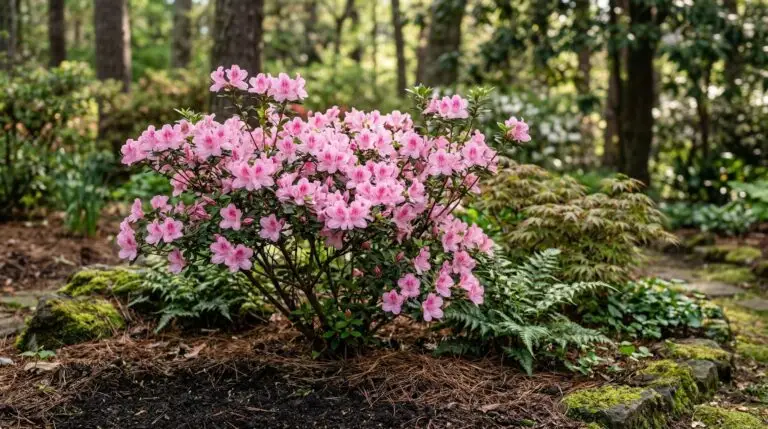
Growing azaleas in acidic soil and how to lower soil pH naturally
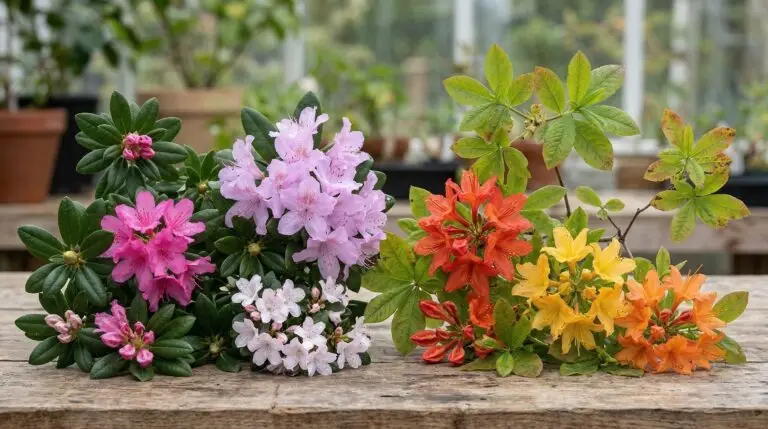
How to choose the right azalea variety for your garden soil and climate
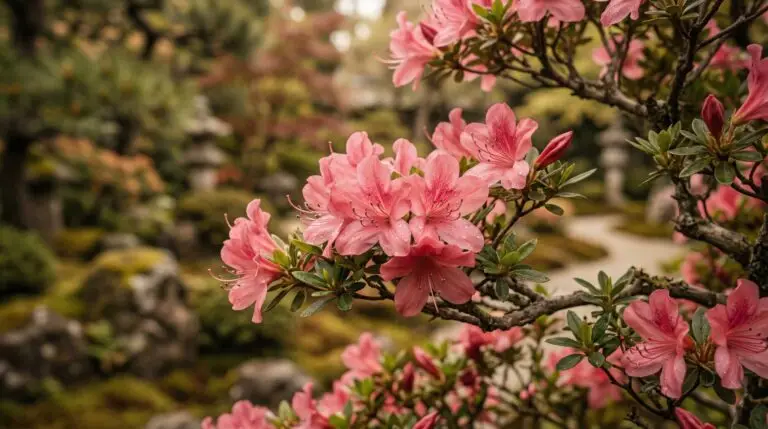
Azalea flower meaning and their place in Japanese garden culture and symbolism
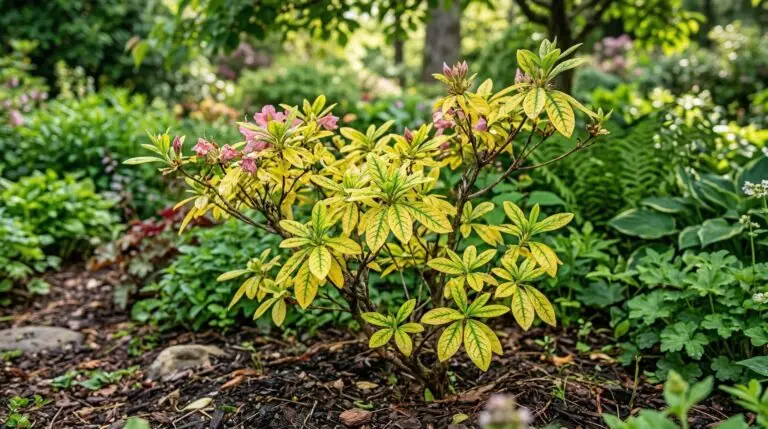
Why azalea leaves are turning brown or yellow and how to save your shrub
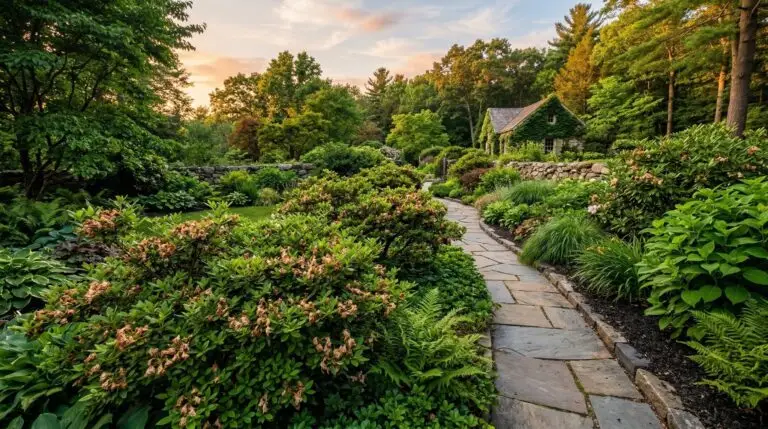
How to prune azaleas at the right time without cutting off next year’s flowers
Enjoying our flower guides? Add YourFlowersGuide as a preferred source on Google. It helps more readers find us.
Add to Preferred Sources