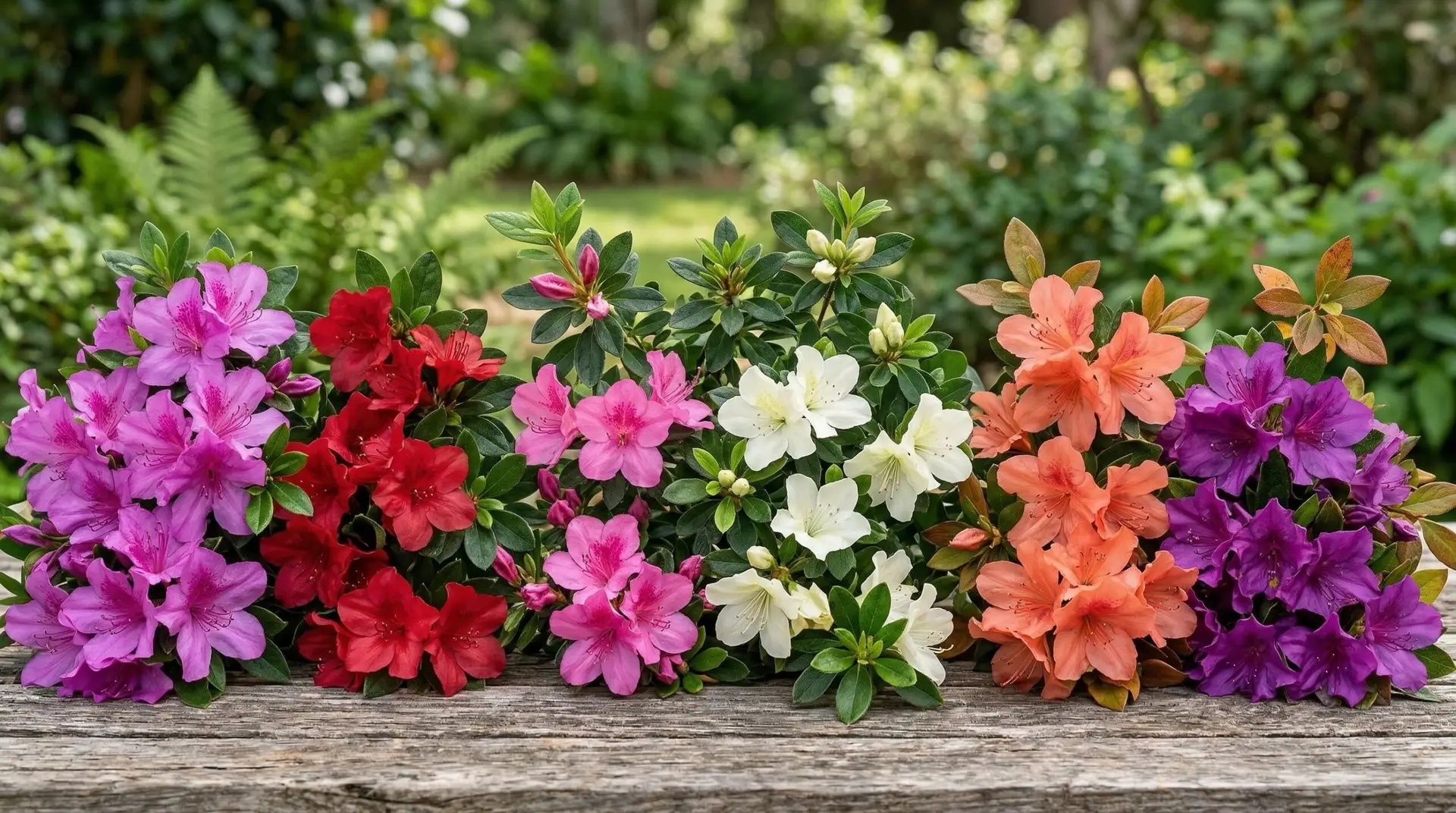
I still remember the exact moment I realized an azalea blooms multiple times when planted with the right variety. I was walking through a local garden in late October, surrounded by falling leaves and fading perennials, when I saw a massive flush of bright magenta flowers. Until that day, I viewed azaleas as a fleeting spring phenomenon that put on a massive show for two weeks in April and then spent the rest of the year as unremarkable green shrubs. The introduction of the Encore azalea shifted my entire perspective on what a foundation planting could do. Instead of waiting a full year for a brief return of color, I found myself watching buds swell again in midsummer and then open fully as the autumn air turned crisp. Growing these plants changed the rhythm of my garden entirely, bringing fresh life to spaces that usually look tired by September. The satisfaction of walking out the front door in November to cut a few fresh pink blooms for a small vase on the kitchen table never gets old. There is something deeply rewarding about seeing a delicate, ruffled flower pushing open while the oak leaves are turning brown all around it.
Contents 4 sections
How the continuous blooming cycle actually works
Understanding how a reblooming azalea manages this trick makes growing them so much more rewarding. Traditional azaleas set their buds in the late summer, hold them through the winter, and open them in the spring. The Encore series is bred from a mix of traditional spring bloomers and a specific Taiwanese summer-blooming species. This genetic mix allows them to produce their massive spring flush just like the old favorites, but then they immediately begin setting new buds on their fresh summer growth. By late summer or early fall, those new buds open for a completely separate display of flowers, giving you a quieter smattering of color during the hottest months and a final robust show before winter sets in. The trick is that the later blooms rely entirely on the plant putting out healthy new branches after the spring flowers fade. If you prune them too late or if they suffer from severe drought, that fall show will be noticeably diminished. I learned the hard way that pruning in July removes all the potential autumn flowers, so I now strictly limit my shaping cuts to the brief window immediately following the spring fade.
Finding the right size and color for your space
The sheer number of varieties in the Encore series can feel overwhelming when you first start looking at them at the nursery. I always suggest starting by looking at the mature size rather than getting distracted by the brightest flower color on the table. The series is divided into dwarf varieties that stay under three feet tall and intermediate varieties that will easily reach five feet or more. ‘Autumn Amethyst’ remains one of my absolute favorites for a larger space because the rich purple blooms are incredibly reliable. The dark green foliage of this particular variety takes on a beautiful purple cast in the winter, adding an entirely different layer of interest to the dormant garden. For smaller spaces or containers, ‘Autumn Fire’ offers a compact habit with true red flowers that look fantastic against the changing autumn garden. If you prefer softer colors, ‘Autumn Lily’ produces large white blooms with occasional purple stripes, holding up remarkably well to the harsh summer sun. I have found that mixing different sizes creates a layered effect in the garden, much like pairing them with Camellia shrubs for overlapping seasons of interest.
Getting the light and soil right for maximum flowers
The biggest adjustment I had to make when planting my first Encore azalea was rethinking my approach to sunlight. We are taught to plant azaleas under the deep shade of tall trees to protect them from the afternoon heat. While traditional varieties tolerate heavy shade, these repeat bloomers absolutely need more light to produce their summer and fall flowers. I aim for locations that get four to six hours of direct morning sun, followed by dappled shade in the harsh afternoon. Planting them in too much shade results in a leggy shrub that might only give you a weak spring flush and nothing else for the rest of the year. They require highly acidic, well-draining soil packed with organic matter to support all that continuous growth, so I spend a lot of time working pine bark fines and compost into the planting hole. Ensuring the roots never sit in standing water is critical because azaleas are highly susceptible to root rot in heavy clay soils. A thick layer of pine straw mulch keeps the shallow roots cool and helps maintain the moisture they desperately need during the summer months.
The reality of growing these repeat bloomers
As much as I love these plants, it helps to set realistic expectations about their performance throughout the year. The spring bloom is always the most spectacular, covering the plant so completely that you can barely see the leaves. The summer and fall flushes are highly dependent on the weather and are usually more scattered across the foliage rather than a solid blanket of color. During exceptionally hot and dry summers, my plants will often pause their blooming entirely to conserve energy. They save their strength for a better show when the autumn rains return and the nighttime temperatures finally drop. I appreciate the winter presence of these shrubs, as many varieties develop deep bronze or purple tones in their leaves when the cold sets in. This winter color provides a nice contrast to the bare branches of deciduous shrubs like Hydrangea macrophylla planted nearby. Tending to these azaleas year after year brings a deep sense of satisfaction, knowing that with just a little extra water and the right light, they will reward you with flowers long after the rest of the spring garden has gone to sleep.
More About Azaleas
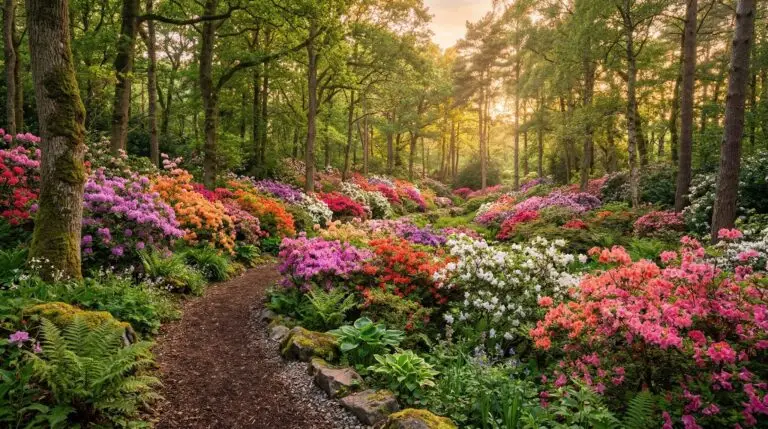
Azalea garden design ideas for a breathtaking spring landscape under trees
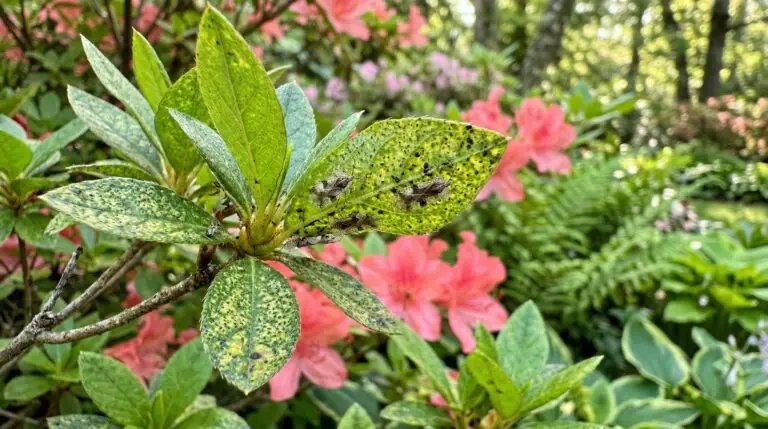
Common azalea pests and diseases and organic methods to control them
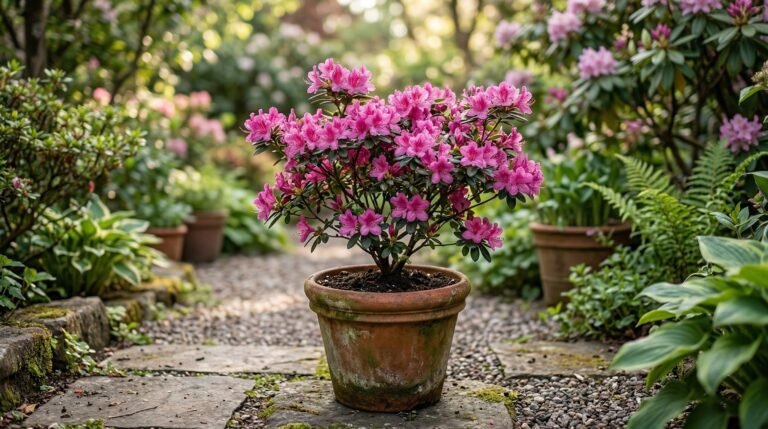
How to grow azaleas in containers for stunning patio and entryway displays
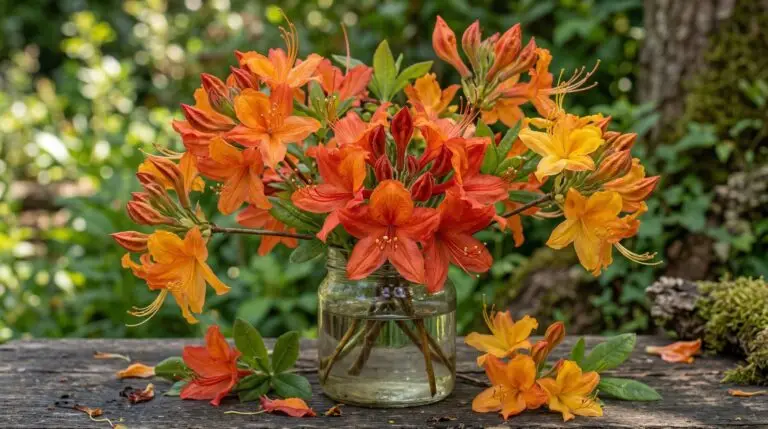
Native azaleas of North America and how to grow these fragrant wild beauties
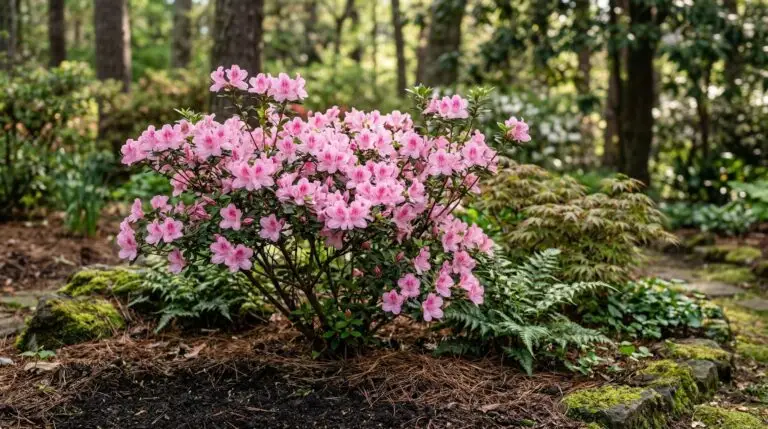
Growing azaleas in acidic soil and how to lower soil pH naturally
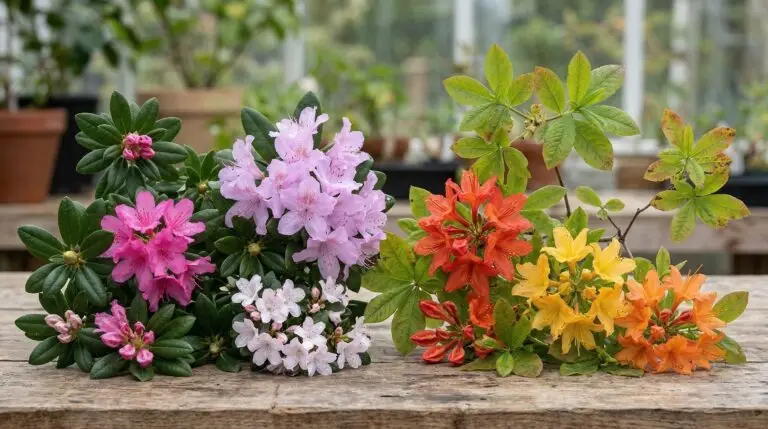
How to choose the right azalea variety for your garden soil and climate
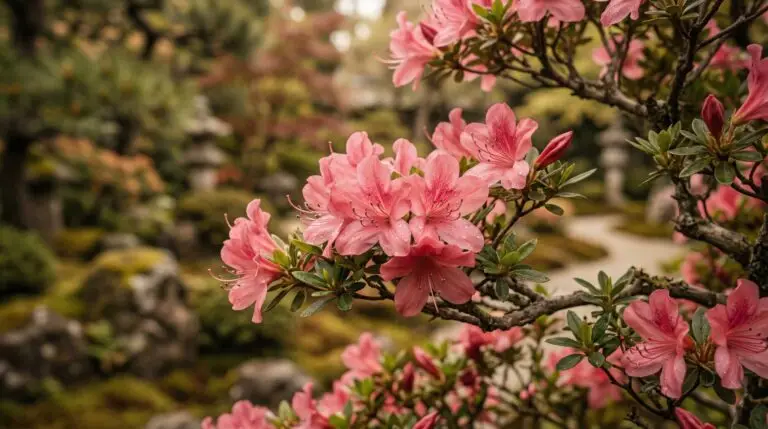
Azalea flower meaning and their place in Japanese garden culture and symbolism
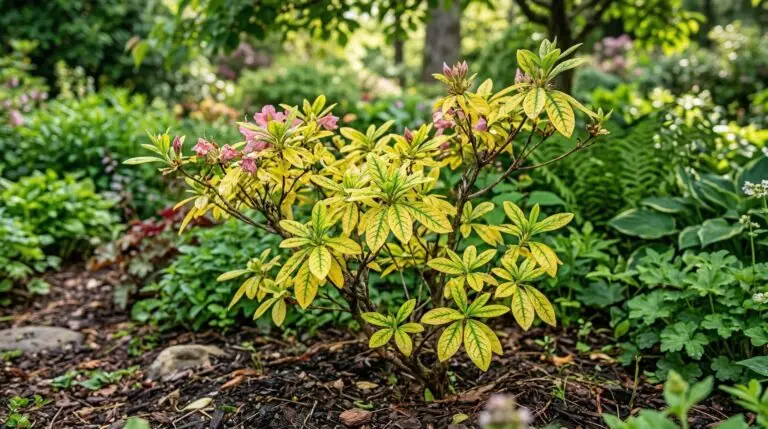
Why azalea leaves are turning brown or yellow and how to save your shrub
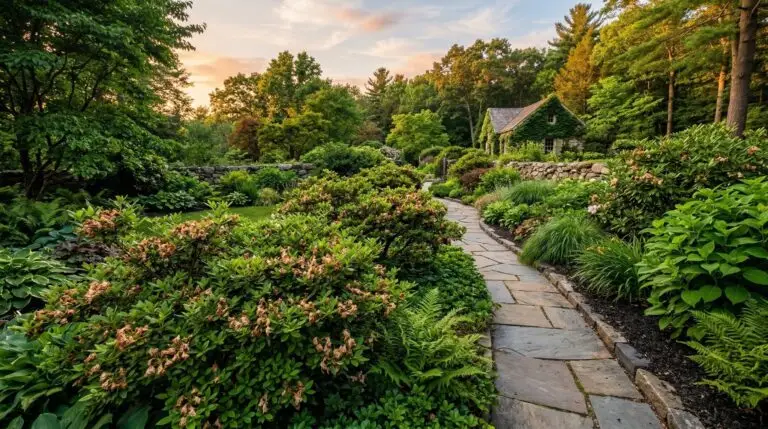
How to prune azaleas at the right time without cutting off next year’s flowers
Enjoying our flower guides? Add YourFlowersGuide as a preferred source on Google. It helps more readers find us.
Add to Preferred Sources