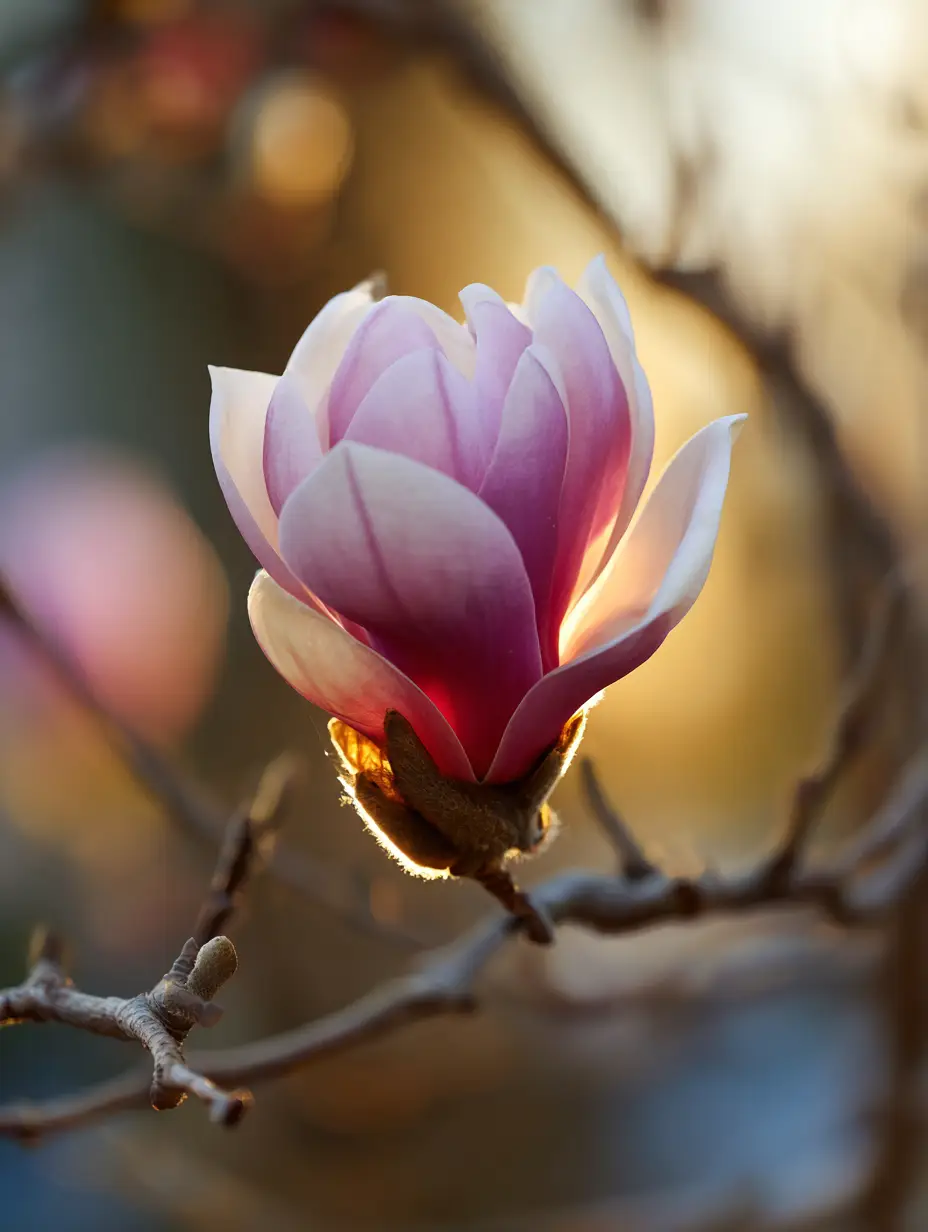
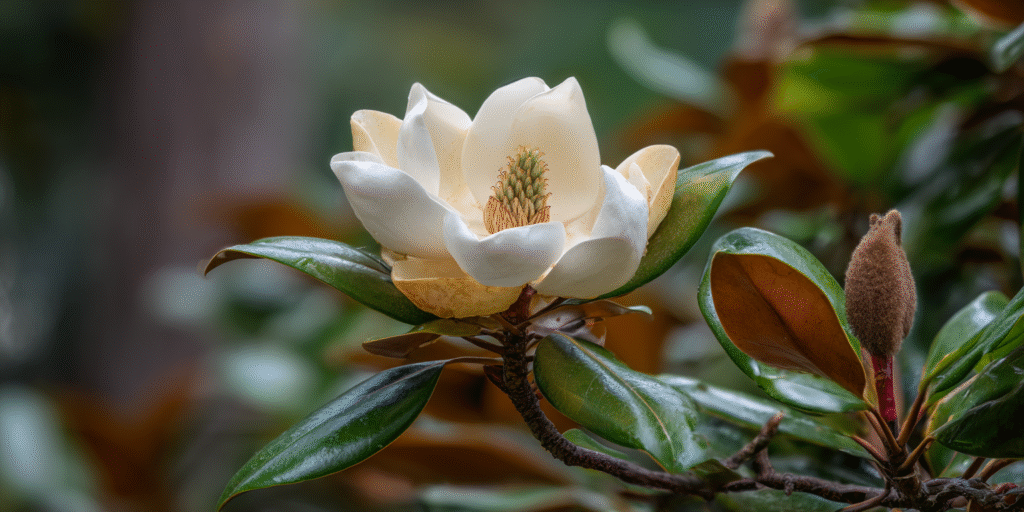
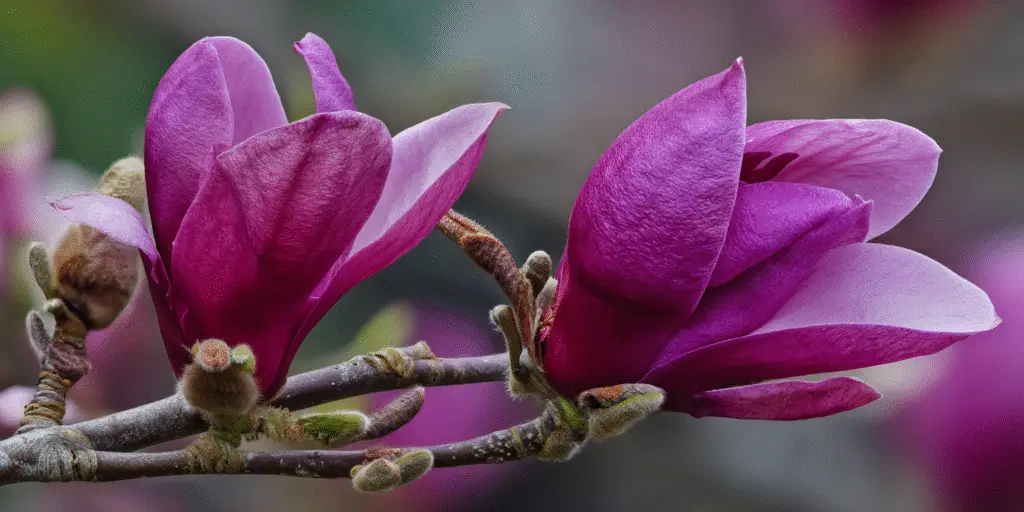
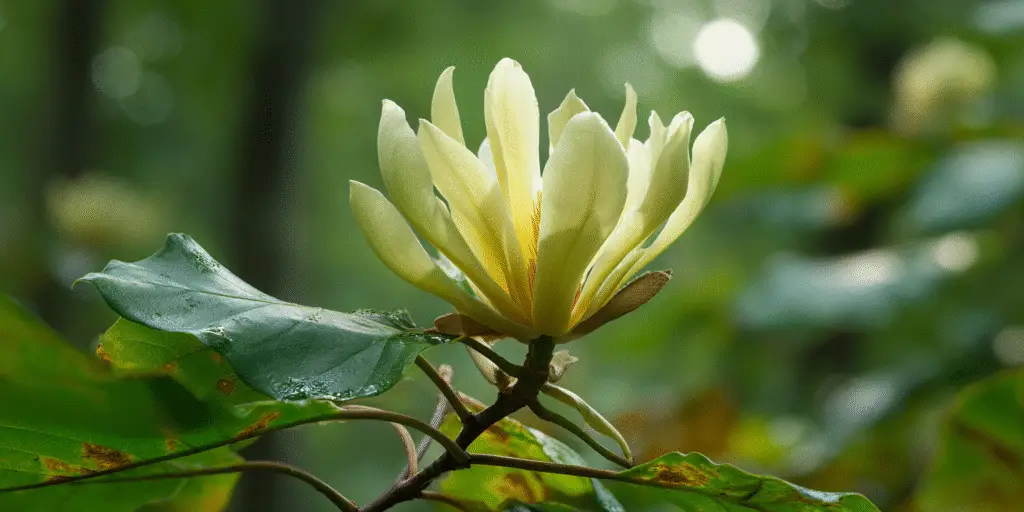
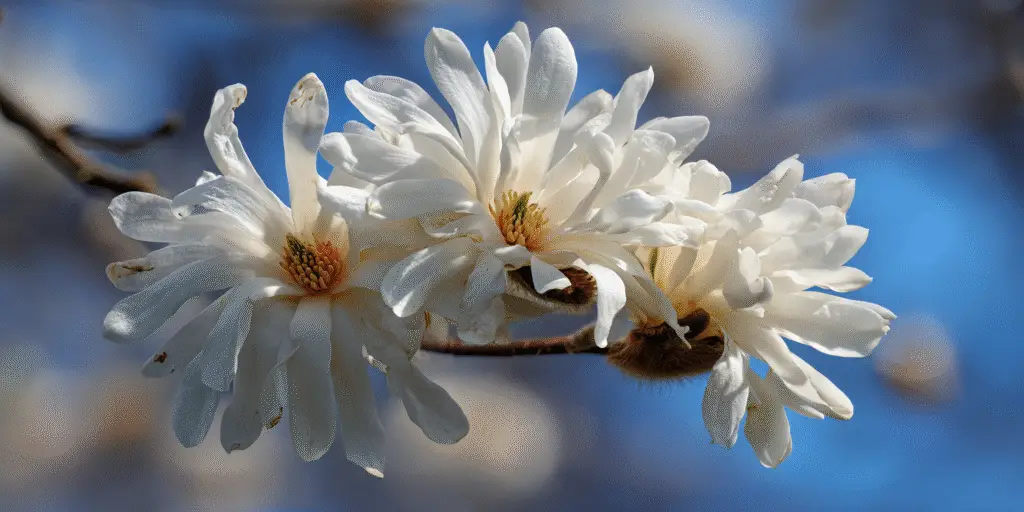
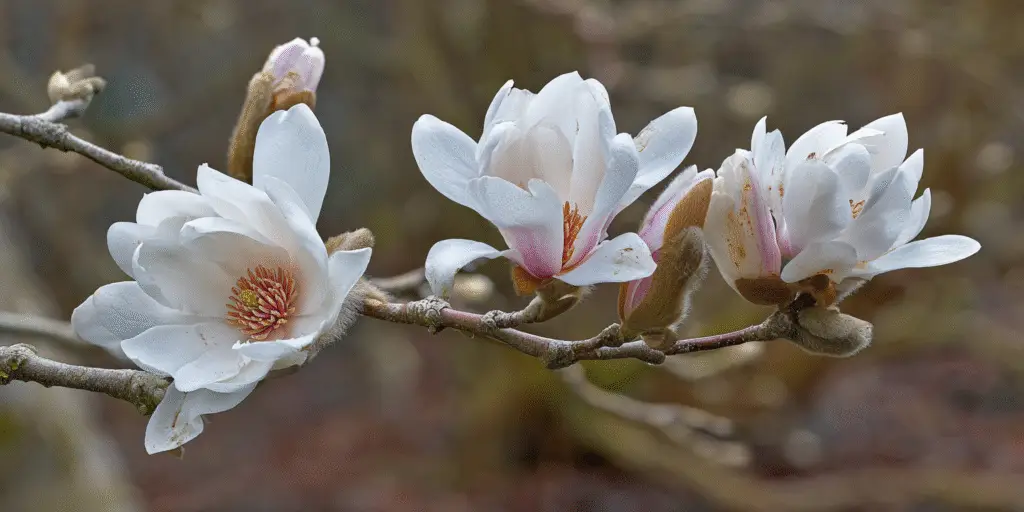
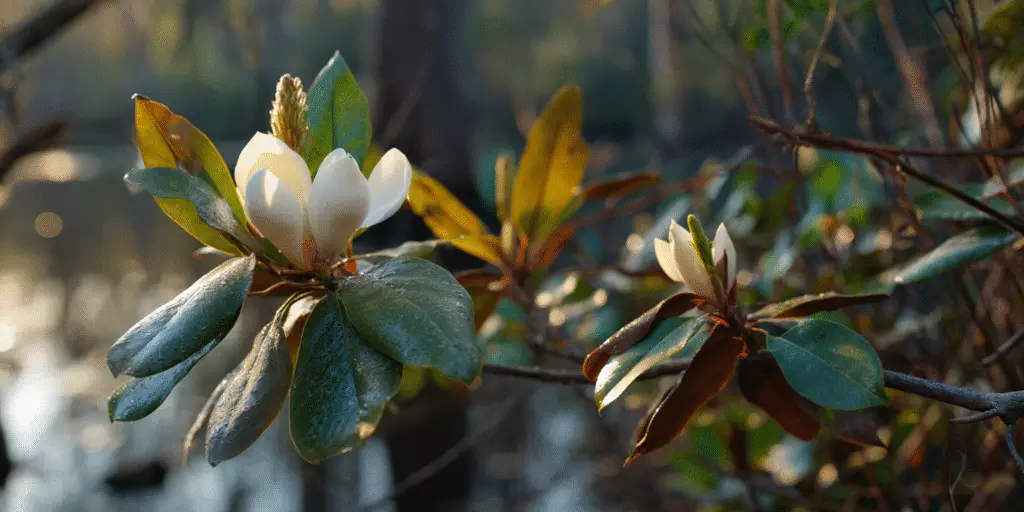

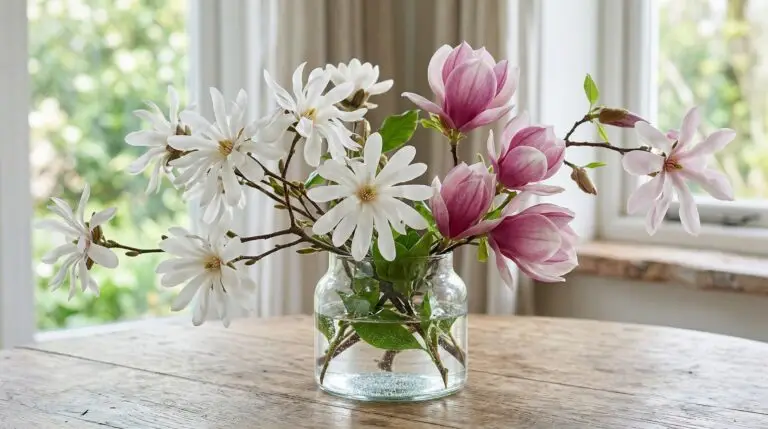
Magnolia bloom time across the US
Interactive map
 See the interactive map
Drag the date and the bloom moves north across the country. Every point has its own window, and the map says where it has no records rather than guessing. Free, with nothing to sign up for. Open the magnolia map.
City by city
Typical window, earliest first. Cultivars of the same flower can open days or weeks apart.
Taxonomy and origin
Magnolia belongs to the family Magnoliaceae, and the genus takes its name from the seventeenth-century French botanist Pierre Magnol. It is one of the oldest lineages of flowering plants, with a fossil record reaching back more than 100 million years to the Cretaceous, which means magnolias were already blooming before bees existed. Their flowers evolved for the pollinators of that ancient world, beetles, and the thick, waxy build of a magnolia bloom is thought to withstand the chewing and clambering of those clumsy visitors. What look like petals are technically tepals, since a magnolia does not separate its petals from its sepals the way most later flowers do, and after pollination the center hardens into a cone-like fruit that splits open to show bright red seeds. The genus holds more than 200 species scattered across a curiously broken range, growing wild in eastern North America, Central and South America, and across East and Southeast Asia, a split that traces back to continents that were once joined.
Before choosing one, it helps to know that magnolia divides into two broad camps that behave like different plants. Deciduous magnolias drop their leaves each fall and flower early, often on bare wood, while evergreen magnolias keep their foliage and bloom later. The table below sorts the types a buyer is most likely to meet.
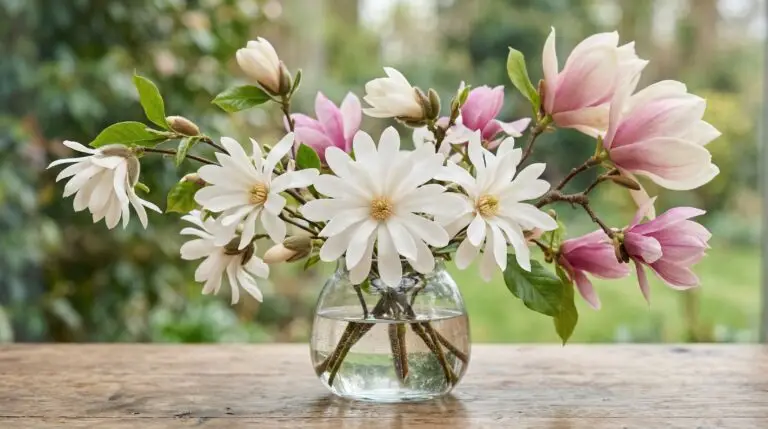
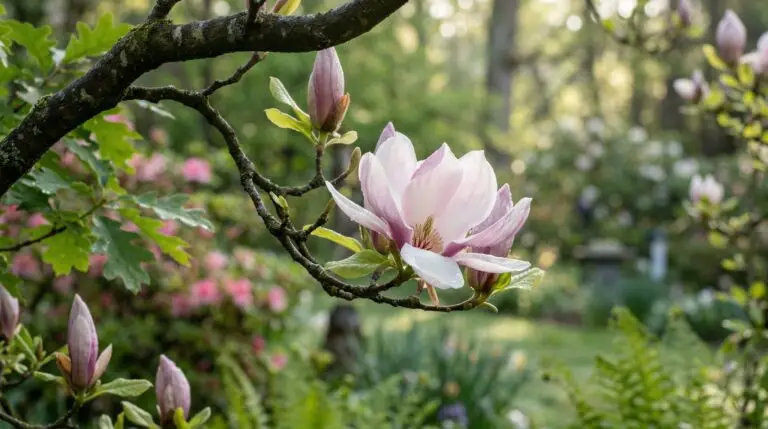
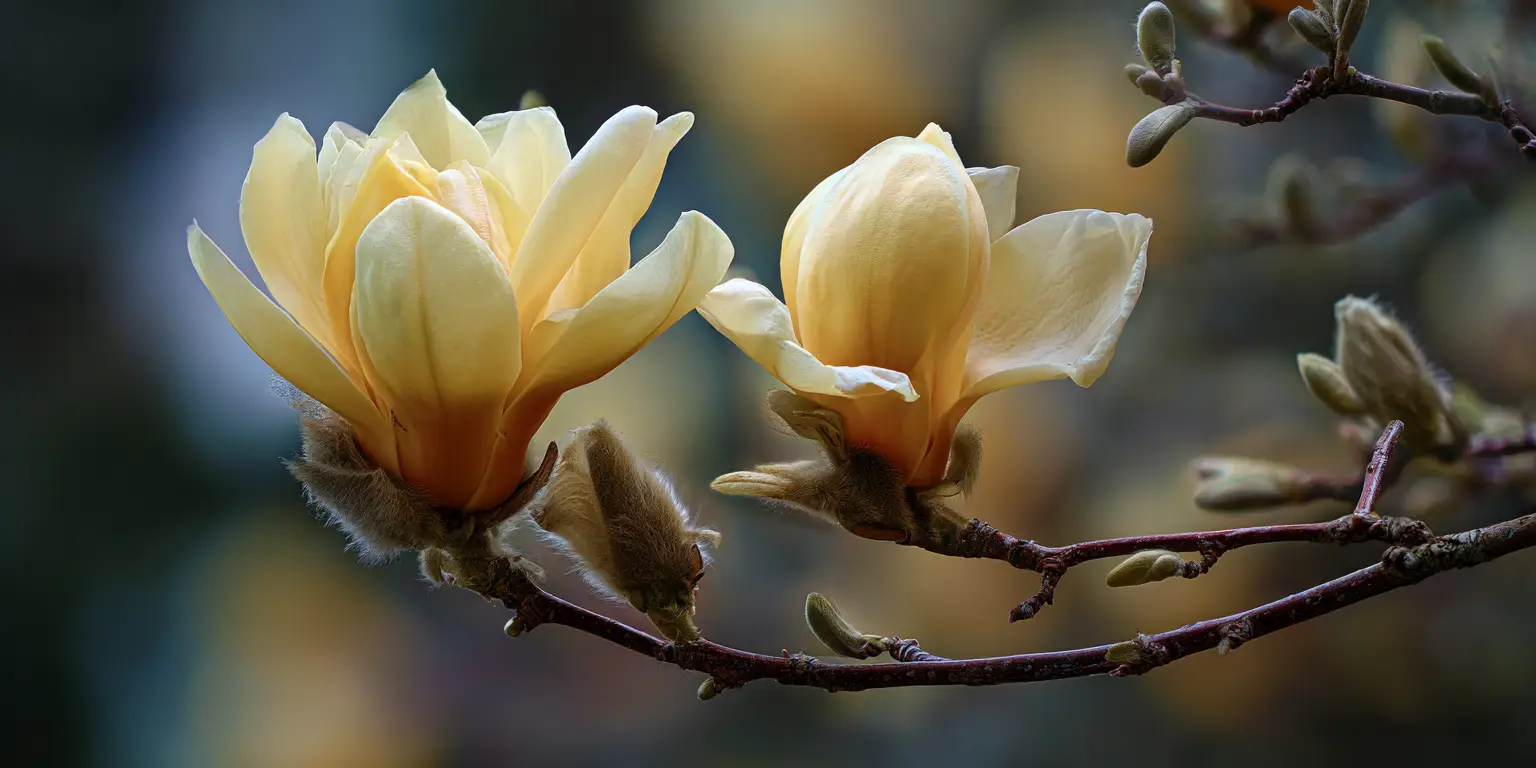
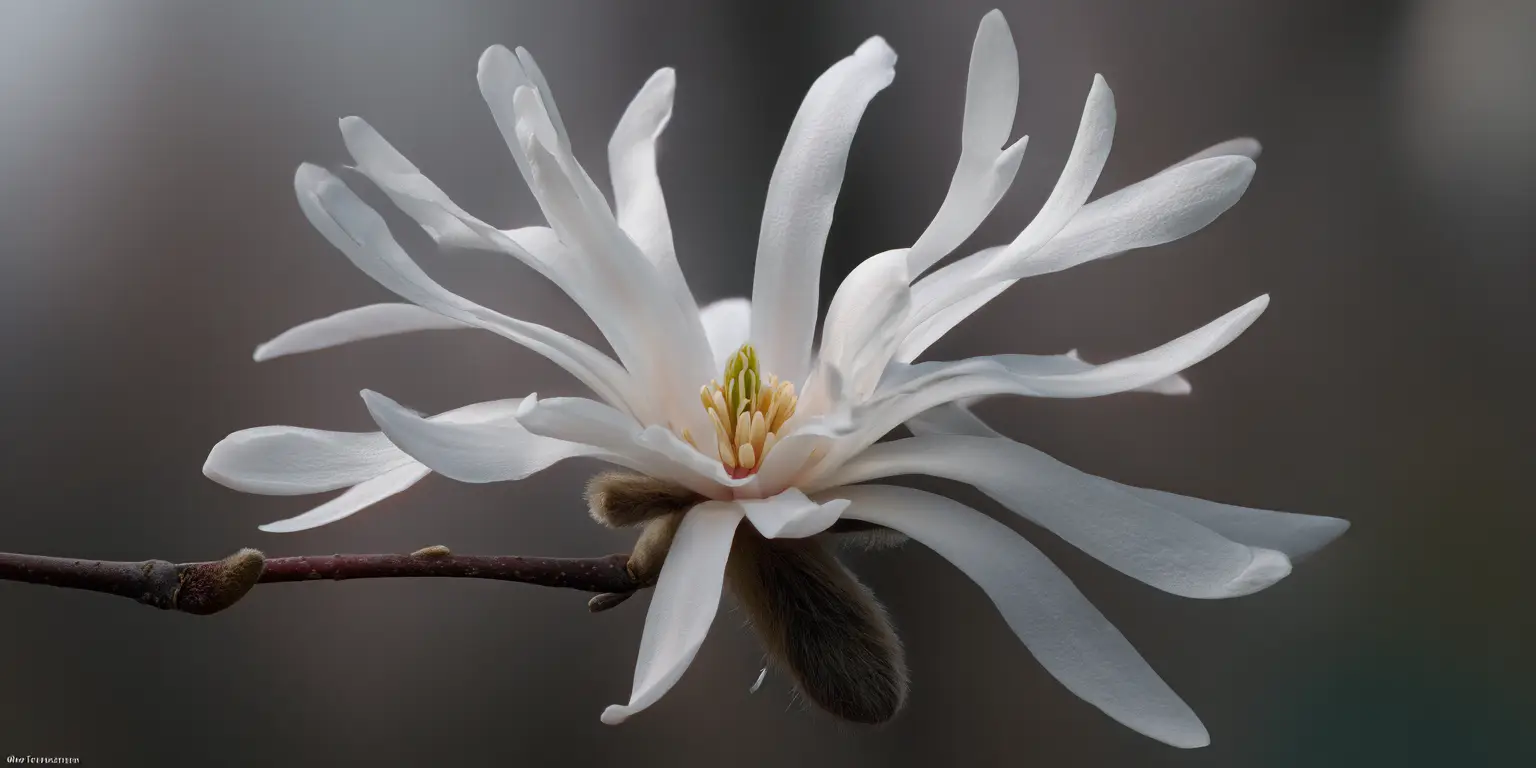
The practical takeaway is short. For a small yard, the earliest flowers, and dependable cold hardiness, a deciduous star or saucer magnolia is the pick. For a large glossy tree that keeps its leaves and perfumes a summer evening in a warm climate, the Southern magnolia is the classic, provided there is room for something that can top 60 feet. Sweetbay bridges the two, tolerating wet ground and staying semi-evergreen where winters are mild. Color follows the type as well: star runs white, saucer pink and purple, lily magnolia deep purple, and the cucumbertree and its hybrids carry the only clear yellows, seen in cultivars such as 'Elizabeth' and 'Butterflies'. There is no true blue or true red magnolia, and unlike bigleaf hydrangea, whose color shifts with soil pH, a magnolia's bloom color is fixed by genetics and will not change with the ground it grows in.
Bloom time
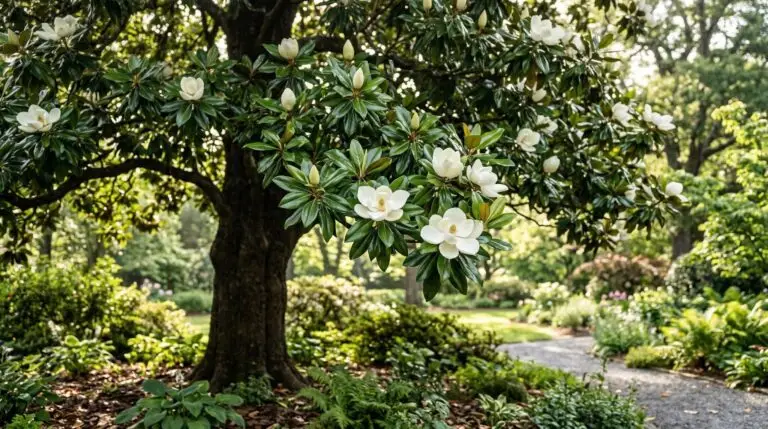
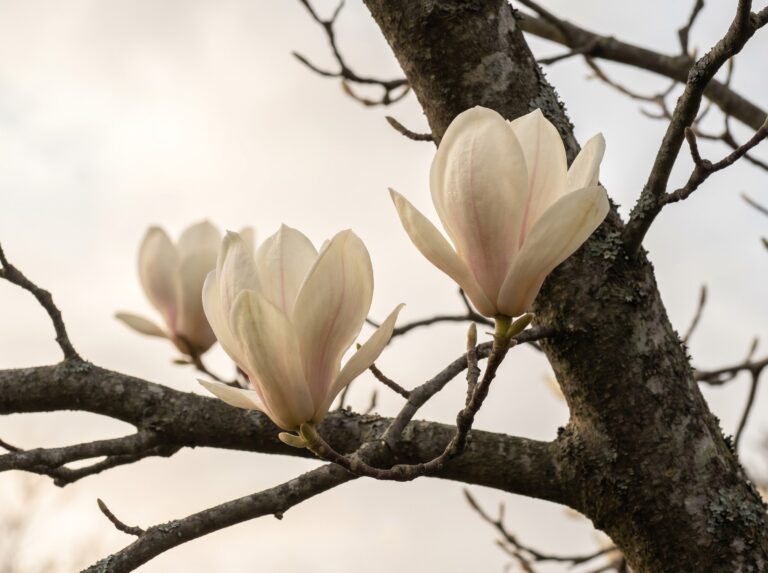
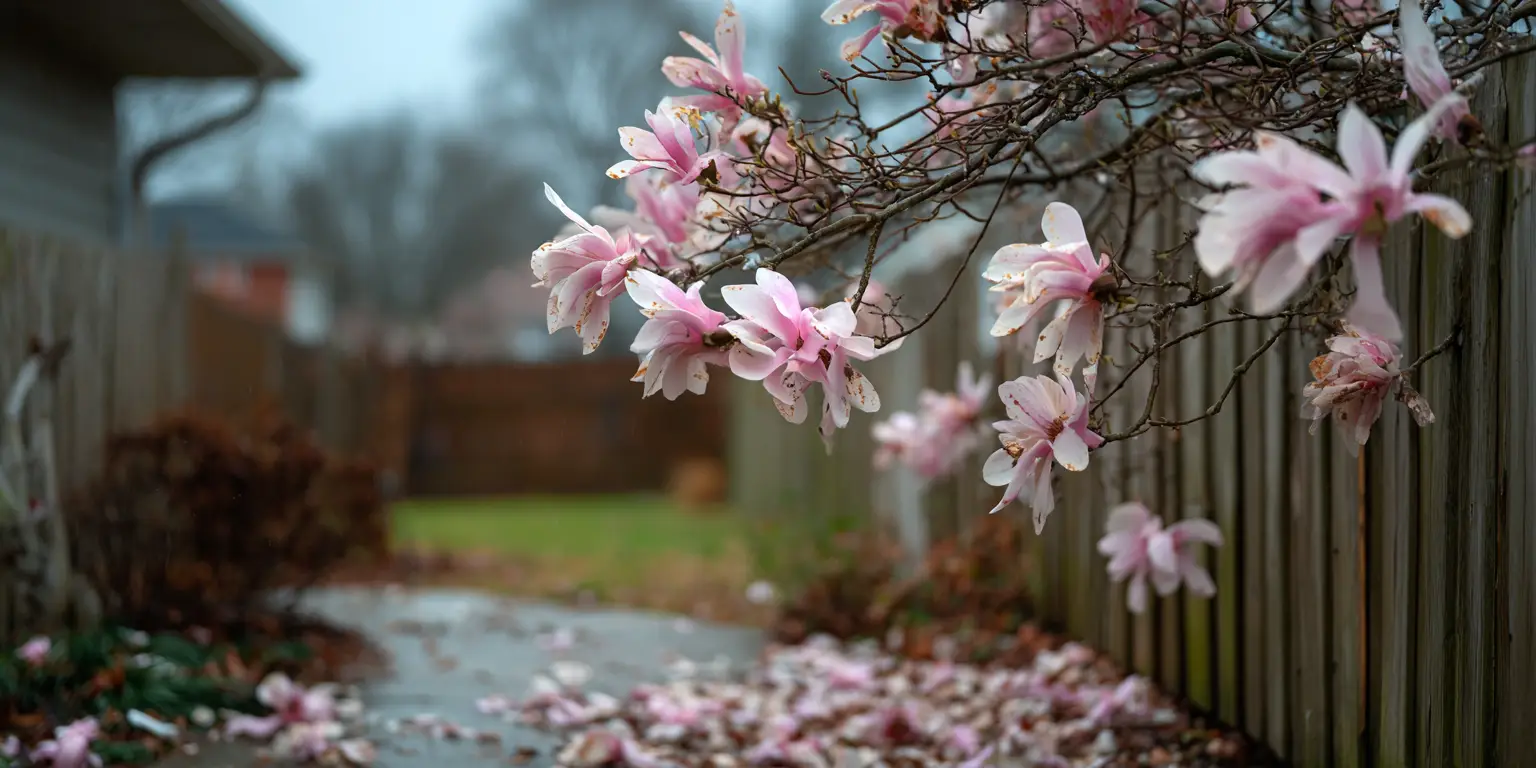
Most magnolias flower in spring, but exactly when depends entirely on the type, and that timing is the source of the plant's one real heartbreak. Deciduous magnolias bloom early and on bare wood, before a single leaf opens. Star magnolia can break bud in late winter, sometimes February in mild areas, and saucer magnolia follows in March or April with its large pink and purple cups. That early show is the whole appeal, and also the risk. A hard late frost can turn a tree full of open or swelling blooms brown overnight, and there is nothing to do afterward but wait for the next year. Evergreen magnolias sidestep the problem by flowering much later. The Southern magnolia holds off until it has leafed out and then opens its creamy, dinner-plate blossoms from late spring through summer, well past frost danger. Each individual magnolia flower lasts only about a week, but a healthy tree opens its buds in waves, so the overall display stretches across several weeks. Planting an early bloomer where spring weather swings wildly is a gamble, while a later-flowering type, or a sheltered site, tilts the odds back in your favor.
When a magnolia refuses to bloom at all, the cause is usually one of a short list. The most common is simple youth: a seed-grown magnolia can take five to ten years or longer to reach flowering age, and even a nursery tree needs a season or two to settle in. Too much shade is the next suspect, since flower buds need sun to form. Pruning at the wrong time follows close behind, because magnolias set next spring's buds on the current year's growth by late summer, so cutting in fall or winter quietly removes the coming flowers. Heavy feeding with a high-nitrogen lawn fertilizer pushes leafy growth at the expense of blooms, and, as above, a late frost can destroy buds that formed perfectly well. Rule those out, give the tree sun and time, and the flowers follow.
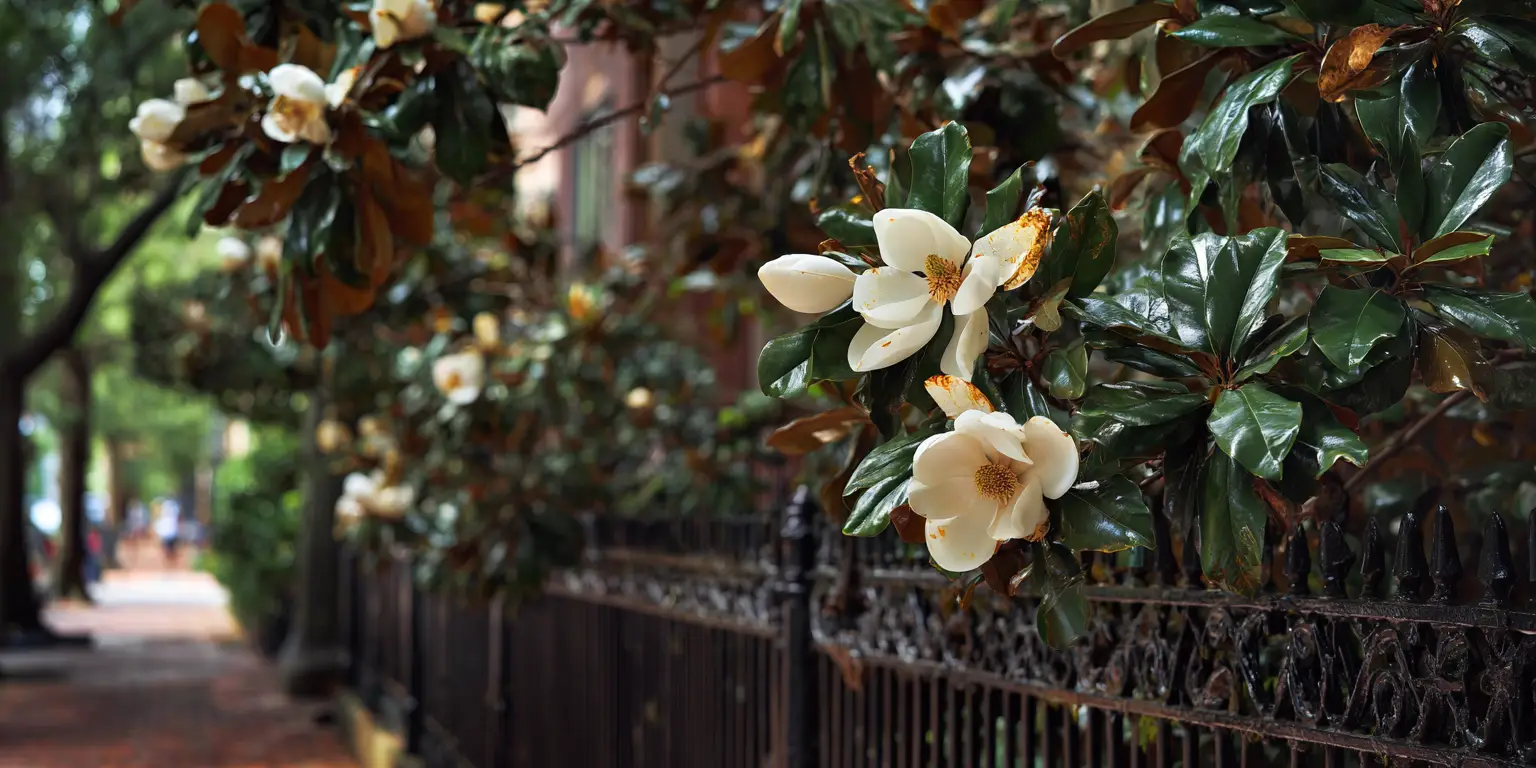
Sorted by bloom date, because that is what the frost decides
The same seven types a buyer chooses between, arranged by the one variable that decides whether the flowers survive: how early they open. NC State Extension's own species pages name the frost exposure of the early types in plain language, and the late-flowering group at the centre of this grid is a documented U.S. National Arboretum breeding programme rather than a marketing phrase.
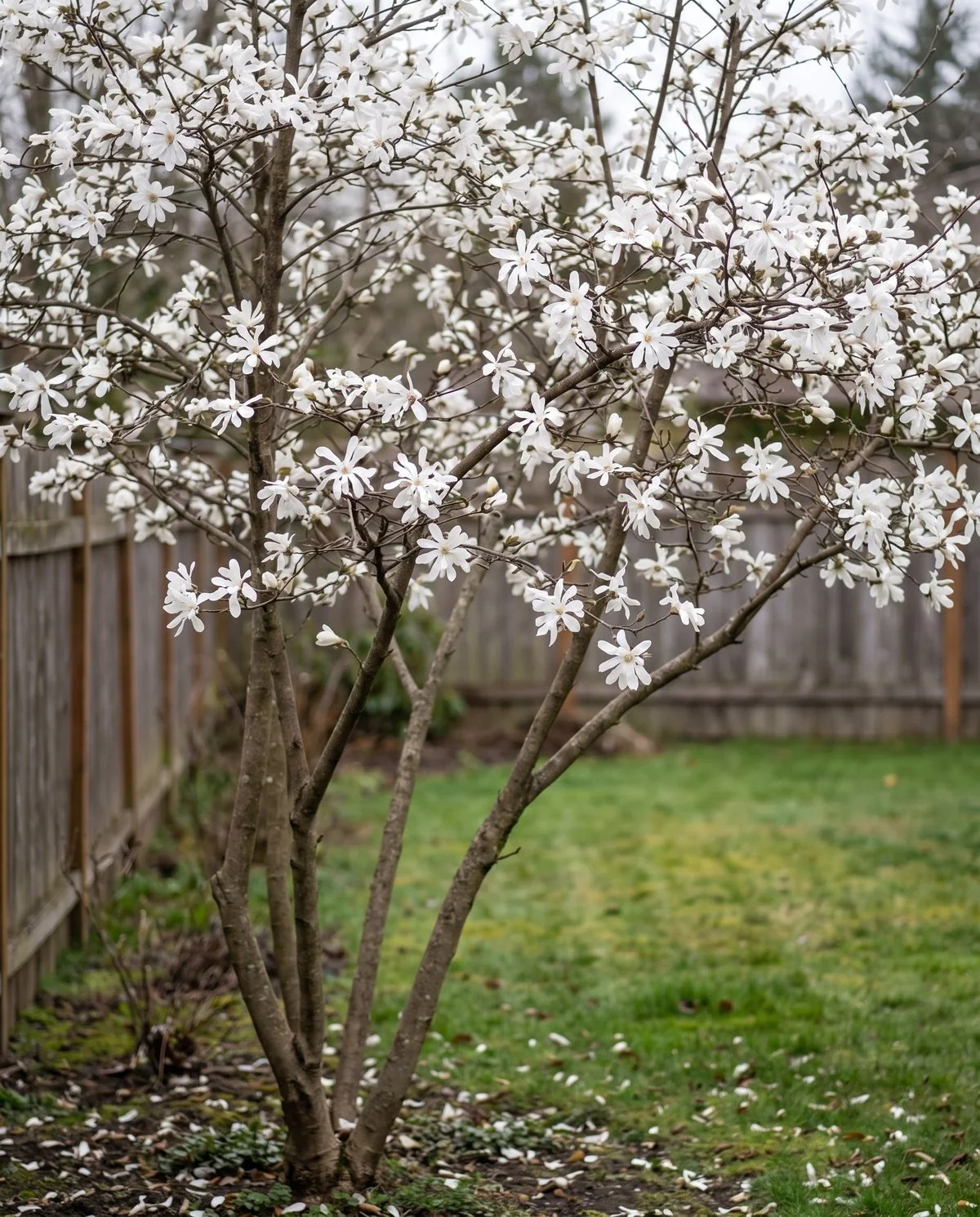
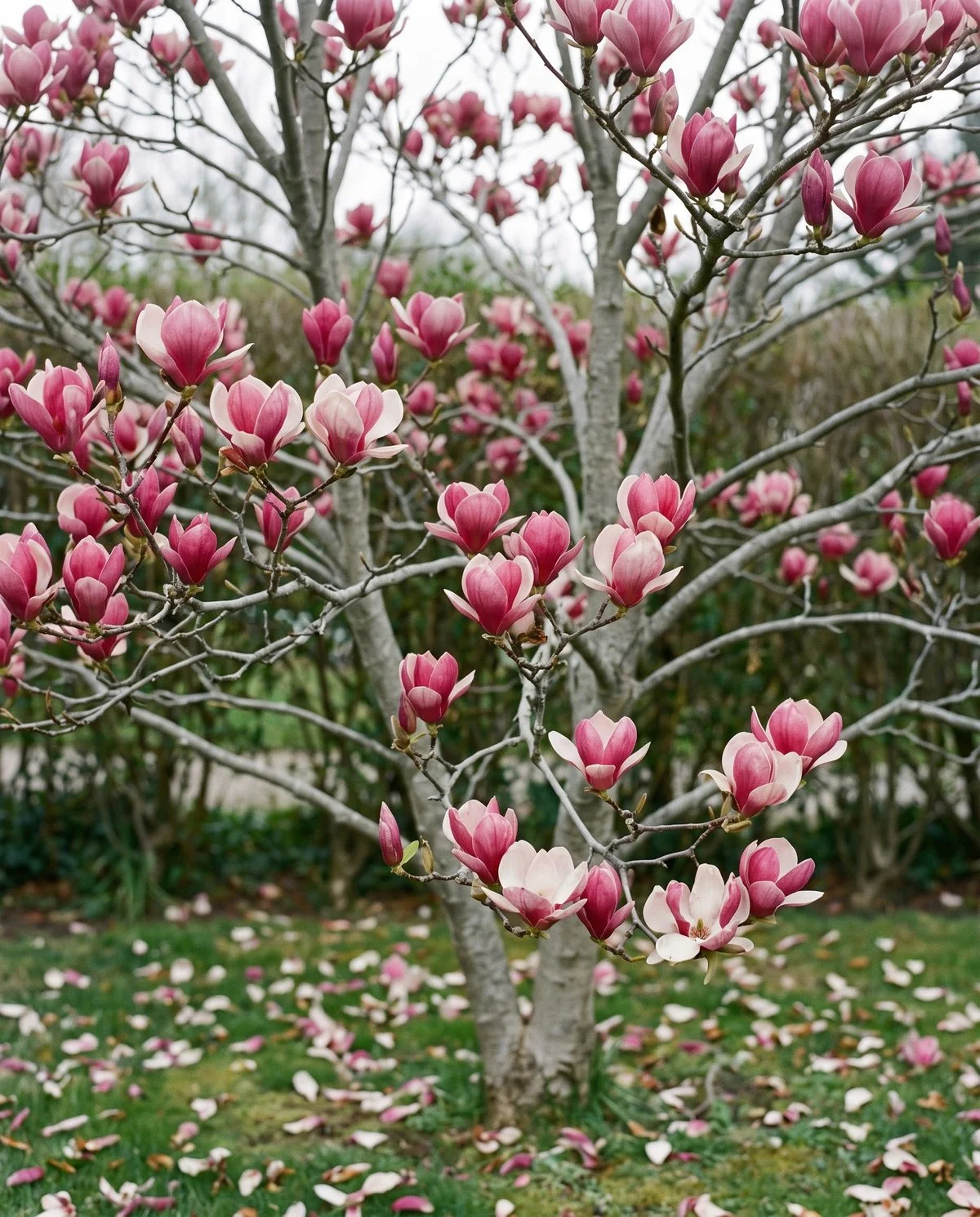
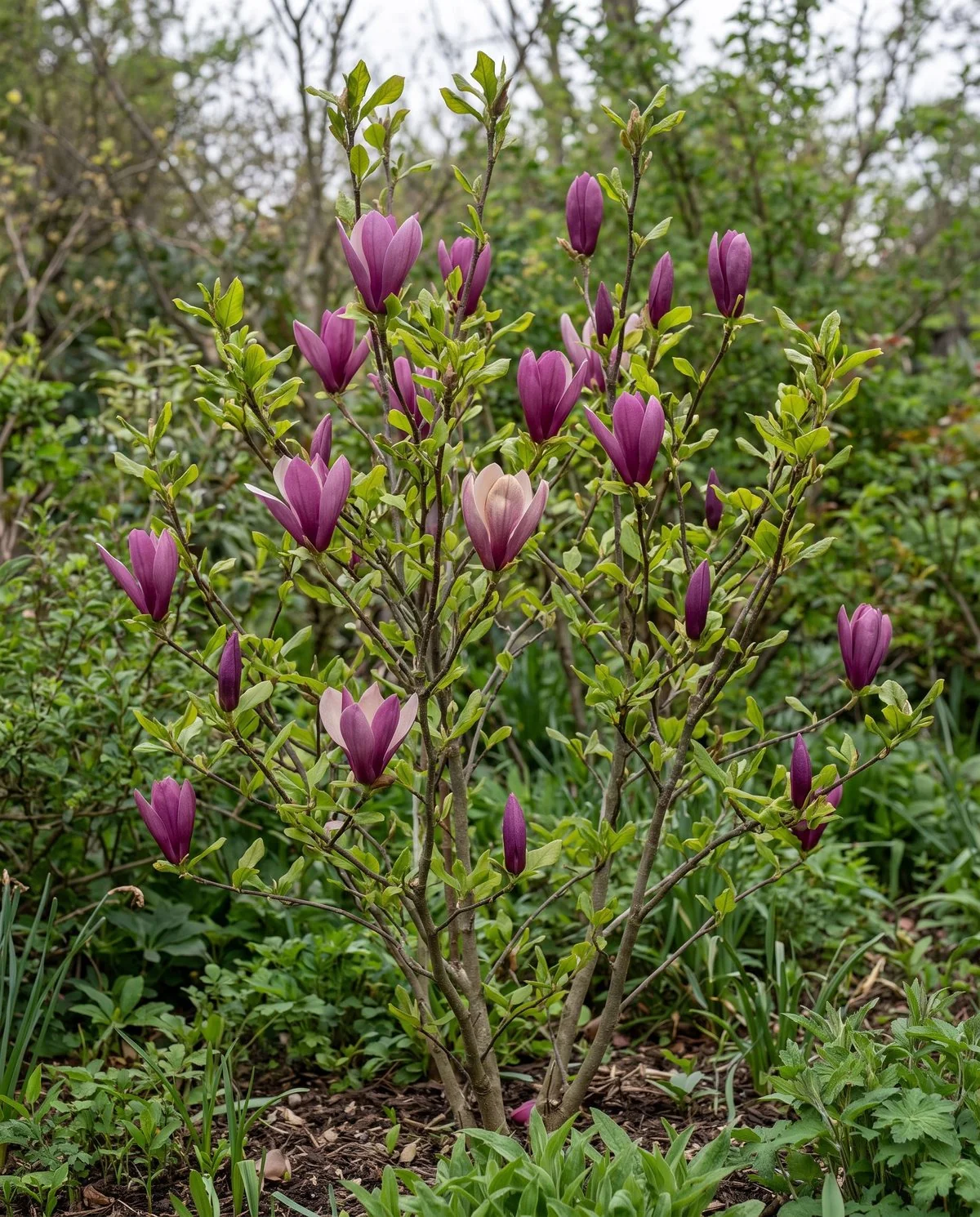
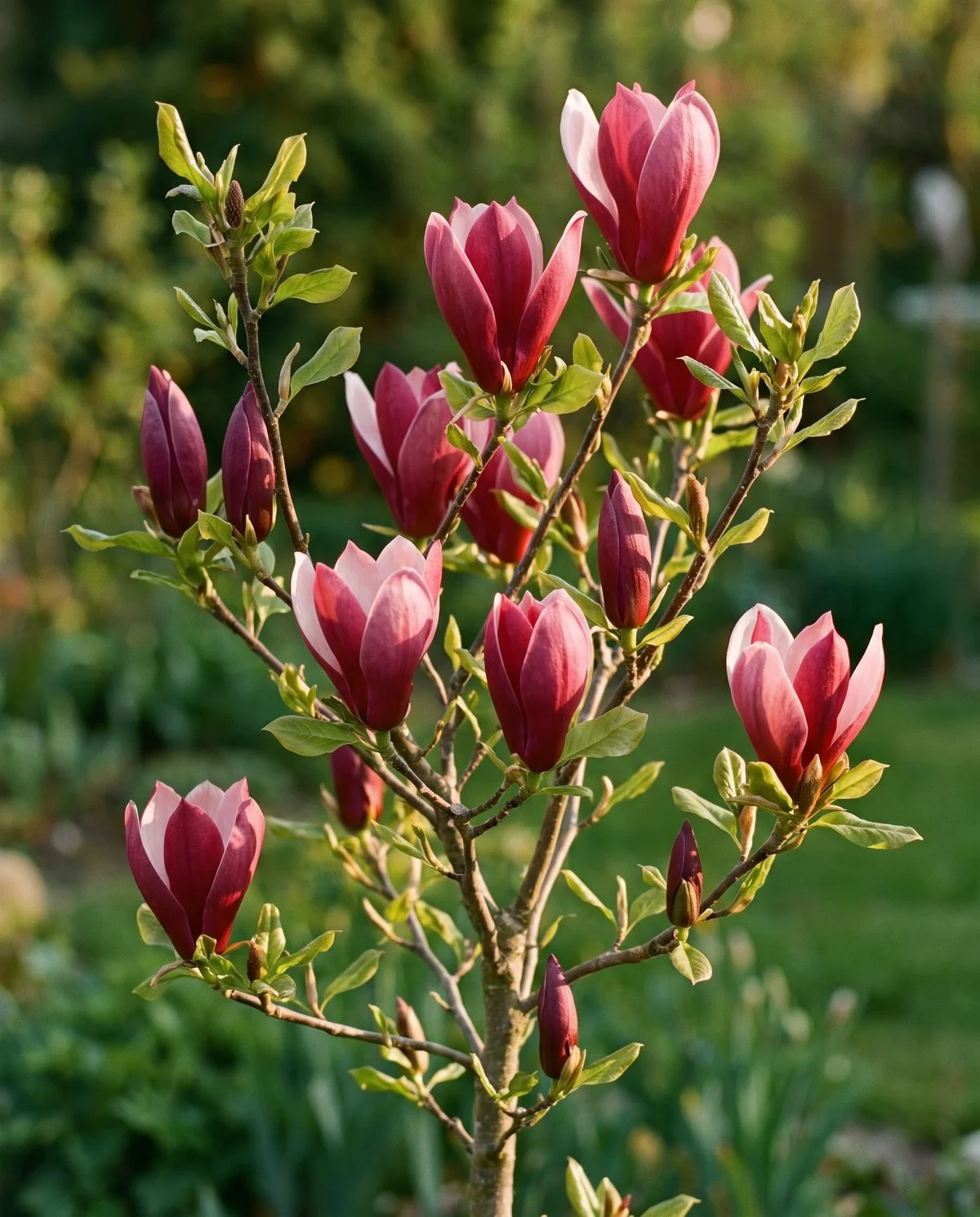
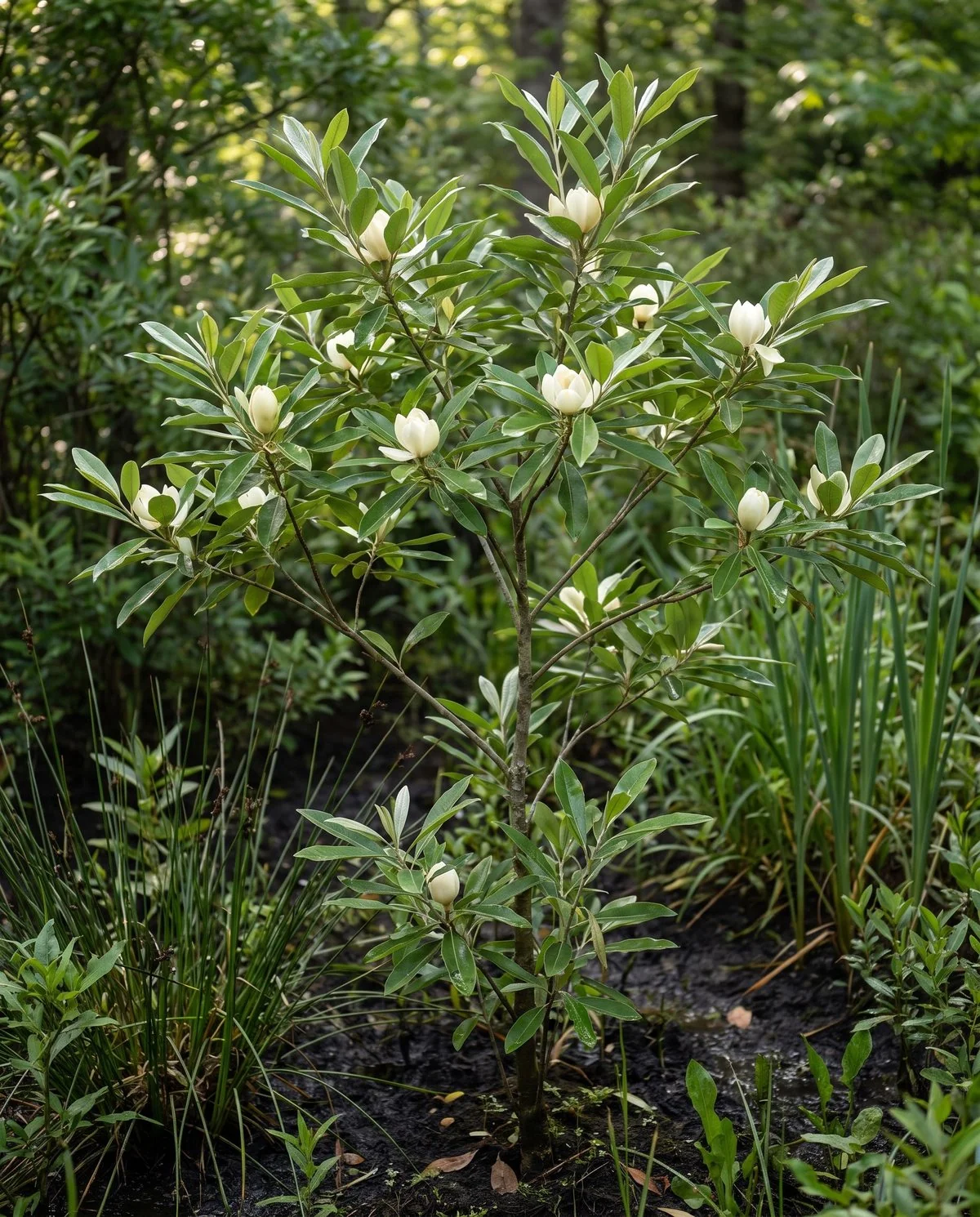
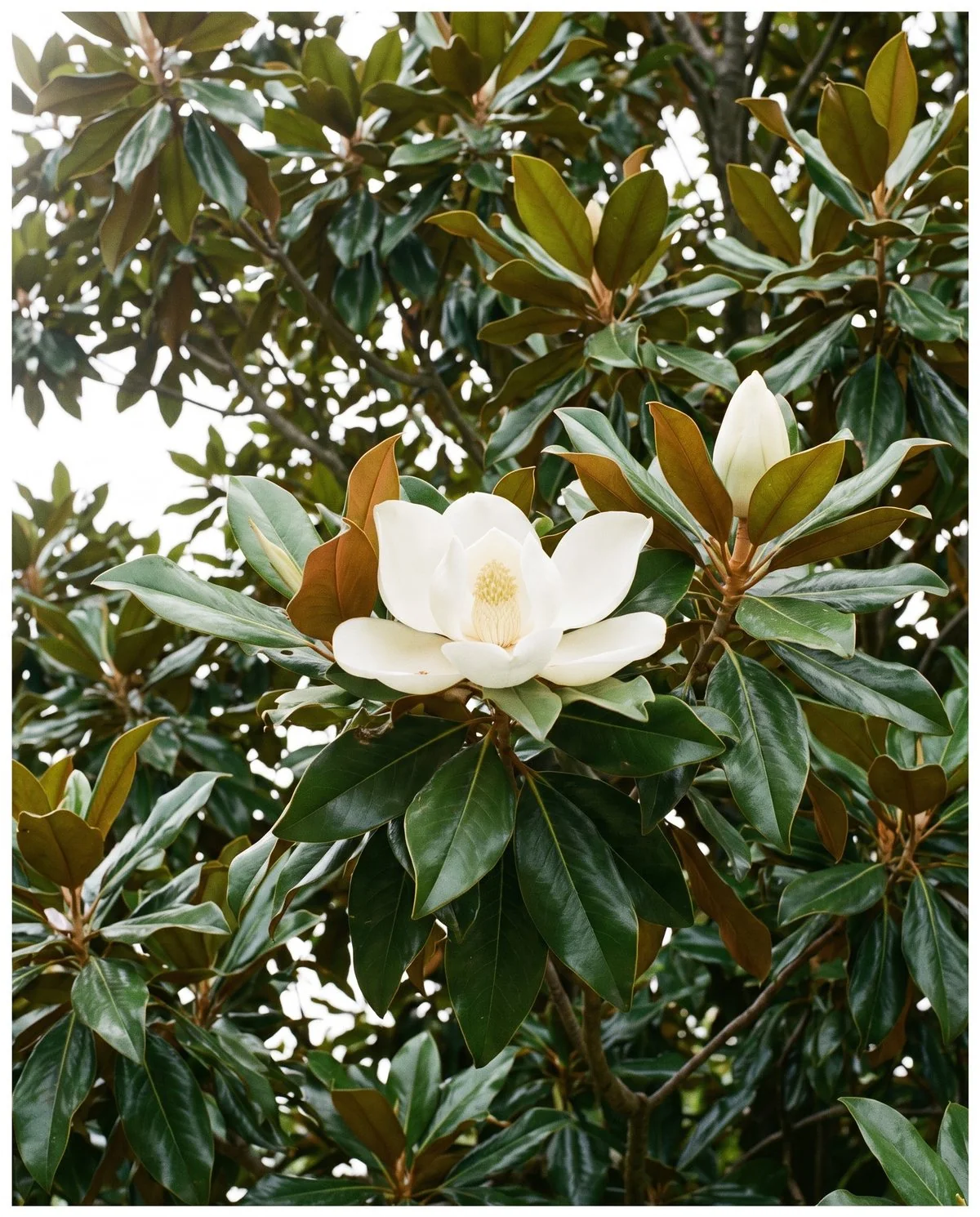
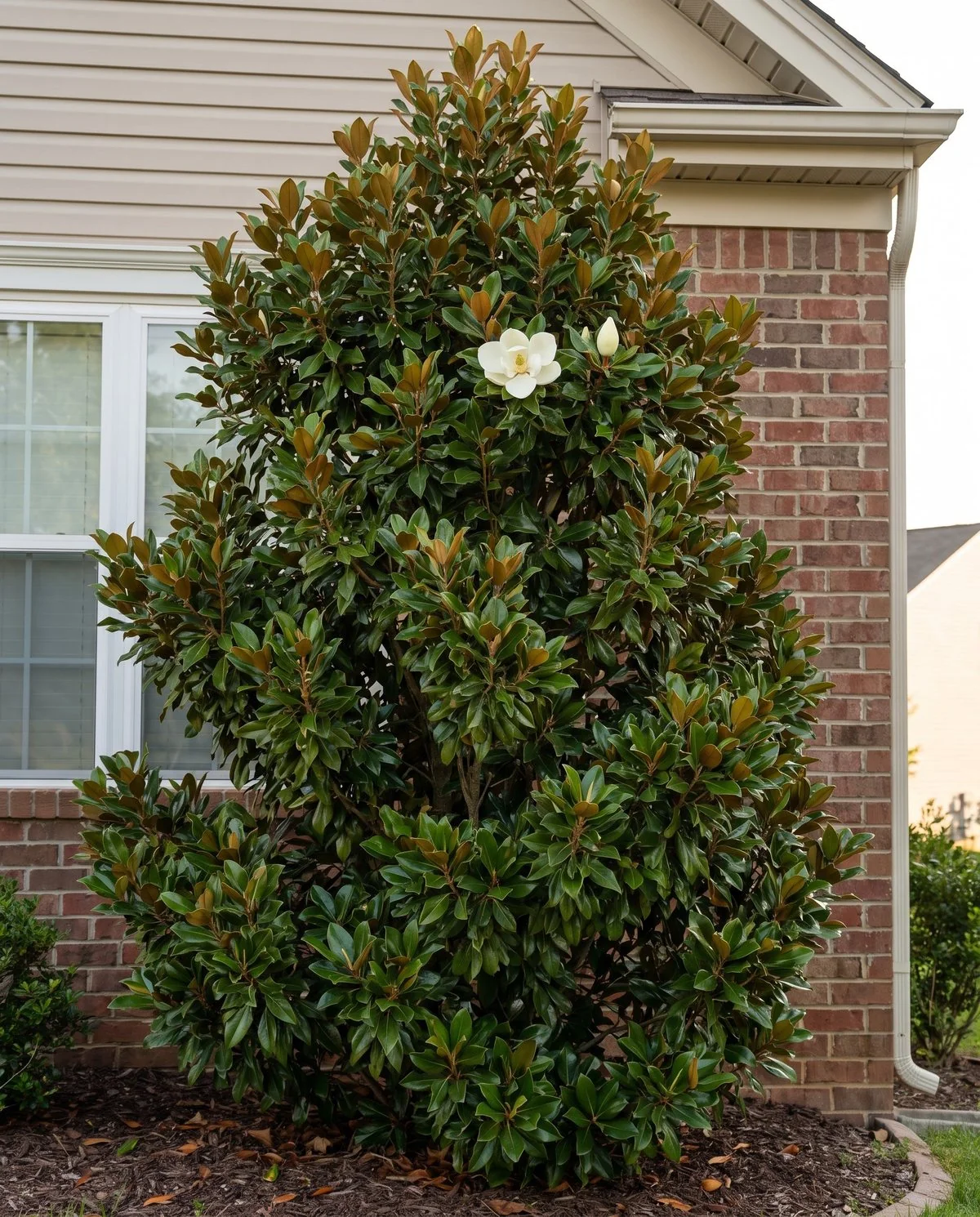
Two figures for the same hybrids circulate and this grid uses only the one its primary source states in those terms. The University of Arkansas Extension restatement of the U.S. National Arboretum record puts the Little Girl delay at 7 to 10 days; a looser 2 to 4 weeks recurs in secondary garden writing and almost certainly conflates that delay with a separate fact from the same document, that the M. liliiflora parent species itself blooms two to three weeks later than the star magnolia. Siting stacks on top of genetics: the same source records that a north or east facing exposure slows blooming a further 5 to 7 days, while NC State warns that a warm south facing wall does the reverse and pulls buds open early. One more figure from the breeding record is worth keeping for scale, since it explains why late-flowering magnolias were slow to reach garden centres at all: the first crosses were made in 1955 and 1956, the first flowers did not appear for seven years, and it was 15 years before they became generally available. A UF/IFAS Extension post reporting Daybreak, Jane, Betty, Jon Jon and Ann as the five latest-blooming magnolias over more than 10 years of observation is consistent with the record above for Jane, Betty and Ann, but its original URL no longer resolves and Daybreak and Jon Jon are not confirmed members of the eight-cultivar series, so they are named here as separately bred late selections rather than folded into it. The cucumbertree magnolia is left out of this grid because NC State's own verdict makes it a large native shade tree rather than a flower-garden choice.
Height and spread
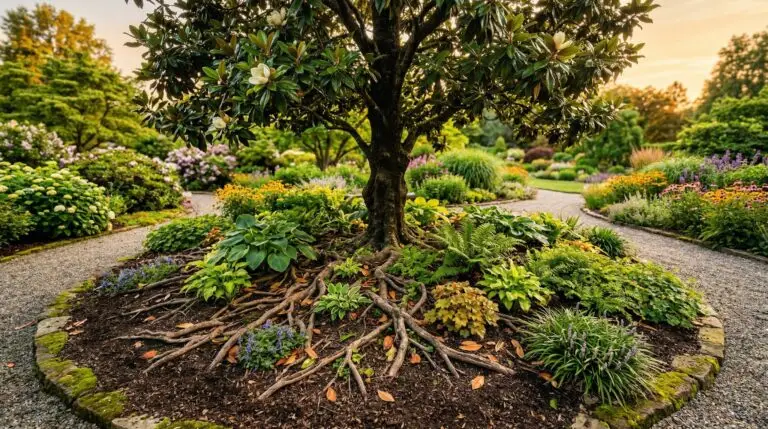
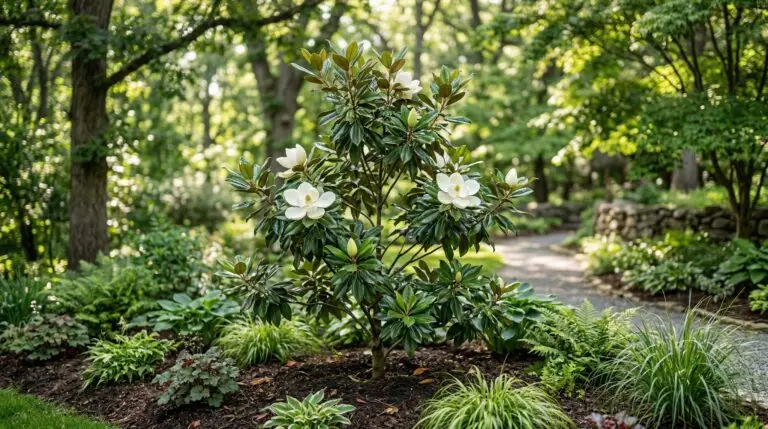
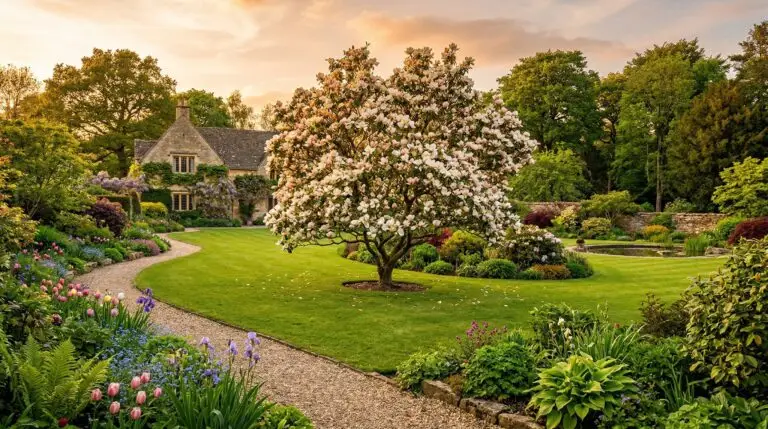
Magnolias range from large shrubs to forest giants, so the mature size of your specific type matters more than almost any other detail. A star magnolia stays around 10 to 20 feet and can be grown as a multi-stemmed shrub, at home in a small garden. Saucer magnolia and similar deciduous hybrids form small trees of roughly 20 to 30 feet with a broad, spreading crown, the right scale for a suburban front yard. At the far end, the Southern magnolia becomes a true shade tree, commonly 60 to 80 feet tall with a crown 30 to 40 feet across, and the cucumbertree magnolia reaches nearly as high. Growth is moderate rather than fast, usually a foot or two of height a year, so patience is part of the deal. The detail that catches people out lies underground. Magnolias have wide, shallow, somewhat fleshy roots that spread well past the edge of the canopy, which is why they resent being transplanted and why they should never go tight against a foundation, driveway, or walk. Give a magnolia room for its full size above and below ground, set it at least 10 to 15 feet from any structure, and treat the spot as permanent, because a magnolia is far happier left where it started than dug up and moved.
Light
Magnolias flower best in full sun and tolerate light shade, so the target is a spot with roughly six to eight hours of direct light a day. Sun drives bud formation, and a magnolia in the open carries more blooms, and larger ones, than the same tree in a shadowed corner. The exception is heat. In the Deep South and the hot Southwest, a little afternoon shade spares the flowers and foliage from scorching on the most brutal days, so morning sun with dappled relief later is ideal there. What magnolias will not accept is deep shade. Planted under a dense canopy or on the permanently sunless side of a building, a magnolia grows thin and sparse and flowers barely if at all. Wind belongs in the calculation too, because magnolia wood is brittle and the branches snap in a gale, and a strong gust can strip the blossoms off an early bloomer, so a site with good sun and some shelter from the prevailing wind gives the best of both.
Water
Magnolias want steady moisture, especially while they are getting established and through hot, dry stretches. The soil should stay evenly damp, something like a wrung-out sponge, never bone dry and never waterlogged. For a young tree, a deep soaking once or twice a week when rain is short does far more good than frequent light sprinkles, because it draws the roots downward and builds a plant that copes better with drought later. A layer of mulch two to four inches deep over the root zone is one of the most useful things you can do for a magnolia, holding moisture, keeping the shallow roots cool, and smothering weeds. Pull it back a few inches from the trunk, though, since mulch heaped against the bark traps damp and invites rot. Drainage matters as much as water itself. A magnolia sitting in soggy, low-lying ground is prone to root rot, so on heavy clay it pays to plant slightly high on a low mound or to work in organic matter first. Once a magnolia has been in place a few years it handles ordinary dry spells well, though it still rewards a deep drink during a long drought with better bloom the following spring.
Soil and pH
The ideal magnolia soil is a rich, loamy, well-drained bed on the slightly acidic side, with a pH somewhere around 5.5 to 6.5. That mild acidity keeps iron and other nutrients available, which is why magnolias look so at home in the naturally acidic soils of high-rainfall regions and pine-wood edges, the same ground that suits acid-loving shrubs like camellia. They are adaptable enough to grow in neutral soil, but strongly alkaline ground causes trouble, typically iron chlorosis, where the leaves turn yellow between green veins. Where the soil runs alkaline, working in compost, leaf mold, or peat before planting nudges the pH down and improves the texture at the same time. Magnolias also dislike compaction, so heavy clay is best loosened with plenty of organic matter to open drainage and let air reach those shallow roots. One point is worth clearing up: soil chemistry changes the flower color of some plants, but not this one. A magnolia's bloom color is set by its genetics, so acidic soil keeps the tree healthy and flowering without shifting a white magnolia toward pink or a purple one toward blue.
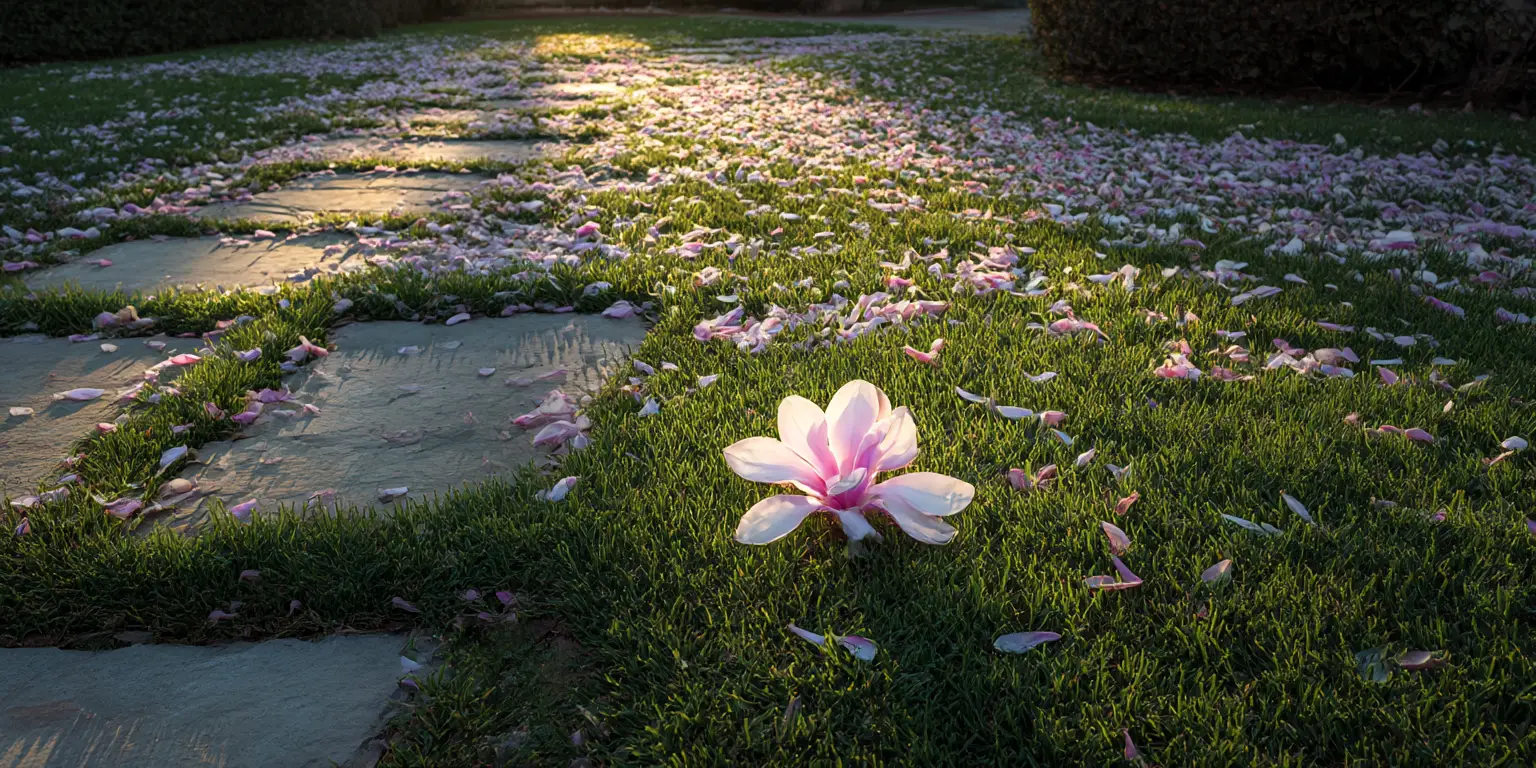
Three claims checked against the sources that actually measured them
Each reality below is attributed to the named institution that published it, and where the sourcing thins out this block says so instead of rounding the claim up into a fact.
The myth: A magnolia cannot be transplanted at all once it is planted.
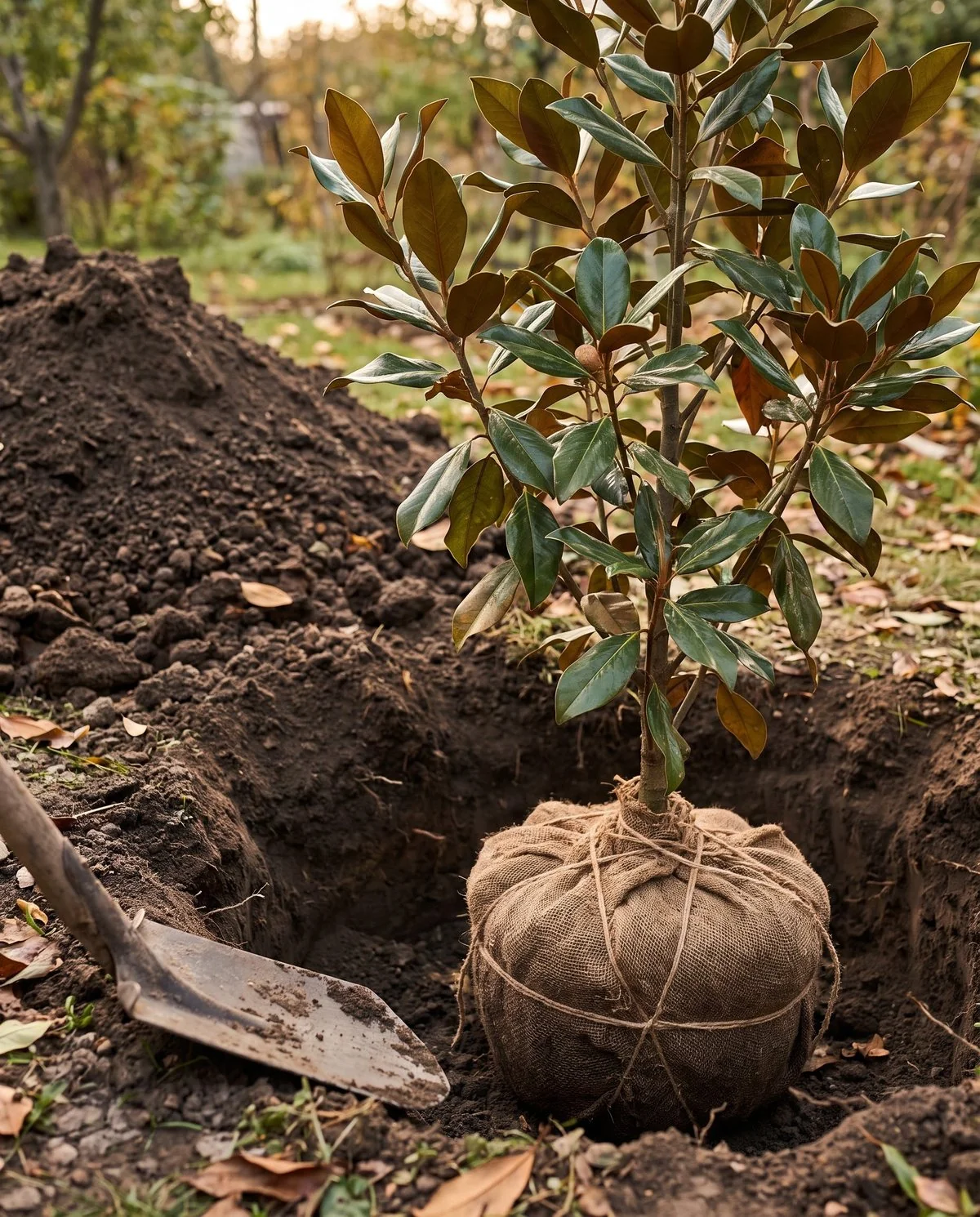
The reality: False as an absolute, true as a real risk that scales with the tree's size and age. Magnolia roots are fleshy and shallow with comparatively few fine feeder roots, so the plant genuinely resents root disturbance more than many trees. But commercial nursery practice contradicts the absolute version directly: UGA CAES and Mississippi State Extension both record balled-and-burlapped southern magnolias being transplanted on a defined seasonal schedule, usually from August to October, and NC State Extension's general planting guidance covers the same balled-and-burlapped technique as standard practice rather than as an exception. The honest rule is a threshold rather than a prohibition. A young tree under roughly 4 inches of trunk diameter, moved during the dormant season with the root ball intact, has a real and manageable chance; a mature, long-established specimen is the case where leaving it alone genuinely applies. Even a successful move carries a named cost, since UGA CAES records transplant shock as common, typically an unusually large leaf drop in the first season, with several years before full vigour and flowering return.
The myth: A southern magnolia sold at a garden centre will grow anywhere it is sold.
The reality: False, and the plant's own stated hardiness range is the evidence. NC State rates M. grandiflora 6a to 10b, which is a wide range on paper, but 6a is the coldest edge of it rather than a zone where the tree thrives unaided: the species is reliably comfortable in zones 7 to 9, and a zone 6 planting needs a genuinely sheltered, wind-protected microsite to avoid winter leaf loss or dieback. NC State's own 'Little Gem' page is the internal cross-check, since that cultivar of the same species is rated a tighter zones 7 to 9. This research found no single university source giving an exact minimum-temperature figure for the species, so the sheltered-siting framing is stated as a synthesis rather than as a cited degree number, and the hardier southern magnolia selections named in nursery trade knowledge were left out of the sourced material for the same reason.
The myth: Coffee grounds and other kitchen acidifiers will lower soil pH for a magnolia.
The reality: False, and the measurement exists. WSU Extension Fact Sheet FS207E, by Linda Chalker-Scott, found decomposing coffee grounds ranging from pH 4.6 to 8.4, which is inconsistent and frequently not acidic at all. Magnolias want the same mildly acidic, organically rich soil NC State's genus-level guidance describes, so the fix that follows from the measurement is an elemental sulfur or purpose-formulated acidifying product rather than a kitchen byproduct whose pH cannot be predicted.
USDA hardiness
Cold hardiness is another trait that follows the type rather than the genus, so it pays to check the specific magnolia against your zone. Most garden magnolias fall somewhere in USDA zones 4 through 9. The cold-hardy end belongs to the deciduous species. Star magnolia is reliable to about zone 4, which is why it turns up in gardens across the Upper Midwest and New England, and saucer and other deciduous hybrids generally hold to zone 5. The warm end belongs to the evergreens. The Southern magnolia, built for mild winters and long hot summers, performs best in zones 7 through 9 and is a fixture of gardens from the Carolinas to the Gulf. A handful of tender Asian species stretch into zone 10, but they are uncommon in the United States. One caution applies across the whole range: the hardiness of the tree and the safety of its flowers are two different things. Even a magnolia rated for your zone can lose its buds to a late spring frost if it blooms early, which is why gardeners in places with fickle springs often lean toward later-blooming types or give an early bloomer a protected spot.
The windows that decide whether a magnolia flowers
Named extension sources publish real dates for this tree, and where this research could not verify a figure the row says so rather than filling the gap.
Propagation and longevity
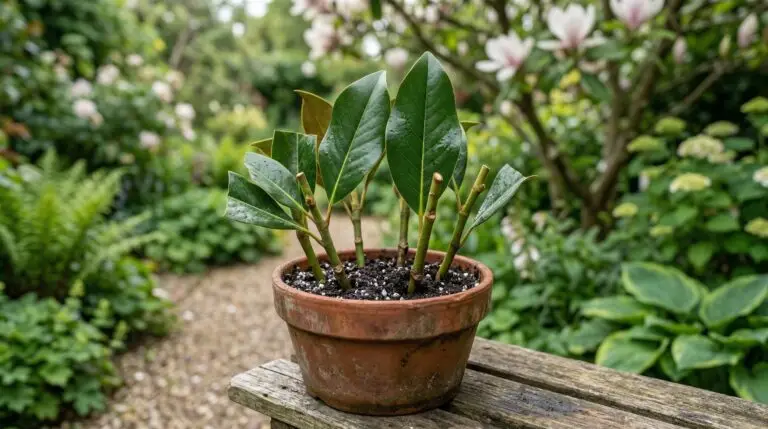
Magnolias can be propagated several ways, though none is quick. Seed is the slowest route: the red seeds need a spell of cold, moist stratification to break dormancy, and even then a seed-grown magnolia may take five to ten years, sometimes fifteen or more, before it flowers for the first time. That long juvenile stretch is the main reason gardeners who want a known variety, blooming sooner, buy a grafted nursery plant instead. Cuttings work for some types, taken as softwood or semi-hardwood in summer and treated with rooting hormone, but a number of magnolias root stubbornly and give a low success rate. Air layering, which means wounding a low branch and wrapping it in moist moss until roots form, is more dependable for a home gardener and yields a transplantable plant within a season. Nurseries lean on grafting to pair a desirable flower with a vigorous, hardy rootstock.
Once established, a magnolia is a long-term resident, often living many decades and, in the case of a Southern magnolia in good conditions, 80 to 120 years or more. Two habits protect that lifespan. First, prune as little as possible, and only right after the tree flowers, taking out just dead, damaged, or crossing branches. Magnolia wood is soft and its cut surfaces heal slowly, so large wounds invite decay, and cutting in fall or winter also strips off the next season's buds. Second, leave an established magnolia where it is. Those fleshy, shallow roots take transplanting badly, so the best moment to get the location right is before the tree ever goes in the ground.
What the first years actually look like, and where the number stops being sourced
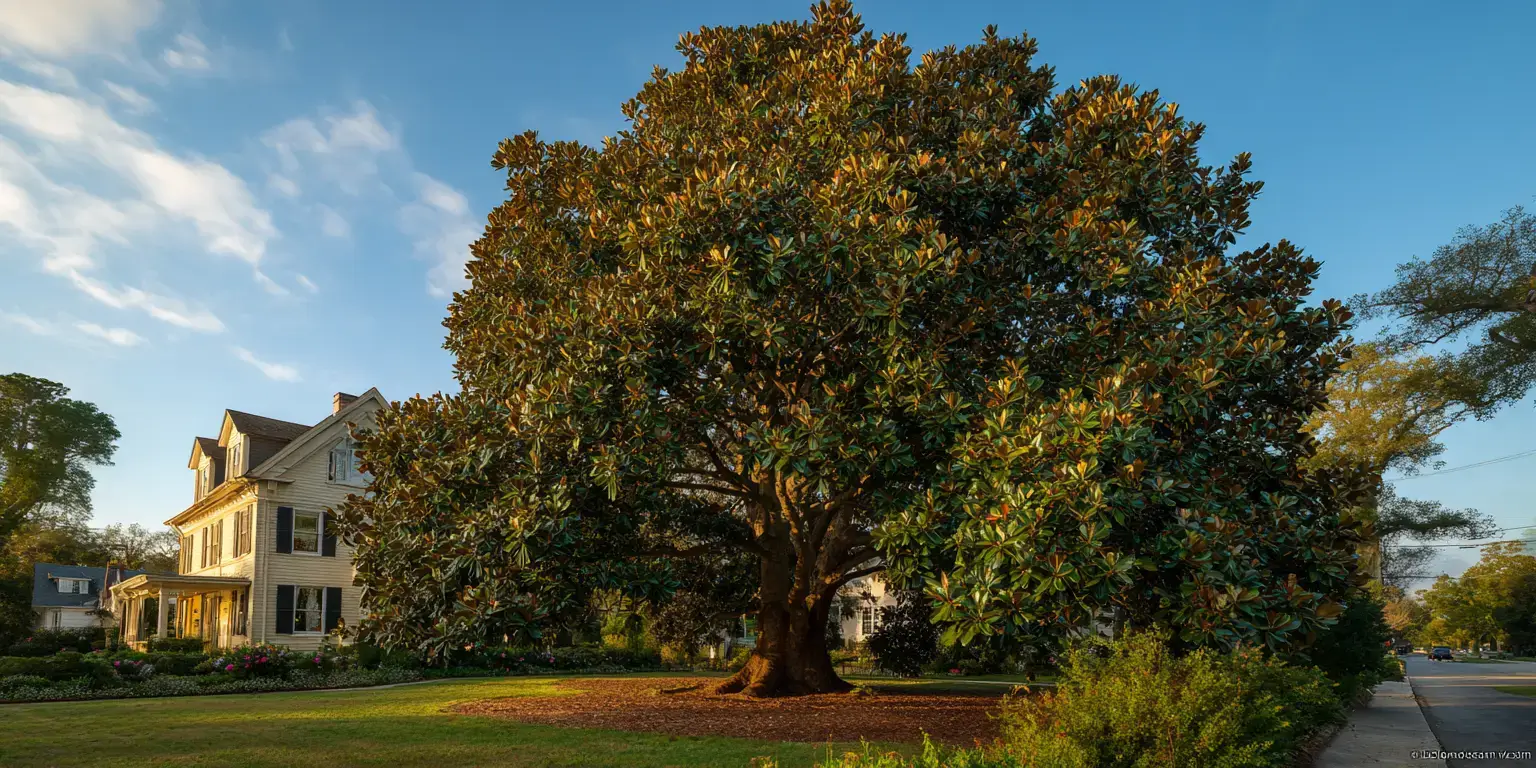
Year one is root building rather than performance, and UGA CAES sets the expectation directly: an unusually large first-season leaf drop is ordinary transplant shock rather than a dying tree, so a newly planted magnolia, balled-and-burlapped southern or container-grown deciduous alike, should not be judged on the flowers it carries in its first summer. After that, the years-to-bloom answer depends almost entirely on how the plant was propagated, and this is where the sourcing splits in two. The seed-grown route is the slow one and the better-supported figure, 5 to 10 years and sometimes 15 or more, consistent with Clemson's note on magnolia's long juvenile period from seed. A grafted or vegetatively propagated nursery cultivar, which is how the overwhelming majority of garden-centre magnolias are sold precisely because a nursery wants a plant that flowers sooner and matches its parent, is commonly described as flowering within a few years of planting, and this research could not confirm that figure against a named university source, so no number is stated for it here. The mechanism behind the difference is sound even without the citation: a seed-grown magnolia has to build enough vegetative mass to reach reproductive maturity from scratch, while a grafted cutting is already adult tissue grown onto a rootstock and only needs to establish size. One figure from the breeding record puts the whole genus on the right timescale: at the U.S. National Arboretum the Little Girl crosses were made in 1955 and 1956, the first flowers did not appear for seven years, and it was 15 years before the plants became generally available. Against that slow start, the two habits that protect the decades afterward are both named in the sourced material and both are about restraint: prune only in the window immediately after flowering, since buds for the following spring are set on the current season's growth, and leave an established tree where it is, since the fleshy shallow roots are what make a mature move the case the transplanting rule was written for.
Fragrance
Scent is part of the magnolia's appeal, though it varies widely by type. The Southern magnolia is the standout, its big white summer flowers giving off a rich lemon-and-vanilla perfume that a single bloom can carry across a patio on a warm evening. Deciduous magnolias are lighter. Saucer magnolia offers a soft, sweet floral note best caught with your nose close to the petals, and star magnolia leans slightly spicy-sweet. None of them saturates a garden the way a hedge of lilac or a gardenia can, but the fragrance is real, and on the evergreens it arrives as a bonus on top of the show. Warmth brings the scent out, so a magnolia smells strongest on a still, mild day. If fragrance is the goal, plant a Southern magnolia or a named fragrant cultivar near a window, porch, or path where the perfume can find you when the tree is in bloom.
Toxicity and pet safety
Magnolia is a reassuring plant to keep around pets and children. The ASPCA lists it as non-toxic to dogs, cats, and horses, so a dog that mouths a fallen seed cone or a child who picks up a dropped petal faces no poisoning risk. The one small caveat is common sense rather than chemistry: the bright red seeds are fibrous and are not food, so an animal that swallowed a mouthful might get a mild stomach upset, but they carry no real toxin. That safety is worth appreciating in context, because several of the shrubs people plant near magnolias are genuinely dangerous. Azalea and oleander, both common in the same warm gardens, are highly toxic, so when you build a border for a household with curious pets, it is the neighbors that need checking, not the magnolia. For a fuller picture of which garden plants are safe around animals, the guide to flowers safe for cats and dogs is a sound place to start.
Vase life
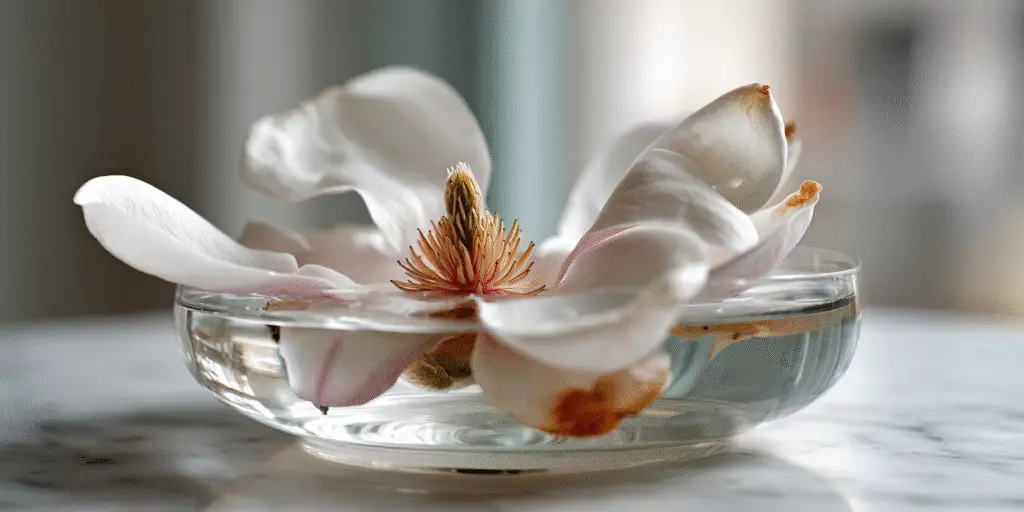
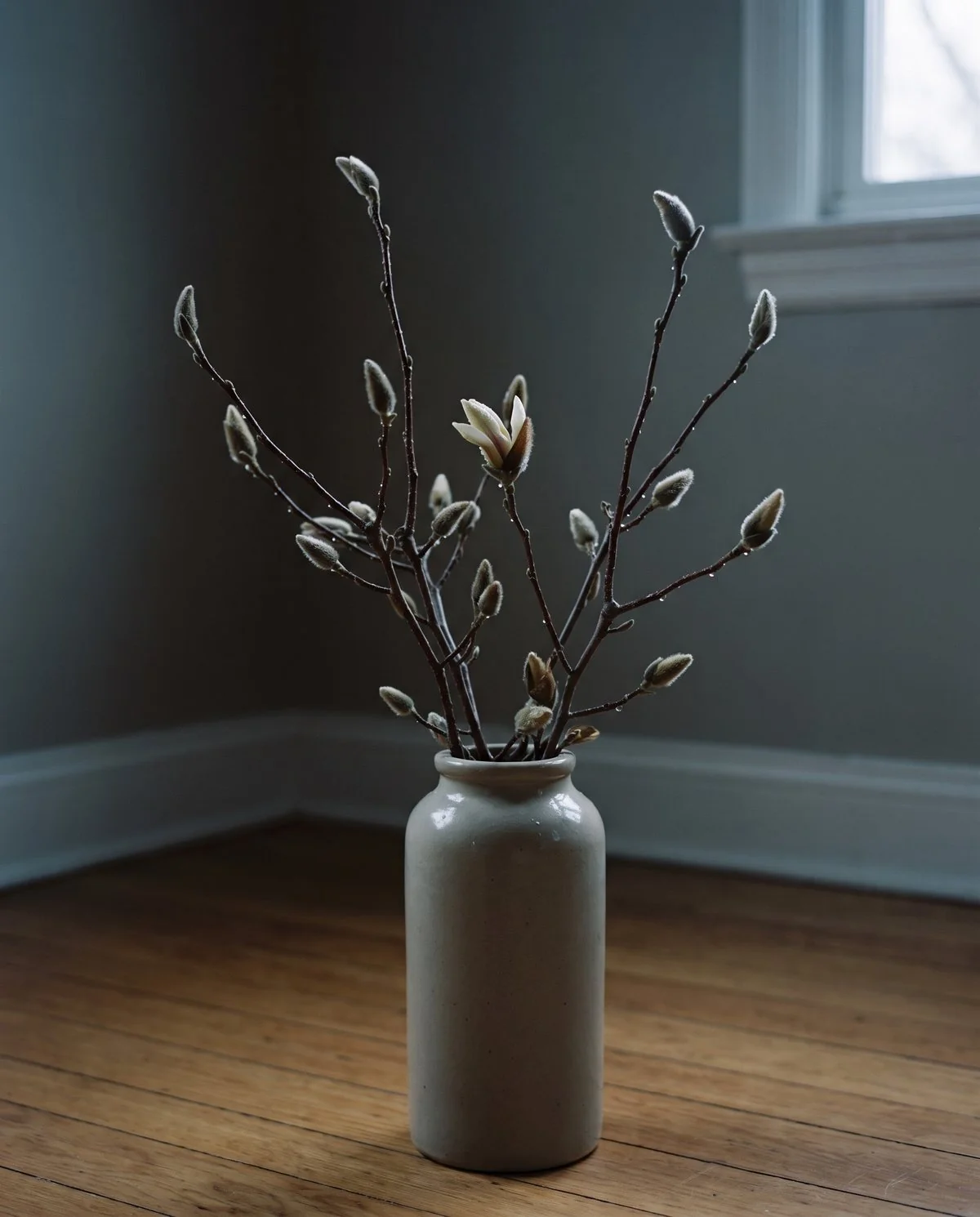
Magnolia flowers are glorious on the tree and disappointing in a vase. Cut and brought indoors, a magnolia bloom lasts only a day or two before its thick, fleshy petals bruise and brown at the edges, and many wilt within a day. Careful conditioning, cutting in the cool of early morning and setting the stems straight into cool water with floral preservative, might buy an extra day or two, but magnolias will never rival roses or chrysanthemums as cut flowers, which is why florists usually float a single bloom in a shallow bowl for the length of an event rather than build an arrangement around it. The foliage is the opposite story. Magnolia leaves, especially the glossy, leathery leaves of the Southern magnolia, stay handsome for a week or more once cut and are a florist's staple in wreaths and garlands. There is also a way to enjoy the flowers indoors: cut branches studded with fat buds in late winter, bring them into a cool room, and they will often open over a week or so, the same forcing trick that works on forsythia and flowering cherry.
The forced branch and the wreath, which is where the sourced numbers are
Two university sources publish exact procedures and exact figures for magnolia indoors, and neither is about a cut bloom in a vase. Iowa State Extension gives the branch-forcing method step by step, and Mississippi State Extension gives the farmer-florist economics of the foliage.
Misting cut magnolia is a mistake, because wet petals brown.
Not for a forced branch. Iowa State Extension recommends misting two or three times a day, precisely because the thing being protected is a closed dormant bud that will fail if it dries out, not an open flower that would spot. The advice is opposite to the misting caution that applies to open blooms, and the difference is which stage the flower is at.
Magnolia's commercial value as a cut crop is in its flowers.
The sourced numbers say the foliage. Mississippi State Extension's farmer-florist publication is built entirely around leaf stems, their harvest stage, their 6-week cold storage and their wreath yield, and it is the durability of the leaf rather than the life of the bloom that carries a price.
Careful conditioning will give a cut magnolia bloom a proper vase life.
It buys a little and no more, and this research did not improve on the figure the page already carries. No new citation was gathered for cut magnolia bloom longevity, so the honest position is that the forcing-branch route above is the better-sourced way to have magnolia flowers indoors, and an open cut bloom's short life is not unusual among big-petalled flowers anyway.
Pests and diseases
Magnolias are tough trees with few serious enemies, but one pest stands out. Magnolia scale is the largest native soft-scale insect in the country, and magnolia is its only host, so where it takes hold it can build fast. The scales themselves look like smooth, waxy bumps clustered along the twigs, but the first sign most people notice is stickiness: the insects excrete copious honeydew, and a black, sooty mold soon grows on that honeydew, coating leaves, branches, and anything parked under the tree. By mid-to-late summer a bad infestation leaves the foliage blackened and the tree weakened and shy to bloom. Small clusters can be scrubbed or pruned off, while larger outbreaks are treated with horticultural oil timed to the vulnerable crawler stage in late summer. Beyond scale, the problems are minor. Aphids and thrips may distort new growth but usually yield to natural predators, algal leaf spot paints harmless gray-green patches on leaves in humid weather, and fungal leaf spots stay mostly cosmetic. The real weak points are physical: magnolia bark is thin and easily gashed by a mower or trimmer, and those wounds can admit canker, while the brittle wood cracks under heavy snow or ice. Keeping equipment away from the trunk and clearing fallen debris heads off most trouble, and deer tend to leave magnolias alone.
One sight alarms new magnolia owners every spring but signals nothing wrong. Evergreen magnolias, the Southern magnolia included, shed a wave of older leaves as their new growth pushes out, so a shower of yellow leaves dropping in spring is normal seasonal renewal rather than a dying tree. Rake them up and carry on.
Two paths, worked in order
Both start with the calendar rather than with a pathogen, because for this tree the weather and the pruning history explain most of what goes wrong.
Four photo forks, and the ones deliberately left unphotographed
Weather damage, bark texture, canopy density and bud shape are safe to photograph and are here. The pathogen side of every fork is not: canker wound texture, algal leaf-spot pattern and the waxy helmet shape of a mature magnolia scale are checkable fingerprints, so those sides wait for a real reference photograph rather than a generated approximation.
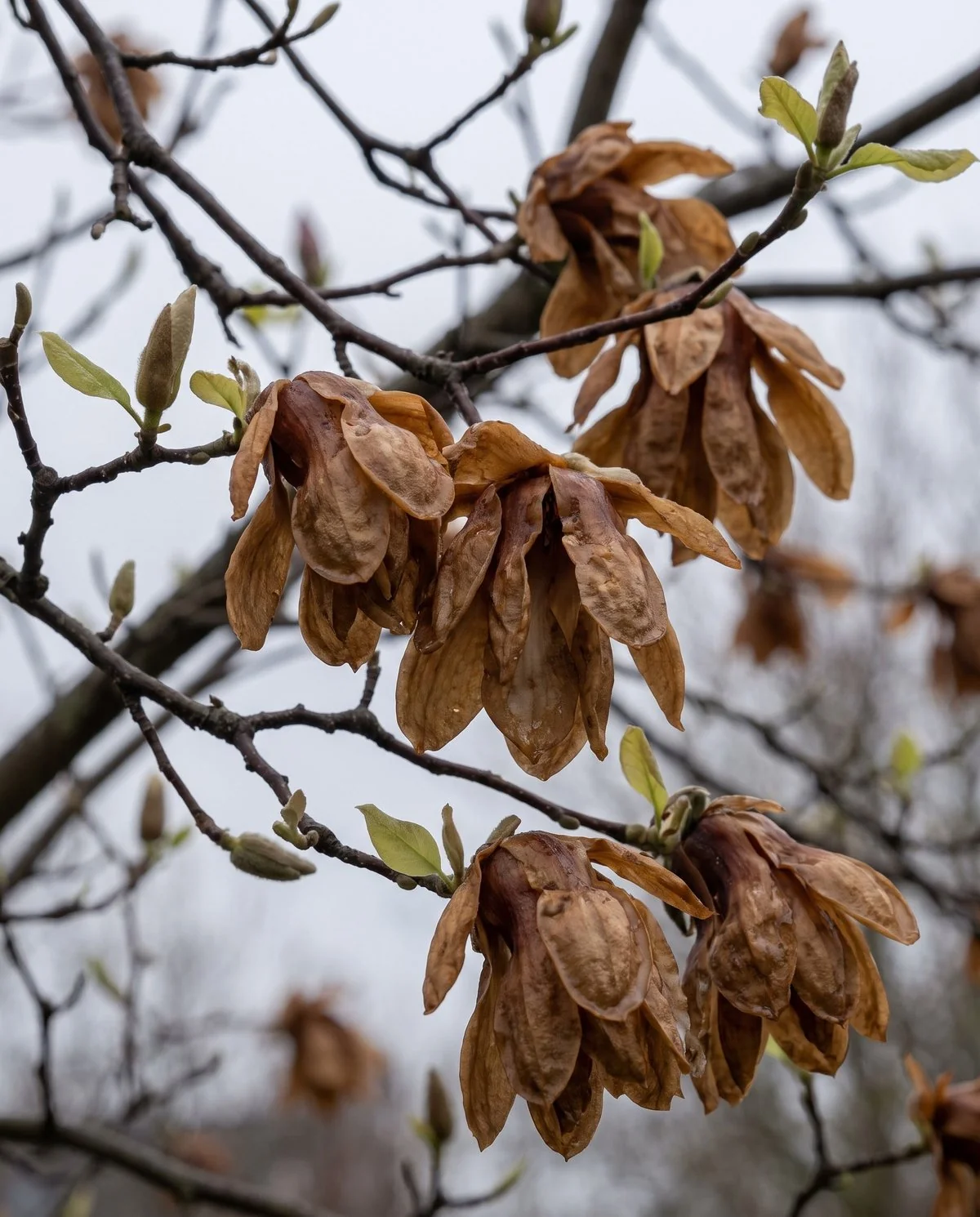
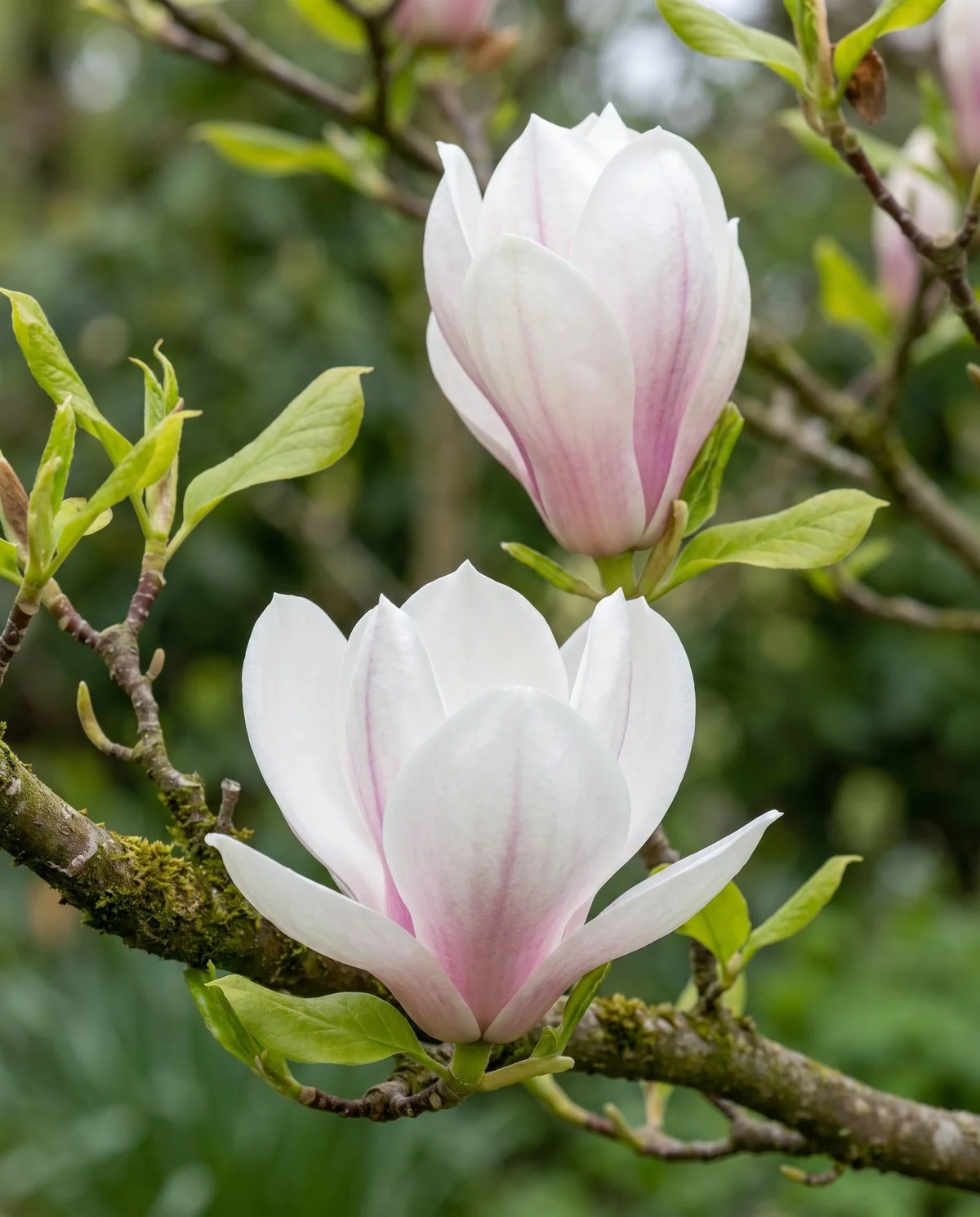
Date it against the weather and then look at the leaves. Iowa State Extension describes this failure mode in exactly these words: freezing conditions can destroy open flowers, turning them brown, limp, and mushy, and it names magnolias and forsythias as the plants cold most noticeably affects. Frost arrives abruptly after one specific cold night and takes the open blooms broadly and uniformly rather than in discrete lesions. The two diseases the sourced material names for magnolia, algal leaf spot and the leaf spot and canker NC State names generically on the saucer magnolia page, are leaf and stem problems, so browned petals on a tree whose leaves are clean point to frost simply because those diseases do not usually present on petals at all.
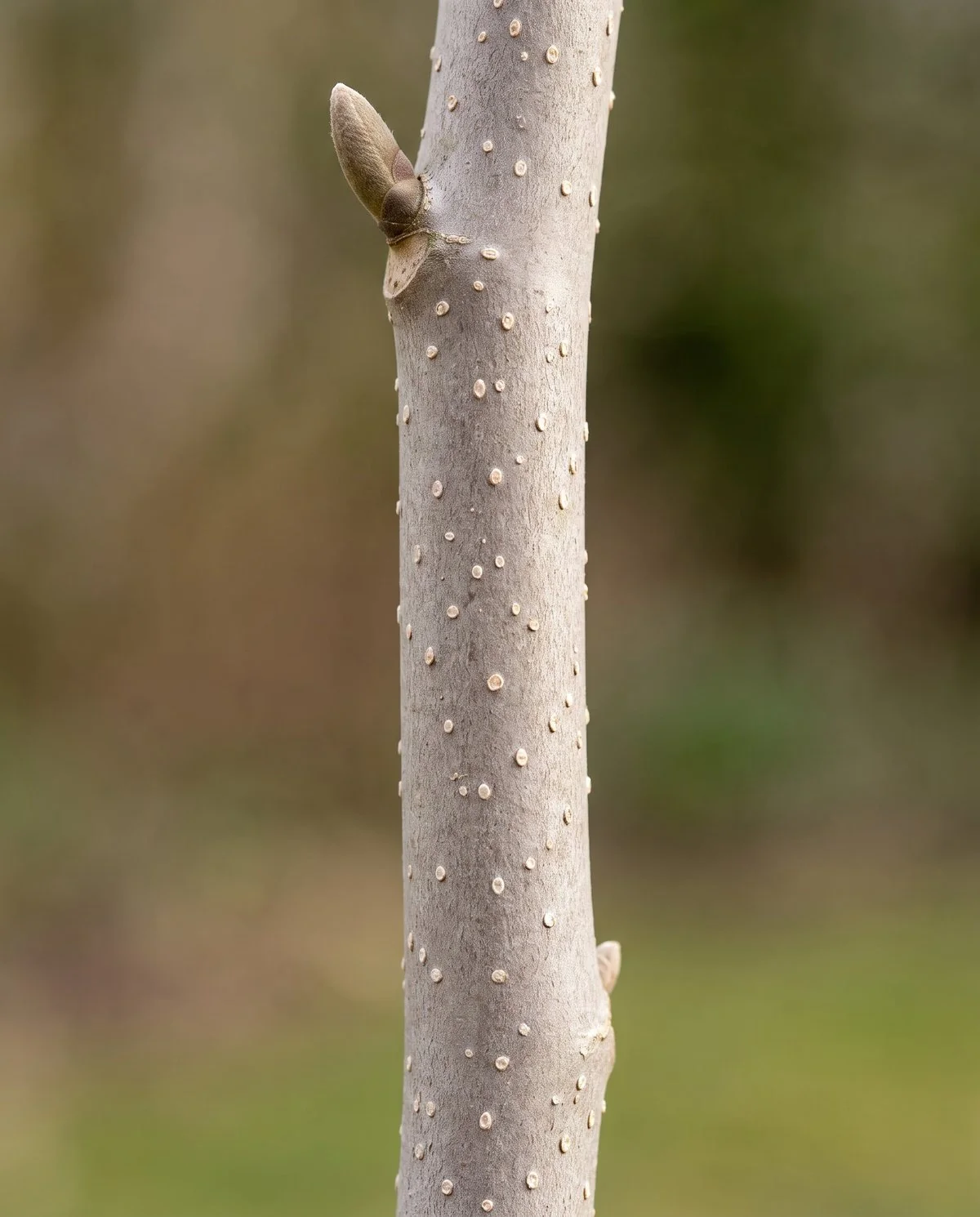
Size first, then whether anything is sticky. Iowa State Extension's own encyclopedia entry says of the earliest overwintering nymphs that their resemblance to lenticels makes them inconspicuous, which is direct confirmation that normal bark texture is the source of the confusion. The tells run in order of reliability: size, since NC State calls Neolecanium cornuparvum one of our largest scale insects and Iowa State independently gives one-half inch diameter, pink-orange to brown bumps on the undersides of the twigs, with NC State's roughly 12 mm for adult females being the same figure in different units; then the white waxy coating a maturing scale develops over a smooth, elliptical, convex body; then the unambiguous one, sticky honeydew on the twig with black sooty mold growing in it, which normal bark never produces. NC State records that heavy infestation leaves sparse foliage and dead branches and that scales sometimes kill out the leader branches over the years.
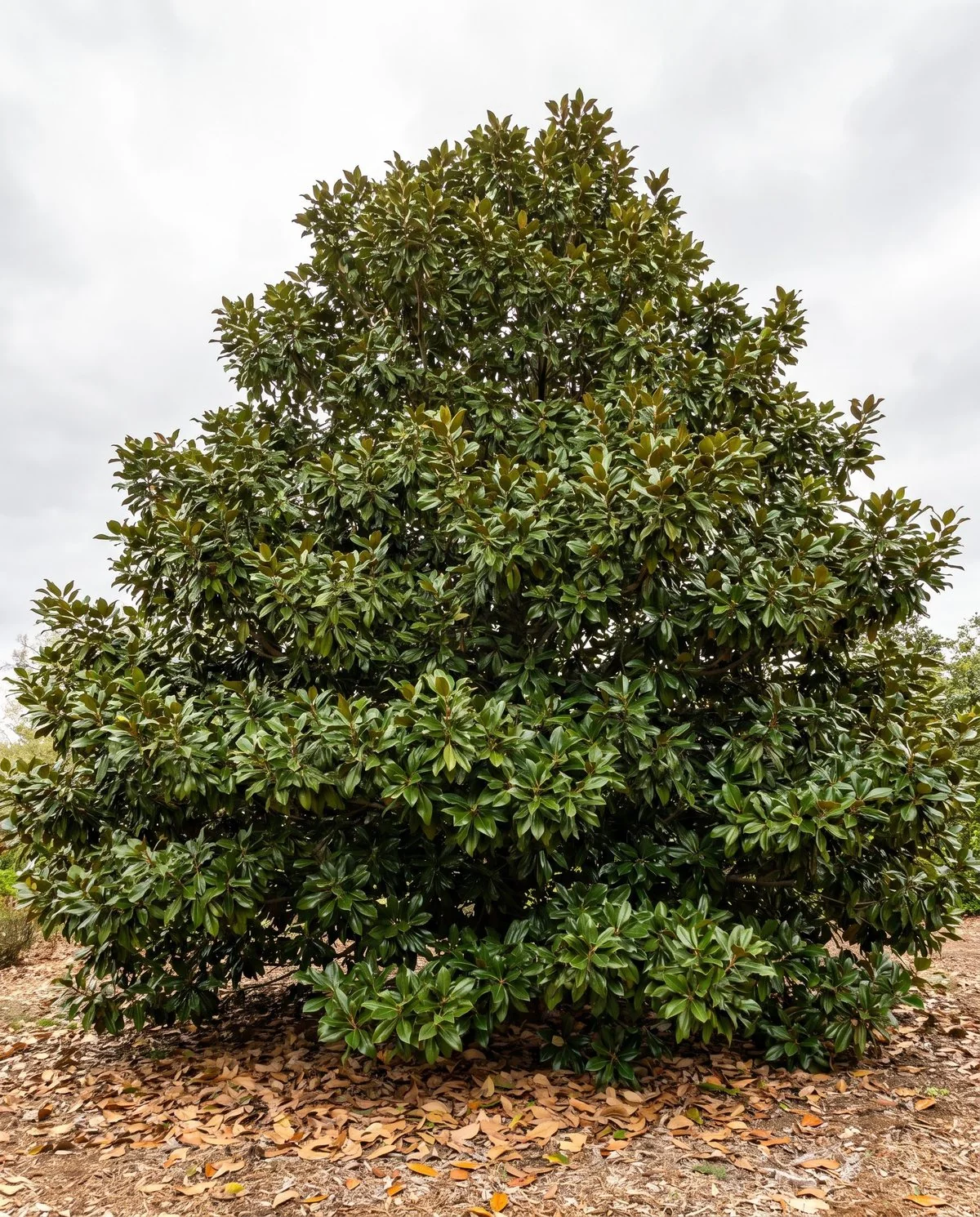
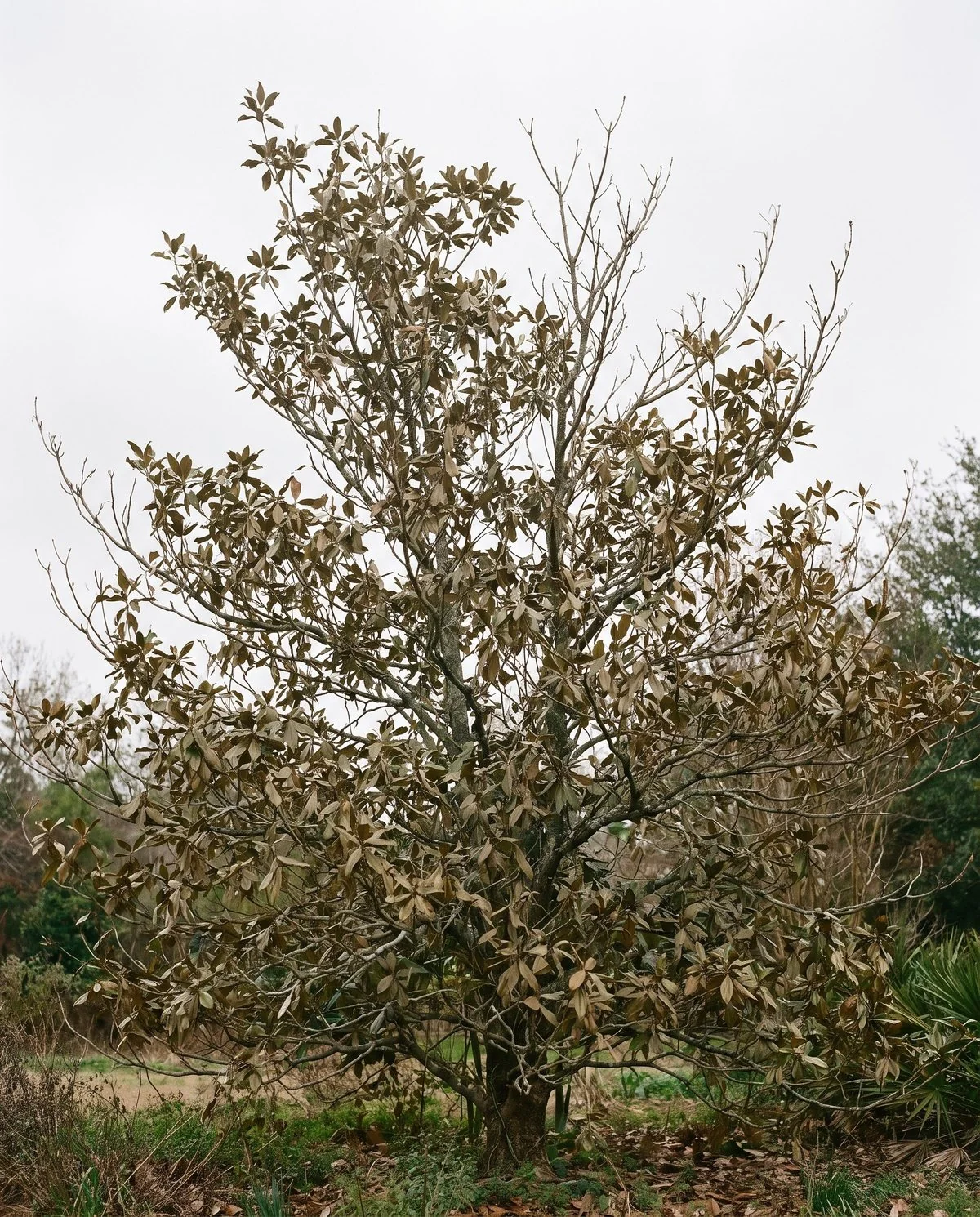
Judge the canopy, not the litter. NC State names leaf drop in both fall and spring directly as an expected characteristic of M. grandiflora rather than as a problem entry: evergreen means the tree is never fully bare, not that leaves never fall, so older leaves shed continuously with visible flushes in fall and spring while the canopy stays full. A real problem reads differently: thinning, dead branch tips, or yellowing and wilting before the drop rather than the steady litter of individual older leaves, and where scale is the cause the sticky honeydew and sooty mold of the fork above are present as corroborating evidence.
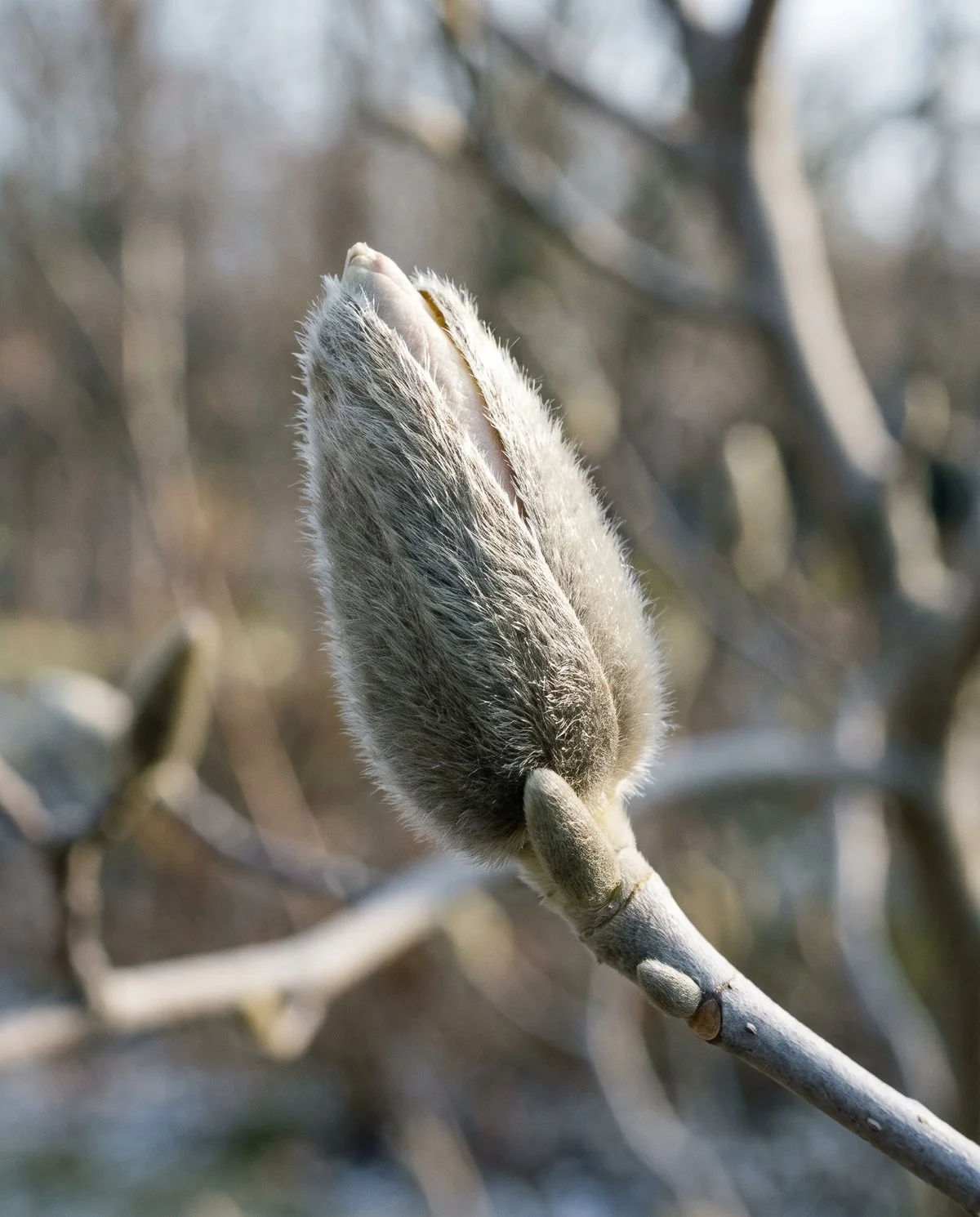
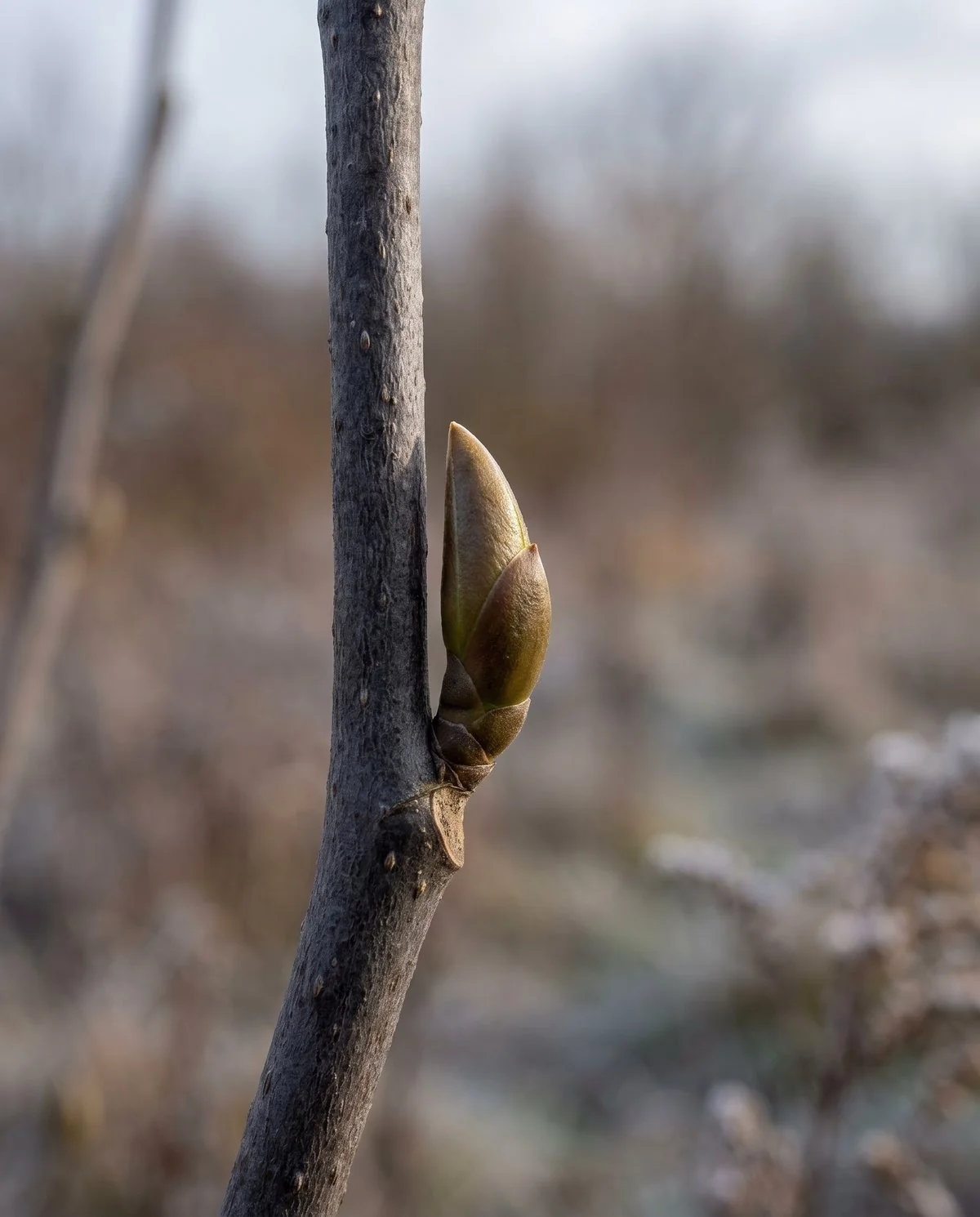
Read the bud outline before cutting the branch. Iowa State Extension separates them on shape alone: branches containing larger, rounder, plump buds are the flower buds worth forcing, while smaller, narrow, pointed buds are foliage only and will not bloom whatever the conditioning. The same source puts magnolia among the more difficult-to-force ornamentals and the forcing period at three to five weeks, so a branch cut on the wrong buds costs more than a week of waiting.
The ten things magnolia owners actually post about, counted
The sample is 120 unique magnolia posts pulled from r/gardening, r/arborists and r/plantclinic through the Arctic Shift Reddit archive. How they were counted is part of the finding rather than a footnote: no raw-JSON tool was available, so each archive call was fetched and summarised by a model first, and the themes below were hand-categorised by reading those summaries rather than by running a keyword pass over the original post text. Themes overlap heavily, since one post routinely names a recent prune, a recent frost and browning leaves in the same paragraph, so shares are of the 120-post sample and do not sum to 100 percent. Two things the raw count actively hides are stated in the rows where they belong: scale insects are named in only three posts and are almost certainly under-counted, and frost ranks fourth while remaining the problem Iowa State Extension names magnolia for by name.
Establish when the tree last flowered, because that is the only window the sourced guidance opens. NC State's star magnolia page states it plainly: prune only if needed immediately after flowering, and if the plant needs rejuvenation, prune out one to two older stems per year. The fear in these twenty-three posts is not misplaced, since magnolias set next spring's flower buds on the current season's growth and a cut made from late summer through winter removes flowers that were already there. r/arborists supplied a disproportionate share of this row, which is its own signal: these owners are not looking for a technique, they are looking for a professional to tell them it is allowed.
Run a finger along the twig under the worst leaves before studying the leaves at all. This row is where the poster could not commit to a cause, and NC State's magnolia scale page names what a sticky finger would mean: infested twigs turn sticky with honeydew and then black with the sooty mold that grows in it, which normal bark never produces. NC State names leaf spot and canker only generically as troublesome on the saucer magnolia page, without a pathogen fingerprint, so for most of these twenty posts the sourced material genuinely leaves the question open rather than answering it.
Look for half-inch bumps and for something sticky, and read that count with suspicion. Iowa State Extension writes of the earliest overwintering nymphs that their resemblance to lenticels makes them inconspicuous, which is an extension service explaining, in its own words, why a photo-driven forum would fail to name this pest. NC State calls Neolecanium cornuparvum one of our largest scale insects, and Iowa State independently gives half-inch, pink-orange to brown bumps on the undersides of the twigs. Both services keep a dedicated magnolia-scale page, which is not the coverage a pest present in three of 120 cases would earn. The honest number for posts that clearly named scale is three, and it stays three here; the inference is that more of the browning-and-spotting row above is scale than those three posters recognised, and no corrected percentage is invented to say so.
Count the growing seasons since the tree went into the ground before treating anything. UGA CAES states the expectation directly: do not be alarmed if the tree sheds an unusually large number of leaves during the first growing season, transplant shock is common with southern magnolia. Sixteen posts of 120 asking whether a recently planted magnolia is dying is demand-side confirmation that this one sentence answers a real and frequent question rather than a hypothetical one. One of these posters had already scratched the bark and found green tissue underneath on the distal branches, which is the check worth doing before anything is replaced.
Date the damage against one specific cold night, and note where this row sits while doing it. Frost ranks fourth by raw count and is still the failure Iowa State Extension names this genus for: cold temperatures most noticeably affect early-blooming trees and shrubs, such as magnolias and forsythias, and freezing conditions can destroy open flowers, turning them brown, limp, and mushy. The count is lower than the first three rows because frost only reaches a given owner in the years their local last-frost date lands after their tree's bloom, while pruning worry and transplant worry reach every owner of a young tree every year. The measure of how serious frost is sits outside Reddit entirely: the U.S. National Arboretum ran a breeding programme from 1955 specifically to dodge it.
Uncover the root flare and reconstruct the last twelve months before accepting the verdict. Eight posters committed to a dying magnolia without proposing a cause, and the sourced material puts two things ahead of a pathogen for this tree: something structural at the base, which the root row below covers, and a frost or a mistimed cut that has already happened. The named magnolia diseases here, algal leaf spot and NC State's generic leaf spot and canker, are leaf and stem problems rather than whole-tree diagnoses. NC State does record one route from a pest to structural decline: heavy scale infestation leaves sparse foliage and dead branches, and scales sometimes kill out the leader branches over the years.
Ask what changed recently, because on this tree yellowing usually arrives attached to an event rather than standing alone. Most of these six posts tied the yellowing explicitly to a recent planting or a fertilizer change, which is the opposite of the gardenia sample, where yellowing is the largest and vaguest row of all. One exclusion belongs here too: NC State names leaf drop in both fall and spring as an expected characteristic of M. grandiflora, so a spring wave of yellow leaves on an evergreen magnolia is the tree replacing old foliage rather than a symptom to treat.
Dig down at the trunk until the flare is visible. Six posters raised girdling roots, a buried flare or root damage from construction, and several of them said they had only just learned what a root flare is. This is the slow category, and it shares its anatomy with the transplanting question: magnolia roots are fleshy and shallow with comparatively few fine feeder roots, which is the same structure behind UGA CAES's transplant-shock warning. A girdling root or a trunk buried above its flare does its damage across years rather than within a season, which is why nothing in this row looks urgent in a photograph.
Rule out age and the last cut before blaming the weather. A seed-grown magnolia can take 5 to 10 years and sometimes 15 or more before its first bloom, consistent with Clemson's note on magnolia's long juvenile period from seed, and a cut made from late summer through winter removes buds that were already set. One poster in this row had already ruled frost out themselves, reporting deformed flowers recurring yearly despite no late frost, which is a useful correction to the assumption that every bloom-quality complaint on this tree is frost-driven.
Look at the trunk and the bark rather than at the canopy. Three posts describe a vehicle strike, wind, and municipal construction rather than a care or disease problem, which is a genuinely distinct category and is kept separate here rather than folded into general decline. It matters more on this tree than on most because magnolia bark and wood are soft and slow to callus over a large wound, so an accidental gash carries a lasting decay risk in the same way a heavy pruning cut does. That mechanism is carried at consumer tier in the sourced material rather than as a university citation, and it is the second reason, alongside bud timing, that the sourced guidance keeps every cut light.
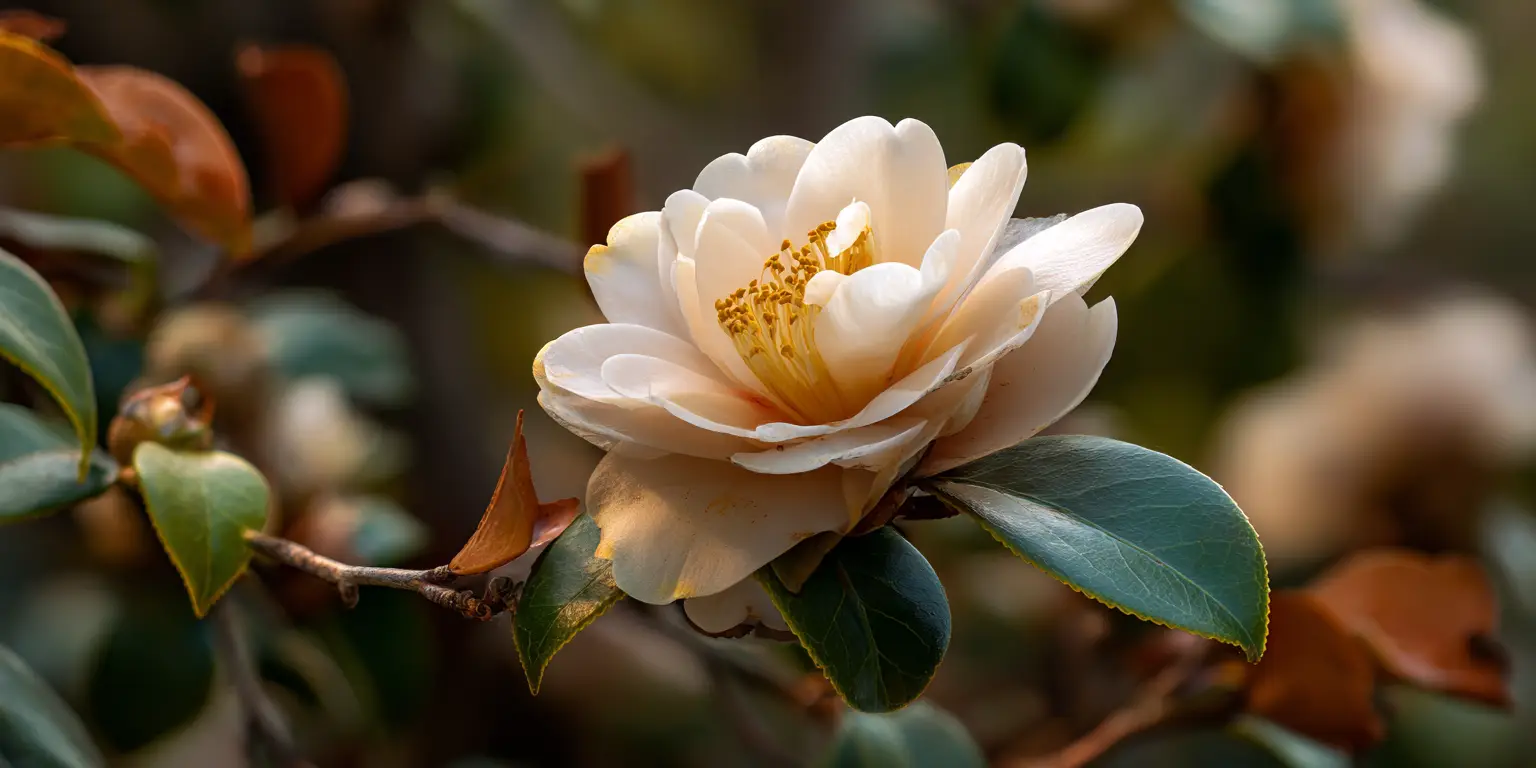
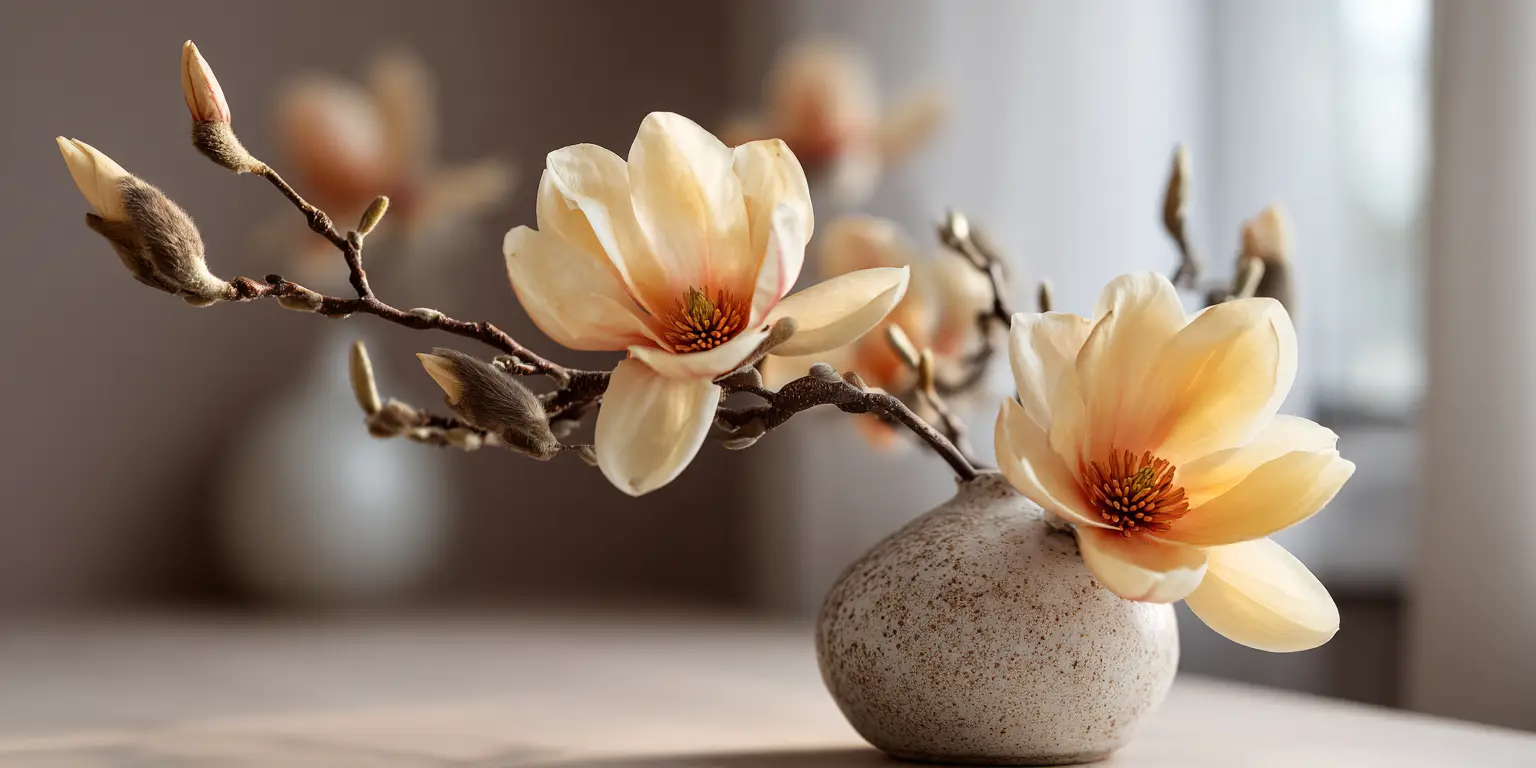
Flower photos
FAQ
When is the best time to plant a magnolia tree?
Plant in fall or early spring while the tree is dormant. Fall means late September through November in most of the U.S., once summer's heat has passed, which lets the roots settle over winter; early spring, as soon as the ground is workable but before the tree leafs out, is the next best window. Avoid midsummer, and water a new magnolia deeply through its whole first year whatever the season.
How fast do magnolia trees grow?
Growth is moderate, commonly a foot or two of height a year in good conditions. Saucer and other deciduous magnolias reach a useful size in ten to fifteen years, while large evergreens start slowly and then build steadily. Seed-grown trees spend their early years bulking up before they bloom at all.
Do magnolia trees need pruning?
Very little. Magnolias grow into a good natural shape and have soft wood that heals slowly, so heavy pruning does more harm than good. Remove only dead, damaged, or crossing branches, and do it right after flowering, since cutting in fall or winter takes off the next spring's buds.
Can magnolias be grown in containers?
Dwarf and small types can, for a while. A dwarf Southern magnolia such as 'Little Gem', or a star magnolia, will live for years in a pot of rich, slightly acidic mix, though the pot needs to be whiskey barrel size or larger with good drainage to hold the root system. Expect more frequent watering, a spring feed, and some winter root protection in cold zones. Full-size magnolias are not practical in pots for long and eventually want open ground.
Why isn't my magnolia flowering?
Usually youth, shade, or mistimed pruning. A young or seed-grown tree may simply be too immature, too little sun starves bud formation, and pruning in fall or winter removes buds that formed on old wood. High-nitrogen fertilizer and late frosts are the other common culprits. Give it sun, time, and correctly timed care, and the blooms come.
Are magnolia roots invasive or damaging?
Not aggressively, but they are wide and shallow. Magnolia roots spread well past the canopy and sit near the surface, so they can lift a nearby walk and will compete with other plants, though they do not hunt out foundations or pipes the way willow or silver maple roots do. Plant a magnolia at least 10 to 15 feet from structures and give it an undisturbed mulched bed rather than lawn to the trunk.
What colors do magnolia flowers come in?
White, cream, pink, purple, and yellow, depending on the type. Star magnolia is white, saucer is pink and purple, lily magnolia is deep purple, and cucumbertree hybrids like 'Elizabeth' bring the only clear yellows. There is no true blue or true red magnolia, and the color is fixed by genetics, so soil pH will not change it.
How long do magnolia trees live?
Decades, often generations. A Southern magnolia in good conditions frequently lives 80 to 120 years, with some passing 150, and deciduous magnolias like the saucer typically manage 50 to 100. Free of major pests and left undisturbed, a well-sited magnolia can outlive the gardener who planted it.
Are magnolia flowers used for anything besides ornamentals?
A few things, though beauty is the main point. The blooms themselves rarely go into bouquets, since cut magnolia flowers have a short vase life, but the sturdy, glossy leaves are prized by florists for wreaths and greenery long after the flowers fade. Magnolia bark, called houpo, has a long history in traditional Chinese medicine, and the intensely fragrant tropical Magnolia champaca is grown for perfume. In parts of Asia the flower carries meanings of purity and nobility and turns up in wedding decorations. The seeds feed birds and small mammals in late summer.
Can I transplant my magnolia, or is it too risky?
It depends on the tree's size and age rather than on a blanket rule. A young tree under roughly 4 inches of trunk diameter, moved balled-and-burlapped during the dormant season, has a real chance, and August to October is the window UGA CAES and Mississippi State Extension name as commercial practice. Expect an unusually large leaf drop in the first season, which UGA CAES records as ordinary transplant shock rather than failure. A large, long-established specimen is the case where the advice not to move it genuinely applies.
Will a late frost kill my magnolia's flowers?
The open flowers, yes, quite easily. Iowa State Extension states that freezing conditions can destroy open flowers, turning them brown, limp, and mushy. The tree itself is not at risk from a spring frost that only damaged open blooms and it will set buds again the following year. Unopened buds are more frost-resistant than open flowers, which is why the U.S. National Arboretum's frost-dodging hybrids were bred to delay opening rather than to tolerate cold once open.
How do I know if those bumps on my magnolia's branches are a problem?
Check size and texture, then look for something sticky. Normal bark lenticels are small and flat. Magnolia scale is roughly half an inch across, smooth and convex, and develops a white waxy coating as it matures, which Iowa State Extension and NC State describe in consistent terms. The confirming evidence, when present, is sticky honeydew on the twigs and leaves with black sooty mold growing in it, and normal bark never produces either.
Are there magnolia varieties that avoid frost damage to the flowers?
Yes, and it is a documented federal breeding programme rather than marketing language. The eight Little Girl hybrids, Ann, Betty, Judy, Randy, Ricki, Susan, Jane and Pinkie, were crossed in 1955 and 1956 by Dr. Francis de Vos and William Kosar at the U.S. National Arboretum, and the University of Arkansas Extension restatement of that record states they bloom 7 to 10 days later than most of the deciduous magnolia, thus avoiding many of the late frosts. Siting a plant on a north or east facing exposure adds a further 5 to 7 days of delay on top of the genetics.
Interesting tips
A magnolia rewards a few small habits. Because the roots run shallow and wide, keep a broad ring of mulch out toward the drip line rather than grass right up to the trunk, which conserves moisture and keeps mowers away from that thin, easily wounded bark. If an early-blooming magnolia is caught by a late frost warning, draping a lightweight sheet or frost cloth over a small tree overnight can save the open flowers, then lift it once temperatures climb the next morning. Plan the planting spot as a permanent home, since magnolias hate being moved, and think about what grows beneath: the light shade under a deciduous magnolia suits shallow-rooted underplantings like hostas, spring bulbs, and Virginia bluebells that carpet the ground before the tree leafs out. Because the bloom itself is brief, pairing the tree with later shrubs such as lilac or a bigleaf hydrangea keeps color coming after the petals fall. Resist the urge to fuss. An established magnolia needs little more than a spring feed and water in dry spells, and overdoing the fertilizer or the hose harms more than neglect. When the cone-like pods split in late summer to show their red seeds, expect finches, cardinals, and squirrels to arrive and help themselves.
- Ancient Origins: Magnolias are often called "living fossils." They evolved before bees, which is why their flowers are adapted to be pollinated by beetles. You might notice magnolia blooms have thick, waxy tepals. This sturdy construction is thought to protect the flower from crawling beetles as they do their pollinating work.
- Mulch for Success: Magnolia trees have shallow roots that benefit from a layer of mulch. Keep a wide ring of mulch (wood chips or bark) under the tree out to the drip line. This conserves moisture, keeps weeds down, and prevents lawn mowers from getting too close. Just leave a few inches of space bare around the trunk to avoid rot.
- Protecting Blooms: If you have a magnolia that blooms in very early spring, watch the weather. When a late frost is forecast during bloom time, you can throw a lightweight sheet or frost cloth over smaller magnolia trees overnight to help protect the delicate flowers from freezing. Uncover in the morning once temperatures rise.
- Transplanting Caution: Plan your magnolia’s location wisely. Magnolias generally do not like to be moved once established. They have fleshy roots that don’t respond well to transplant shock. It’s best to plant it in a spot you know will be its forever home. If you must transplant, do it when the tree is small and during the dormant season for the best chance of success.
- Companion Planting: Magnolias cast light shade under their canopy, especially the deciduous kinds after they leaf out. Consider underplanting your magnolia with shade-tolerant, shallow-rooted plants like hostas or spring bulbs. Also, magnolia blossoms are short-lived, to extend your garden’s flower show, pair magnolias with later-blooming shrubs. For example, after the magnolia’s spring display, lilacs or hydrangea macrophylla can take over with summer color, giving continuous interest.
- Minimal Fuss: One great thing about magnolias is that they’re relatively low-maintenance. They don’t need heavy fertilizing or constant care. In fact, overdoing it (too much fertilizer or water) can harm more than help. Usually, an established magnolia gets by with just a yearly spring feed of an all-purpose or slightly acidifying fertilizer and regular watering during dry spells. Simplicity is key: plant it right, then let it do its thing!
- Enjoy the Wildlife: Don’t be surprised if you see squirrels or birds investigating your magnolia in late summer. Magnolia seed pods, when they split open, reveal bright red seeds that are attractive to wildlife. Cardinals, finches, and other birds may come to snag a seed. These seeds aren’t harmful to pets, and it can be fun to watch nature enjoy the tree almost as much as you do. And when the petals fall, you can rake them up and add them to your compost. They’ll break down into rich organic matter.
Related Guides & Flowers
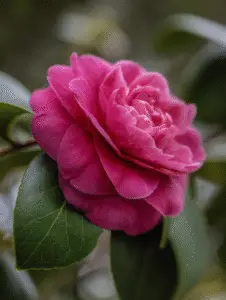
Camellia
Evergreen shrub with large, waxy blossoms that echo Magnolia’s bold form in acid soils and part shade.
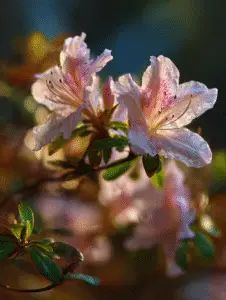
Azaleas
Classic woodland companions for spring displays; thrive in the same acidic, well-drained conditions.
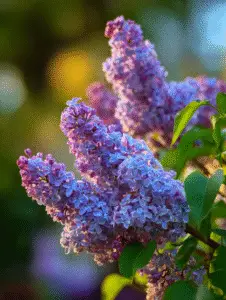
Lilacs
Fragrant spring shrubs that overlap Magnolia’s early season in cooler regions; great for scent layers.
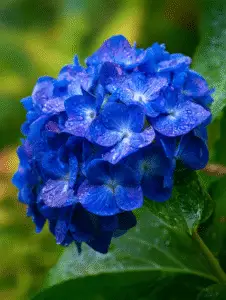
Hydrangea macrophylla
Big summer heads extend color after Magnolia’s bloom, keeping the border showy.
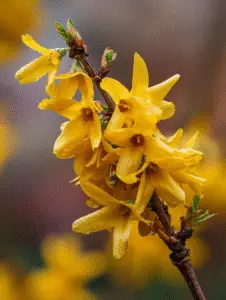
Forsythia
Earliest golden bloom signals spring and pairs well with Magnolia’s bud-to-bloom moment.
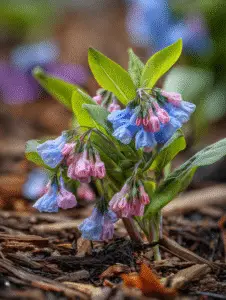
Virginia Bluebells
Woodland perennial that carpets beneath deciduous Magnolias before leaf-out.
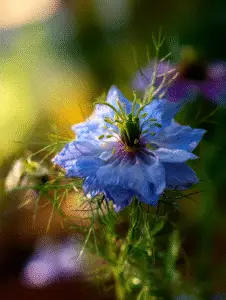
Love-in-a-Mist (Nigella)
Airy, low annual that softens bed edges near Magnolia and fills the shoulder season.
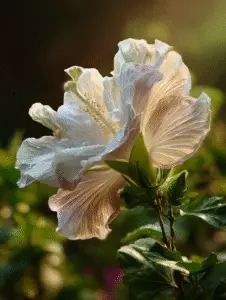
Hibiscus
Large, dramatic flowers that continue the "big-petal" look into late summer.
References
- Clemson University HGIC: "Magnolia" – Practical overview of species, flowering habits, and culture; notes on long juvenile period from seed.
- UF/IFAS EDIS: "Magnolia grandiflora: Southern Magnolia (ST371)" – Site selection, soil pH, moisture, and drought-tolerance nuances specific to Southern Magnolia.
- NC State Extension Plant Toolbox: "Magnolia" – Genus-level profile with uses and key problems including magnolia scale, verticillium wilt, and chlorosis on high-pH soils.
- Missouri Botanical Garden Plant Finder: "Magnolia grandiflora" – Detailed botanic notes, size, habit, and native range; helpful for accurate specs.
- ASPCA: "Magnolia Bush (Magnolia stellata)" – Pet safety reference indicating magnolias are non-toxic to dogs, cats, and horses; useful for a toxicity line.
Enjoying our flower guides? Add YourFlowersGuide as a preferred source on Google. It helps more readers find us.
Add to Preferred Sources