When gardeners decide to plant a magnolia, they often visualize a massive evergreen canopy or a sweeping display of early spring pink. The genus is actually divided into two distinct camps: the deciduous varieties that bloom on bare wood in spring, and the broadleaf evergreens that flower in the heat of summer. Choosing the right tree requires matching the plant’s mature scale and blooming habit to your specific climate. Many people purchase a generic magnolia at a garden center only to watch its spring flowers turn brown from frost or see it swallow half their front yard a decade later. A carefully curated selection of magnolia varieties prevents these common disappointments.
The best magnolias for residential landscapes are those that solve specific problems. The types of magnolia trees available in the nursery trade range from ten-foot multi-stemmed shrubs to eighty-foot timber trees. Instead of trying to catalog every available species, this guide selects specific cultivars based on their reliability, disease resistance, and predictable growth habits. I evaluate these trees on how well they perform in a typical garden setting rather than a botanical park. Quality selections prioritize frost-resistant buds, appropriate mature sizing, and foliage that remains attractive long after the blooming period ends.
Contents 4 sections
Early spring performers and frost evasion
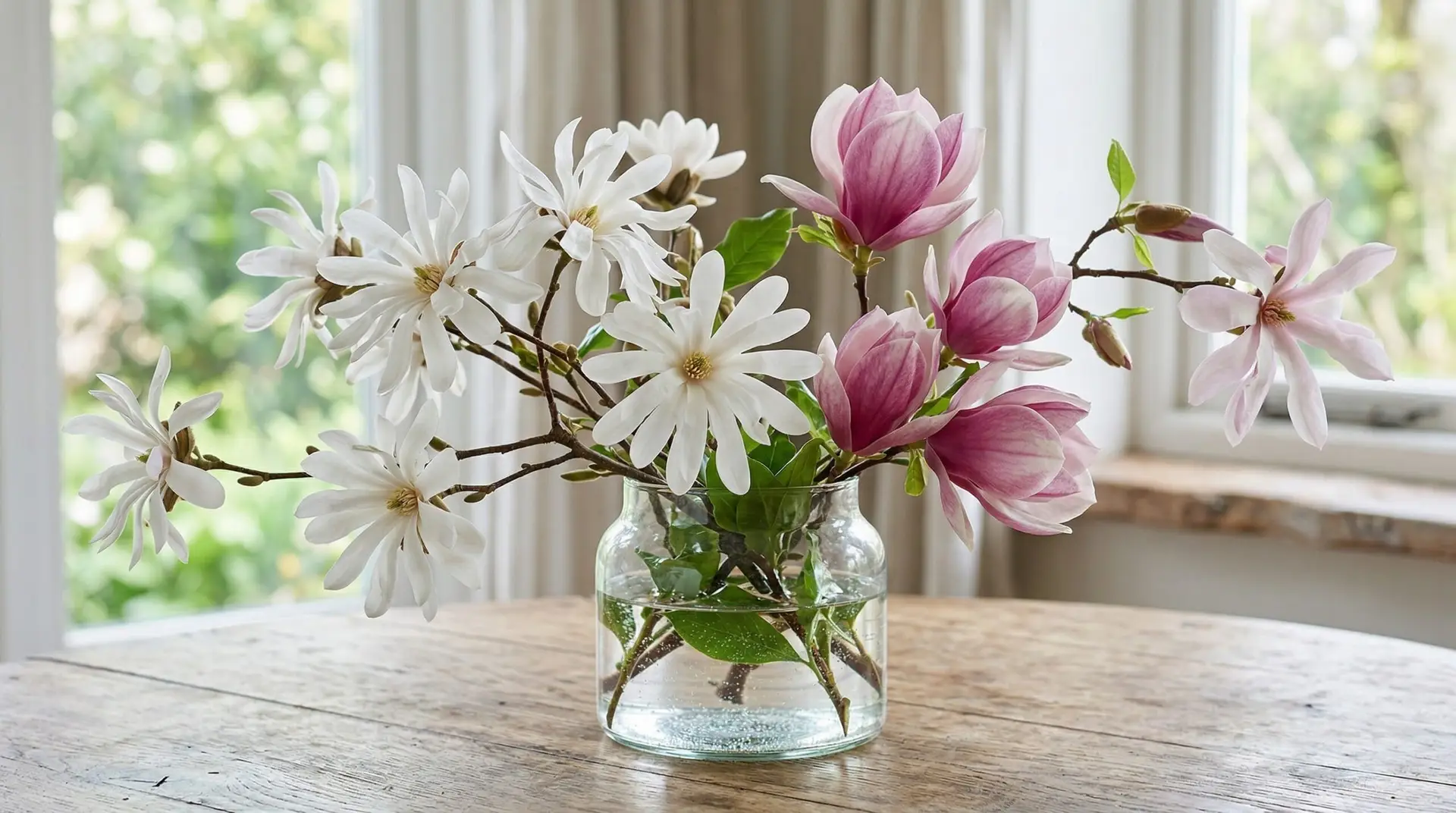
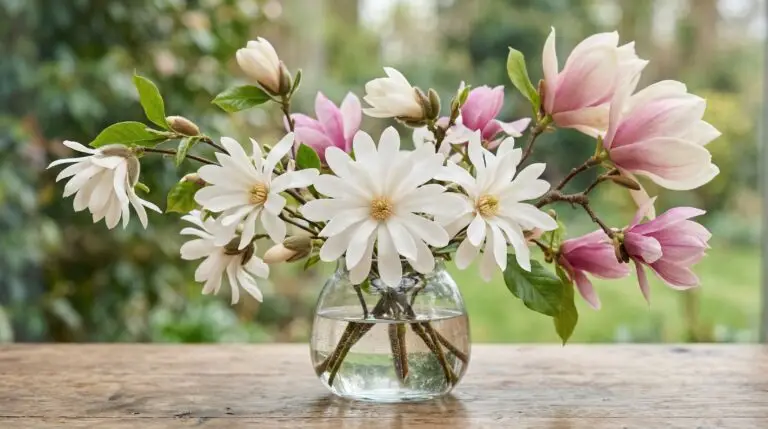
The star magnolia, specifically the cultivar ‘Royal Star’, earns its place in the garden through sheer reliability. Magnolia stellata is native to Japan and produces dozens of delicate, ribbon-like white petals long before the leaves emerge. ‘Royal Star’ is superior to the straight species because its buds open slightly later, giving it a better chance of surviving unpredictable spring temperature drops. The tree naturally forms a dense, rounded shrub reaching about fifteen feet tall and wide. Its early bloom time and sweet scent provide the same seasonal anticipation as a well-placed Lilac, signaling the definitive end of winter.
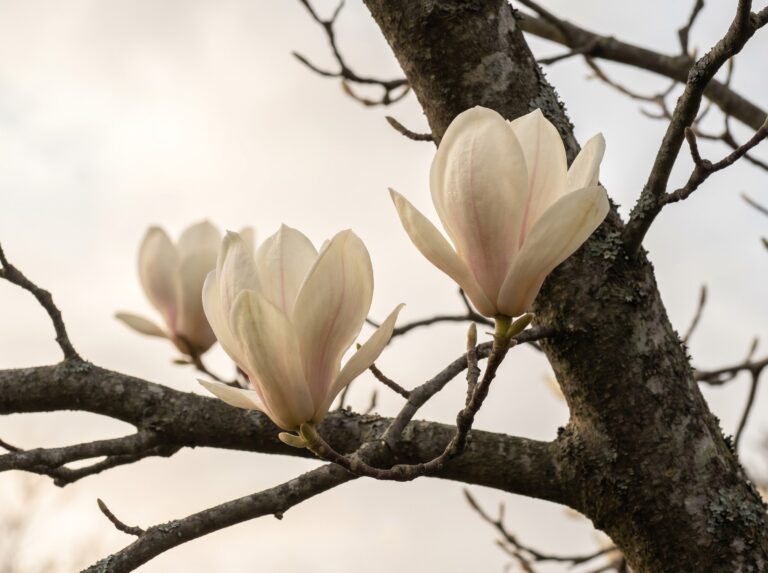
Many garden guides heavily promote the classic saucer magnolia, Magnolia x soulangeana, for its massive pink and white goblet-shaped flowers. In practice, this traditional tree frequently underperforms in temperate zones because a single late frost will turn the entire floral display into a brown, mushy mess. The saucer magnolia also grows quite large, eventually demanding up to thirty feet of space in every direction. For most gardeners living outside of very mild climates, planting a standard saucer magnolia is a gamble that only pays off one out of every three years. Modern breeding has provided much better alternatives that deliver the same visual impact without the constant risk of frost damage.
The ‘Little Girl’ series of hybrids, developed by the United States National Arboretum in the mid-twentieth century, solves the saucer magnolia’s frost problem. Cultivars like ‘Ann’, ‘Jane’, and ‘Betty’ were specifically bred to bloom two to four weeks later than their saucer parents. This delayed timing allows the buds to safely evade late spring freezes in most regions. These varieties maintain a highly manageable size, typically maturing as ten to fifteen-foot multi-stemmed shrubs or small trees. Their flowers are slightly smaller than a saucer magnolia but appear in far greater numbers, offering deep purple-red exteriors with pale pink or white interiors.
The evergreen canopy and southern classics
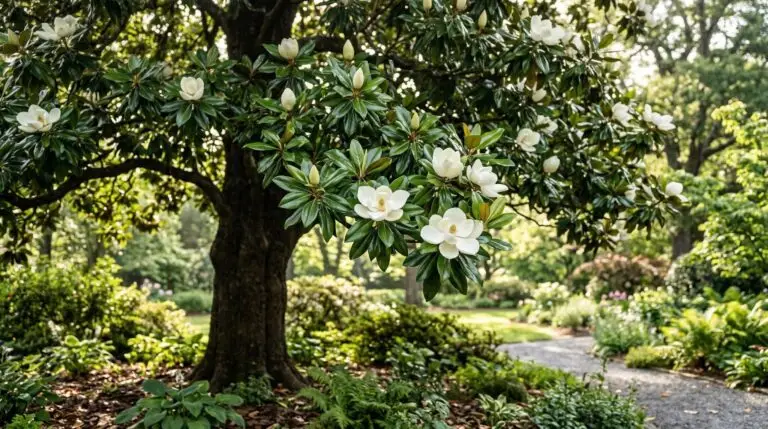
The Southern magnolia, Magnolia grandiflora, is the iconic shade tree of the American South. The straight species is a massive, imposing tree that can easily reach eighty feet tall with a forty-foot spread. While these dimensions are appropriate for large estates or public parks, a standard Southern magnolia will quickly overwhelm a typical suburban lot. The tree casts an incredibly dense shade and drops thick, leathery leaves year-round, making it nearly impossible to grow grass or understory plants beneath its canopy. Gardeners who want this classic evergreen look should select refined cultivars rather than generic seedlings.
‘Bracken’s Brown Beauty’ is widely considered the superior Southern magnolia cultivar for several distinct reasons. It has an exceptionally dense, pyramidal growth habit that requires very little pruning to maintain its shape. Its greatest advantage is its cold hardiness, as it can survive winter temperatures well into Zone 5b or 6a without suffering significant leaf drop or dieback. The foliage is a dark, glossy green on top with a thick, rusty-brown indumentum on the underside, providing excellent visual contrast when the wind blows. The lemon-scented white flowers appear reliably from late spring through late summer, measuring up to eight inches across.
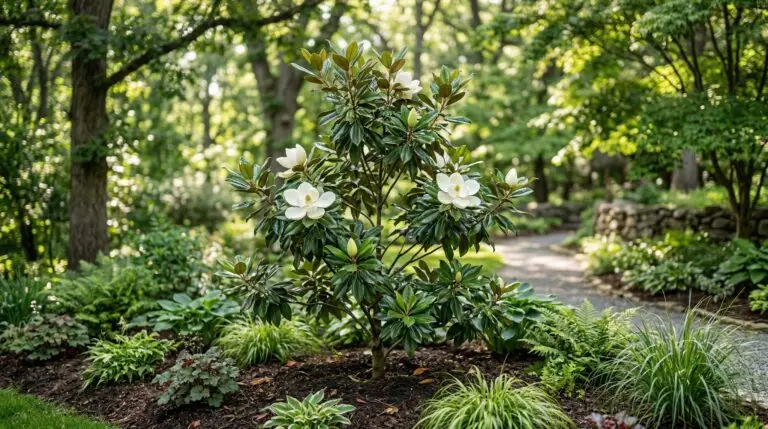
For gardeners who desire the evergreen foliage and large summer blooms of a Southern magnolia but lack the space, ‘Little Gem’ is the appropriate choice. This dwarf cultivar rarely exceeds twenty-five feet in height and maintains a tight, columnar shape that fits easily into narrow side yards or courtyard gardens. Unlike larger grandiflora types that can take a decade to produce their first flower, ‘Little Gem’ begins blooming when it is only two or three years old. It functions beautifully as a dense privacy screen or a focal point. In many ways, it provides the same structural utility as a large Camellia, offering heavy, waxy leaves and substantial flowers in a compact footprint.
An overlooked native for difficult soils
The sweetbay magnolia, Magnolia virginiana, is frequently overlooked in favor of its flashier cousins, but it is the absolute best choice for difficult, poorly drained locations. While most magnolias demand rich, well-drained loam and will quickly rot in sitting water, the sweetbay thrives in wet, boggy soils. It has a graceful, open, and airy branching structure that filters light rather than blocking it entirely. The leaves are bright green above and silvery-white below, flashing beautifully in a summer breeze. Its flowers are smaller than those of the Southern magnolia, but they carry a potent fragrance of lemon and vanilla that rivals the scent of a late-blooming Lilac bush.
The most versatile magnolia for modern gardens
When evaluating the best magnolias across all categories, the cultivar ‘Jane’ from the Little Girl series stands out as the premier choice for the average American garden. It balances the large, colorful, tulip-shaped blooms of the traditional saucer varieties with the reliable frost-evading timing necessary in unpredictable climates. ‘Jane’ naturally forms an elegant, multi-stemmed shape that fits perfectly near a patio, in a mixed shrub border, or as a standalone specimen in a front yard. It requires almost no pruning, suffers from very few pests, and occasionally offers a light re-bloom in late summer. For gardeners who want the maximum visual reward with the minimum amount of risk and maintenance, ‘Jane’ is the definitive recommendation.
More About Magnolia
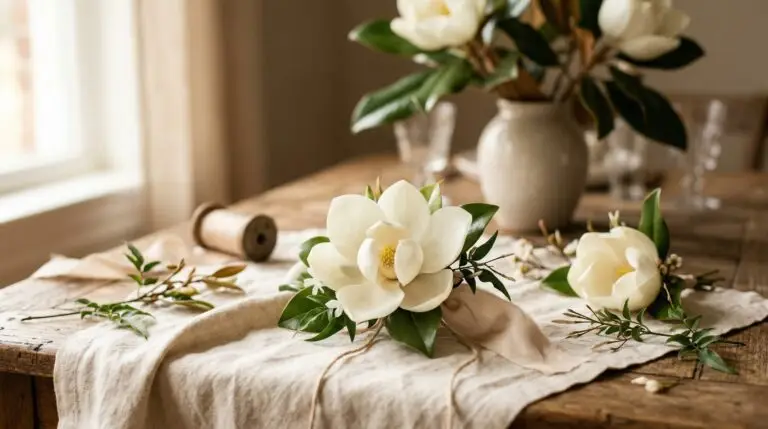
Magnolia in wedding decor and the southern tradition of magnolia bridal flowers
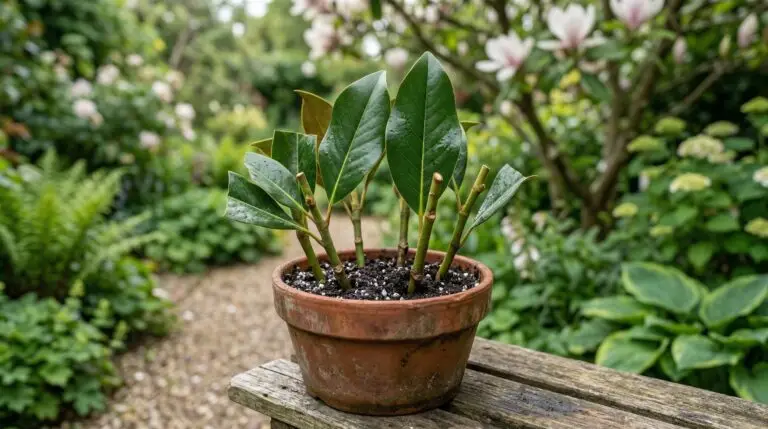
How to propagate magnolias from cuttings and layering for new trees from your favorite
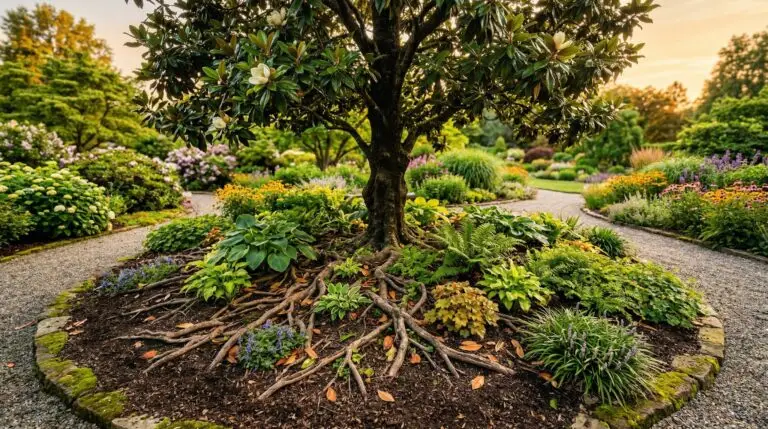
Companion plants for magnolia trees: what to grow and avoid
How to grow magnolia trees for breathtaking spring blooms on bare branches
Small magnolias for compact gardens that fit any yard with room to spare
Southern magnolia grandiflora and growing the iconic evergreen of the American South
Magnolia meaning, from dignity and perseverance to its place in the American South
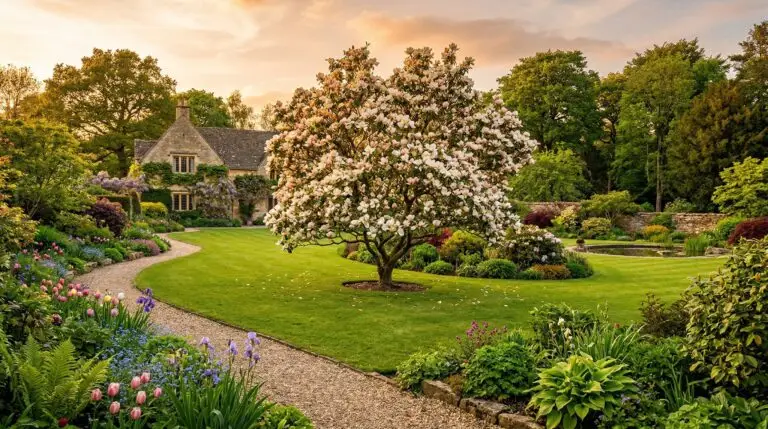
Magnolia trees in landscape design and placing them for maximum dramatic impact
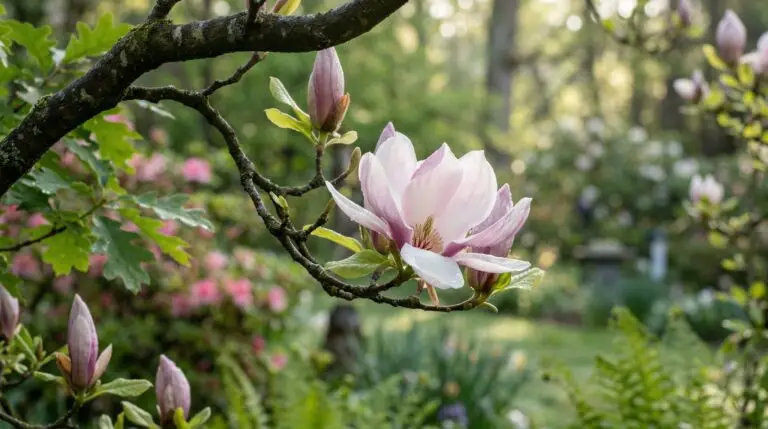
Why magnolia flower buds freeze in late spring frost and how to protect your tree
Enjoying our flower guides? Add YourFlowersGuide as a preferred source on Google. It helps more readers find us.
Add to Preferred Sources