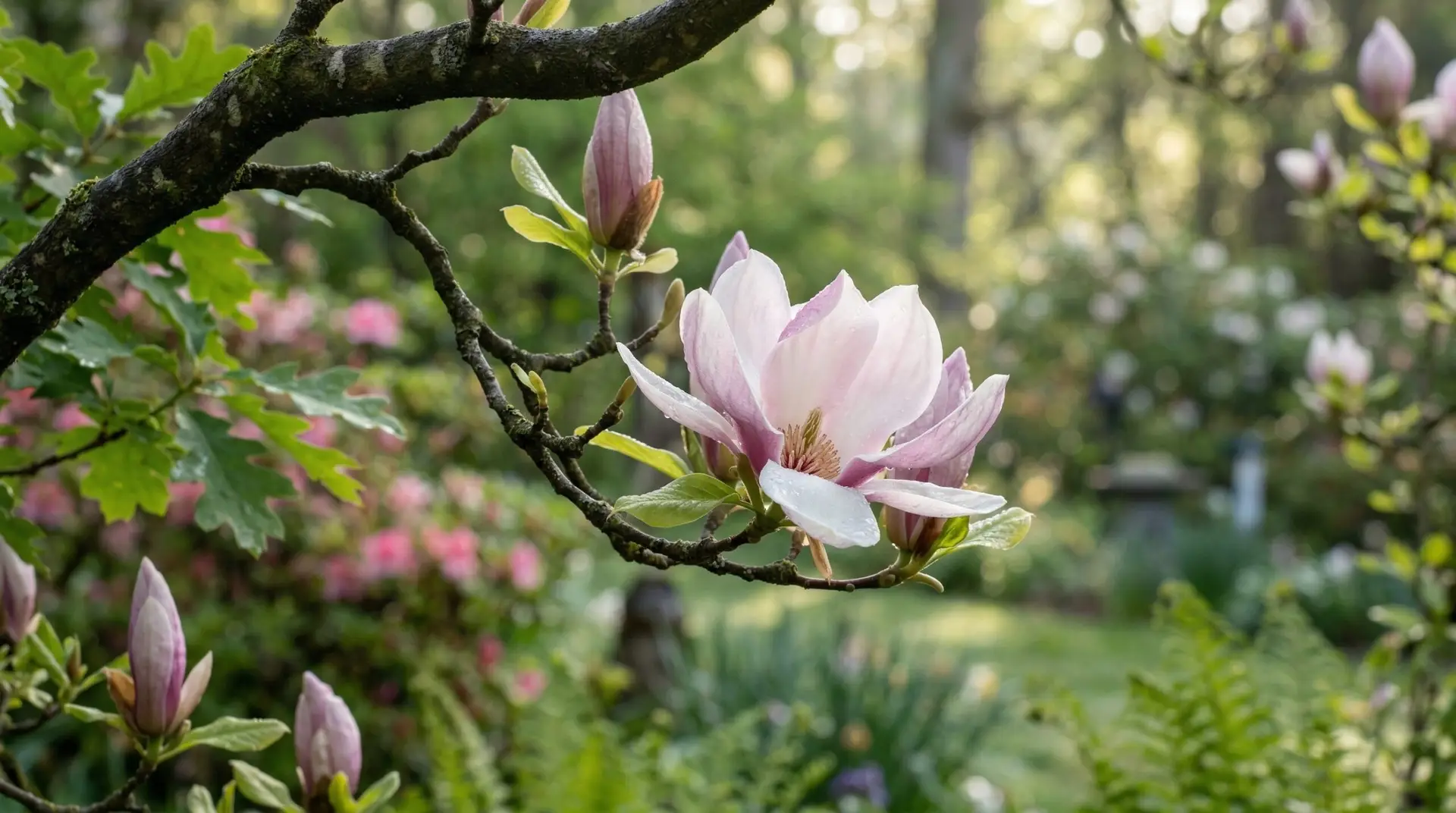
Every spring, I hear the exact same frustration from gardeners who watched their beautiful magnolia tree prepare to bloom, only to wake up to brown, ruined flowers. You wait all year for that spectacular display, and a single cold night destroys it completely. This happens because many popular magnolia varieties are eager to wake up at the first sign of warm weather. A few sunny days in early spring trick the tree into pushing its buds open, leaving those delicate petals completely exposed when the inevitable late frost arrives. When you see magnolia buds frozen solid and then turning to brown mush the next day, you are looking at ruptured plant cells. I am going to explain exactly why this happens and what you can actually do about it, both for trees you already have and ones you plan to plant.
Contents 4 sections
Understanding magnolia frost damage and why buds freeze
To fix the problem, you first need to understand how magnolia frost damage actually works on a cellular level. Throughout the winter, magnolia buds are protected by a thick, fuzzy outer layer that insulates the developing flower inside. As long as that fuzzy casing remains tightly closed, the bud can handle severe winter temperatures without any issue. The danger begins when early spring warmth signals the tree to pump water into those buds, causing them to swell and shed their protective coats. Once the petals are exposed and full of water, a sudden drop below freezing causes the water inside the petal cells to turn into ice crystals. Those ice crystals expand and tear the cell walls apart from the inside out. When the sun comes up and the ice melts, the structural integrity of the flower is gone, leaving you with limp, brown petals that eventually drop to the ground.
Immediate steps for protecting magnolia from frost
If you already have a tree in the ground and a late freeze is in the forecast, protecting magnolia from frost requires quick physical intervention. For small or newly planted trees, you can create a temporary barrier by throwing old bed sheets, burlap, or specialized frost cloth over the canopy. You must drape the material all the way to the ground to trap the radiant heat rising from the soil, rather than just tying it around the top of the branches. Never use plastic tarps directly touching the buds, because plastic transfers the freezing cold straight to the plant tissue and will cause the exact damage you are trying to prevent. You should also water the ground heavily around the base of the tree the afternoon before the freeze arrives. Wet soil absorbs heat during the day and releases it much more slowly at night compared to dry soil, which can raise the ambient temperature around the tree just enough to save the blooms.
I need to be completely honest about the limitations of covering trees, because many gardeners waste time and money fighting a losing battle. Once a magnolia reaches ten or fifteen feet tall, attempting to cover it is usually impractical and sometimes dangerous. You cannot realistically wrap a mature tree, and trying to set up space heaters or string lights in a massive canopy rarely provides enough ambient heat to make a difference against a hard freeze. When a severe late frost hits a mature tree, you simply have to accept the loss of that year’s flowers. The good news is that the tree itself is perfectly fine and will push out its normal green leaves a few weeks later. The frost destroys the fragile reproductive parts of the plant, but it rarely does lasting damage to the woody branches or the overall health of an established magnolia.
Smart planting strategies to delay spring blooms
The most effective way to handle this problem is to prevent it through smart planting strategies before the tree ever goes into the ground. Most people naturally assume that a heat-loving blooming tree should be planted in the warmest, sunniest spot in the yard, usually against a south-facing wall. That is actually the worst place you can put an early-blooming magnolia in a climate prone to late frosts. A south-facing wall creates a warm microclimate that heats the soil prematurely, convincing the tree that spring has fully arrived weeks before it actually has. Instead, you should use a north-facing planting strategy, placing the tree in a spot that stays shaded and cool during the early spring months. Keeping the soil colder for a longer period delays the tree from waking up, pushing the bloom time back until the risk of a killing frost has passed.
Evaluating your yard for these microclimates is a skill that will save you endless frustration with all early-blooming shrubs and trees. Cold air is heavy and naturally flows downhill, pooling in low spots, valleys, or at the base of solid fences where it cannot escape. If you plant a magnolia in one of these frost pockets, it will suffer damage almost every single year. You want to plant on higher ground or on a gentle slope where the cold air can drain away from the trunk. You can apply this exact same site selection logic to other vulnerable early bloomers in your garden. For example, careful placement is highly effective when growing a Camellia, which often tries to open its buds during erratic late winter weather. Similarly, positioning an early Azalea on a slightly elevated, cooler exposure can protect its sensitive flower buds from the exact same freeze-thaw cycle that ruins magnolia blossoms.
Choosing late-blooming varieties to avoid the problem entirely
If you live in an area notorious for late spring freezes, your best defense is to completely avoid the early-blooming varieties like saucer magnolias or star magnolias. No matter how perfectly you place them in your yard, their genetics dictate that they will always try to bloom too early for your climate. Instead, you should seek out the late-blooming hybrids specifically bred to dodge this problem entirely. The “Little Girl” series of magnolias, which includes varieties named Jane, Ann, and Susan, were developed by the National Arboretum specifically to bloom two to four weeks later than traditional saucer magnolias. Because they wait until the weather has stabilized, they almost never lose their flowers to frost. You might also consider native options like the sweetbay magnolia, which waits until late spring or early summer to produce its highly fragrant white flowers.
Dealing with ruined flowers is incredibly discouraging, but understanding the mechanics of frost damage gives you the power to change your approach. If you have an existing tree, you now know how to protect it while it is small and when to accept nature’s course once it grows large. If I could give a beginner one single piece of advice about growing these trees, it would be to match the specific magnolia variety to your exact local weather patterns. Do not buy a tree just because it looks beautiful in a nursery catalog without checking its average bloom time against your region’s last frost date. Gardening becomes much easier when you stop fighting your climate and start selecting plants that naturally fit the conditions you actually have. Take the time to choose a late-blooming variety and plant it in a spot that encourages a slow, steady spring awakening.
More About Magnolia
Magnolia in wedding decor and the southern tradition of magnolia bridal flowers
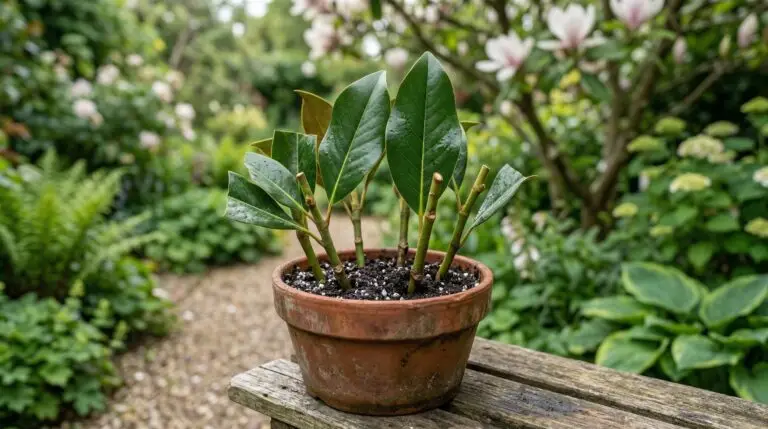
How to propagate magnolias from cuttings and layering for new trees from your favorite
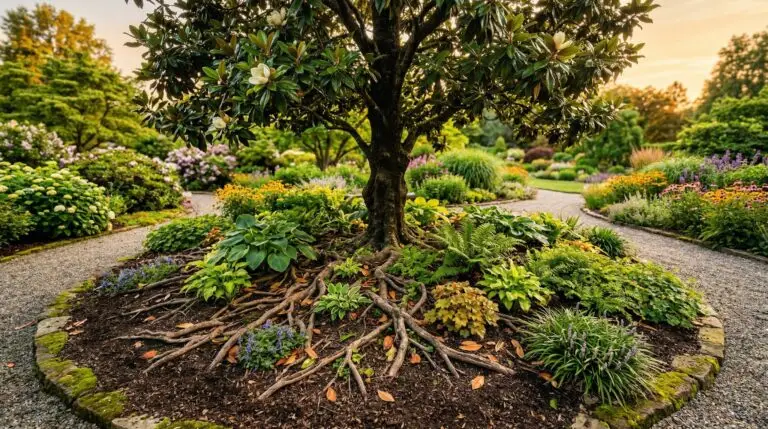
Companion plants for magnolia trees: what to grow and avoid
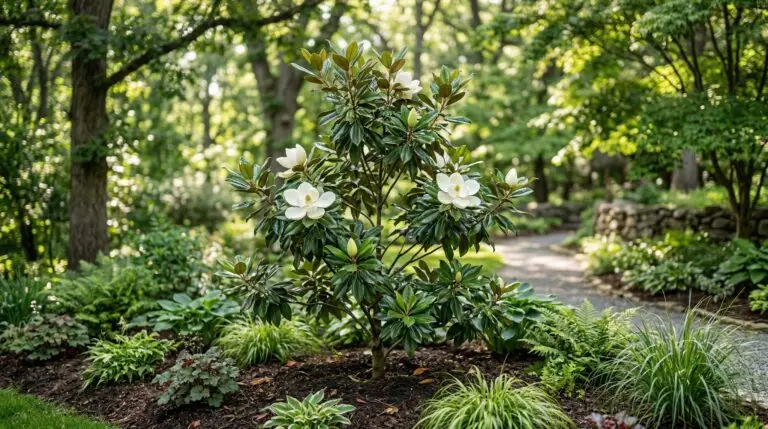
How to grow magnolia trees for breathtaking spring blooms on bare branches
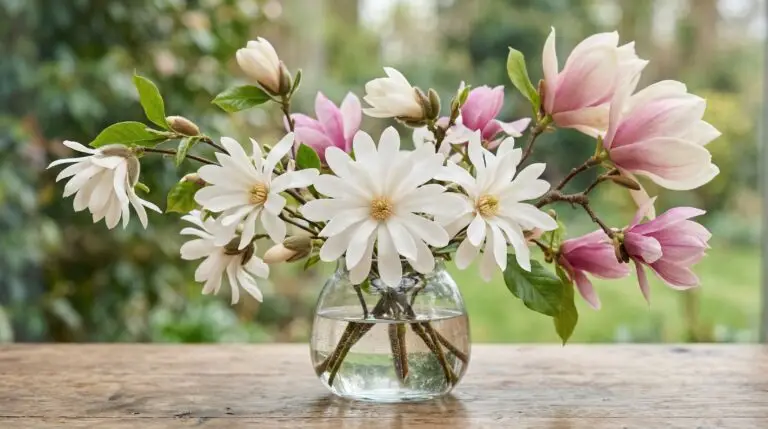
Small magnolias for compact gardens that fit any yard with room to spare
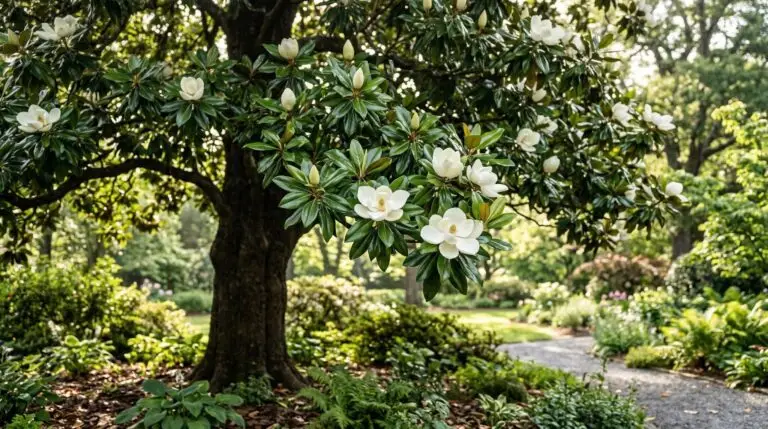
Southern magnolia grandiflora and growing the iconic evergreen of the American South
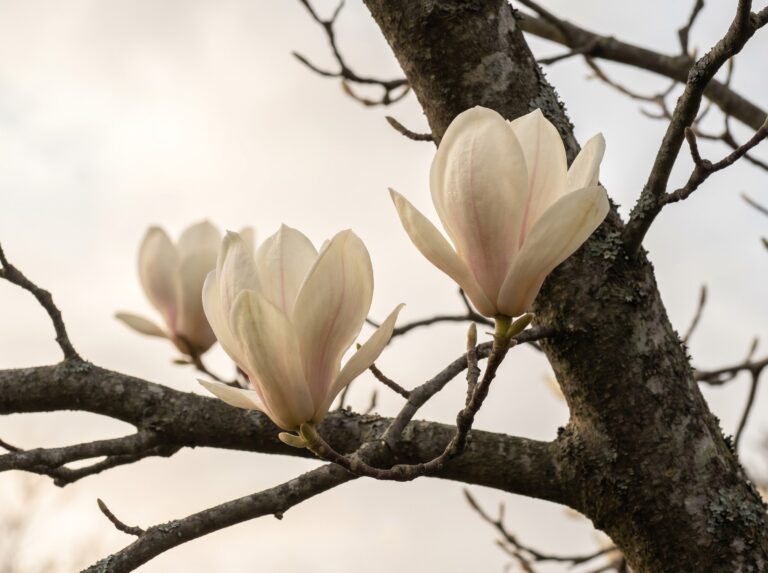
Magnolia meaning, from dignity and perseverance to its place in the American South
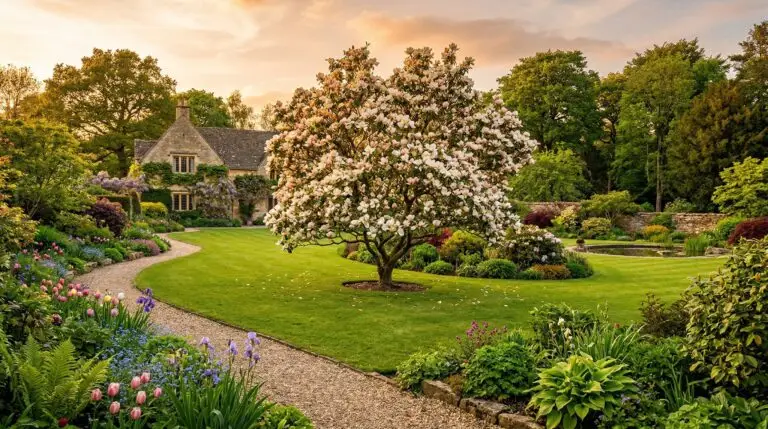
Magnolia trees in landscape design and placing them for maximum dramatic impact
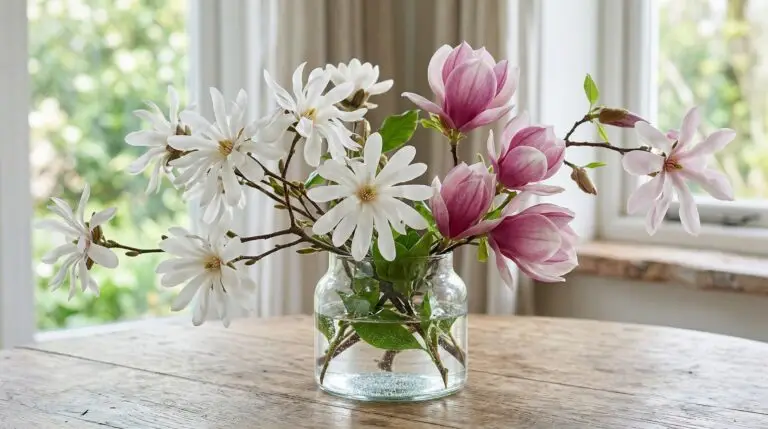
Best magnolia varieties from small garden stars to grand southern shade trees
Enjoying our flower guides? Add YourFlowersGuide as a preferred source on Google. It helps more readers find us.
Add to Preferred Sources