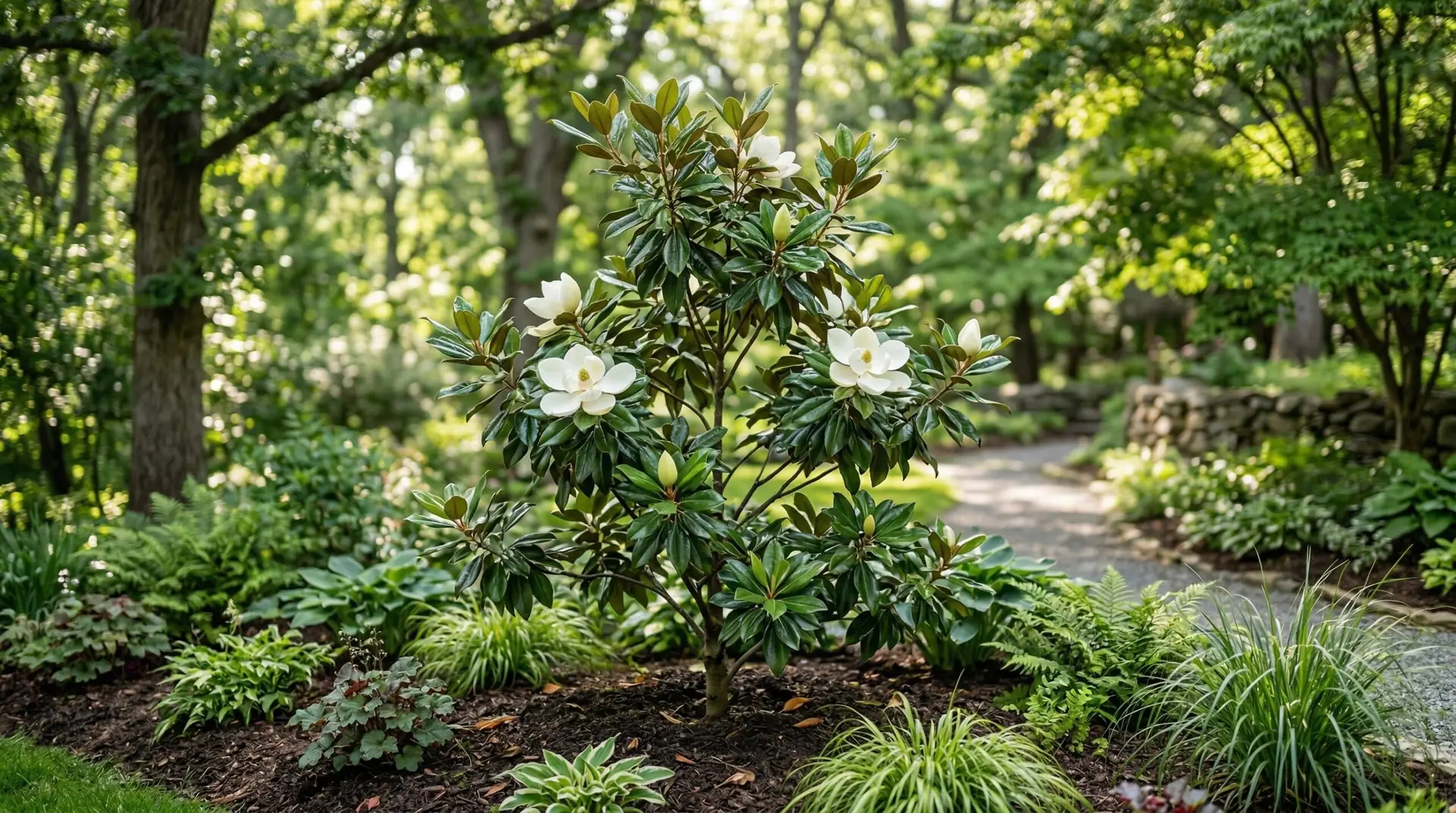
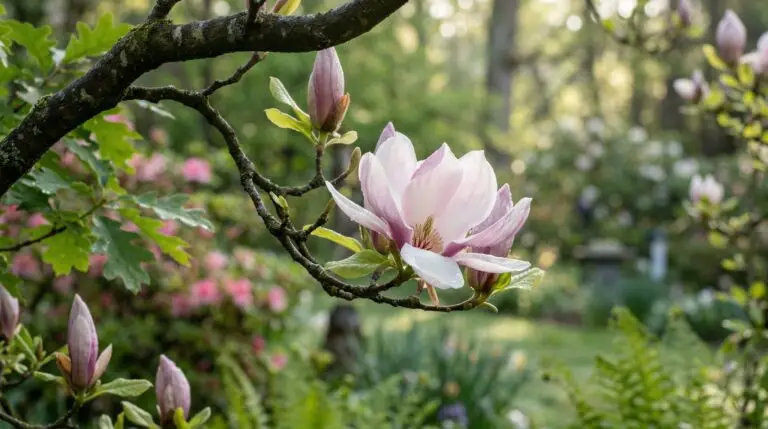
Few trees command the late winter and early spring garden quite like the deciduous magnolias, which push their massive, fleshy floral buds open long before the first leaf emerges. When you have spent years observing these trees in botanical collections, you quickly realize that their striking early bloom is both their greatest asset and their most significant vulnerability. The saucer magnolia, Magnolia x soulangeana, and the star magnolia, Magnolia stellata, are the most common deciduous types encountered in American gardens. Unlike a late-spring blooming lilac, these magnolias produce flowers on old wood, meaning the buds are formed during the previous summer and sit exposed on the branches throughout the winter months. Because they bloom so early, often in March or April depending on your hardiness zone, a sudden late frost can turn an entire canopy of pristine white or pink petals to brown mush overnight. Understanding how to navigate this vulnerability through careful site selection and proper soil management is the foundation of growing magnolias successfully.
Contents 4 sections
Selecting a protected planting site
Selecting the proper location for a spring-blooming magnolia requires a careful balance between providing adequate sunlight and protecting the fragile early flowers from environmental extremes. While these trees prefer full sun to achieve their maximum bloom density, placing them in a southern or western exposure can actually encourage them to break dormancy too early in the spring. A northern or eastern exposure is often preferable for early-blooming cultivars, as the slightly cooler microclimate delays bud break just enough to let the worst of the late spring frosts pass. You must also consider wind exposure, as the large, delicate petals are easily shredded by strong early spring gusts coming off open spaces. The ideal planting site offers protection from prevailing winds, perhaps shielded by a larger structure or a mature evergreen windbreak, while still receiving at least six hours of direct sunlight. Growers often debate whether to prioritize frost protection or maximum sun exposure, but experience shows that a slightly shaded, sheltered magnolia with intact blooms provides far more satisfaction than a fully exposed tree with frost-blasted flowers.
Accommodating fleshy and shallow roots
The physical planting of a magnolia tree requires strict attention to its unique root anatomy, which differs significantly from many other common garden trees. Magnolias possess a fleshy, rope-like root system that is highly prone to breakage and stays remarkably close to the soil surface rather than driving deep taproots. Because these roots require high oxygen levels, planting a magnolia even a few inches too deep can lead to slow decline and eventual death from root rot. You should dig a wide, shallow hole and position the tree so that the root flare, the point where the trunk widens at the soil line, rests an inch or two above the surrounding grade. This slightly elevated planting position accommodates future settling and ensures the upper roots remain well-oxygenated even during heavy spring rains. As you backfill the soil, water it in gently to remove air pockets rather than tamping it down with your foot, which can crush the brittle roots.
The shallow, spreading nature of magnolia roots makes the ground directly beneath the canopy a difficult environment for other plants to thrive. Cultivating the soil under a mature magnolia to plant annuals or perennials will inevitably sever the tree’s feeder roots, causing unnecessary stress and potentially reducing the following year’s bloom. Instead of disturbing the soil with frequent digging, it is best to establish a wide, permanent mulch ring that mimics the natural woodland floor these trees evolved in. Apply a three-inch layer of organic mulch, such as composted pine bark or shredded leaves, pulling it back slightly from the trunk to prevent moisture buildup against the bark. If you want to incorporate companion shrubs in the broader garden beds nearby, you can plant shallow-rooted acid lovers just outside the magnolia’s drip line. For instance, growing a spring-blooming azalea or a late-winter camellia near the edges of the magnolia’s root zone creates a layered blooming effect without forcing the plants to compete for the exact same soil space.
Managing soil chemistry and summer moisture
Proper moisture management and soil chemistry dictate the long-term vigor of any magnolia tree. These trees perform best in slightly acidic soils with a pH ranging from 5.5 to 6.5, which allows them to easily absorb essential nutrients like iron and manganese. If your soil is highly alkaline, you will often see the leaves turn a sickly yellow with green veins during the summer, a botanical condition known as chlorosis. While you can amend alkaline soil with elemental sulfur, it is often more practical to select a different tree if your native soil pH is consistently above 7.5. Consistent moisture is equally essential, particularly during the first three years of establishment and during the late summer months when the tree is actively setting its flower buds for the following spring. Providing a slow, deep soaking once a week during dry spells will ensure the buds develop fully, whereas drought stress in August frequently results in a disappointing, sparse floral display the next March.
Pruning with restraint for natural form
Magnolia tree care requires a restrained approach when it comes to pruning, as these trees naturally develop an elegant, multi-stemmed or low-branching habit that needs very little human intervention. Deciduous magnolias rarely respond well to heavy pruning, and cutting back large branches often results in an explosion of weak, vertical water sprouts that ruin the tree’s natural architecture. If you must prune to remove dead, damaged, or crossing branches, you should do so immediately after the spring flowering finishes. Pruning late in the summer or during the winter will remove the dormant flower buds, directly sacrificing the spring display you have been waiting for. When you do make cuts, use sharp, bypass pruners or a high-quality pruning saw, making clean cuts just outside the branch collar without leaving a flush cut or a long stub. Leaving the tree to assume its natural, sometimes sprawling form is almost always the best horticultural decision, allowing the bare architectural branches to hold their massive blooms exactly as they were meant to.
Moving forward with your magnolia planting requires patience and a commitment to observing the tree’s response to its environment over several seasons. If you are planting a new specimen this season, focus entirely on maintaining consistent soil moisture and protecting the delicate root zone from foot traffic and lawnmowers. Do not apply heavy nitrogen fertilizers in the first year, as the tree needs to direct its energy toward establishing its root system rather than pushing vulnerable new top growth. Monitor the moisture levels beneath the mulch layer weekly, feeling the soil with your hands rather than relying on a surface glance. By securing the root zone and ensuring adequate hydration through the late summer bud-setting period, you set the biological foundation for a healthy tree that will reliably produce its massive, bare-branch blooms for decades.
More About Magnolia
Magnolia in wedding decor and the southern tradition of magnolia bridal flowers
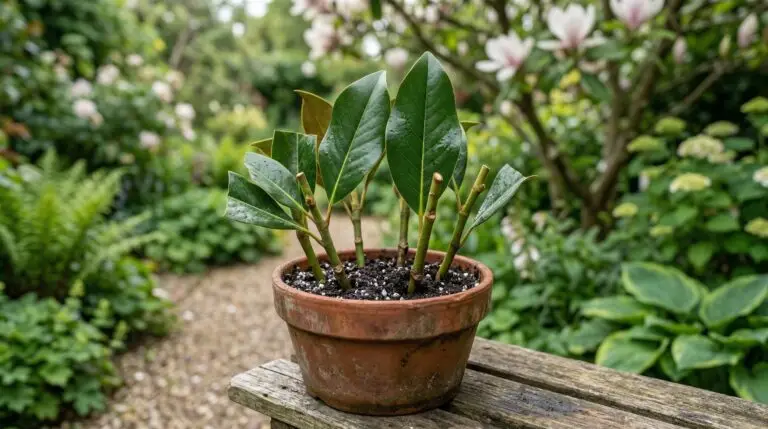
How to propagate magnolias from cuttings and layering for new trees from your favorite
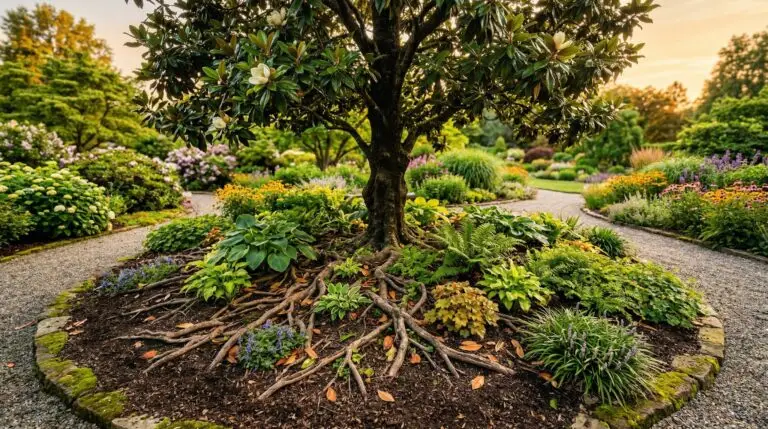
Companion plants for magnolia trees: what to grow and avoid
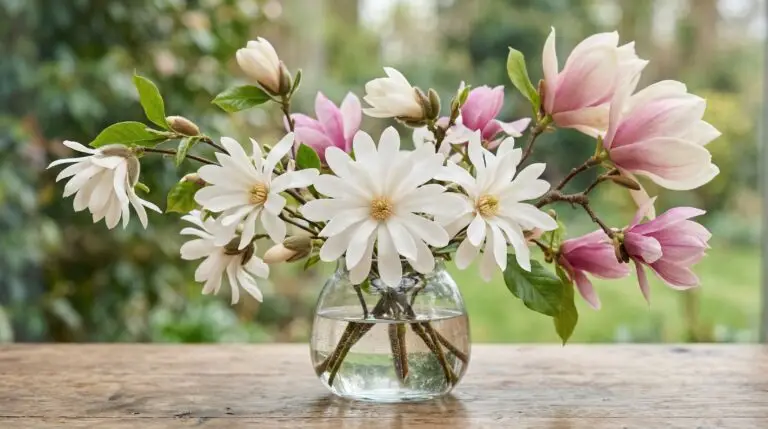
Small magnolias for compact gardens that fit any yard with room to spare
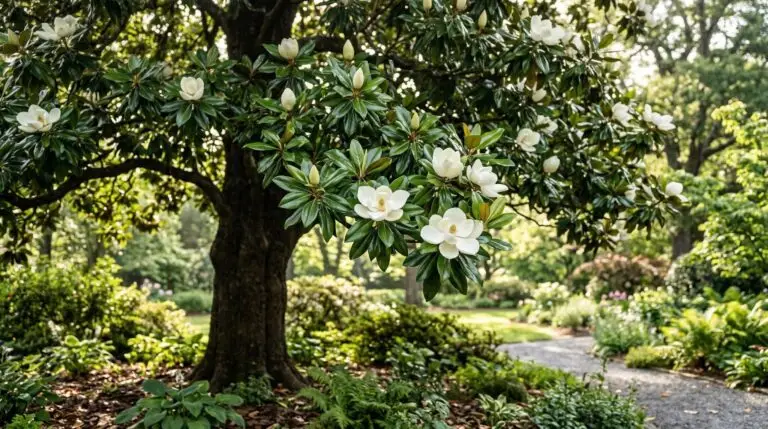
Southern magnolia grandiflora and growing the iconic evergreen of the American South
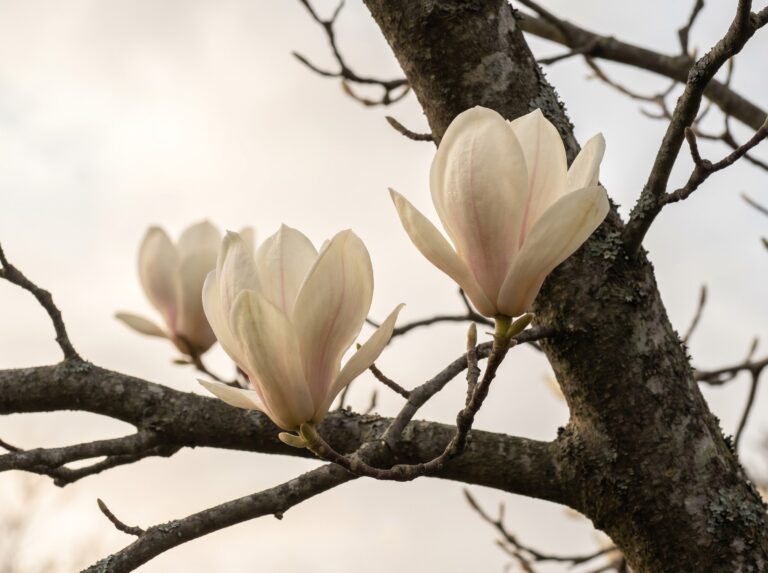
Magnolia meaning, from dignity and perseverance to its place in the American South
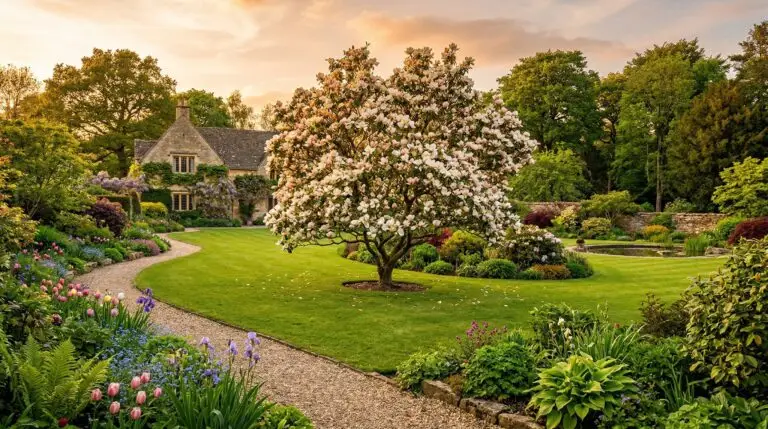
Magnolia trees in landscape design and placing them for maximum dramatic impact
Why magnolia flower buds freeze in late spring frost and how to protect your tree
Best magnolia varieties from small garden stars to grand southern shade trees
Enjoying our flower guides? Add YourFlowersGuide as a preferred source on Google. It helps more readers find us.
Add to Preferred Sources