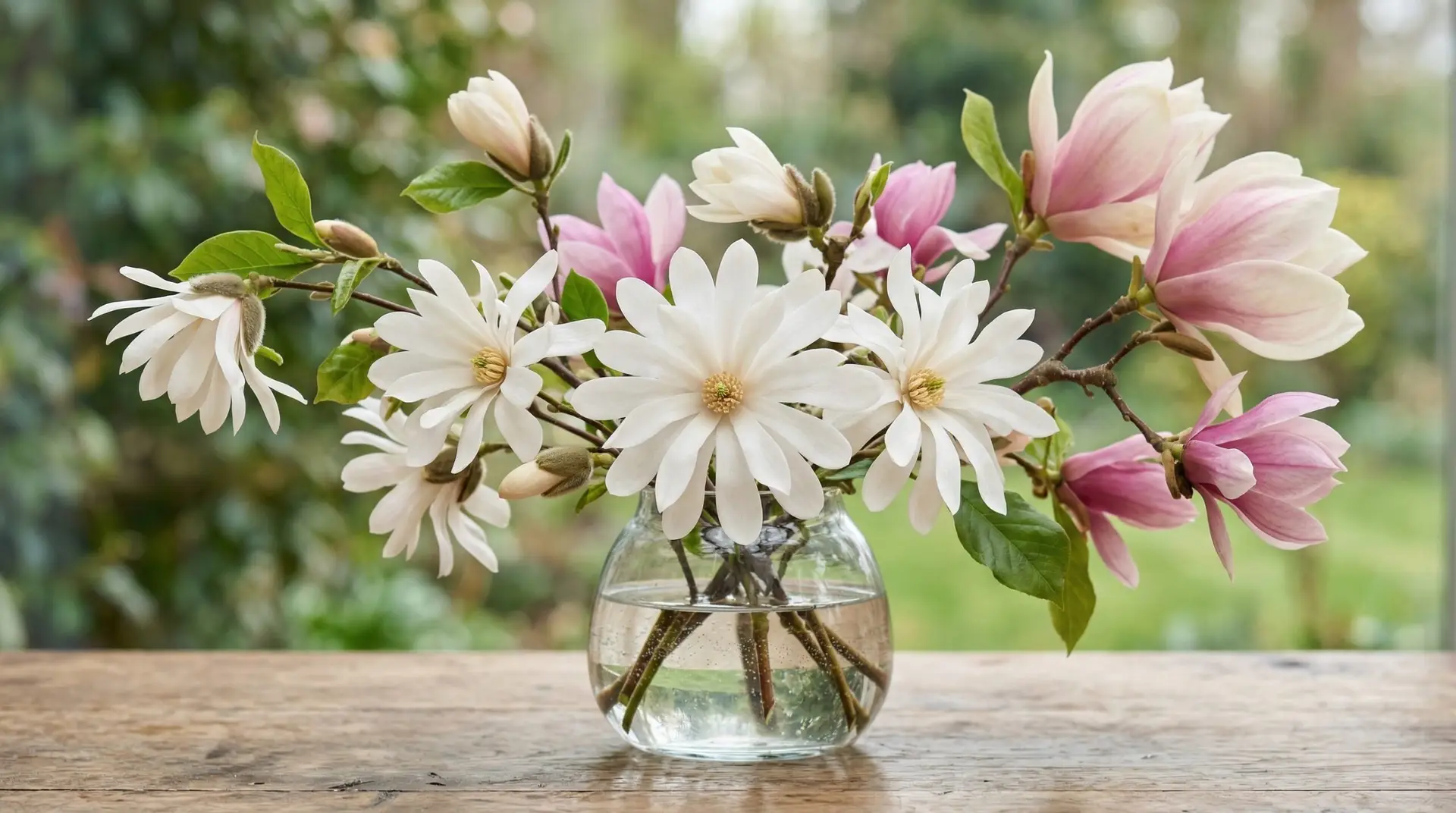
Magnolias have a reputation for demanding massive amounts of space. People usually picture giant Southern trees with sprawling limbs that shade out entire lawns and drop large leaves everywhere. That image keeps many gardeners from planting them in standard suburban yards. I spent years thinking I simply did not have the square footage for one of these ancient trees. Then I started exploring the world of the dwarf magnolia, and it completely changed how I look at my garden. You can absolutely fit a magnolia small garden design without sacrificing your entire yard. These compact trees bring that same prehistoric, fleshy-petaled magic to spaces under twenty feet tall.
The appeal of growing these trees comes down to the sheer substance of their flowers. While other spring bloomers offer delicate sprays of color, a small magnolia tree produces heavy, sculptural cups that look almost carved from wax. Watching those fuzzy, silver buds swell through the late winter months provides a quiet sort of anticipation that few other plants offer. When they finally open, the fragrance and the visual weight of the blooms anchor the entire spring garden. You get all the architectural presence of a classic estate tree scaled down to a manageable size. Finding the right variety just takes a little bit of matching the plant to your specific climate and soil.
Contents 4 sections
The reliable charm of star magnolias
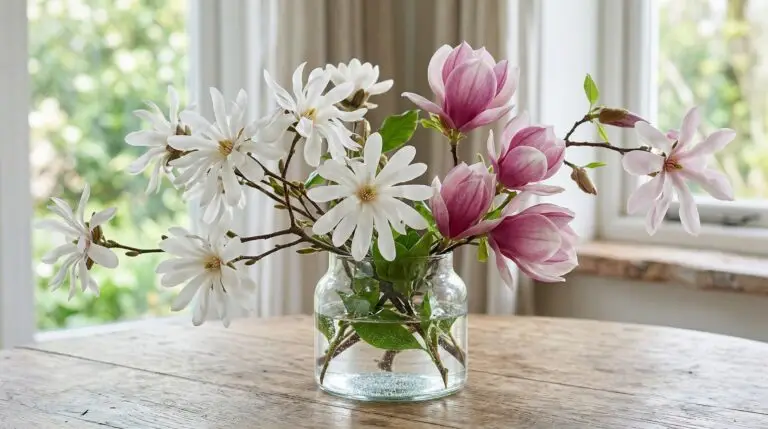
The star magnolia is often the first introduction many of us have to compact varieties. Magnolia stellata is a slow grower that usually tops out around fifteen feet, making it an easy fit near patios or property lines. What I love most about this tree is the way the flowers differ from the classic saucer types. Instead of thick goblets, the blooms are made of dozens of narrow, ribbon-like tepals that flutter in the early spring wind. They open incredibly early in the season, often while the branches are completely bare of leaves. This creates a cloud of white or pale pink that looks almost ethereal against a gray March sky.
That early bloom time is exactly what makes the star magnolia both thrilling and a little heartbreaking. Because it wakes up so early, a sudden late frost can turn those pristine white ribbons into brown mush overnight. I have walked out on a freezing April morning to find my entire display ruined for the year. Even with that risk, I would never remove it from my yard. When the weather cooperates, the display is so rewarding that it makes up for the occasional lost season. You just learn to plant them in a spot that offers a little protection from the harshest winter winds.
Getting to know the little girl hybrids
If you live in an area where late frosts constantly break your heart, the Little Girl series is exactly what you need. These hybrids were bred specifically to bloom a couple of weeks later than the star and saucer types. The National Arboretum released varieties like Ann, Jane, and Betty decades ago, and they remain some of the most dependable plants you can grow. They grow as large multi-stemmed shrubs or small trees, usually staying between ten and fifteen feet tall. The flowers are typically a deep reddish-purple on the outside and a pale, creamy pink on the inside. When the sun hits them, the color contrast is deeply satisfying to look at.
My personal favorite of the group is Jane because of the way the flowers hold their cup shape before fully opening. Ann is another excellent choice if you want something slightly more compact, while Betty tends to have some of the widest flowers in the series. One of the best surprises these hybrids offer is their tendency to produce a second, smaller flush of blooms in midsummer. Seeing a random pink magnolia blossom open in July alongside a late-blooming lilac or early summer perennial is always a welcome treat. They are tough plants that handle clay soil better than many other varieties, though they still prefer good drainage.
Dark dramatic blooms and evergreen options
For gardeners who want something truly different, the Black Tulip magnolia is a fascinating piece of breeding. The flowers on this tree do not open flat like a star magnolia or flop open lazily like some saucer types. They hold a tight, rounded goblet shape that looks exactly like a dark, heavy tulip sitting on a bare branch. The color is a deep, saturated burgundy that feels incredibly rich, especially on a cloudy spring afternoon. It grows upright and relatively narrow, easily staying under twenty feet, which makes it perfect for tight corners. The dark flowers look especially striking when planted near a white-flowering viburnum or a light-colored fence.
On the completely opposite end of the spectrum is the Fairy Magnolia series. These are complex hybrids that behave very differently from the deciduous trees most of us are used to. They are evergreen in milder climates and produce masses of smaller, fragrant flowers all along their stems rather than just at the branch tips. They grow bushy and dense, meaning you can actually use them as a flowering hedge if you want to. The sheer volume of flowers they produce is staggering, and they have a sweet scent that carries across the yard. They share that glossy, thick-leaved appeal you might expect from a camellia, but with a distinctly different floral shape.
Making space for prehistoric beauty
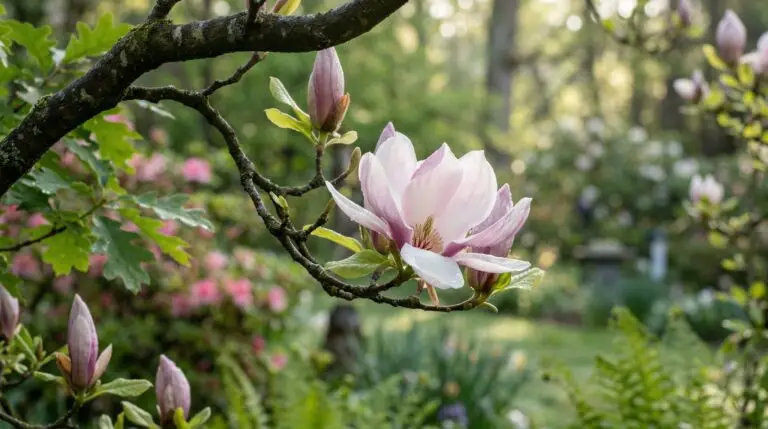
The real joy of growing a dwarf magnolia is the way it anchors the changing seasons in your yard. Long before the leaves appear, the fuzzy buds sit on the branches all winter, catching the frost and holding the promise of spring. When those thick petals finally break open, they bring a specific kind of structural beauty that fragile spring bulbs simply cannot match. I look forward to that heavy, lemony scent every single year, and I love cutting just one or two branches to bring inside the house. The blooms float perfectly in a shallow bowl of water, filling the room with their fragrance.
You do not need a sprawling estate to experience the deep satisfaction of growing these ancient plants. A small magnolia tree requires very little pruning once established, and it generally takes care of itself if planted in decent soil. You might lose a few blooms to a late frost now and then, or wish the flowering season lasted just a little bit longer. Those minor flaws are easy to forgive when you see a perfect pink or white goblet open on a cool spring morning. They offer a sense of permanence and substance that transforms a compact garden into a place of real botanical interest.
More About Magnolia
Magnolia in wedding decor and the southern tradition of magnolia bridal flowers
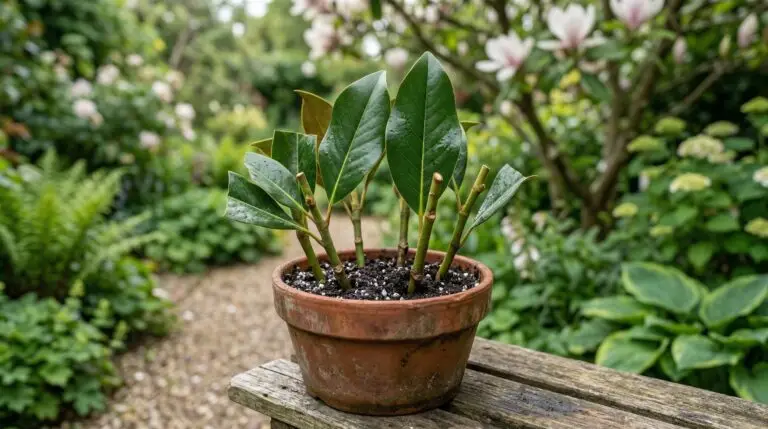
How to propagate magnolias from cuttings and layering for new trees from your favorite
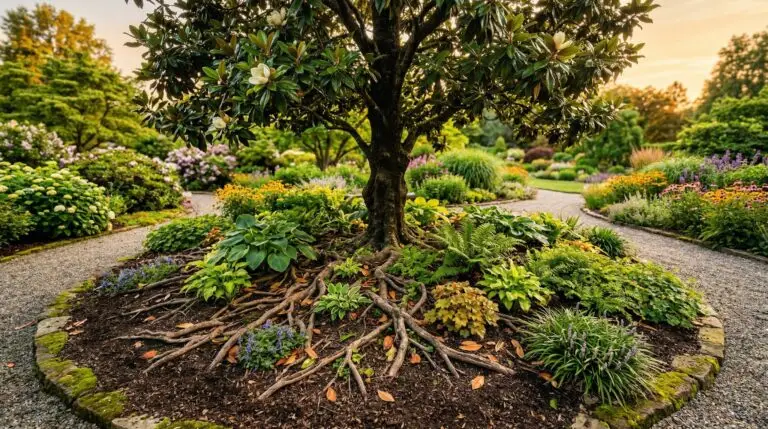
Companion plants for magnolia trees: what to grow and avoid
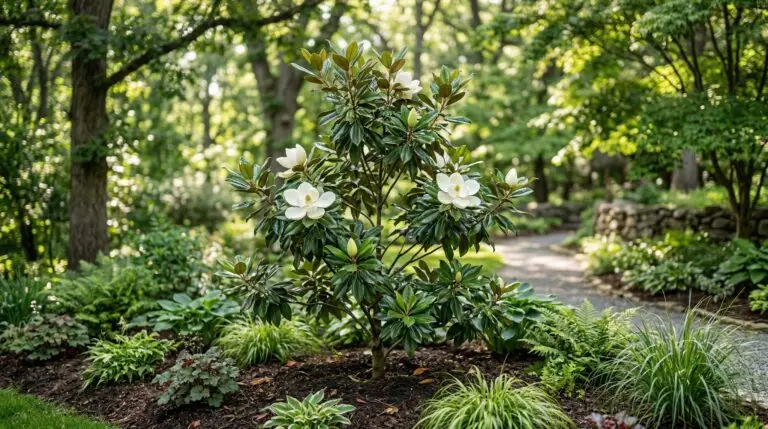
How to grow magnolia trees for breathtaking spring blooms on bare branches
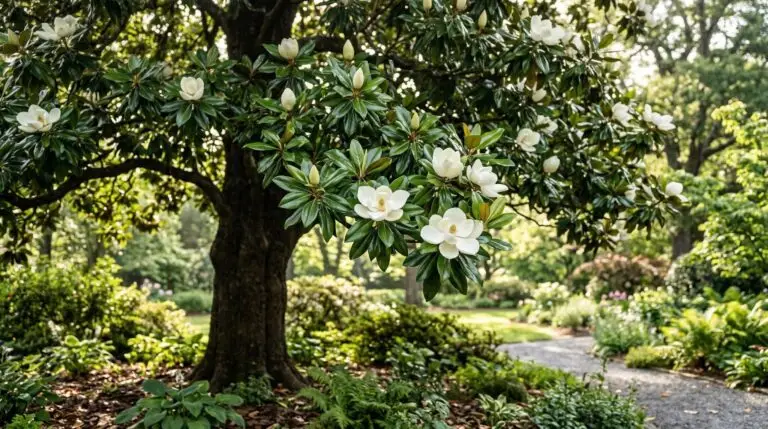
Southern magnolia grandiflora and growing the iconic evergreen of the American South
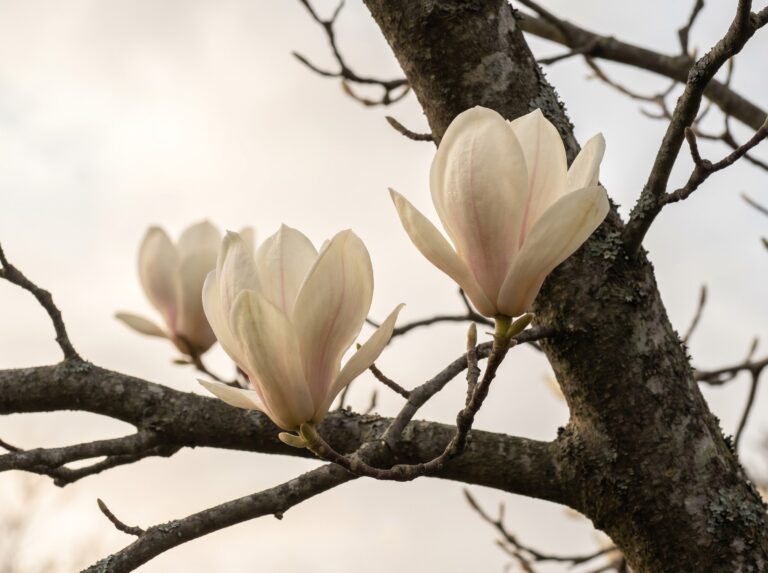
Magnolia meaning, from dignity and perseverance to its place in the American South
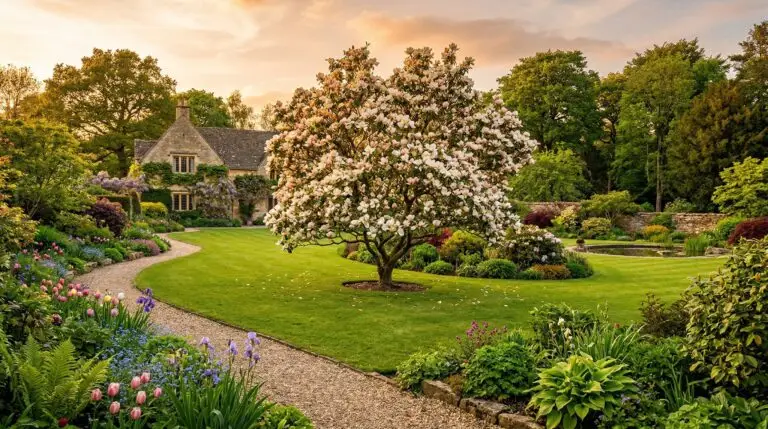
Magnolia trees in landscape design and placing them for maximum dramatic impact
Why magnolia flower buds freeze in late spring frost and how to protect your tree
Best magnolia varieties from small garden stars to grand southern shade trees
Enjoying our flower guides? Add YourFlowersGuide as a preferred source on Google. It helps more readers find us.
Add to Preferred Sources