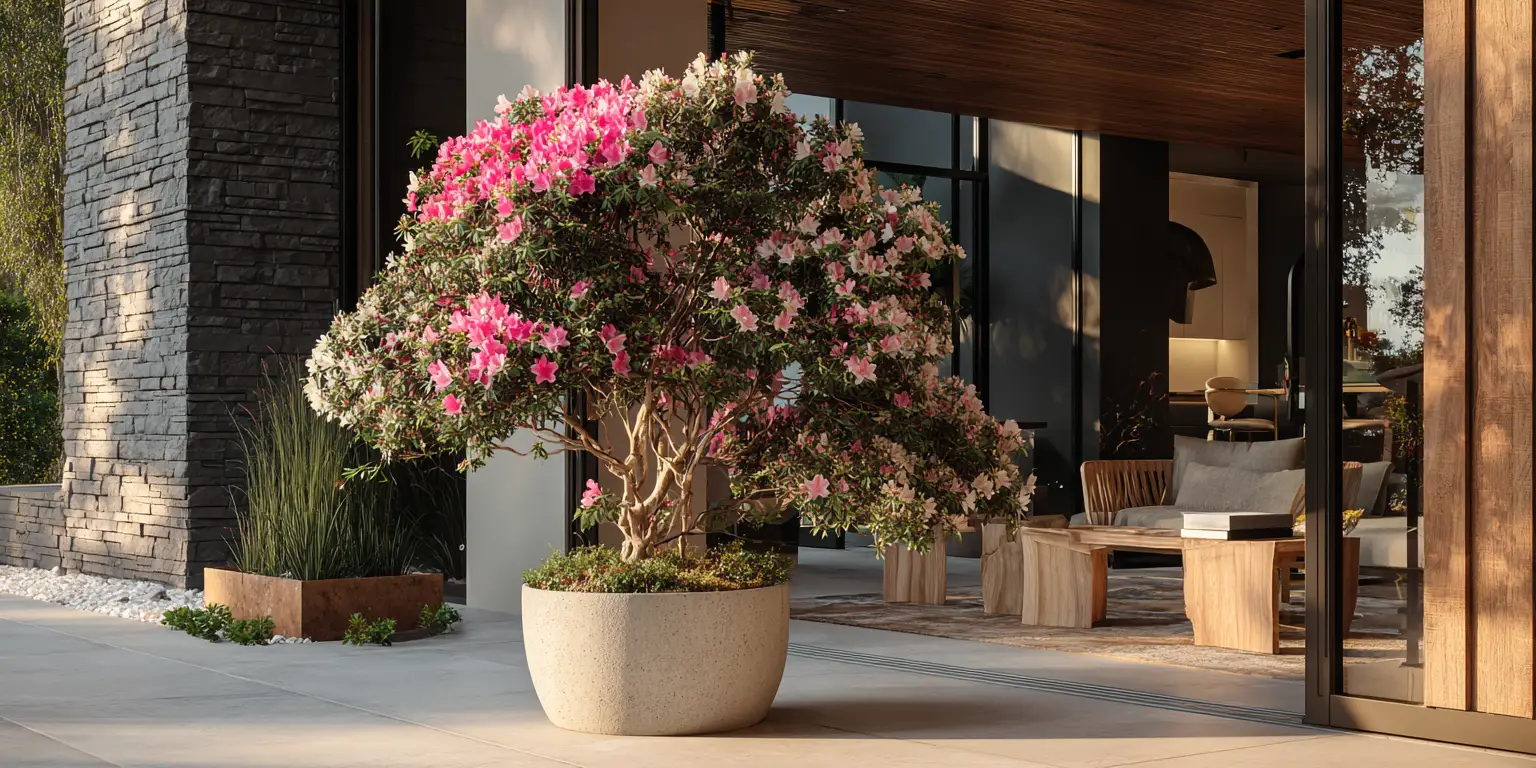
Satsuki Azalea
Satsuki Hybrids (evergreen) · various; centuries of selection; Japan
At‑a‑glance
- Group/Class: Satsuki Hybrids (evergreen)
- Height × spread: 3-6 ft × 3-5 ft (0.9-1.8 m × 0.9-1.5 m)
- Bloom window: late spring to early summer
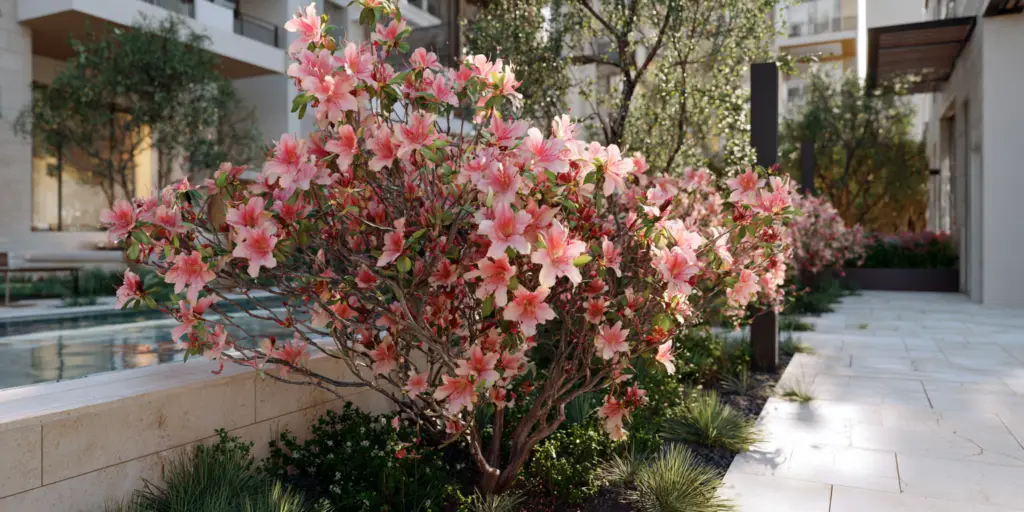
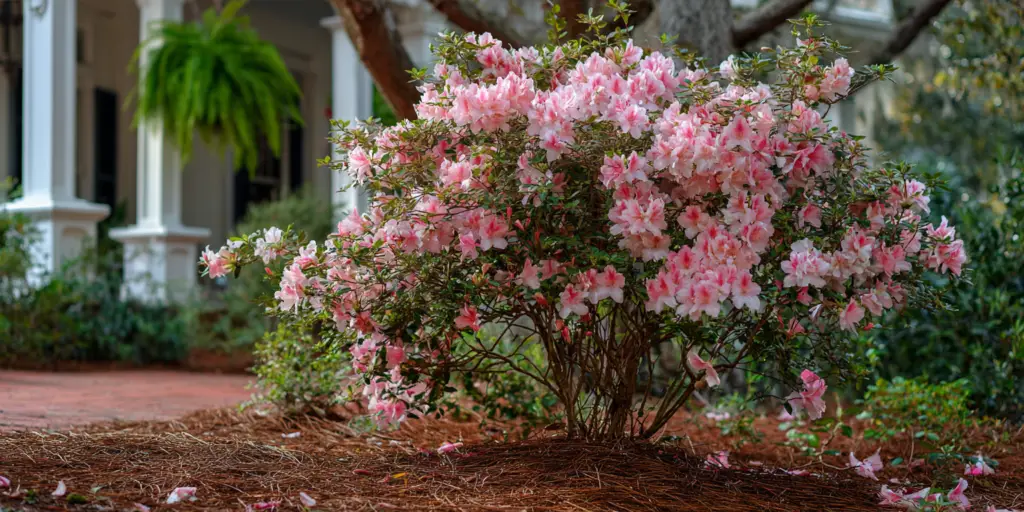
- Color & flower form: large single flowers; frequent variegation and patterning
- Fragrance: 0 to 1; varies by cultivar
- USDA hardiness: USDA zones 7 to 9
- Breeder / Year / Origin: various; centuries of selection; Japan
- Pet safety: avoid
How it differs
- Blooms weeks later than many evergreen azaleas.
- Showy, oversized flowers with diverse patterns.
- Lower stature and slower growth than Southern Indica types.
- Less winter hardy than Kurume azaleas.
Strengths
- Extends color into early summer.
- Strong display in light sun compared with deep shade.
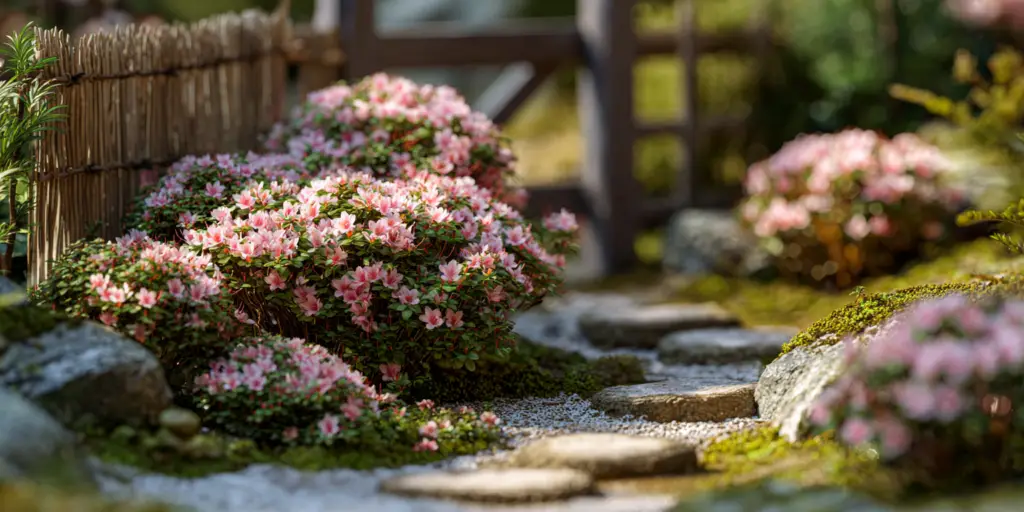
- Suited to containers and bonsai training.
- Many compact cultivars for small sites.
Care in one minute
Place in morning sun with afternoon shade to prevent scorch.
Soil: acidic and well drained; amend clay and plant slightly high; mulch 2-3 in (5-8 cm).
Water consistently during dry spells; do not allow prolonged drought during bud set.
Lightly prune or pinch immediately after bloom; avoid summer shearing.
Use a light, acid‑forming fertilizer after flowering if growth is weak.
Watch‑outs
- Winter injury in cold Zone 7 and north.
- Leaf scorch under hot afternoon sun without irrigation.
- Root rot where soils stay wet or heavy.
Best uses (tags)
Provenance note
Satsuki types were refined in Japan over centuries and are prized for patterned blooms; they were promoted in North America and are commonly represented by cultivars such as ‘Gumpo’ and related selections.
References
- UF/IFAS – Satsuki azaleas extend bloom
- Arkansas Cooperative Extension – Satsuki Azalea
- NC State Extension – ‘Gunrei Satsuki’ profile (culture notes)
- ASPCA – Azalea (Rhododendron spp.) toxicity
Similar Flowers
Enjoying our flower guides? Add YourFlowersGuide as a preferred source on Google. It helps more readers find us.
Add to Preferred Sources