The pairing · pick a flower
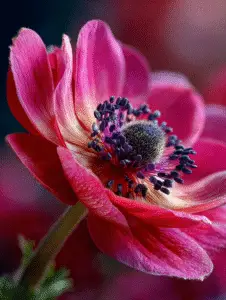 Anemone+
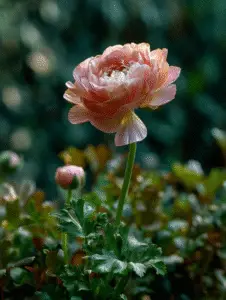 RanunculusProven
Same buttercup family, same cool-season culture, and the same need for full sun and sharp drainage; anemone's open, dark-centered face is the clearest textural counterpoint to ranunculus's dense ruffled rosette.
Anemone+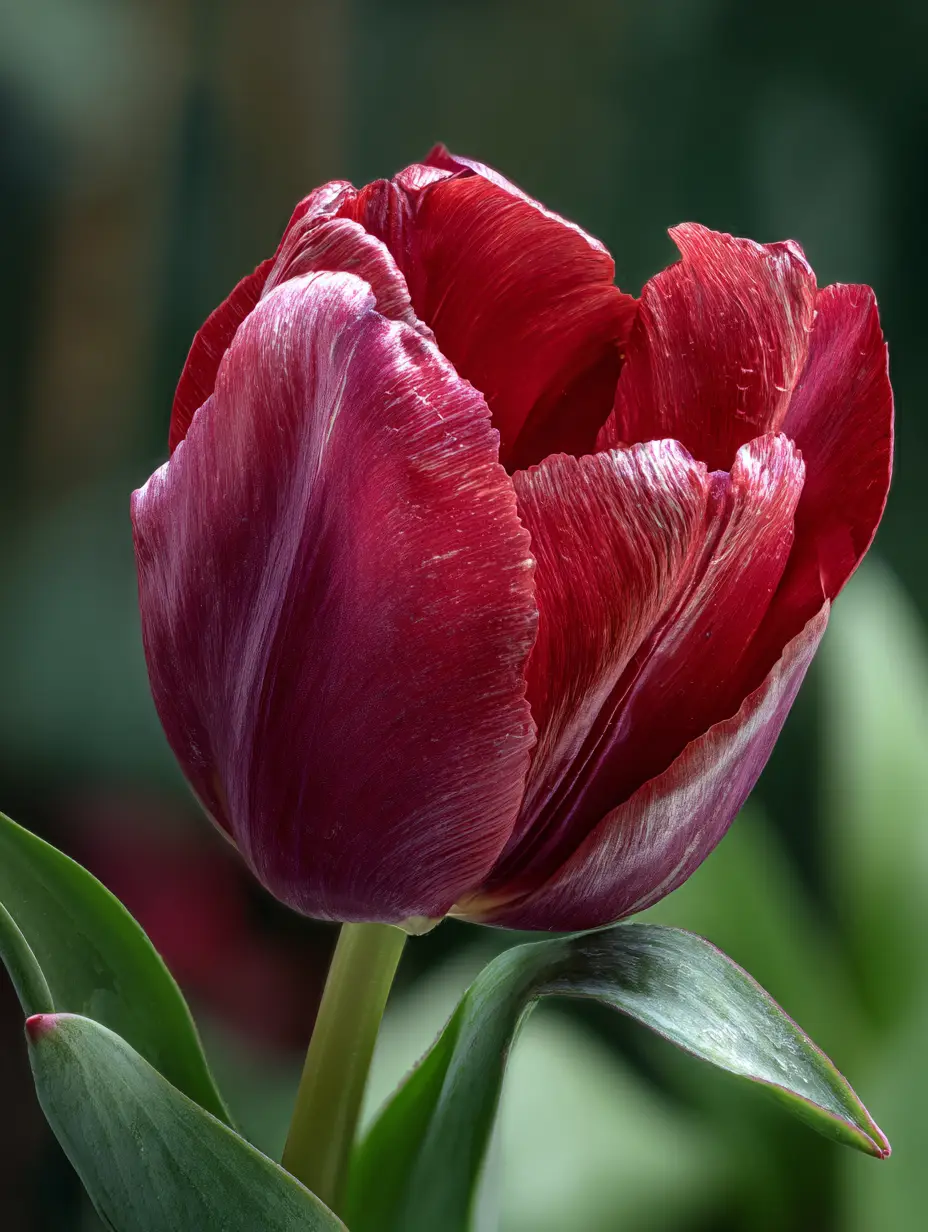 TulipProven
Extension sourcing names tulip alongside anemone as a spring border partner, sharing the same sunny, well-drained bed even though tulip's deeper-planted true bulb gives it a taller, later layer above the low anemone rosette.
Anemone+ DaffodilProven
Named directly alongside anemone as a spring border companion by extension sourcing, sharing the same bulb-planting logic and cool-season window, with the practical bonus of deer and rodent resistance in a mixed bed.
Anemone+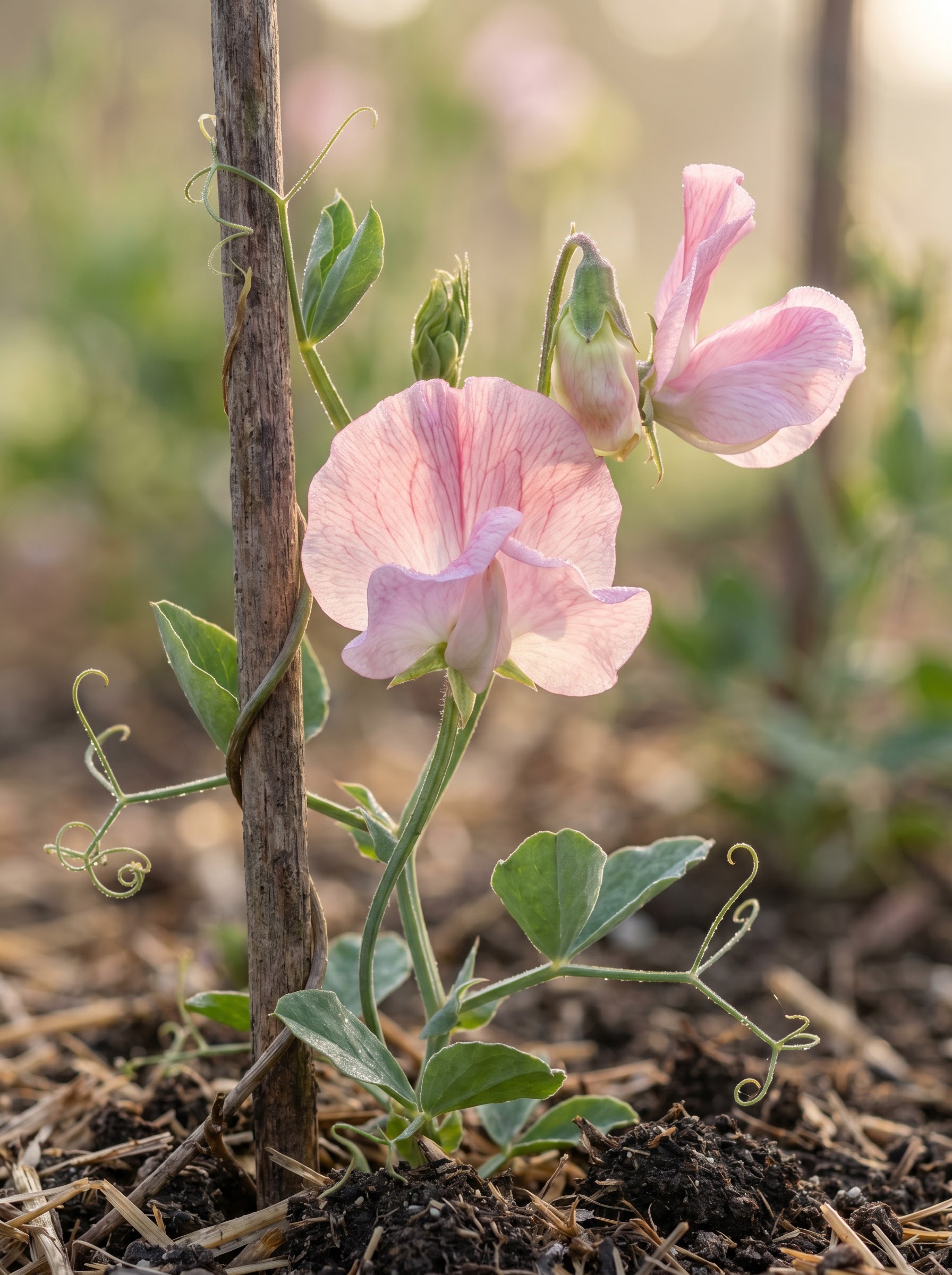 Sweet peaPartial
A climbing vine on a trellis at the back of the bed gives the cutting garden a vertical, fragrant layer anemone entirely lacks on its own, without physically crowding the corm's ground-level footprint.
Anemone+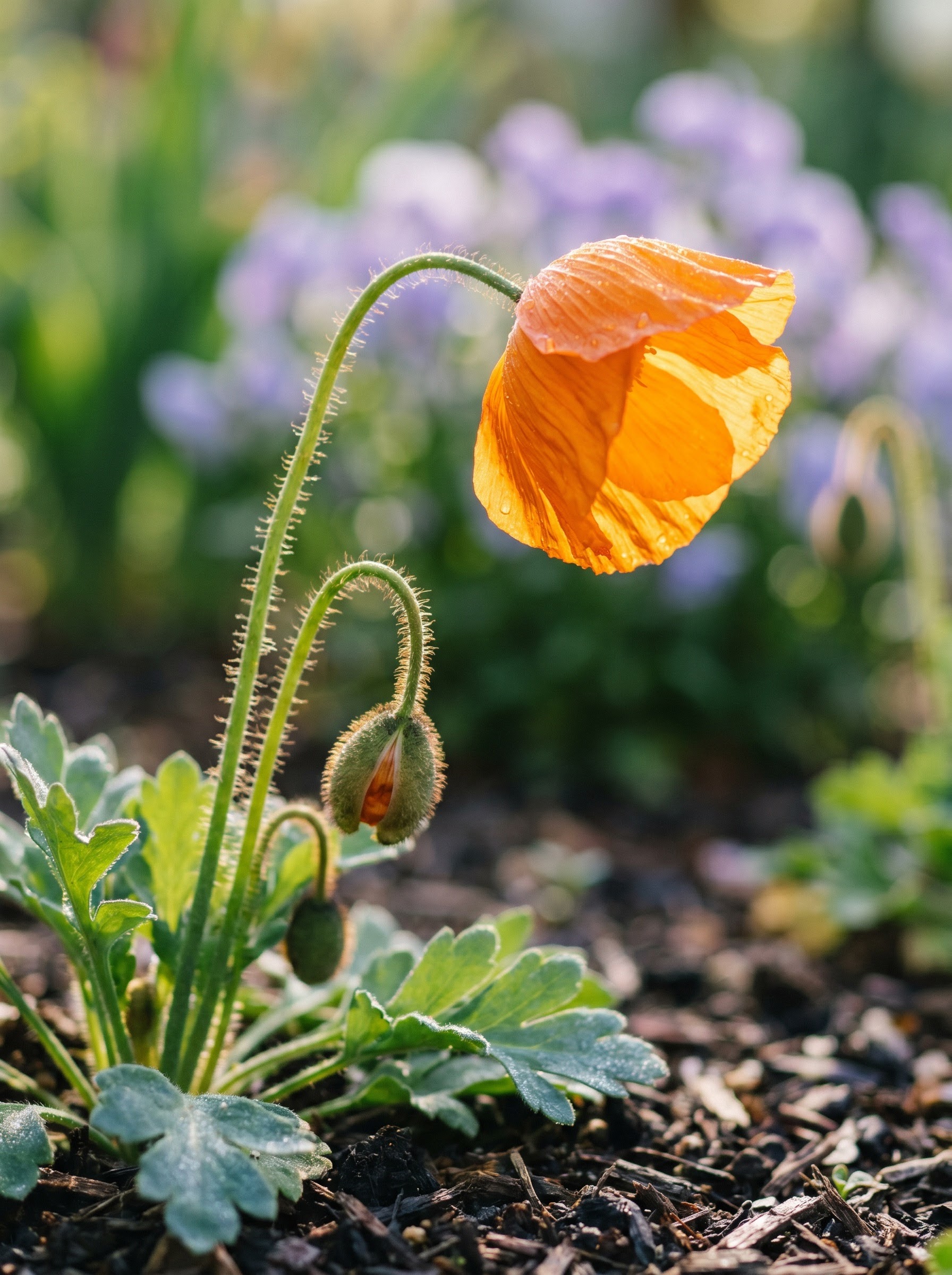 Iceland poppyPartial
A repeated cool-season cutting-bed recipe pairs Iceland poppy as the tallest edge planting with ranunculus and anemone corms filling the middle, both fading together once temperatures push past 70F.
Anemone+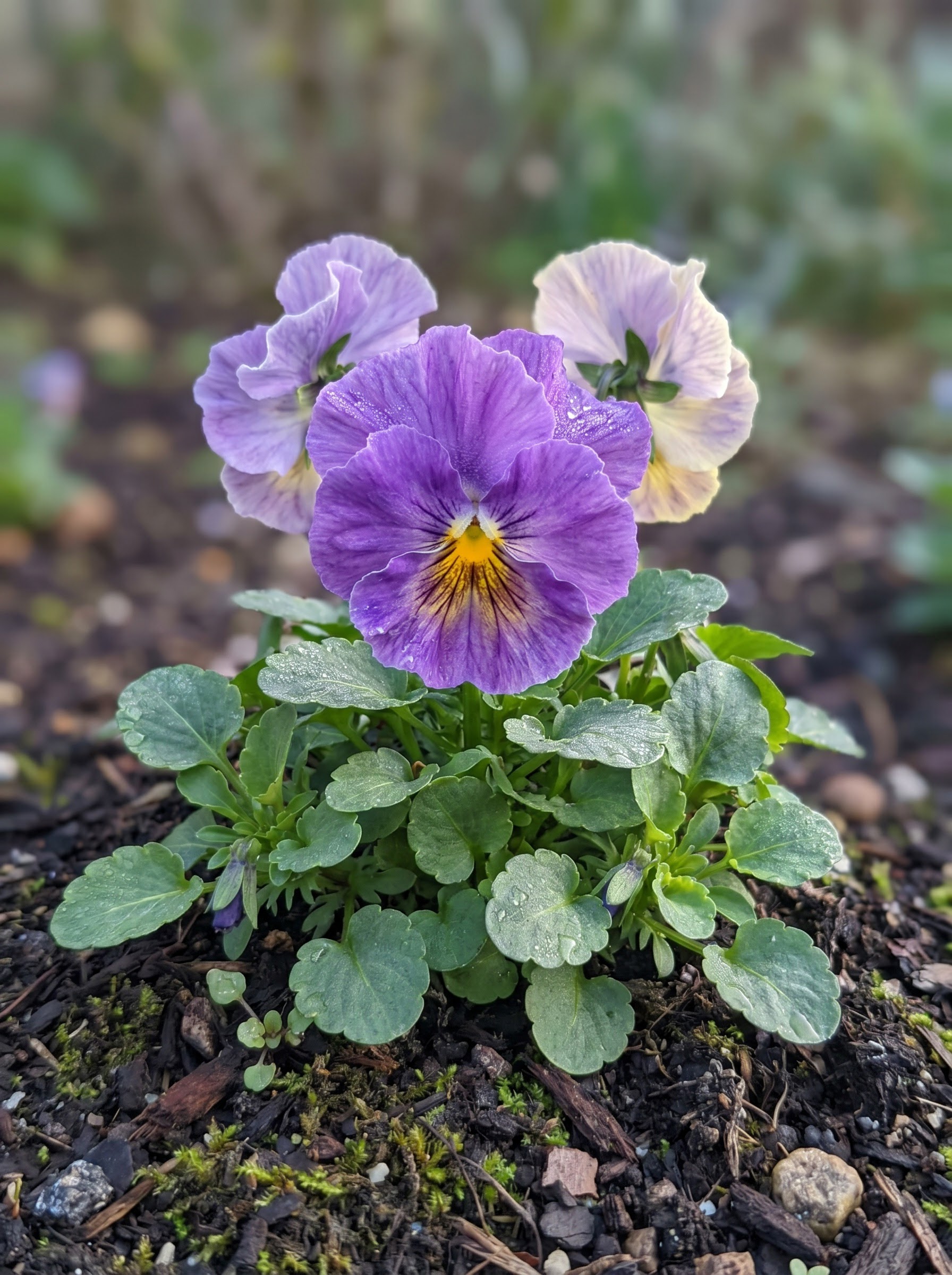 Viola /Partial
A low, early-blooming cool-season annual that tolerates the same full-sun-to-part-shade range as anemone and is specifically recommended as underplanting between spring bulbs rather than a tall, crowding neighbor.
Anemone+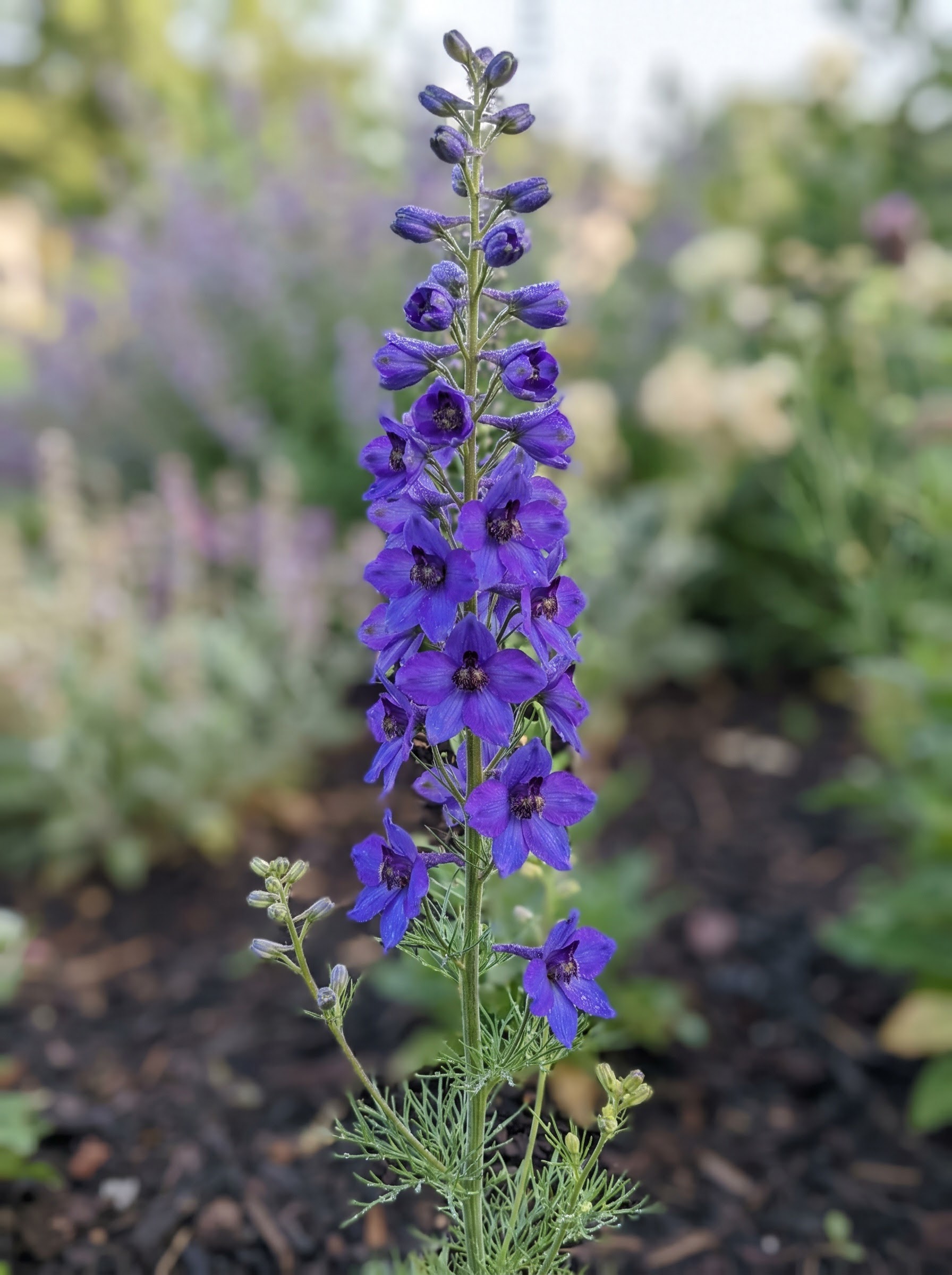 LarkspurFolklore
A buttercup-family relative with the same cool-spring timing, giving the cutting bed a tall structural spike behind the low anemone drift; the family link and season overlap are real, but sourcing tying the two together as a tested pairing is thin. [VERIFY]
All anemone companions
7 flower companions, best match first
What not to plant near anemone
Most bad neighbours are not evil, they just want the opposite light, water or root run. Here is what to keep away, and what to do instead.
Overcrowded or tight spacing generally
Anemone is named directly as a host of botrytis gray mold, and poor air circulation is a documented factor in the disease's survival and growth, so spacing for airflow is the single most defensible rule for this flower.
Heavy, poorly-drained, or consistently wet soil and siting
Waterlogged conditions cause tuber rot in anemone coronaria; this is a siting and soil-prep issue as much as a plant-to-plant one, and it is the most consequential mistake a new grower can make with this corm.
Aggressive spreaders (mint, bamboo, and similar runners)
Running rhizomes physically outcompete a small, shallow-planted tuber for root space; spearmint specifically is documented to root wherever its stems touch soil and spread aggressively by rhizome, a growth habit a corm planted just 2 to 3 in deep cannot compete against.
Ivy planted at the base
Extension sourcing confirms ivy's dense mat-forming growth blocks light and restricts nearby plants, and holds moisture against whatever it grows over, an environment that plausibly compounds the same humidity-driven botrytis risk documented above.
Large, dense, shade-casting perennials planted directly in its footprint (peony, hosta, mature daylily)
Extension sourcing describes daylily as growing so vigorously that nearby plants are usually taken over and crowded out; peony and hosta share the general bulk-and-shade mechanism, though the specific claim against them is more generic than daylily's documented behavior and should be read as a caution against any dense perennial, not a species-specific verdict. [VERIFY]
Sunflower planted close by
Sunflower is a documented allelopathic producer in general, and its size alone means it will out-compete a small full-sun corm for water and light at close range; the specific claim that sunflower allelopathy inhibits anemone by name is not established in extension sourcing and should not be repeated as settled fact. [VERIFY]
The best companions for anemone, explained
Poppy anemone, the corm most people mean when they say "anemone" for a cutting garden, belongs to the buttercup family alongside ranunculus, and that shared ancestry shows up in the garden as a nearly identical growing rhythm. Both are planted as corms in the cool season, both want full sun and soil that drains sharply, and both go dormant the moment summer heat sets in. That overlap makes ranunculus the strongest available pairing for anemone: the two crops are grown side by side in commercial cutting beds and high tunnels specifically because they finish establishing on the same schedule, and anemone’s flat, open, dark-centered face gives the eye a place to rest against ranunculus’s tightly packed ruffled rosette. Extension sourcing on ranunculus culture names anemone directly, alongside tulip and daffodil, as a spring border companion sharing the same sunny, well-drained conditions, which is as close as this category gets to an independently confirmed match.
Beyond ranunculus, anemone’s best partners are the other cool-season bulbs and annuals that share its exact bloom window rather than anything chosen for looks alone. Tulips and daffodils are commonly planted in the same bed, their true bulbs going in deeper than anemone’s shallow corms so each occupies its own soil layer without competing for root space. Sweet pea earns a place at the back of the bed on a trellis, a climbing habit that adds height and fragrance the low anemone rosette cannot supply, while staying off the ground where the corms need their space. Iceland poppy and viola round out a repeated cool-season cutting-bed recipe: poppy as the tallest edge planting, anemone and ranunculus filling the middle in a loose drift, and viola or linaria seeded low between them. All of these plants share one practical trait that matters more than color or form: they fade together once nights stop staying reliably cool, so the bed does not end up with one flower carrying on while its neighbors have already given out.
What not to plant near anemone
The most repeated claim about anemone online is that it should not be companion planted at all, that De Caen and St Brigid types resent competing with other plants and do best grown alone in a dedicated row or container. That claim is not folklore exactly, but it is overstated into an absolute rule more often than the underlying horticulture supports. What is real is that anemone’s small, shallow-planted tuber has almost no ability to physically compete against a larger, denser neighbor for root space, water, or light, and that anemone is named directly as a host of botrytis gray mold, a disease whose survival and growth is worsened by poor air circulation around the crown in cool, damp spring conditions. The honest middle ground is a dedicated row, drift, or container rather than total isolation: anemone planted with real spacing alongside ranunculus, tulip, or daffodil is a genuinely different situation from anemone crammed at the base of a large perennial.
That distinction is what separates the true avoids here from padding. Aggressive spreaders like mint and bamboo are a legitimate concern: spearmint specifically is documented to root wherever its stems touch soil and spread rampantly by rhizome, a growth habit a corm planted 2 to 3 inches deep simply cannot outcompete. Ivy earns a caution for a related reason, its dense mat-forming growth blocking light and holding moisture against whatever it grows over, a humidity effect that plausibly compounds the same botrytis risk named above even though the ivy-to-anemone link specifically has not been tested. Large, dense perennials planted directly in the corm’s footprint, daylily most defensibly among them, are a real risk too: extension sourcing describes daylily as growing so vigorously that nearby plants are usually taken over and crowded out for water, nutrients, and light, and the same caution reasonably extends to peony and hosta on the general logic of bulk and shade, even though the peony and hosta claims specifically ride on that logic more than on independent testing. What does not hold up as stated is the specific claim that sunflower’s allelopathy targets anemone by name. Sunflower is a real, documented allelopathic producer in general, but no extension source ties that mechanism to anemone specifically, so treat the size-and-shade competition as the honest reason to keep distance, not the allelopathy claim.
Do they like the same conditions?
Anemone coronaria wants full sun, six or more hours of direct light, with light or dappled shade tolerated and genuinely useful as a heat buffer in warmer zones rather than a compromise. Water needs sit in a narrow band: this corm has essentially no drought tolerance and wants consistently moist soil through active growth, but it cannot sit in standing water without risking tuber rot, so the target is even moisture, not abundant moisture. Soil is the load-bearing constraint above the other two: light, sandy or loam soil high in organic matter with genuinely sharp drainage is named across every source type, extension and commercial grower alike, and this is a narrower requirement than the generic "well-drained soil" language most flowers get. A heavy clay bed that merely drains adequately for most perennials is a real mismatch for anemone specifically. Temperature and timing complete the picture: this is a cool-season crop, with flower production dropping off once temperatures push reliably past 80F, which is why every genuine companion on this page, ranunculus, tulip, daffodil, sweet pea, Iceland poppy, shares that same cool-season clock rather than being a summer perennial that happens to tolerate similar soil.
Anemone’s USDA hardiness sits around zones 7 to 10 for leaving corms in the ground over winter; colder zones typically lift and store the tubers or replant fresh each spring, closer to how tulips and daffodils get treated in the same climates. That shared "grown as an annual or lifted bulb" logic, more than any specific pest or pollinator claim, is what makes bulb-and-corm neighbors the most reliable companions here: they are planted the same way, at similar depths adjusted for each one’s size, and go dormant on a matching schedule rather than one plant persisting green and thirsty while its neighbor has already finished for the year.
How to plant them together
In the open bed, treat anemone as the low, mid-bed layer rather than the backdrop or the front edge. Ranunculus and anemone corms go in together, spaced 6 to 10 inches apart at the same 2 to 3 inch depth, forming the visual core of a cool-season cutting row. Tulip and daffodil bulbs are planted deeper, 5 to 6 inches down, so their taller display rises above the anemone drift without the two bulb types competing for the same soil layer; spacing them 6 to 9 inches apart from the anemone corms keeps root zones from overlapping while the bloom heights stack naturally. Sweet pea belongs at the very back of the bed on a trellis or netting installed before the vine needs it, keeping its climbing habit off the ground and out of the anemone’s low-growing space entirely. Iceland poppy works the same way at a shorter scale, planted toward the back or edge where its taller, airier form does not shade the anemone rosette, while viola tucks in low at the front or between corms, filling gaps without competing for root space.
For containers, anemone plays a genuinely different role: it is commonly used as the shallow top layer in a layered spring bulb pot, planted just an inch or two below the surface above a deeper base layer of tulip and daffodil bulbs. This vertical layering technique, sometimes called bulb lasagna, lets three bloom times stack in a single pot rather than spreading across bed space, and it is worth treating as its own use case rather than folding it into row-spacing advice, since the mechanic, depth layering in one container, is different from spacing plants apart in open ground. Whichever method you use, the spacing target stays the same in spirit: enough distance between the anemone corms and anything larger or denser that air keeps moving around the crown after a wet spring week.
Does companion planting actually work for anemone?
For the pairings that share anemone’s exact cool-season, full-sun, sharp-drainage profile, yes, and the evidence is stronger than the average companion-planting claim online. Ranunculus is named directly in extension sourcing as a spring border partner for anemone, and the shared bloom window with tulip, daffodil, sweet pea, and Iceland poppy is not folklore so much as basic bulb-and-corm scheduling that anyone growing a cool-season cutting bed will observe firsthand. Where the evidence goes soft is the specific mechanism claims layered on top of legitimate pairings: larkspur’s family relationship to anemone is real taxonomically but thin as a tested horticultural recommendation, and sunflower’s allelopathy is documented against other plants without a source naming anemone as a target. The avoid side holds up better than most companion-planting content precisely because the real mechanism, overcrowding driving botrytis blight in a corm with essentially no ability to compete physically, is specific to anemone and confirmed by extension sourcing rather than generic advice recycled from a different plant entirely.
The most useful honest verdict here is on the "grow it alone" claim itself. It is not folklore in the sense of being invented, growers really do report De Caen and St Brigid types resenting tight competition, but it is also not the blanket rule some blogs present it as. The mechanism underneath it, a small shallow tuber losing out to larger, denser neighbors and overcrowding raising fungal risk, is real and sourced, and it points toward a dedicated row or drift with genuine spacing rather than total isolation. An anemone planted with 6 to 10 inches of breathing room next to ranunculus is a different situation entirely from one crowded at the base of a shrub, and treating those two scenarios as the same claim is where most of the online advice on this flower goes wrong.
FAQ
Can anemones be planted with ranunculus?
Yes, and this is the single best-supported pairing for anemone: both share the buttercup family, the same cool-season culture, and the same full-sun, sharp-drainage needs, and extension sourcing on ranunculus culture names anemone directly as a spring companion.
Do anemones need to be planted alone?
Not entirely, though the underlying concern is real. Anemone corms compete poorly against larger, denser neighbors and overcrowding raises fungal disease risk, so the honest advice is a dedicated row, drift, or container with genuine spacing rather than total isolation from every other plant.
What can I plant in front of anemone?
Viola or pansy works well as a low front edge, sharing anemone’s cool-season timing and tolerating the same sun range without competing hard for the corm’s root zone.
What should you not plant near anemone?
Aggressive spreaders like mint and bamboo, ivy at the base, and any large, dense perennial planted directly in the corm’s footprint, since all three either physically outcompete the shallow tuber or trap the moisture that drives botrytis blight.
Can you grow anemone and tulips in the same pot?
Yes, and this is a genuinely different technique from bed spacing: anemone is commonly planted as the shallow top layer above deeper tulip and daffodil bulbs in a single layered container, giving three bloom times from one pot.
Why do my anemones get gray mold on the flowers?
This is almost always botrytis blight, and anemone is named directly as a host; poor air circulation is a documented factor in the disease taking hold, so give corms more spacing and keep the bed’s center open rather than treating it as a random disease.
Sources
- North Carolina State University Extension Gardener Plant Toolbox: Anemone coronaria
- University of Illinois Extension: Gray Mold (Botrytis)
- Clemson HGIC: Add Ranunculus to Your Fall Planting To-Do List
- NC State Extension Gardener Plant Toolbox: Lathyrus odoratus (Sweet Pea)
- NC State Extension Gardener Plant Toolbox: Mentha spicata (Spearmint)
- University of Maryland Extension: English Ivy
- University of Arkansas Cooperative Extension: Daylily
- Penn State Extension: Allelopathy in the Home Garden
- Royal Horticultural Society: Papaver nudicaule
- Iowa State University Extension: Growing Pansies and Violas