The pairing · pick a flower
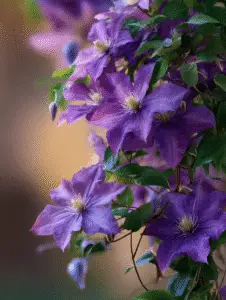 Clematis+
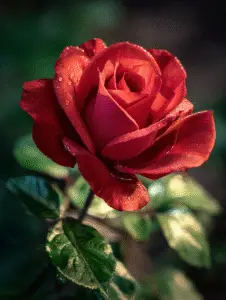 RoseProven
The classic clematis partner: a rose's woody canes give clematis a structure to climb that suits its wrap-around leaf stalks, and choosing varieties that flower together lets clematis carry the display once the rose's first flush fades.
Clematis+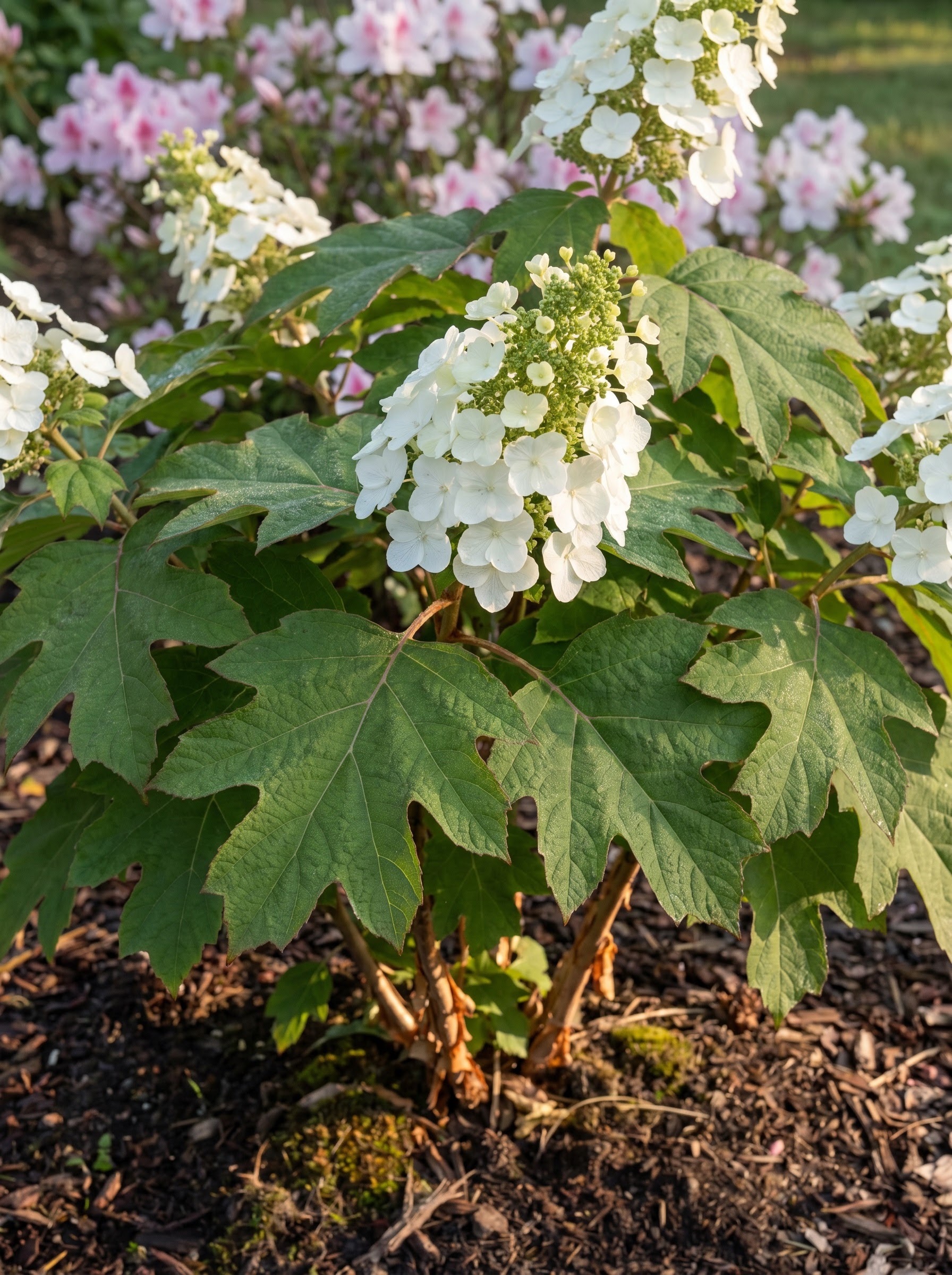 HydrangeaPartial
A tall, sturdy shrub clematis can ramble through without strangling; both want consistently moist, rich soil and the hydrangea's bulk gives the vine's roots welcome shade at its base.
Clematis+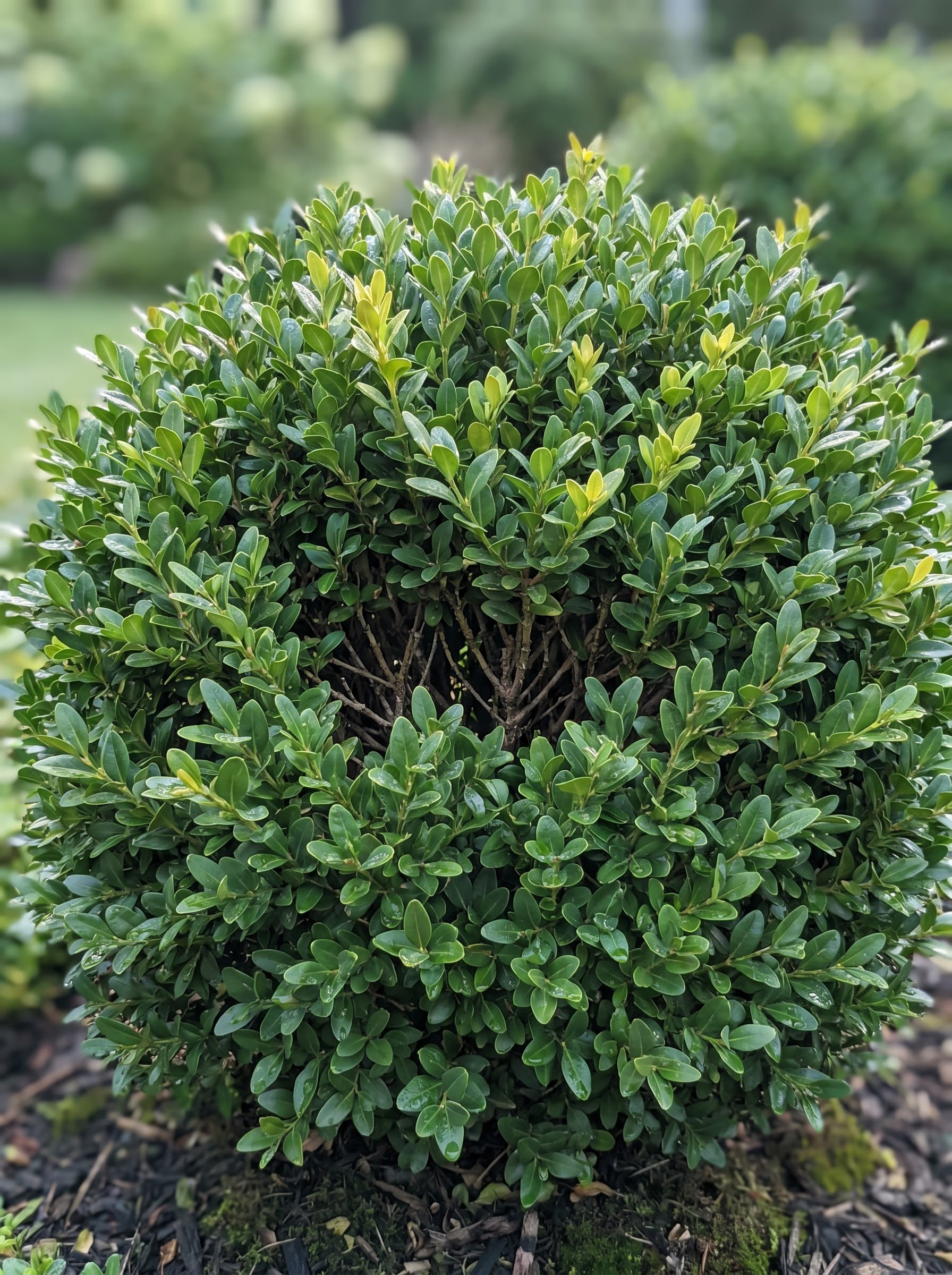 BoxwoodPartial
A dark, glossy evergreen foil that does not compete hard for water or fertilizer the way an herbaceous companion would, and it holds structure through winter once a deciduous clematis goes bare.
Clematis+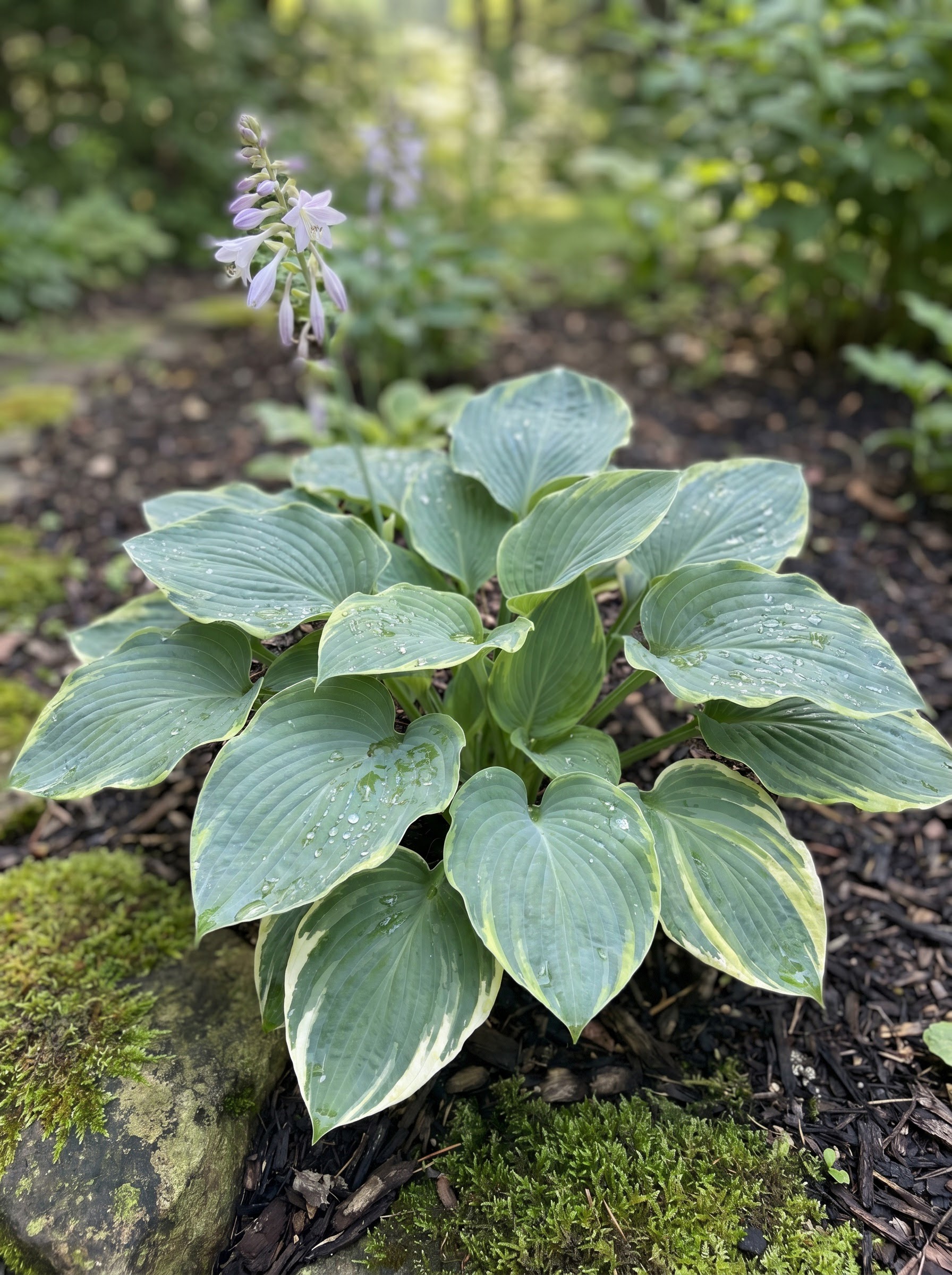 HostaPartial
Broad leaves function as living mulch directly over the root zone, shading and cooling the soil clematis needs kept moist while the vine climbs on into full sun above.
Clematis+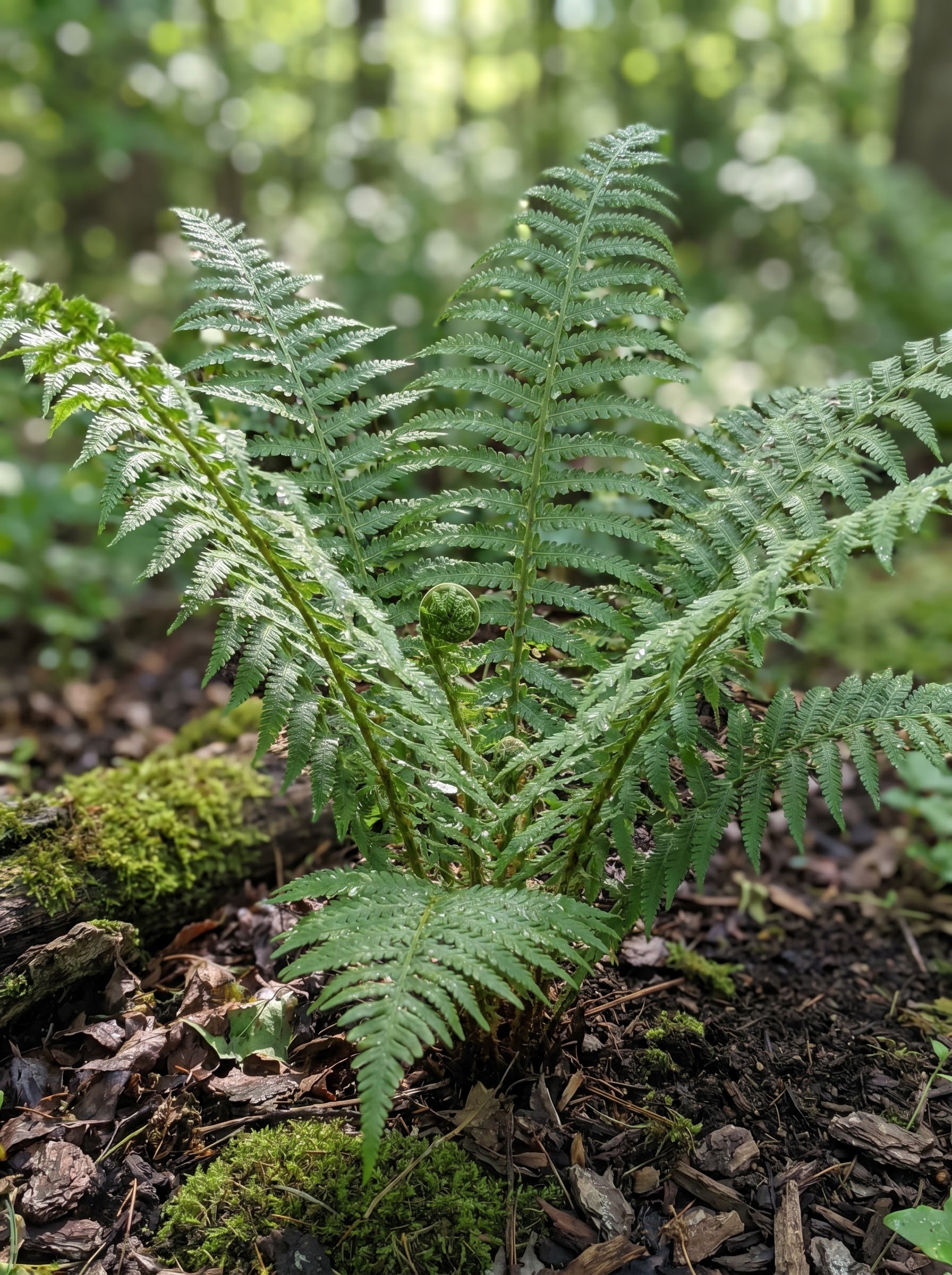 FernPartial
Same root-shading role as hosta, with finely cut fronds that contrast clematis's broader leaves and flowers; best for the shadier side of a clematis planting.
Clematis+ ConeflowerPartial
A tough, drought-tolerant daisy for the hottest, sunniest part of a clematis bed; its flat flower heads are a documented insectary shape that feeds pollinators and predatory insects.
Clematis+ Sweet alyssumPartial
Genuinely shallow-rooted, so it does not compete with clematis's deep, questing roots for water or fertilizer, while its dense low growth shades the soil and its flowers pull in the hoverflies and parasitic wasps that prey on aphids.
Clematis+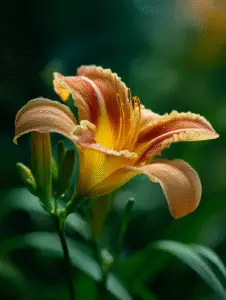 DaylilyPartial
Sun-tolerant and adaptable enough to sit right at a clematis's sunny base, where its clumping foliage shades the soil without needing the shade itself.
Clematis+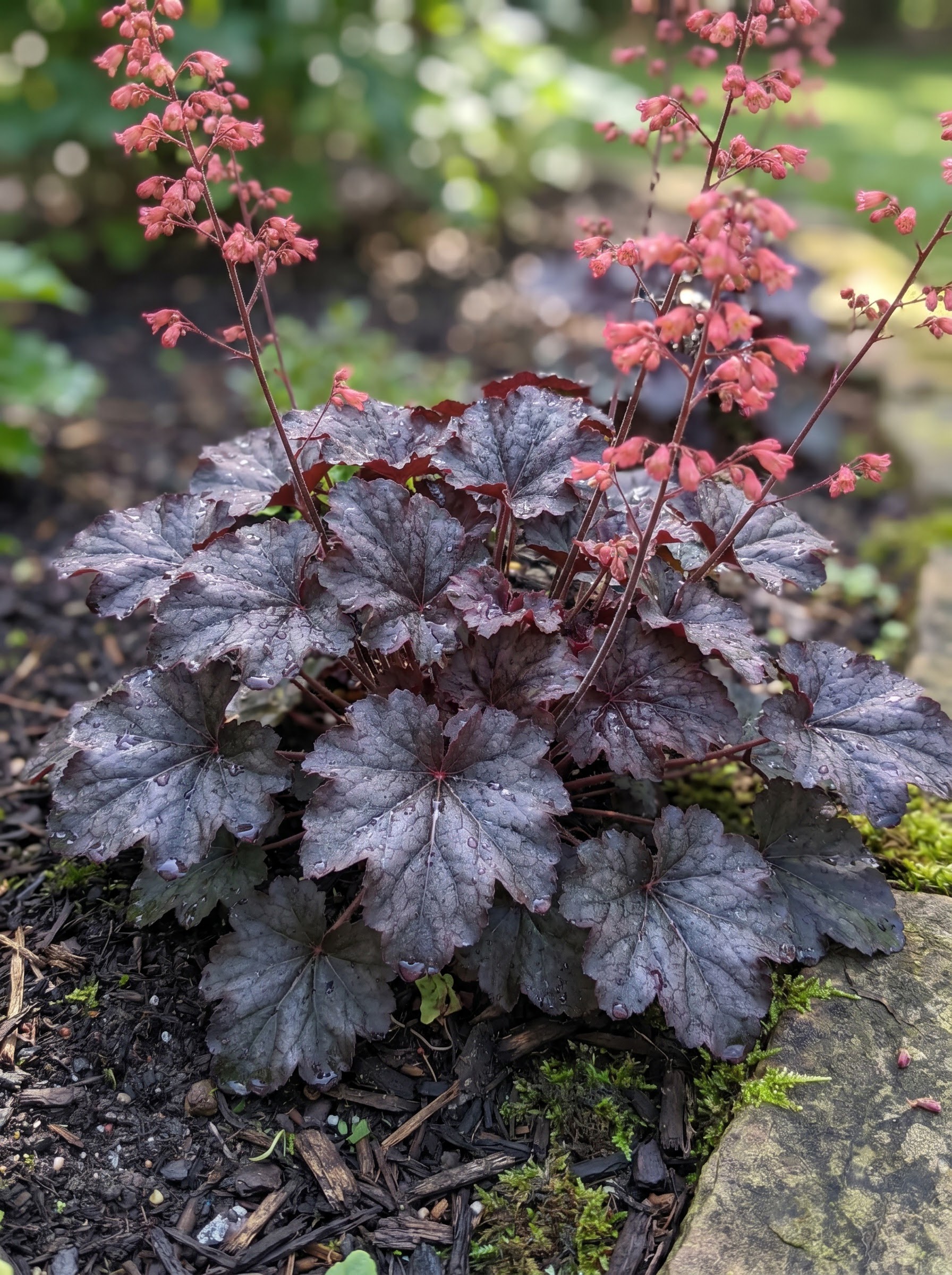 HeucheraPartial
A low mounding filler for mixed clematis beds or containers, with foliage color that can echo or contrast the vine's flowers; shallow-rooted enough not to fight a container-grown clematis for space.
Clematis+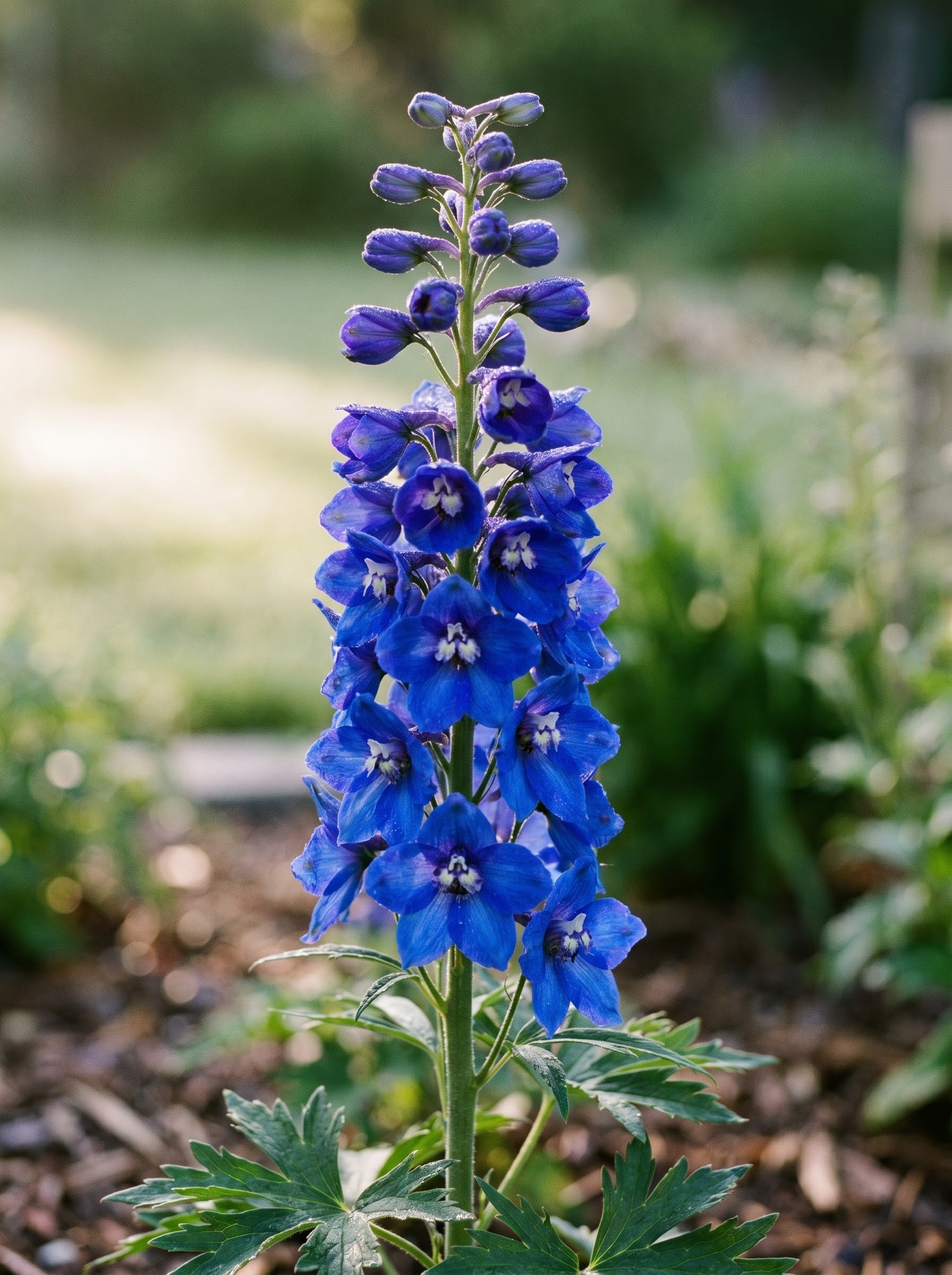 DelphiniumPartial
A tall spire behind a clematis-clad support supplies the strict vertical shape the vine's own rounded flowers lack, and both want the same rich, moist, sunny bed.
All clematis companions
10 flower companions, best match first
What not to plant near clematis
Most bad neighbours are not evil, they just want the opposite light, water or root run. Here is what to keep away, and what to do instead.
Lavender, rosemary, thyme, and other Mediterranean woody herbs
Clematis is a genuine heavy feeder that wants steady moisture and regular low-nitrogen fertilizer, while these herbs want to be left lean, dry, and unfed; planted together, one of the two is always being cared for wrong on purpose.
Cacti, most succulents, and agave
The same conflict as the Mediterranean herbs, more extreme: these plants tolerate near-drought and resent fertilizer, the opposite of clematis's demanding, richly fed, consistently moist bed.
Rhododendron, camellia, and heather planted as bed-mates
These are acid-loving plants that want a distinctly lower soil pH than clematis's neutral-to-slightly-alkaline preference; they make fine companions to each other, but sharing a bed with clematis means amending the soil in two opposite directions at once.
Trees and large shrubs planted too close to the trunk without soil prep
Clematis grown into a tree or big shrub is a celebrated, successful style, but a large structural root system and the naturally dry soil right at a trunk's base can starve a newly planted clematis of water if it goes in too close or without amendment.
Vinca minor and other aggressive spreading groundcovers at the base
Vinca minor is a documented aggressive spreader that NC State Extension classifies as invasive for its ability to form a dense mat and crowd out neighboring plants, and some gardeners use it to shade clematis roots while others report it closing in on nearby plantings; the general competitive behavior is well established, but the clematis-specific outcome is mixed rather than settled.
Clematis asks a different question than most flowers when it comes to companions. Because it climbs, the first real decision is not which flower to plant beside it but what structure to give it to grow on, and the second is how to keep its roots cool and fed while its flowers sit in full sun overhead. Handled that way, clematis pairs well with a shorter, honest list of plants than showier flat-bed flowers get, and that shorter list is a trust signal, not a shortfall.
The best companions for clematis, explained
The single most reliable clematis pairing is roses, and it holds up under scrutiny rather than just tradition. A climbing or shrub rose gives clematis a woody structure to grip, which matters because clematis climbs by wrapping sensitive leaf stalks around something narrow rather than twining or clinging the way ivy does. Choosing varieties that flower at a similar time and similar size keeps the pairing balanced, and picking a Pruning Group 2 clematis means the two can even be pruned on the same late-winter schedule; late-flowering clematis worked into a once-blooming rambling rose can also carry the color once that rose’s single summer flush is done. The trade-off to respect is vigor: a small clematis planted against a rampant rambling rose gets swallowed, and the reverse can happen too, so match size class before matching color.
Beyond roses, the next tier of companions are other sturdy shrubs that function as a climbing frame while sharing clematis’s moisture and richness needs. Hydrangea, butterfly bush, and viburnum are named repeatedly as hosts strong enough for clematis to ramble through without being strangled, and a compact clematis variety woven through a mophead hydrangea can read as one shrub carrying two kinds of flowers. Boxwood works differently: it does not compete hard for water or fertilizer the way an herbaceous companion would, and its dark evergreen foliage gives clematis flowers a clean backdrop while holding structure through winter once a deciduous clematis drops its leaves. One honest caveat belongs here: an evergreen clematis variety trained directly into a broadleaf evergreen like boxwood can eventually shade or choke it, so save the evergreen types for a different, more open host.
The other half of the companion list solves the root-shading problem directly. Hosta and shade ferns are named again and again for exactly this job: their broad leaves or fronds sit low and spread wide, acting as living mulch right over the clematis root zone while the vine itself climbs on into full sun. Sweet alyssum does the same job from the annual side of the border, and it earns its place on genuine mechanism rather than habit: its roots are shallow enough that they simply do not reach the depth where clematis is drawing water and nutrients, so the two are never really competing for the same resource even a few inches apart. For hotter, sunnier stretches of a clematis planting, coneflower and daylily hold up to more direct sun than hosta or fern would tolerate, while heuchera and delphinium round out the list as design companions, heuchera for foliage color in beds or containers and delphinium for the strict vertical spike shape clematis’s own rounded flowers do not supply.
What not to plant near clematis
The clearest, most teachable mismatch for clematis is drought-loving, lean-soil plants. Lavender, rosemary, thyme, and most Mediterranean woody herbs want to be left dry and unfed, which is the exact opposite of a plant NC State Extension calls a genuine heavy feeder, one that wants a low-nitrogen, slow-release fertilizer every 4 to 6 weeks through the growing season and soil that never fully dries out. Plant the two side by side and one of them is always being cared for wrong on purpose: water and feed enough for clematis and the herb sulks or rots, or starve and dry the bed for the herb and clematis stalls. Cacti, most succulents, and agave carry the same conflict in a more extreme form, since they tolerate near-drought and actively resent regular fertilizer.
A second, more surprising mismatch involves plants that seem like natural clematis neighbors because they also want part shade: rhododendron, camellia, and heather. These are acid-loving shrubs that want a meaningfully lower soil pH than clematis’s neutral-to-slightly-alkaline preference, so while they make excellent companions to each other, sharing one bed with clematis means amending the soil in two directions at once, sweetening it for the clematis and acidifying it for the shrub. That is a real avoidable conflict, not folklore, and the fix is simple: give each its own correctly amended pocket rather than one shared bed.
The third avoid is really a technique warning rather than a plant blacklist. Clematis grown up into a mature tree is a genuinely successful, celebrated planting style, and the failure mode is not the tree itself but careless placement: a large structural root system plus the naturally dry soil right at a trunk’s base can starve a newly planted clematis before it ever establishes. The fix, confirmed directly by the RHS, is straightforward: plant at least 1.2 meters, about 4 feet, out from the trunk, avoid slicing into large structural roots, backfill generously with compost, and set the clematis on the windward side of the host so new growth is blown toward the trunk rather than away from it.
The fourth entry deserves an honest asterisk rather than a flat verdict. Vinca minor is a documented aggressive spreader, one NC State Extension lists as invasive for its ability to root at every node and form a dense mat that crowds out neighboring plants. Some gardeners still use it successfully to shade clematis roots, while others report it eventually closing in on nearby plantings once established, and both things can be true depending on how tightly the vinca is kept in check. Treat it as a plant that needs a physical edging barrier and a yearly check rather than one to avoid outright or trust blindly.
Do they like the same conditions?
Clematis wants full sun on its top growth, at least 6 hours of direct light for strong flowering, with afternoon shade appreciated in hot-summer regions. The root zone wants close to the opposite: shaded and kept steadily cool even while the vine above sits in full sun, which is the plain mechanism behind the familiar cool feet, hot head description of the plant. Every companion on the list above earns its place by satisfying one half of that split or the other, either serving as a full-sun host structure or as a low, shade-casting neighbor at the base.
Water is where clematis is genuinely demanding rather than merely fussy: consistently moist soil, roughly an inch a week, that still drains well, since deep, questing roots sitting in waterlogged ground will decline. Soil pH is the one place where sources visibly disagree rather than converge. NC State Extension recommends neutral to slightly alkaline conditions, Iowa State Extension describes slightly acidic to neutral as ideal, and commercial clematis growers report thriving crops as low as pH 5.5 to 6.5. Rather than chase one exact number, the honest target is a wide neutral band, roughly 6.5 to 7, with the reassurance that clematis is more adaptable on this single point than the tidy advice columns suggest. That range still rules out true acid-obligate plants like rhododendron and camellia as bed-mates, even though it leaves plenty of room for hosta, fern, and most of the shrubs on the companion list.
How to plant them together
Woody structural companions, roses, hydrangea, boxwood, go in first and set the framework clematis will climb. Space the clematis about 12 inches out from the host shrub’s own root ball so both plants can be watered and fed on their own terms without one root system choking the other, and plant the clematis crown itself 2 to 3 inches below the soil line as standard wilt-recovery insurance, a technique this site covers in full elsewhere. Low, root-shading companions go in next, tucked 12 to 18 inches from the clematis base for hosta, fern, and daylily, or as close as 8 to 12 inches for shallow-rooted annuals like sweet alyssum, since their roots simply do not reach deep enough to compete.
For trees and large shrub hosts specifically, timing and placement matter more than the plant choice itself: set the clematis at least 4 feet from the trunk, work generous compost into the backfill, and give the young vine a season or two of regular supplemental watering before it can rely on the host’s own root run. Containers follow the same logic in miniature. A trellised clematis works as the thriller element, sweet alyssum or a trailing plant as the spiller at the pot’s rim, and heuchera or a compact annual as the filler in between, all planted in a large enough pot that the clematis root ball is not competing with three other root systems for the same small volume of soil. Feed container plantings lightly and often rather than heavily and rarely, since a pot has no reserve the way garden soil does.
Does companion planting actually work for clematis?
Some of it, yes, on real, checkable mechanism rather than tradition alone. The heavy-feeder conflict with Mediterranean herbs and succulents is not a matter of taste, it is a documented cultural mismatch that NC State Extension’s own care guidance backs directly, and it is the single most useful, most honest piece of advice on this page. The shallow-root case for sweet alyssum is similarly solid: its root depth genuinely does not reach clematis’s feeding zone, so the no-competition claim is mechanism, not marketing. The tree-spacing guidance from the RHS is about as close to settled fact as garden advice gets, with an exact distance and a named reason attached.
Other parts of the conventional wisdom deserve more skepticism than they usually get. The famous cool feet, hot head framing is broadly useful as a planning shortcut, but some experienced growers argue it is overstated as a strict requirement rather than a helpful tendency, and no companion plant on this page prevents or treats clematis wilt, which is a fungal disease with its own separate causes and fixes, not a companion-planting outcome. The vinca minor question is genuinely unresolved rather than settled either way, which is exactly why it is flagged here as an asterisk instead of a verdict. Read as a whole, the honest picture is that clematis rewards companions chosen for real shared needs, structure above and shade below, far more than it rewards any specific plant pairing chosen for reputation alone.
FAQ
What can I plant at the base of a clematis to shade the roots?
Low, shallow-rooted plants do the job best: hosta, shade ferns, sweet alyssum, or a 3 to 4 inch layer of organic mulch kept a few inches back from the vine itself. All of them cool and shade the soil without reaching down into the clematis’s own root zone.
What should you not plant near clematis?
Lean, drought-loving plants that resent regular water and fertilizer, chiefly lavender, rosemary, thyme, and succulents, are the clearest mismatch, since clematis is a genuine heavy feeder that needs the opposite care. Acid-loving shrubs like rhododendron and camellia are a second, subtler mismatch over soil pH rather than water.
Will vinca minor choke out my clematis?
Vinca minor is a documented aggressive spreader in general, but the clematis-specific outcome is mixed. Some gardeners use it successfully as a root-shading groundcover, while others report it eventually outcompeting nearby plants once it spreads into a dense mat. If you plant it, contain it with an edging barrier and check on the clematis crown each year rather than assuming either outcome.
Can I grow clematis and roses on the same trellis?
Yes, it is the most classic clematis pairing there is, provided the two are matched for vigor so one does not overwhelm the other, and a Pruning Group 2 clematis lines up its bloom and pruning schedule with most roses.
Does clematis need fertilizer, and does that affect what I plant near it?
Yes. Clematis is a documented heavy feeder that benefits from a low-nitrogen, slow-release fertilizer every 4 to 6 weeks through the growing season, which is exactly why lean, unfed-preferring plants like Mediterranean herbs make poor neighbors for it.
Sources
- NC State Extension Gardener Plant Toolbox: Clematis
- RHS: How to grow clematis
- Iowa State University Extension: Growing Clematis in Iowa
- UF/IFAS Extension: Using insectary plants to attract pest predators
- University of Wisconsin Horticulture Extension: Sweet alyssum
- NC State Extension Gardener Plant Toolbox: Vinca minor
- BBC Gardeners’ World Magazine: What to grow with clematis