The pairing · pick a flower
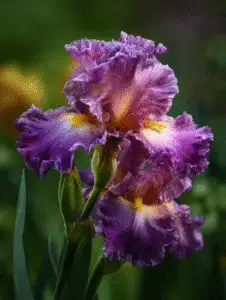 Bearded Iris+
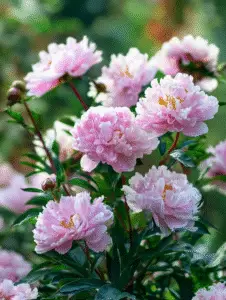 PeonyProven
Peonies open in the same late-spring window as bearded iris, want the same full sun and well-drained soil, and their lush, bushy foliage stays attractive through summer, softening the iris's bare-leaf stretch once the flowers are gone.
Bearded Iris+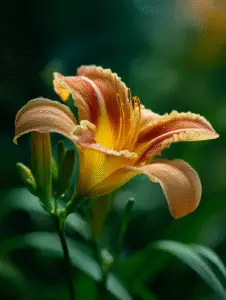 DaylilyProven
Daylilies open right as the iris bloom fades, share the same full-sun, well-drained preference, and their strappy leaves echo iris foliage without competing for the same visual space.
Bearded Iris+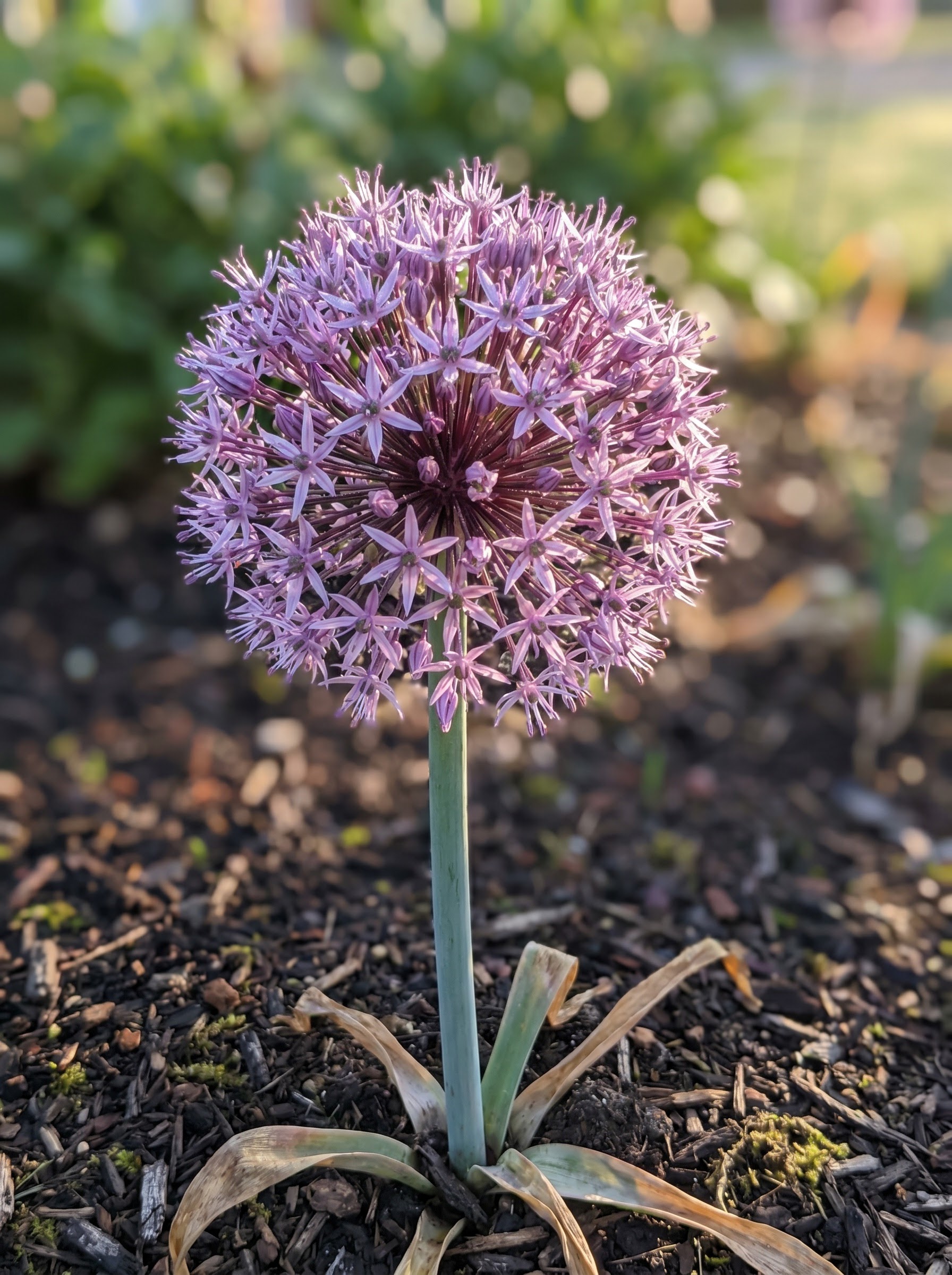 AlliumProven
Allium wants the same full sun and sharp drainage as bearded iris, blooms in the same late-spring window, and being a bulb rather than a spreading perennial, it never crowds or shades the rhizome the way a mat-forming plant would.
Bearded Iris+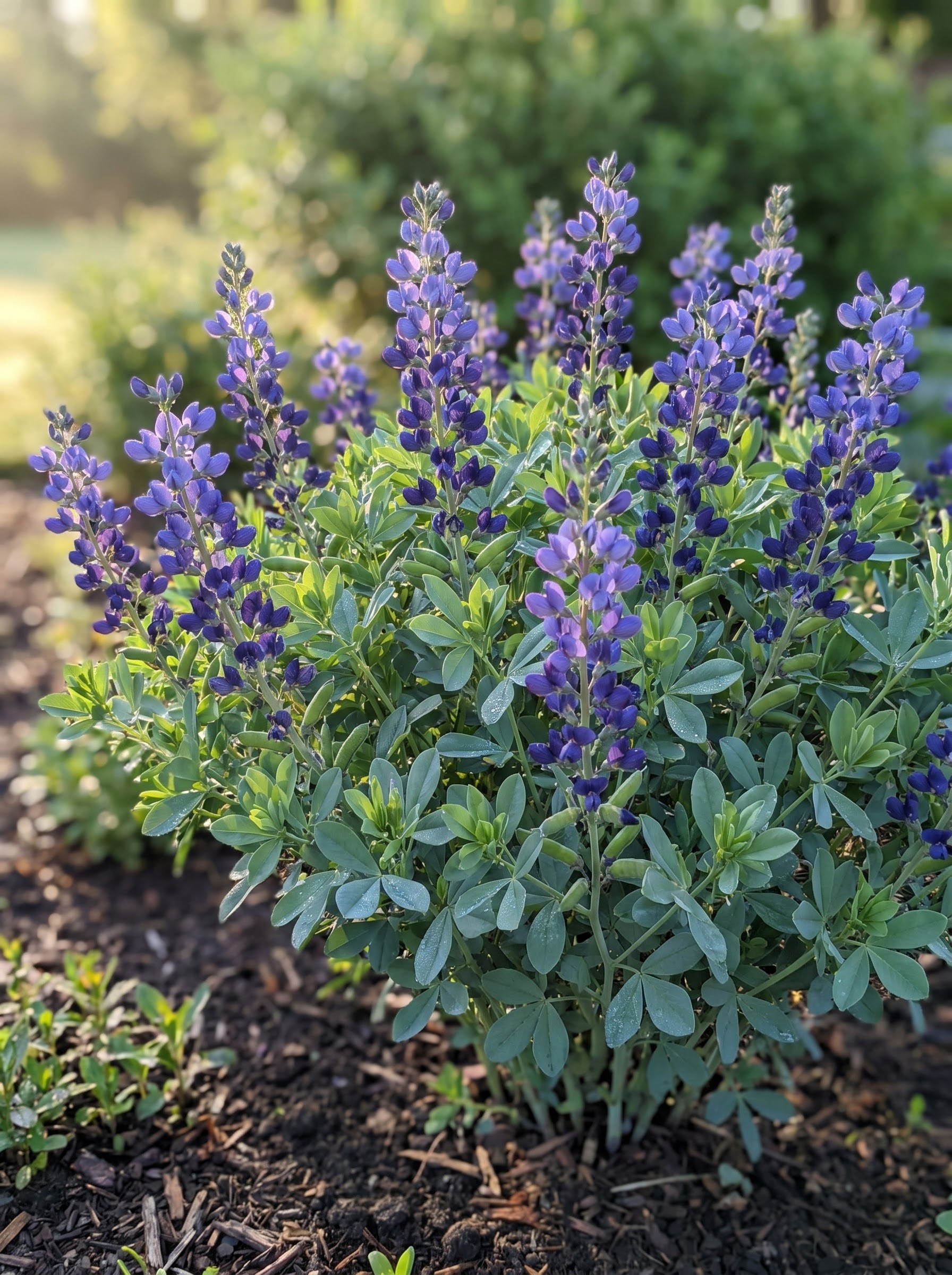 BaptisiaProven
Baptisia's deep taproot makes it genuinely drought tolerant, it blooms alongside iris in late spring, and its shrub-like clump gives the bed a second focal point long after both flowers are done, all without needing the rich soil iris does not want.
Bearded Iris+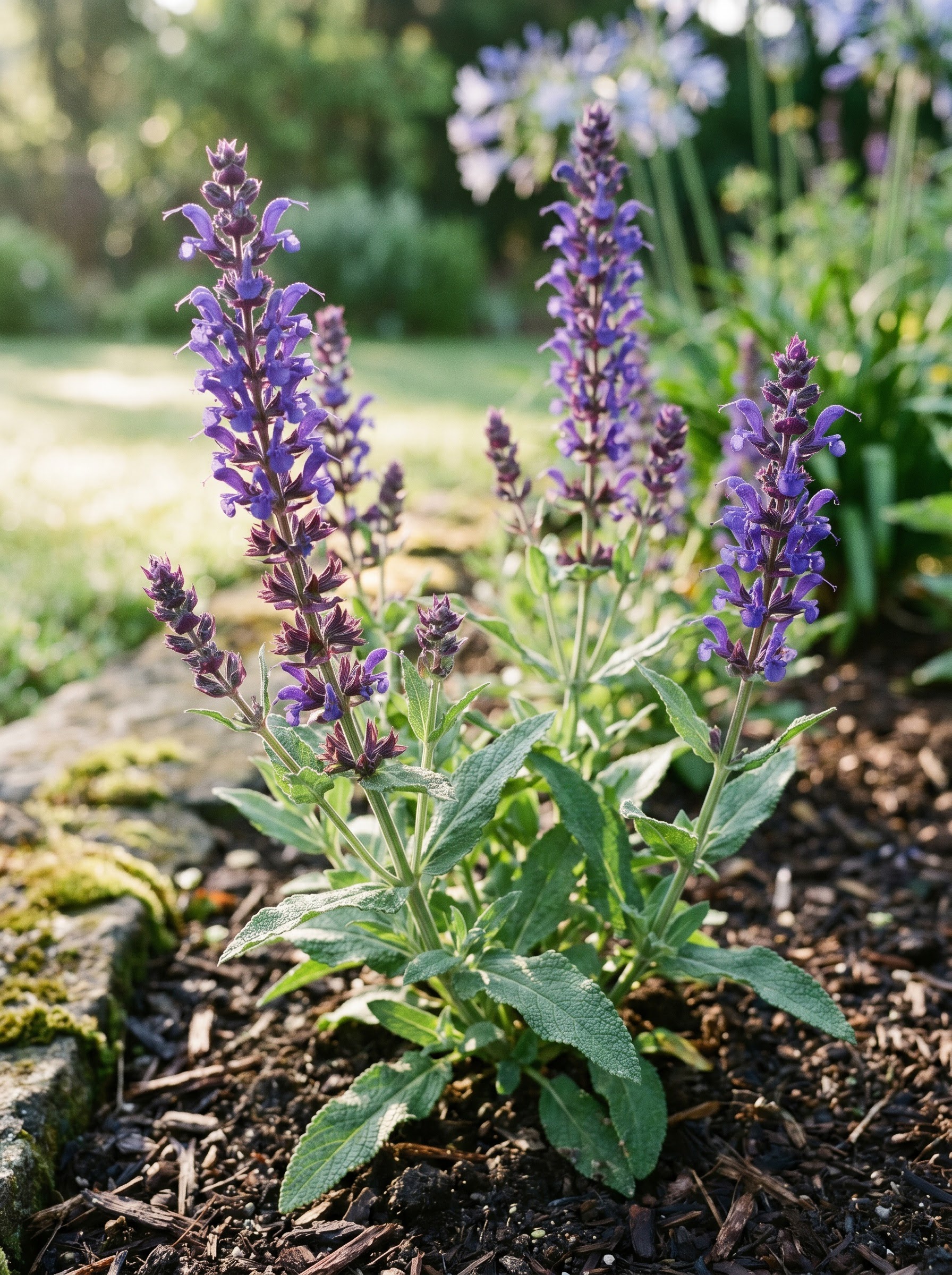 SalviaProven
Salvia tolerates the same dry, well-drained soil iris needs, is seldom bothered by deer, and its June-to-September bloom picks up color right as the iris flush ends, without ever wanting the richer, moister bed a plant like phlox does.
Bearded Iris+ CatmintProven
Catmint's scent deters deer, it tolerates the same lean, well-draining soil iris wants once established, and its low mounded habit works at the front of the bed without ever leaning over and shading the rhizome.
Bearded Iris+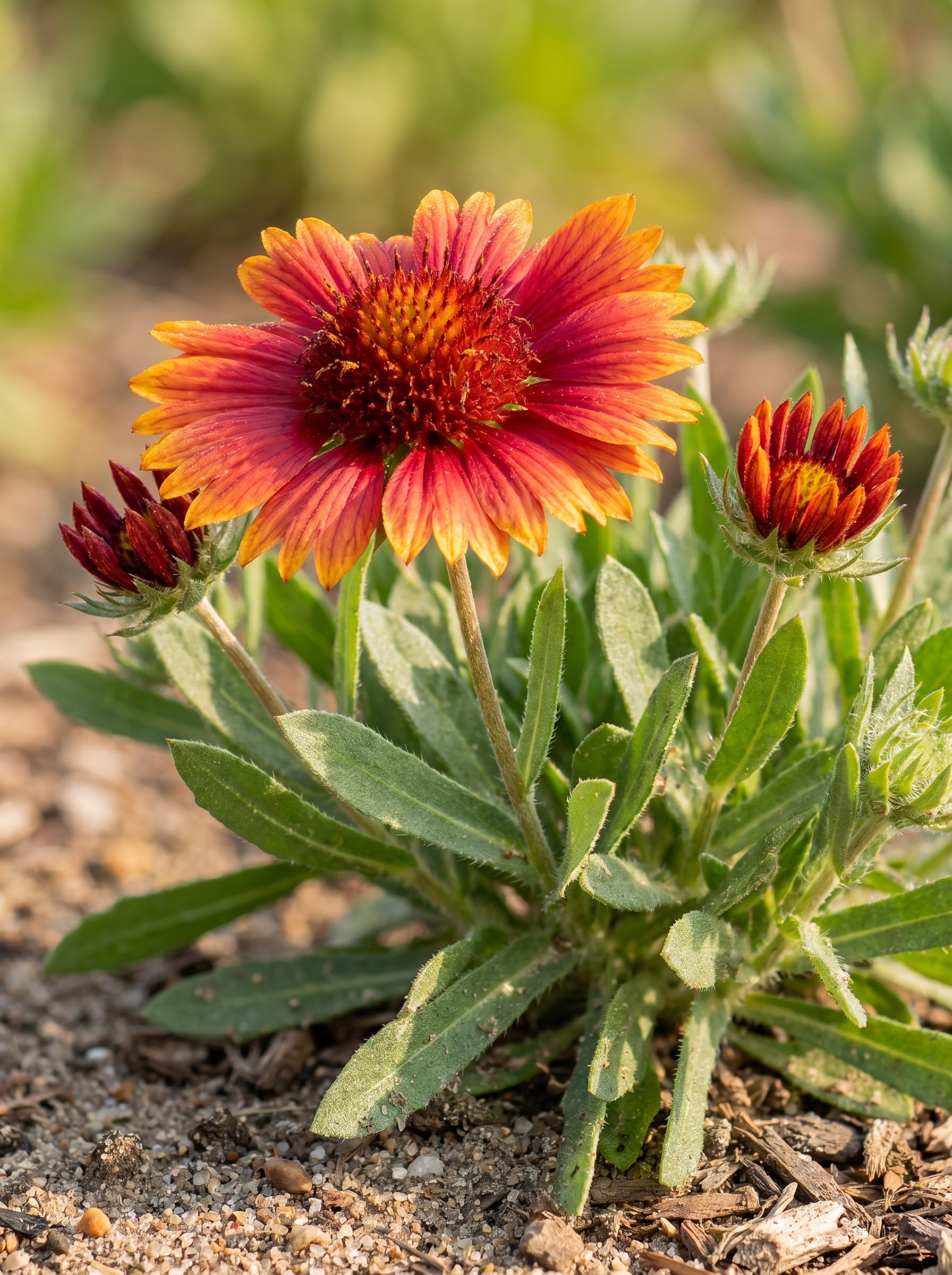 GaillardiaProven
Blanket flower needs the same full sun and sharp, light drainage as bearded iris, rarely tolerates heavy soil any better than iris does, and its summer-into-fall bloom carries the bed's color the furthest past the iris's short flush.
Bearded Iris+ CoreopsisProven
Tickseed thrives in infertile, sandy or rocky soil and full sun exactly as iris does, and its long bloom season starts in late spring right as the iris flowers drop, filling the gap with fine, airy texture instead of another sword-leaf clump.
Bearded Iris+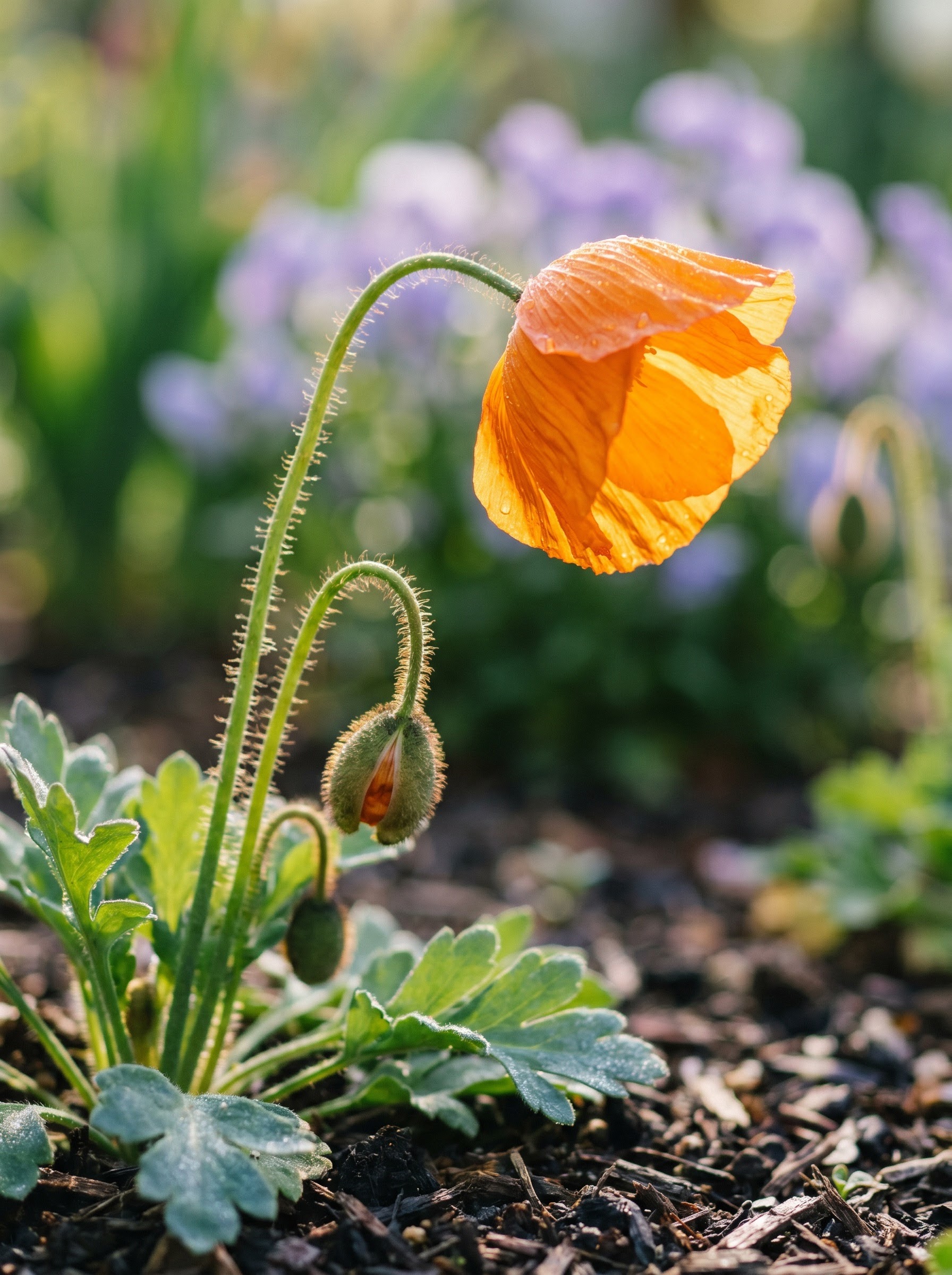 Oriental poppyProven
Oriental poppy shares the exact well-drained, full-sun bed bearded iris needs and its deep taproot rots in the same soggy soil that rots an iris rhizome, so the two genuinely suit the same conditions and bloom together in late spring.
Bearded Iris+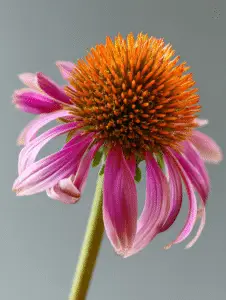 ConeflowerProven
Coneflower is drought tolerant once established and deer resistant, matching iris's lean-soil preference, and its June-through-fall bloom keeps the bed going long after the iris flowers have dropped.
Bearded Iris+ Black-eyed SusanPartial
Black-eyed Susan tolerates drought and dry soil once established and takes any but soggy soil, a reasonable match for iris, though it spreads by its own rhizome and blooms much later, in late summer into fall.
Bearded Iris+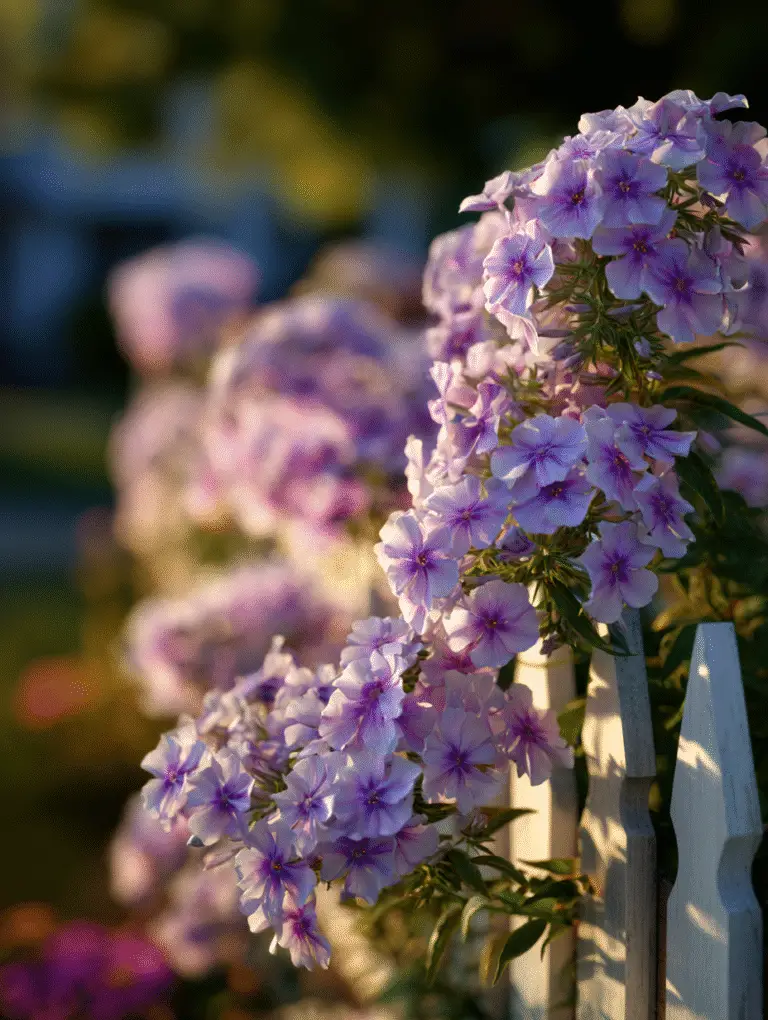 Garden phloxProven
Garden phlox wants moister, richer soil than iris prefers and is prone to powdery mildew in crowded, poorly ventilated spots, so it belongs at a real distance from the rhizome rather than tucked up against it, even though its midsummer bloom is a genuine gap-filler.
Bearded Iris+ DaffodilPartial
Daffodils open weeks before bearded iris, sharing the full-sun, well-drained bed, and as a bulb whose foliage yellows and dies back by early to midsummer, it clears the space instead of shading the iris rhizome once iris takes over.
All Bearded iris companions
13 flower companions, best match first
What not to plant near Bearded iris
Most bad neighbours are not evil, they just want the opposite light, water or root run. Here is what to keep away, and what to do instead.
Heavy mulch or manure piled against the rhizome
The rhizome has to sit exposed to sun and air; extension guidance is specific that mulch over the rhizome packs in and traps moisture, encouraging root rot, and that fresh or unrotted manure worked in near the crown carries the same risk of bacterial soft rot, the most serious iris disease.
Shade-and-moisture perennials (hosta, astilbe, fern)
Hosta and astilbe both need consistently moist, humus-rich soil and thrive in shade, the exact opposite of the full sun and dry-leaning, sharp drainage bearded iris needs, so planted close they shade the rhizome and keep the crown wetter than it should be.
Aggressive spreaders and running groundcovers (mint, vinca, pachysandra, English ivy)
Vinca, pachysandra and English ivy form dense evergreen mats that spread aggressively and outcompete neighboring plants, and mint spreads just as fast by rooting stems and rhizomes; any of them allowed up to the rhizome smother and shade the crown the same way mulch does, on top of physically crowding out the iris's own room to multiply.
Tall, dense, or overhanging neighbors planted too close
The American Iris Society ties good air circulation directly to disease prevention, and a bushy or tall companion crowded right up to the fans blocks the airflow and sun exposure the rhizome depends on to stay dry and disease free.
The best companions for bearded iris, explained
Bearded iris blooms hard for two or three weeks in late spring and then goes quiet, its sword-shaped foliage standing there through the rest of the season doing nothing in particular. The companions that actually work with it are chosen around that fact as much as around shared soil and light. Peonies are the single most consistently named partner, opening in the same late-spring window, wanting the same full sun and sharp drainage, and holding attractive, bushy foliage all summer once the iris flowers are gone, which does more to solve the bare-leaf problem than almost anything else you could plant. Alliums follow close behind: a bulb rather than a spreading perennial, it blooms alongside iris and never crowds the rhizome, since its foliage dies back and clears the ground instead of shading the crown. Baptisia and oriental poppy round out the with-iris group, both sharing the same lean, dry, full-sun preference and neither asking for the richer soil that would work against the rhizome.
The rest of the useful companions are chosen to solve the after-iris problem specifically. Daylily is the standout here: full sun, drought tolerant once established, and in bloom the moment the iris flush ends, with strappy foliage that echoes the iris’s own leaves without competing for visual space. Salvia, catmint, gaillardia, coreopsis and coneflower form a loose, genuinely deer-resistant cluster that all want the same lean, dry conditions iris does and all extend color from early summer into fall, filling the gap the iris leaves behind rather than trying to out-bloom it. Garden phlox and black-eyed Susan work too, though both want more moisture than iris prefers and spread more assertively by their own roots, so they belong at real distance rather than tucked against the fans. Daffodil, planted as an early-spring bulb, opens weeks before iris even starts and then dies back before the iris foliage fills in, giving the bed a first color note without ever competing for the rhizome’s space.
What not to plant near bearded iris
The dominant avoid story for bearded iris is not the usual sun-or-water mismatch; it is rot from anything that covers, shades, or keeps the rhizome damp. The rhizome sits at or just below the soil surface by design, and it needs to be exposed to open sun and air to stay healthy. Heavy mulch or fresh manure piled against it traps moisture at the crown, and extension sources are specific that this is a leading cause of bacterial soft rot, the most serious disease bearded iris gets. This is really a maintenance-practice warning as much as a plant-pairing one, but it is the single most repeated, most honestly sourced piece of avoid advice for this flower, and it belongs first.
The same mechanism shows up with living plants. Aggressive spreaders and running groundcovers like mint, vinca, pachysandra and English ivy form dense mats that root as they go, and if they reach the rhizome they smother and shade it exactly the way mulch does, on top of crowding out the room the iris needs to multiply. Tall, dense or overhanging neighbors do a milder version of the same thing: the American Iris Society ties good air circulation directly to disease prevention, and a bushy companion crowded up against the fans blocks the airflow and sun exposure the crown depends on. None of this is really about a specific toxic plant; it is about physical exposure, and the fix in every case is the same, which is distance and an open crown.
Separate from the rot mechanism is a plainer condition mismatch: hosta, astilbe and fern all need consistently moist, humus-rich soil and thrive in shade, which is close to the opposite of what bearded iris wants. Planted nearby they will not thrive either, since iris offers them neither the shade nor the steady moisture they need, and if planted too close they compound the rot risk by shading and dampening the crown as well. It is worth keeping this milder mismatch separate from the rot-specific warnings above; one is about a plant simply failing to thrive next to iris, and the other is about the rhizome actively rotting.
Do they like the same conditions?
Bearded iris wants full sun, at minimum 6 to 8 hours of direct light, and while it will survive in deep shade, the American Iris Society is direct that it rarely flowers there. Water should be low to moderate, deep and infrequent rather than frequent and shallow, since bearded iris leans toward the dry end of the spectrum once it is established, more so than most perennial-border plants. Soil pH sits in a comfortable, mildly acidic to neutral range, roughly 6.0 to 7.5, which is wide enough that pH is rarely the deciding factor for a companion. Drainage is the real test: heavy or clay soil needs compost worked in or a raised bed, since poor drainage causes more disappointing iris beds than anything else.
Every companion on this page was tested against that profile specifically, not against a generic "sunny border" standard. Peony, allium, baptisia, salvia, catmint, gaillardia, coreopsis, coneflower and oriental poppy all genuinely share the full-sun, well-drained, lean-soil preference, which is why they rate as strong pairs rather than merely popular ones. Daylily and daffodil are honest matches too, tolerant of the same drainage and light even though daylily performs best with slightly more moisture than iris strictly needs. Phlox and black-eyed Susan are the honest edge cases: both genuinely bloom in the right window to help the bed, but phlox wants richer, moister soil and is prone to powdery mildew in crowded spots, and black-eyed Susan tolerates dry soil without truly preferring it the way the drier-loving group does. Neither is wrong to plant, but both belong with real spacing rather than treated as a perfect match.
How to plant them together
Space is the main technical rule with bearded iris, more than with most flowers, because the rhizome itself needs room to multiply and because anything crowding the crown risks the rot mechanism described above. As a starting point, keep low, non-spreading companions like allium and daffodil within 8 to 12 inches of the rhizome, since bulbs clear their own space and never shade the crown. Give mid-height perennials like salvia, catmint, coreopsis and gaillardia 12 to 18 inches, enough that their own foliage never leans in over the fans. Larger, bushier plants like peony, baptisia, coneflower and daylily do best at 18 to 24 inches, and phlox, which needs its own airflow to avoid mildew as much as iris needs its own, is safest at 24 to 30 inches.
Layer the bed by bloom time rather than only by height, since that is the organizing principle every serious source on bearded iris reaches for. Daffodil and other spring bulbs open first and clear out before iris takes over the space. Peony, allium and oriental poppy bloom alongside iris for a concentrated color moment in late spring. Daylily, salvia, catmint, gaillardia, coreopsis, coneflower, black-eyed Susan and phlox then carry the bed from early summer into fall, each picking up as the last one fades. Bearded iris is a poor container plant by most accounts, since the rhizome’s need to bake in open sun and dry quickly between waterings is hard to replicate in a pot; treat this as a border plant and keep pairings in-ground.
Does companion planting actually work for bearded iris?
The proven part of this page is the shared-conditions logic, and it holds up well under real sourcing: full sun, sharp drainage and a lean, dry-leaning bed are documented requirements from multiple extension sources, and every companion rated Perfect pair or Great match here genuinely shares that profile rather than simply being a popular pairing repeated across blogs. The rot mechanism is equally solid; extension and society sources independently agree that mulch, manure, and crowding at the rhizome cause bacterial soft rot, which makes the avoid section here mechanistic rather than superstitious.
What is folklore, or at least unproven, is the idea that any companion actively protects iris from pests or disease through some repel mechanism. Bearded iris resists deer and rabbits because its rhizome contains bitter, mildly toxic compounds, not because a neighboring plant is doing any protective work, so building a deer-resistant zone around iris using salvia, catmint, baptisia, coreopsis and gaillardia is a legitimate functional strategy, but it works because those plants are independently unpalatable, not because they repel deer away from the iris specifically. Likewise, no companion here has been shown to prevent bacterial soft rot beyond the honest, sourced fact that keeping the crown open, dry and uncrowded is what actually works, regardless of which plant is nearby.
FAQ
What can I plant in front of bearded iris to hide the bare stems after it blooms?
Low, non-shading plants like catmint, coreopsis, or daylily work well at 12 to 18 inches from the rhizome; keep them low enough and far enough that they never shade or crowd the crown, since anything mounding directly over the rhizome risks trapping moisture there.
What should you not plant near bearded iris?
Avoid heavy mulch or manure piled against the rhizome, aggressive spreaders like mint or vinca that can smother the crown, and shade-and-moisture plants like hosta or astilbe that want the opposite conditions. All of these either rot the rhizome directly or simply fail to thrive next to a plant that wants dry, sunny, open ground.
What can I plant with bearded iris after it finishes blooming to keep the bed interesting?
Daylily, salvia, gaillardia, coreopsis and coneflower all bloom from early summer into fall, right as the two-to-three-week iris show ends, and all tolerate the same lean, well-drained soil iris prefers, so they extend color without fighting the iris for the same conditions.
Are peonies and bearded iris really a good pairing?
Yes; this is the most repeated companion pairing for iris across nurseries, extension sources and hobbyist growers alike, and it holds up mechanistically too, since both plants want the same full sun and sharp drainage and bloom in the same late-spring window.
Is bearded iris deer resistant, and does that help its companions?
Bearded iris is genuinely deer resistant because its rhizome is bitter and mildly toxic, not because it protects nearby plants. Pairing it with other independently deer-resistant plants like baptisia, salvia and catmint builds a deer-resistant zone in that part of the border, which is a real, useful strategy even though it is not iris "protecting" its neighbors.
Why did my iris rhizome rot, and could a companion plant be the cause?
The most common cause is moisture trapped at the crown, usually from mulch, manure, or a companion planted so close it shades and dampens the rhizome. Keeping the crown bare, sunny and free of fallen leaves and weeds is the fix extension sources point to consistently, regardless of what else is growing in the bed.
Sources
- NC State Extension Gardener Plant Toolbox: Hemerocallis (Daylily)
- Ohio State University Extension (Guernsey County): Midsummer Care of Bearded Iris
- American Iris Society: How to Plant and Grow Bearded Iris
- University of Vermont Extension: Phlox and Powdery Mildew Management
- Iowa State University Extension: All About Daffodils