Taxonomy and origin
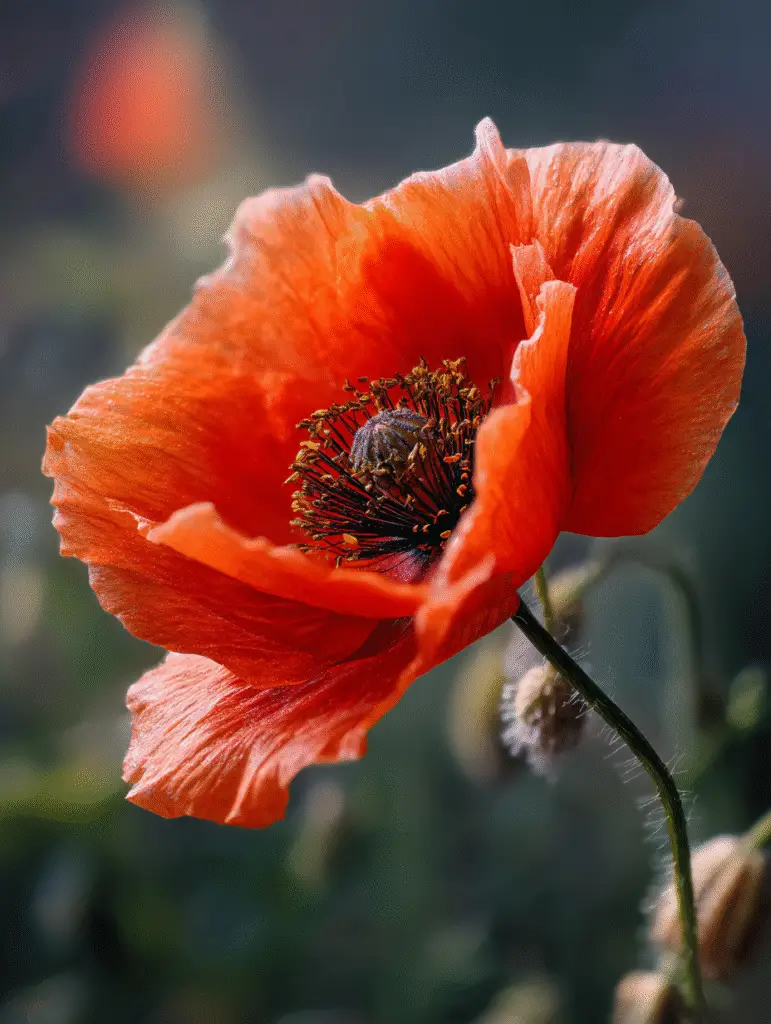
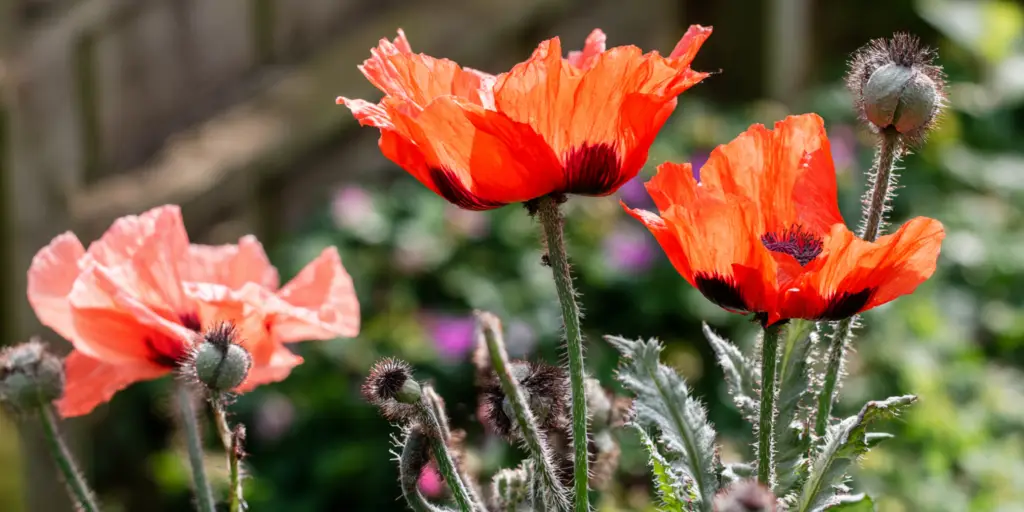
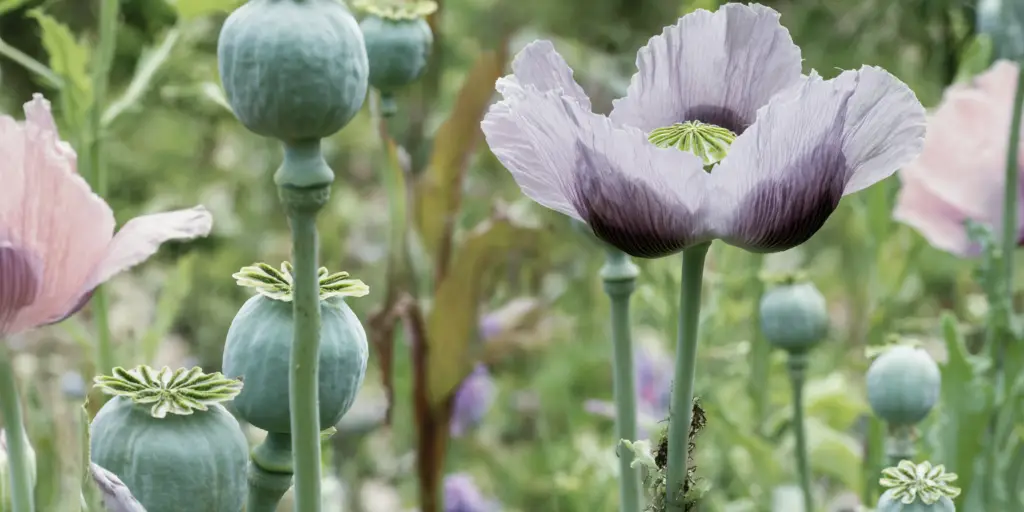
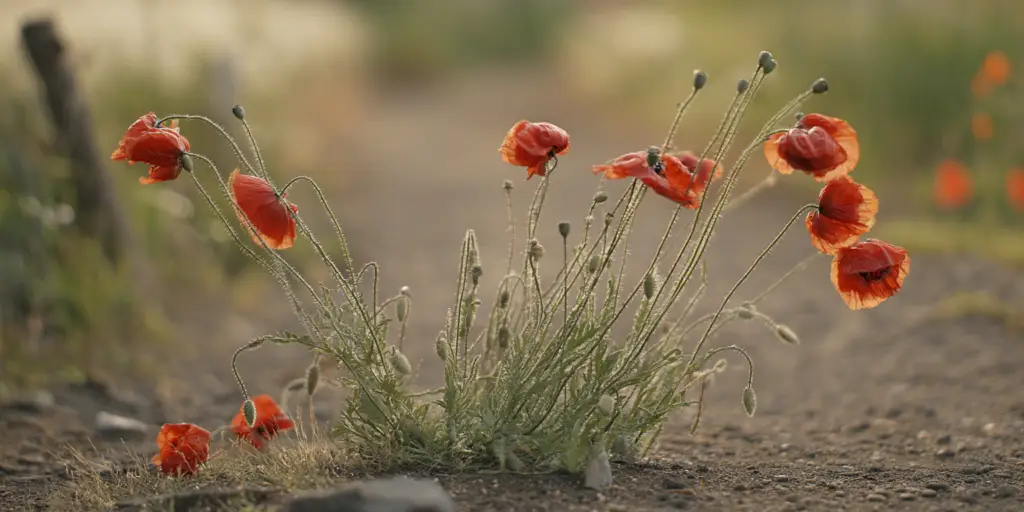
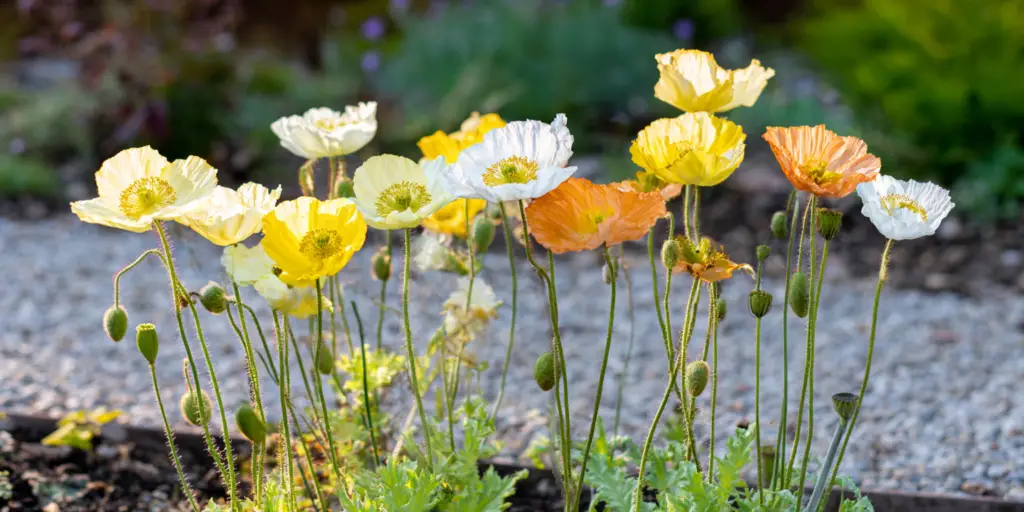
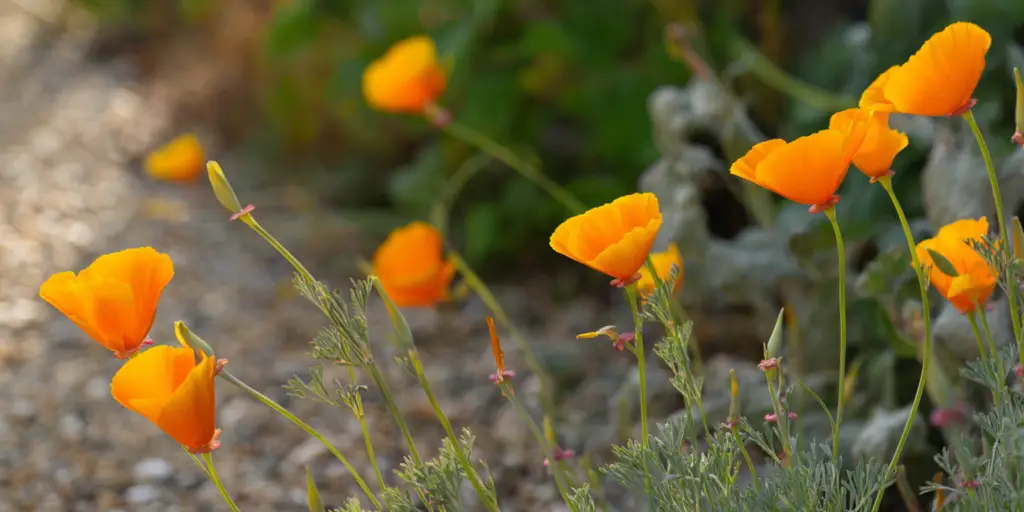
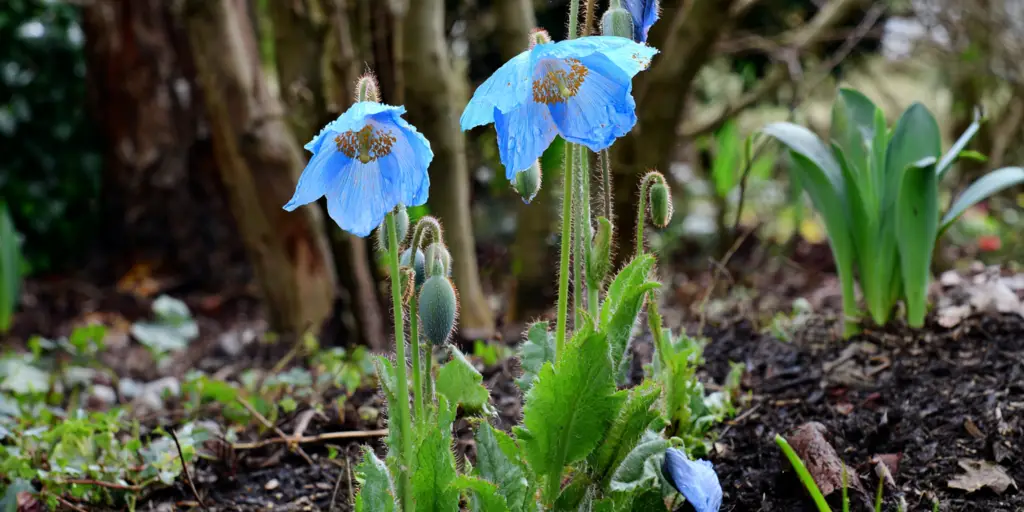
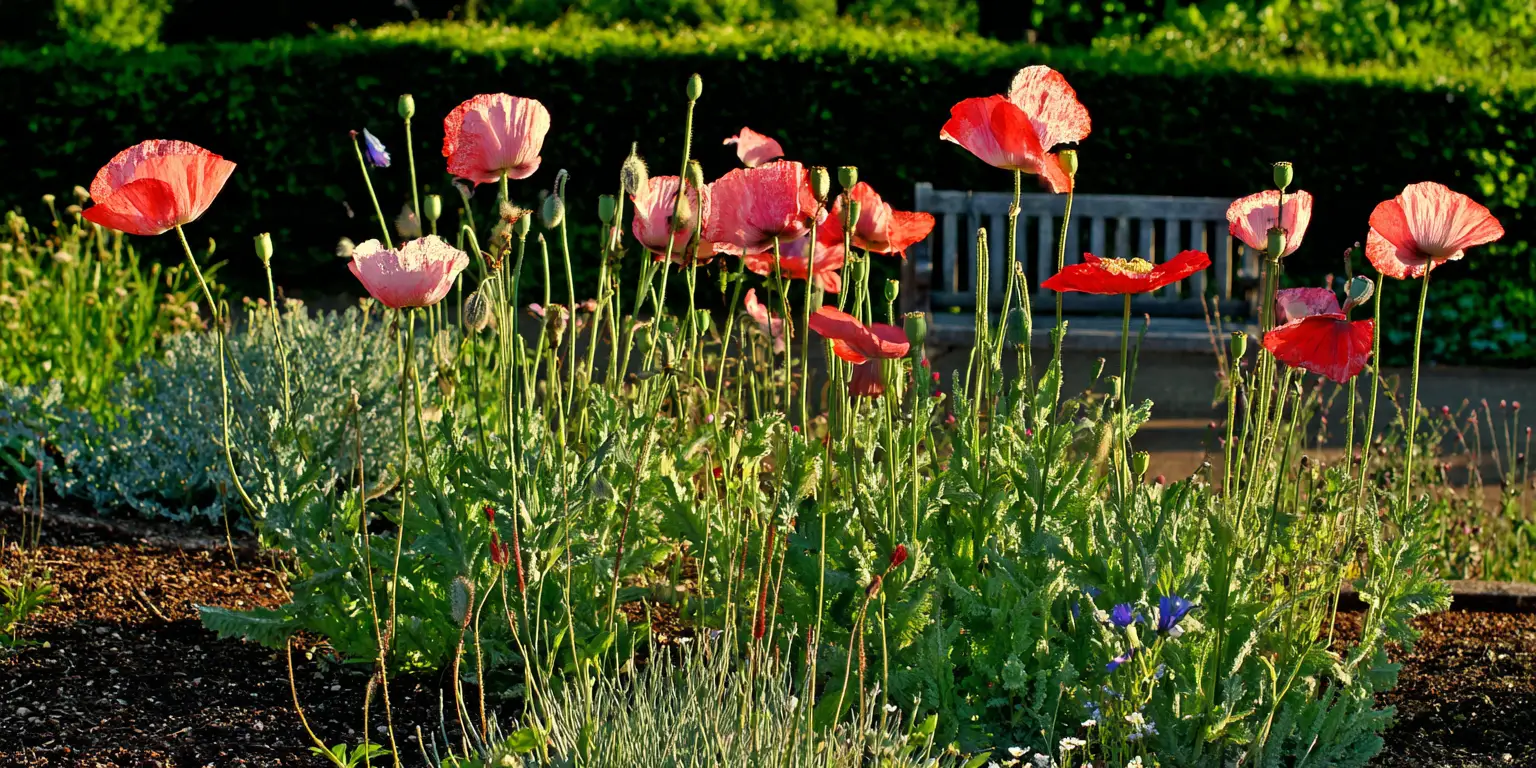
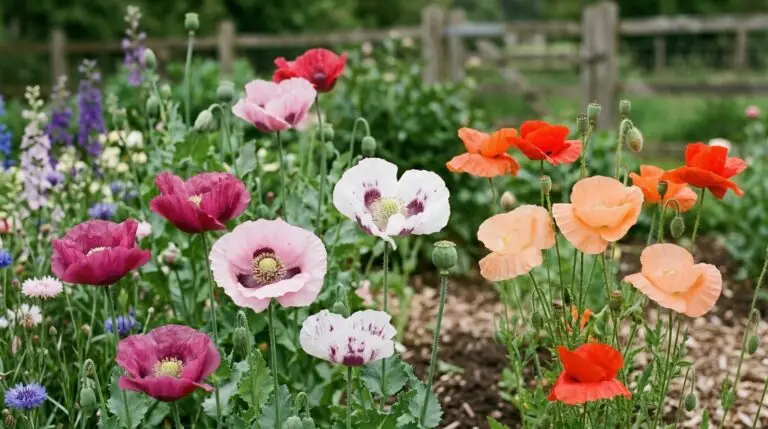
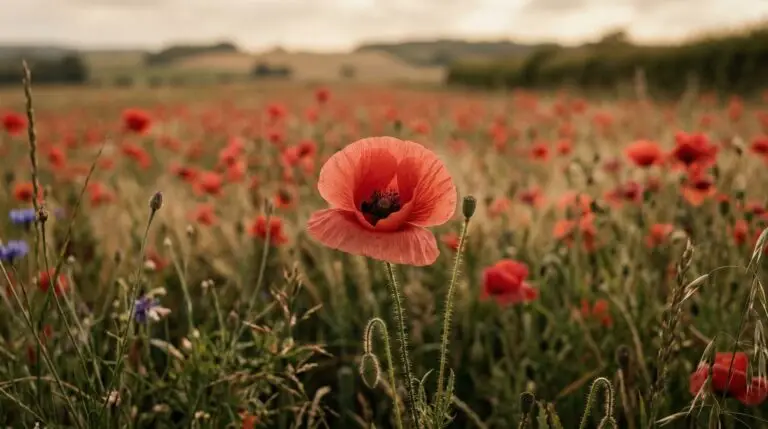
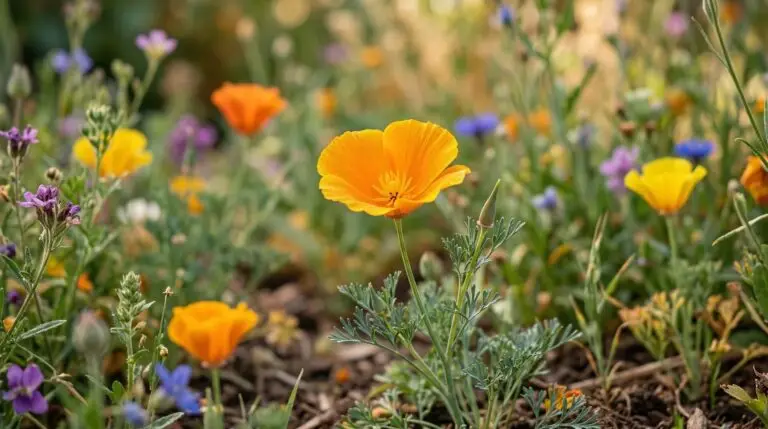
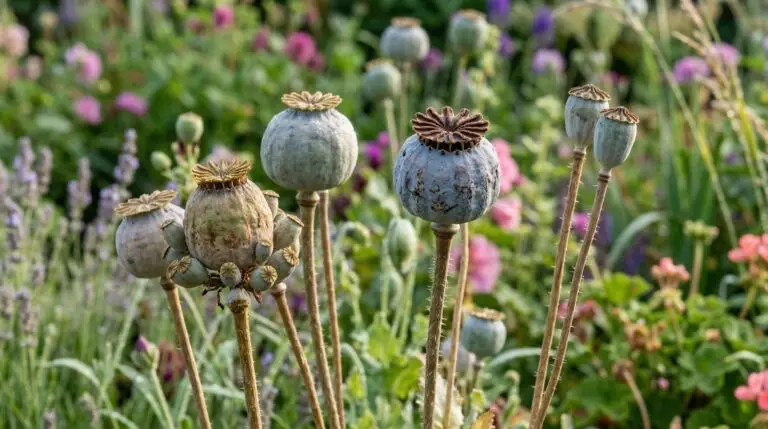
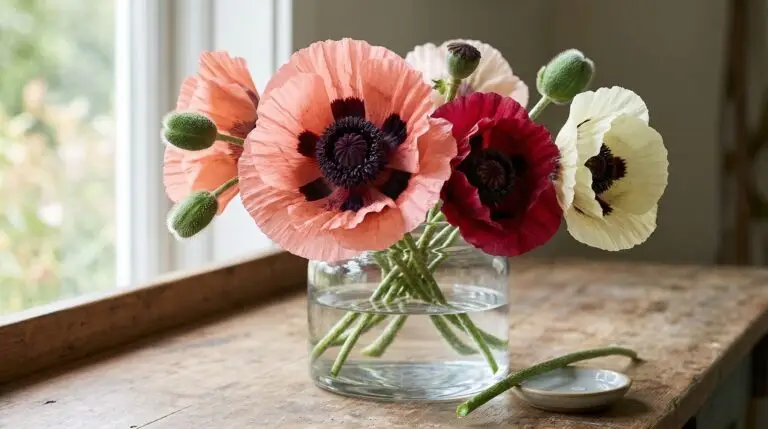
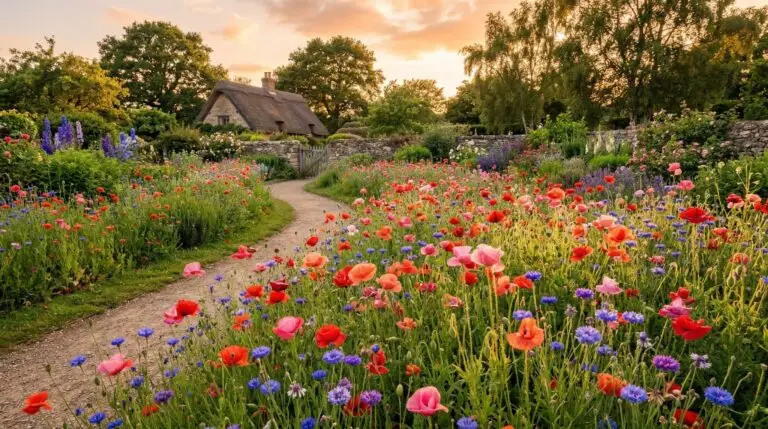
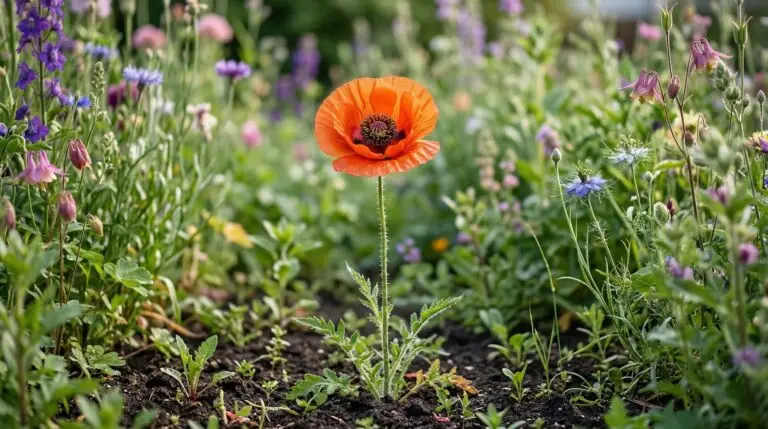
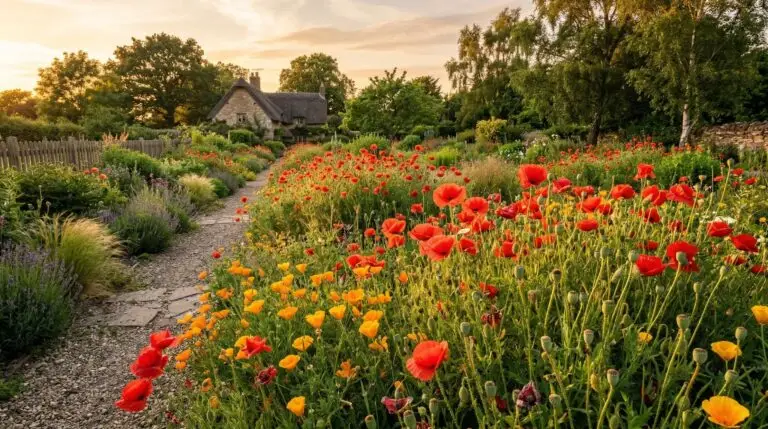
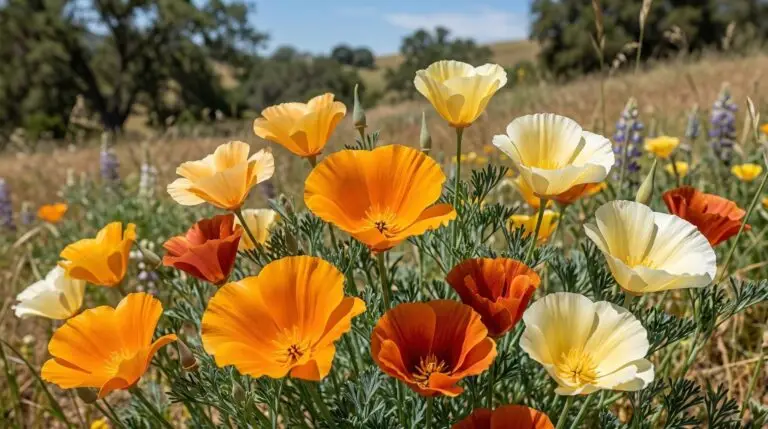
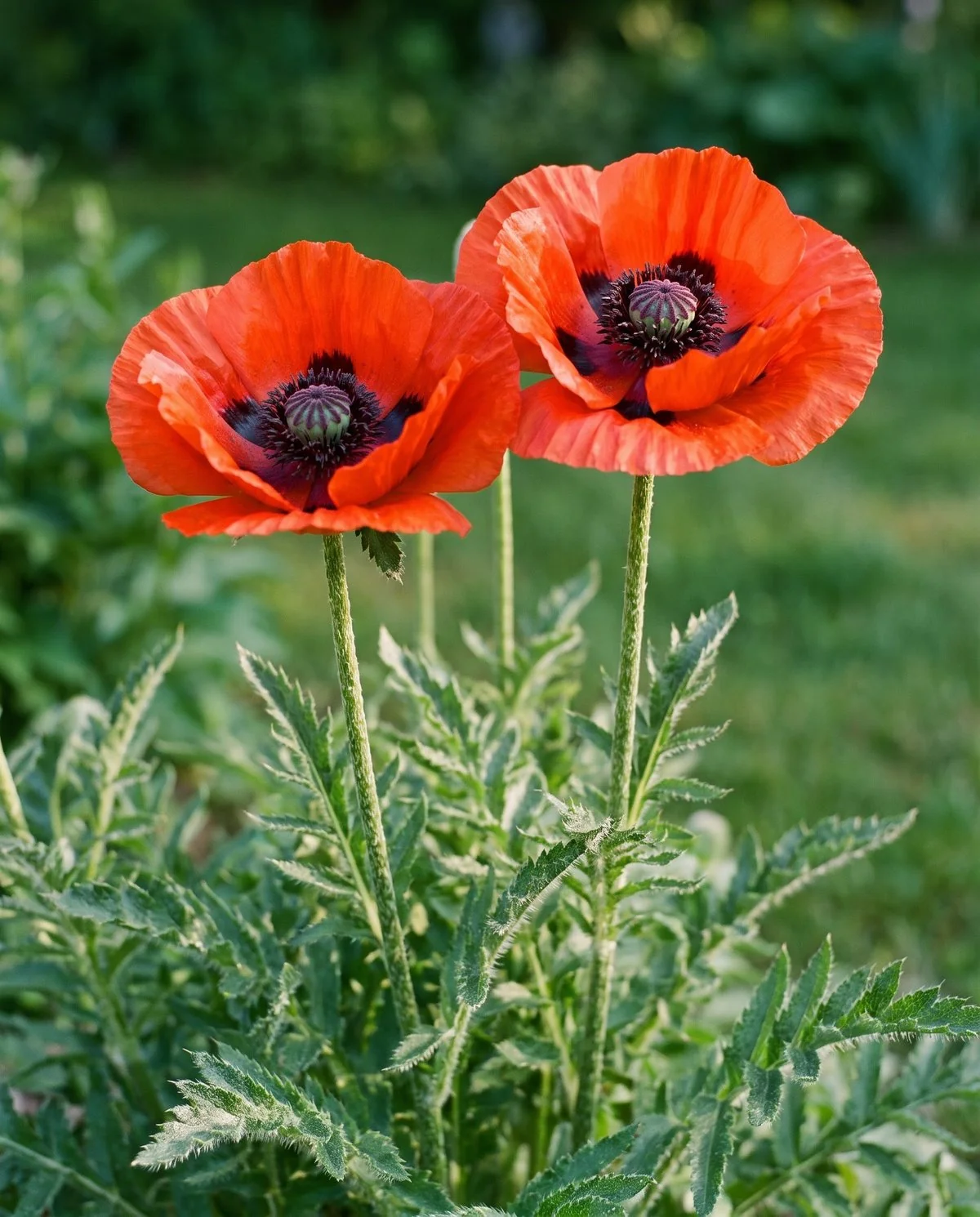
The true poppies belong to the genus Papaver in the family Papaveraceae, roughly 70 or more species spread across temperate Eurasia and North Africa. They share a clear set of traits: a milky latex that bleeds from any cut, four crepe-textured petals that crush into the bud and open like tissue paper, and a capsule that dries to a shaker and spills seed through small pores under its cap. Past that the species part ways. Papaver rhoeas, the corn or field poppy, is the scarlet annual of European farmland and the flower of remembrance. Papaver somniferum, the breadseed poppy, is an annual grown for its blue-gray foliage, its wide blooms, and the sculptural seed pods that follow, the source of the blue-black seed used in baking. Papaver orientale, the Oriental poppy, is the perennial of the group, native to the Caucasus and northern Iran, throwing up enormous papery flowers in early summer. The catch that trips up a new grower is that not everything called a poppy is a Papaver: the golden California poppies of dry western hillsides are Eschscholzia californica, a separate genus with its own drought-hardy habits, and the blue Himalayan poppy is a Meconopsis. Because life cycle, bloom season, and the way you start the plant all follow from the type, working out which poppy you mean is the first real decision, and the table below sets out the main ones.
Five plants, one name, and what three institutions rate them at
NC State's Plant Toolbox carries structured field data for Oriental poppy, corn poppy and California poppy; Utah State covers breadseed poppy in a peer-reviewed fact sheet; and Rutgers Bulletin E271 rates three of the five for deer damage on a published scale. Iceland poppy has no page in NC State's toolbox at all, which is why its card below is thinner than the others and says so rather than borrowing numbers from elsewhere.
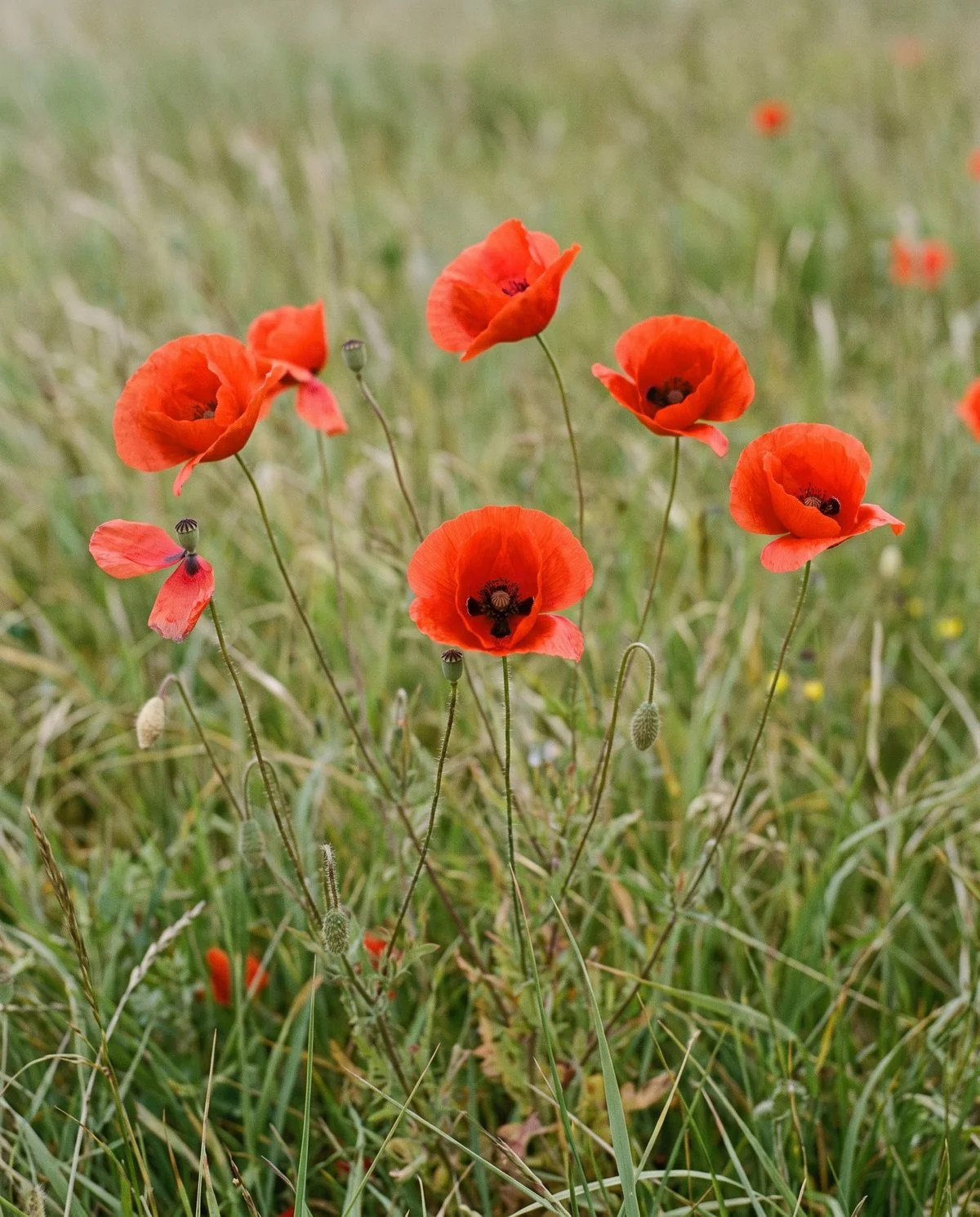
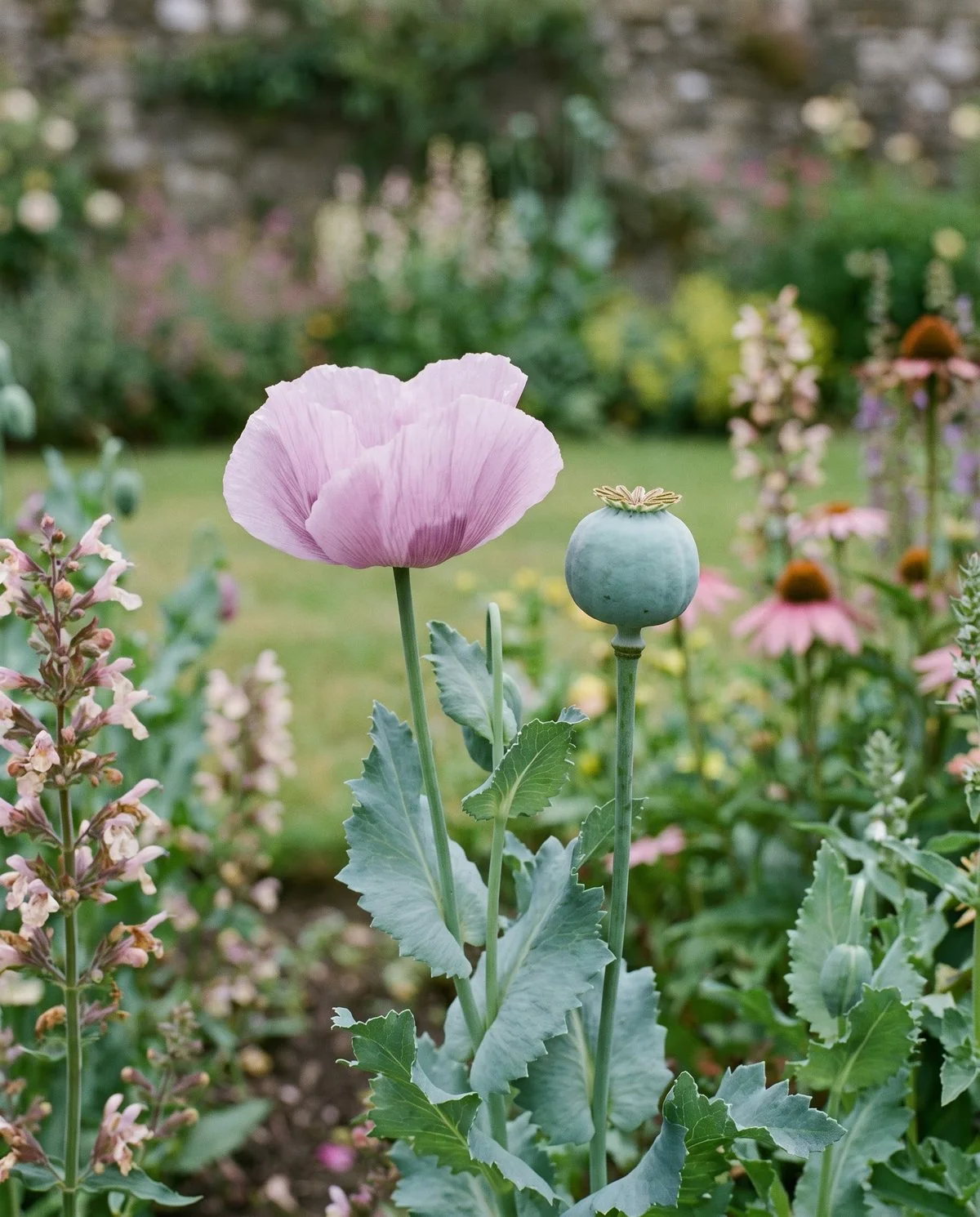
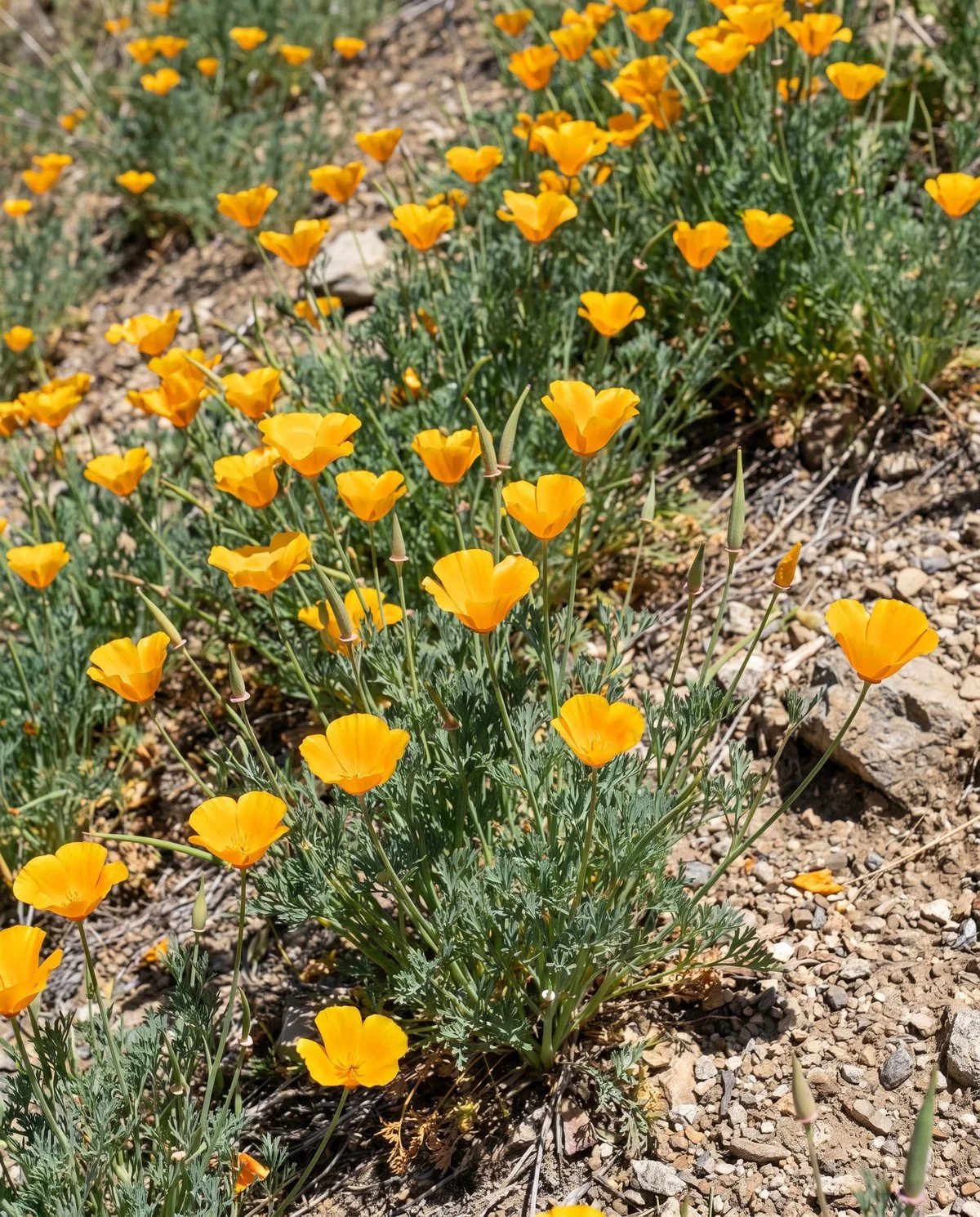
Life cycle is species-specific rather than a poppy-wide trait, which is why one card here returns from its own root and four renew only if seed is allowed to fall. The Reddit sample behind this pack shows where the attention actually sits: 135 of its 694 posts concern California poppy, and most of those are celebratory self-sown photographs rather than complaints, including two that drew 6,122 and 2,481 points. Two taxa are kept off the grid deliberately, tufted poppy (Eschscholzia caespitosa) and the double and pastel California poppy selections such as the Thai Silk series, because neither carries independent university sourcing in this pack; they sit as colour and form variants of the California poppy card.
Bloom time
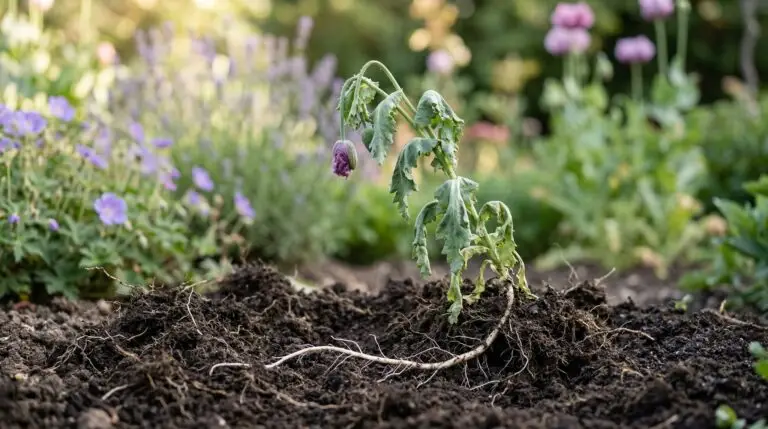
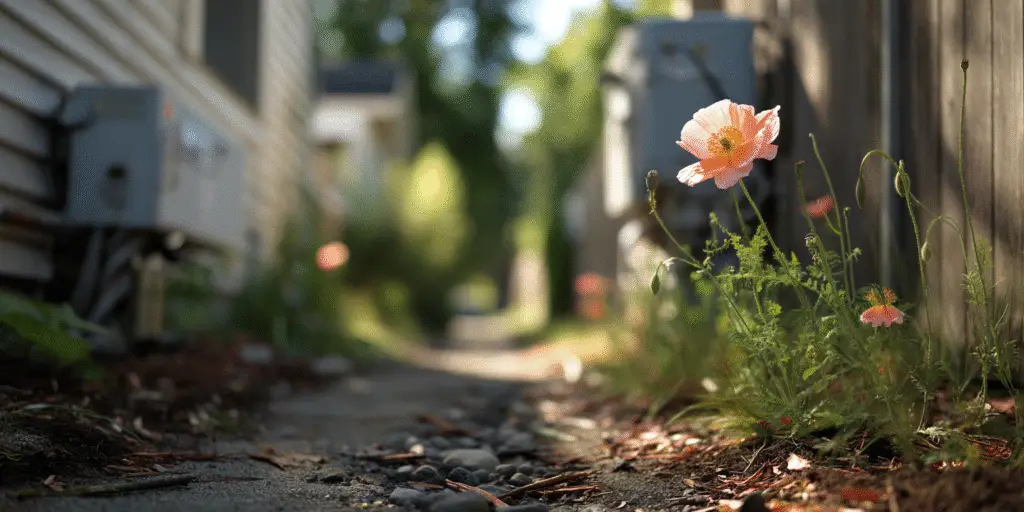
Most poppies flower from late spring into early summer, filling the stretch between the last spring bulbs and the first high-summer perennials. The annual corn and breadseed poppies open their main flush in late spring and early summer, and a stand sown in fall or very early spring can hold color for weeks as one bud after another opens. The single flower is fleeting, often lasting only two or three days before the petals drop, so the show depends on a steady relay of new buds. The Oriental poppy runs on its own clock and carries the most misread habit in the group. It erupts into flower for a week or two in late spring or early summer, and then the whole plant yellows, flops, and disappears by midsummer. This is summer dormancy, not death: the perennial root is resting through the heat, and a fresh rosette of leaves pushes up again in fall and sits through winter to bloom the following year. A gardener who digs up a dormant Oriental poppy thinking it has failed throws away a plant that was only asleep. Deadheading the annual poppies can coax a little more bloom by holding off seed set, though most of the season's length comes from the plants simply keeping on opening buds.
Year one, year two, and the patch left alone for five
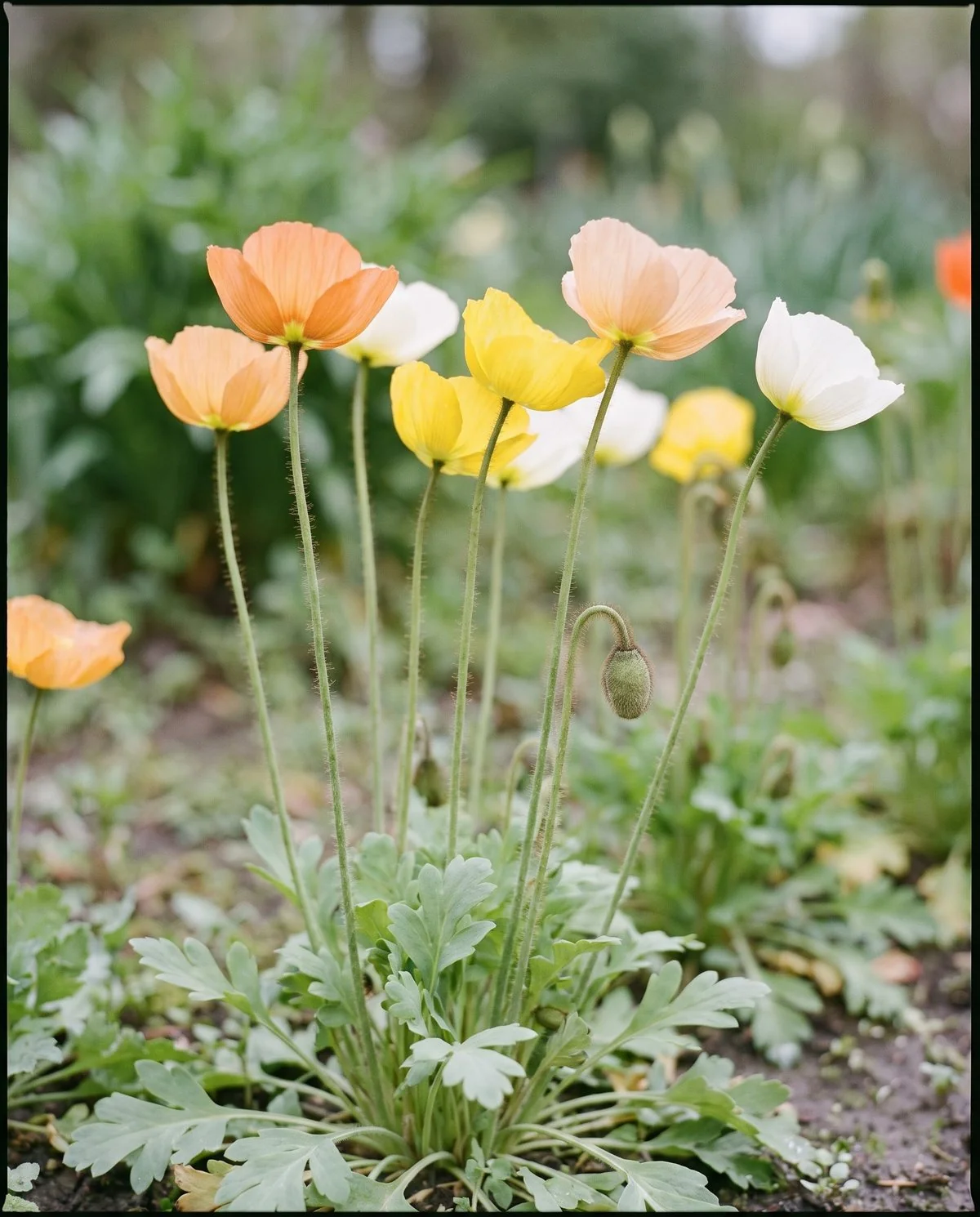
Year one depends entirely on which poppy went in, and that is where the perennial myth does its damage to expectations. Every annual in this pack, Shirley, corn, breadseed and California poppy, flowers in its first year from a correctly timed surface sowing, so a grower who direct-sows any of them in the right season should expect bloom the same year. The two perennials behave differently: Oriental and Iceland poppy are both building a root system, and a first-year planting from seed rather than from a nursery division may give modest bloom or none while the crown forms, which is an unglamorous start rather than a failure. Year one into year two for Oriental poppy specifically is where the dormancy gap sits, and it is measurable: the plant blooms in late spring, vanishes by midsummer, and produced exactly one clear post in a 694-post corpus while every Oriental poppy guide gathered for this pack raises it unprompted. Colorado State's practical framing doubles as the fix, planting a neighbour such as baby's breath or whirling butterflies to occupy the gap rather than treating the bare patch as a problem to solve. Year two onward for the self-sowing annuals runs opposite to the multi-year decline a hybrid bulb shows: the annuals spread and diversify rather than weaken, provided pods are left to ripen and drop, and one post in this corpus scoring 331 points describes exactly that, with new colour variations turning up each year among volunteer corn poppies from the previous season's seed. The most likely mechanism, open-pollinated strains crossing freely between plants of different original colours in one bed, is consistent with how open-pollinated seed generally behaves and is not confirmed by any source gathered here, so it stands as informed inference rather than a settled fact. Only three posts in the whole sample describe a patch declining or failing to return after a few years, too few to rank, and no source gathered for this pack classifies any poppy in it as invasive or as a regulated noxious species, which is worth stating plainly for the gardener asking whether a colony left alone for five years becomes a problem.
Two paths, worked in order
Both start with the calendar and the type rather than with a pest, because for poppies the season and the species settle most of it. The first path exists because of a measured gap: Oriental poppy dormancy produced one forum post out of 694 while every extension guide gathered for this pack raises it unprompted.
Height and spread
Size tracks the type. The annual corn and breadseed poppies stand 1 to 3 feet tall on slender stems, each plant a narrow clump only 6 to 12 inches wide, though a self-sown colony reads as a broad sweep because the plants crowd together. Oriental poppies build a coarser, leafier clump 2 to 3 feet tall and 1 to 2 feet across once settled, with bristly, deeply cut leaves at the base and several flower stems rising from the crown. Iceland poppies and the dwarf alpine species run smaller, many staying under a foot, which suits them to pots and the front of a bed. Almost all poppies carry an airy, open habit, the flowers held well above the foliage on thin stems that sway in any breeze. The natural way to use them is in groups, since a drift of many plants delivers an impact a single stem cannot, and the taller Oriental types sit well behind early perennials such as bearded iris or delphinium, which do the extra job of masking the hole the poppy leaves when it goes dormant.
Light
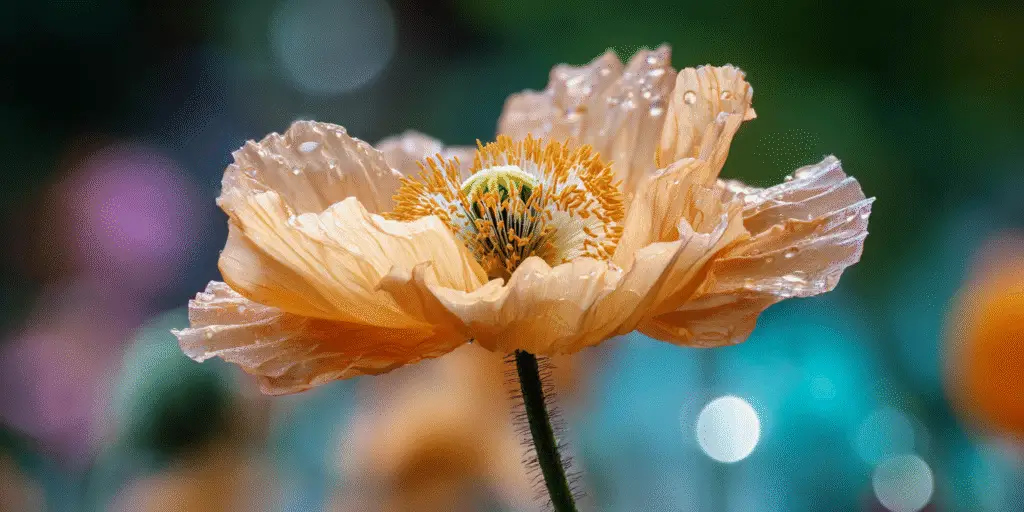
Poppies need full sun, at least 6 hours of direct light a day, and an open site rewards them with sturdy stems and fully opened flowers. Grown in too much shade they stretch toward the light, lean and flop on weak stems, bloom far less, and often drop their buds before they open. The one concession is climate: where summers are fierce, a little light afternoon shade spares the thin petals from scorching, while morning sun dries the plants early and keeps them strong. Many of the annual poppies follow the sun through the day, spreading their petals in the morning light and closing or shedding them toward evening, and a run of gray days can keep the flowers shut. Competition from taller neighbors or overhanging branches is the usual reason a poppy blooms poorly, and more sun is generally the whole fix.
Water
Poppies want moderate water while they are growing and very little once established, and they strongly dislike wet feet. The plants evolved on open, fast-draining ground, and soil that stays soggy brings the root rot and mildew that kill them quicker than any drought. The pattern that suits them mirrors the way a Mediterranean herb such as lavender is grown: keep the seedbed and young plants evenly moist until they root, then water only through real dry spells, letting the top inch of soil dry between soakings. Deep, infrequent watering pulls the roots down and builds a plant that stands up to heat, while frequent light sprinkling leaves stems soft and quick to flop. Once established, a poppy's taproot draws moisture from well below the surface, and most gardens supply everything it needs from spring rain alone. When the choice is unclear, err toward the dry side.
Soil and pH
Sharp drainage is the soil requirement that outweighs every other. Poppies grow well in average or even poor, sandy, and stony ground, and they will seed themselves into gravel and the cracks of a dry path, but heavy clay that holds water is often fatal, rotting the roots through a wet winter. Where the soil is dense, work in grit, coarse sand, and organic matter to open it up, or grow poppies on a slope or in a raised bed where water runs off freely. Fertility matters less, and too much of it backfires: rich soil high in nitrogen pushes lush leaves at the expense of flowers, while a lean bed gives fewer leaves and more intense bloom, much as the plants manage in the thin soils of their wild ground. The preferred pH runs from neutral to slightly alkaline, roughly 6.5 to 7.5, and many wild poppies favor the chalky, lime-rich soil that other flowers find difficult. If a bed is strongly acidic, a little garden lime shifts it toward the range poppies like. Loosen the ground deeply before sowing so the taproot can drive straight down.
USDA hardiness
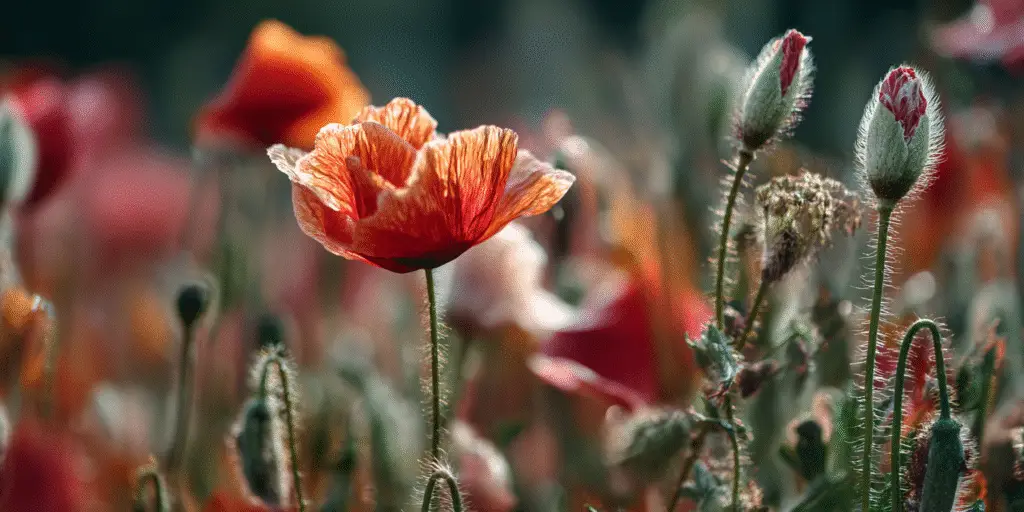
Hardiness depends on the species, so poppies as a group suit almost every climate once the type is matched to the zone. The perennial Oriental poppy is thoroughly cold-hardy, reliable in USDA zones 3 through 7 and surviving harder winters by dying back to its root. Iceland poppies are hardy to around zone 2 and behave as short-lived perennials in cold regions, but they resent hot, humid summers and are usually grown as cool-season annuals where summers turn brutal. The annual corn and breadseed poppies carry no perennial zone rating, since they finish in a single season, yet they can be grown almost anywhere from zone 2 to zone 10 by timing the sowing to the local cool season. In cold-winter zones that means sowing in early spring as soon as the ground can be worked, or scattering seed in late fall for the seedlings to break with spring warmth, since young poppies shrug off light frost. In mild-winter zones from about 7 to 10, a fall or winter sowing is better, so the plants bloom in the cool months before summer heat shuts them down. Perennial poppies need a genuine cold dormancy and will not persist in a frost-free tropical garden.
Sowing data by species, because no zone table exists for poppies
No source gathered for this pack publishes a single zone-by-zone poppy planting table the way Iowa State does for tulips, and that absence is itself the finding: poppy planting guidance lives scattered across five plant identities rather than in one place. What follows is assembled species by species from the strongest source found for each, with the source named in the row.
Propagation and longevity
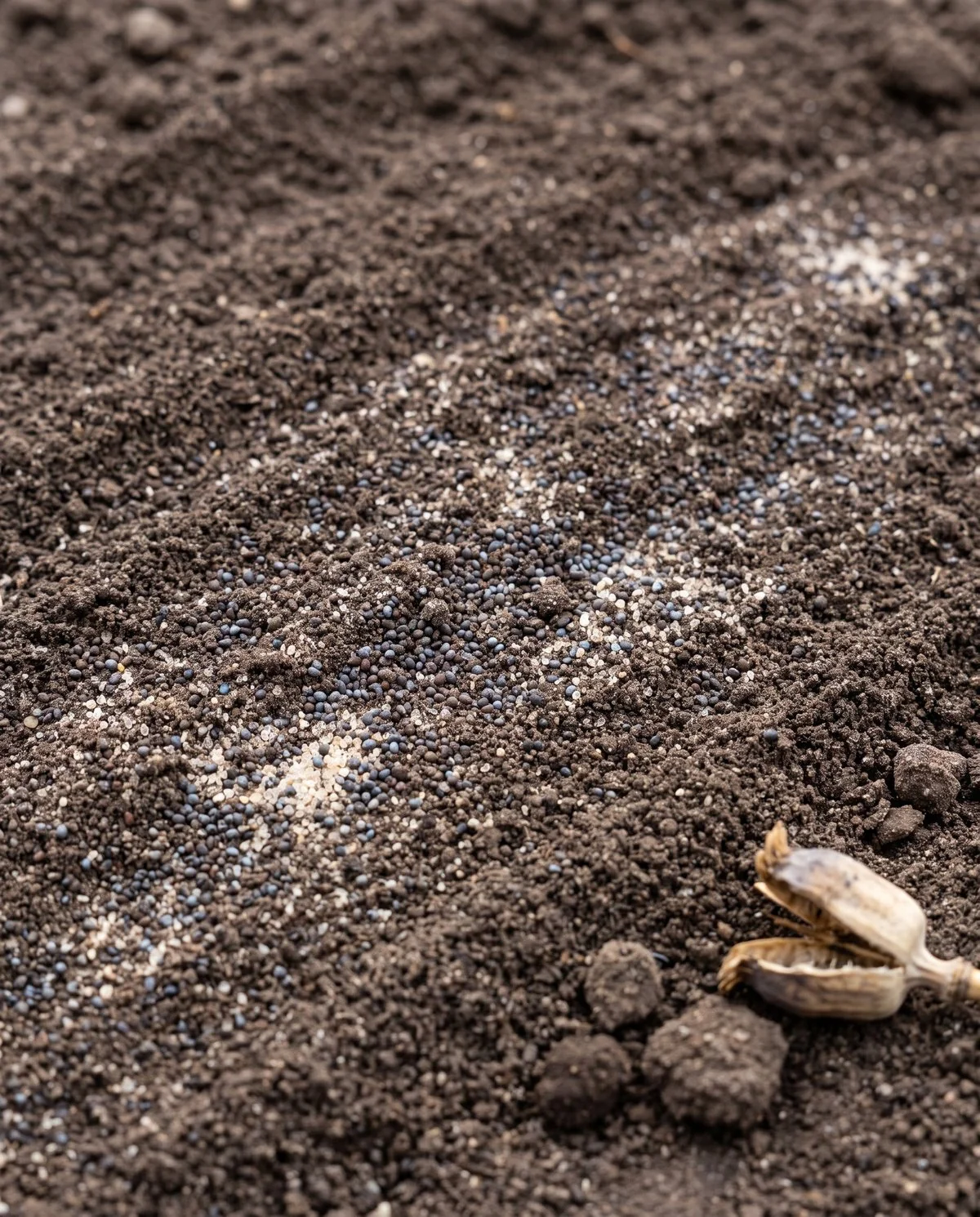
Poppies are grown from seed, and getting the sowing right is the whole game, because nearly every poppy failure traces back to it. The seed is extraordinarily fine, closer to dust than to a grain, and it needs light to germinate, so it is surface-sown: scatter it thinly over cleared, firmed soil and press it in, covering it with no more than an eighth of an inch of fine soil, because seed buried deeper sits in the dark and never comes up. Keep the surface evenly moist, and seedlings appear in about one to three weeks, longer in cold ground. Timing follows the climate and always leans cool: sow in early spring as soon as the soil can be worked in cold regions, or in fall and late winter where winters are mild, and avoid high summer, when heat holds germination back. The rule that catches people out is that poppies must not be transplanted. They send down a taproot that hates disturbance, and a seedling lifted and moved usually sulks or dies, which is why the dependable method is to direct-sow where the plants are to flower rather than raising them in a tray. If you must start under cover, use deep individual cells and set the plants out while they are still small, before the root fills the pot, and thin direct-sown stands to 6 to 8 inches apart. A step-by-step guide to growing poppies from seed covers the timing and spacing in more detail.
Longevity is a matter of type. The annual poppies live a single season but reseed freely: left in place, each dried pod shakes hundreds of seeds through the pores under its cap, and a first-year planting can hold a spot for years as a self-renewing colony, drifting agreeably among other self-sowers such as love-in-a-mist, forget-me-nots, and cosmos. To encourage that, leave the last flush of pods to ripen and drop instead of cutting them off; to keep a colony in bounds, deadhead before the pods mature. The Oriental poppy persists for many years from a stout perennial root and dislikes being moved once settled, so the time to divide it or take root cuttings is late summer, while it lies dormant. A length of the fleshy root cut into short sections and set in sandy soil will sprout a new plant that matches the parent, which seed will not do reliably for a named color. Poppy seed itself is long-lived, staying viable in the soil for years, which is why a patch of bare, disturbed earth can suddenly fill with poppies that seemed long gone.
Four claims, and what the institutions actually rate
The myth: A poppy can never be moved, full stop.
The reality: Mostly true for a seed-grown plant and false for an established Oriental poppy at the right moment. Utah State puts the seedling rule plainly, that thinning can be avoided by using transplants in place of direct seeding, however poppies do not transplant well, and NC State says the same of California poppy independently. What the blanket version misses is the mechanism: an Oriental poppy is divided or root-cut in late summer precisely because it is dormant and leafless then, and that resting state is what lets it tolerate the disturbance a growing seedling cannot.
The myth: Poppies are perennials that come back every year.
The reality: False for four of the five, and the costliest misunderstanding in the group. NC State's three separate species pages carry three different life cycles: Oriental poppy is the true perennial at zones 3a to 7b, Papaver rhoeas is listed as an annual, and California poppy is annual across most of its zones 6a to 10b range with short-lived perennial behaviour only in zones 8 to 10. What makes the annuals feel perennial is vigorous self-sowing, which is a different event from the plant itself surviving a winter.
The myth: The potent sap draws deer, so a poppy bed needs the fencing a hosta bed does.
The reality: The opposite, and the same chemistry does it. Rutgers Cooperative Extension's Bulletin E271 rates annual Papaver species Rarely Damaged, the best category on a 12-page ranked list and the tier it shares with snapdragon and larkspur, and rates both Papaver orientale and Eschscholzia californica Seldom Severely Damaged. The bitter latex that makes poppies mildly concerning to eat is what makes them unpalatable to browse, and a gardener in this pack's corpus reported the same result from the other direction after deer ate everything else on their list.
The myth: Deadheading is pointless because each flower only lasts a couple of days anyway.
The reality: Partly true, with a gap worth naming. A single poppy flower does last only 2 to 3 days whatever you do, and most of a planting's season length comes from the relay of new buds rather than from any bloom being extended. Deadheading the annual types redirects energy away from seed production and is the direct control on how much a patch self-sows. No university source gathered for this pack quantifies how much extra bloom that buys, which is why no number appears here.
Fragrance
Poppies are grown for their color and form, and most carry little or no scent a person would notice. Lean close to an open bloom and there may be a faint green or earthy note off the pollen and sap, but nothing of the sweet perfume of a rose or the aromatic oils of lavender. The reason sits in how poppies draw their pollinators: the flowers offer no nectar, only a heavy load of protein-rich pollen, and they pull in bees by sight, with wide, saturated petals. A poppy patch in full sun hums with bees working that pollen, and the sound is closer to the flower's signature than any smell. For the cut-flower user the missing perfume is a small mercy, since poppies add color to an arrangement without competing with more fragrant blooms.
Toxicity and pet safety
All true poppies hold alkaloid compounds in their milky latex, and the plants count as toxic to cats, dogs, and other animals if eaten, though the poisoning is usually mild and North Carolina State's extension guide rates the severity low. The breadseed poppy carries the most active compounds, and the sap is the most concentrated part, while the green leaves, stems, and unripe pods hold them in smaller amounts. A pet that chews poppy foliage or a green pod may show opioid-type signs, from lethargy and unsteadiness to drooling and changes in pupil size, and a large mouthful is worth a call to the veterinarian. The saving grace is that the same bitter latex that makes poppies mildly toxic also makes them unpleasant to eat, so animals rarely take much, and it is exactly what gives poppies their useful resistance to deer and rabbits. Keep pets and livestock from grazing the plants as a sensible precaution, and for a fuller picture of which blooms are safe to grow around animals see the guide to flowers safe for cats and dogs. The blue-black seed used in the kitchen comes from dried breadseed pods and is a separate food product, distinct from anything in the living plant.
Vase life
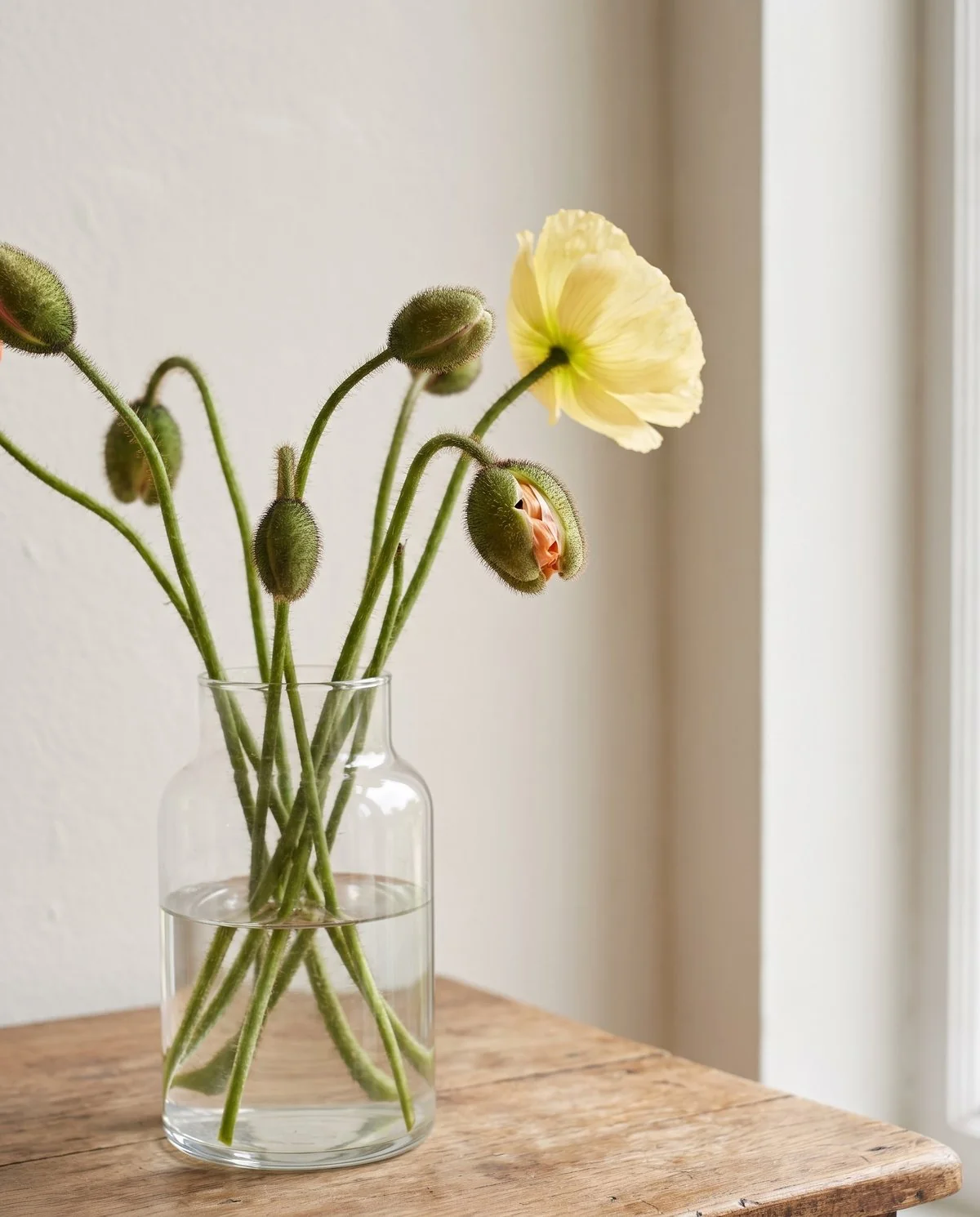
Cut poppies are famously short-lived unless they are handled with one particular trick, and without it a stem can wilt within a day. The trouble is the same latex that runs through the plant: a freshly cut stem bleeds it from the wound, and the milky sap seals off the stem's own water channels so the flower cannot drink. The fix is to cauterize the cut end at once, either by passing it through a flame for a few seconds until it darkens or by dipping the last inch in near-boiling water for 10 to 20 seconds. Searing stops the bleeding, keeps the vessels open, and lets the stem take up water, which lifts vase life from a day or two to a decent 5 to 7 days. Cut the stems at the cracking-bud stage, when the bud has split and a sliver of petal color shows but the flower has not yet opened, and strip any leaves that would sit below the waterline. Stand the seared stems in clean water, refresh it daily, and keep the vase out of direct heat. Iceland poppies condition better than the rest and are the type to grow for cutting; they pair well in a cool-season arrangement with the tightly packed petals of ranunculus, which hold their shape while the poppies take their brief, brilliant turn.
The measured numbers, from one real postharvest trial
One trial in this pack tested cut poppy properly: Dole, Fanelli, Fonteno, Harden and Blankenship at NC State's Department of Horticultural Science, published as American Floral Endowment Special Research Report 425 and read here as the full PDF. Every figure below is theirs, and all of it is Iceland poppy.
Floral foam will shorten a poppy's life in an arrangement.
Measured and false. The same NC State trial found floral foam had no negative effect on poppy vase life, which is real reassurance for anyone building a foam-based arrangement rather than a hedge.
A sugar pulse buys the vase extra days.
Measured, and the answer splits by who is counting. A 10 percent sucrose pretreatment pulse together with 2 to 4 percent sucrose in the vase solution increased wholesale and retail vase life in the trial and had no effect on the consumer-relevant number, which is the one that matters on a kitchen table.
Searing the stem is the only reason a cut poppy lasts at all.
Genuinely open rather than settled, and stated that way on purpose. The searing convention, a flame or near-boiling water on the cut end to stop the latex sealing the stem's water channels, is what florists repeat and what the care section on this page describes. What sits against it is that the NC State trial's published methodology never mentions searing or dipping and still measured 5.5 days in plain water, and that one grower test cited in a secondary source claims a plain fresh cut works as well for Icelandic and Italian poppies. No source gathered for this pack tests searing against a plain cut head to head, so nothing here resolves it either way.
Pests and diseases
Poppies are largely trouble-free, and most of what goes wrong comes from wet conditions or a few soft-bodied pests. Aphids are the common one, gathering on stems, buds, and new growth where they can distort the opening flowers, and a hard jet of water or a spray of insecticidal soap clears them. Slugs and snails shear off young seedlings and chew the fresh foliage of Oriental poppies in damp weather, so a barrier or bait around emerging plants helps protect them. The diseases are mostly fungal and tied to moisture: downy mildew leaves pale patches on the undersides of leaves in cool, wet spells, powdery mildew coats them white in warm, humid, crowded air, and botrytis grays and rots petals and stems through long damp weather. All three answer to the same handling, with full sun, generous spacing for airflow, and water aimed at the soil rather than over the leaves. Aphids can also carry viruses that mottle and warp the foliage, and a plant showing that streaked, distorted growth is best pulled and destroyed, since there is no cure. The reassuring side of the poppy's bitter sap is that deer and rabbits leave the plants mostly alone, so in gardens plagued by browsing they are one of the more dependable sources of color. The table below pairs the problems that actually send people looking for answers with what fixes each.
| Problem | What you see | Cause | Fix |
|---|---|---|---|
| Oriental poppy vanished in summer | Foliage yellows and dies back after bloom | Normal summer dormancy, not death | Leave it alone; a new rosette returns in fall; mask the gap with later perennials |
| Seed never came up | Bare soil weeks after sowing | Seed buried too deep or sown in heat | Surface-sow, barely cover, keep moist, sow in cool weather |
| Seedlings died after moving | Wilted, failed transplants | Taproot disturbed | Direct-sow where they are to grow; do not transplant |
| Cut poppies wilt in a day | Stems flop, flowers collapse in the vase | Latex seals the cut stem | Sear the stem end in flame or boiling water; cut at cracking-bud |
| Floppy, leaning stems | Weak, stretched growth | Too little sun, or too much water and feed | Full sun, lean soil, water deeply but seldom |
| All leaves, few flowers | Lush foliage, sparse bloom | Soil too rich in nitrogen, or too much shade | Cut back feeding, move to full sun, grow leaner |
| Clusters on buds, twisted flowers | Green or black insects on new growth | Aphids | Blast with water or use insecticidal soap |
Photo pairs, and the pairs left unphotographed on purpose
Growth habit, seedling anatomy, animal digging and insect presence are safe to photograph and are here in full. Three pairs are not: soft dark rotted root tissue, downy mildew's purplish sporulation and Utah State's velvety black capsule spots are checkable fingerprints, so those sides wait for a real reference photograph and the card says which side is missing.
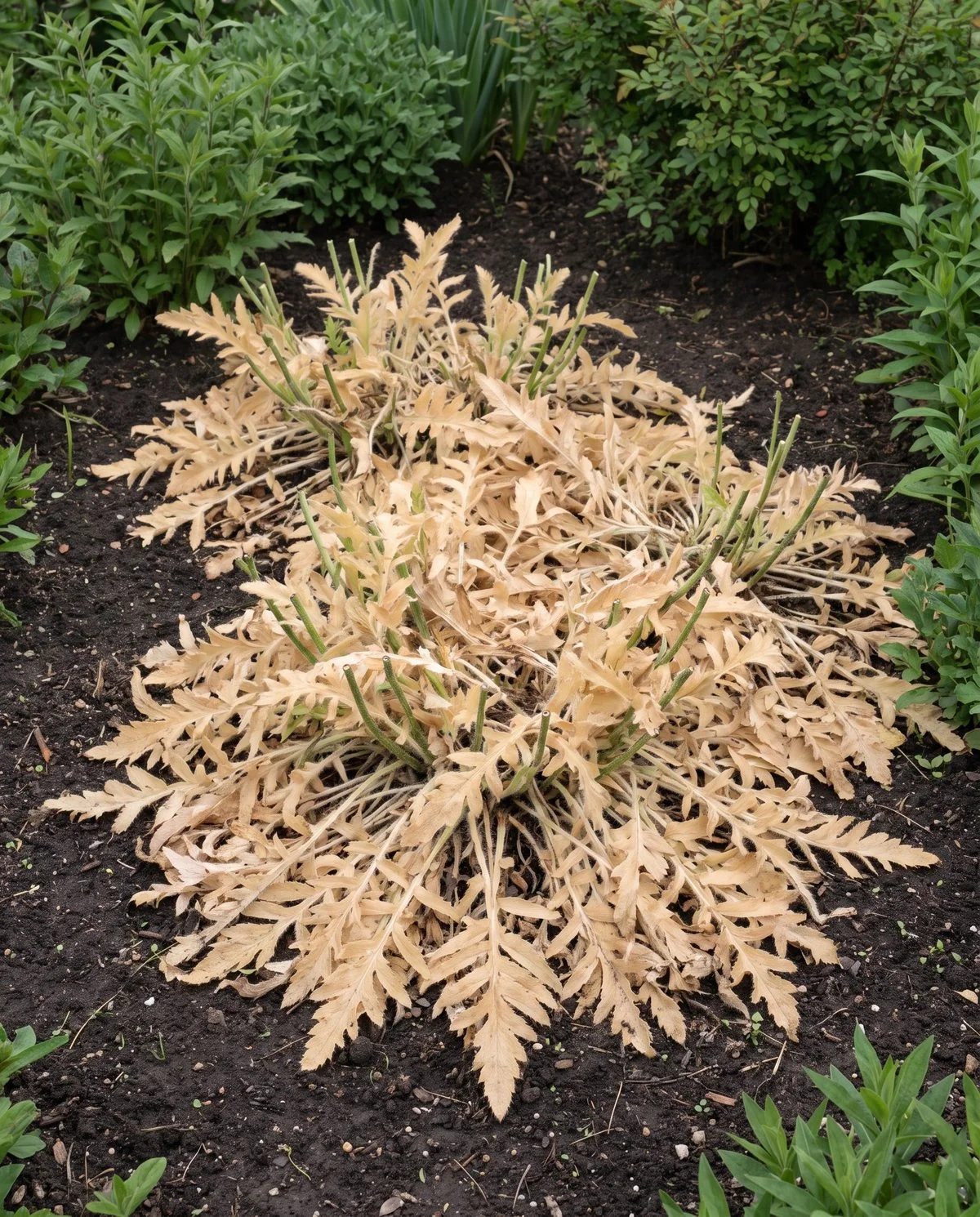
Look at the timing, then hold the crown. Colorado State's description of the normal event is that the foliage dies back during the hot weeks of midsummer, leaving a conspicuous gap, with fresh leaves emerging as temperatures cool in September and persisting through winter. That collapse takes the whole clump down evenly, with no lesions, no mould and no smell, and the crown stays firmly anchored. University of Maryland describes the alternative from the other side: root and crown infections first appear as wilting or collapse, root tips are excessively soft, dark or off colour, and a crown rot lets the plant fall over or be pulled easily out of the pot. The rot side is not photographed here.
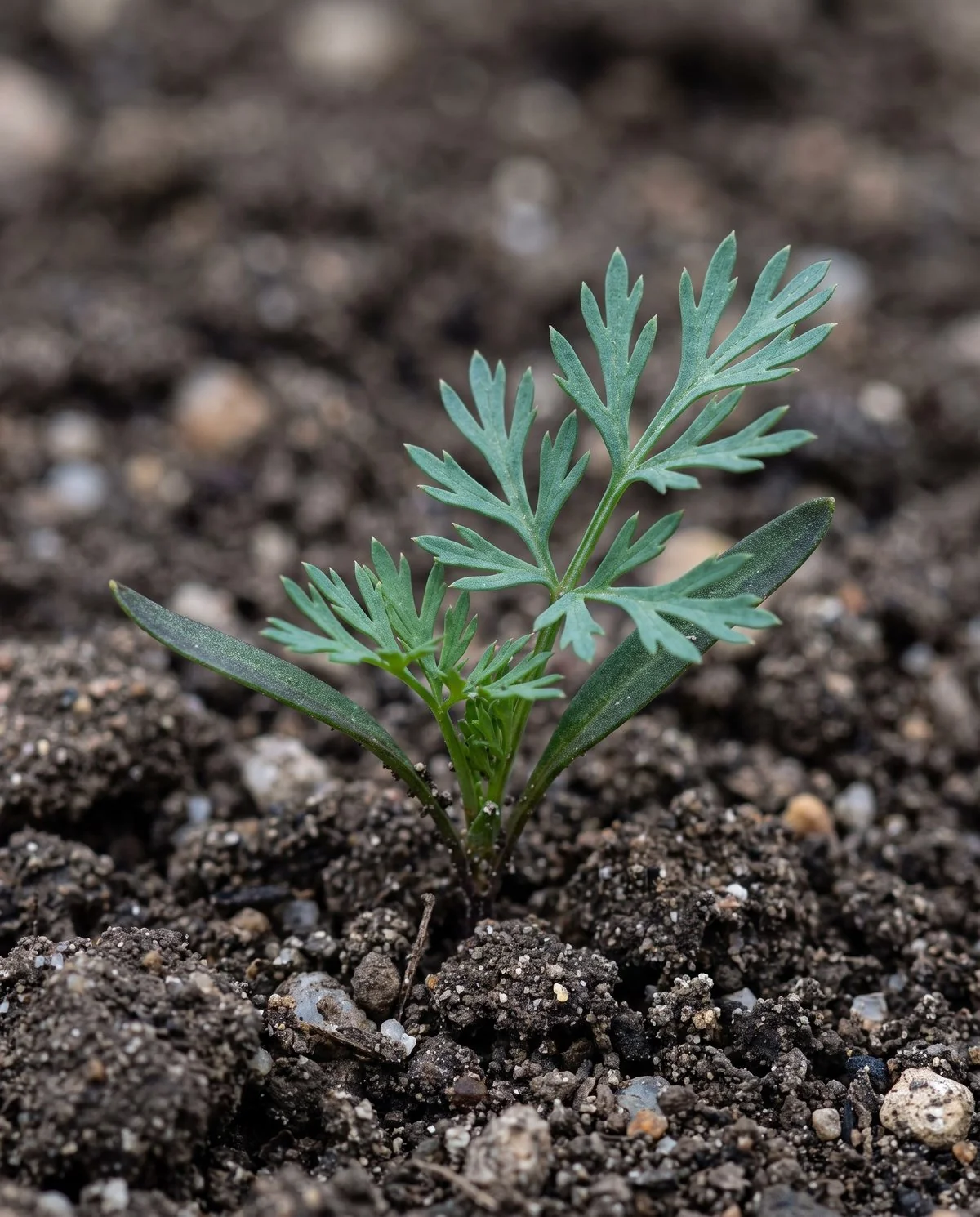
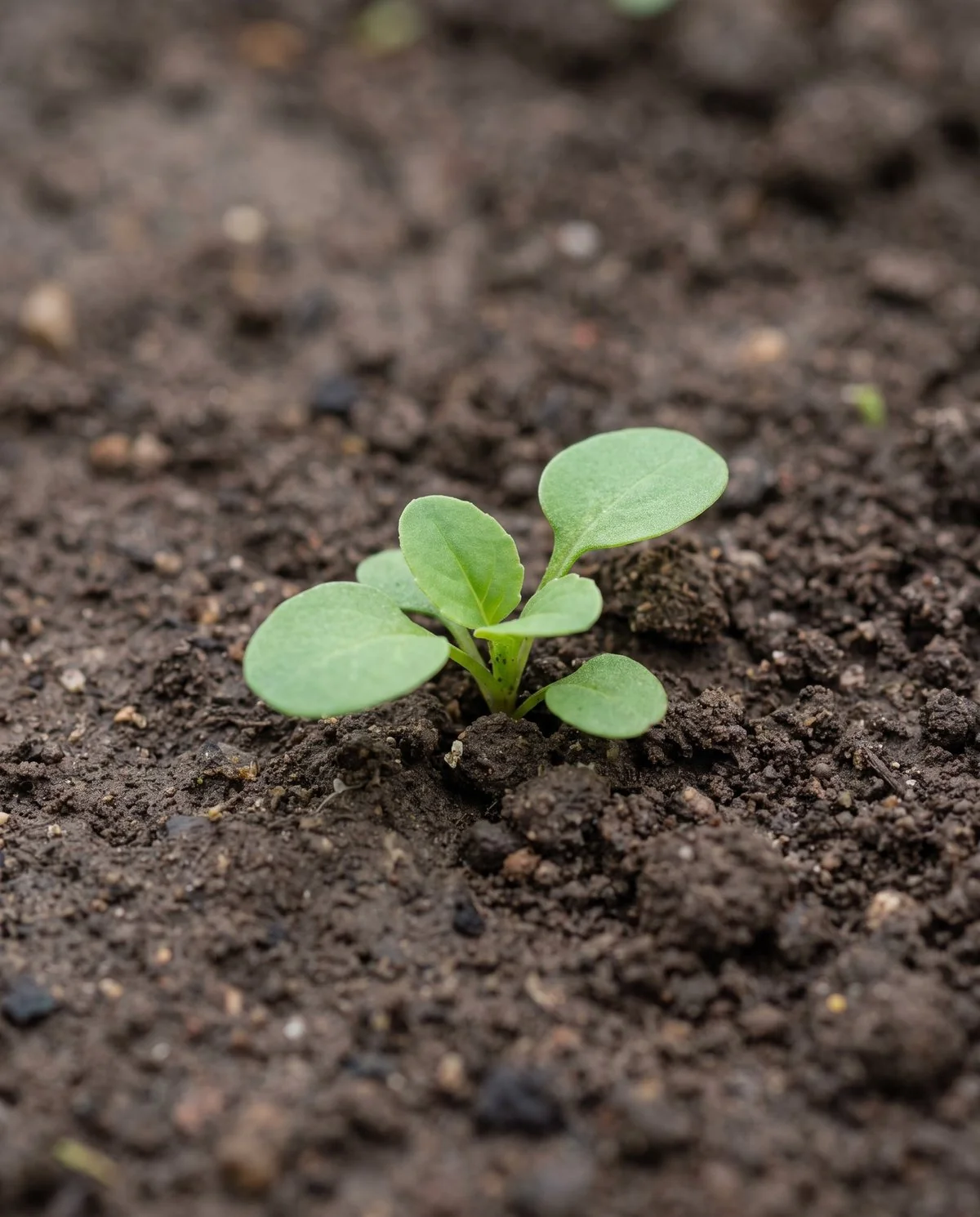
Judge the colour before the shape. Theodore Payne Foundation's identification note is specific on both: the very first leaves to emerge, the cotyledons, are slender and forked, and the true leaves that follow are bluish in hue and deeply divided like the leaves of a carrot. Against the nearest look-alike the tell is colour rather than outline, since poppy is much bluer while yarrow is spring green, and Russian thistle's needle-like leaves never read as carrot foliage at all. The cost of getting it wrong is in this pack's own corpus, in a post from a gardener who ripped out a poppy thinking it was a weed and pulled it with the roots detached.
Turn the leaf over, because this one separates on the underside. Peronospora arborescens has been described the same way in four independent journal first-reports on poppy, opium poppy and Papaver nudicaule: chlorotic to light yellow lesions on the leaf blade, curling and thickening of affected tissues, and a purplish downy growth on the underside, most visible in wet weather or high humidity when sporangiophores form on the lower leaf surface. Utah State states the plain extension version, that downy and powdery mildew may kill young seedlings or cause growth deformities. Ordinary rapid growth or light aphid feeding curls a leaf without producing any of that purplish fuzz. Neither side is photographed here.
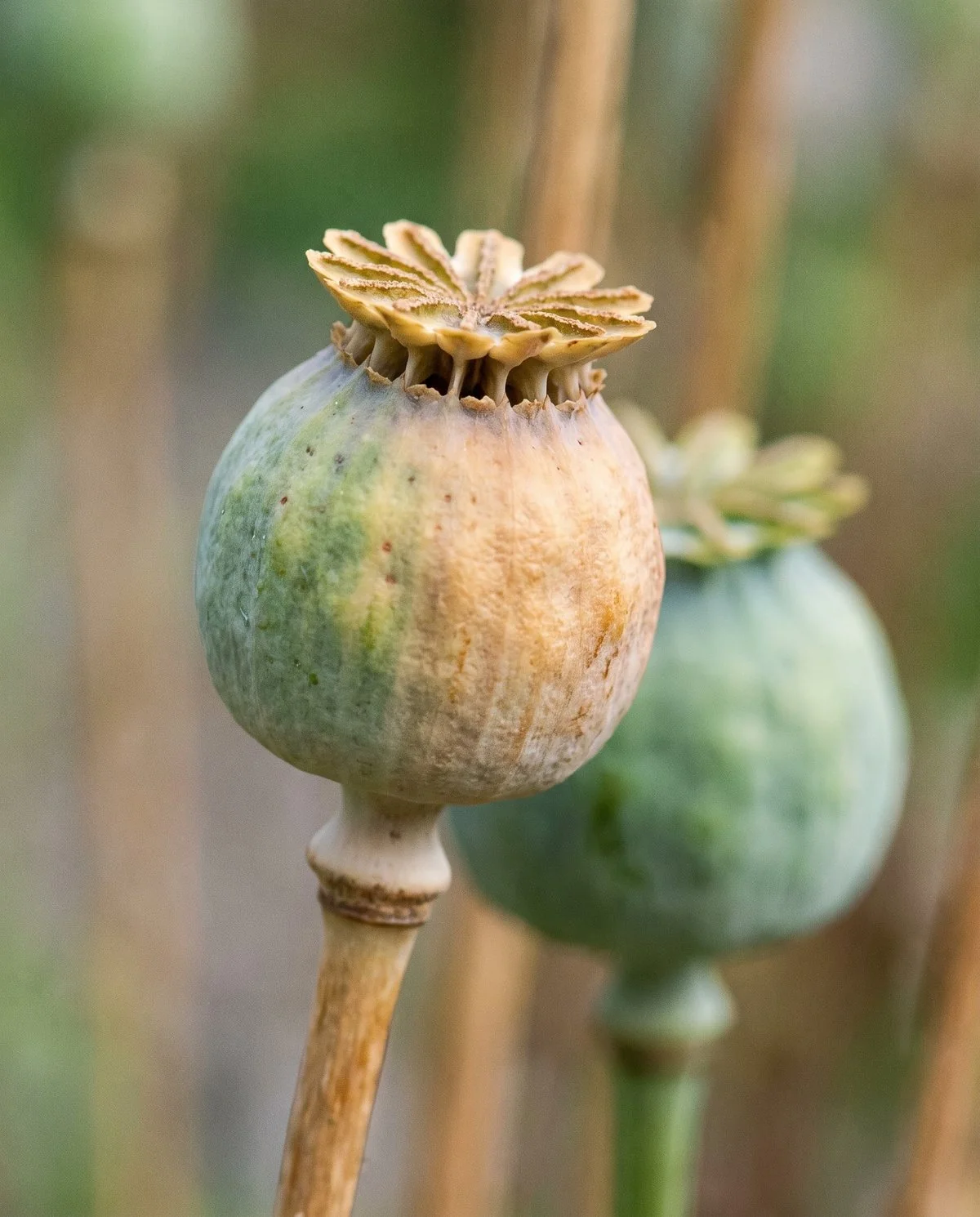
Shake it and look at what the colour is doing. Utah State's ripeness cue is to harvest when the seeds begin to rattle inside the pod, which follows a capsule that swells, dries and turns from green to tan and brown. The same fact sheet describes the infection in exact visual terms that are the opposite of ripening: large, velvety black spots on green seed pods, with irreversible damage already done by the time symptoms are noticed. The repeated corn poppy bud complaint in this pack's corpus, black blotches on the cap before the flower opens, is plausibly related and is not confirmed as the same pathogen, so it stays an open question. The infected side is not photographed here.
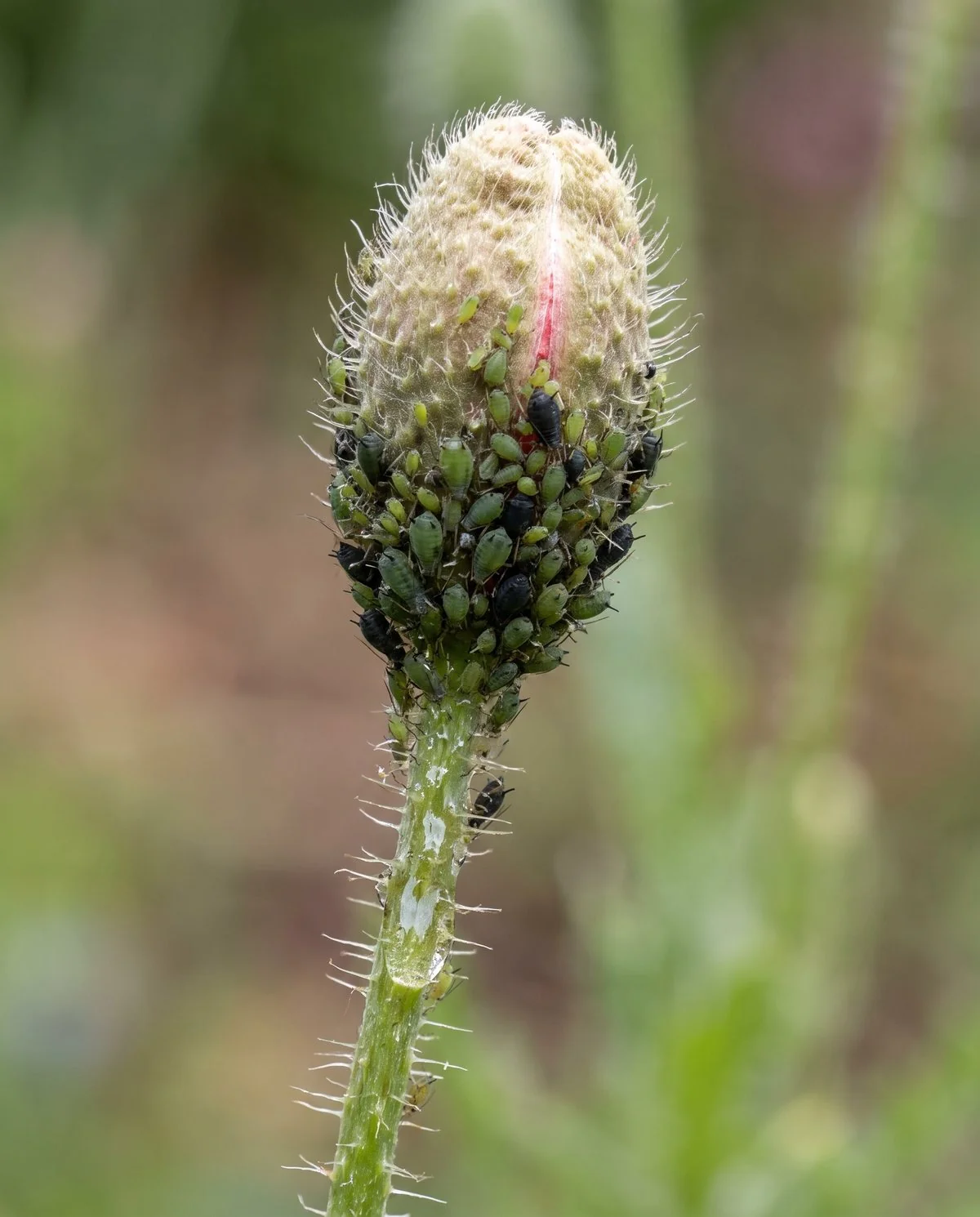
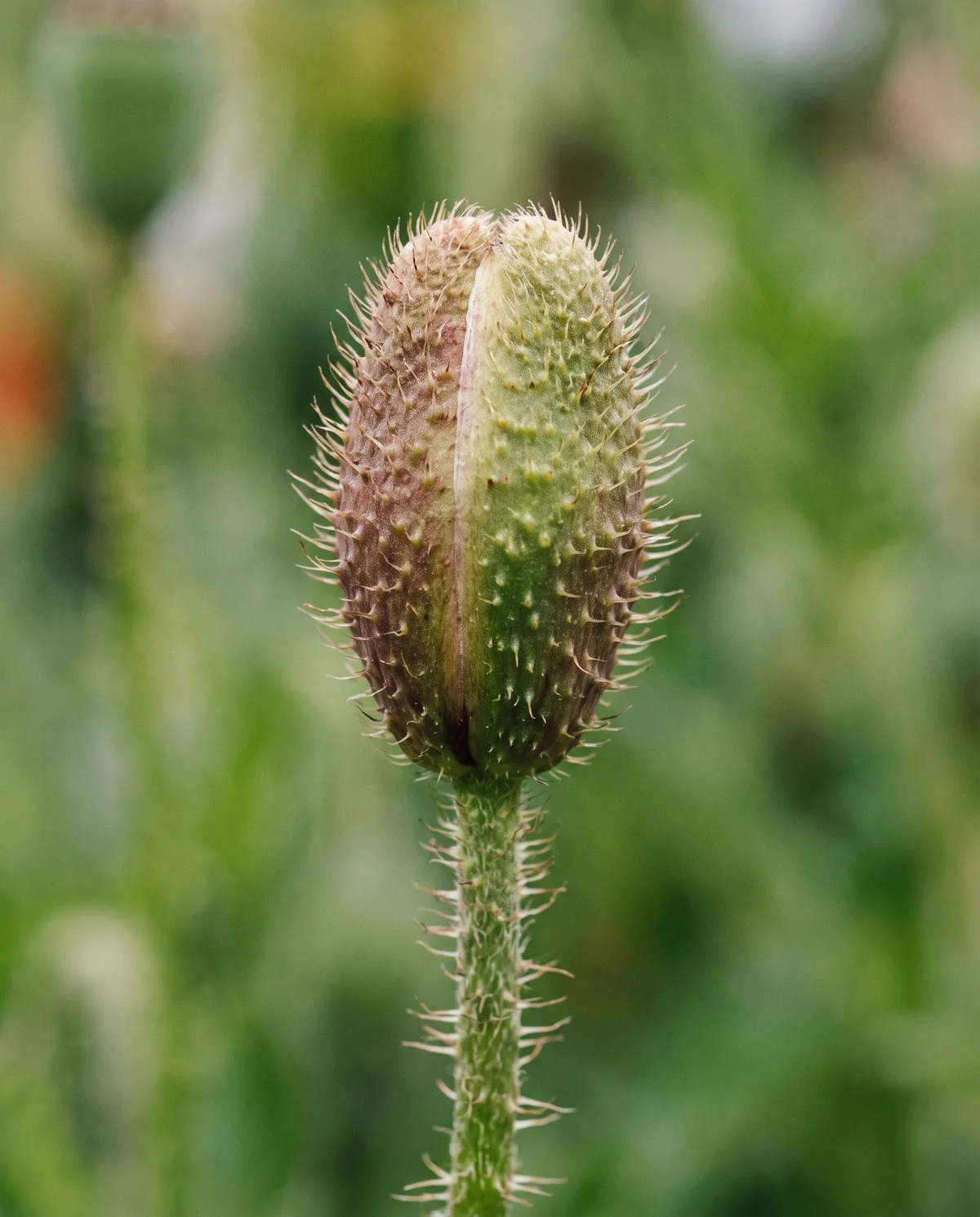
Count the honeydew, not the insects. Aphids on poppy present as the same soft-bodied green, yellow or black clusters they form on most garden annuals, on stems, buds and new growth, sometimes with a sticky honeydew film and slightly distorted flowers as the bud opens. A clean bud is firm, uniformly coloured and carries no sheen. Both sides are photographed because nothing about this pair is a pathogen fingerprint.
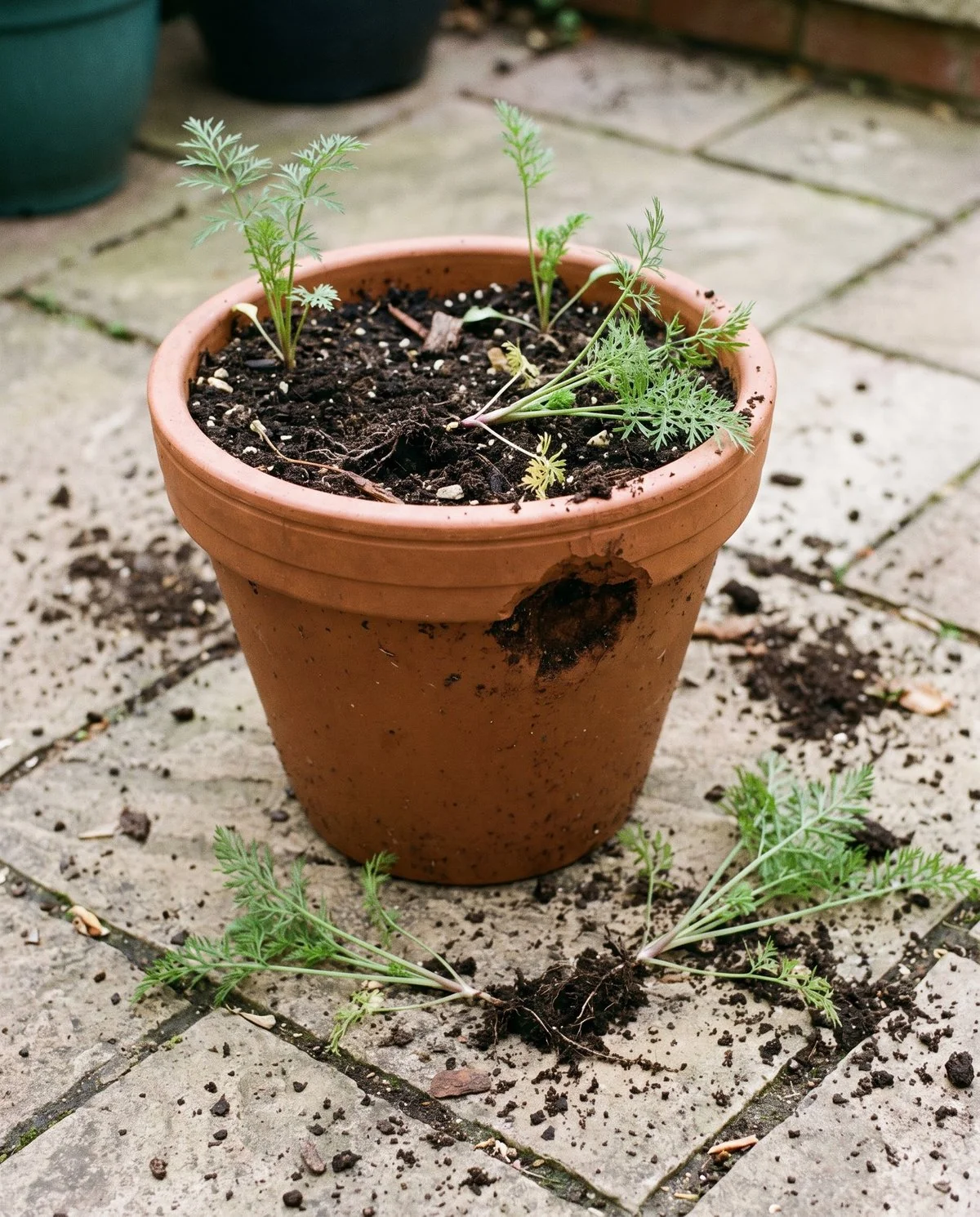
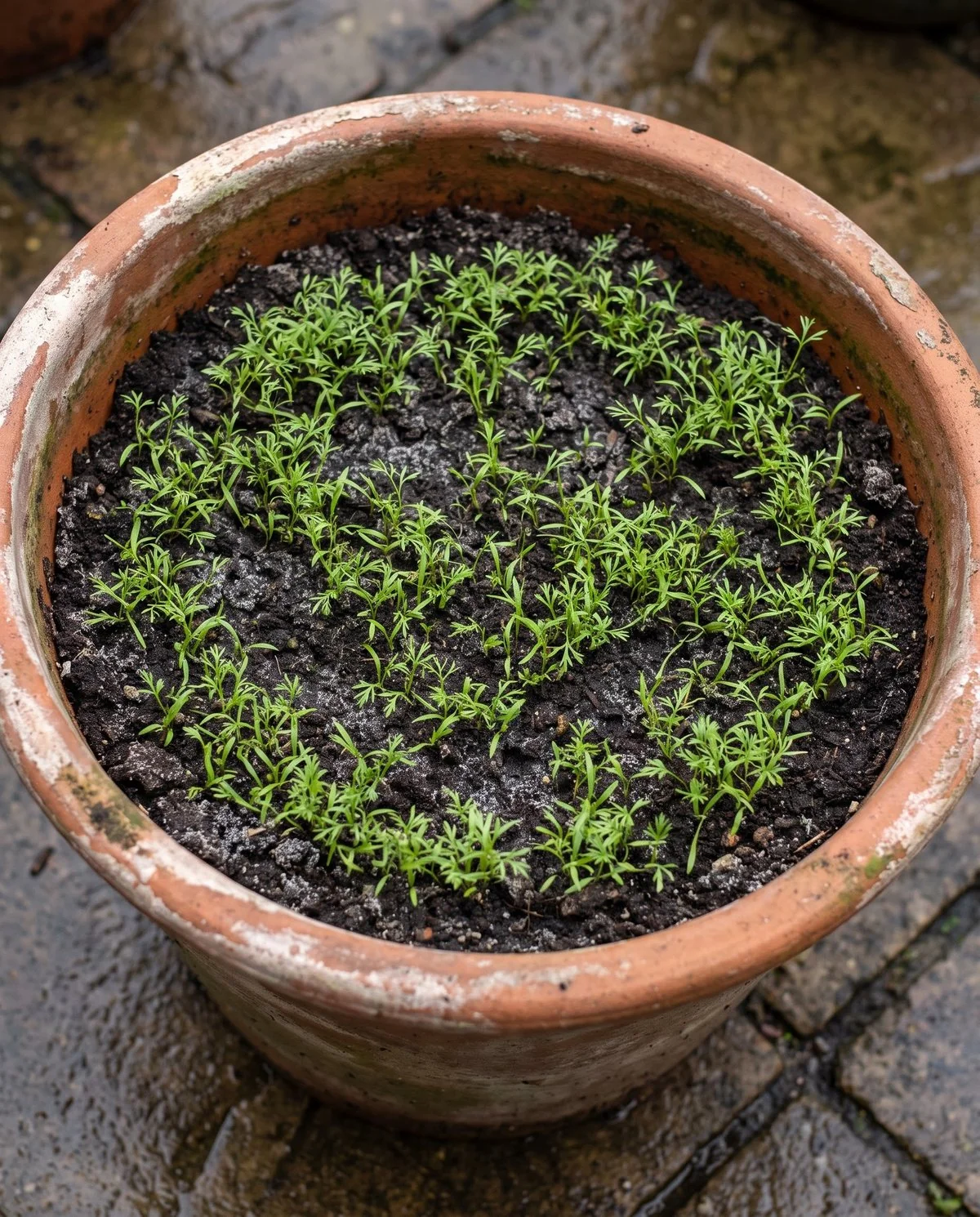
Read the pattern rather than the damage. Digging animals leave scattered loose soil, shallow holes and missing seedlings in patches that ignore the sown rows, which is what 13 posts in this sample describe and almost none of them describe as browsing. Undisturbed emergence is even across the sown area with the soil surface intact. Rutgers explains why the corpus looks like this: annual Papaver species are rated Rarely Damaged and both Oriental and California poppy Seldom Severely Damaged, so the animals that show up here are the ones after the soil rather than the plant.
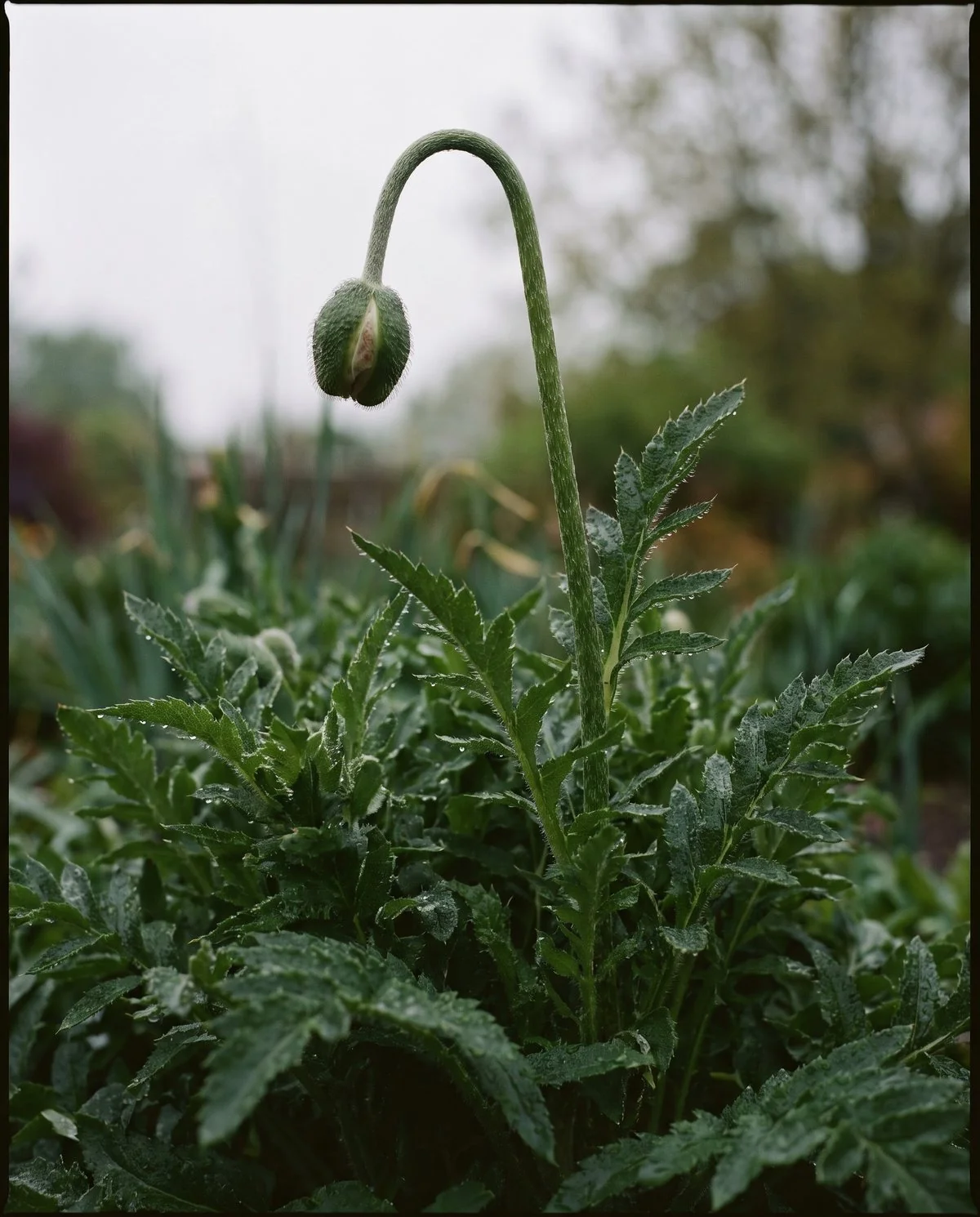
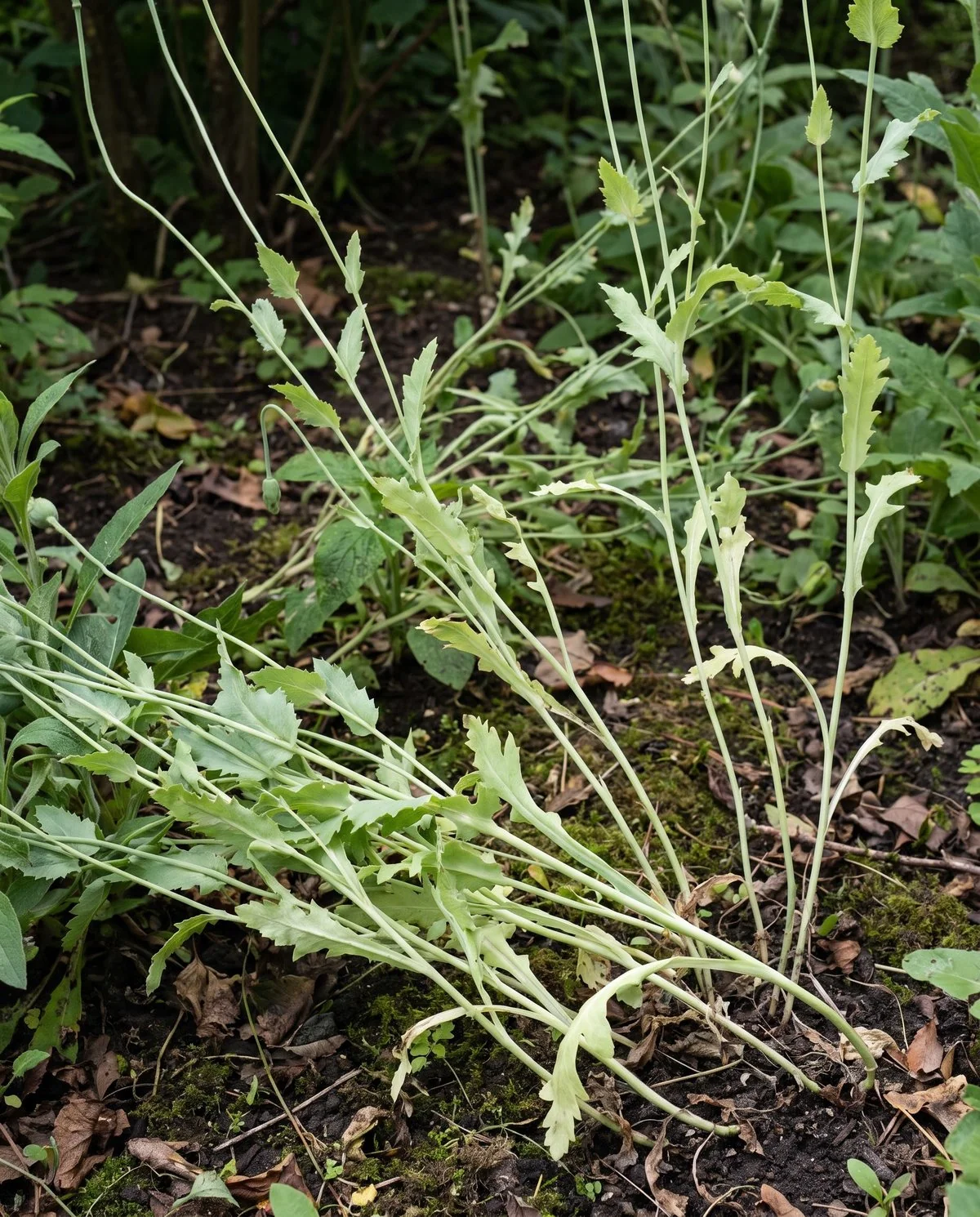
Note when it started and where it bends. A heavy papery bud on a tall thin stem can lean or flop briefly just before opening, especially after rain, and one gardener in this corpus describes exactly that on established perennial plants that flop right around when they bloom. Weak growth reads differently along the whole plant: thin, pale, stretched stems from early on rather than a single bowed neck at bud stage, which follows too little sun or ground kept too rich and too wet. Both sides are photographed; neither involves a pathogen.
What poppy growers actually ask about, ranked by frequency
694 unique posts from r/gardening and r/plantclinic, deduplicated by Reddit post ID, counted by a keyword pass over full title and body text and spot-checked by hand against the posts themselves. Two caveats belong beside the numbers rather than under them: the harvest stopped early, before 8 of 20 planned theme queries could run, so the aphid, fungal-spot and cold-stratification rows are floors rather than settled counts; and a dedicated poppy subreddit was checked and excluded from the harvest because its content is seed and pod collecting rather than garden growing. Themes overlap and do not add to 100.
Whether the plant came from seed or is an established Oriental clump, because that decides the answer. Utah State states the rule for the genus in one sentence, that poppies do not transplant well, and NC State states it independently for California poppy, which does not transplant either. The one exception is an established Oriental poppy divided or root-cut in late summer while it lies dormant.
The single hard university finding on the subject rather than the method being copied. Utah State records that breadseed poppy seed germinated better after exposure to freezing and thawing conditions, which is why it says to sow in late fall or very early spring. No source in this pack sets a chill duration in days for any Papaver, so the posts asking whether it is one day or a month in the freezer are asking something nothing here answers.
The crown, by hand. University of Maryland's own root and crown rot description is that the plant falls over easily or can be pulled easily out of the pot, with root tips excessively soft, dark or off colour. A dormant but healthy poppy crown stays firmly anchored, which is the whole difference.
Which animal, because in this sample it is almost always squirrels working containers for the loose soil rather than anything browsing the plant. Rutgers rates annual Papaver species Rarely Damaged, the best category in Bulletin E271, and both Oriental and California poppy Seldom Severely Damaged, which is the published reason browsing barely appears here.
Whether the plant is in its growing season at all. This row is the closest thing in the whole corpus to a vase complaint and it is not about cut flowers: it is garden and potted plants drooping days after purchase or planting, which puts it with the root-check above rather than with anything in the vase section.
Read this row as a floor. The dedicated aphid theme query never ran before the harvest stopped, and what did land is undramatic: small clusters on buds and a few what-is-this-bug requests.
Whether the seed rattles. Utah State's own harvest cue is to take pods when the seeds begin to rattle inside, and one recurring post in this sample is a gardener who pulled long-dried pods and found nothing inside at all.
When the flopping started. A heavy papery bud bowing a tall stem right before it opens is normal, and one poster describes exactly that on established perennial plants; stems thin, pale and stretched from the start are a light or fertility problem instead.
Colour, before shape. Theodore Payne Foundation's own identification note is that a poppy's first cotyledons are slender and forked and its true leaves are bluish and deeply divided like carrot foliage, and that poppy is much bluer than yarrow's spring green. Two of the highest-scoring posts in this whole sample are people delighted by the same spreading.
Which leaf surface it sits on. Downy mildew's own signature in the journal literature is on the underside, a purplish downy growth with chlorotic to light yellow lesions and thickened curling tissue in wet weather. This row is a floor: the dedicated mildew query never ran.
Nothing in this pack, honestly. Five near-duplicate posts describe black blotches on corn poppy bud caps before opening, after which the petals fuse and drop, and no source gathered here names a pathogen for that exact presentation. What is sourced is Utah State's capsule infection, large velvety black spots on green seed pods, with irreversible damage by the time it is noticed.
The type and the age of the planting first. Read the number as a floor: a poppy that simply never does anything has nothing to photograph, which is why the least dramatic failure mode in the group produces three posts out of 694 while every care guide gathered here treats bloom reliability as a central question.
The calendar, and then the crown. This is the most under-represented theme in the whole corpus relative to how universally it is documented: every Oriental poppy guide gathered for this pack addresses it unprompted, Colorado State calls the result a conspicuous gap, and the V2 text on this page calls it the most misread habit in the group, yet it produced exactly one clear forum post. The single example is a gardener who already knew dormancy exists and was still uncertain, because two third-year plants went yellow, then brown, then shrivelled over two months in a mild irrigated Pacific Northwest garden where neither cold nor drought explained it.
Flower photos
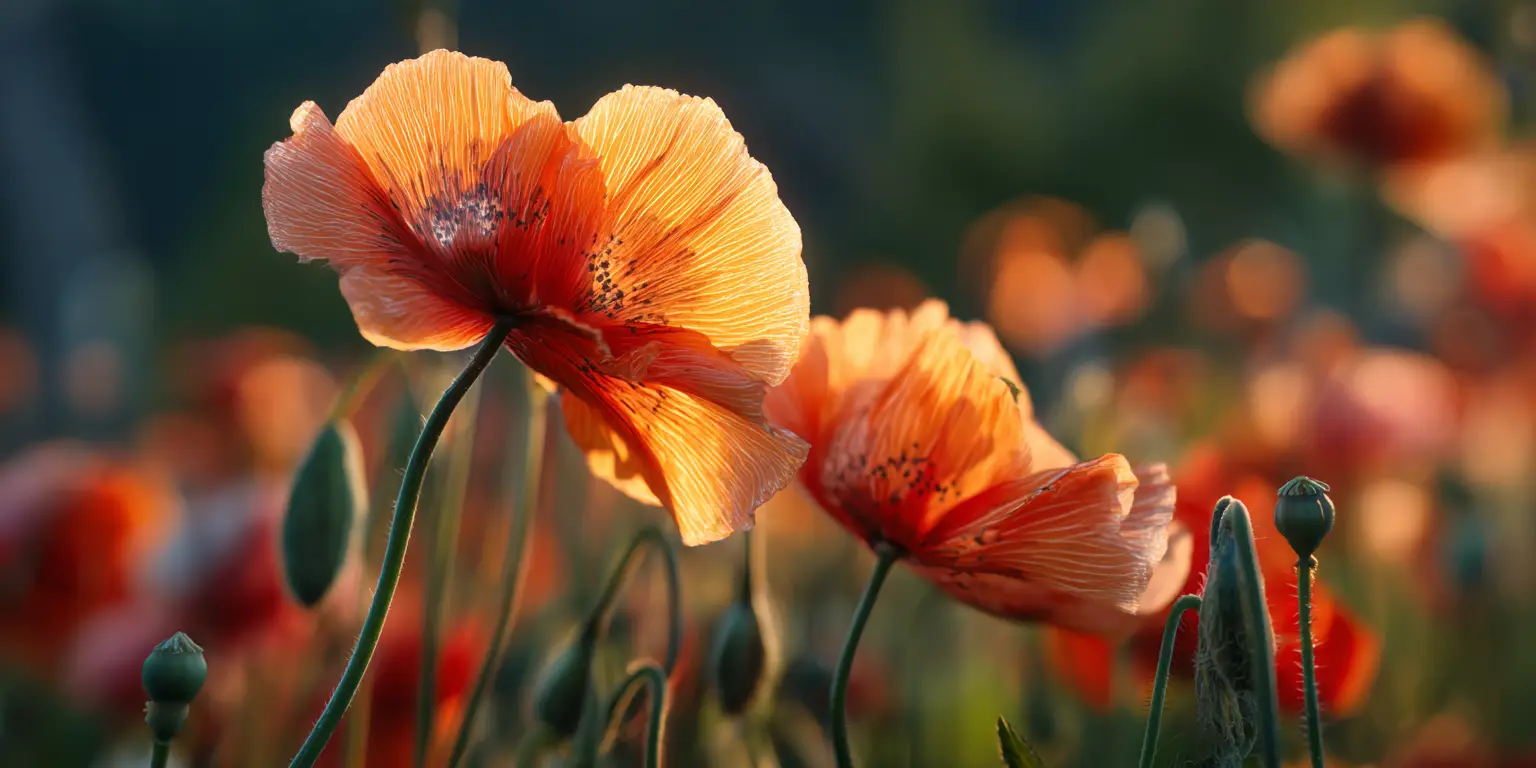
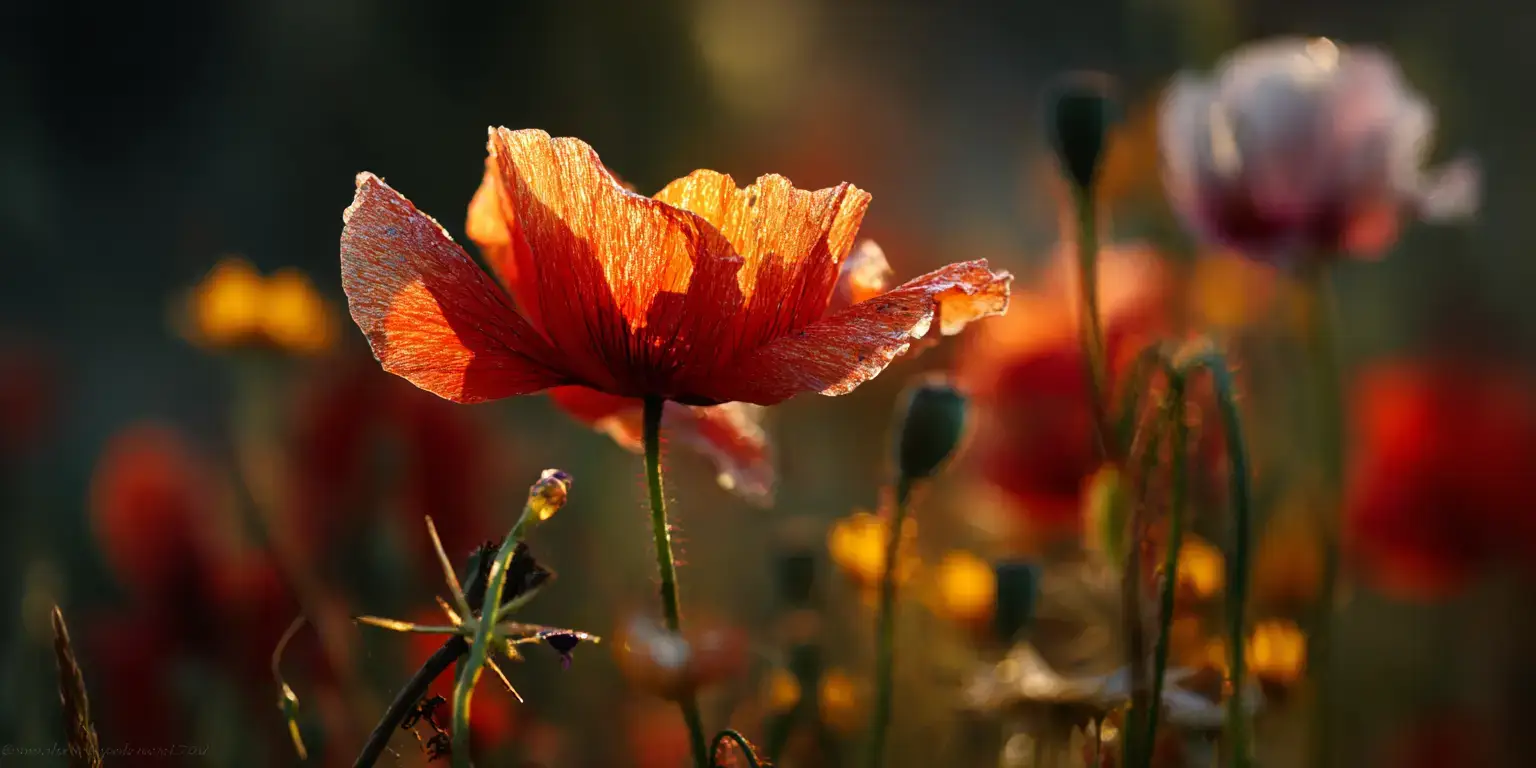
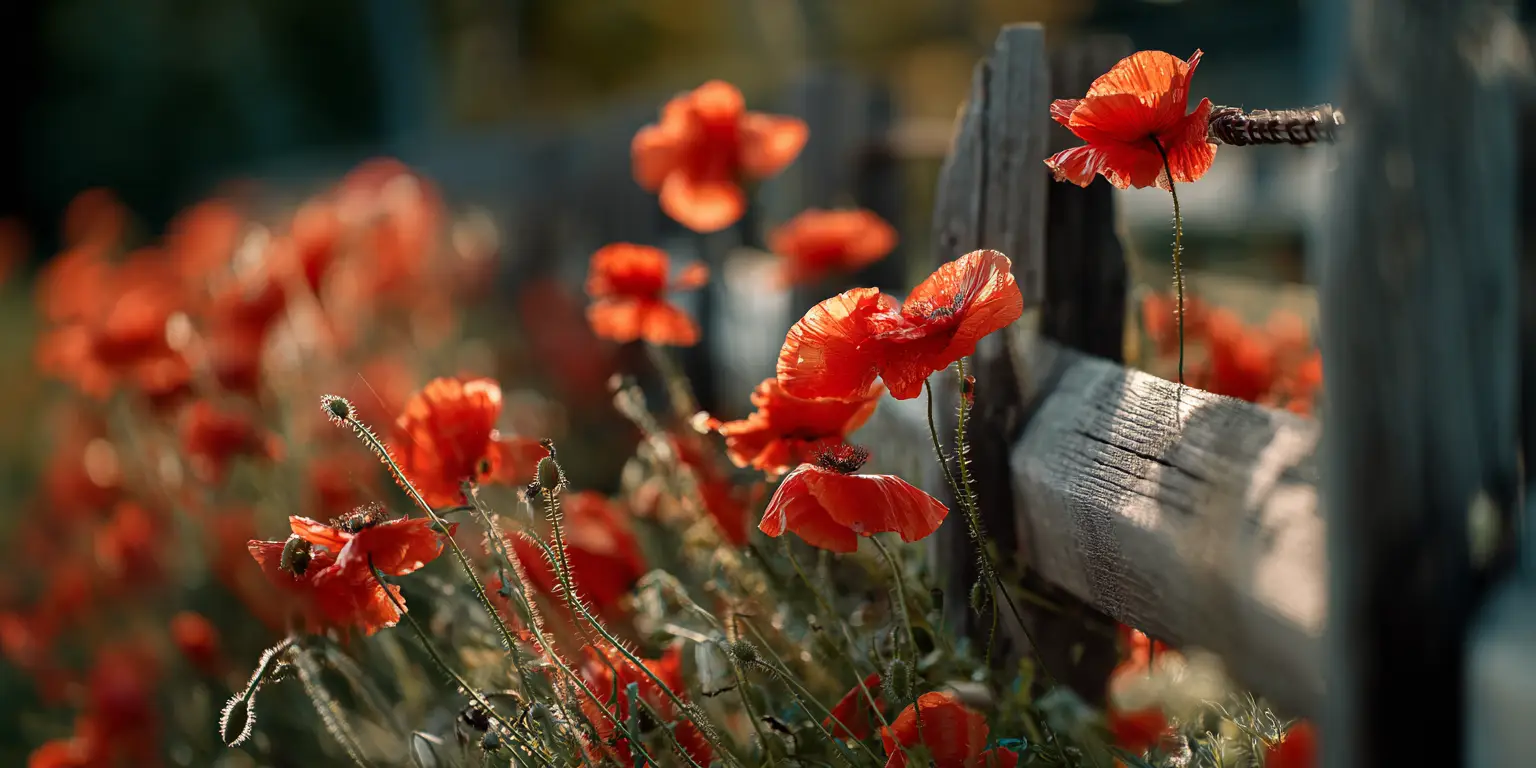
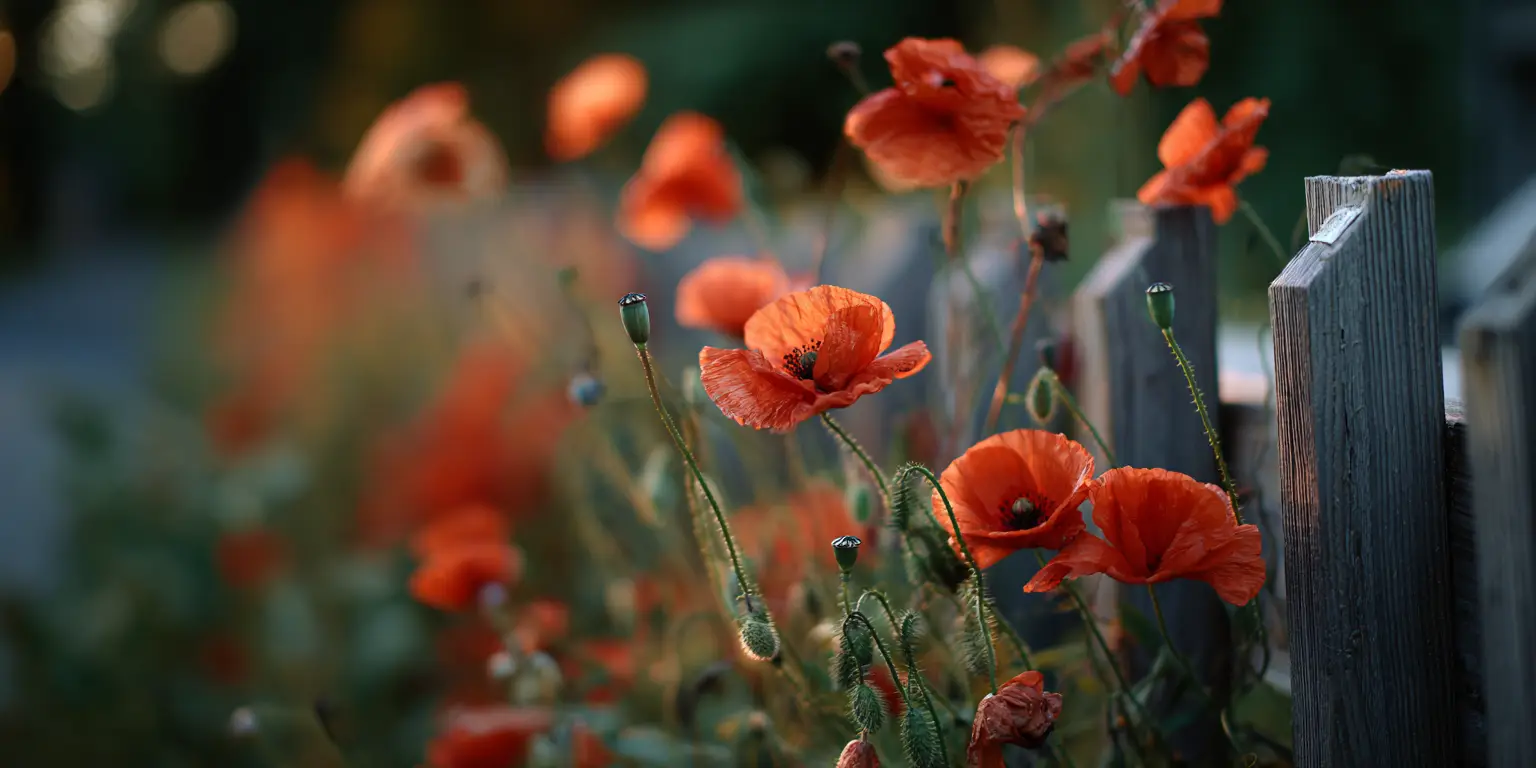
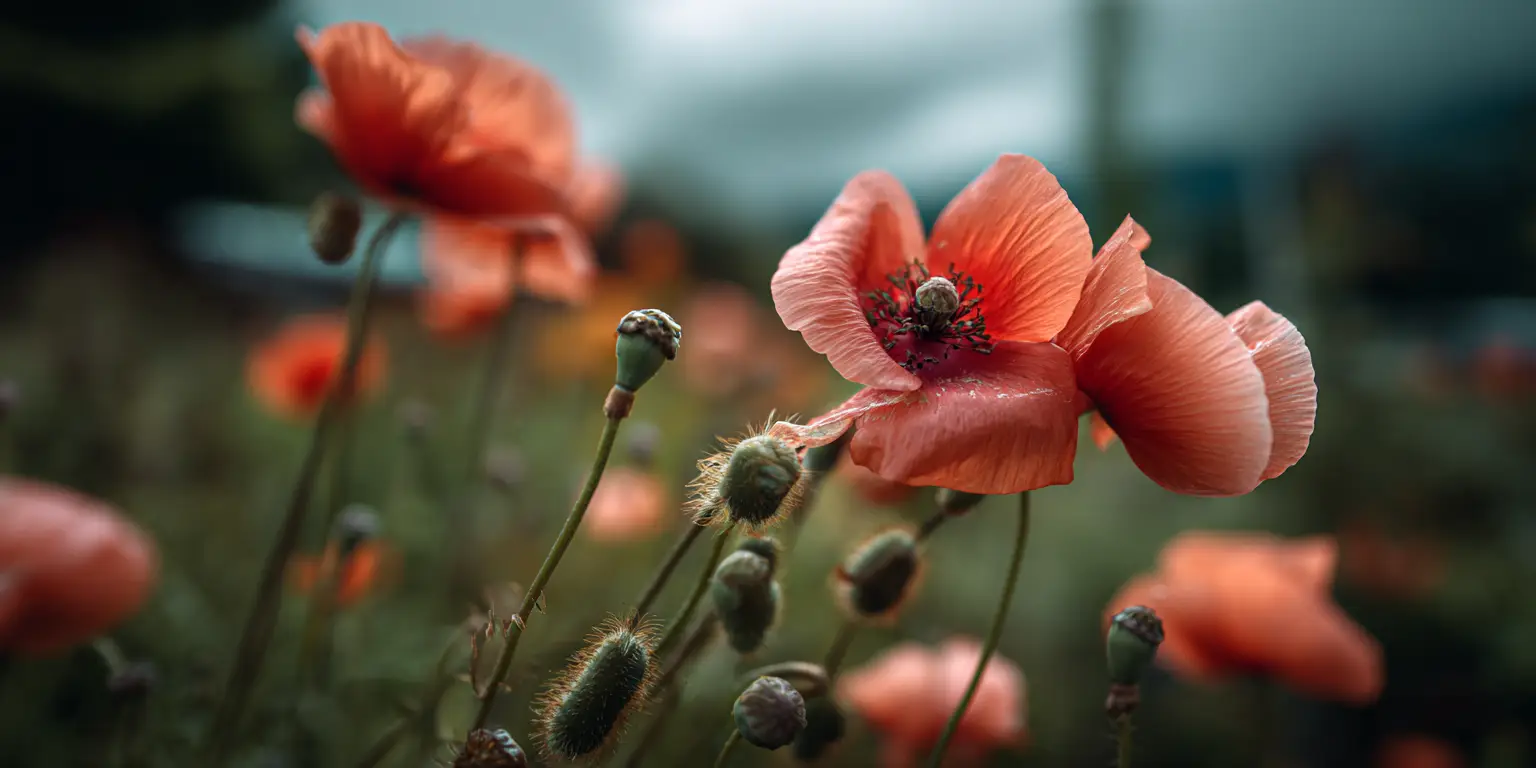

FAQ
What are the main types of poppies, and is a California poppy a true poppy?
The true poppies are species of Papaver: the perennial Oriental poppy, the annual corn or Shirley and breadseed poppies that flower once and reseed, and the short-lived Iceland poppy usually grown as an annual for cutting. The California poppy is not a true poppy but Eschscholzia californica, a separate genus, drought-loving and golden, though it is grown the same way from direct-sown seed. Choose the Oriental for a long-lived clump, the annual kinds for reseeding drifts, and Iceland for the vase.
When and how do I sow poppy seed?
Sow in cool weather and avoid high summer. In cold regions, zones 2 to 7, sow in early spring as soon as the soil can be worked, often a few weeks before the last frost, or scatter seed in late fall once hard frosts begin and let it lie dormant through winter to sprout on its own in spring. Where winters are mild, zones 8 to 10, fall and late winter are the windows. Scatter the fine seed thinly over cleared, firmed soil and press it in, covering it no more than an eighth of an inch, because the seed needs light to germinate and will not come up if buried. Keep the surface moist until seedlings appear in one to three weeks, then thin them to 6 to 8 inches apart. Mixing the seed with dry sand makes it much easier to spread evenly.
My Oriental poppy died back after flowering. Is it dead?
Almost certainly not. Oriental poppies go summer-dormant: after the late-spring or early-summer bloom the foliage yellows and dies away, and the plant rests underground through the heat. A fresh clump of leaves pushes up in fall and overwinters to bloom the next year. Leave the root in place, mark the spot so you do not dig into it, and plant something leafy nearby to fill the gap.
Do poppies come back every year, and will they reseed?
It depends on the type. The Oriental poppy is a true perennial that returns from its root for years. The corn, Shirley, and breadseed poppies are annuals that die after one season but reseed prolifically, each pod scattering hundreds of seeds, so a planting can persist as a self-sown colony. For that free return, leave the last pods to ripen and drop, avoid heavy mulch that blocks seed from the soil, and go easy with the hoe among seedlings. Deadhead before the pods mature to keep the spread in check.
Why can't I transplant poppies?
Poppies form a taproot that resents disturbance, so a plant lifted and moved usually wilts and fails, which is why they are direct-sown where they are to grow. If you must raise them under cover, use deep individual cells and set them out while very small. An established Oriental poppy is the one worth multiplying, and the time to do it is late summer while it is dormant, either by division or by cutting its fleshy root into short sections to root in sandy soil.
How do I keep cut poppies from wilting?
Sear the cut stem end the moment you pick it, either passing it through a flame for a few seconds or dipping the last inch in near-boiling water for 10 to 20 seconds. That seals in the milky latex, which otherwise blocks the stem and wilts the flower within a day. Cut at the cracking-bud stage when a sliver of color just shows, stand the stems in clean water, and refresh it daily. Handled this way they last about 5 to 7 days, with Iceland poppies the best for the vase.
Are poppies poisonous to cats and dogs, and are they deer resistant?
Poppies are mildly toxic to cats and dogs, rated low in severity, because of the alkaloids in their milky sap. A pet that eats foliage or a green pod may drool, grow sleepy or unsteady, or show changed pupils, and a large amount warrants a vet call. The same bitter sap makes poppies unappealing to deer and rabbits, so they are a good pick for browsed gardens, though no plant is entirely deer proof.
Can I grow poppies in containers?
The annual poppies grow in a deep pot with good drainage, sown straight into their final container since they will not transplant, then thinned to a few plants. Choose a pot at least 8 to 12 inches deep to suit the taproot, and water lightly but never let it sit wet. Oriental poppies suit pots poorly, since their long root and summer dormancy leave a container bare for months.
Is it legal to grow opium poppies (Papaver somniferum) in the United States?
The legal status of opium poppies in the U.S. is a bit complicated. Papaver somniferum is the species from which opium is derived, and opium (and its derivatives like morphine and heroin) is a controlled substance. According to federal law, it is technically illegal to cultivate opium poppies with the intent to produce opiates. However, the seeds of Papaver somniferum are sold openly by many seed companies for ornamental and culinary use, and thousands of gardeners grow these poppies for their beautiful flowers and seeds (which are used in baking) without any legal trouble. In practice, law enforcement does not target hobby gardeners growing small quantities of opium poppies as flowers. The key issue is intent. If one were obviously growing vast fields of poppies or actively harvesting opium latex, that would be illegal. For the average person planting a patch of breadseed poppies for aesthetics or seed saving, it is generally tolerated. It’s worth noting that other poppy species (like Papaver rhoeas or Papaver orientale) are not subject to any special restrictions and can be grown freely. So while the letter of the law puts P. somniferum in a gray area, in practice you can find its seeds in garden centers and it’s grown in ornamental gardens across the country. Always source seeds from reputable suppliers and enjoy the plants purely for their flowers and seedpods. If you have concerns, you can also consult local regulations, but for small-scale gardening, opium poppies are commonly grown as part of the horticultural palette.
Is there a reliable way to tell breadseed poppy seedlings from Shirley poppy seedlings?
No source gathered for this pack answers that specific cultivar-versus-cultivar question, and it is left open rather than guessed at. What is sourced is one step coarser: any true poppy seedling is told from an unrelated weed by slender forked cotyledons followed by bluish, deeply divided, carrot-like true leaves. Sowing mixed seed in separate marked blocks is the only method in this pack that survives contact with the question.
How do I tell a poppy seedling from a weed before I pull it?
By colour first. Theodore Payne Foundation's identification note gives three checks: the first leaves to emerge are slender and forked, the true leaves are bluish and deeply divided like carrot foliage, and against the nearest look-alike poppy is much bluer while yarrow is spring green. Russian thistle's needle-like leaves never read as carrot foliage. The cost of skipping the check is in this pack's corpus, in a gardener who pulled a poppy thinking it was a weed and detached the roots doing it.
Why are my corn poppy buds turning black and failing to open?
Honestly unresolved. Five near-duplicate posts in this pack's corpus describe black blotches on the bud caps before opening, after which the petals fuse together and drop, and no source gathered here names a pathogen for that exact presentation. It reads consistent with a Botrytis-type bud blight given the wet weather in the original posts, and presenting that as a diagnosis would be inventing one. The nearest sourced thing is Utah State's capsule infection, large velvety black spots on green seed pods, with the damage already irreversible by the time the spots show.
Will they take over my yard in five years?
For the annual types, and California poppy in particular, a patch left to drop its own seed genuinely does spread and can become a permanent self-renewing colony, which is what one gardener in this corpus was worried about and one of the highest-scoring posts in it was delighted by. No source gathered for this pack lists any poppy in it as invasive or as a regulated noxious species. Deadheading before the pods mature is the direct control if a smaller footprint is the goal.
Are poppies actually deer resistant, or is that just repeated?
Rated, on a published scale, by a university. Rutgers Cooperative Extension's Bulletin E271 puts annual Papaver species in Rarely Damaged, the best of its categories, alongside snapdragon and larkspur, and puts both Papaver orientale and Eschscholzia californica in Seldom Severely Damaged. That rating is why 13 animal-damage posts in this pack's own sample are almost all squirrels digging containers for loose soil rather than anything eating the plants.
Interesting tips
The surest way to spread the fine seed evenly is to mix it with a handful of dry sand before scattering, which stretches the dust-like seed and shows where it has already landed. Sowing into disturbed, bare ground is what triggers the famous mass flowering, because poppy seed can lie dormant in the soil for decades and germinates when the earth is turned, the reason fields of corn poppies rose over the churned ground of old battlefields and made the red poppy a symbol of remembrance, a thread the poppy's long-standing meanings follow in full. The poppy is the birth flower for August, sharing the month with the gladiolus. For a border that leans on Oriental poppies, set something leafy alongside them, such as daylilies, catmint, or baby's breath, to grow up and cover the hole left when the poppy goes dormant in midsummer, so the bed never reads as bare. Sow a fresh packet each season where you can, since poppy seed sown fresh comes up more evenly than old seed, and leave the final pods standing if you want next year's plants for nothing.
Related Guides & Flowers
Cornflowers Centaurea
Short description
Classic meadow partner for red poppies with blue disk blooms, loved by pollinators in informal borders and wildflower style plantings.
Love in a Mist Nigella
Short description
Airy foliage, papery seed pods and self sowing habit that works well in the same cottage style beds and naturalistic mixes as poppies.
Anemone
coronaria and relatives
Short description
Bold cup shaped blooms on slender stems that give a similar graphic look in spring borders and are popular in cut flower arrangements with poppies.
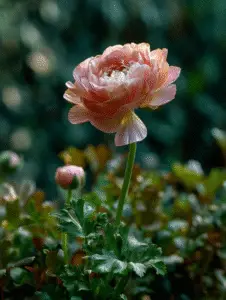
Ranunculus asiaticus
Short description
Layered tissue like petals in bright colors that echo the showy effect of poppies in cool season beds and florist bouquets.
Short description
Easy annual with orange and yellow daisy flowers that fit the same informal, bee friendly style and often appear in seed mixes with poppies.
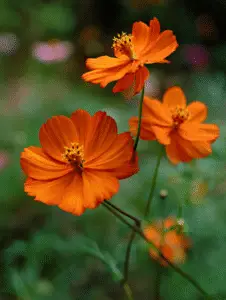
Cosmos bipinnatus
Short description
Tall, fine foliage annual that gives a light, dancing effect above meadow plantings and combines well with poppies in relaxed summer borders.
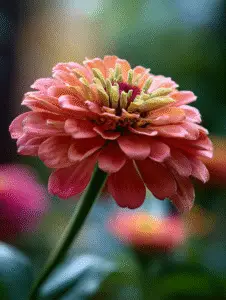
Zinnias
Short description
Strong warm colors and long blooming season, useful when gardeners want the same high impact color as poppies but later in the season.
References
- Seed Poppy in the Garden Utah State University ExtensionPractical guide for Papaver somniferum in home gardens with details on sowing time, spacing, soil needs and general culture.
- Papaver orientale profile North Carolina State Extension Gardener Plant ToolboxBotanical and horticultural profile of Oriental poppy including size, growing conditions and a clear note that the plant is poisonous to humans and pets with low severity.
- Poppy historical and medicinal uses University of California Davis Nutritional GeographyOverview of traditional uses of poppies, including sedative properties of capsules and leaves and historical medicinal preparations, useful for a short, careful history section.
- Common Poisonous Plants Cornell Cooperative Extension bulletinExtension bulletin that lists ornamental and wild plants with toxic properties, including members of the poppy family, with general guidance on toxicity levels for people and livestock.
Enjoying our flower guides? Add YourFlowersGuide as a preferred source on Google. It helps more readers find us.
Add to Preferred Sources