returns in
273
days
Bloom calendar
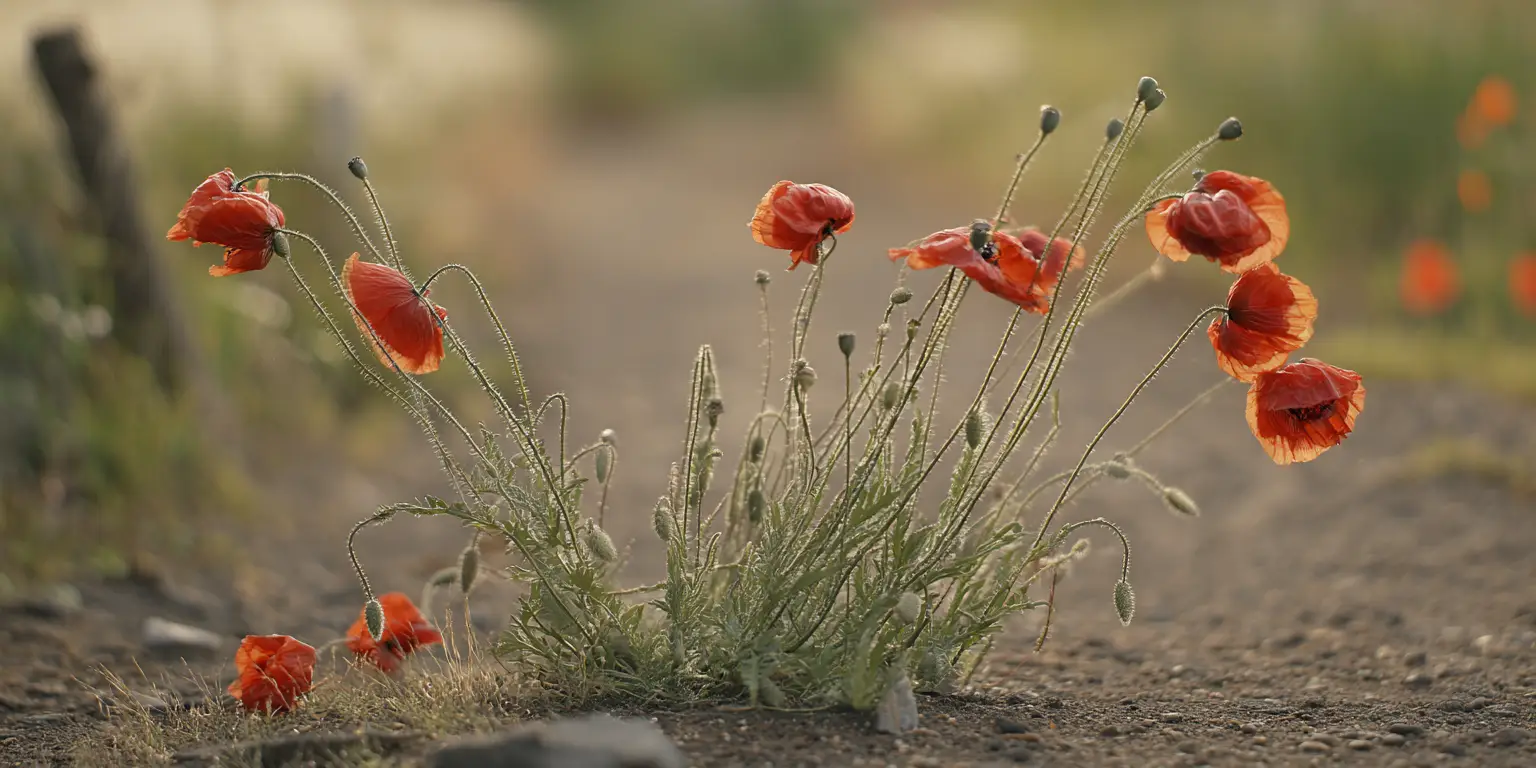
Papaver rhoeas
Annual (corn poppy)
At‑a‑glance
- Group/Class: Annual (corn poppy)
- Height × spread: 24-36 in × 12-18 in (60-90 cm × 30-45 cm)
- Bloom window: Late spring to early summer
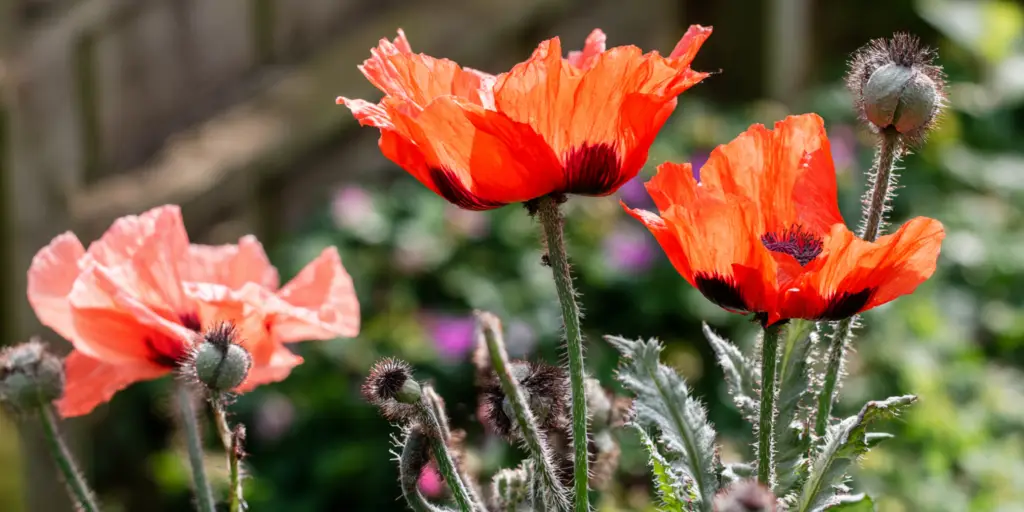
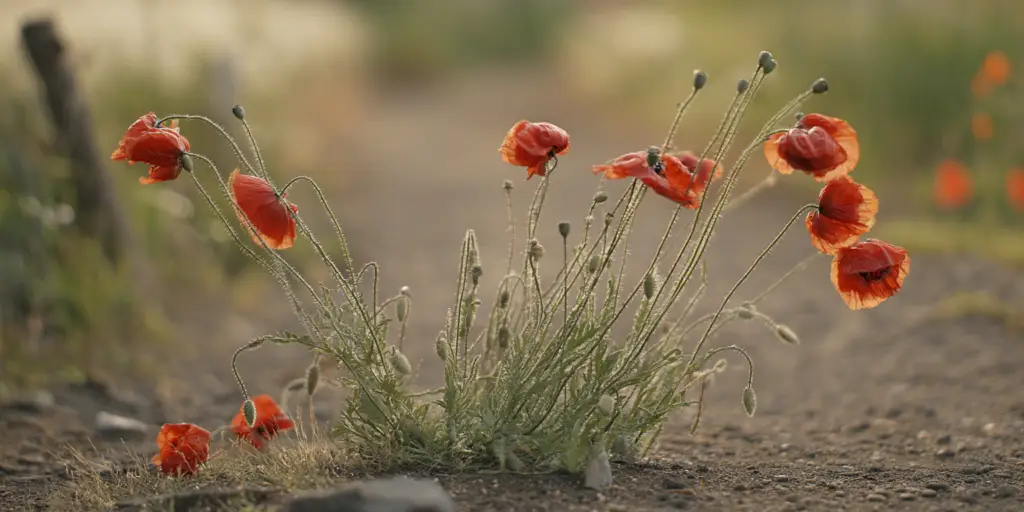
- Color & flower form: Single 4‑petaled blooms, usually scarlet with a dark basal blotch; other colors exist
- Fragrance: unknown
- USDA hardiness: grown as annual in all zones
- Breeder / Year / Origin: unknown; native to Europe and West Asia
- Cut‑flower notes: Not ideal; petals shatter quickly and individual blooms are ephemeral
- Pet safety: avoid
How it differs
- Shortest individual bloom life among common poppies
- Sows itself readily in disturbed soils
- Stems are finer and more flexible than perennial poppies
- Best in lean soils; lush feeding reduces bloom
Strengths
- Fast color from seed
- Excellent for naturalistic plantings
- Draws pollen‑seeking insects
- Low input once established
Care in one minute
Site: full sun and open exposure
Soil: well‑drained and lean to average; avoid rich nitrogen
Water: light to moderate; avoid overwatering
Sowing: direct‑sow in early spring or fall in mild areas; thin seedlings for airflow
Deadhead: remove spent pods to limit self‑sowing or leave some for reseeding
Watch‑outs
- Resents transplanting; sow where it will grow
- Self‑seeding can be heavy if not deadheaded
- Fades fast in heat and humidity
Best uses (tags)
Provenance note
A symbol of remembrance; seeds can persist in soil for decades and germinate when soil is disturbed.
References
- Missouri Botanical Garden – Plant Finder: Papaver rhoeas (bloom notes, one‑day flowers)
- Royal Botanic Gardens, Kew – POWO: Papaver rhoeas (distribution, biology)
- North Carolina Extension Gardener Plant Toolbox – Papaver rhoeas
Similar Flowers
Enjoying our flower guides? Add YourFlowersGuide as a preferred source on Google. It helps more readers find us.
Add to Preferred Sources