returns in
273
days
Bloom calendar
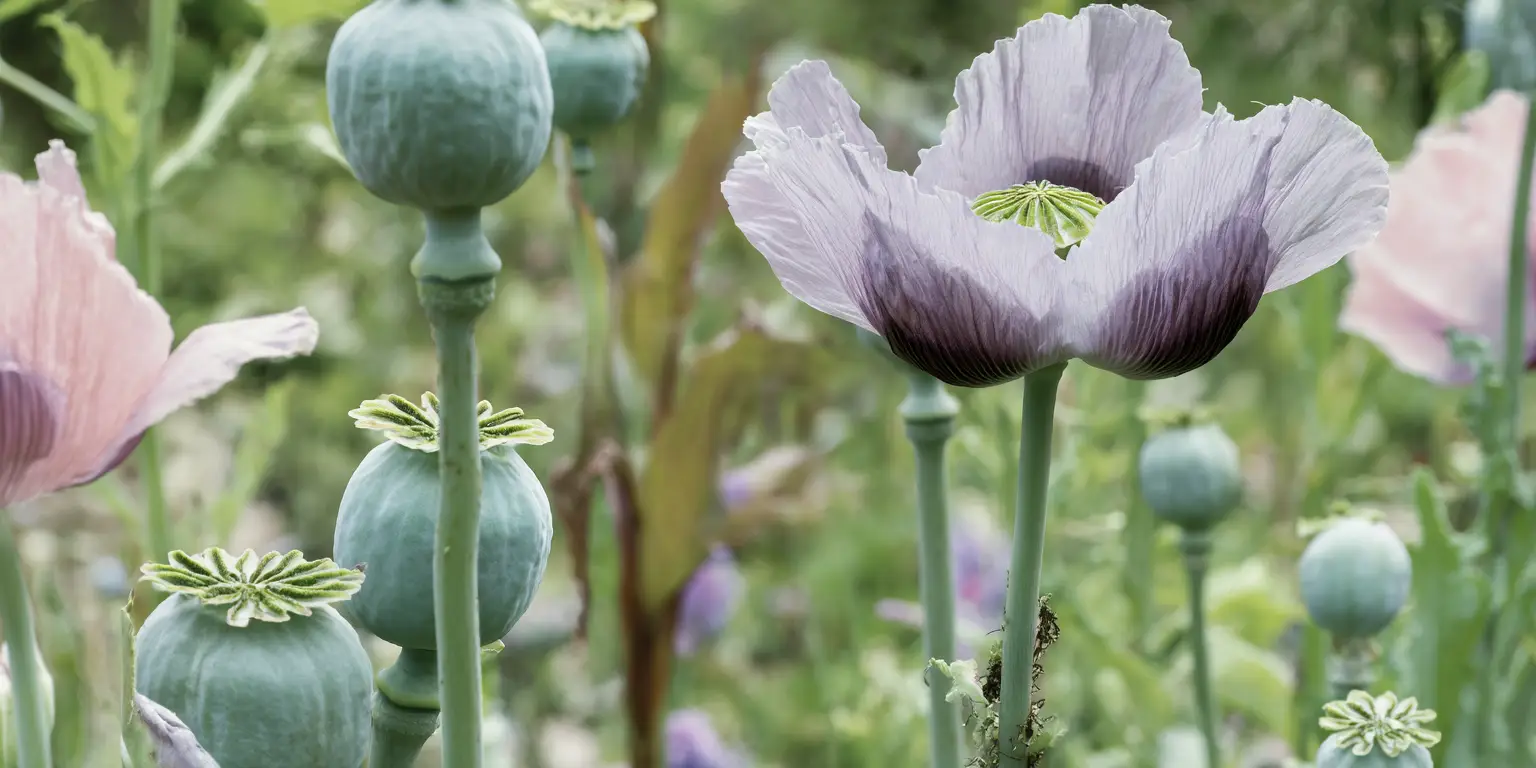
Papaver somniferum
Annual (breadseed poppy)
At‑a‑glance
- Group/Class: Annual (breadseed poppy)
- Height × spread: 24-48 in × 12-18 in (60-120 cm × 30-45 cm)
- Bloom window: Late spring to early summer
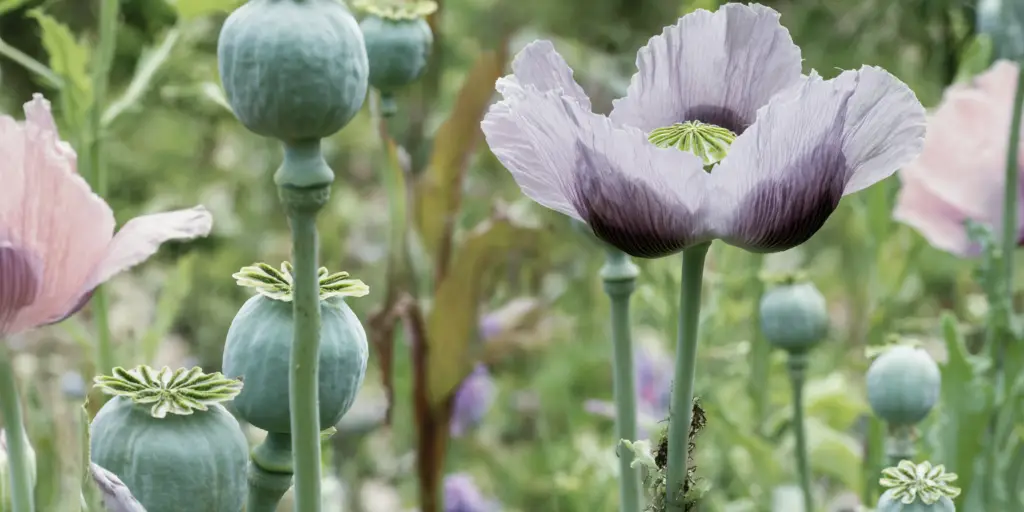
- Color & flower form: Satiny single to fully double blooms in white, pink, red, purple; ornamental globose pods
- Fragrance: unknown
- USDA hardiness: grown as annual in all zones
- Breeder / Year / Origin: unknown; native to the eastern Mediterranean
- Cut‑flower notes: Latex can block uptake; sear stem ends; vase life generally short to moderate
- Pet safety: avoid
How it differs
- Annual life cycle with easy self‑sowing
- Produces the largest and most ornamental seedpods among poppies
- Flowers can be very double compared with typical poppies
- Best display from direct sowing rather than transplants
Strengths
- Wide color and form range
- Good pods for dried work
- Thrives in cool spring weather
- Straightforward from seed in open ground
Care in one minute
Site: full sun with open airflow
Soil: well‑drained, average fertility; avoid rich nitrogen
Water: moderate; keep evenly moist until established, then allow surface to dry between waterings
Sowing: direct‑sow very thinly; thin to final spacing to reduce mildew
Support: stake tall stems in windy sites; deadhead or save seedpods
Watch‑outs
- May be regulated; verify local rules before planting
- Seedlings resent transplanting
- Downy mildew and other diseases may flare in wet, cool spells
Best uses (tags)
Provenance note
A very old crop and ornamental with origins in the eastern Mediterranean; widely naturalized and cultivated worldwide.
References
- Royal Botanic Gardens, Kew – Opium poppy profile (origin, morphology)
- North Carolina Extension Gardener Plant Toolbox – Papaver (genus overview and alkaloids)
- U.S. DOJ Diversion Control – Unwashed poppy seed (opioid residues and risk)
- Vascular Plants of North Carolina – Papaver somniferum account
Similar Flowers
Enjoying our flower guides? Add YourFlowersGuide as a preferred source on Google. It helps more readers find us.
Add to Preferred Sources