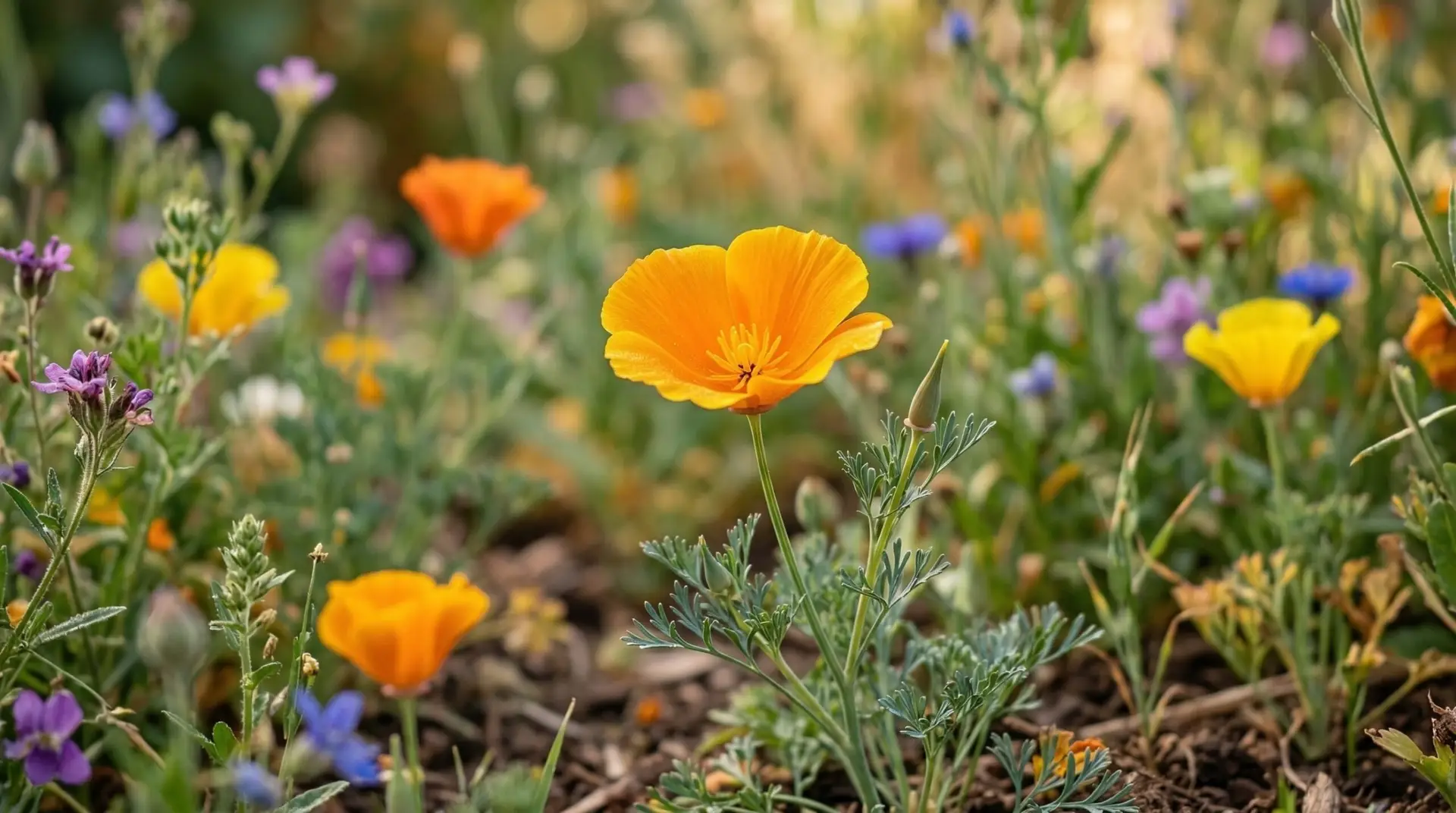
Spring brings a certain kind of envy when driving past highway embankments covered in bright orange wildflowers. Those roadside displays make gardening look incredibly easy, especially when the plants are growing out of cracked clay and gravel. The California poppy, known botanically as eschscholzia, is exactly that kind of rugged survivor. The specific shade of golden orange these flowers produce is so vivid it almost looks artificial against the pale green foliage. Bringing that golden wildflower color into a cultivated backyard takes a little bit of unlearning because these plants actually despise being pampered. The secret to a thick patch of golden poppy blooms is treating them with the exact same benign neglect they get out in the wild.
Gardeners often try to start these seeds indoors under expensive grow lights, only to watch the seedlings wither away the moment they hit the garden soil. The problem comes down to a long, sensitive taproot that hates being disturbed or confined in a small plastic cell. After several seasons of failed indoor sowing, the method that consistently works is tossing the seeds directly onto bare dirt right where they will grow. This approach costs nothing more than a cheap packet of seeds and saves valuable indoor shelf space for fussier vegetables. The seeds need light to germinate, so they should just be pressed firmly into the surface rather than buried deep in the dirt. The seedlings might look tiny and fragile for several weeks, but they are busy sending that long taproot deep into the earth to find moisture.
Contents 3 sections
Timing the planting for your specific climate
Regional differences dictate exactly when those seeds should hit the dirt for the best results. Gardeners in the South and Southwest will find this plant much easier to grow if the seeds are scattered in late autumn just before the winter rains begin. The cool winter weather allows the roots to establish deeply before the brutal summer heat arrives to bake the soil. In northern zones where the ground freezes solid, the approach changes to a very early spring planting, often tossing seeds right over the last patches of melting snow. The seeds actually need a period of cold temperatures to break their dormancy and sprout properly. Watching the tiny gray-green leaves emerge while the rest of the garden is still asleep is a welcome sign that spring is finally arriving.
Preparing the planting area requires ignoring almost every rule about building good garden soil. There is no need to haul in bags of expensive compost or mix fertilizer into the planting bed. A golden poppy patch will produce the most flowers in poor, sandy, or rocky soil that drains water quickly. When planted in rich garden loam, the plants produce massive mounds of blue-green foliage but very few actual flowers. If the garden consists entirely of heavy, wet clay, mixing in a generous amount of coarse builder sand will help prevent the roots from rotting during wet spring weather. They will even happily grow in heavily compacted soil near walkways where other plants refuse to take root.
Watering habits and summer maintenance
Watering these wildflowers is another area where doing less produces much better results. Once the seedlings are a few inches tall, they rely entirely on that deep taproot to find whatever moisture is hiding below the surface. Supplemental watering is usually only necessary during a severe, prolonged drought when the foliage starts to look genuinely wilted. Overwatering is the fastest way to kill a California poppy, as the crowns will quickly turn to mush in soggy ground. Much like cosmos, these plants thrive on hot days and dry conditions that would leave typical garden annuals begging for a drink. You will also notice that the flowers close up tight on cloudy days and at night, waiting for the bright sun to return before opening their petals.
The hardest truth about growing the California poppy is accepting what happens when the weather gets truly hot. By mid-summer, the plants stop blooming, the stems turn brown, and the whole patch begins to look like a messy pile of dead weeds. This is entirely normal and simply part of their life cycle as they shift energy into producing long, ribbed seed pods. At this stage, the temptation to rip everything out is strong, but patience is required if a returning patch is desired for next year. Leaving the dead-looking plants alone until the pods dry out and physically pop open ensures a free display of flowers the following spring. You can actually hear the pods snapping open on hot afternoons, shooting the tiny round seeds several feet across the garden bed.
Planning for continuous garden color
Because the eschscholzia life cycle leaves a visual gap in the late summer garden, planning for succession planting is a practical necessity. Interplanting the area with other drought-tolerant flowers keeps the garden looking intentional rather than abandoned after the poppies fade. Tucking a few coreopsis plants into the same bed provides a second wave of yellow blooms that takes over just as the poppies finish. Another option is sowing marigold seeds in the empty spaces once the poppy plants are finally pulled up and composted in late July. This rotation keeps the sunny spots in the yard colorful from the first cool days of spring right through the first autumn frost. Pulling up the dead poppy plants after they drop their seed actually helps clear the ground so the late summer flowers have room to breathe.
Establishing a permanent, self-sowing colony of these golden wildflowers takes about three seasons of trial and observation. The first year will show exactly which corners of the yard have the right drainage and sunlight, while the second year reveals where the seeds naturally want to drift and settle. Weeding around the new volunteer seedlings takes a careful eye, as the feathery young poppy leaves can look remarkably similar to common yard weeds. Sometimes they will abandon the carefully chosen garden bed entirely and decide to sprout in the gravel driveway or between the cracks of a concrete sidewalk. Letting them grow where they choose to sprout usually results in the healthiest, most vigorous plants. Gardening with these rugged wildflowers is an exercise in letting go of strict control and allowing the yard to behave a little more like a natural hillside.
More About Poppies
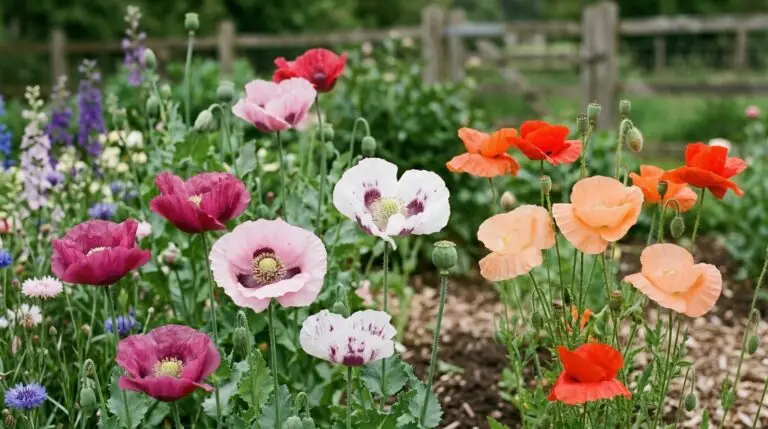
Iceland poppies for pastel spring color in cool climate gardens and cutting beds
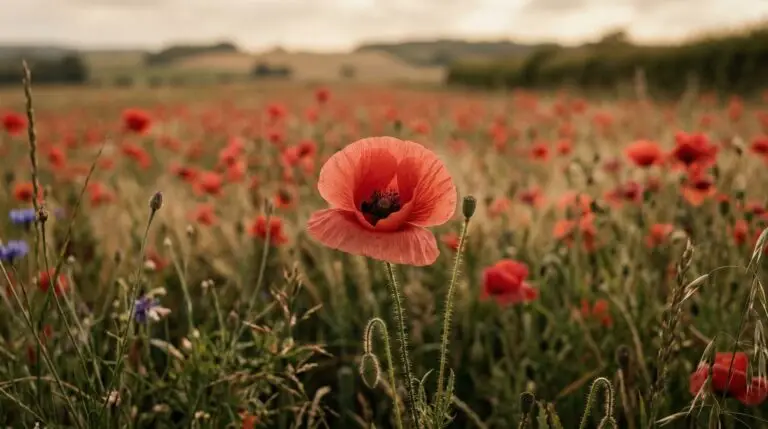
Poppy flower meaning from Remembrance Day red to the sleep and peace of ancient mythology
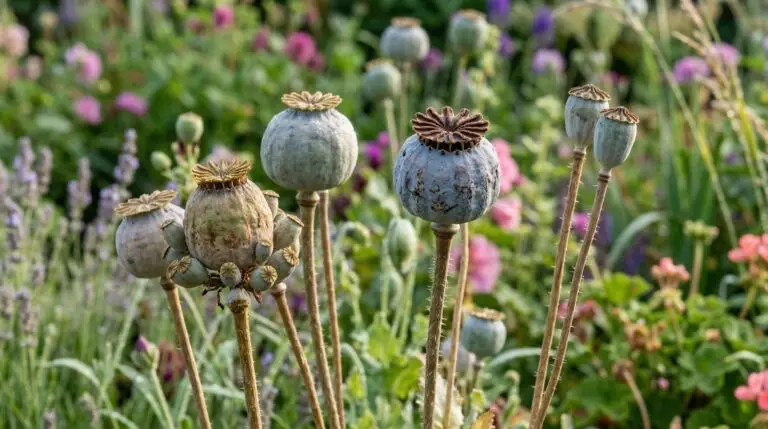
Poppy seed pods in dried flower arrangements and crafts for lasting garden beauty
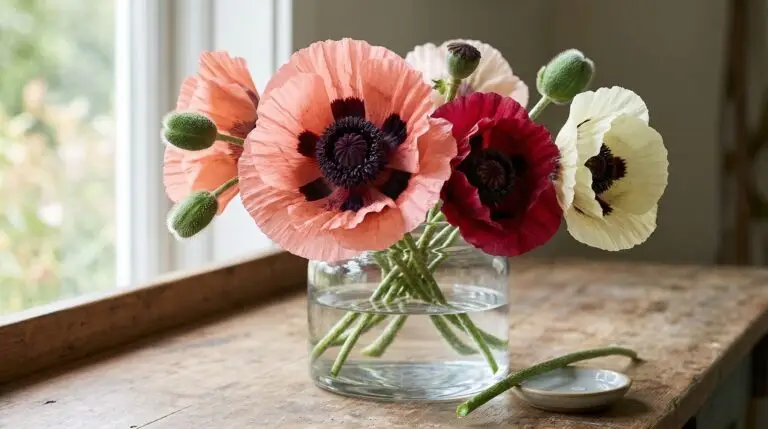
Oriental poppies for enormous papery blooms that are the stars of the early summer border
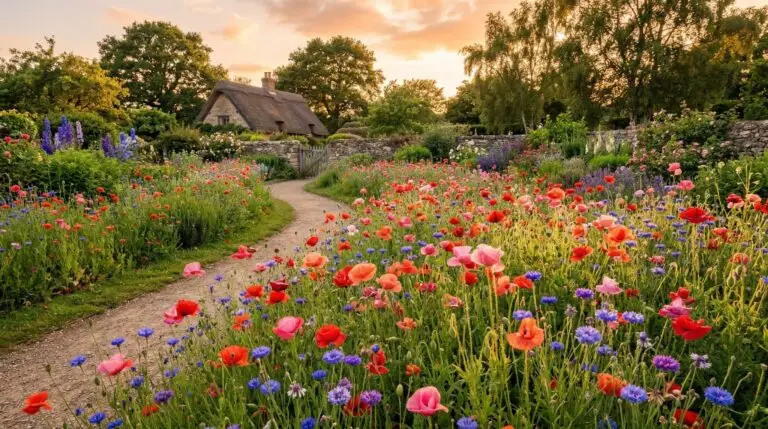
Companion plants for poppies: what to grow and what to avoid
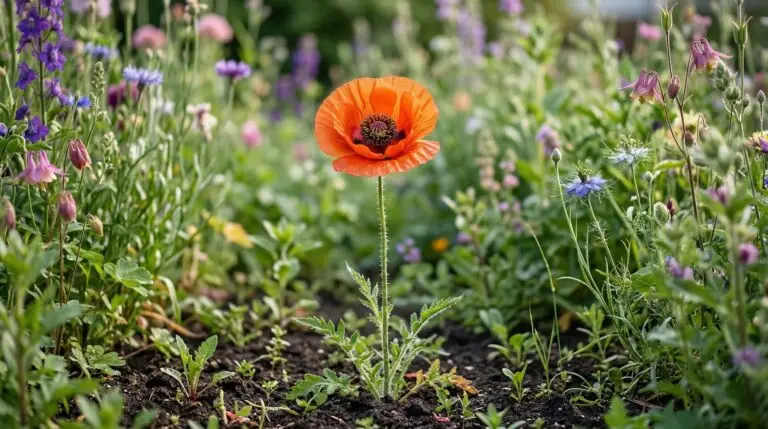
How to grow poppies from seed for tissue-paper petals that dance in the breeze
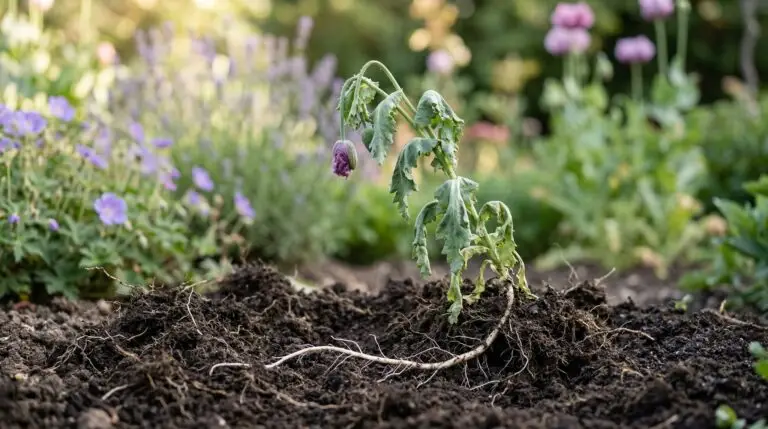
Why you cannot transplant poppies and the direct sowing secret to success
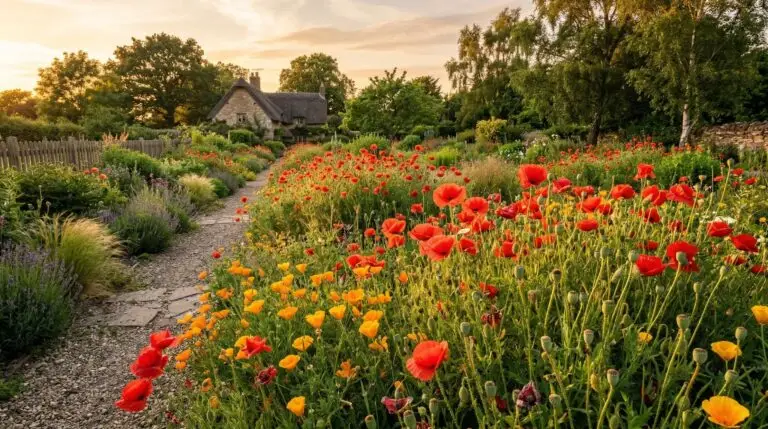
Poppies as self-sowing annuals that create effortless wildflower meadow effects
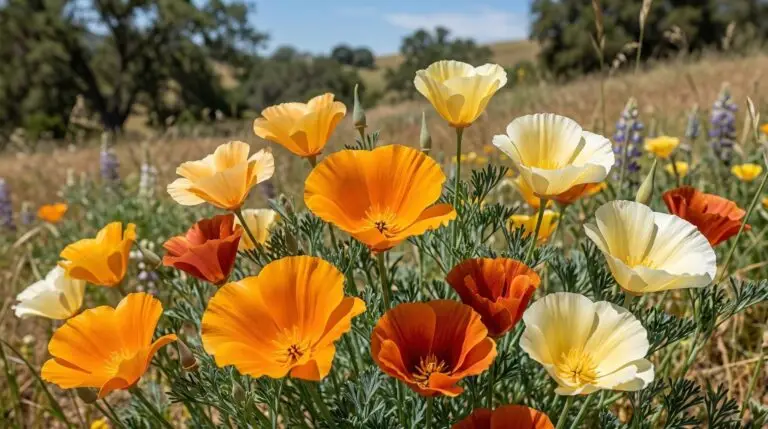
Best poppy varieties from California golden to Oriental red and Himalayan blue
Enjoying our flower guides? Add YourFlowersGuide as a preferred source on Google. It helps more readers find us.
Add to Preferred Sources