Contents 5 sections
Moving beyond generic seed mixes
When gardeners decide to plant poppies, they usually grab a generic packet of mixed wildflower seeds. This approach often results in a brief, chaotic display followed by weeks of untidy yellowing foliage. A better method is to select specific poppy varieties based on their distinct growth habits and climate requirements. The poppy family contains both fleeting annuals and deeply rooted perennials, each demanding different soil conditions and garden placements. Poppy seeds require light to germinate, meaning they must be sown directly on the soil surface rather than buried. This simple biological requirement is often the first point of failure for new gardeners who treat them like typical vegetable seeds. By abandoning the random seed mix and choosing deliberately, you can integrate these flowers into your garden with intention and reliable success.
Many common guides recommend sowing Shirley poppies or complex blends for a loose cottage garden effect. In practice, these mixes often underperform because they combine species with contradictory needs. Some require poor, dry soil, while others need rich loam and regular moisture to thrive. By treating poppies as individual specimens with specific environmental needs, you elevate them from a messy weed to a purposeful garden element. Curating the best poppies means matching the plant to the specific environment you can provide. The selections below represent the most reliable and distinct options available, chosen for their specific adaptations to drought, cold, or perennial border structure.
The reliable performers for dry and poor soils
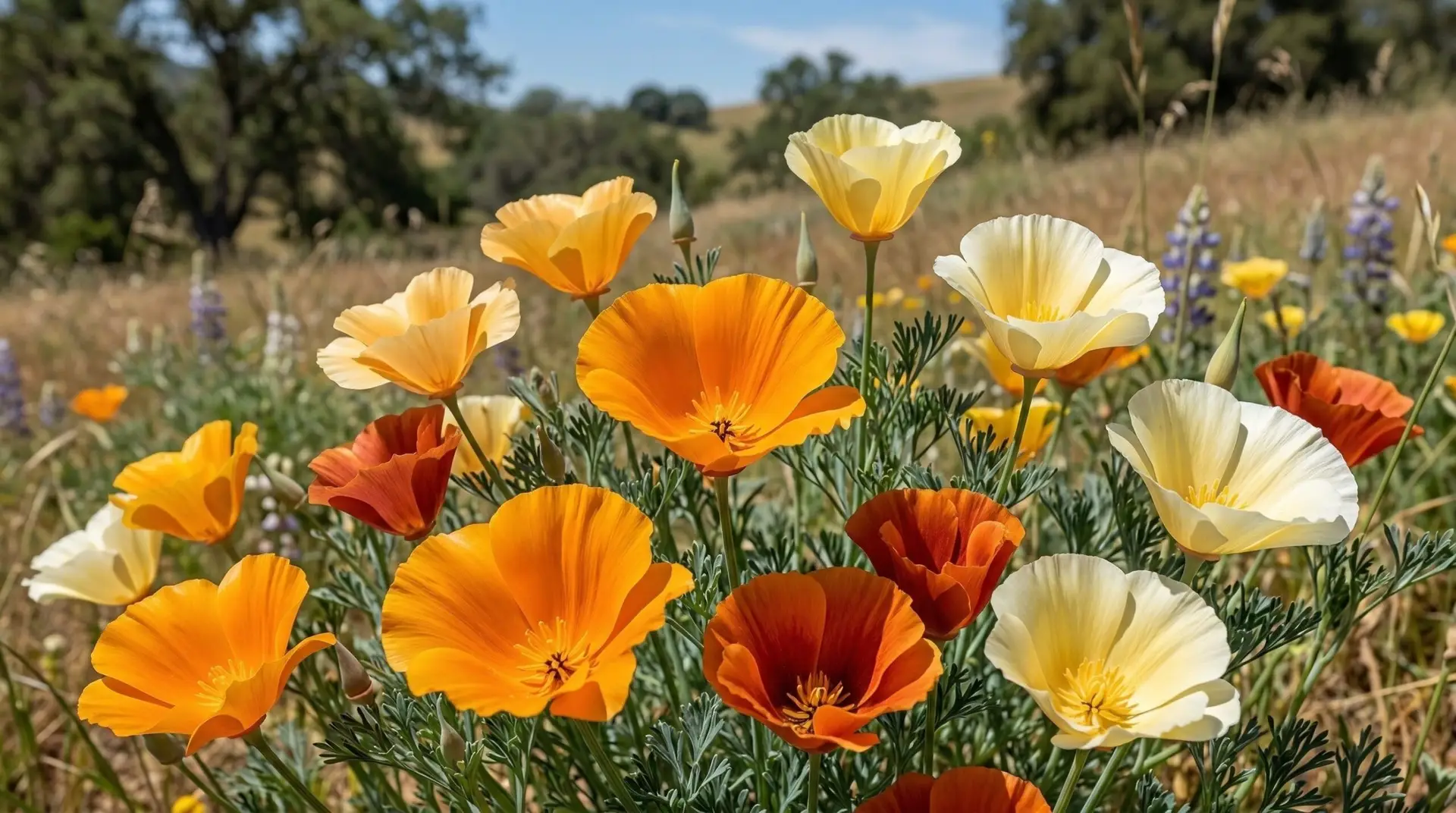
The California poppy (Eschscholzia californica) is the premier choice for gardens with poor, sandy, or rocky soil. While many plants struggle without supplemental water or fertilizer, this native annual actively prefers neglect. Providing rich soil or extra water will actually cause the plant to produce excessive green foliage at the expense of its signature golden orange flowers. It develops a deep taproot quickly, allowing it to access moisture far below the soil surface during dry spells. Because it resents root disturbance, you should never start California poppies in plastic nursery pots. Direct sowing in the autumn or very early spring mimics their natural life cycle and guarantees a stronger, more resilient plant. You can easily broadcast these seeds in hot, exposed areas where they pair exceptionally well with heat-loving annuals like cosmos in a dry summer border.
For gardens with slightly heavier soils and cooler spring weather, the corn poppy (Papaver rhoeas) offers a completely different growth habit. Often recognized as the classic red Flanders poppy, this annual thrives in recently disturbed earth and self-seeds reliably year after year. The seeds can remain dormant in the soil for decades, waiting for a shovel or a plow to bring them to the surface where light triggers their germination. While plant breeders have developed countless pastel variations, the pure, unadulterated crimson form remains the most visually striking option. The intense red petals have a dark basal blotch that draws the eye and anchors the delicate flowers in the garden bed. Because corn poppies grow quickly in cool spring weather, they provide intense color before the summer heat causes them to set seed and fade.
Perennial structure and cool climate specialists
When you need permanent structure rather than annual color, the Oriental poppy (Papaver orientale) is the definitive choice. These long-lived perennials produce massive, heavily textured blooms on sturdy stems in late spring or early summer. Unlike the annual types, Oriental poppies form large clumps over several years and deeply resent being transplanted once established. Propagation is best achieved through root cuttings taken in late winter, rather than by dividing the crown, which can easily kill the parent plant. You must choose their permanent location carefully, keeping in mind their specific growth cycle. After blooming, the entire plant goes completely dormant, leaving a noticeable bare patch in the garden bed. Smart gardeners position late-emerging plants nearby to fill the empty space once the poppy foliage dies back in July.
The Iceland poppy (Papaver nudicaule) is frequently overlooked in favor of larger or more common types, yet it provides immense value for cool-climate gardeners. These plants are technically short-lived perennials, though they are usually grown as annuals or biennials in regions with hot summers. They excel in the cool shoulder seasons, offering papery flowers in clear shades of white, yellow, orange, and salmon long before most summer annuals begin to bloom. The flowers are carried on wiry, leafless stems that hover above a low rosette of hairy, blue-green foliage. This clean separation between leaf and flower makes them exceptional cut flowers if harvested just as the bud cases begin to split. Iceland poppies require excellent drainage and perform poorly in heavy clay or waterlogged winter soils. Their delicate appearance makes them excellent companions for early-season annuals like Love-in-a-Mist.
The elusive blue prize
No curated list of types of poppies would be complete without addressing the Himalayan blue poppy (Meconopsis betonicifolia). Gardeners are often drawn to this plant because it produces flowers in a true, clear blue color that is exceedingly rare in the plant world. However, it is also one of the most difficult plants to cultivate successfully outside of its native habitat. The Himalayan blue poppy demands a highly specific environment consisting of cool, damp summers, acidic soil, and protection from hot afternoon sun. The soil must be rich in organic leaf mold, perfectly draining, yet never allowed to dry out for even a single afternoon. If you live in a region with high summer humidity or frequent heatwaves, this plant will simply perish. It is a highly specialized choice that belongs exclusively in dedicated woodland gardens in cool, maritime climates.
The curator’s top selection
Among all the available options, the California poppy stands out as the single best recommendation for the majority of gardeners. It earns this position through its absolute refusal to be fussy, demanding nothing more than sunshine and a patch of unamended dirt. While the Oriental poppy requires careful companion planting to hide its summer dormancy, and the Himalayan blue demands impossible weather conditions, the California poppy solves problems rather than creating them. It thrives in the exact conditions that cause other plants to fail, turning neglected slopes and baked gravel driveways into deliberate design features. You do not need fertilizer, you do not need an irrigation system, and you do not need perfect soil. For any gardener looking to add reliable, self-sustaining color to a sun-baked area, this golden native is the clear and unequaled choice.
More About Poppies
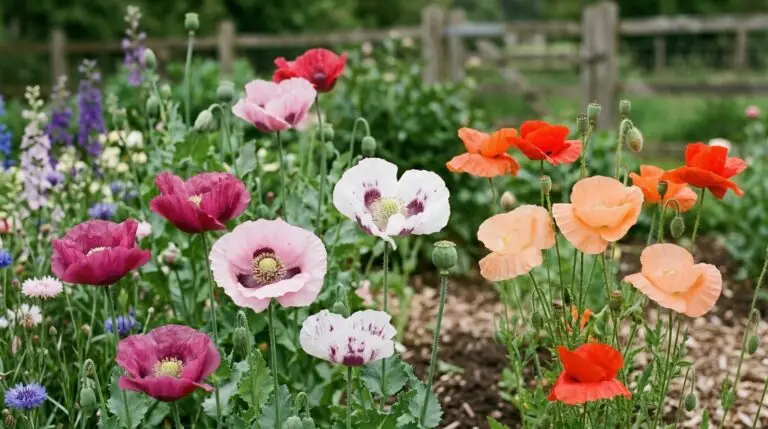
Iceland poppies for pastel spring color in cool climate gardens and cutting beds
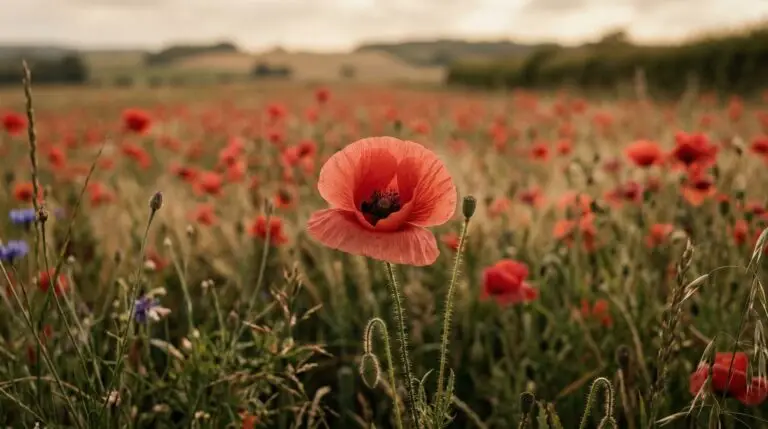
Poppy flower meaning from Remembrance Day red to the sleep and peace of ancient mythology
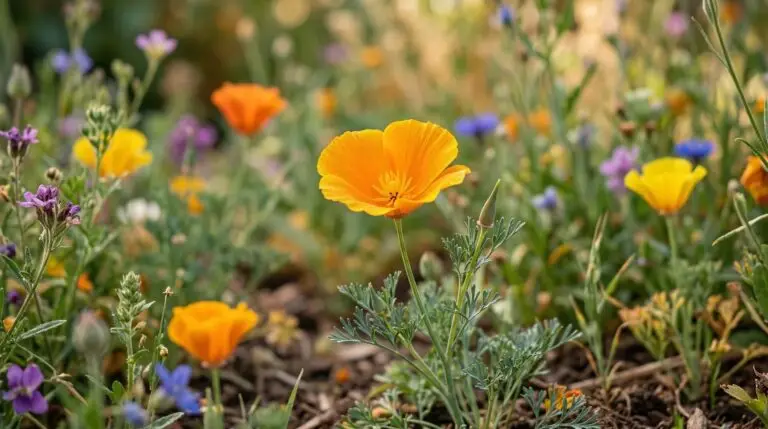
Growing California poppies for golden wildflower color in dry sunny gardens
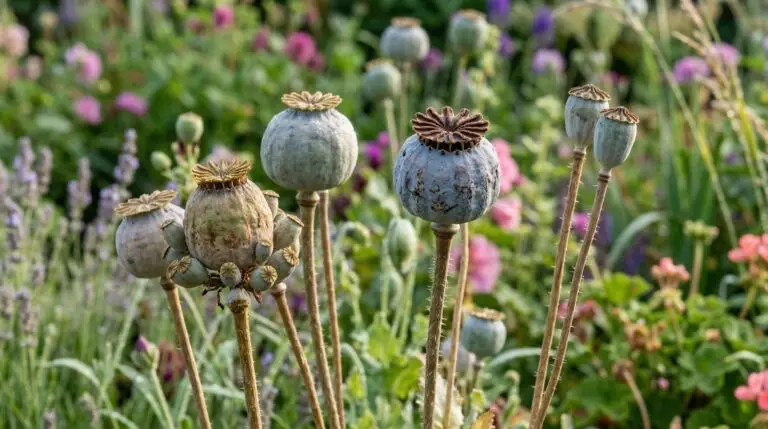
Poppy seed pods in dried flower arrangements and crafts for lasting garden beauty
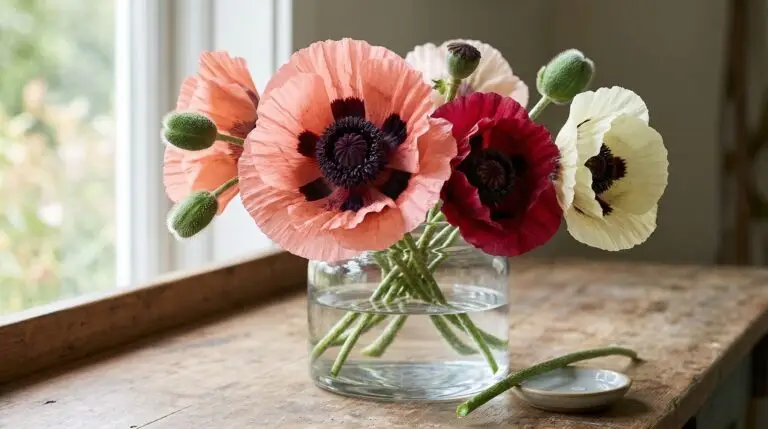
Oriental poppies for enormous papery blooms that are the stars of the early summer border
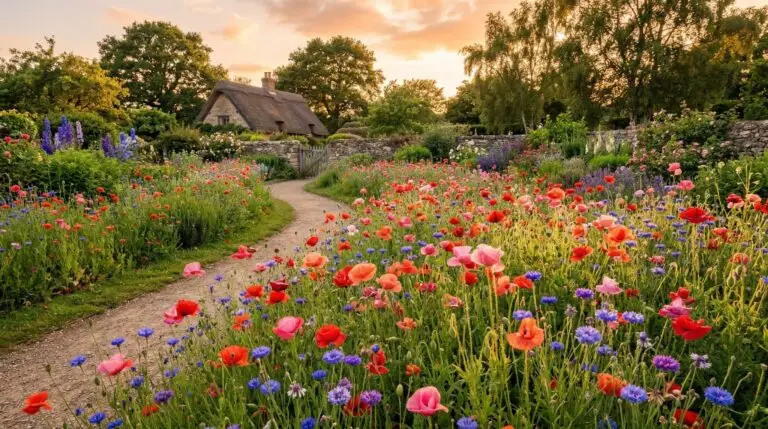
Companion plants for poppies: what to grow and what to avoid
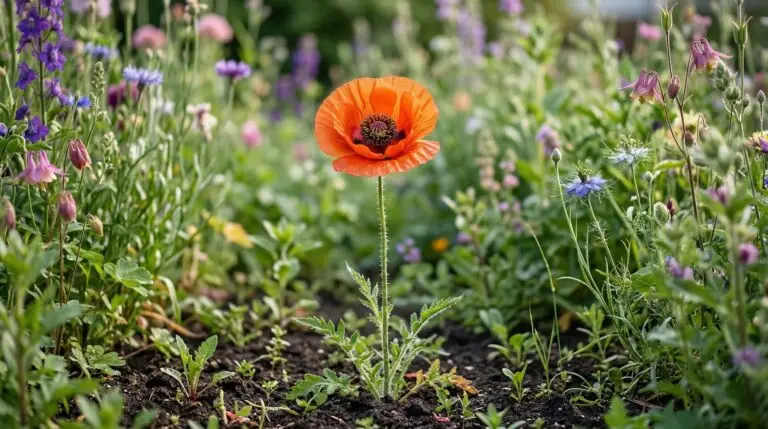
How to grow poppies from seed for tissue-paper petals that dance in the breeze
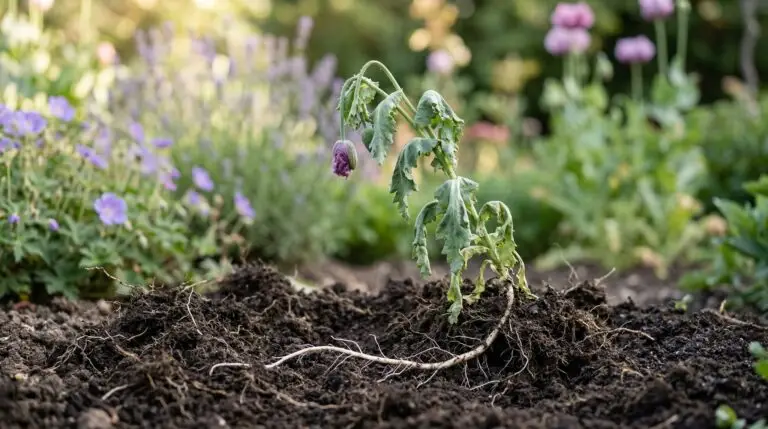
Why you cannot transplant poppies and the direct sowing secret to success
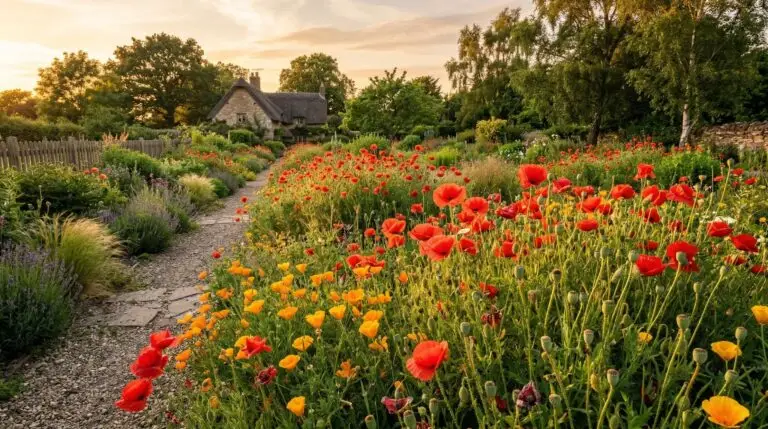
Poppies as self-sowing annuals that create effortless wildflower meadow effects
Enjoying our flower guides? Add YourFlowersGuide as a preferred source on Google. It helps more readers find us.
Add to Preferred Sources