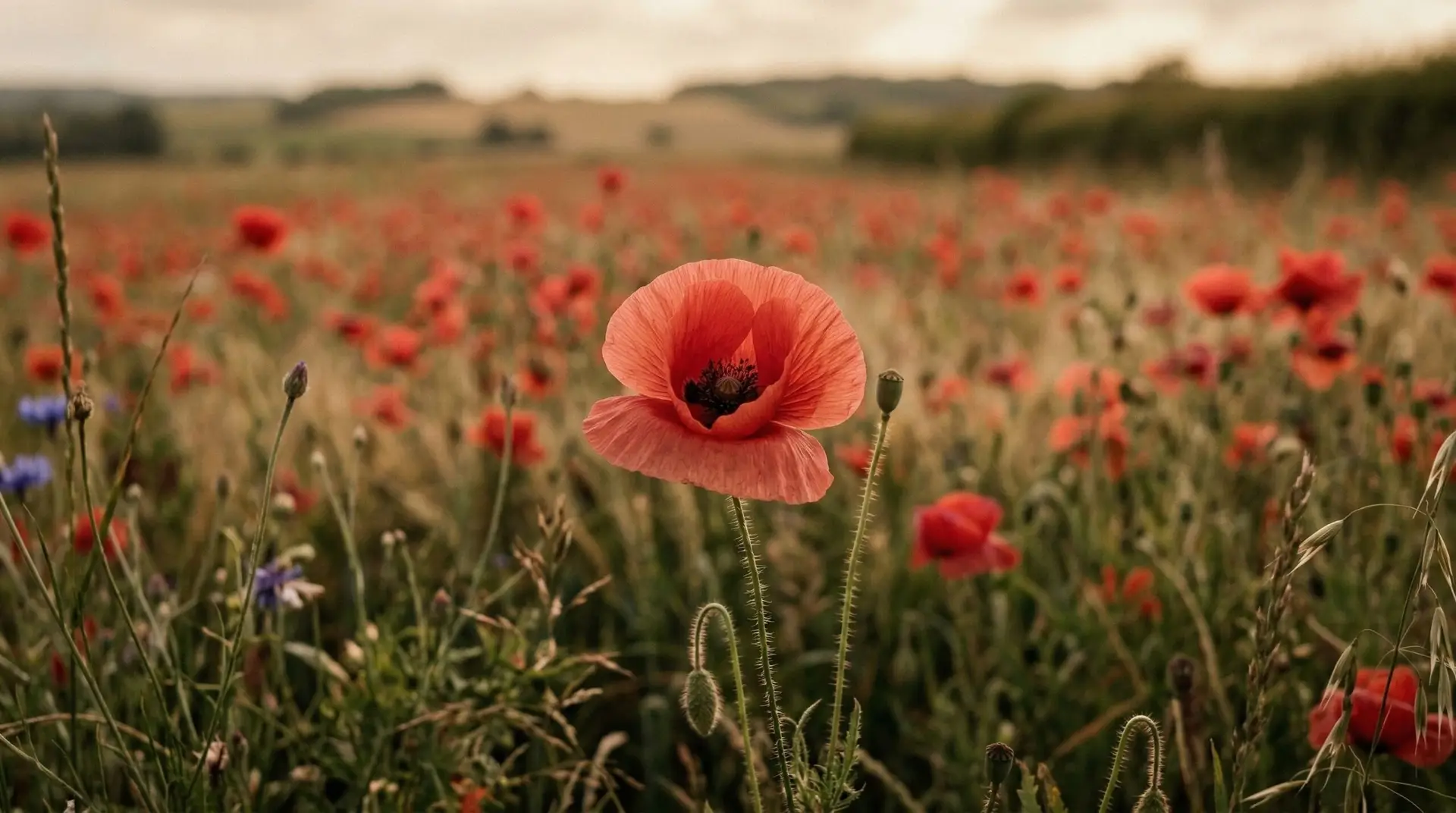
Before it was a paper lapel pin or a modern emblem of warfare, the poppy was a flower of profound sleep. Ancient Greek and Roman myths tied the plant directly to Morpheus, the god of dreams, who carried a handful of the blooms to deliver slumber to the weary. The connection came from the plant’s milky sap, which held the power to ease pain and bring heavy, dreamless rest to those who consumed it. People planted poppies around shrines and carved their shapes into tombstones to ensure the dead would rest peacefully in the underworld. This early poppy meaning centered entirely on consolation and the quiet surrender to sleep. The flower offered a bridge between the waking world and the dark, quiet space of rest. Even today, the drooping bud of an unopened poppy looks like a heavy head nodding off to sleep in the afternoon sun.
That association with irresistible sleep followed the flower across oceans and centuries into American culture. When L. Frank Baum wrote about a field of scarlet flowers that put Dorothy and her companions to sleep on their way to the Emerald City, he relied on this ancient understanding of the plant. The wicked witch did not need to invent a new magic spell, because the cultural memory of the poppy already carried the weight of heavy, magical slumber. The bright red petals masked a narcotic power that could stop travelers in their tracks and pull them into a deep dream state. This duality of bright, cheerful color and dark, heavy sleep makes the flower’s history unusually complex among garden plants. A rose might speak clearly of romantic love, but the poppy has always whispered about the borderlands of consciousness and rest.
Contents 3 sections
Disturbed earth and the red poppy meaning
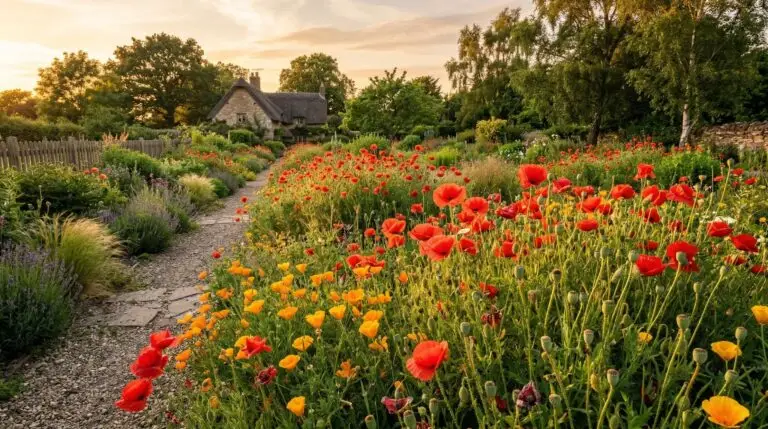
The most profound shift in poppy symbolism happened entirely by accident in the early twentieth century. Across the European countryside, the seeds of Papaver rhoeas can lie dormant in the soil for years, waiting for the earth to be turned over and exposed to sunlight. The brutal trench warfare and artillery barrages of the First World War churned the fields of Belgium and France into barren mud. When the fighting paused and the weather warmed, millions of dormant seeds suddenly found the light and space they needed to germinate. Entire battlefields erupted in a blanket of blood-red flowers, creating a stark contrast against the gray devastation of the war. Canadian surgeon John McCrae noticed this phenomenon at the Second Battle of Ypres and wrote the poem “In Flanders Fields,” cementing the red poppy meaning forever in the public consciousness. The flower transformed from a quiet symbol of sleep into a loud, bright demand for remembrance.
Following the war, the red bloom became the official emblem of both Remembrance Day in the Commonwealth and Memorial Day in the United States. Moina Michael, an American professor, read McCrae’s poem and vowed to always wear a red poppy as a sign of respect for the fallen. She successfully campaigned to have the American Legion adopt it as their official symbol of poppy remembrance, while similar movements took root in Britain and France. Veterans and volunteers began crafting artificial flowers out of silk and paper to raise money for soldiers returning home with physical and psychological wounds. Pinning a bright red flower to a winter coat in November became a quiet, collective ritual of honoring sacrifice. Much like the cornflowers worn by French citizens to remember their own veterans, the poppy became a living memorial. The flower’s fragile, papery petals perfectly captured the vulnerability of human life in the face of mechanized warfare.
Gold on the western hills
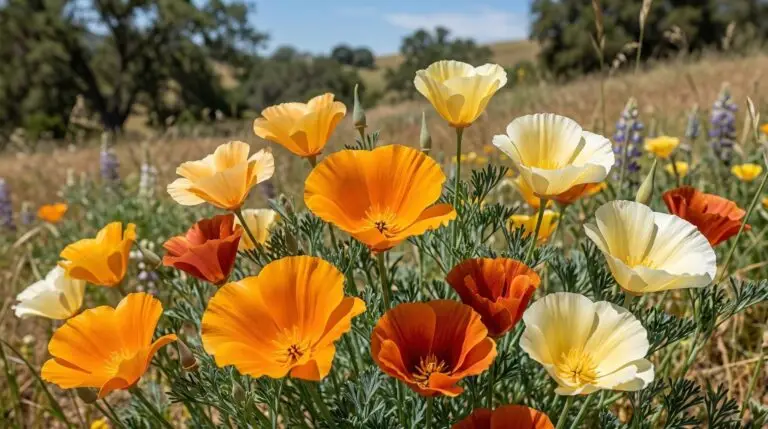
Far away from the battlefields of Europe, a different species of the plant was writing its own story into the terrain of the American West. The California poppy, Eschscholzia californica, paints entire hillsides in brilliant shades of orange and gold every spring. Indigenous peoples of the region utilized the plant for food and medicine long before Spanish explorers sailed up the coast and marveled at the golden hills. The Spanish sailors named the flower “copa de oro,” or cup of gold, because the bright orange blooms looked like scattered coins shining in the sun. In 1903, California officially adopted the golden poppy as its state flower, recognizing how deeply the plant was tied to the identity of the region. Unlike its European cousin, this golden variety closes its petals every night and on cloudy days, waiting for the bright sun to return before opening again. This daily rhythm of sleeping and waking echoes the ancient myths, but with a bright, sun-drenched optimism unique to the Pacific coast.
Growing consolation in the garden
Bringing poppies into a home garden requires an understanding of their wild, independent nature. You cannot easily transplant a poppy because its long taproot resents being disturbed, so you must scatter the tiny, dust-like seeds directly onto the soil in late autumn or early spring. The seeds need the cold winter temperatures to break their dormancy, a process that mimics the harsh conditions they endure in the wild. When spring arrives, the fuzzy green foliage emerges first, followed by wiry stems topped with tightly nodding buds. The moment of blooming is sudden and dramatic, as the green casing splits open and the crinkled petals unfurl like silk pulled from a tight pocket. The flowers only last a few days before the wind catches the petals and scatters them across the grass. This brief, bright appearance makes the garden poppy a fleeting pleasure, demanding your attention exactly because it will not last.
After the petals fall, the plant leaves behind a sculptural, pepper-shaker seed pod that continues the story. As the pod dries and turns brown in the summer sun, small vents open just beneath its crown. When the wind blows, the stiff stems sway back and forth, tossing hundreds of tiny new seeds onto the surrounding soil. This self-seeding habit means that once you invite poppies into your yard, they will wander and choose their own places to grow in the coming years. They might appear in a crack in the sidewalk, at the edge of a vegetable bed, or mixed in with a patch of forget-me-not blooms. The gardener gives up a certain amount of control, allowing the plant to dictate where it wants to establish its roots. This independence makes the flower feel less like a cultivated specimen and more like a wild guest that decides to visit for the season.
Watching a poppy grow from seed to bloom and back to seed again offers a quiet kind of comfort. The plant carries the heavy history of ancient gods, deeply sleeping travelers, and soldiers lost in muddy fields, yet it remains incredibly light and delicate in the garden. When you see the red, orange, or white petals catching the morning light, you are looking at the exact same fragile structure that inspired poets and healed ancient pains. The poppy does not ask for rich soil, careful pruning, or heavy fertilizers to produce its bright blooms. It only asks for a patch of turned earth and the patience to let it grow on its own terms. As the last petals drop and the seed pods dry in the late summer heat, the plant prepares to rest in the soil once more. It leaves behind the promise that after the long, cold sleep of winter, the bright colors will wake up and return to the sun.
More About Poppies
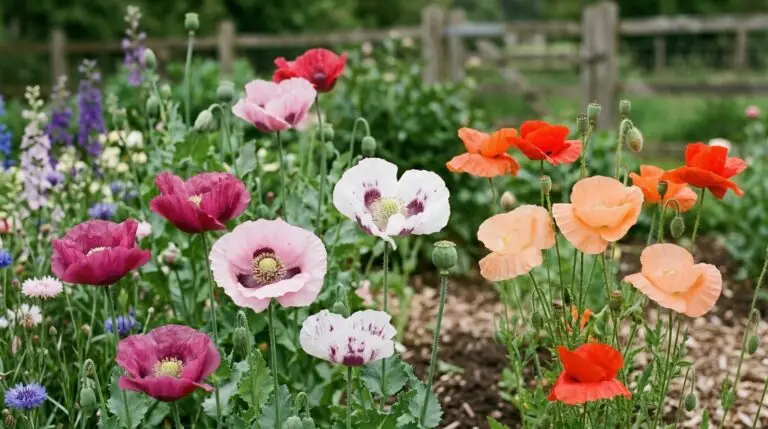
Iceland poppies for pastel spring color in cool climate gardens and cutting beds
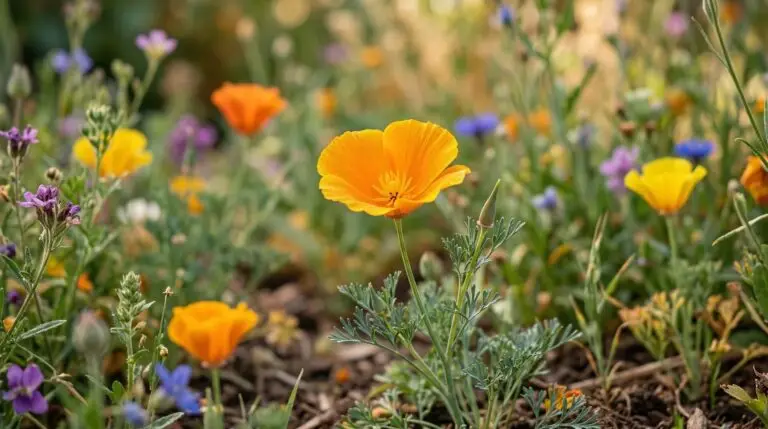
Growing California poppies for golden wildflower color in dry sunny gardens
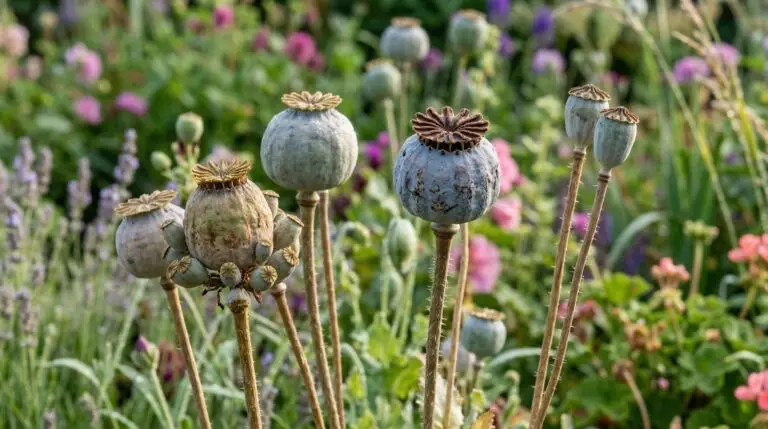
Poppy seed pods in dried flower arrangements and crafts for lasting garden beauty
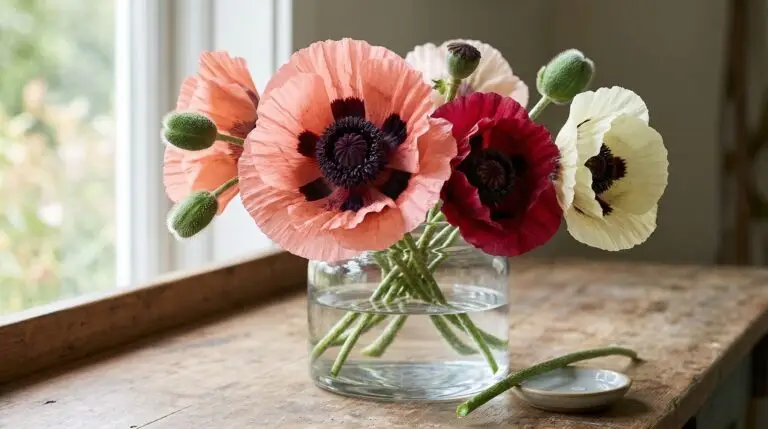
Oriental poppies for enormous papery blooms that are the stars of the early summer border
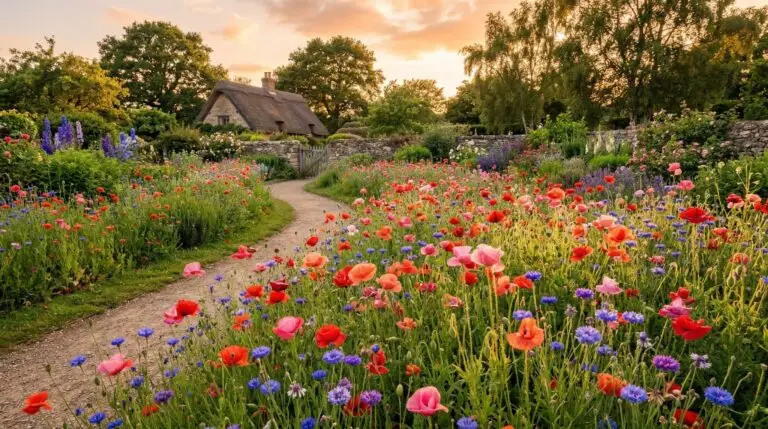
Companion plants for poppies: what to grow and what to avoid
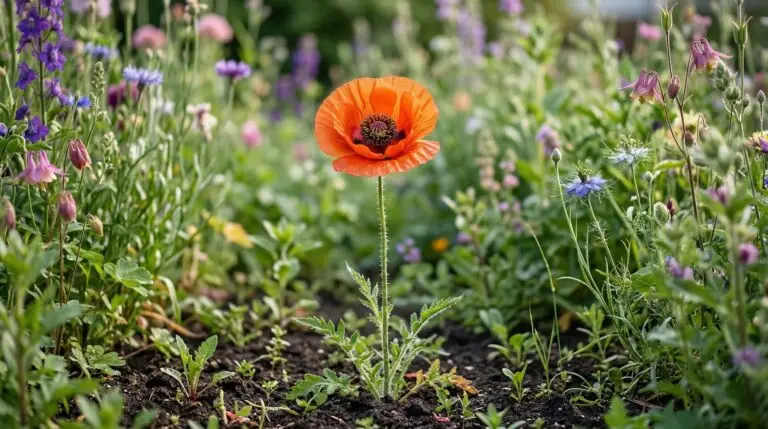
How to grow poppies from seed for tissue-paper petals that dance in the breeze
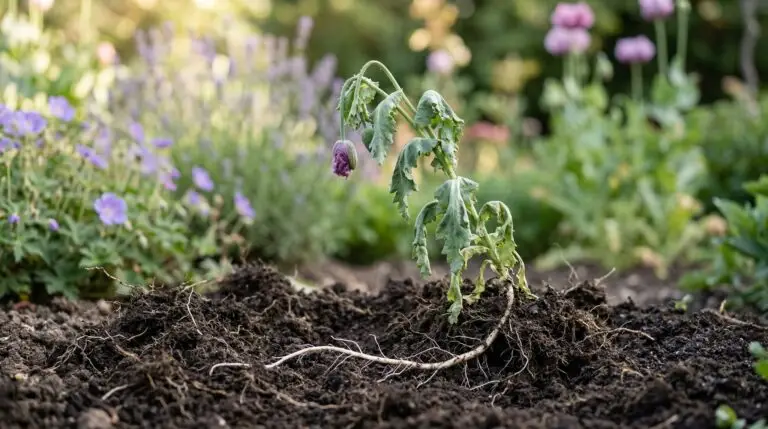
Why you cannot transplant poppies and the direct sowing secret to success
Poppies as self-sowing annuals that create effortless wildflower meadow effects
Best poppy varieties from California golden to Oriental red and Himalayan blue
Enjoying our flower guides? Add YourFlowersGuide as a preferred source on Google. It helps more readers find us.
Add to Preferred Sources