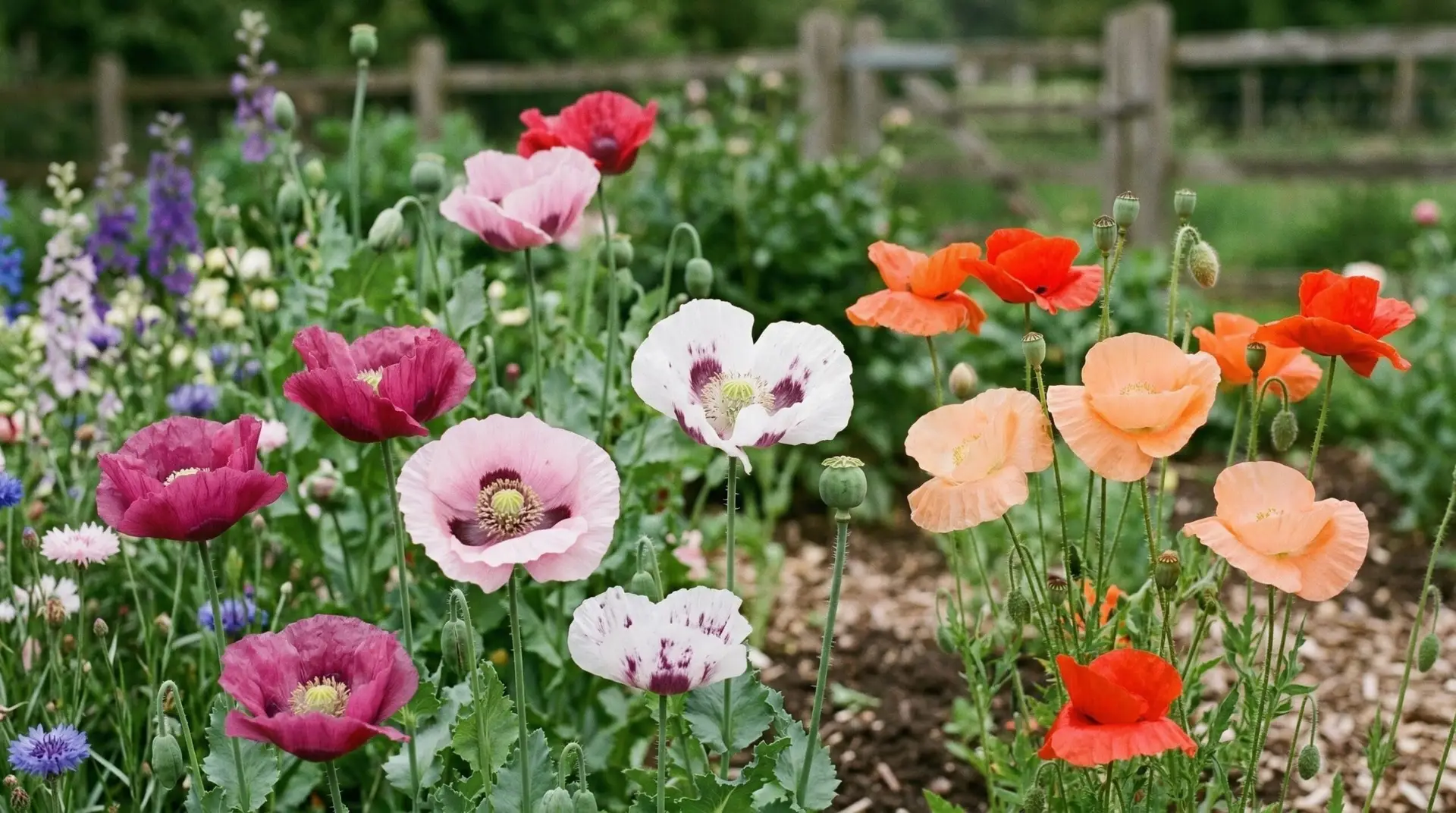
I wish you could stand beside me in the garden this morning just as the sun clears the eastern trees. The air still holds a sharp chill that bites at the fingertips, and the soil smells of damp moss and melting frost. Right at the edge of the border, the first Iceland poppy has finally cracked its fuzzy, silver-green casing. The petals emerge impossibly wrinkled, packed tightly inside the bud like crushed silk waiting to be smoothed by the wind. By noon, the warmth will coax those crinkled folds open into wide, translucent bowls that catch the light like stained glass. You can almost see right through the delicate tissue of the petals when the sun sits behind them. It is a quiet, breathless sort of arrival that makes the long wait of winter entirely worthwhile.
The color palette of the Iceland poppy feels entirely different from the heavy, saturated tones of midsummer. These flowers wash the spring garden in soft, luminous pastels that remind me of a watercolor painting left out in the rain. The Champagne Bubbles series produces blooms in the exact shade of pale apricot, the soft blush pink of early morning clouds, and a pale lemon yellow that glows in the twilight. When you lean in close, there is a very faint, clean fragrance, reminiscent of sweet citrus and fresh spring rain. The stems are remarkably long and wiry, looking far too fragile to hold the wide blooms, yet they dance and nod gracefully in the stiffest April breezes. The delicate blooms look as though they might shatter in a heavy downpour, but they shed water easily and return to their upright posture. Watching a large patch of them sway together creates a hypnotic rhythm of pale coral, white, and warm gold moving against the dark earth.
Contents 3 sections
Sowing dust in the autumn chill
To have these papery blooms in the spring, you must start your work when the autumn air first turns crisp and the leaves begin to drop. The seeds of the cool climate poppy are astonishingly small, feeling like fine, dry dust between your thumb and forefinger. You will know the soil is ready for them when it feels like a wrung-out sponge in your hand, moist but crumbling easily when pressed. Because they need light to germinate, you simply press the tiny seeds into the surface of the cool earth without burying them. I like to gently pat the soil down with the flat of my palm, feeling the rough texture of the compost and ensuring the seeds make good contact with the ground. The cold soil keeps the seeds dormant just long enough for the harsh late summer heat to fully dissipate. The autumn rains eventually settle them in, washing away the dry dust of summer and starting the slow, quiet process of root growth beneath the soil surface.
Through the coldest months, the plants form low, ground-hugging rosettes of foliage that seem to relish the bitter weather. The leaves are a distinct shade of silvery blue-green, deeply lobed and covered in fine, stiff hairs that catch the morning frost. On freezing mornings, the foliage looks as though it has been dipped in sugar, the ice crystals outlining every jagged edge of the leaves. You can brush your hand over the low crowns in January and feel the tough, wiry resilience of the foliage. While other plants retreat underground, the Iceland poppy gathers strength in the chill, building a robust root system in the damp, cold earth. They demand this long period of cool weather to produce their thickest stems and largest flowers later on. Once the ground thaws and the days begin to lengthen, those silver-green rosettes explode with fuzzy, nodding buds that rise rapidly on slender green stalks.
Harvesting stems for the spring table
Gathering these flowers for the house requires a careful eye and a specific morning ritual. You must walk the rows just after dawn, looking for buds that have split open just enough to show a single sliver of colored petal inside. When you cut the wiry stem with sharp shears, you will feel a satisfying snap and immediately see a milky, sticky sap begin to pool at the cut end. You will notice the stems feel surprisingly stiff and rough under your fingers, a stark contrast to the silken petals above. To keep the delicate petals from drooping in a vase, you have to sear the stem ends over an open flame or dip them in boiling water for a few seconds. The process fills the kitchen with the distinct, slightly bitter smell of singed green stems and hot water. This brief moment of heat seals the sap inside the stalk, allowing the flower to hydrate properly and slowly unfurl its crinkled petals indoors over several days.
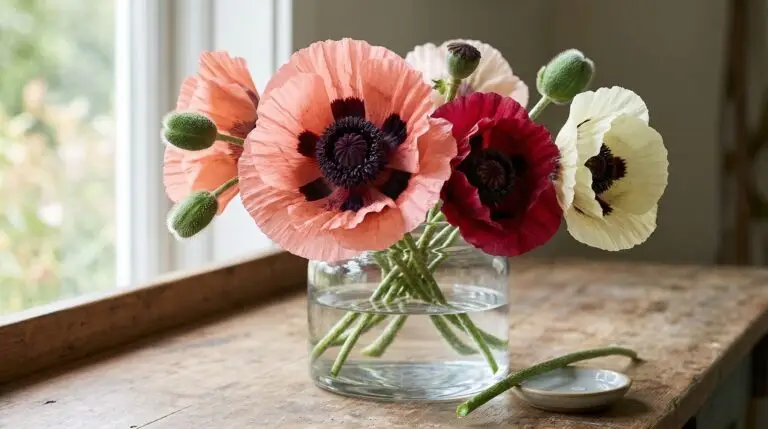
Arranging these delicate blooms is a lesson in appreciating negative space and gentle movement on the table. The wiry stems naturally curve and bend, creating wild, asymmetrical shapes that look beautiful resting against the heavy glass of a simple vase. They look especially striking when paired with the dense, heavily layered blooms of early spring ranunculus, creating a beautiful visual contrast between the tightly packed whorls and the wide, open poppy bowls. You might also weave in the tall, structural spikes of a cool season snapdragon to anchor the airy, floating poppy heads. The cut flowers pull water rapidly, and you can almost watch the tight buds swell and burst open over a single afternoon. As the poppies open in the warmth of the house, they drop their fuzzy two-piece bud caps directly onto the tabletop. I always leave those little hairy shells scattered around the base of the vase, a tactile reminder of the garden outside.
The fleeting nature of cool season blooms
The true magic of the Iceland poppy lies in its deeply ephemeral nature and strict preference for the cold. As the spring weeks pass and the afternoon sun begins to carry the heavy heat of approaching summer, you will notice a shift in the garden. The tall, elegant stems become shorter and thinner, and the large bowls of color shrink to half their original size. The silvery blue-green foliage, once so crisp and resilient against the winter frost, slowly begins to turn a tired, pale yellow. The stems lose their rigid snap, bending limply toward the warm earth as if exhausted by the changing season. They simply melt away when the soil grows hot and the nights lose their refreshing chill. This natural decline is not a failure of the gardener, but the expected rhythm of a plant that belongs entirely to the crisp, cool margins of the year.
I walk out to the cutting beds one last time before the summer heat fully takes hold of the garden. The evening air is warm, the soil is dry to the touch, and the last few poppies stand quietly in the fading light. A sudden breeze moves through the yard, and a single, papery apricot petal detaches from its center, drifting slowly down to rest on the dark earth. The faint, sweet citrus scent is gone now, replaced by the dry, dusty smell of warming soil. The fuzzy green seed pod remains standing on its wiry stalk, a small, ribbed crown holding the promise of next year’s spring. You can run your fingers over the ridges of the pod, feeling the tiny dry seeds already beginning to form inside. It is a quiet, perfect ending to a season of soft colors and crinkled silk.
More About Poppies
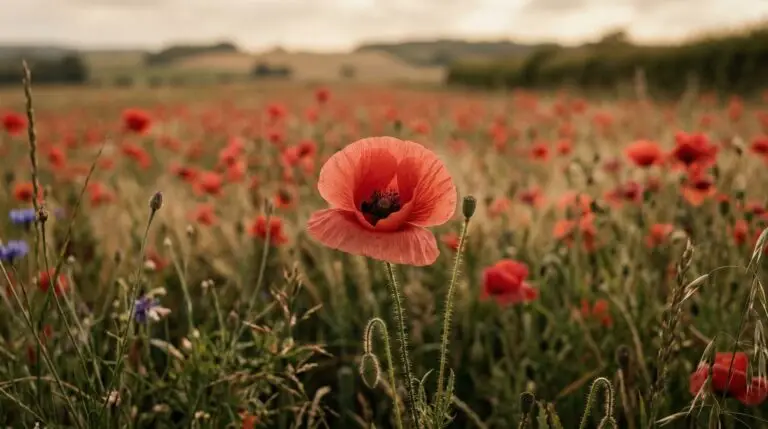
Poppy flower meaning from Remembrance Day red to the sleep and peace of ancient mythology
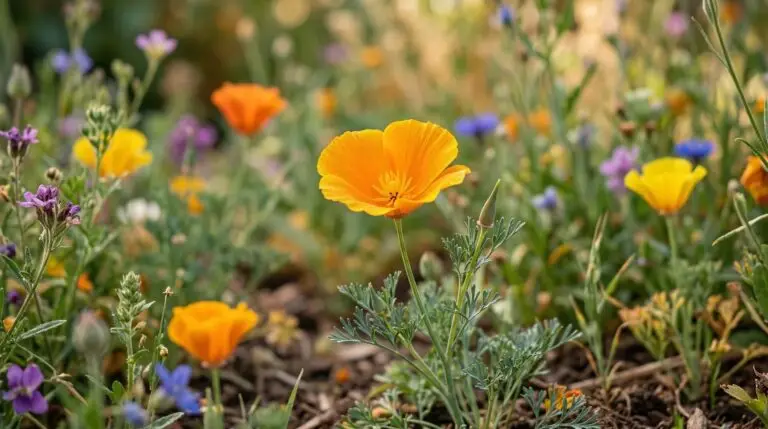
Growing California poppies for golden wildflower color in dry sunny gardens
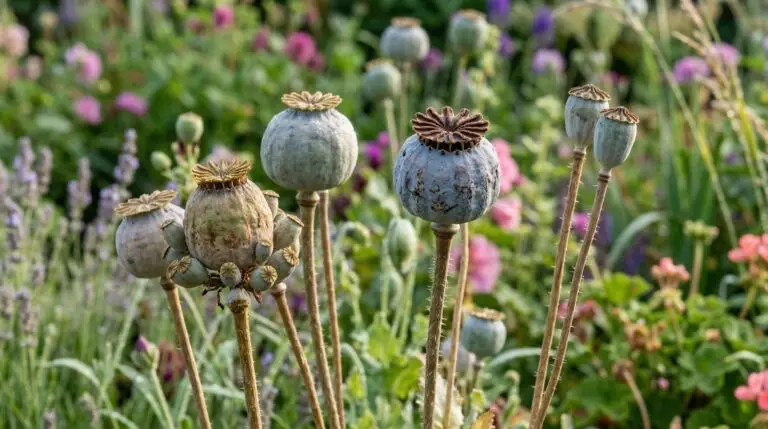
Poppy seed pods in dried flower arrangements and crafts for lasting garden beauty
Oriental poppies for enormous papery blooms that are the stars of the early summer border
Companion plants for poppies: what to grow and what to avoid
How to grow poppies from seed for tissue-paper petals that dance in the breeze
Why you cannot transplant poppies and the direct sowing secret to success
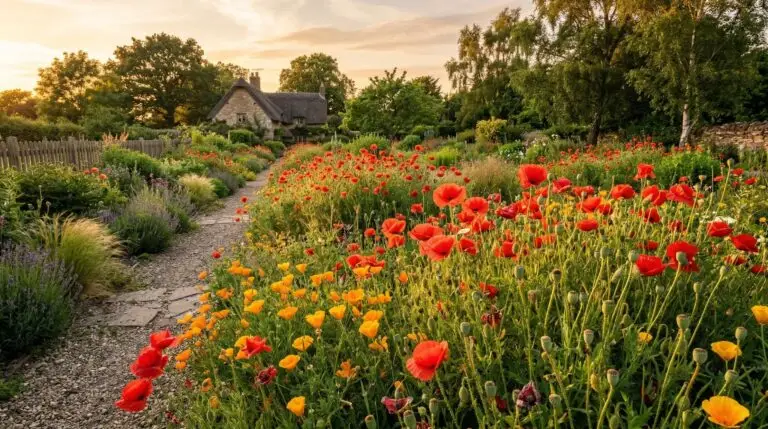
Poppies as self-sowing annuals that create effortless wildflower meadow effects
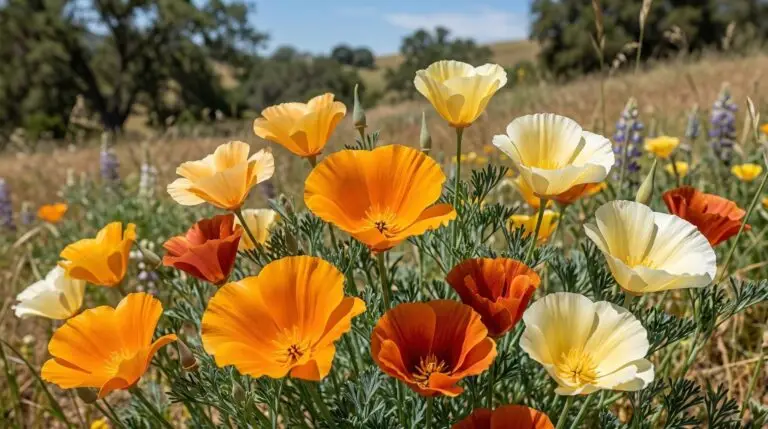
Best poppy varieties from California golden to Oriental red and Himalayan blue
Enjoying our flower guides? Add YourFlowersGuide as a preferred source on Google. It helps more readers find us.
Add to Preferred Sources