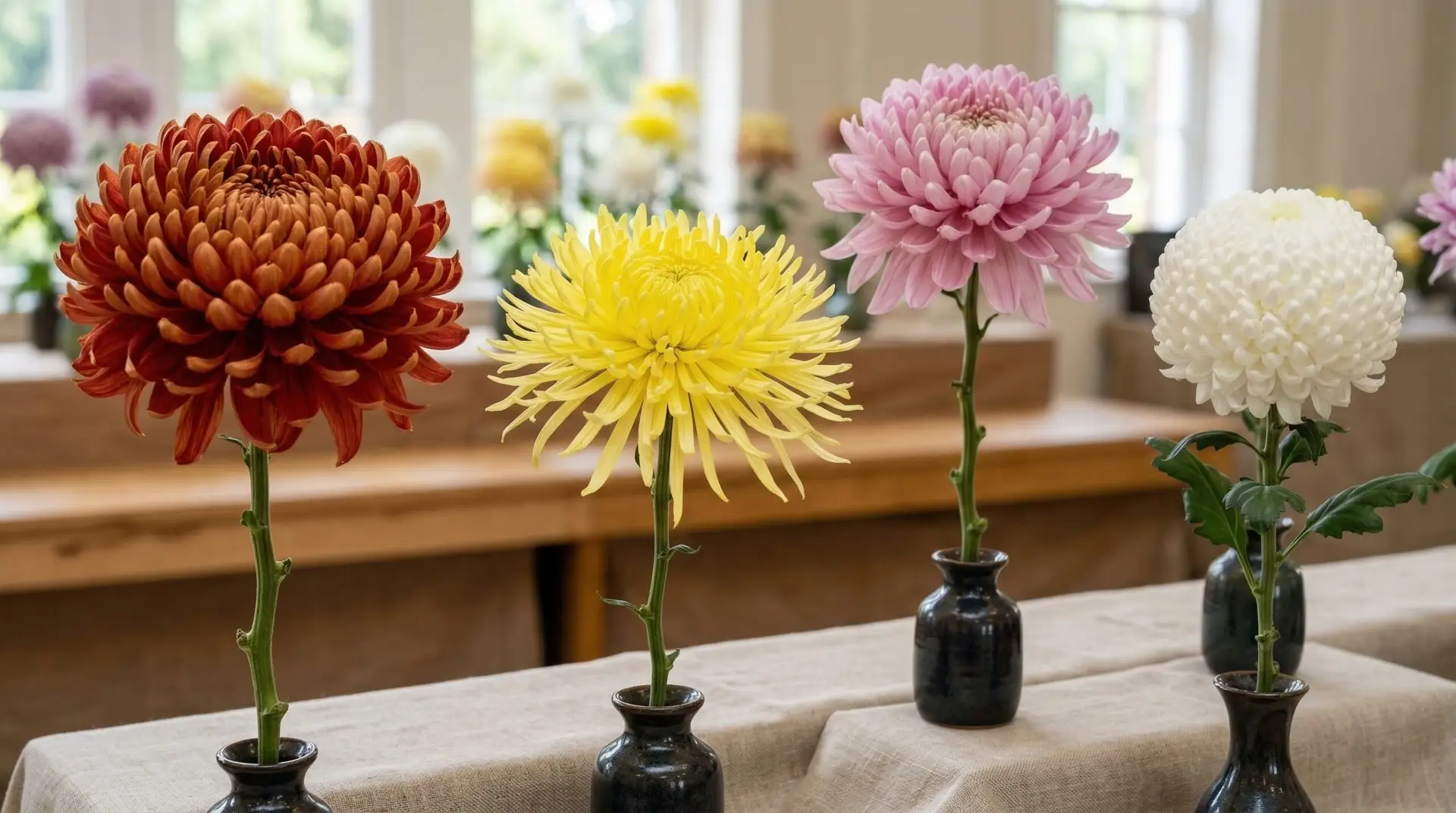
Most people know chrysanthemums as the tight, uniform mounds sold in plastic pots outside grocery stores in October. Those garden plants are fine for a splash of autumn color, but they barely hint at what this genus can actually do. When you step into an exhibition hall and see a single ‘William Turner’ bloom the size of a melon, perfectly spherical and glowing white, the whole perspective shifts. Growing exhibition mums is an entirely different practice that focuses the entire energy of a large plant into one or two massive, mathematically precise flowers. I still remember the first time I saw a true spider mum up close, with its long, trailing petals curling at the tips like delicate hooks. That single flower completely changed how I garden, pulling me into a year-long cycle of precise care just to witness that architecture unfold in my own greenhouse.
The satisfaction of growing these show varieties lies in the long, slow progression of the season. You start with tiny rooted cuttings in January or February, nursing them through the darkest days of winter under lights. As spring warms up, the plants move into larger pots, growing rapidly into tall, leafy columns that smell sharply and cleanly of autumn whenever you brush against them. The real magic happens when you select specific types to cultivate, whether that is the wild, chaotic explosion of a spider type or the neat, tightly packed florets of a formal incurve. Every day spent watering, tying, and inspecting these plants builds a deep connection to their individual habits and quirks. When those tight green buds finally begin to crack open in late October, revealing the intense color hidden inside, all the months of quiet, repetitive work feel entirely justified.
Contents 4 sections
The discipline of disbudding and timing
The secret to achieving those massive, exhibition-quality flowers is a ruthless practice called disbudding. Left to its own devices, a chrysanthemum will produce dozens of small flowers on multiple branching stems. To get a single giant bloom, you have to systematically remove every single side shoot and lateral bud that forms along the main stem, channeling all the water and nutrients into one terminal bud. It takes a steady hand and a lot of patience to roll those tiny, pea-sized side buds off the stem without damaging the fragile leaves nearby. I spend hours in the late summer walking down the rows, carefully snapping off the lateral growth, completely focused on the architecture of each stem. The process feels almost meditative, though it requires a firm commitment to sacrifice quantity for absolute quality.
Timing that single bud to open perfectly for a chrysanthemum show is an exercise in both botany and faith. Growers use a technique called stopping, which involves pinching out the growing tip of the plant on a specific date in early summer to force new side shoots, which then determines when the final bud will initiate. Each variety has its own precise stopping date, and you find yourself keeping detailed notebooks year after year, tracking how a cold spring or a hot August shifted the bloom time. The anxiety of watching a bud develop is very real, as you constantly wonder if it will open too early and fade, or open too late and miss the show entirely. The timing requires the same obsessive attention to the calendar that you might use when coaxing a dahlia to peak for a late summer exhibition, though mums are strictly driven by the shortening days of autumn. Getting the timing exactly right is a rare triumph that keeps you chasing the perfect schedule season after season.
Feeding for size and structure
You cannot build a massive flower without a rigorous feeding program, and exhibition mums are notoriously heavy feeders. In the early part of the summer, the focus is entirely on building a strong, thick stem and large, healthy leaves, which requires a steady supply of nitrogen. As the days shorten and the plant shifts into its reproductive phase, the diet must change drastically to higher levels of potassium and phosphorus to support the developing bud. Pushing the fertilizer too hard is a common mistake that leads to soft, weak stems that cannot support the weight of the flower, or blooms with blown, messy centers. I have ruined more than a few promising plants by giving them one extra dose of feed, watching in frustration as the petals grew distorted and irregular. Finding the exact balance between starving the plant and overfeeding it is a skill that only comes from years of observing the subtle color changes in the foliage.
As the flowers begin to gain size and weight, the physical support system becomes the most pressing concern in the garden. A fully developed large exhibition incurve can hold a tremendous amount of water in its petals, making it incredibly top-heavy and vulnerable to the slightest breeze. Each stem must be securely tied to a stout bamboo cane, sometimes with the addition of a wire support ring placed directly underneath the flower head to keep the bottom petals from drooping. There is nothing quite as heartbreaking as walking out after a heavy autumn rain to find a perfectly formed, ten-inch bloom snapped clean off at the neck because the tie was an inch too low. Protecting the developing flowers from dampness and frost often means building temporary covers or moving the heavy pots into a well-ventilated greenhouse. The smell of the damp earth and the spicy foliage during these late-season chores is one of the most distinct and comforting experiences of the gardening year.
Varieties that reward the effort
Over the years, every grower develops a deep affection for specific varieties that perform well under their care. ‘Lava’ is one of my absolute favorites, a spider type that produces incredibly long, twisting yellow petals that look like they are in constant motion. It can be a temperamental plant to grow, often producing a weak neck that requires careful staking right up to the base of the flower, but the resulting bloom is always worth the extra fuss. For a completely different experience, I always grow ‘Kingsmead’, a classic large exhibition incurve that forms a tight, perfect globe of soft pink. ‘Kingsmead’ demands very precise timing with its feeding schedule, as too much nitrogen late in the season will cause the bottom petals to skirt outward rather than tucking neatly underneath. Learning the individual demands of these different cultivars is like getting to know the personalities of old friends, complete with all their predictable flaws and reliable virtues.
The quill and anemone types offer their own specific rewards for the dedicated grower. ‘Seatons Toffee’ is a quill variety that I look forward to every autumn, producing straight, tubular petals in a rich, warm bronze that perfectly matches the season. Watching those tubes slowly unroll from the center of the bud is a daily pleasure, revealing a geometric precision that feels entirely unique in the garden. The satisfaction of a perfectly symmetrical mum is quite different from the soft, romantic unfolding of a rose, offering a much more structured and architectural beauty. I also grow a few anemone types like ‘Daybreak’, which feature a raised, cushion-like center surrounded by a single row of flat ray petals. They might not have the massive size of the large incurves, but their clean lines and bright centers provide a beautiful contrast on the show bench and in the greenhouse.
The final weeks before the show
The preparation in the final days before a chrysanthemum show is intense and highly detailed. This is the time for dressing the blooms, a delicate process where you use ivory tweezers to carefully remove any bruised, spotted, or misaligned petals from the flower head. You gently arrange the remaining petals to ensure the form is as close to the ideal standard as possible, working with a quiet concentration that feels almost surgical. Transporting these top-heavy, fragile creations to the exhibition hall is an exercise in pure nerve, usually involving custom-built wooden crates and a very slow, cautious drive. Once you arrive and line your vases up on the long tables alongside dozens of other growers, the anxiety finally gives way to a shared appreciation of the work. Walking up and down the aisles, inspecting the subtle differences in form and color, you immediately start trading notes and cuttings with people who understand exactly what it took to get those flowers to the bench.
The fleeting nature of these giant blooms is exactly what makes the year-long effort so compelling. By late November, the shows are over, the massive flowers begin to fade, and the plants are cut down to small stumps to rest for the winter. It seems like an enormous amount of work for a few weeks of glory, but the process itself becomes the true reward for anyone who catches the exhibition bug. The quiet, cold months of December and January are spent organizing notes, cleaning pots, and eagerly watching the old stools for the first signs of fresh green basal shoots. When those tiny new leaves finally push through the soil, signaling the start of a new generation of cuttings, the excitement starts all over again. The pursuit of the perfect single bloom is a quiet, steady rhythm that anchors the entire gardening year, always offering the promise that next season’s flowers will be the best ones yet.
More About Chrysanthemum
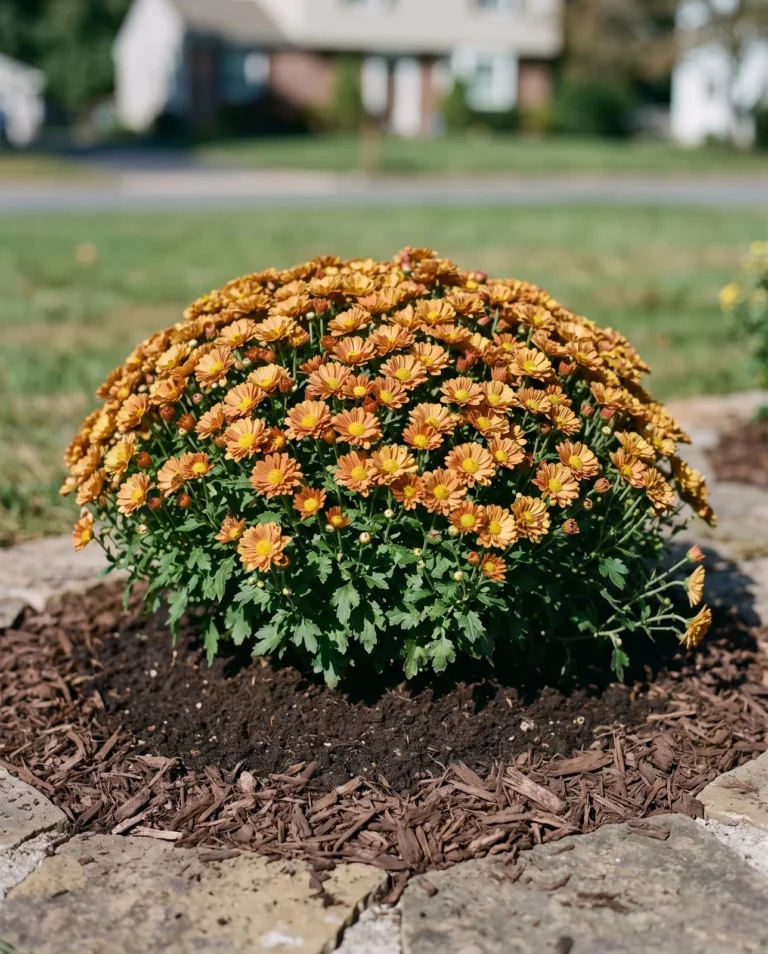
Mums care: why they turn brown and what to do next
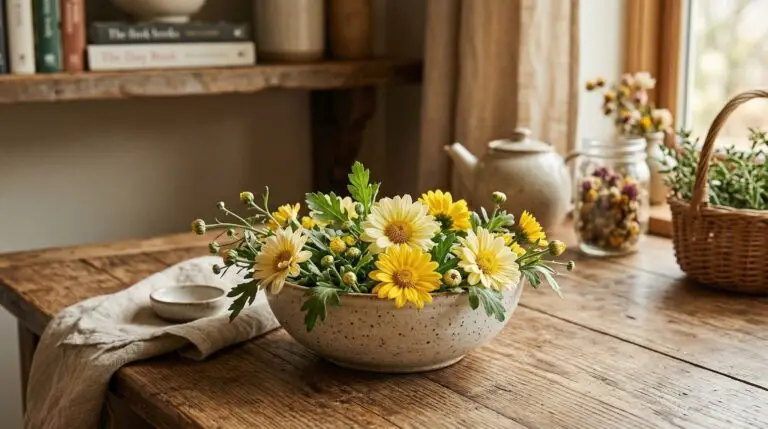
Chrysanthemum tea and edible flowers from garden to cup and kitchen
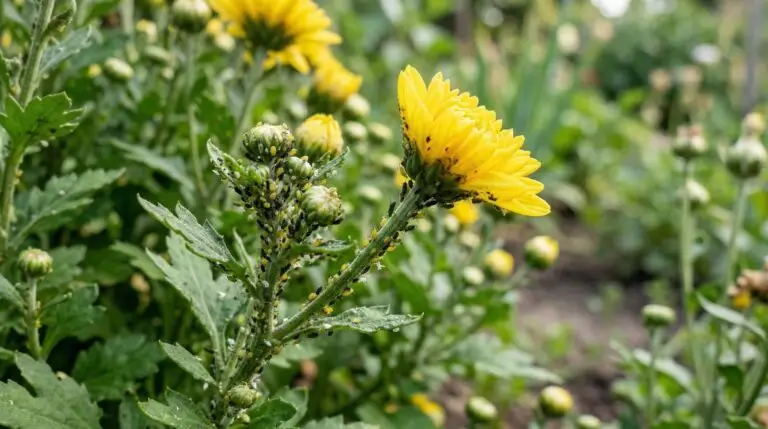
Chrysanthemum pest and disease guide including aphids leaf miners and white rust

Fall porch and front door displays using chrysanthemums pumpkins and autumn decor

How to pinch chrysanthemums for bushy plants loaded with fall flowers
Hardy garden chrysanthemum varieties that survive winter and come back stronger

Companion plants for mums: what to grow and what to avoid
Chrysanthemum meaning, and why it says joy in one country and death in the next

How to divide chrysanthemums in spring for healthier plants and more blooms
Growing garden mums as perennials instead of throwing them away every fall
Enjoying our flower guides? Add YourFlowersGuide as a preferred source on Google. It helps more readers find us.
Add to Preferred Sources