
Anyone who has planted a nursery-grown chrysanthemum in the fall and watched it return the following year is usually surprised by its natural form. Left to their own devices, chrysanthemums do not naturally grow into the tight, uniform domes sold at garden centers in September. The plant is botanically predisposed to send up tall, somewhat sparse stems that eventually produce a few terminal flowers and then flop over under their own weight. Achieving a bushier chrysanthemum requires mechanical intervention early in the growing season. This practice is known as pinching, and it relies on manipulating the plant hormones that dictate how and where new leaves and stems develop. I have spent many seasons in trial gardens managing hundreds of these plants, and the difference between an unpinched plant and a pinched one is entirely structural.
Contents 4 sections
The science and technique of pinching mums
The principle behind chrysanthemum pinching is based on a concept called apical dominance. The growing tip of every stem produces a hormone called auxin, which travels downward and suppresses the growth of the dormant buds located lower down on the stem. When you remove that growing tip, the auxin supply stops, and the lateral buds immediately break dormancy to form new branches. You execute a pinch by taking the top half-inch to one inch of soft, new growth between your thumb and forefinger and snapping it cleanly off. You can also use small, sterilized pruning snips if you have many plants to process. The cut should be made just above a node, which is the point where a set of leaves attaches to the main stem.
Within a few days of this initial cut, you will notice tiny green shoots emerging from the leaf axils directly below the pinch. These shoots rapidly develop into new stems, effectively turning one single stalk into two, three, or even four separate branches. As these new branches grow, they will also attempt to establish their own apical dominance and grow straight up. This exponential multiplication of stems is the only way to build the dense, rounded canopy that characterizes a well-grown fall mum. The process is highly comparable to the early season pruning we apply to the late-blooming perennial aster, which also requires manipulation to prevent the stems from becoming leggy and weak by late summer. The goal in both cases is to build a strong, self-supporting framework before the plant shifts its energy into flower production.
Establishing a pinching timeline by hardiness zone
Chrysanthemums are photoperiodic, meaning their reproductive cycle is triggered by the shortening days of late summer and early fall. Because of this biological clock, your pinching mums schedule must be strictly tied to the calendar and your specific climate. The first pinch should occur in late spring when the new shoots are roughly six to eight inches tall. In Northern climates like USDA Hardiness Zones 3 through 5, the growing season is relatively short, and early autumn frosts are a real threat. Growers in these colder regions typically only have time for one or two rounds of pinching before they must stop. If Northern gardeners continue pinching into late July, the plants will not have enough time to set buds and mature their flowers before a hard freeze destroys the crop.
Gardeners in Zones 6 through 9 operate on a slightly different timeline because they enjoy a longer frost-free autumn. In these warmer areas, a chrysanthemum might receive three or even four distinct pinches throughout the late spring and early summer. The general rule of thumb across the United States is to cease all pinching by the Fourth of July, though Southern growers can often push this deadline to the middle of July. Every time you pinch the plant, you delay the final bloom time by approximately one to two weeks. Pushing the final pinch date back allows Southern gardeners to time their floral display for October, avoiding the intense heat of September that can quickly degrade open flowers. You must monitor your local weather patterns closely and adjust your final stop date based on when your region typically experiences its first autumn frost.
Managing plant growth through the summer months
The period between the first pinch and the final stop date demands consistent cultural care to support the rapid vegetative growth. Every time the plant produces new branches, it requires adequate soil moisture and a steady supply of nutrients, particularly nitrogen, to fuel the foliage. There is an ongoing debate among commercial growers about whether to pinch each stem individually or to shear the entire plant with hedge clippers. Shearing is highly efficient for large field plantings and creates a very uniform exterior shape. Taking the time to pinch individual stems by hand allows you to selectively thin the center of the plant, which improves air circulation and reduces the risk of fungal diseases. I generally recommend hand pinching for home gardeners, as it provides a better opportunity to inspect the foliage for early signs of aphids or spider mites.
The physical differences between a pinched and unpinched plant become highly apparent by late August. An unpinched chrysanthemum might yield a dozen large, heavy blooms on tall stems that easily lodge or break during heavy autumn rainstorms. A properly managed plant produces hundreds of slightly smaller flowers spread evenly across a sturdy, self-supporting dome of interlocking branches. This structural integrity is similar to the careful staking and pruning required to support a heavy dinnerplate dahlia, except the mum builds its support system internally through dense branching. The sheer volume of lateral stems ensures that even if a few branches are damaged by wind, the overall shape of the plant remains intact. You are trading individual flower size for overall plant stability and a much higher total flower count.
Evaluating the late season results
As the days shorten in late summer, the plant will naturally cease vegetative growth and begin forming small, tight button-like buds at the tips of every branch. You will notice the foliage color often deepens to a darker green, and the stems become slightly more rigid as they mature. This is the time to evaluate the success of your summer pinching schedule by examining the plant’s architecture. If the plant splits open in the center under the weight of the developing buds, it indicates that the pinches were spaced too far apart or the final pinch was done too early. A perfectly pinched plant will hold its tight, spherical shape without any external staking or stringing required. If you notice structural flaws, you should make a note of them now so you can adjust your technique for the following year.
Success with these plants relies heavily on observation and careful record-keeping from year to year. I recommend keeping a simple garden journal to track the specific dates you pinched your plants, along with notes on rainfall and fertilizer applications. Cultivars respond differently to pruning, and a schedule that works perfectly for a cushion mum might need slight adjustments for an upright decorative variety. When the flowering season finally ends and the foliage turns brown, resist the urge to cut the stems all the way back to the soil line. Leaving the dead top growth standing through the winter traps insulating snow and protects the vulnerable basal rosettes from extreme temperature fluctuations. You can clear away the dead stems in early spring when the new green shoots emerge, signaling the start of a brand new pinching cycle.
More About Chrysanthemum
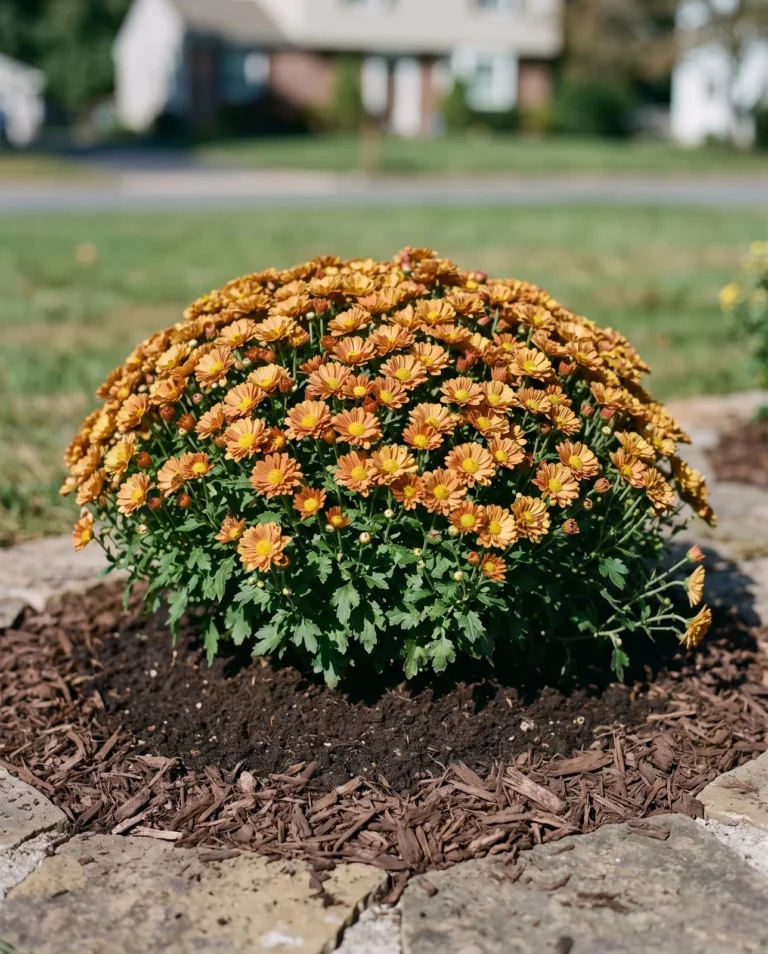
Mums care: why they turn brown and what to do next
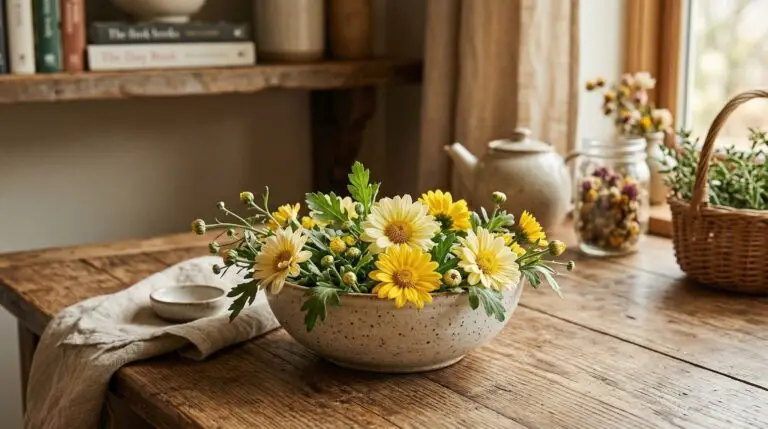
Chrysanthemum tea and edible flowers from garden to cup and kitchen
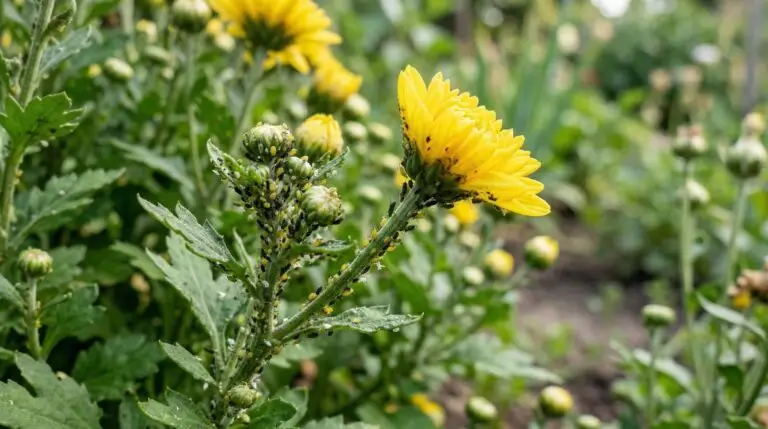
Chrysanthemum pest and disease guide including aphids leaf miners and white rust

Fall porch and front door displays using chrysanthemums pumpkins and autumn decor
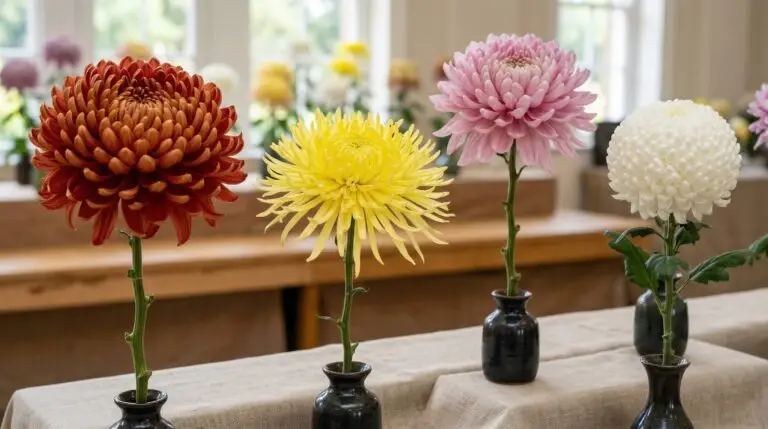
Exhibition chrysanthemums and the art of growing show-stopping single blooms
Hardy garden chrysanthemum varieties that survive winter and come back stronger

Companion plants for mums: what to grow and what to avoid
Chrysanthemum meaning, and why it says joy in one country and death in the next

How to divide chrysanthemums in spring for healthier plants and more blooms
Growing garden mums as perennials instead of throwing them away every fall
Enjoying our flower guides? Add YourFlowersGuide as a preferred source on Google. It helps more readers find us.
Add to Preferred Sources