The pairing · pick a flower
 Lupine+
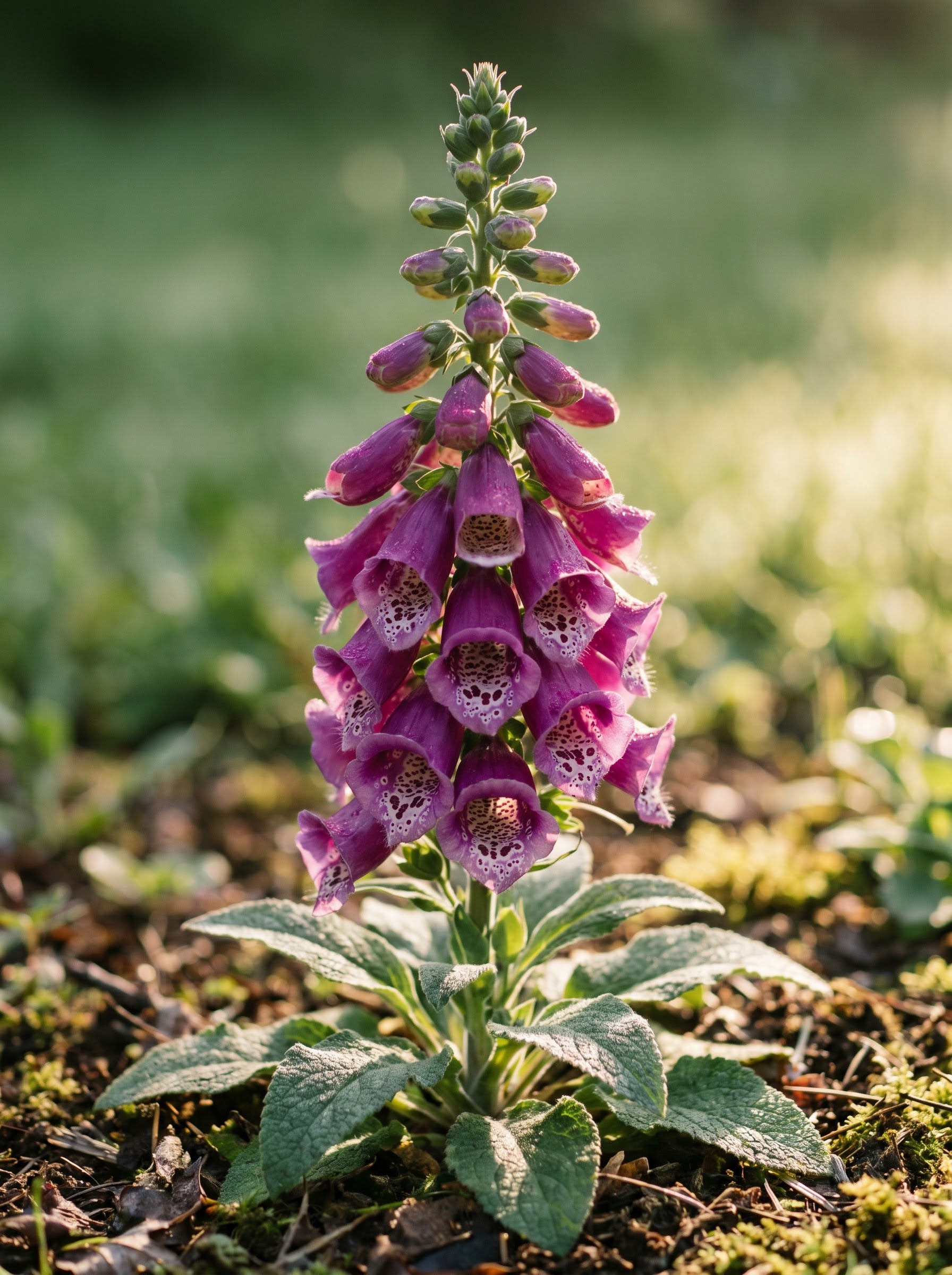 FoxgloveProven
NC State lists foxglove's soil profile, acid pH, good drainage, high organic matter, and moist, as close to identical to lupine's own, and both hold the same spike form in a looser, woodland-edged texture.
Lupine+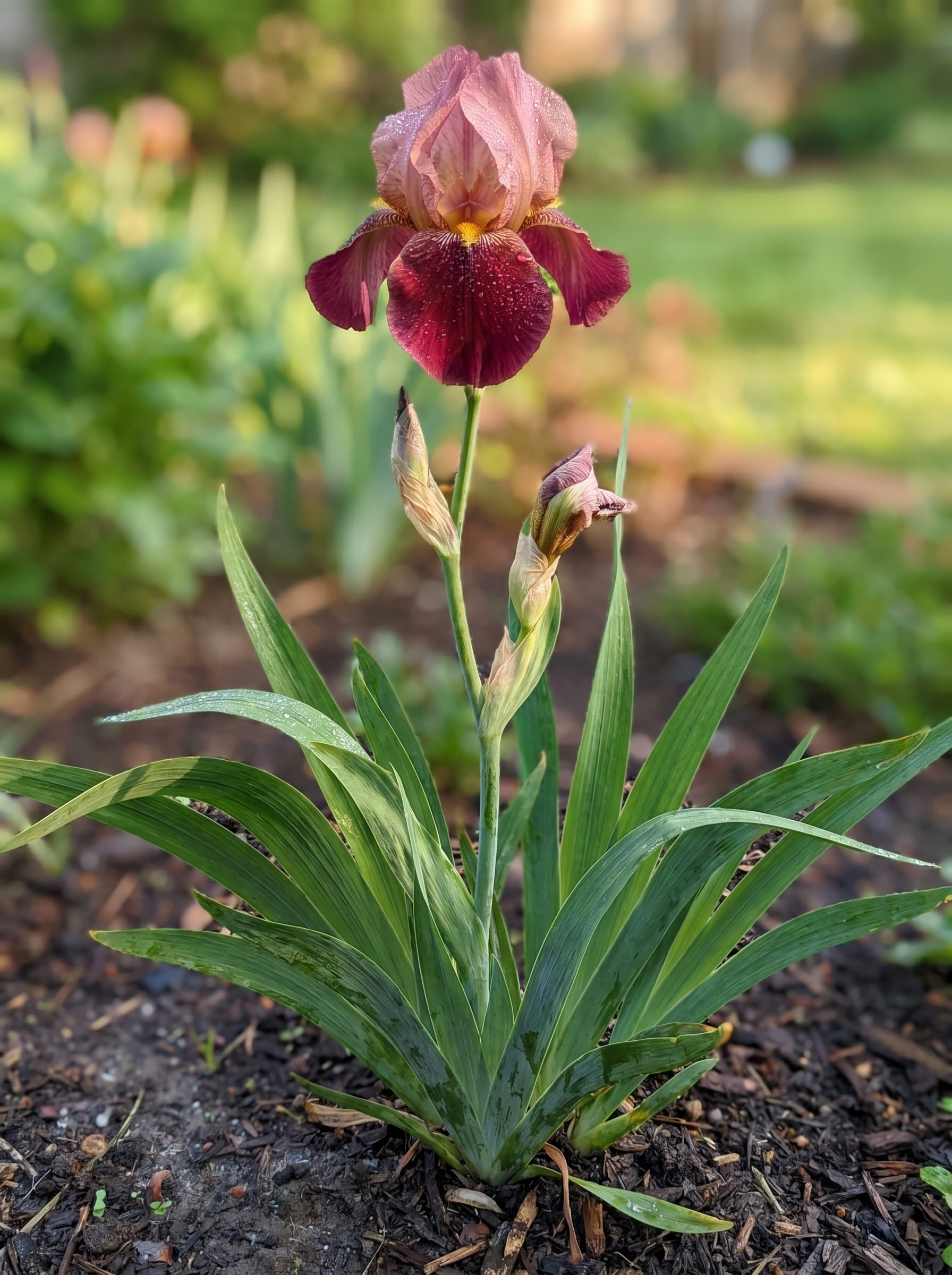 Tall beardedPartial
Both are full-sun, well-drained early-summer bloomers, but iris genuinely prefers drier soil than lupine and can suffer root rot from the same watering that keeps lupine happy, so give it the drier side of the bed.
Lupine+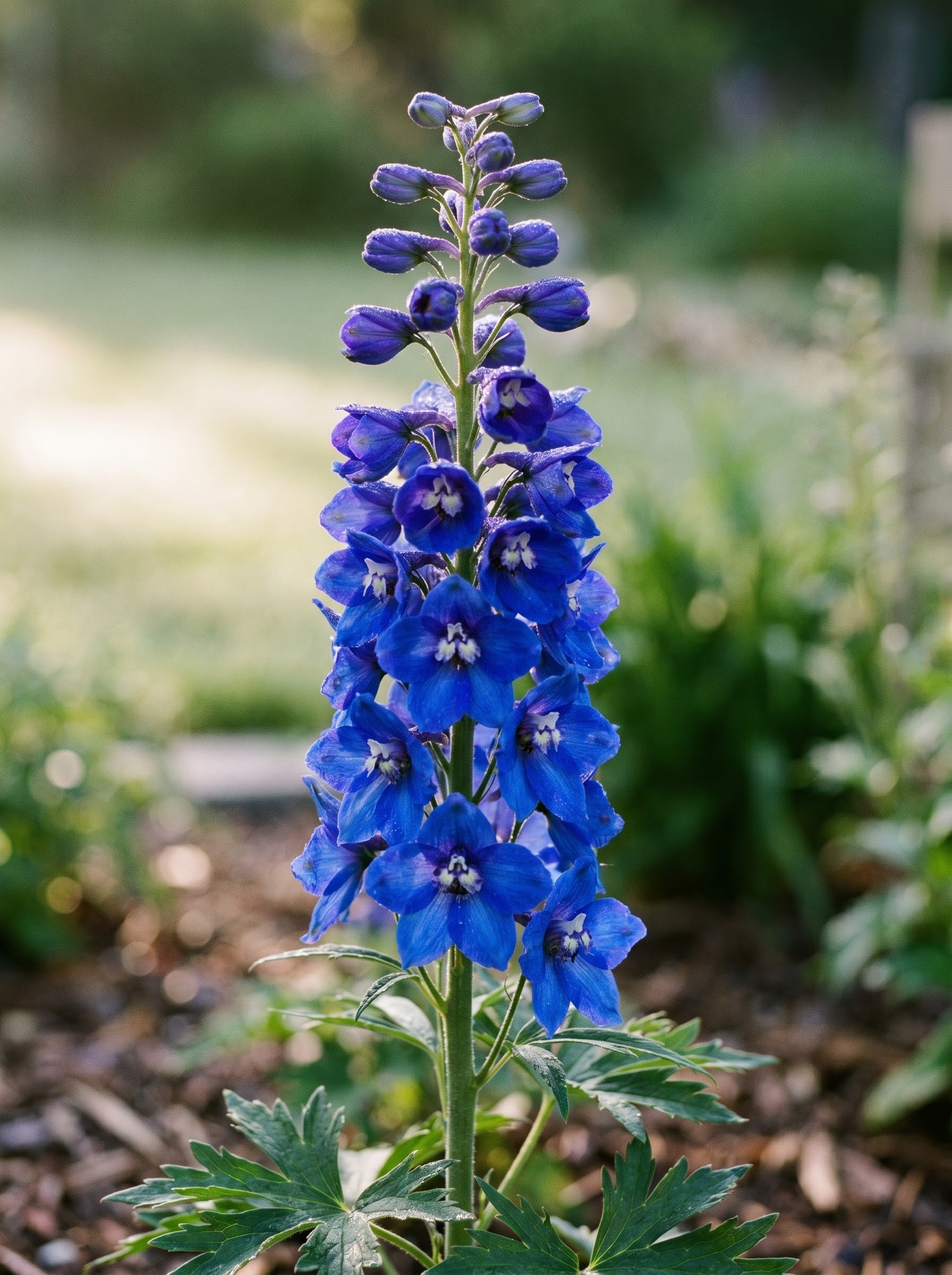 DelphiniumPartial
Both want full sun, good drainage, and cool summers, and NC State lists their bloom windows as overlapping, but delphinium leans toward alkaline soil where lupine leans acid, so match them on light and water, not pH.
Lupine+ PeonyPartial
NC State's herbaceous-peony profile lists full sun to light shade on deep, fertile, well-drained soil with the same acid, high-organic-matter tags lupine carries, close enough to count as a genuine match, and its globe blooms and dense mounded foliage are the strongest available contrast to lupine's rigid spire.
Lupine+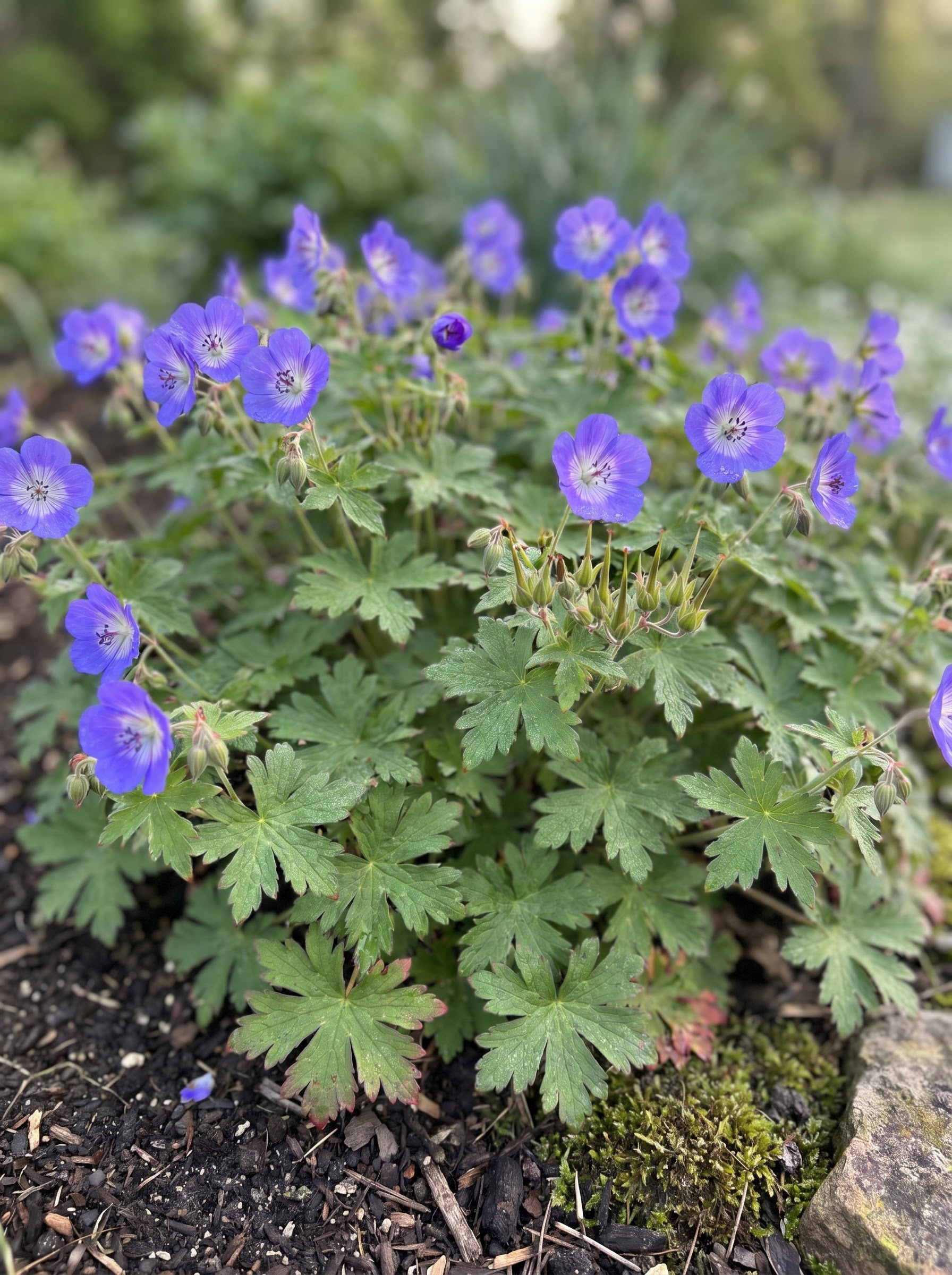 Hardy geraniumProven
NC State lists this geranium as moist but well-drained, full sun with part-shade tolerance, a close match to lupine, and its low mound spreads to fill the bare patch lupine leaves once it is cut back after bloom.
Lupine+ CatmintPartial
NC State lists catmint as full sun to part shade and drought-tolerant once established, a useful complement since neither plant wants to sit wet, and its long haze of bloom covers the ground after lupine cuts back.
Lupine+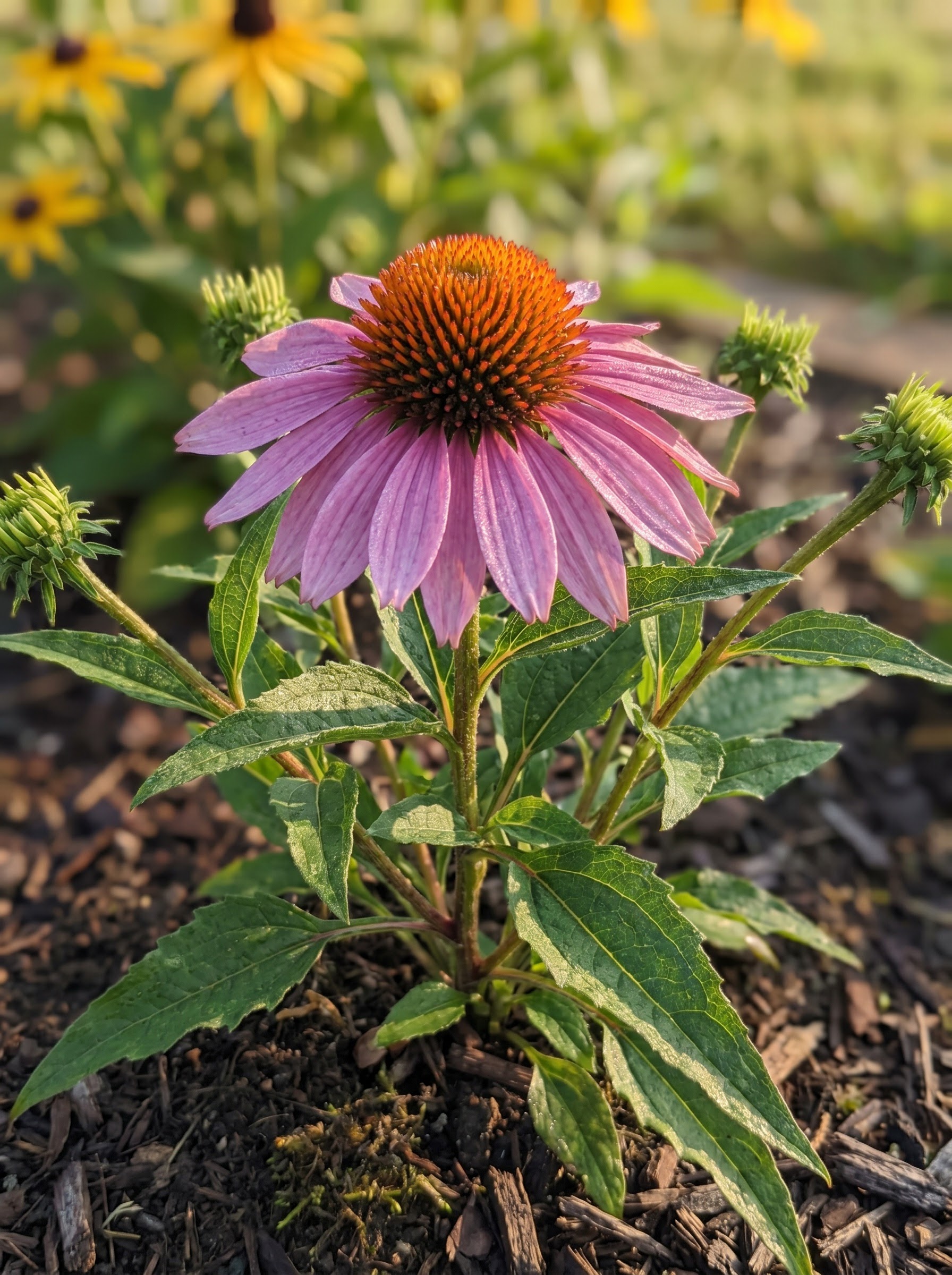 Purple coneflowerProven
NC State lists coneflower's neutral pH, moist well-drained soil and full sun as a close overlap with lupine, and it blooms June to August, taking over the border stage right as lupine finishes.
Lupine+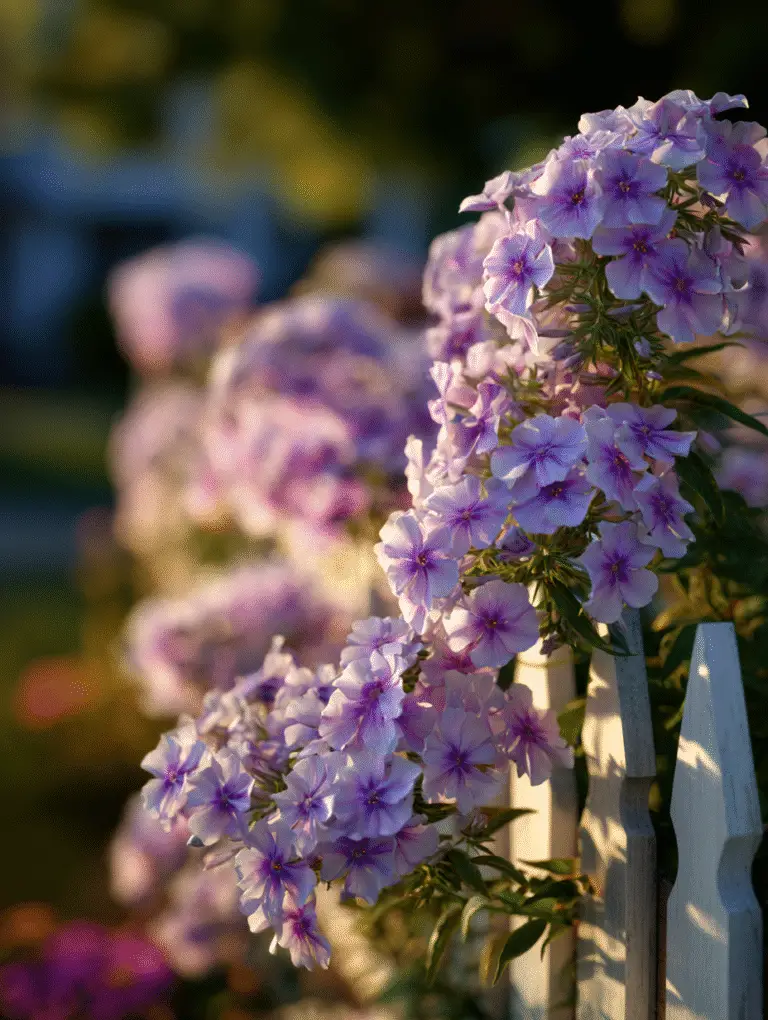 Garden phloxPartial
Phlox wants the same full sun and rich, moist soil lupine does, and its midsummer bloom extends interest past lupine's short window, but extension sources are consistent that crowding and poor airflow are what trigger its powdery mildew, so give it the same breathing room you would give a rose.
Lupine+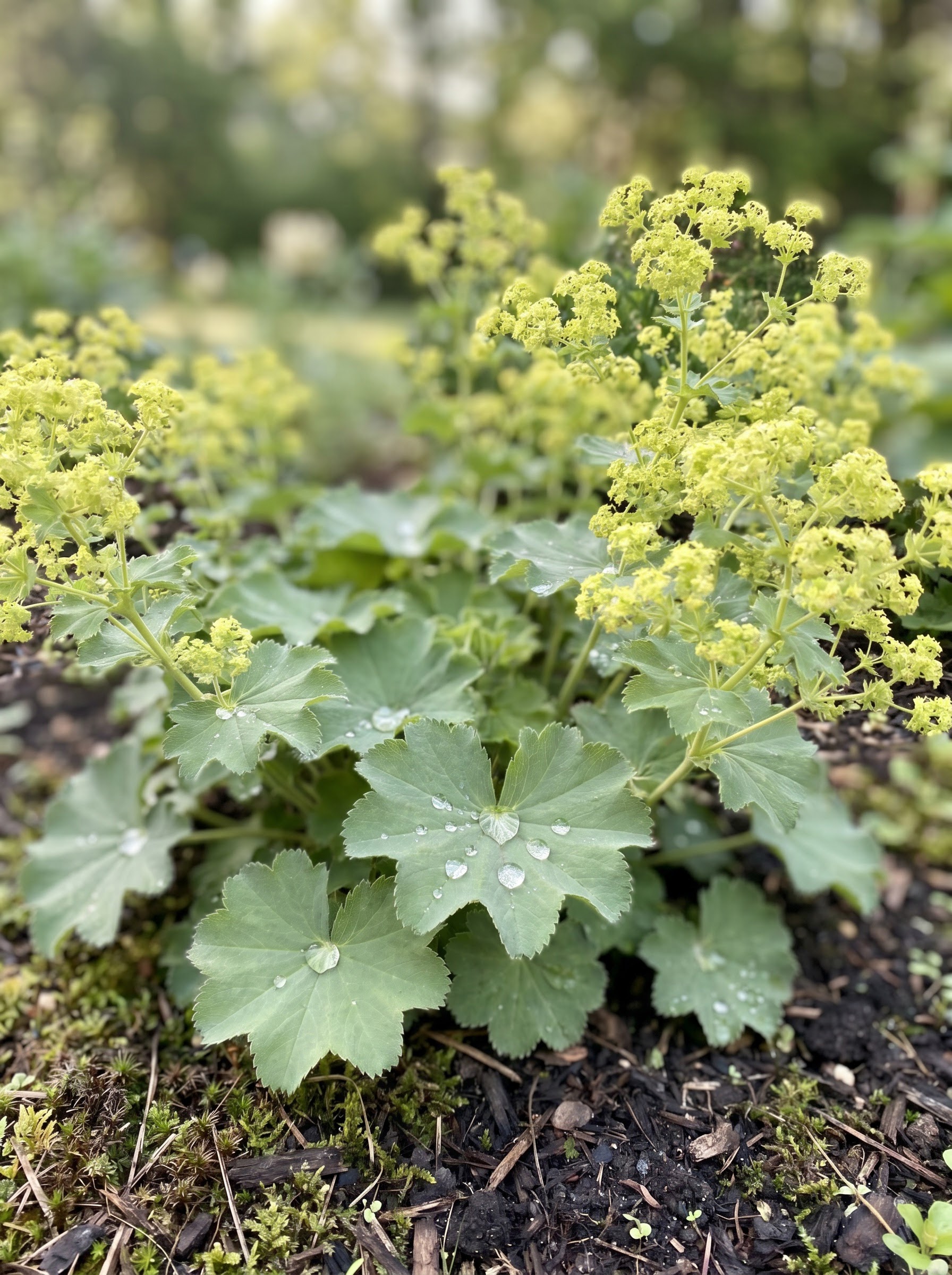 Lady's mantlePartial
NC State lists lady's mantle as tolerant across full sun to part shade with a preference for moisture, close enough to lupine's own evenly moist ground, and its chartreuse froth and scalloped leaves hide bare stems while lupine regrows its basal foliage.
Lupine+ Shrub rosePartial
Roses share lupine's full-sun requirement and their arching, relaxed woody form is a real contrast to lupine's rigid stalks, but roses generally want richer feeding and steadier water than lupine's leaner preference.
Lupine+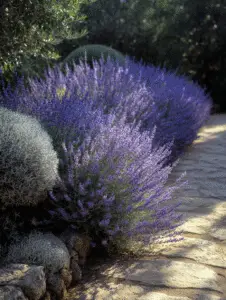 LavenderFolklore
Lavender is repeatedly paired with lupine on "both like full sun" logic, but NC State lists it as wanting alkaline to neutral, perfectly drained, dry-on-the-side soil, close to the opposite of lupine's acid, evenly moist preference.
All Lupine companions
11 flower companions, best match first
What not to plant near Lupine
Most bad neighbours are not evil, they just want the opposite light, water or root run. Here is what to keep away, and what to do instead.
Moisture-loving, boggy-soil plants (astilbe, ligularia, cardinal flower)
These want consistently wet-to-boggy soil, and lupine needs good drainage; NC State ties lupine's soil tags to good drainage and moist, not wet, so sharing a low, damp pocket sets up root rot in the lupine.
Aggressive running spreaders (mint and similar rhizomatous herbs)
Clemson HGIC calls mints vigorous growers that become invasive if not confined, and lupine is naturally short-lived at 2 to 5 years per NC State, so it has little room to compete with a runner for root space.
Trees, large shrubs, and other deep shade-casters
NC State lists full sun, 6 or more hours, as ideal, with shade reducing bloom quality and quantity rather than killing the plant outright; this is a softer, will-disappoint-you avoid, not a will-kill-it one.
Low, slow-establishing plants tucked directly at the base (creeping phlox, violas, primroses)
This flips the usual framing: lupine's own foliage mound and 3 to 4 ft height can shade out a low, slow neighbor planted right at its feet once it reaches full size, especially in its first full season.
Fennel
A handful of listicles claim fennel inhibits lupine specifically, but no extension or research source names a lupine-fennel mechanism, and general fennel allelopathy research itself is described as too data-poor to say which plants it affects or at what distance. Treat this as unproven rather than a confirmed mechanism. [VERIFY]
The best companions for lupine, explained
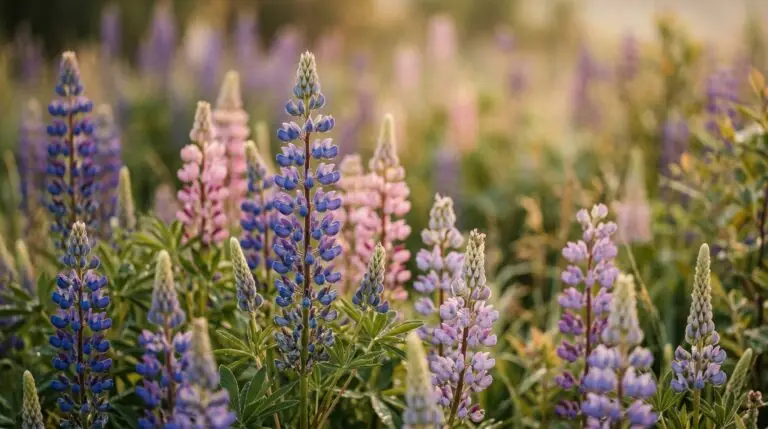
Lupine’s flower spikes are the whole reason people plant it, dense cones of pea-shaped blooms stacked on a stem that can clear four feet, and that same strength is also its weakness in a mixed border. A bed of nothing but spires reads as one repeated note, so the strongest pairings bring a different shape on purpose. Foxglove shares the vertical form in a looser, more tapered spike and, more usefully, shares lupine’s actual soil chemistry: both plants want acid, organically rich, evenly moist ground with good drainage, a match confirmed by NC State’s growing profiles for each rather than assumed from "they look nice together." Delphinium repeats the spike form at a taller scale and blooms in the same window, giving the classic tiered cottage-border rhythm, though its soil leans more alkaline than lupine’s, so what the two plants really share is full sun and cool summers rather than a matching pH.
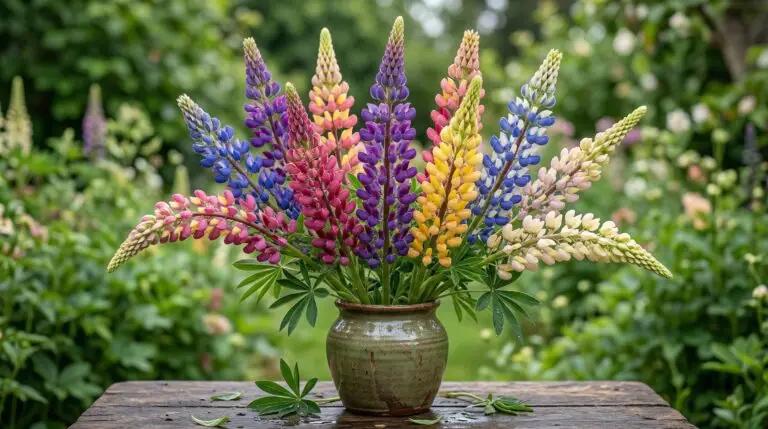
For the plants that break the rhythm rather than extend it, peony is the standout: full sun, well-drained, fertile soil close enough to lupine’s own preference, with globe-shaped blooms and dense, shrub-like foliage that physically grounds the border and hides lupine’s lower stems once they start to look tired. Tall bearded iris does similar work through foliage instead of flowers, stiff, sword-like, glaucous blades that contrast lupine’s soft palmate leaves in the exact same early-summer window, though iris genuinely wants drier footing than lupine and does best sited a little higher in the bed. Hardy geranium, catmint, and lady’s mantle round out the front of the border as low, spreading fillers, all three genuinely share lupine’s sun and moisture range rather than merely tolerating it, and all three keep blooming well past lupine’s short early-summer run. Color does real work here too: a deep indigo lupine reads coolest next to pale blue delphinium and white foxglove, while a bright yellow lupine wants dark violet neighbors for contrast instead of more yellow beside it.
What not to plant near lupine
Lupine has almost no allelopathy story, it does not poison the soil for its neighbors the way black walnut does for roses, so the real avoid list here is entirely about water and light mismatches rather than chemical warfare. The cleanest rule: anything that wants consistently wet or boggy soil, astilbe, ligularia, cardinal flower, and similar damp-shade perennials, sits on the wrong side of lupine’s drainage requirement. NC State’s own soil tags for lupine pair good drainage with moist, not wet, and multiple sources independently flag lupine as vulnerable to root rot in waterlogged ground, so a bed pocket built for a bog plant will eventually either starve the bog lover of the water it wants or drown the lupine trying to satisfy it.
Running spreaders are the second real avoid, not because they harm lupine chemically but because they physically win the fight for root space. Mint is the obvious example, Clemson HGIC describes mints plainly as vigorous growers that become invasive if not confined, and lupine is naturally short-lived even in ideal conditions, two to five years by NC State’s figure, so it has little slack to spend competing with a runner. Deep shade from trees or large shrubs is a softer avoid: lupine flowers best at six or more hours of direct sun, and shade will thin the bloom rather than kill the plant outright, so this is closer to a disappointment than a death sentence. The inverse problem is worth naming too, since it flips the usual framing: lupine’s own basal foliage mound and eventual three-to-four-foot height can shade out a low, slow-establishing neighbor, creeping phlox, violas, primroses, tucked directly at its base before the gardener has seen how big it actually gets. A couple of listicle claims about fennel inhibiting lupine or heavy feeders like broccoli competing with it circulate online, but no extension source names a lupine-specific mechanism for either, and general research into fennel’s root chemistry is itself described as too thin to say which plants it affects or at what distance. The broccoli claim really comes from vegetable-garden intercropping, not ornamental bed planning, so neither earns a place on a genuine avoid list.
Do they like the same conditions?
Lupine’s actual growing profile, pulled from NC State’s Extension Gardener Plant Toolbox, is narrower than the "sunny cottage-garden flower" reputation suggests: full sun for the strongest bloom, tolerant of partial shade, consistent moisture paired with genuinely good drainage, high organic matter in a loam or silt texture, and a soil pH the extension lists as acid, below 6.0, though consumer sources widen that working band to roughly 6.0 through 7.0. That combination, rich and fast-draining at once, acid-leaning and evenly moist at once, rules out more plants than it might seem. Lavender is the clearest case: it gets paired with lupine constantly in garden writing purely because both like full sun, but NC State lists lavender as wanting alkaline to neutral soil, perfectly drained and on the dry side, which sits close to the opposite of lupine’s acid, richer, evenly moist preference. That is not a reason to avoid lavender near lupine outright, it is a reason to put thirty inches and a change in soil prep between them rather than planting them in the same watering zone and hoping.
There is a genuine myth worth naming plainly here too, since lupine is a legume and "lupine improves the soil for its neighbors" gets repeated as settled fact. The mechanism is real: lupine forms nitrogen-fixing root nodules through a bacterial partnership, the same basic process beans and peas use. What most garden copy skips is timing. A living, blooming lupine is not actively feeding a neighboring rose or peony in real time; the nitrogen stays locked inside the plant’s own tissue and root nodules while it is actively growing, and only reaches the surrounding soil once the roots die back, the plant is cut down, or it breaks down as green material worked into the bed. That release timing is worth keeping in mind before assuming a lupine planted this spring is already doing quiet soil work for the coneflower next to it.
How to plant them together
Space by mature size, not by the size lupine ships at from the nursery: most companions here want 18 to 24 inches of separation from lupine’s base, with peony wanting closer to 24 to 30 inches since it resents root disturbance once settled and mint needing a container rather than open ground at any distance. Layer by height with the tallest spires, delphinium, at the back, lupine itself in the middle tier, and the low mounding fillers, geranium, catmint, lady’s mantle, at the front where they can spread to cover the gap lupine leaves once it is cut back. That cutting-back step matters more here than for most perennials: lupine’s bloom window is genuinely short, and leaving the spent flower spikes on encourages seed pods that weigh the plant down and pull energy from next year’s growth, so shearing spent stems to the basal foliage both tidies the plant and buys the low fillers more light while the border resets.
In containers, treat lupine as the anchor and keep its acid, well-drained, organically rich mix separate from anything that wants leaner or drier footing, a shared pot works for foxglove or a low geranium but not for lavender, which needs its own container of gritty, alkaline-leaning soil even if the two sit side by side on a patio. In hot-summer regions, roughly zone 7 and warmer, lupine itself struggles with heat and humidity and is often grown as a short-lived annual rather than a true perennial, so any companion pairing planted there should be treated as a one-season combination to enjoy rather than a permanent bed relationship to protect.
Does companion planting actually work for lupine?
Some of it, yes, cleanly. The shared-conditions matches are the real, provable part: foxglove’s acid, moist, organically rich soil profile lines up with lupine’s own closely enough that NC State’s separate growing guides for each plant could nearly be swapped, geranium sanguineum’s moist-but-well-drained, full-sun-to-part-shade profile genuinely overlaps, and coneflower’s neutral pH and moist, well-drained preference bloom right into the gap lupine leaves in early summer. Those are not folklore, they are two independently sourced plant profiles that happen to describe the same growing conditions.
The parts that are folklore, and worth naming as such rather than dressing up: the specific claim that lupine "feeds" its living neighbors through nitrogen fixation while it is actively blooming is popular and wrong on timing, even though the underlying mechanism is real. The lavender pairing survives mostly on "both like sun" logic that ignores a real pH and moisture mismatch. And the fennel-inhibits-lupine claim has no research behind it at all specific to lupine, and only thin, inconclusive research behind fennel’s allelopathy in general. None of that means companion planting is pointless here, it means the honest version of "does it work" is: yes, for the shared-conditions matches that check out against a real growing profile, and no, not as a substitute for getting lupine’s own sun, drainage, and soil chemistry right in the first place. A well-sited lupine surrounded by the wrong neighbors will still struggle; a poorly sited one surrounded by the right neighbors still will not thrive.
FAQ
What can I plant in front of lupine?
Low, spreading, sun-loving plants that share its moisture range work best at the front of the bed: hardy geranium, catmint, and lady’s mantle all genuinely overlap lupine’s sun and water needs and keep blooming after lupine’s early-summer flush has finished, which fills the visual gap without competing hard for root space.
What should you not plant near lupine?
Anything that wants consistently wet or boggy soil, astilbe, ligularia, cardinal flower, sits outside lupine’s need for good drainage and risks root rot in a shared pocket. Aggressive spreaders like mint should stay in containers rather than open ground, since lupine is naturally short-lived and has little slack to compete for space.
Do lupines actually improve the soil for other plants?
The nitrogen-fixing mechanism is real, lupine forms root nodules through a bacterial partnership that pulls nitrogen from the air, but the nitrogen stays locked in living tissue while the plant is actively growing. It only reaches neighboring plants once the roots die back or the cut plant is left to decompose in the bed.
What can I plant after lupines die back?
Coneflower and garden phlox both bloom later in summer and share lupine’s sun and soil preferences closely enough to take over the border’s visual weight once lupine’s short bloom window ends and it gets cut back to basal foliage.
Are lupines toxic to pets or livestock?
The seeds carry alkaloids that NC State rates as low-severity, causing symptoms like vomiting or respiratory depression only if eaten in large quantities, so a lupine in an ordinary garden bed is a minor concern rather than a genuine hazard, though it is worth keeping seed pods away from grazing livestock in particular.
Sources
- NC State Extension Gardener Plant Toolbox: Lupinus
- NC State Extension Gardener Plant Toolbox: Digitalis purpurea (foxglove)
- NC State Extension Gardener Plant Toolbox: Iris x germanica (bearded iris)
- NC State Extension Gardener Plant Toolbox: Delphinium elatum
- NC State Extension Gardener Plant Toolbox: Paeonia, herbaceous types
- NC State Extension Gardener Plant Toolbox: Geranium sanguineum
- NC State Extension Gardener Plant Toolbox: Nepeta x faassenii (catmint)
- NC State Extension Gardener Plant Toolbox: Echinacea purpurea
- NC State Extension Gardener Plant Toolbox: Lavandula angustifolia
- NC State Extension Gardener Plant Toolbox: Alchemilla mollis (lady’s mantle)
More About Lupine

Wild lupines along American roadsides and meadows and where to see them bloom
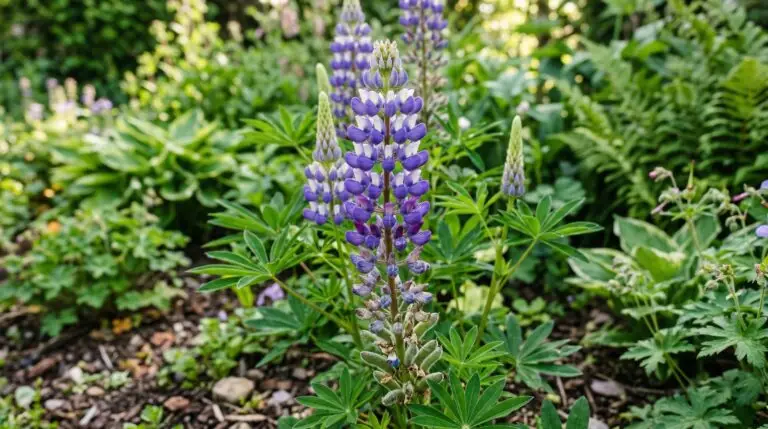
Why lupines die after a few years and how to keep them going through seed saving
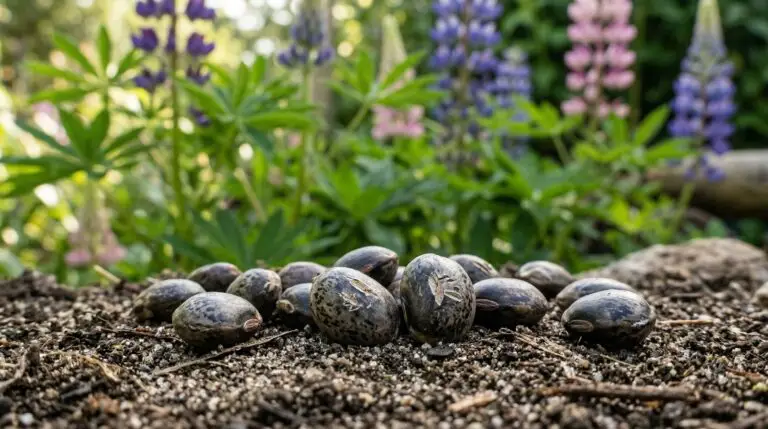
Growing lupines from seed and the scarification trick that unlocks fast germination
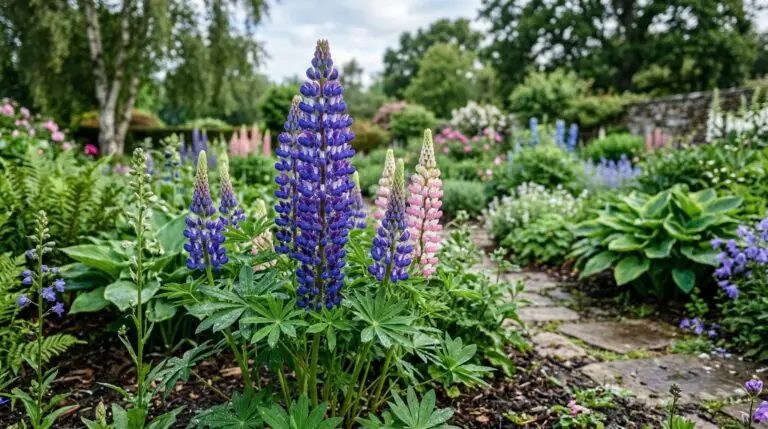
How to grow lupines for dramatic flower spires that bring cottage garden magic
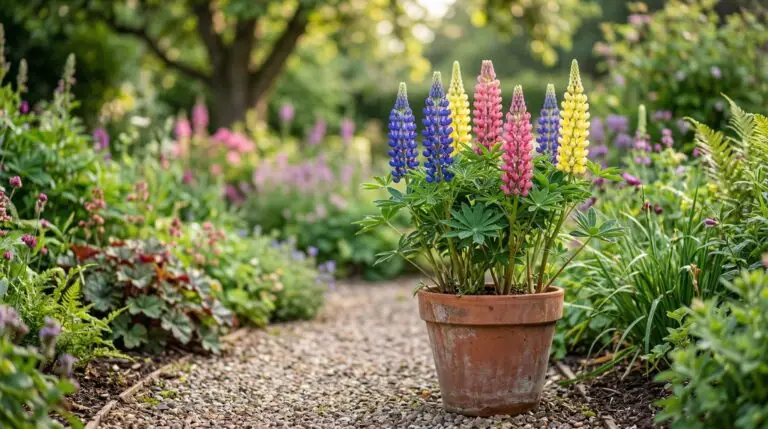
Growing lupines in containers for a vertical flower show on patios and doorsteps
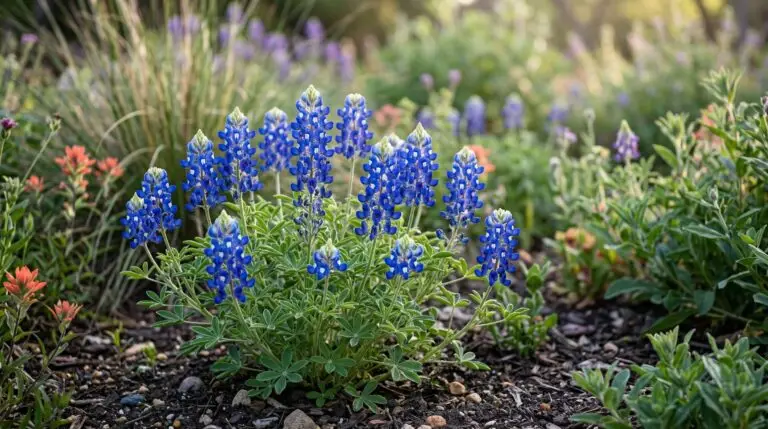
Lupines in hot climates and the challenge of growing these cool-weather beauties in the south
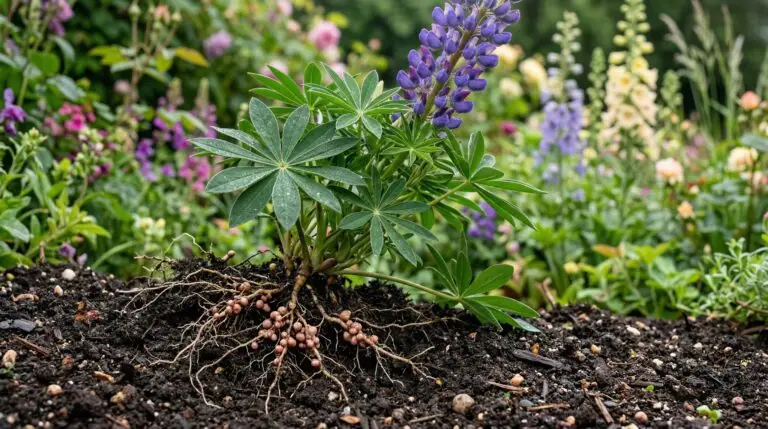
Lupines as nitrogen fixers that naturally enrich and improve your garden soil
Lupine flower meaning and why these wild spires symbolize imagination and creativity
Best lupine varieties from Russell Hybrids to native wild lupines of America