Contents 4 sections
The paradox of the modern lupine
Most garden centers sell generic lupines that bloom brightly for one year and vanish. The true value of curating lupines lies in choosing the right plant for your specific climate and expectations. Rather than listing every available seed mix, we need to look at a few distinct categories. The choice comes down to the grand, temporary spectacle of the British hybrids versus the quiet permanence of the American native species. Understanding this division prevents the common frustration of watching a newly planted lupine rot away in the summer heat.
The tall spires of traditional garden lupines are often treated as long-lived perennials, but they rarely behave that way in American gardens. Summer heat, heavy clay soils, and root rot usually shorten their lifespan to a few seasons at best. Understanding this limitation changes how we select them. When you want vertical structure that lasts for decades, you might look to hollyhock or Delphinium elatum instead. For lupines, you must select varieties based on whether you want a brief, massive color display or a subtle, lasting presence.
Evaluating the classic garden hybrids
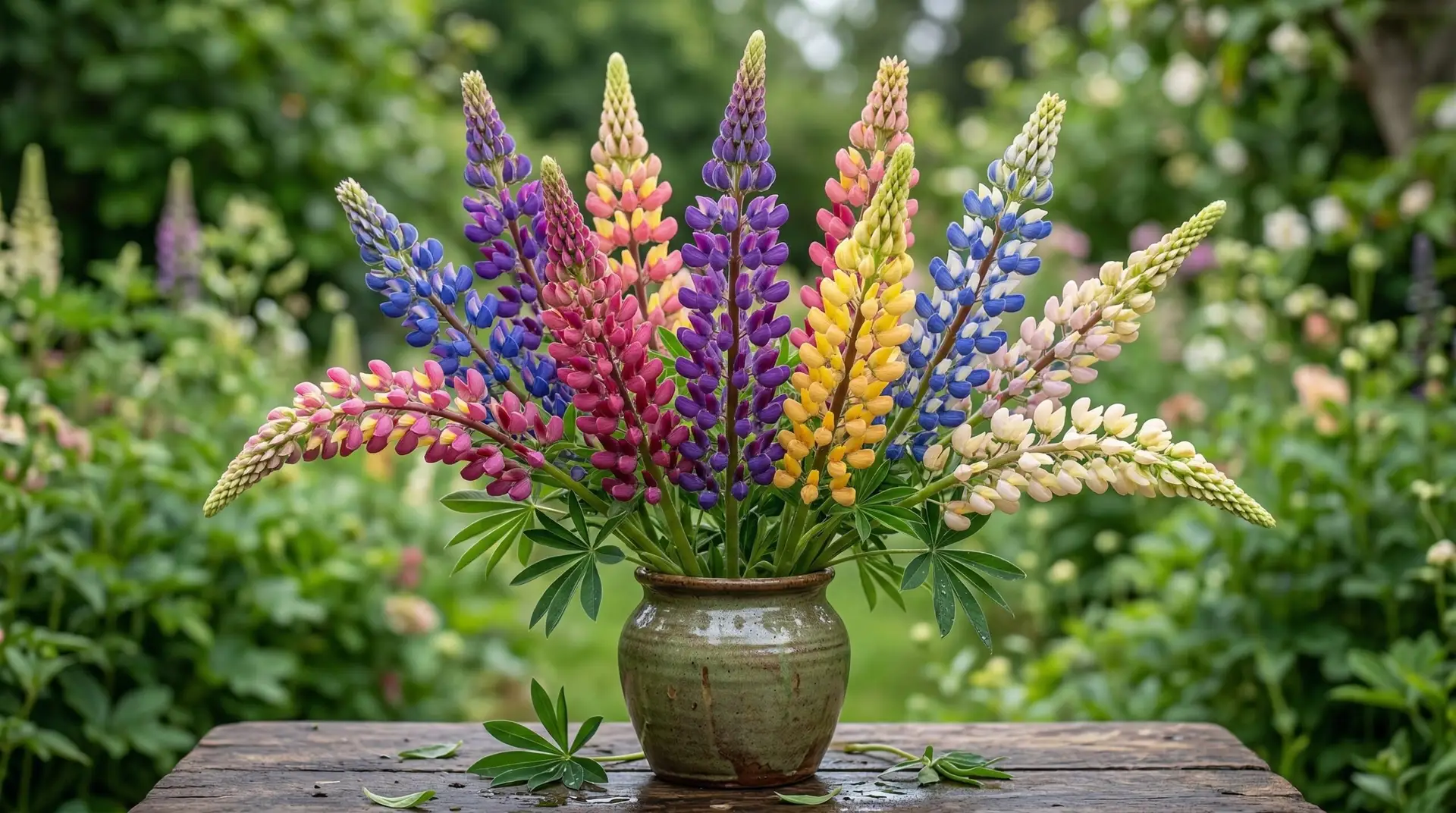
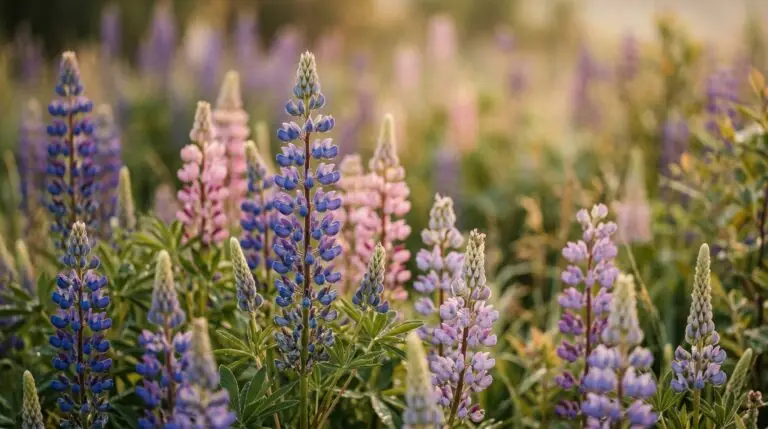
The Russell lupins are the standard by which all other garden lupines are judged. George Russell spent decades in the early twentieth century crossing various species to create the dense, bi-colored flower spikes that now dominate the nursery trade. These plants produce massive three-foot tall flower stalks in shades of carmine, yellow, blue, and white. I include them here because their color range is unmatched, but they require specific conditions to thrive. They demand rich, well-draining soil and cool summer nights, making them excellent for the Pacific Northwest or New England, but poor choices for the humid South.
If you are going to grow large hybrid lupines, the Westcountry series offers a significant upgrade over standard seed-grown Russells. Many guides recommend generic seed packets, but in practice, these often result in muddy colors and weak stems. The Westcountry lupines are grown from tissue culture, ensuring exact color replication and unusual vigor. Varieties like ‘Masterpiece’, with its deep purple and orange flowers, or ‘Manhattan Lights’, featuring sharp yellow and purple bi-colors, provide a much more reliable display. They still suffer in extreme heat, but their stem strength and color clarity make the investment worthwhile for northern gardeners.
For gardeners dealing with heavy winds or smaller planting beds, the Gallery series is a highly practical alternative to the towering hybrids. These plants max out at about two feet tall, producing flower spikes that are proportionate to their compact foliage. Because they stay low to the ground, they do not require the staking that tall hybrids often demand after a heavy spring rain. The color saturation is just as intense as the taller varieties, available in solid reds, blues, yellows, and whites. They also tend to bloom slightly earlier in the season, allowing them to finish their display before the worst of the summer heat arrives.
The quiet strength of native species
Moving away from the heavily bred hybrids, the native sundial lupine, Lupinus perennis, deserves much more attention from American gardeners. This is the wild lupine native to the eastern half of the United States, and it behaves very differently from its European-bred cousins. It produces looser, more delicate flower spikes, usually in a soft violet-blue, though occasional pink or white forms appear. What it lacks in dense floral mass, it makes up for in sheer resilience. It thrives in dry, sandy, nutrient-poor soils where a Russell hybrid would immediately perish.
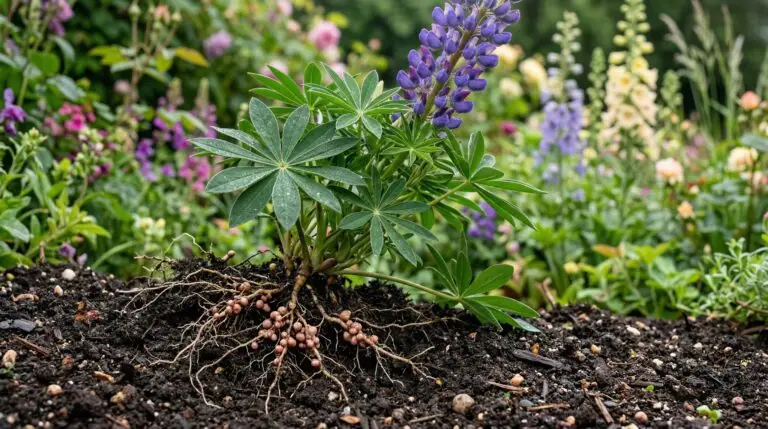
Choosing Lupinus perennis is also a decision based on ecological function rather than just garden aesthetics. This specific plant is the sole food source for the caterpillars of the Karner blue butterfly, a species that relies entirely on these wild lupine populations. When you plant the native sundial lupine, you are establishing a deep-rooted perennial that will spread slowly through rhizomes and self-seeding to form a permanent colony. The deep taproot makes transplanting difficult, so it is best established directly from seed sown in the autumn. It requires zero fertilizer, zero supplemental watering once established, and provides a reliable spring display year after year without the sudden die-off associated with the hybrids.
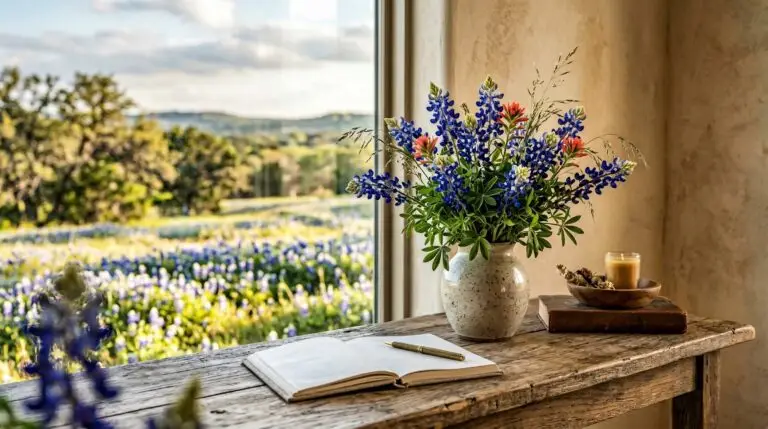
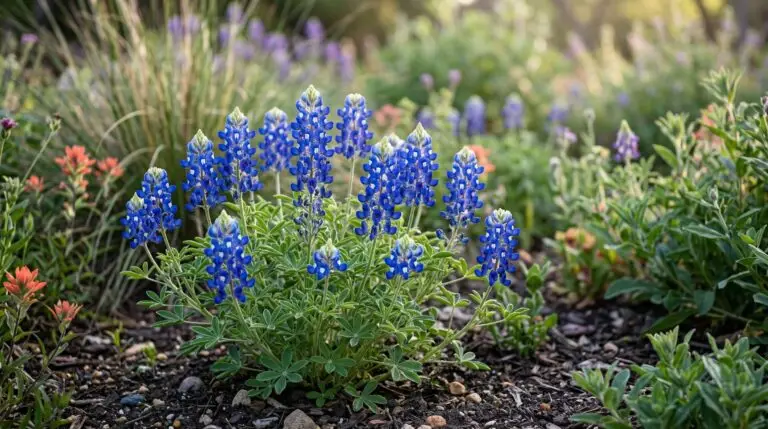
Another native option that performs exceptionally well in the right environment is the Texas bluebonnet, Lupinus texensis. While technically an annual or short-lived biennial, it functions as a permanent fixture in the garden through aggressive self-seeding. The deep cobalt blue flowers with distinct white tips create a highly recognizable display in early spring. This species is perfectly adapted to alkaline soils and extreme drought, making it an excellent choice for gardeners in the Southwest who cannot grow the moisture-loving northern hybrids. It requires sharp drainage and full sun, and it resents any attempt at rich soil or pampering.
Making the final selection
After observing how these different lupines perform across various climates and soil types, my top recommendation is the native Lupinus perennis. The traditional garden hybrids certainly provide a louder burst of color, but their failure rate in average garden conditions makes them frustrating for many growers. The sundial lupine offers a more reliable, lasting return on your effort. Its soft blue flowers fit naturally into informal borders, meadow plantings, and dry slopes alongside other deep-rooted natives like Echinacea. By choosing a plant adapted to poor soils and local pollinators, you gain a beautiful spring display that actually improves with age rather than fading away after a single season.
More About Lupine
Wild lupines along American roadsides and meadows and where to see them bloom
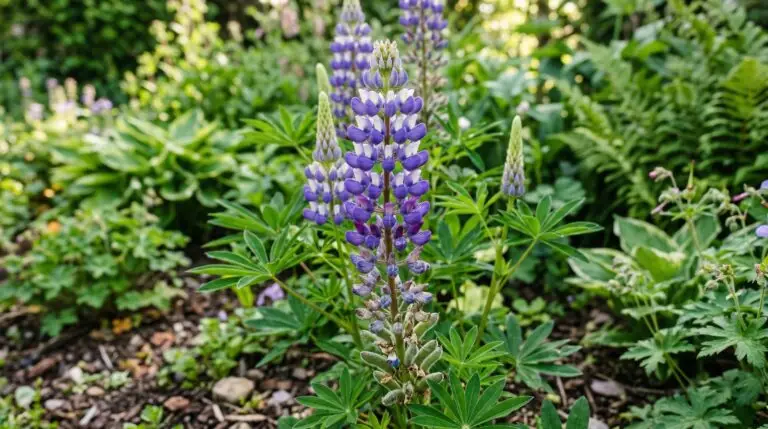
Why lupines die after a few years and how to keep them going through seed saving
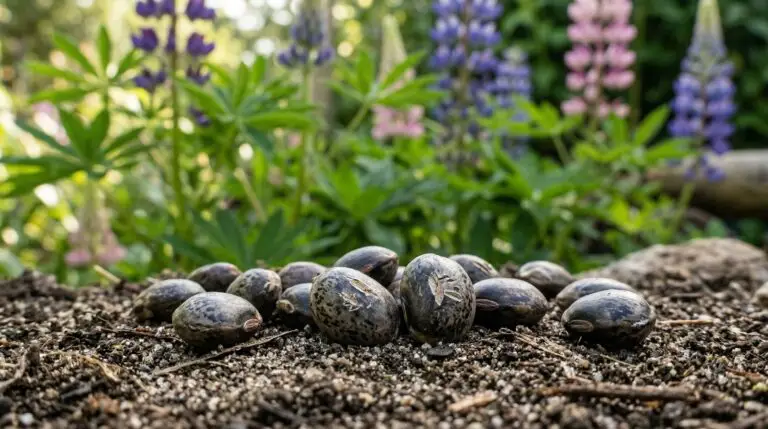
Growing lupines from seed and the scarification trick that unlocks fast germination
How to grow lupines for dramatic flower spires that bring cottage garden magic
Growing lupines in containers for a vertical flower show on patios and doorsteps
Lupine companion plants: what to grow and what to avoid
Lupines in hot climates and the challenge of growing these cool-weather beauties in the south
Lupines as nitrogen fixers that naturally enrich and improve your garden soil
Lupine flower meaning and why these wild spires symbolize imagination and creativity
Enjoying our flower guides? Add YourFlowersGuide as a preferred source on Google. It helps more readers find us.
Add to Preferred Sources