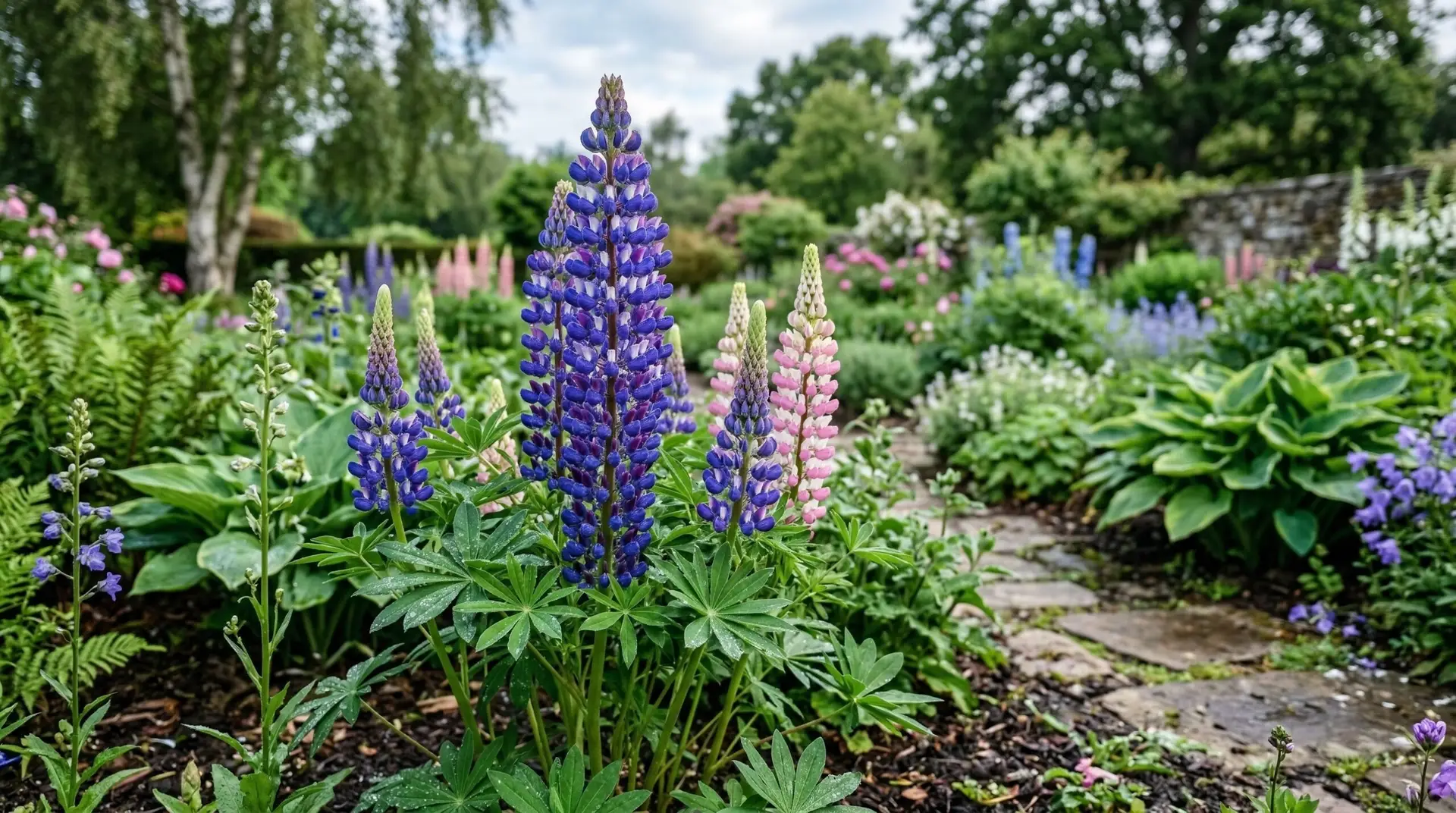
When you have spent enough seasons working with the genus Lupinus, you quickly learn that these plants are as particular about their environment as they are architecturally distinct. While many gardeners picture the famous Russell hybrids pushing up massive spires of color in early summer, achieving that reliable display requires understanding their underlying biology. Lupines are legumes, meaning they share a family tree with peas and beans, and they possess a specialized root system designed for nutrient-poor soils. This deep taproot makes them incredibly resilient in the right conditions, but it also makes them notoriously difficult to move once established. A successful lupin growing guide must begin with the soil and the climate, rather than just the bloom. I have watched countless gardeners struggle with expensive nursery plants simply because they tried to force a cool-weather legume into heavy, hot clay.
Contents 4 sections
Understanding cool climates and soil preferences
The most important factor in growing lupines successfully is recognizing their strong preference for cool maritime or mountainous climates. These plants grow best in regions with cool summer nights and moderate daytime temperatures, often beginning to decline when the heat and humidity of July arrive in warmer zones. If you live in an area where summer temperatures routinely exceed eighty-five degrees, you will need to treat them as early-season biennials or plant them in a location that receives dappled afternoon shade. Soil chemistry is equally important, as lupines demand a slightly acidic environment with a pH ranging between 5.5 and 6.5. Alkaline soils will cause chlorosis, a condition where the foliage turns yellow while the veins remain green, indicating an inability to absorb iron. The soil must also drain rapidly, as the fleshy taproot will rot quickly in winter waterlogged conditions. Amending heavy soils with coarse sand and fine pine bark can help achieve the necessary drainage and acidity levels required for vigorous growth.
Sowing seeds versus planting transplants
Because of their substantial taproot, deciding how to introduce lupines to your garden is a matter of careful timing and method. Direct sowing into the garden bed is generally the most reliable approach, though the hard seed coat requires mechanical scarification to ensure consistent germination. I recommend lightly rubbing the seeds between two sheets of medium-grit sandpaper until the outer layer loses its gloss, followed by a twenty-four-hour soak in room-temperature water. Since lupines are nitrogen-fixing plants, treating the moistened seeds with a specific rhizobium inoculant before planting will encourage the formation of root nodules that convert atmospheric nitrogen into a usable form. If you choose to start seeds indoors or purchase nursery transplants, you must handle the root system with extreme care during the transition to the garden. Plant them out while they are still relatively small, ensuring the central root goes straight down into the planting hole without bending or circling. Disturbing the root ball of a mature plant often leads to immediate wilting and a failure to establish before the heat of summer arrives.
Watering, feeding, and managing the growth cycle
Proper lupine care involves a delicate balance of moisture management and nutrient restraint throughout the active growing season. While the plants need consistent watering during their initial establishment phase and while sending up flower stalks, mature plants are surprisingly drought tolerant. Overwatering is a common mistake that encourages root rot and creates an ideal environment for powdery mildew on the dense foliage. You should avoid applying high-nitrogen fertilizers entirely, as the plants already manufacture their own nitrogen supply through their symbiotic root nodules. Adding synthetic nitrogen will only result in an abundance of weak, floppy leaves at the expense of the rigid flower stalks you are trying to cultivate. Once the primary flowers begin to fade at the base of the spire, you should promptly cut the entire stalk down to the basal foliage. This practice prevents the plant from expending energy on seed production and sometimes encourages a smaller, secondary flush of blooms later in the season.
Designing with structural companions
The tall, structured form of a lupine requires thoughtful placement within the garden border to maximize its visual impact and accommodate its seasonal life cycle. They are technically short-lived perennials, often exhausting themselves after three or four years, so you should plan for continuous succession planting to maintain their presence. Their bold, palmate leaves and vertical flower spikes pair exceptionally well with other classic garden stalwarts that thrive in similar conditions. You might position them alongside Delphinium elatum to create a tiered effect of contrasting vertical forms in the early summer garden. For areas with slightly more shade, planting them near Foxglove provides a transition between the sun-loving border and the woodland edge. As the lupines finish blooming and their foliage begins to look tired in late summer, late-season varieties of Snapdragon can fill the visual gaps left behind. Providing adequate spacing between all these plants is essential, as good air circulation is your best defense against the fungal issues that frequently plague crowded cottage gardens.
To secure a permanent lupine presence in your garden beds, you must embrace their somewhat transient nature and allow a few strong plants to set seed at the end of the season. Let the fuzzy seed pods dry entirely on the stalk until they turn deep brown or black and begin to rattle when tapped. You can then collect these seeds to store over winter or simply let the pods pop open naturally, scattering their contents across the soil surface to germinate the following spring. By combining proper soil preparation with this cycle of natural renewal, you build a self-sustaining colony that will reliably anchor your early summer garden year after year. Focus your efforts on establishing excellent drainage and maintaining soil acidity, and the plants will reward you with decades of dependable growth.
More About Lupine

Wild lupines along American roadsides and meadows and where to see them bloom
Why lupines die after a few years and how to keep them going through seed saving
Growing lupines from seed and the scarification trick that unlocks fast germination
Growing lupines in containers for a vertical flower show on patios and doorsteps

Lupine companion plants: what to grow and what to avoid
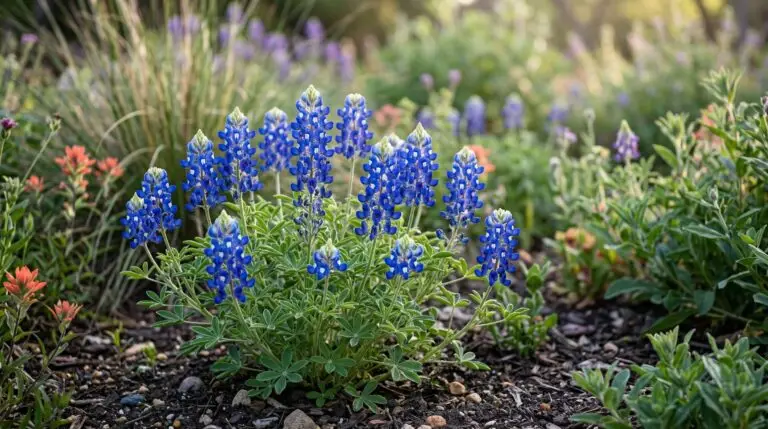
Lupines in hot climates and the challenge of growing these cool-weather beauties in the south
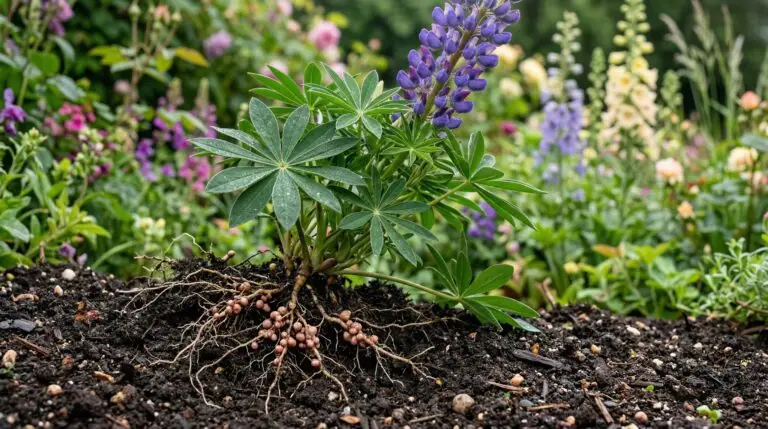
Lupines as nitrogen fixers that naturally enrich and improve your garden soil
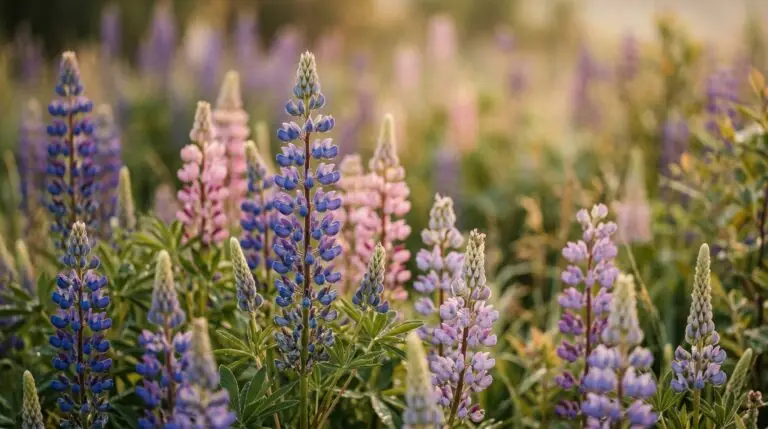
Lupine flower meaning and why these wild spires symbolize imagination and creativity
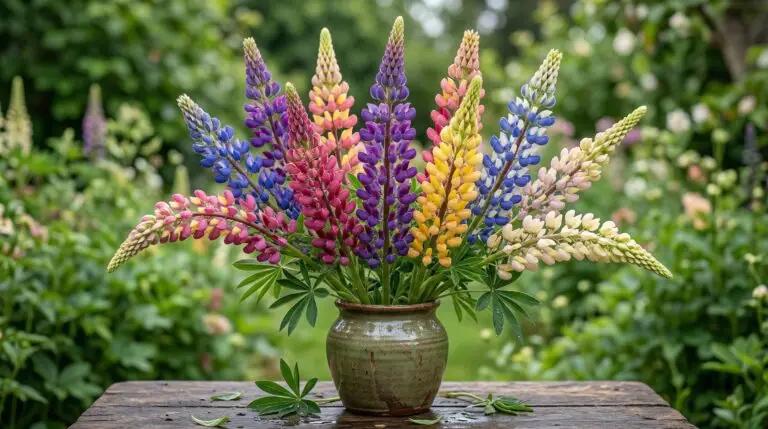
Best lupine varieties from Russell Hybrids to native wild lupines of America
Enjoying our flower guides? Add YourFlowersGuide as a preferred source on Google. It helps more readers find us.
Add to Preferred Sources