
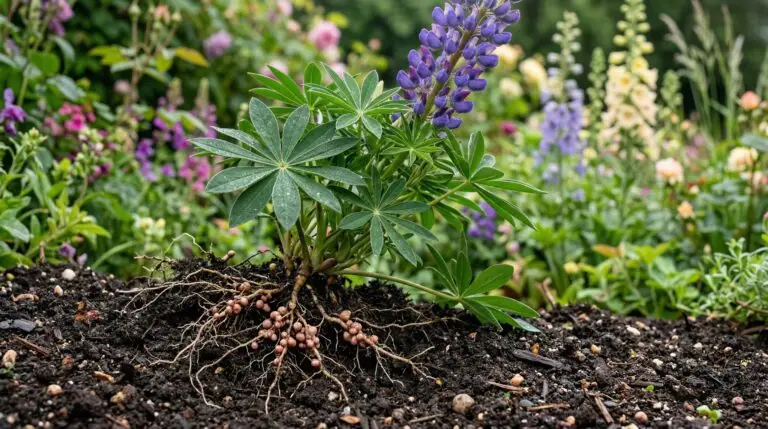
The story of wild lupines begins long before the first colorful spike rises above the grass. In late winter, when the ground is still hard and the morning air bites at your fingers, the seeds lie dormant in the cold soil. These hard little pebbles wait for the exact combination of moisture and shifting temperatures to crack their thick coats. Down in the southern states, this awakening happens while the rest of the country is still shoveling snow. The earth smells sharp and metallic, holding onto the frost even as the sun climbs a fraction higher each day. You cannot see the work happening underground, but the deep taproots of established plants are already drawing up water. They are preparing for the massive expenditure of energy required to push new growth through the crust of the earth.
Contents 3 sections
Spring rains and the first green rosettes
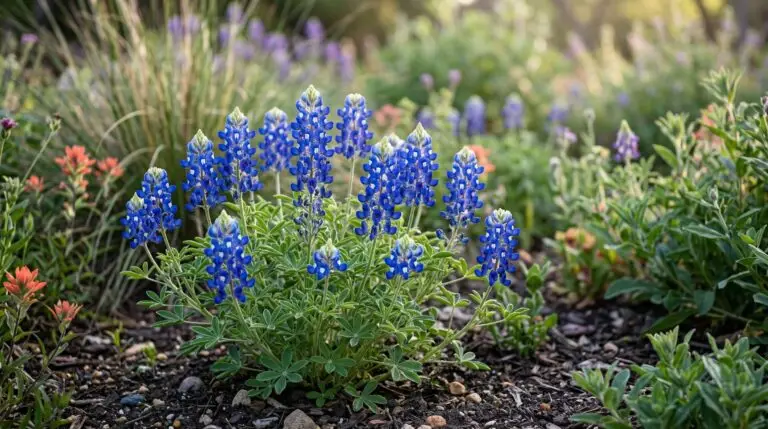
When the spring peepers start their evening chorus in the marshes, the first signs of the lupine wildflower emerge. Tiny green hands push through the soil, opening into the classic palmate leaves that will soon cover entire hillsides. The foliage catches the morning dew, holding perfect spheres of water at the center of each star-shaped leaf. In the Hill Country, this is the season of Texas bluebonnets, a specific type of lupine that blankets the roadsides in deep indigo. The soil warms rapidly here under the southern sun, and the plants respond by sending up thick, fleshy stems. You will notice the local bees returning to the garden, moving sluggishly in the cool mornings before the sun hits the flower beds. Gardeners step carefully around these expanding green rosettes, knowing that the brittle taproots deeply resent any disturbance.
The progression of the bloom moves steadily northward as the days lengthen. While the southern fields begin to fade under the intense May heat, the northern meadows are just waking up. The light changes from the pale yellow of early spring to a rich, direct gold that fuels rapid growth. Stalks elongate almost overnight, reaching up through the surrounding meadow grasses to claim their share of the sun.
Rising stalks and the summer bloom
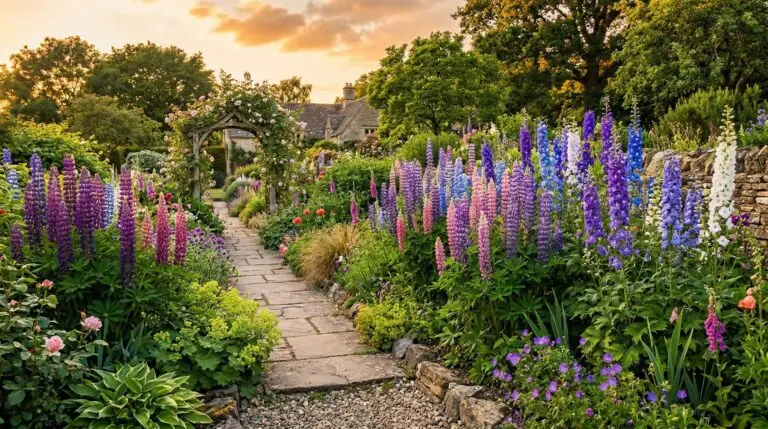
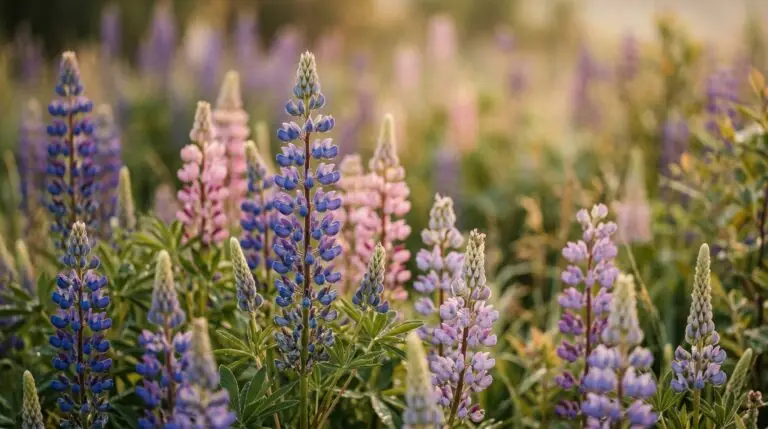
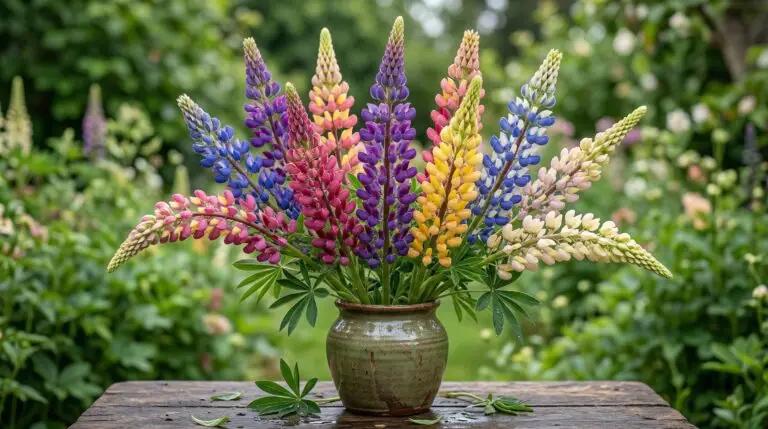
By early summer, the stalks have thickened and the first buds appear as tight green balls stacked neatly along the raceme. These buds swell and begin to show color at the bottom of the stalk first, slowly opening upward over the course of several weeks. In the Pacific Northwest meadows, native wild lupines mix with wild grasses to create oceans of purple and blue that sway in the afternoon winds. Along the rocky edges of the country, Maine coastal lupines put on a similar display, thriving in the sandy, acidic soil where other plants struggle. The flowers open wide to reveal complex structures designed specifically for heavy pollinators like bumblebees. When a bee lands on the lower keel petal, the weight forces the pollen upward, coating the insect entirely. Much like the bright red blooms of a poppy, these towering blue spikes become a primary destination for every foraging insect in the area.
This high summer period is a critical time for specific wildlife that depends entirely on this plant. The endangered Karner blue butterfly relies on the wild sundial lupine as the sole food source for its caterpillars. The adult butterflies flutter low over the pine barrens and sandy clearings, laying their eggs directly on the fuzzy green leaves. As the caterpillars hatch, they chew small, transparent windows into the foliage, a quiet process that sustains their entire life cycle. People travel from all over to witness the peak bloom, engaging in wildflower tourism that brings crowds to the edges of rural highways. They pull their cars onto the gravel shoulders to walk among the tall blue spikes, often finding other native blooms like bright blue cornflowers mixed into the wild edges. The air in these meadows smells sweet and slightly peppery, heavy with pollen and the dry dust of summer dirt.
The peak of the bloom cannot last forever, and soon the lowest flowers on the stalk begin to brown and fall away. The energy of the plant shifts from attracting pollinators to developing the next generation of seeds. The bright blues and purples give way to the pale green of swelling seed pods. The meadow grows quieter as the heavy summer heat settles in and the birds retreat to the shade of the forest edges.
Setting seed as the autumn winds arrive
As August arrives, the lupine wildflower transforms entirely, trading its soft petals for hard, fuzzy pods that look like small edamame. The sun bakes the moisture out of these pods, turning them dark brown and brittle. You can hear the progress of the season on a quiet afternoon, as the drying pods suddenly twist and snap open. This violent twisting action flings the heavy seeds several feet away from the parent plant, ensuring they find new ground to colonize. Gardeners walking through the dry beds will feel the sharp sting of seeds hitting their jeans as they brush past the fading stalks. The thick leaves that caught the spring dew now turn yellow and collapse inward, returning their nutrients to the soil. Much like the heavy heads of a sunflower dropping their harvest to the earth, the lupine has finished its work for the year.
The autumn rains eventually beat the dead stalks flat against the ground, turning the meadow into a mat of decaying organic matter. Frost creeps into the soil, hardening the earth and locking the newly dispersed seeds into their winter beds. The fields that drew thousands of tourists just months ago are now empty and silent under the gray winter sky. Below the frost line, the thick taproot of the perennial wild lupines rests quietly, storing the starches it gathered during the long summer days. The seeds above wait patiently for the abrasive action of freezing and thawing to wear down their hard outer shells. The garden is completely still, stripped of all color and movement. And then, just as the first hard frost blackens the last leaves, the roots below are already storing energy for the next spring.
More About Lupine
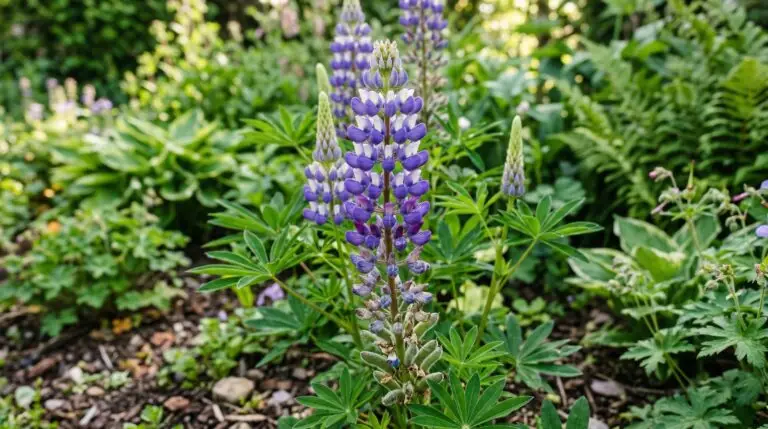
Why lupines die after a few years and how to keep them going through seed saving
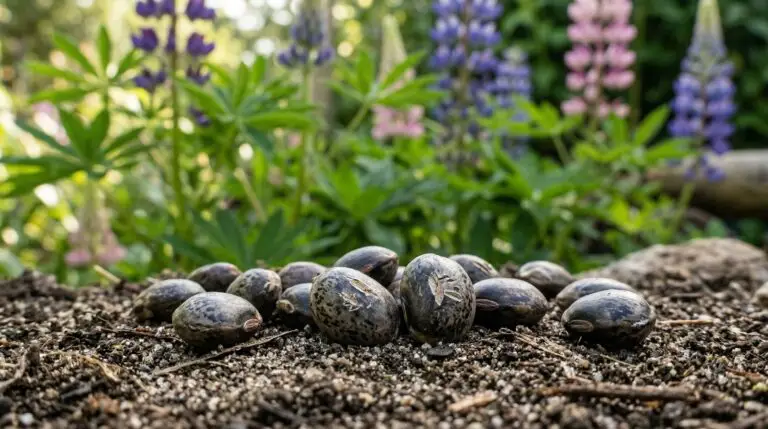
Growing lupines from seed and the scarification trick that unlocks fast germination
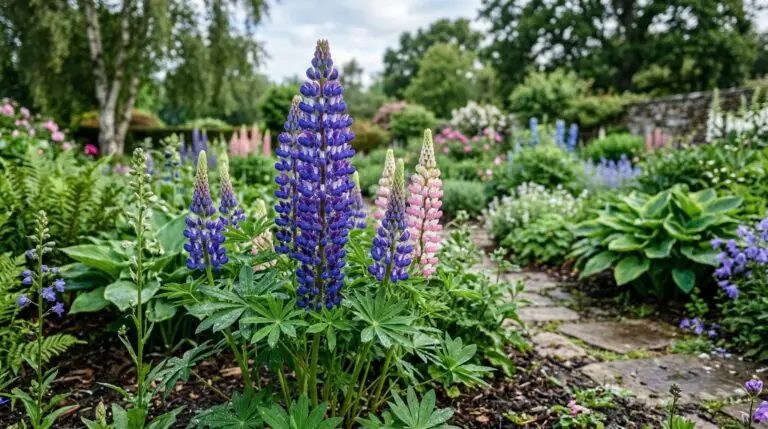
How to grow lupines for dramatic flower spires that bring cottage garden magic
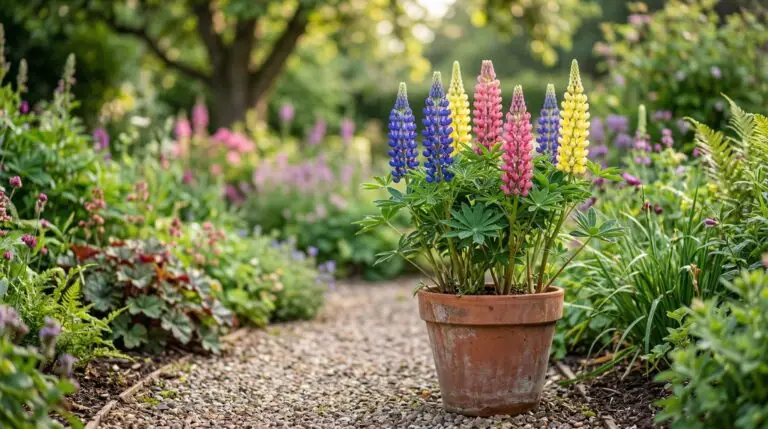
Growing lupines in containers for a vertical flower show on patios and doorsteps
Lupine companion plants: what to grow and what to avoid
Lupines in hot climates and the challenge of growing these cool-weather beauties in the south
Lupines as nitrogen fixers that naturally enrich and improve your garden soil
Lupine flower meaning and why these wild spires symbolize imagination and creativity
Best lupine varieties from Russell Hybrids to native wild lupines of America
Enjoying our flower guides? Add YourFlowersGuide as a preferred source on Google. It helps more readers find us.
Add to Preferred Sources