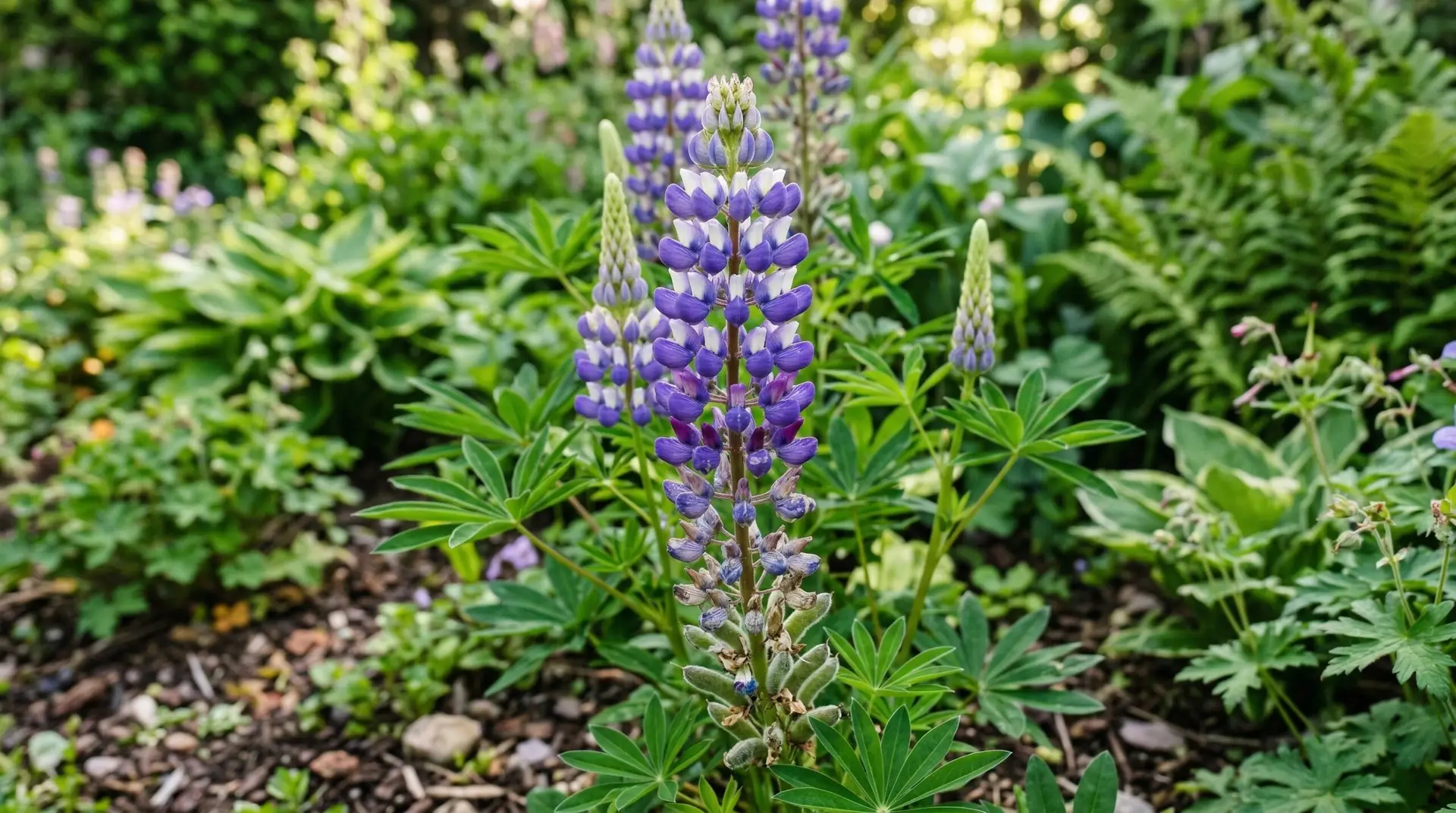
Gardeners often come to me completely baffled when their tall, colorful lupines suddenly disappear from the garden bed. You spend good money on a healthy plant at the nursery, put it in the ground, and enjoy an impressive display of floral spikes for a season or two. Then, without much warning, the plant fails to return the following spring or turns to mush in the middle of summer. This is one of the most common frustrations I hear about, and it usually leads people to wonder what they did wrong. The truth is that you probably did not do anything wrong at all, because the reality of growing these plants is that they are simply not meant to live forever. Lupines are technically classified as short-lived perennials, which means their natural life cycle is often completed in just two to four years. Instead of fighting their biology, the secret to maintaining a permanent stand of these flowers is learning how to manage their environment and harvest their seeds.
Contents 3 sections
The reality of heat stress and short lifespans
Many people assume that a perennial label means a plant will return reliably for decades, but the garden world includes many plants that burn out quickly. Just like a hollyhock or certain varieties of Delphinium elatum, a lupine puts an enormous amount of energy into producing massive flower stalks. This heavy reproductive effort exhausts the plant over time, making a lupine short lived by its very nature. The situation gets much worse when you factor in summer heat and humidity, which are the primary enemies of a healthy plant. These flowers evolved in cool climates with chilly nights, and they despise the muggy, sweltering summers common in many parts of the country. When nighttime temperatures stay high and the air remains thick with moisture, the plant experiences severe physiological stress that causes the foliage to decline rapidly. You will often see the leaves turn yellow and collapse by August, which is a direct response to the heat rather than a sign of underwatering. The best way to mitigate this stress is to plant them where they receive morning sun and afternoon shade, giving them a brief respite from the worst heat of the day.
Solving crown rot and aphid infestations
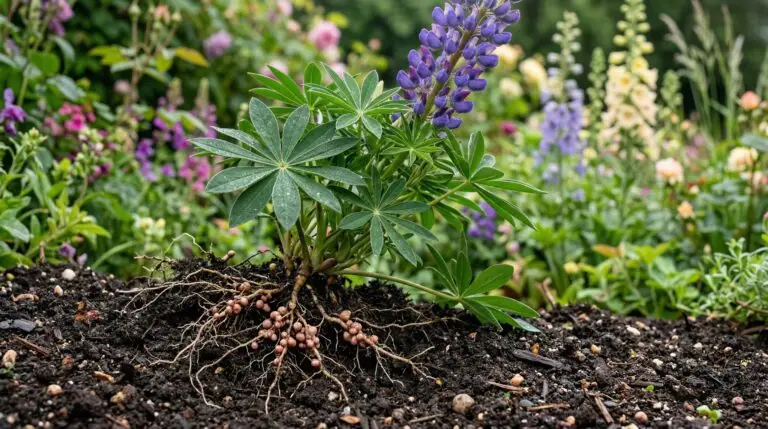
When a gardener tells me their lupine dying happened almost overnight, my first question is always about their soil drainage. Lupines have a deep taproot and a thick, fleshy crown that sits right at the soil surface, making them highly susceptible to fungal diseases in wet conditions. When you plant them in heavy clay or water them too frequently, water pools around the base of the plant and suffocates the roots. This leads directly to crown rot, where the base of the plant turns black and mushy, causing the entire top of the plant to flop over and die. The fix for this is strictly preventive, as you cannot save a plant once crown rot sets in. You must amend heavy soils with coarse sand or gravel before planting, or build raised beds to ensure water drains away from the crown immediately. I always tell my clients to hold off on the mulch around these plants, keeping the soil bare for a few inches around the base to allow for proper air circulation.
Beyond soil issues, you have to watch out for the giant lupine aphid, which is a massive pest that can decimate a healthy plant in a matter of weeks. These pests are much larger than typical garden aphids, and they cluster thickly along the flower stems and the undersides of the leaves to suck sap from the plant. When an aphid infestation goes unnoticed, it drains the plant of vital fluids, causing the flower spikes to become stunted, distorted, and covered in sticky honeydew. The fix is to catch them early before the population explodes across your entire garden bed. Inspect the stems every few days as the flower buds begin to form, and blast any small aphid clusters off the plant with a strong jet of water from your hose. If the infestation is already severe, applying a thorough coating of insecticidal soap directly to the insects will knock them back without leaving harsh residues in your soil. Staying vigilant during the early summer growing season will prevent these pests from weakening your plants and shortening their already brief lifespans.
Perpetuating your plants through seed saving
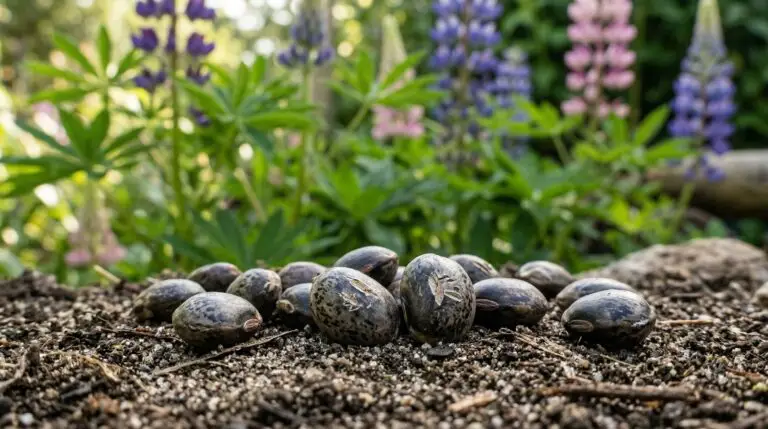
Because you know the mother plant will eventually die, the only practical way to keep these flowers in your garden long-term is to embrace seed saving. Many gardeners make the mistake of deadheading every single spent flower stalk to make the garden look tidy, which robs the plant of its ability to reproduce. To keep your colony going, you need to let at least one or two flower spikes remain on the plant until the fuzzy green seed pods turn brown and dry. When the pods feel crisp and look like they are about to pop open, you can snip the entire stalk off and bring it indoors. Crack the pods open over a bowl to collect the hard, dark seeds inside, and store them in a cool, dry place until you are ready to plant. This simple habit turns a frustrating short-lived perennial into a permanent fixture in your yard, as you will always have a fresh batch of seedlings ready to replace the older plants that fade away.
Getting those collected seeds to sprout requires specific handling because many lupine problems start with poor germination rates. The seeds have an incredibly hard outer coating designed to protect them through harsh winters, which makes it difficult for water to penetrate and trigger sprouting. When you plant them straight into the ground without preparation, they might sit dormant for years before conditions are right for them to grow. The fix is a process called scarification, which simply means you need to break or soften that tough seed coat before planting. You can rub the seeds lightly between two pieces of sandpaper to scratch the surface, or soak them in a bowl of warm water for twenty-four hours until they swell up slightly. Once they are prepped, sow them directly into the garden bed in early spring, as their long taproots make them notoriously difficult to transplant successfully from small nursery pots.
The single most useful piece of advice I can give anyone struggling with these plants is to stop treating them like permanent foundation shrubs and start treating them like a self-sowing colony. Instead of stressing over a dying three-year-old plant, focus your energy on ensuring the next generation has a place to grow. Allow some seeds to drop naturally into the soil around the mother plant each summer, lightly scratching them into the dirt where you want new plants to emerge. By accepting their short lifespans and letting them naturalize in your garden, you create a continuous cycle of fresh, vigorous plants that will bloom beautifully year after year. Gardening becomes much easier when you work with a plant’s natural habits rather than fighting against them, and mastering this cycle is the real secret to growing these tall flowers successfully.
More About Lupine

Wild lupines along American roadsides and meadows and where to see them bloom
Growing lupines from seed and the scarification trick that unlocks fast germination
How to grow lupines for dramatic flower spires that bring cottage garden magic
Growing lupines in containers for a vertical flower show on patios and doorsteps
Lupine companion plants: what to grow and what to avoid
Lupines in hot climates and the challenge of growing these cool-weather beauties in the south
Lupines as nitrogen fixers that naturally enrich and improve your garden soil
Lupine flower meaning and why these wild spires symbolize imagination and creativity
Best lupine varieties from Russell Hybrids to native wild lupines of America
Enjoying our flower guides? Add YourFlowersGuide as a preferred source on Google. It helps more readers find us.
Add to Preferred Sources