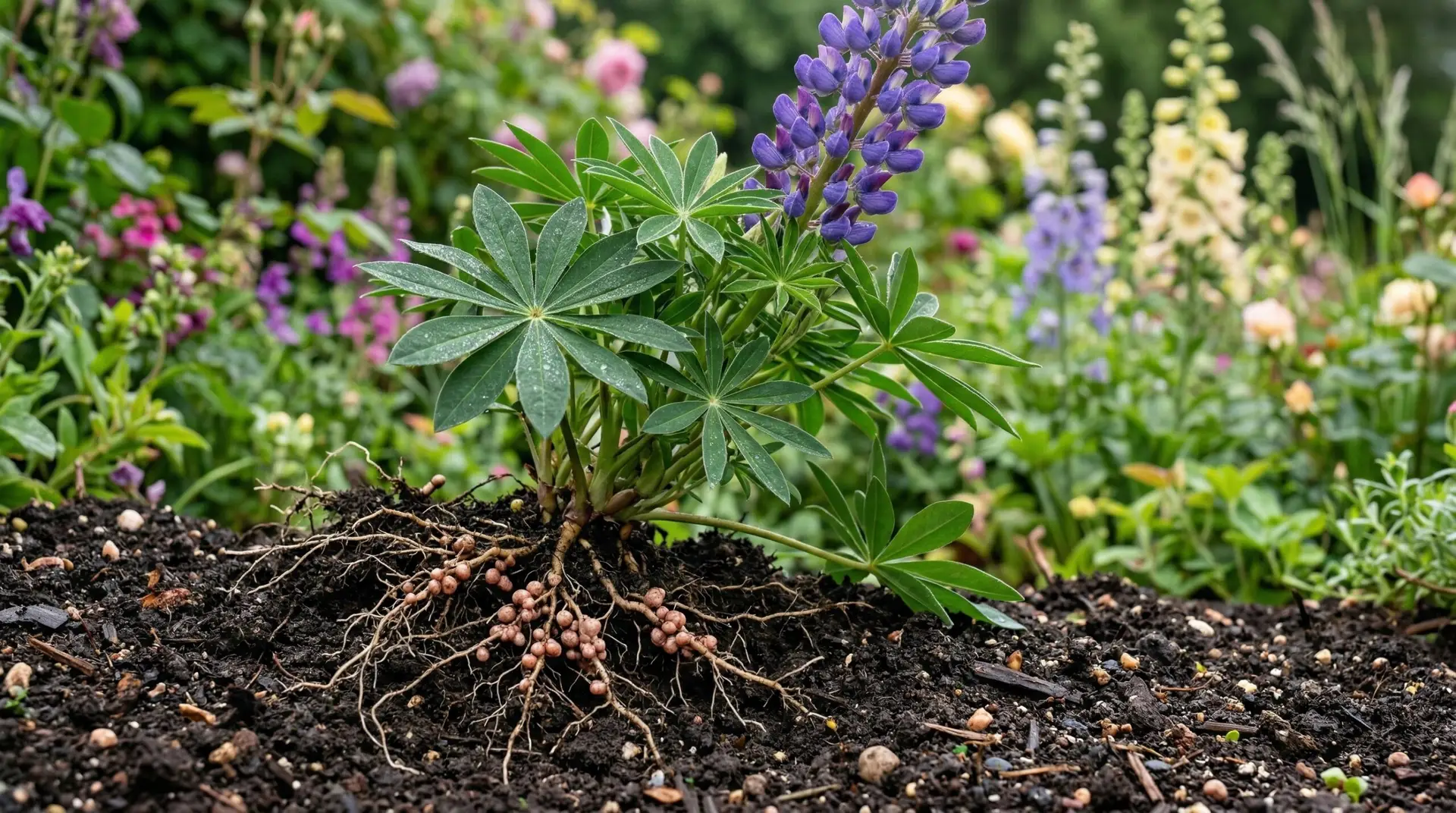
Lupines pull atmospheric nitrogen into the ground and convert it into a usable form for other plants. As members of the legume family, they perform this function through a symbiotic relationship with soil-dwelling bacteria. You do not need to apply synthetic nitrogen fertilizers in beds where lupines grow vigorously. The plants handle their own nutritional requirements while simultaneously building long-term soil fertility. Gardeners often mistakenly believe that any legume will automatically fix nitrogen in any soil environment. The process actually requires specific biological conditions to initiate and sustain the nitrogen exchange. Understanding how this mechanism works allows you to use the lupine nitrogen fixer capability as a reliable tool for soil improvement. Treating these plants as functional infrastructure rather than mere ornamentals changes how you manage your entire garden ecosystem.
Contents 5 sections
The mechanics of nitrogen fixation
The nitrogen fixation process begins when lupine roots secrete specific flavonoids to attract Rhizobium bacteria. The bacteria enter the microscopic root hairs, prompting the plant to form small nodules along its root system. Inside these nodules, the bacteria convert atmospheric nitrogen gas into ammonia, a compound the plant can readily absorb. The plant provides carbohydrates to the bacteria in exchange for this constant supply of usable nitrogen. Despite what many sources claim, a living lupine does not actively pump nitrogen into the surrounding soil to feed neighboring plants. The stored nitrogen remains locked inside the plant tissues and root nodules during active growth. The surrounding soil only benefits after the plant drops its leaves, dies back, or gets cut down. Once the roots and foliage decompose, the accumulated nitrogen finally becomes available to other plants in the bed.
Seed inoculation and soil preparation
Lupines require a specific strain of bacteria, usually Bradyrhizobium lupini, to form nodules successfully. If you plant lupines in soil that has never hosted them before, the necessary bacteria are likely absent. You must treat the seeds with a specific lupine inoculant powder before planting to guarantee nodulation. Moisten the seeds slightly with water, coat them thoroughly in the dark peat-based inoculant, and plant them immediately. Keep the inoculated seeds out of direct sunlight, because ultraviolet rays kill the dormant bacteria quickly. Lupines perform their best soil-building work in poor, sandy, or gravelly soils where other plants struggle to survive. Rich, highly fertile soils discourage the plant from forming nodules because the roots can easily absorb existing nitrogen without expending energy on the bacterial symbiosis. Planting them in degraded soil forces the symbiotic relationship to activate immediately.
Mineral requirements for successful nodulation
Nitrogen fixation demands high amounts of phosphorus and specific trace minerals like molybdenum and iron. If your soil severely lacks phosphorus, the lupine cannot produce the energy required to maintain the bacterial relationship. You should test your soil and apply soft rock phosphate if levels are critically low. Soil pH also dictates the survival of the Rhizobium bacteria and the availability of these necessary minerals. Lupines thrive in slightly acidic soils with a pH between 5.5 and 6.5. Alkaline soils inhibit bacterial growth and cause iron chlorosis in the plant, rendering the nitrogen-fixing mechanism useless. Correcting extreme alkalinity with elemental sulfur months before planting guarantees the soil environment can support the symbiotic process. Monitoring your soil pH keeps the bacteria active throughout the growing season.
Managing water and drainage for root health
The bacterial colonies living on lupine roots require oxygen to survive and fix nitrogen efficiently. Heavy clay soils that remain waterlogged suffocate the Rhizobium bacteria and cause the fleshy taproots to rot. You must plant lupines in fast-draining soil or build raised mounds if your garden naturally holds standing water. Applying a thick layer of coarse wood chips around the base of the plants helps regulate soil moisture without suffocating the root zone. Consistent, moderate moisture keeps the nodules active, but the soil surface must dry out between waterings. Drought conditions force the plant to shed its root nodules to conserve water, temporarily halting the nitrogen-fixing process. Deep, infrequent watering encourages the taproot to drive further into the subsoil, maximizing the physical conditioning of the earth.
Using lupines for long-term soil improvement
Farmers have utilized the lupine legume as a green manure and cover crop for centuries to rehabilitate exhausted fields. The plant develops a thick, powerful taproot that drives deep into compacted subsoil, breaking up hardpan and improving drainage. When the taproot eventually decays, it leaves behind a deep channel of organic matter that allows water and future plant roots to penetrate easily. You can replicate this agricultural practice in a home garden by growing lupines specifically as a chop-and-drop mulch. Cut the foliage down just as the plants begin to flower, which is the exact moment when the root nodules contain their maximum nitrogen load. You can interplant these soil-builders with low-growing ground covers like sweet alyssum to protect the soil surface while the lupines establish their deep root systems. In particularly poor garden beds, pairing lupines with resilient perennials like coreopsis creates a self-sustaining planting scheme that requires zero supplemental fertilizer.
Maximizing the lupine soil improvement benefits requires specific end-of-season management. Never pull a lupine out of the ground by its roots when cleaning up your garden beds in the fall. Yanking the plant removes the nitrogen-dense root nodules from the soil ecosystem entirely, defeating the primary purpose of growing a nitrogen fixer. You must cut the main stem off at ground level using sharp bypass pruners. Leave the entire root system intact beneath the soil surface to decompose naturally over the winter months. The decaying roots will slowly release their stored nitrogen, feeding the soil microbiome and perfectly preparing the bed for next spring.
More About Lupine

Wild lupines along American roadsides and meadows and where to see them bloom

Why lupines die after a few years and how to keep them going through seed saving
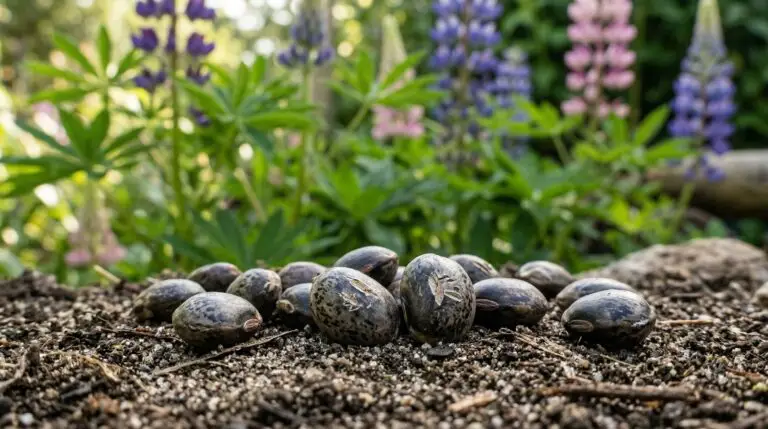
Growing lupines from seed and the scarification trick that unlocks fast germination

How to grow lupines for dramatic flower spires that bring cottage garden magic
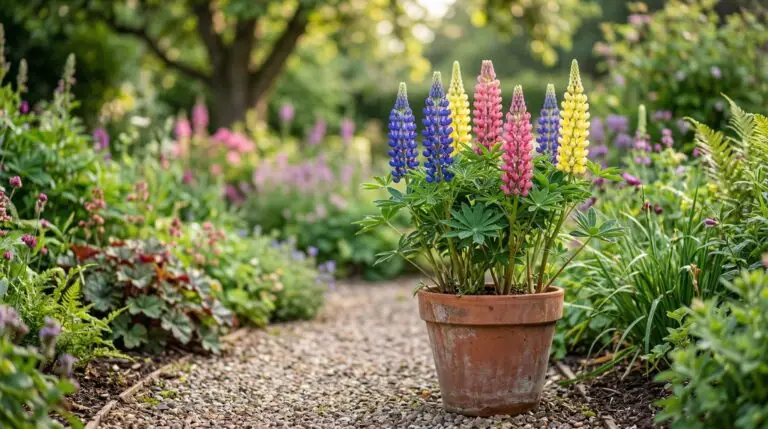
Growing lupines in containers for a vertical flower show on patios and doorsteps

Lupine companion plants: what to grow and what to avoid
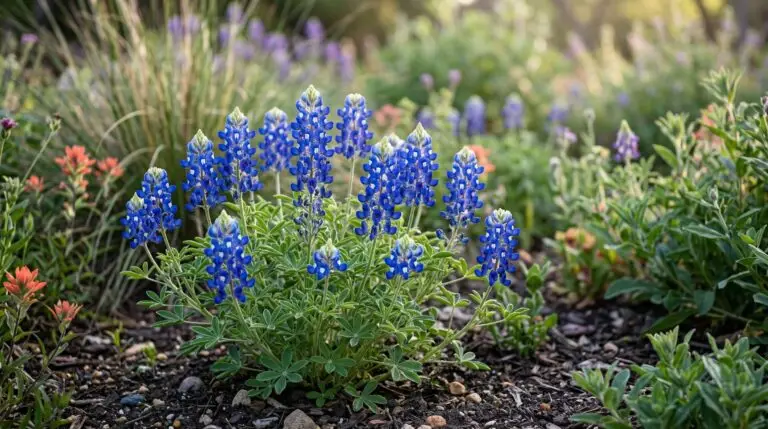
Lupines in hot climates and the challenge of growing these cool-weather beauties in the south

Lupine flower meaning and why these wild spires symbolize imagination and creativity

Best lupine varieties from Russell Hybrids to native wild lupines of America
Enjoying our flower guides? Add YourFlowersGuide as a preferred source on Google. It helps more readers find us.
Add to Preferred Sources