The pairing · pick a flower
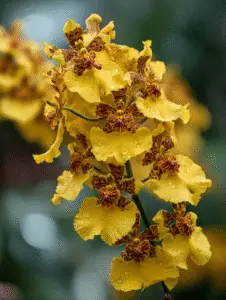 Dancing Lady Orchid+
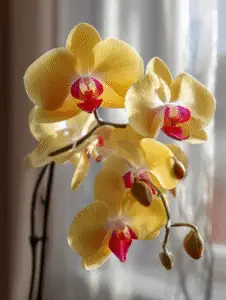 Moth orchidProven
Both grow in the same bark or sphagnum mix on the same soak-then-dry rhythm, though moth orchid tolerates less light, so it takes the dimmer end of the same shelf while Oncidium holds the brighter spot.
Dancing Lady Orchid+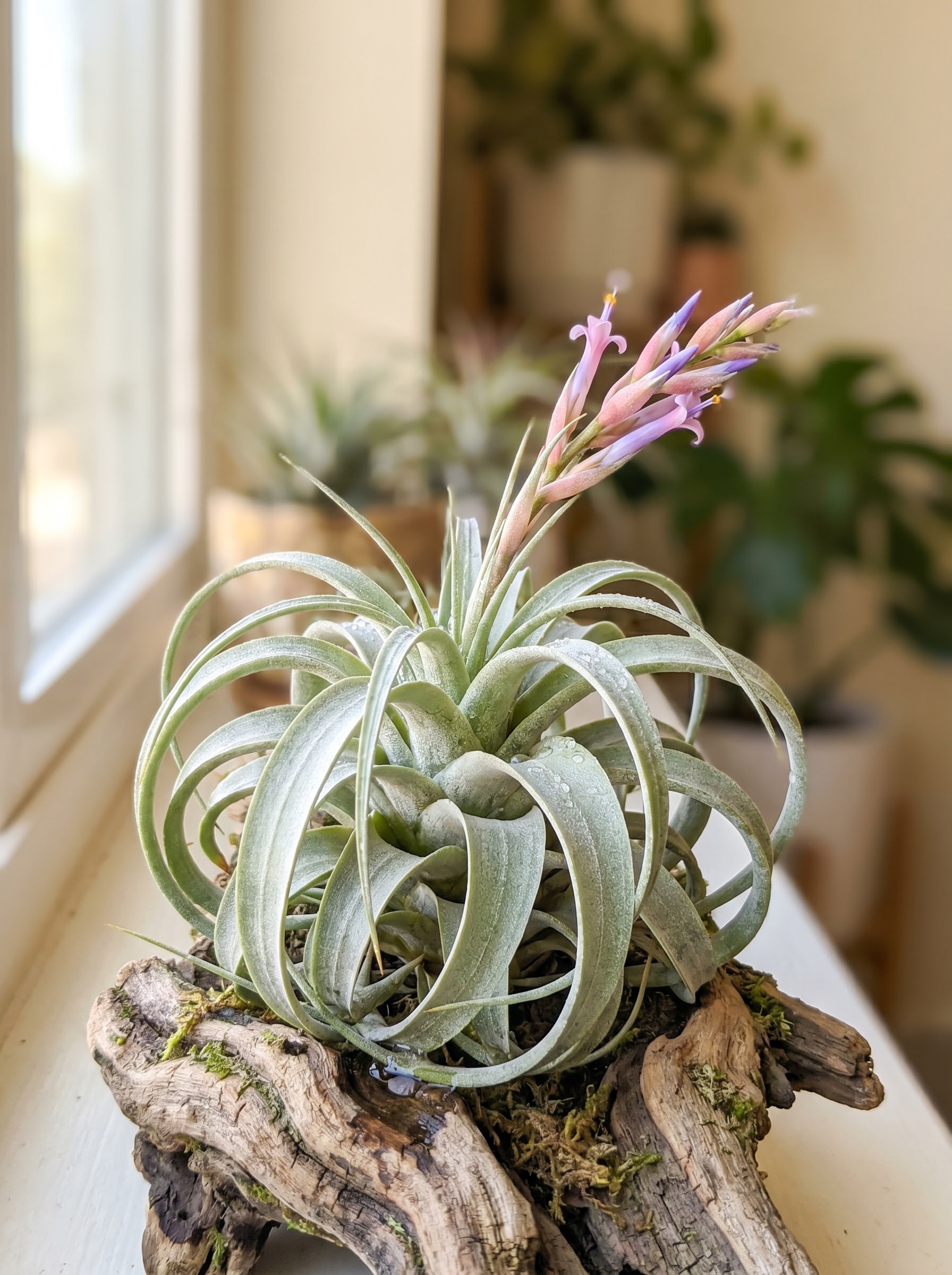 Air plantProven
Tillandsia has no soil-seeking root system at all, so it is the one plant that can genuinely sit in the same decorative bowl or hang on the same mount as an orchid without any risk of a shared, wrong medium.
Dancing Lady Orchid+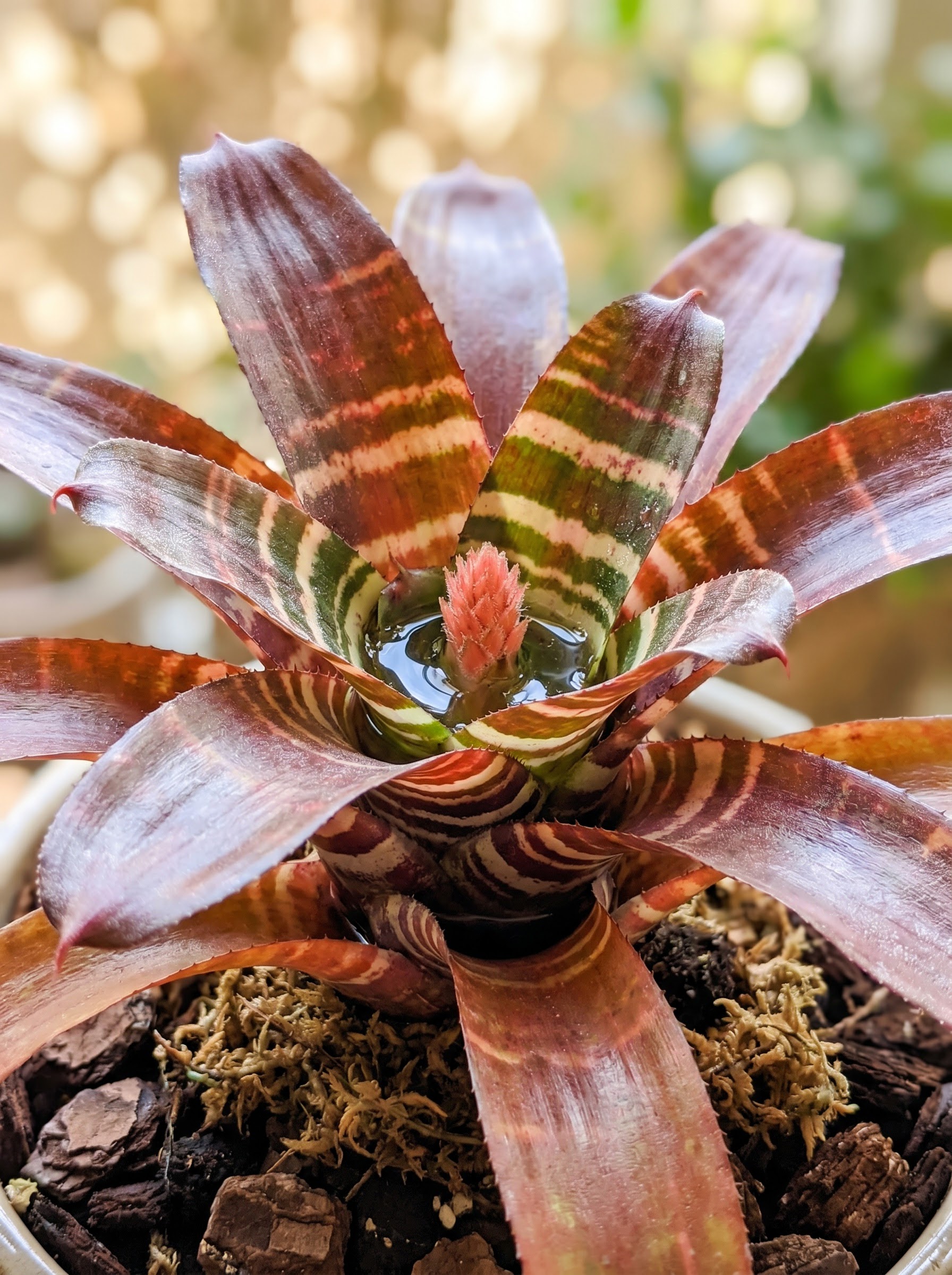 BromeliadProven
Genuinely epiphytic like Oncidium, most bromeliads want the same bright, filtered light and a loose, well-drained mix rather than dense soil, and some kinds grow naturally anchored to tree branches, the same outdoor niche a mounted Oncidium can share in frost-free climates.
Dancing Lady Orchid+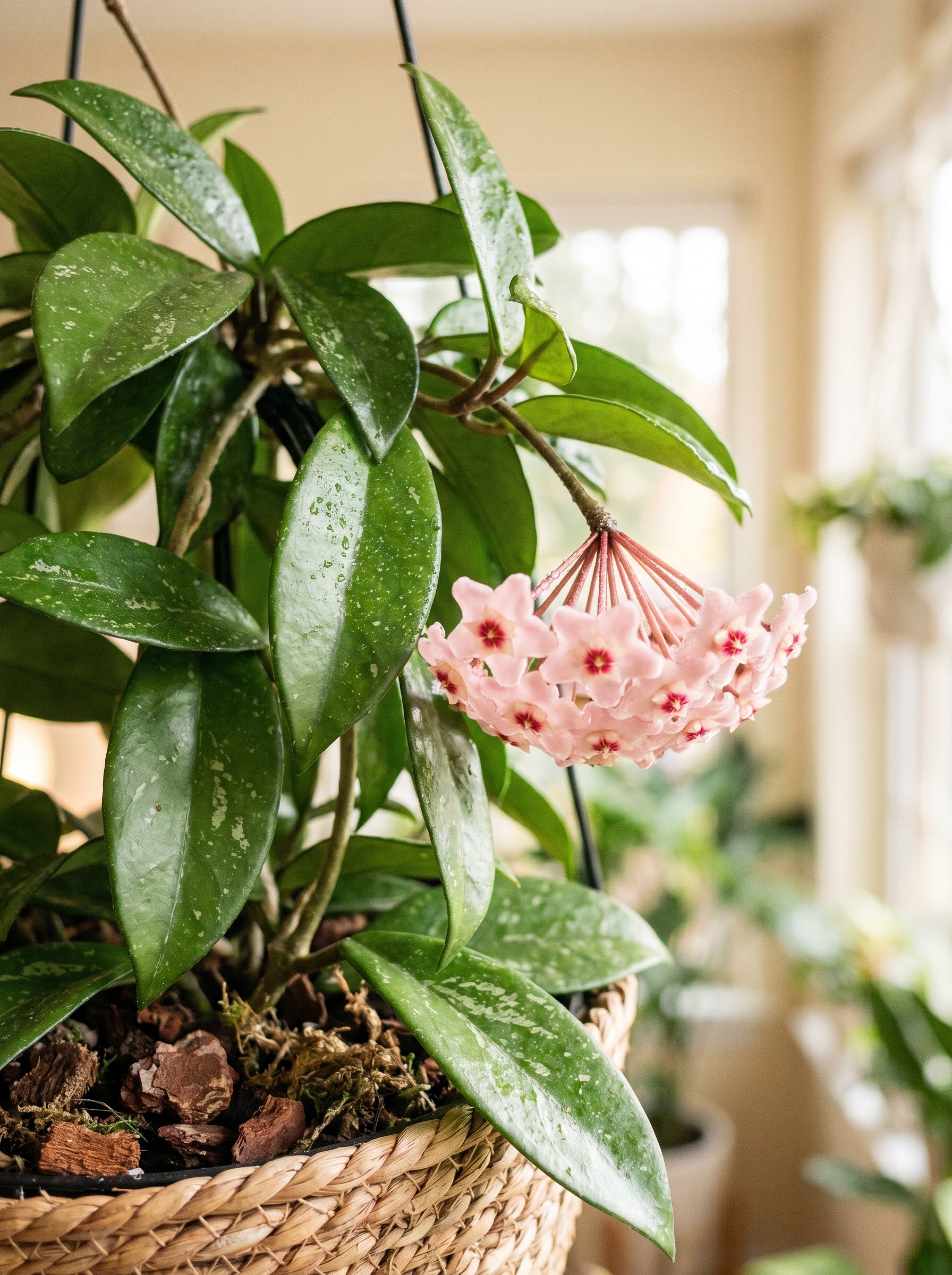 HoyaProven
An epiphytic vine that wants the same bright indirect light and a loose, fast-draining mix, and it is allowed to dry out between waterings much like Oncidium, though its own pot should never blend into the orchid's.
Dancing Lady Orchid+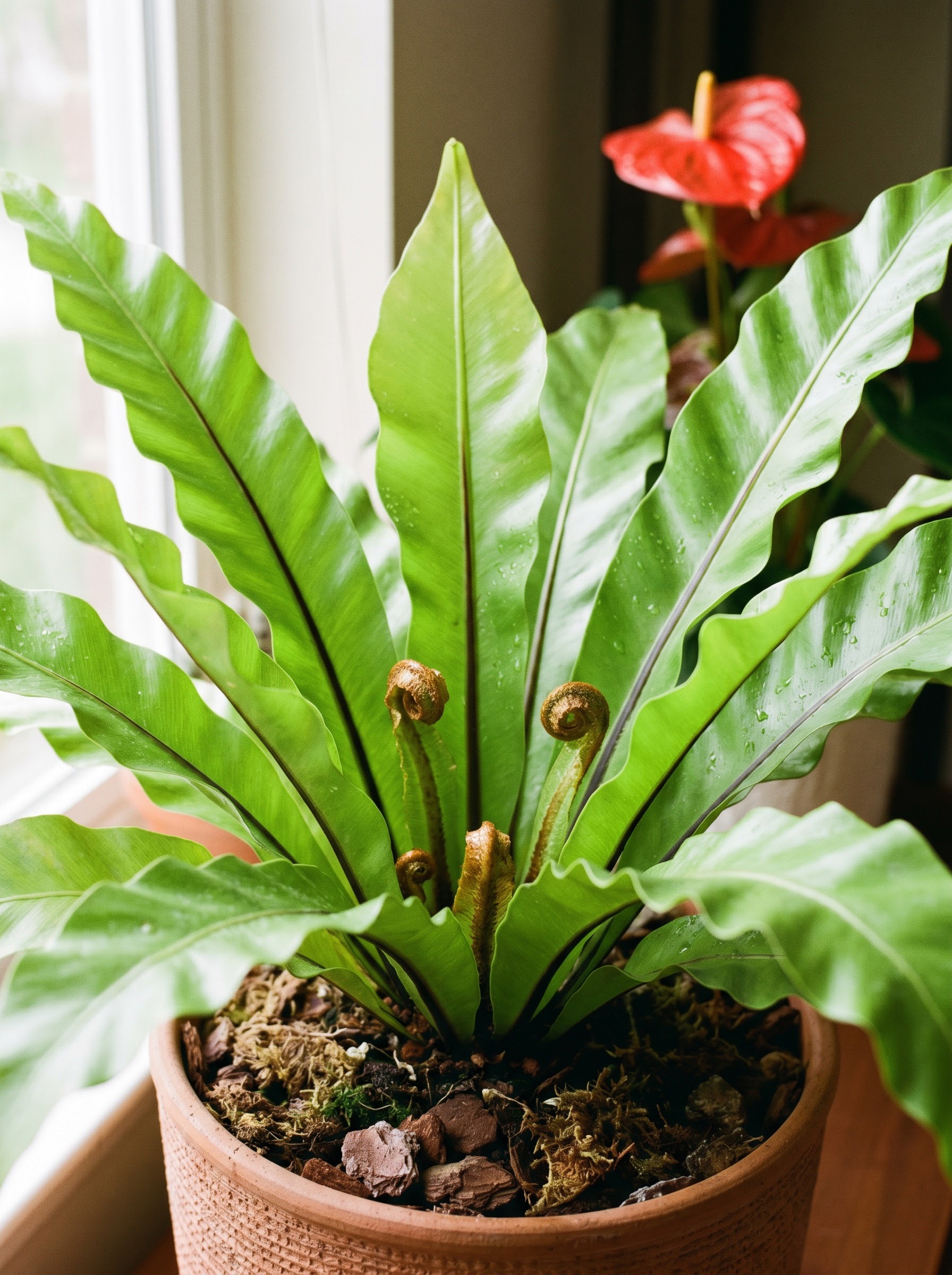 Bird's nestPartial
A true epiphyte that shares Oncidium's bright-indirect, humid, airy display zone, its broad glossy fronds giving a texture contrast that plain foliage ferns in soil cannot offer without their own separate, wetter watering routine.
Dancing Lady Orchid+ LavenderPartial
Lavender wants the same strong light Oncidium does, but it is a dry-soil, low-humidity Mediterranean shrub, so it only works as a same-room shelf-mate in its own high-light, drier spot, never sharing the orchid's humid microclimate.
Dancing Lady Orchid+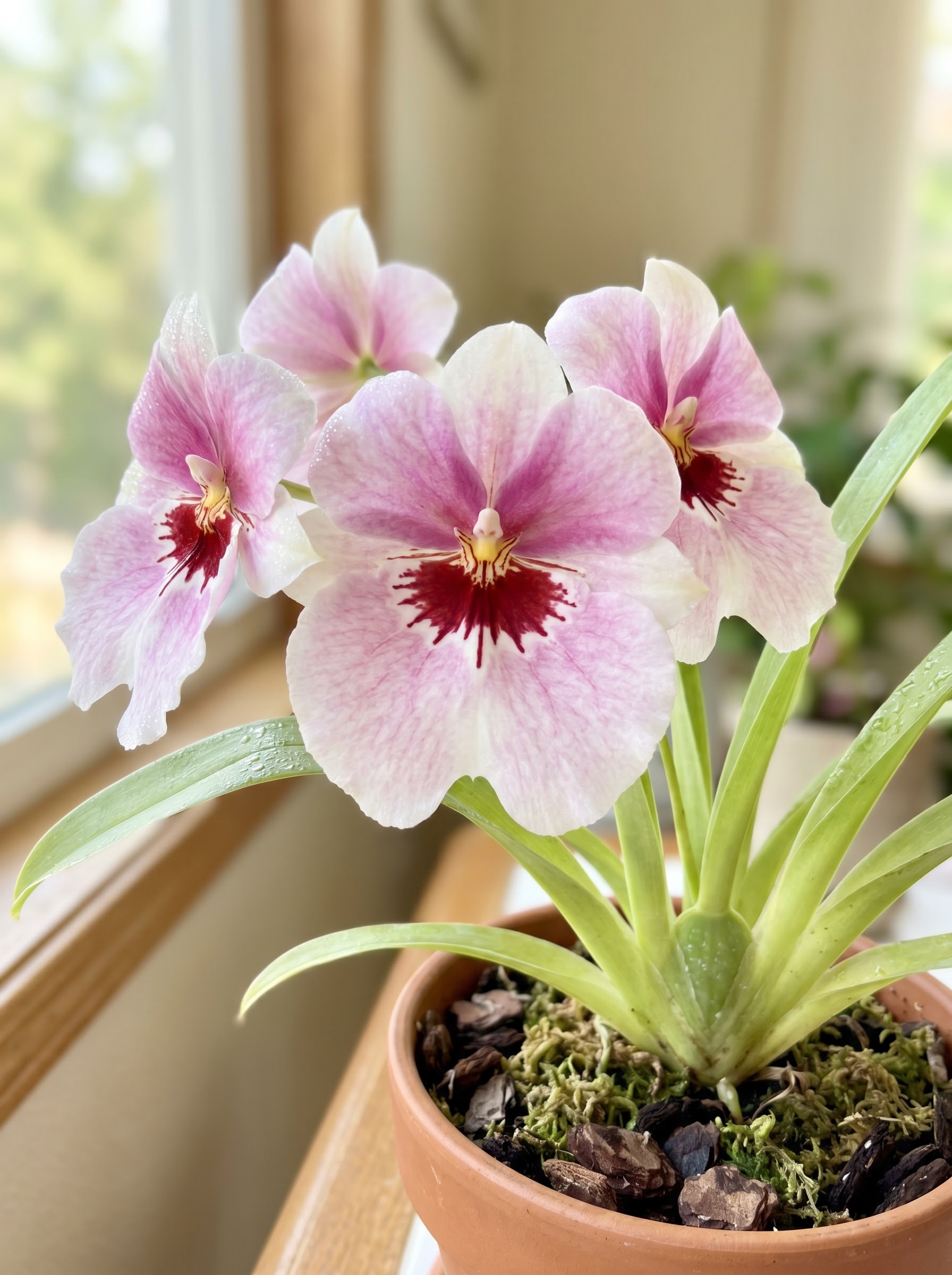 MiltoniopsisProven
A related orchid often grown on the same collector's bench, but it needs cooler nights and humidity of at least 70 percent, well above Oncidium's 30 to 60 percent, so it is a good bench neighbor with its own humidity tray, not a tight match.
Dancing Lady Orchid+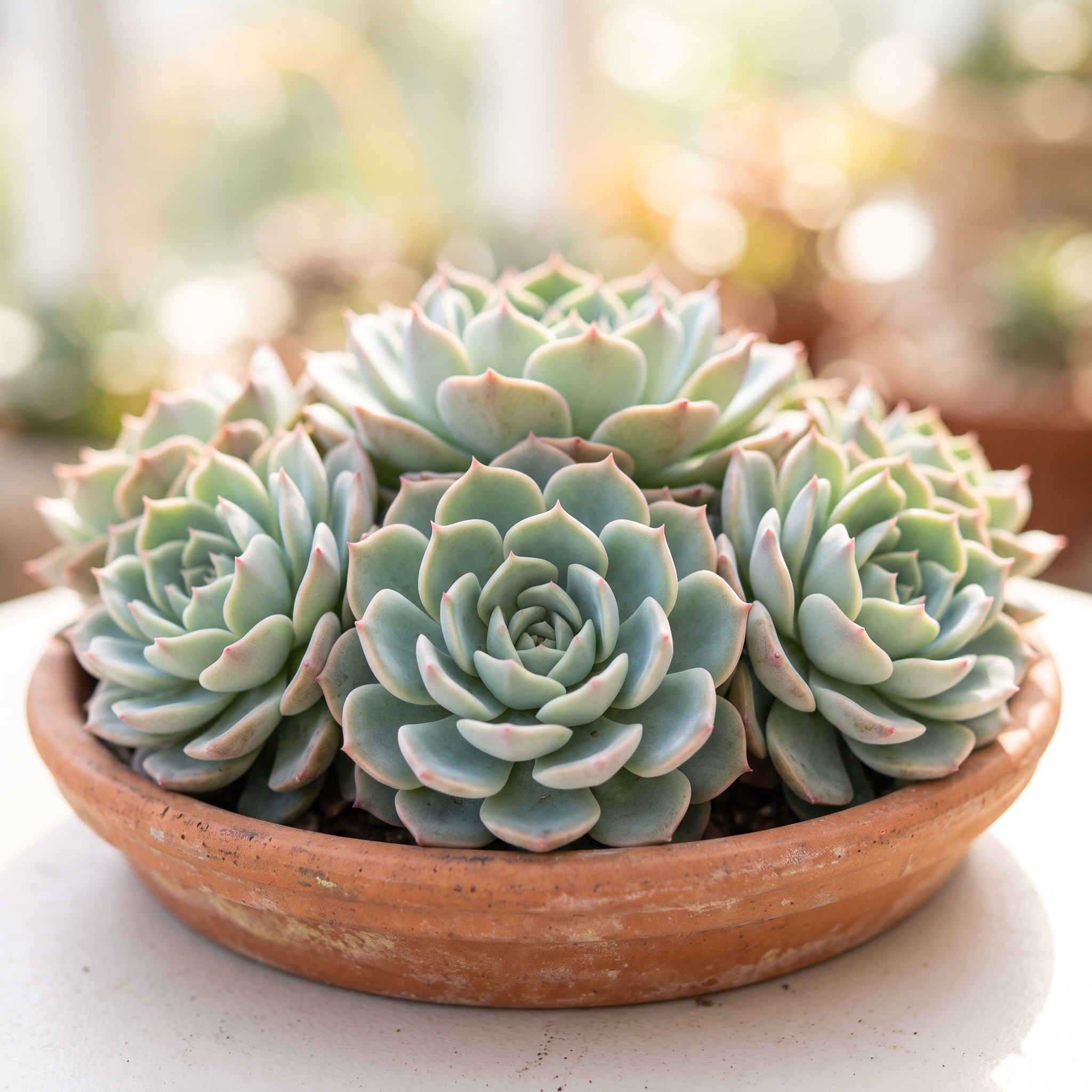 SucculentsFolklore
Succulents and Oncidium can share the same sunny room, since both want strong light, but their watering needs sit at opposite ends of the scale, so the pairing only holds up when each stays in its own pot on its own dry or humid side of the sill.
All Oncidium orchids companions
8 flower companions, best match first
What not to plant near Oncidium orchids
Most bad neighbours are not evil, they just want the opposite light, water or root run. Here is what to keep away, and what to do instead.
Any plant potted in the same container, sharing Oncidium's growing medium
Two root systems in one pot mean one plant is always watered wrong. Oncidium's fine epiphytic roots want plenty of air and a dry-down between waterings, and any companion adapted to a moisture-retentive medium keeps that medium wetter than the orchid's roots can tolerate, inviting rot.
Regular potting soil or garden soil as the growing medium
Ordinary soil is too dense for a plant built to grow in open air. It packs down in a pot, holds water in its small pore spaces, and starves epiphytic roots of the air movement they depend on, a direct route to root rot even without any second plant involved.
Crowded pots with leaves touching neighboring plants
Scale insects spread from plant to plant when pots are crowded together and crawlers can walk or drift between touching leaves, and the same stagnant air that lets scale travel also raises the odds of fungal leaf spotting.
Ripening fruit or a fruit bowl near a blooming spike
Ripening apples, pears, bananas, and other high-ethylene produce release a gas that orchids are unusually sensitive to, and it is a documented cause of premature bud drop, even when the fruit is sitting several feet away on the same counter.
Direct, unfiltered afternoon sun through south- or west-facing glass
Oncidium wants bright light but not a magnifying-glass blast of hot midday sun through unshaded glass, which scorches the leaves into tan, bleached patches that never green back up.
Cut flower vase water splashing into the orchid's bark mix
Sugary vase water from a nearby bouquet spilling into Oncidium's bark mix is a plausible way to feed rot-causing organisms in the medium, though this is closer to general tidiness advice than a specific, independently confirmed finding.
The best companions for the dancing lady orchid, explained
Oncidium is grown almost entirely as a potted or mounted houseplant, so a companion is not a bed neighbor, it is a shelf-mate: something separately potted that shares the same bright, filtered light and moderate humidity. The tightest match on any windowsill is moth orchid, because both grow in the same bark or sphagnum mix on the same soak-then-dry rhythm, confirmed side by side in the American Orchid Society’s own culture sheets for each genus. Moth orchid tolerates less light than Oncidium does, so the practical grouping puts Phalaenopsis a few inches back from the glass while Oncidium takes the brighter spot, and the two bloom forms read as a real contrast, moth orchid’s flat, long-lasting faces against Oncidium’s smaller, branching sprays that often carry yellow, brown, or red-spotted markings.
Air plants and bromeliads earn their place for a more literal reason: neither has a soil-seeking root system the way most houseplants do. Tillandsia absorbs what it needs through its leaves, confirmed by University of Vermont Extension’s own guidance on growing it entirely without soil, which makes it the one plant that can genuinely sit loose in the same decorative bowl as an orchid without any risk of a shared, wrong medium. Bromeliads follow similar logic at a larger scale, since UF/IFAS names them as true epiphytes that prefer bright, filtered light and a loose, well-drained mix over dense soil, with some kinds naturally anchored to tree branches in the wild, the same outdoor niche a mounted Oncidium can share with them in frost-free climates. Hoya and bird’s nest fern round out the tightest tier, an epiphytic vine and a broad-fronded epiphyte respectively that both want the same bright-indirect, humid, airy display zone Oncidium does, each contributing texture (Hoya’s trailing waxy stems, the fern’s glossy rosette) rather than competing for the same visual space.
The design technique that solves the biggest temptation, a mixed dish garden or moss bowl with everything jammed into one pot, is nesting individually potted plants inside one attractive outer container, sometimes called a cachepot or pot-within-a-pot arrangement. Fine Gardening documents this exact method for combining plants with different watering needs: each plant keeps its own liner pot and its own correct medium, and only the outer shell is shared, so the look of a mixed planting survives contact with reality. Lavender and succulents can round out a bright display room on the same logic, sharing Oncidium’s light appetite without ever sharing its pot, though both want a drier, less humid corner than the orchid’s own spot, a caveat worth knowing before assuming light alone makes a good companion.
What not to plant near the dancing lady orchid
The single most common and most consequential mistake is potting Oncidium in the same container as anything that wants a moisture-retentive medium, whether that is regular houseplant soil, a soil-grown fern, or a moss-and-soil dish-garden mix. Clemson Cooperative Extension is direct about the underlying mechanism for the orchid’s own roots: a bark mix ensures plenty of air reaches them, while a medium that stays wet invites rot, which is a documented route to root failure even before a second plant enters the picture. University of Maryland Extension explains why ordinary soil specifically fails that test in a container: soil packs down, holds water in its small pore spaces, and can drown roots that need open air movement around them. Add a companion with different watering needs into that same shared medium and the problem compounds, since two root systems now want opposite watering rhythms from the same soggy or dry pocket of soil, and the orchid, built for a wet-then-dry cycle in fast-draining bark, is the one that rots first.
Crowding is the second real avoid, and it is not just an aesthetic complaint. The American Orchid Society states plainly that scale insects spread from plant to plant when pots sit crowded together and crawlers can move between touching leaves, and the same still, humid air that lets pests travel also raises the odds of fungal leaf spotting settling in. Six to eight inches of clear space between Oncidium and its neighbors, plus a small fan on low if the display sits in a still corner, is the entire fix, and it costs nothing but a slightly wider shelf.
A less obvious avoid, and one that surprises people because it has nothing to do with another plant at all, is a fruit bowl. Ripening apples, pears, bananas, and similar produce release ethylene gas, and the American Orchid Society names ethylene directly as a cause of premature bud drop on orchids, a sensitivity that shows up even when the fruit sits several feet away on the same kitchen counter. Direct, unfiltered afternoon sun through south- or west-facing glass belongs on this list too, since it scorches Oncidium’s leaves into tan, bleached patches that never green back up, a basic light-physiology problem rather than a plant-pairing one. A softer, less certain note worth naming honestly: some sources suggest sugary vase water from a nearby cut-flower bouquet can splash into the bark mix and feed rot organisms there, a plausible mechanism but one that reads closer to general tidiness advice than an independently confirmed finding, so it earns a light caveat here rather than a headline warning.
Do they like the same conditions?
Every companion on this page gets tested against the same profile: bright, indirect-to-filtered light, with most Oncidium types tolerating one to five hours of direct morning sun; a growing medium that dries at least halfway between waterings; and humidity in the 30 to 60 percent range, confirmed by the American Orchid Society’s own Oncidium culture sheet. That range sits lower than many popular houseplant pairings assume. Miltoniopsis, a close relative often grown on the same collector’s bench, needs at least 70 percent humidity and cooler nights, well above what Oncidium wants, so the honest call is a good bench neighbor with its own humidity tray, not a tight match despite sharing an alliance name and a similar bloom shape, a reminder that even within the wider orchid family, culture sheets can diverge more than a shared name suggests. Lavender presents a version of the same gap from the other direction: it wants Oncidium’s bright light but not its humid microclimate, since lavender is a dry-soil, low-humidity Mediterranean shrub at heart, so the pairing only works as a same-room shelf-mate in its own drier, sunnier corner.
The myth worth busting directly is that a shared light appetite means a shared pot is fine. Succulents and Oncidium genuinely can share a bright windowsill, both wanting strong light, but their watering needs sit at opposite ends of the scale, and no amount of careful spacing changes that fact if they end up in the same tray catching the same runoff. This is the honest version of the popular "orchid and succulent" pairing people search for: real on light, false on everything involving water or medium, and the fix is simply keeping each in its own pot on its own side of the sill rather than avoiding the pairing altogether.
How to plant them together
Nothing here should share Oncidium’s actual pot, full stop; every grouping on this page is a matter of arranging separately potted plants close enough to read as one display. Start with the tightest matches, moth orchid, air plants, and bromeliads, and give each its own pot on the same shelf, tray, or hanging arrangement, spaced six to eight inches apart so leaves stay clear of each other and airflow keeps moving. Hoya and bird’s nest fern slot in the same way, one trailing from a hook above the grouping, the other anchoring a lower shelf where its broader shade tolerance suits a slightly dimmer spot.
For the mixed-bowl look that draws so many people to search for orchid companions in the first place, use the nested cachepot method: drop each plant’s own nursery pot, bark medium and all, into one larger decorative outer container or moss-lined basket, then arrange by height so the display reads as a single grouping. Nothing about the outer container should ever touch standing water, since a cachepot with no drainage hole will happily drown every liner pot sitting inside it if watering is not done carefully, lifting each liner out to drain fully before setting it back. Lavender and succulents, if included, stay physically separate from the humid core of the grouping, their own pots on the driest, sunniest end of the same room rather than tucked into the same tray.
Does companion planting actually work for the dancing lady orchid?
Genuinely, yes, once the claim gets specific rather than decorative. The shared-conditions case for moth orchid, air plants, bromeliads, and Hoya is about as solid as this kind of claim gets, backed independently by the American Orchid Society’s own culture sheets for each genus and by UF/IFAS and University of Vermont Extension guidance on epiphytic growth generally, all arrived at through each source’s own care research rather than a companion-planting angle applied after the fact. The overcrowding-spreads-pests mechanism is equally well documented, stated plainly by the American Orchid Society’s own scale-insect page rather than inferred. The ethylene warning is real too, and it is the one avoid on this page that surprises people the most, since it has nothing to do with a plant neighbor at all.
Where the evidence runs thinner is anything framed as a same-pot recommendation. No source found here supports mixing Oncidium’s roots with a soil-grown companion’s roots in one container, and the popular photographs of orchids nestled into moss-and-fern dish gardens are almost always staged for a shoot rather than built to last, which is exactly why the cachepot technique exists as the honest middle ground. The cut-flower vase water caution stays labeled folklore rather than fact, since it is plausible but not independently confirmed. Match the light and humidity first, keep every root system in its own pot, and the rest of what people call companion planting for this orchid mostly takes care of itself.
FAQ
Can I put another plant in the same pot as my Oncidium orchid?
No, not as a rule. Oncidium’s fine, moisture-sensitive roots want a fast-draining bark or sphagnum mix that dries out between waterings, and almost any rooted companion wants a wetter, more moisture-retentive medium, so sharing one pot means one plant is always being watered wrong. The safer version of the mixed-bowl look nests separate liner pots inside one outer container instead.
What can I display near my Oncidium orchid?
Moth orchid, air plants, bromeliads, Hoya, and bird’s nest fern all share Oncidium’s bright, indirect light and moderate humidity closely enough to make good shelf-mates, as long as each stays in its own pot. Lavender and succulents can join the same bright room too, but they want a drier corner rather than the orchid’s own humid spot.
Does fruit really hurt orchid blooms?
Yes. Ripening fruit releases ethylene gas, and the American Orchid Society names it directly as a cause of premature bud drop on orchids, a real sensitivity rather than an old wives’ tale. Keeping a blooming Oncidium a room away from the fruit bowl is a simple, low-cost precaution.
Can I grow orchids and succulents together?
Only on the same windowsill, not in the same pot or tray. Both like strong light, but succulents want to dry out completely while Oncidium wants a scheduled soak-and-dry cycle in a very different medium, so the pairing works only when each stays in its own container on its own side of the room.
Is the dancing lady orchid safe to display near cats and dogs?
Yes. The ASPCA lists Oncidium, sold under names including Dancing Doll Orchid, as non-toxic to dogs, cats, and horses, which means the safety questions worth asking are about the display itself, a wobbly shelf or a tempting hanging basket, rather than the plant’s toxicity. For the rest of a mixed houseplant shelf, flowers safe to keep around cats and dogs is worth a look before adding more plants to the same grouping.
Can Oncidium and Phalaenopsis share a windowsill?
Yes, and it is one of the strongest pairings on this page, since both grow in the same bark or sphagnum medium on the same soak-then-dry rhythm. Give moth orchid the slightly dimmer end of the sill, since it tolerates less direct light than Oncidium prefers.
Sources
- American Orchid Society, Oncidium Culture Sheet
- American Orchid Society, Scale
- American Orchid Society, What’s Wrong With My Orchid?
- American Orchid Society, Miltoniopsis Culture Sheet
- Clemson Cooperative Extension (HGIC), Repotting Your Orchid
- University of Maryland Extension, Growing Media (Potting Soil) for Containers
- University of Vermont Extension, Tillandsia: The Captivating World of Soil-Less Air Plants
- UF/IFAS Gardening Solutions, Bromeliads
- NC State Extension Gardener Plant Toolbox, Hoya carnosa
- NC State Extension Gardener Plant Toolbox, Asplenium nidus