The pairing · pick a flower
 Coreopsis+
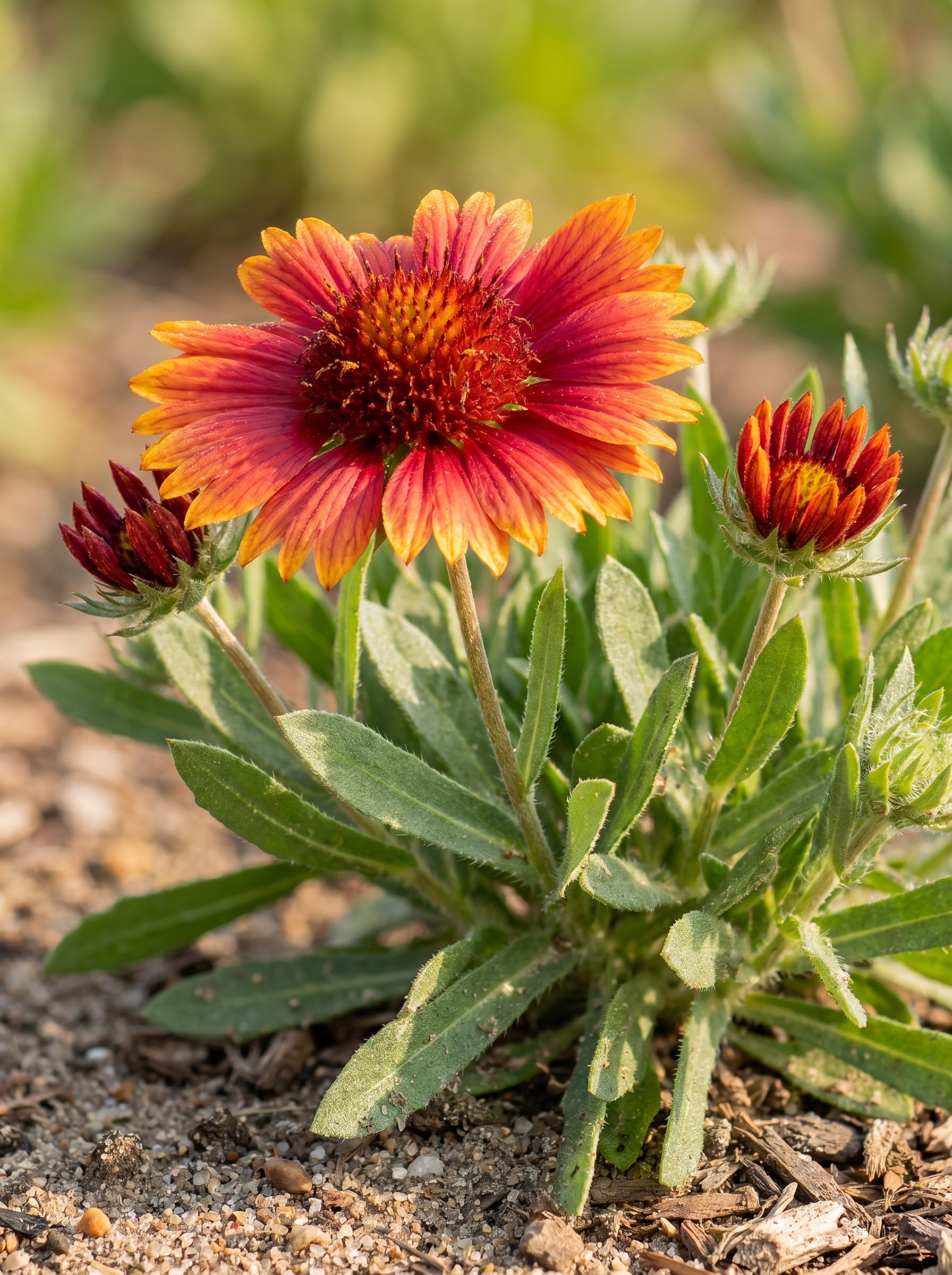 Blanket flowerPartial
The closest match on the list: the same hot, dry, poor-soil tolerance and the same open daisy form, so the two share a bed without either one sulking or needing extra care.
Coreopsis+ ConeflowerProven
Coarse, upright coneflower holds its blooms above coreopsis's airy mounds, and both are prairie natives sharing the same lean, dry conditions and long summer bloom.
Coreopsis+ Black-eyed SusanPartial
Both are workhorse prairie natives in the same warm gold color family with the same lean-soil, full-sun tolerance, and Rudbeckia's seed heads carry interest past coreopsis's peak.
Coreopsis+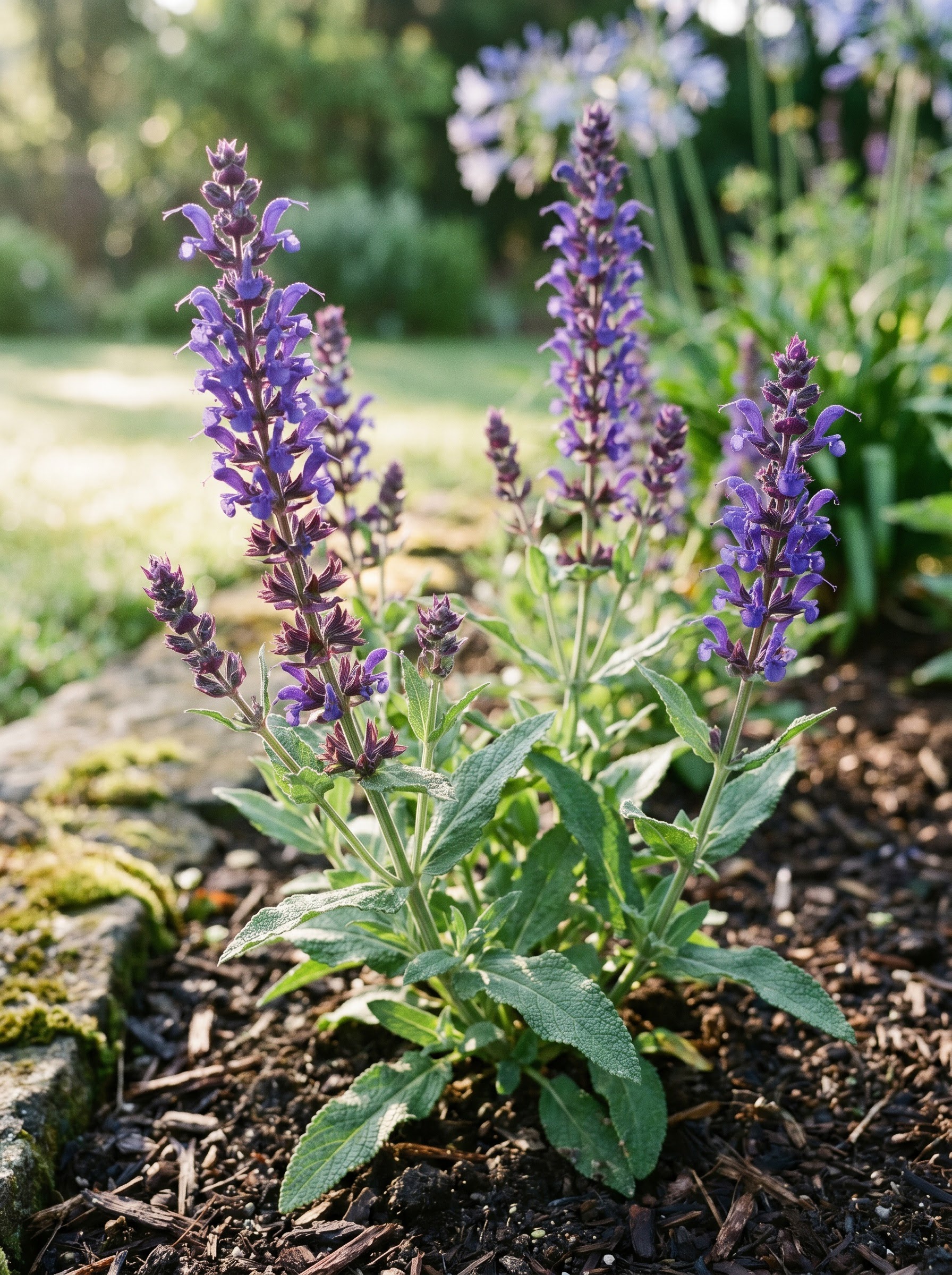 Meadow sagePartial
Upright violet-blue spires pierce coreopsis's frothy yellow mounds for the sharpest color and form contrast on the list, in the same dry, well-drained, full-sun bed.
Coreopsis+ YarrowProven
Ferny gray-green foliage is a real textural foil to coreopsis's own leaves, and its flat flower clusters are a documented magnet for a wide range of beneficial, pest-eating insects.
Coreopsis+ CatmintPartial
A lower, spreading alternative to meadow sage with the same long-blooming lavender-blue color contrast, useful at the front of a bed where coreopsis needs a shorter companion.
Coreopsis+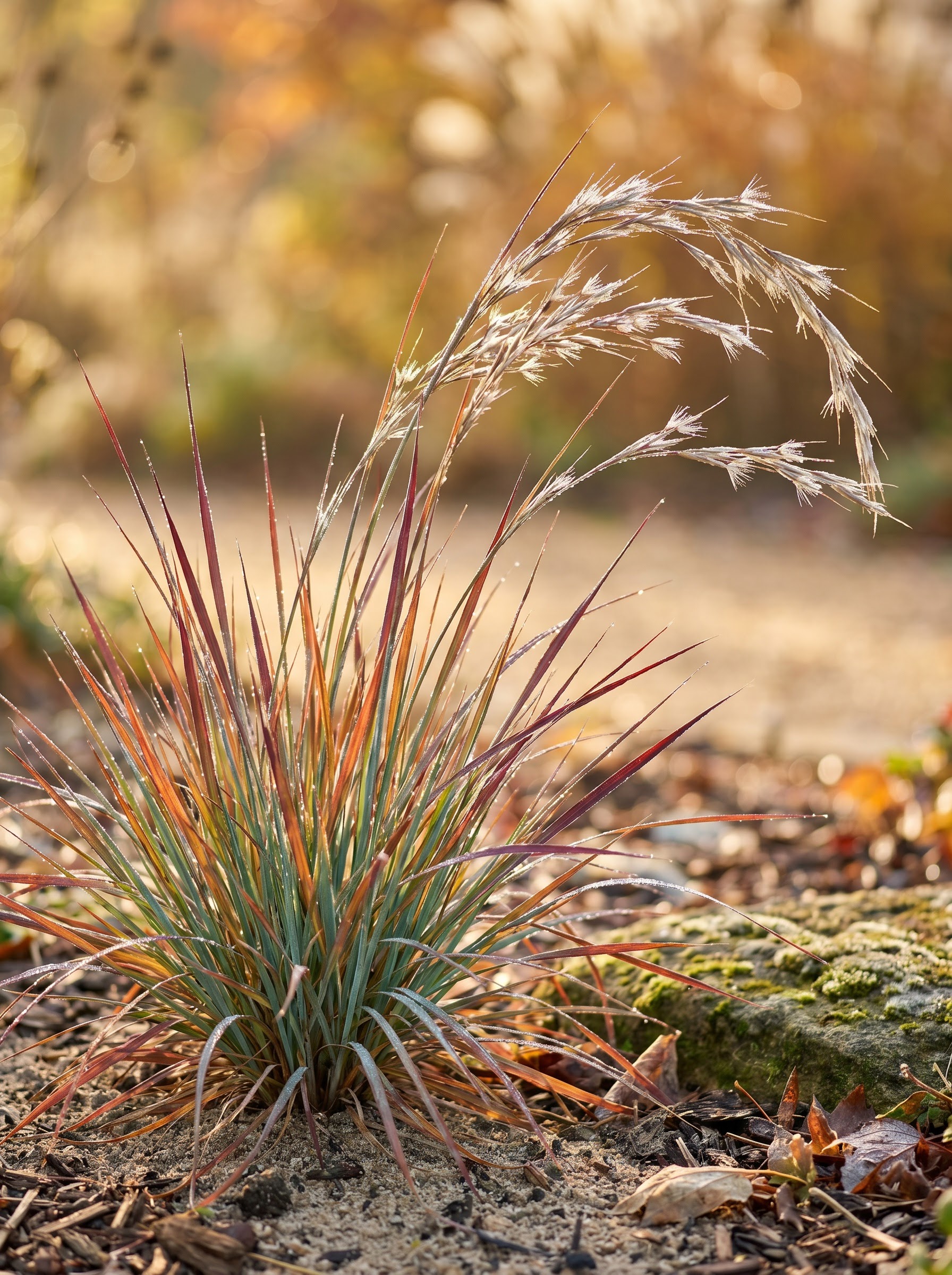 Little bluestemProven
A quiet, upright native grass that reads as background matrix behind warm coreopsis drifts, and it shares coreopsis's own weakness for rich soil, which makes it lodge and flop just the same way.
Coreopsis+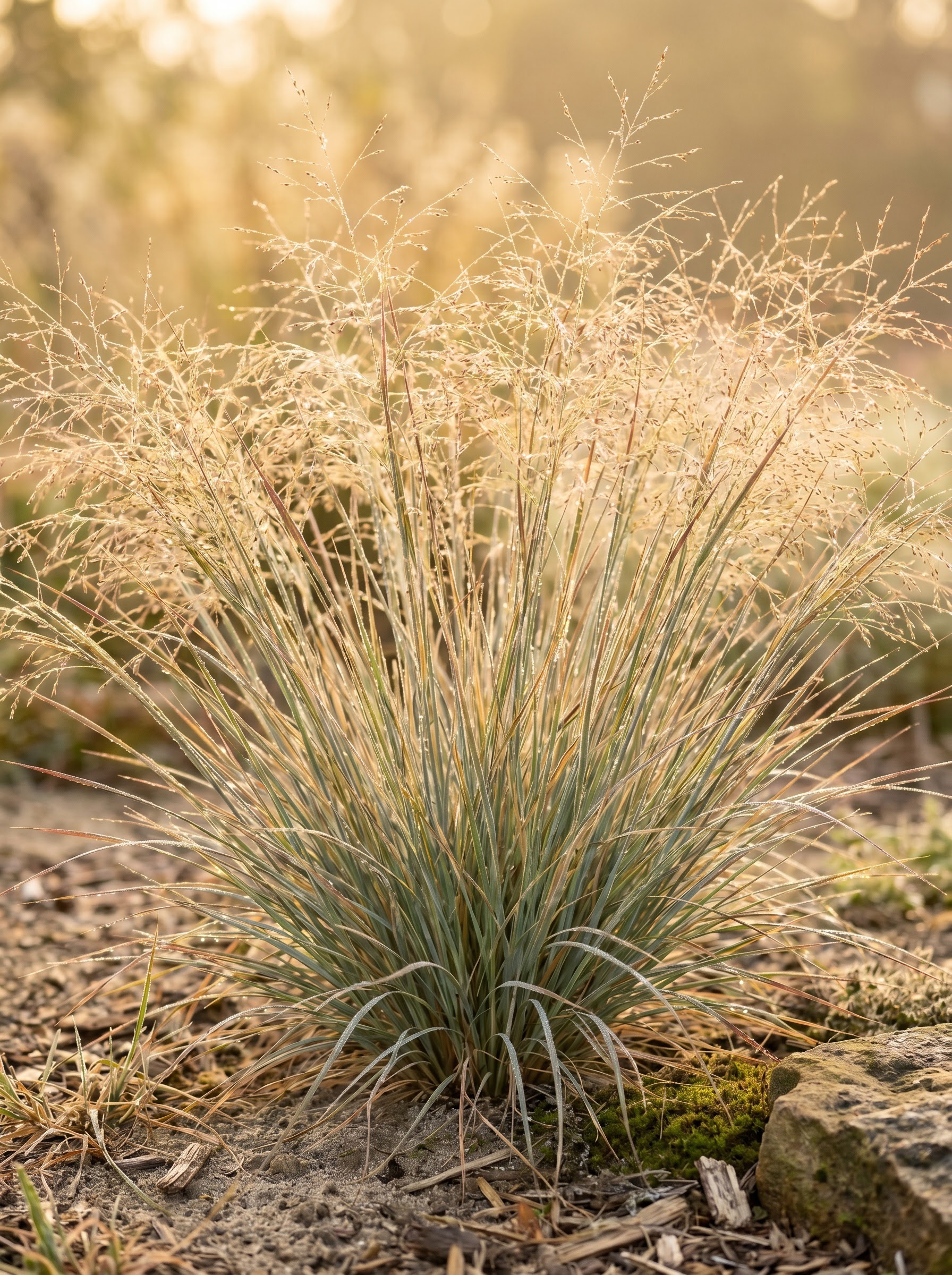 SwitchgrassPartial
Shares the same full-sun, well-drained prairie profile and rarely needs fertilizer, but its taller mature size means it needs real distance so it does not eventually overshadow coreopsis's shorter mounds.
Coreopsis+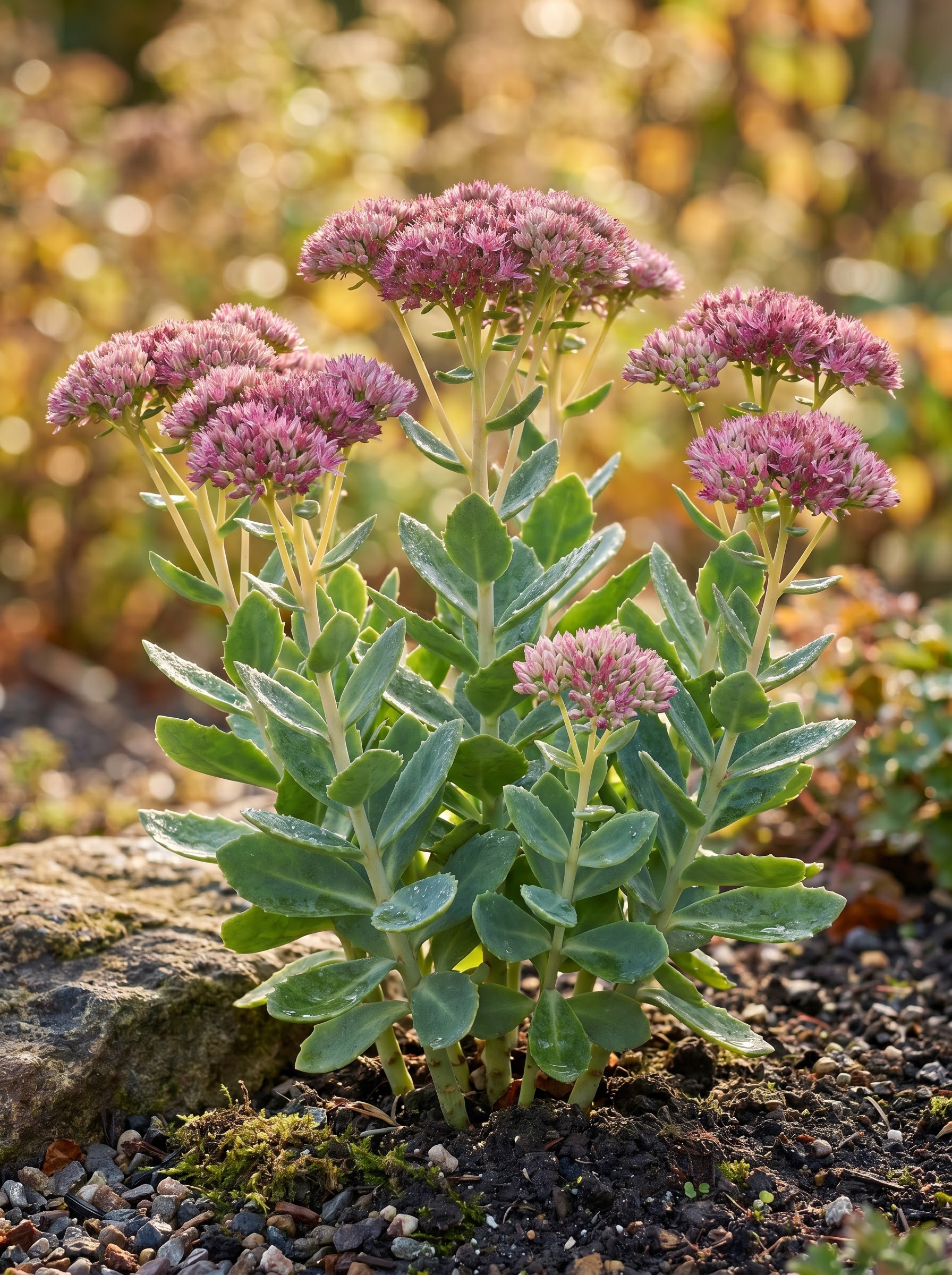 Stonecrop sedumPartial
A succulent front-edge companion that wants the identical lean, well-drained, full-sun bed and actively dislikes rich soil, so it never tempts anyone to over-amend the ground coreopsis is planted in.
All Coreopsis companions
9 flower companions, best match first
What not to plant near Coreopsis
Most bad neighbours are not evil, they just want the opposite light, water or root run. Here is what to keep away, and what to do instead.
Shade and moisture lovers (ferns, hostas, astilbe, Japanese forest grass, begonias)
Coreopsis wants full sun and dry soil between waterings; these plants want the opposite, and pairing them means one of the two is chronically unhappy no matter how the bed is watered.
Heavy feeders and rich-soil companions (dahlias, most fertilizer-hungry annuals, roses)
This is a soil-prep conflict, not a pest or shade problem: amending or fertilizing a bed richly enough for a hungry neighbor like dahlia pushes coreopsis into lush leaves, fewer flowers, and floppy, lodging stems. NC State's own coreopsis pages say plainly that soil too rich or too fertile makes stems weak and plants sprawl.
Tall, vigorous ornamental grasses (miscanthus, pampas grass)
These grow far larger and denser than coreopsis and will shade it out and outcompete it for water and nutrients even within a shared full-sun bed, unlike the shorter native prairie grasses that make good companions.
Aggressive spreaders (mint, lemon balm, bamboo, lily-of-the-valley)
Running-root spreaders in the mint family invade underground and can overtake a modest, non-aggressive perennial like coreopsis within a season or two; they also prefer the moist, nitrogen-rich soil coreopsis specifically dislikes.
The best companions for coreopsis, explained
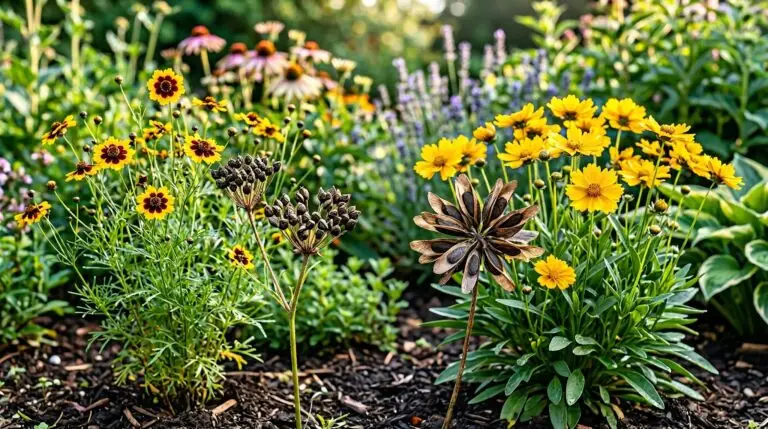
Coreopsis reads as a cheerful, easy-going yellow daisy, and the plants that pair with it best share that same relaxed, sun-baked personality rather than needing any special coaxing. Blanket flower is the closest match of all: it tolerates the same hot, dry, poor soil and carries the same open daisy form, so the two sit together in a bed without either one asking for more water or richer ground than the other is getting. Coneflower brings something coreopsis cannot supply on its own, coarse, dark, upright leaves and rigid stems that hold blooms above coreopsis’s airy, finely cut foliage, and the two share enough of a native prairie history that gardeners have paired them for generations without either one struggling. Black-eyed Susan echoes coreopsis’s own gold color family rather than contrasting it, and its seed heads carry structure into fall once coreopsis has finished its main flush, so the pairing reads as succession rather than competition. Meadow sage and catmint do the opposite job: their upright or mounding violet-blue spikes are the one color coreopsis cannot produce itself, and piercing a drift of yellow daisies with blue spires is one of the most reliable color contrasts in a sunny border.
The plant’s own naturalistic habit shapes how these companions are best used. Coreopsis rarely reads well as a single clump; it is sold, grown, and photographed almost exclusively in matrix or drift plantings, where a continuous base layer of its airy yellow mounds gets punctuated at irregular intervals by taller or coarser structural plants. Yarrow’s flat, ferny foliage and switchgrass or little bluestem’s upright blades work as that structural interruption, giving the eye something to rest on between drifts of coreopsis rather than one unbroken sheet of small flowers. Stonecrop sedum takes the opposite role, tucked at the front edge where its succulent rosettes and late-summer flower heads extend interest well past the point where coreopsis’s own bloom has thinned. None of this pairing logic is decorative guesswork: every plant on the list independently tolerates the same lean, dry, well-drained soil coreopsis needs, which is what keeps the combination honest rather than merely photogenic.
What not to plant near coreopsis
The most common mistake with coreopsis companions has nothing to do with pests or shade, it is soil richness. NC State Extension’s own pages on both threadleaf and lanceleaf coreopsis state plainly that soil too rich or too fertile makes stems weak and causes the plant to sprawl or flop, and that fertile ground pushes it toward lush leaves at the expense of flowers. This becomes a companion-planting problem the moment coreopsis shares a bed with a genuinely hungry neighbor like dahlia or most fertilizer-dependent annuals, because the compost and feeding that keeps the neighbor thriving is exactly what ruins coreopsis’s bloom. It is not that dahlia harms coreopsis directly; it is that preparing the soil correctly for one plant actively works against the other, which is a distinctive honesty beat most companion guides for this flower never mention.
The second real mismatch is the standard sun-and-moisture conflict: ferns, hostas, astilbe, Japanese forest grass, and begonias all want consistent moisture and part to full shade, the exact opposite of coreopsis’s dry, full-sun preference, so pairing them means one plant is chronically unhappy no matter how the bed is managed. Tall, vigorous ornamental grasses like miscanthus or pampas grass present a third, less obvious failure mode: even within a shared full-sun bed, their size and density can shade out and outcompete coreopsis’s shorter, airier growth for water and nutrients, which is a different problem from a native grass simply being the wrong scale. Aggressive spreaders in the mint family, along with running plants like lily-of-the-valley, round out the list; their rhizomes physically invade a modest, non-aggressive perennial’s root zone within a season or two, and they generally prefer the moist, richer soil coreopsis is trying to avoid in the first place.
Do they like the same conditions?
Coreopsis grandiflora’s real preference is full sun, even though NC State’s plant toolbox technically lists partial shade of two to six hours as tolerated; nearly every garden and nursery source converges on full sun as what the plant needs for its best bloom, so treat partial shade as tolerated rather than ideal when siting companions. Water should be low to moderate, letting the soil dry out between waterings once the plant is established, since it is genuinely drought-tolerant and consistently wet or poorly drained soil risks crown rot. Soil pH runs acid to neutral, a soft constraint rather than a fussy one, so pH rarely rules out a pairing on its own. The trait that actually separates a good companion from a bad one here is soil richness and drainage: coreopsis wants sandy, rocky, or average lean ground with excellent drainage, and it tolerates clay only when that clay drains well. Every companion on this list, from blanket flower to sedum to the native grasses, independently shares that same preference for lean, well-drained soil, which is what makes the pairings hold up rather than merely look good on a plant tag. The plant’s hardiness spans USDA zones 4a to 9b, wide enough that zone rarely becomes the limiting factor the way it can for a cold-tender flower.
How to plant them together
Space most companions 12 to 24 inches from coreopsis, tightening toward the lower end for plants that share its compact 1 to 3 foot habit, like blanket flower, catmint, or yarrow, and opening up to 24 to 36 inches for taller, larger-bodied companions like coneflower or switchgrass so neither plant crowds the other’s root zone. Coreopsis is usually best planted as a repeating drift rather than a single specimen, so establish it as a continuous base layer across the bed first, then insert taller structural plants like coneflower, black-eyed Susan, or little bluestem at irregular intervals to mimic how these species actually distribute themselves in a natural meadow. Front-of-border companions like sedum or a low mound of catmint do well tucked at the bed’s edge, where their lower habit does not compete for light and their shared taste for lean, dry soil means the same watering schedule works for the whole grouping. In containers, coreopsis pairs cleanly with other drought-tolerant plants that share its need for excellent drainage, but avoid mixing it into a pot with a heavy feeder, since container soil concentrates whatever fertilizer regime you choose far more than an open bed does. Deadhead spent coreopsis blooms through the season to keep the display going and to manage its tendency to self-seed into open ground nearby, which matters more in a mixed planting than it would with a single clump.
Does companion planting actually work for coreopsis?
Some of it, yes, and some of it is closer to a defensible design choice than a scientifically demonstrated benefit. The shared-conditions logic is genuinely solid: coreopsis, blanket flower, coneflower, black-eyed Susan, and the native grasses are all documented by extension sources as tolerating the same lean, dry, full-sun profile, so pairing them is not a myth, it is simply choosing plants that will not fight each other over water and soil richness. Yarrow’s role as an insectary plant, drawing a wide range of beneficial, pest-eating insects, is likewise backed by real extension research rather than folklore, even though that benefit belongs to yarrow generally and is not something unique to standing next to coreopsis specifically. Where the evidence thins out is in the specific claim that any of these pairings actively improves coreopsis’s own bloom or health beyond simply not competing with it; the color and texture contrasts between coreopsis and its upright or coarse-leaved neighbors are a matter of design judgment, repeated across enough independent sources to be trustworthy, but not a measured horticultural effect. The one claim that is unambiguously proven rather than folklore is the richness mechanism: NC State’s own coreopsis pages confirm that soil too rich or fertile weakens stems and cuts bloom, which makes the avoid-heavy-feeders rule the most solid, extension-backed piece of advice on this entire page.
Frequently asked questions
What can I plant in front of coreopsis?
Low, front-of-border companions that share its lean, dry, full-sun conditions work best, including catmint, stonecrop sedum, or a shorter native grass; avoid anything that needs richer soil or regular moisture, since that clashes with coreopsis’s own preference.
What should you not plant near coreopsis?
Avoid shade-and-moisture lovers like ferns, hostas, and astilbe, heavy feeders like dahlias that need richly amended soil, tall dramatic grasses like miscanthus that can shade coreopsis out, and aggressive spreaders like mint that will invade its root zone within a season or two.
Why is my coreopsis not blooming even though it looks healthy?
The most common cause is soil that is too rich or a fertilizer routine meant for a hungrier neighbor; coreopsis trades flowers for lush leaves and floppy stems in fertile ground, so cutting back on feeding and letting the soil dry out between waterings often restores bloom.
Does coreopsis attract pollinators, and does that affect what I plant near it?
Yes, coreopsis is a genuine native pollinator plant used by a range of bees, butterflies, and moths, and beekeepers consider the genus a good honey source, so pairing it with other proven pollinator plants like yarrow or coneflower builds a more complete bee-and-butterfly garden than coreopsis alone.
Can I grow coreopsis and lavender together?
Yes, both want the same hot, dry, lean, well-drained conditions, making lavender a reasonable substitute for meadow sage or catmint if you want a silver-leaved, fragrant companion instead of a green one.
Sources
- NC State Extension Gardener Plant Toolbox: Coreopsis verticillata
- NC State Extension Gardener Plant Toolbox: Coreopsis lanceolata
- NC State Extension Gardener Plant Toolbox: Coreopsis grandiflora
- NC State Extension Gardener Plant Toolbox: Salvia nemorosa
- NC State Extension Gardener Plant Toolbox: Schizachyrium scoparium
- Wisconsin Horticulture: Little bluestem, Schizachyrium scoparium
- Clemson HGIC: Echinacea (Coneflower)
- Iowa State University Extension: Growing Astilbe in Iowa
- MU Extension: Gaillardia, drought-tolerant color in the garden
- Piedmont Master Gardeners: Attracting beneficial insects
More About Coreopsis
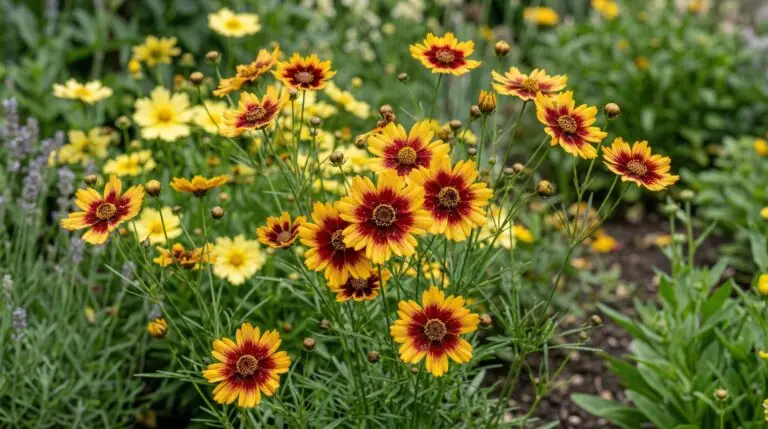
Red and bicolor coreopsis varieties that go beyond the usual yellow
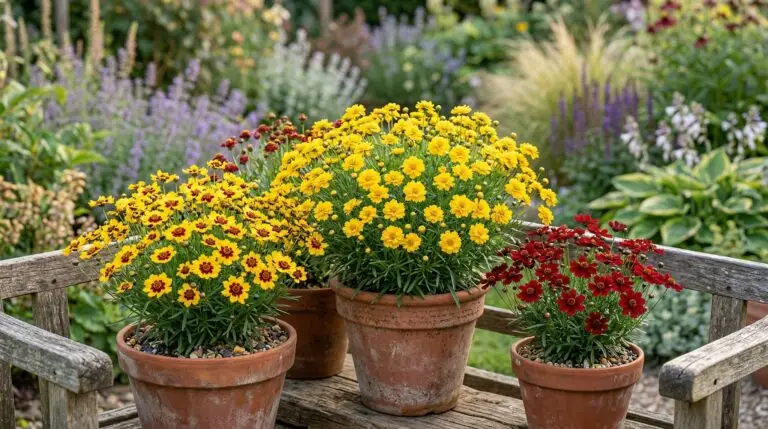
Coreopsis in containers and window boxes for sunny spots that need easy color
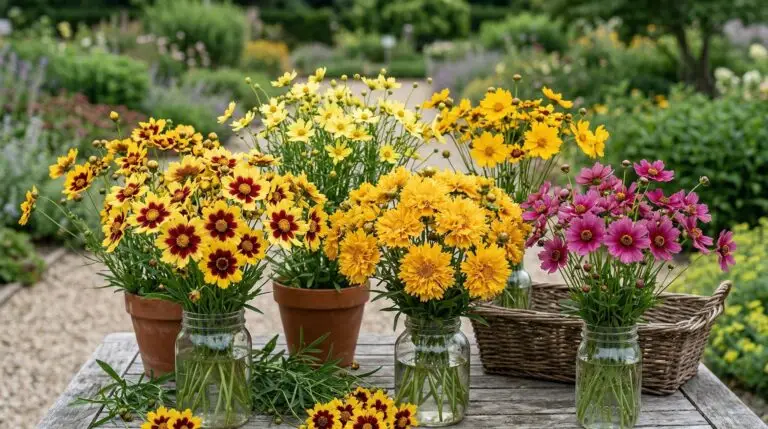
Thread-leaf coreopsis Moonbeam and why it is one of the finest perennials ever bred
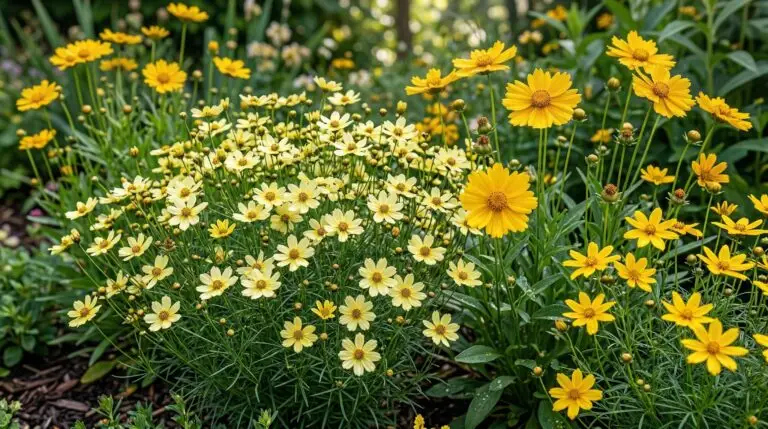
Best coreopsis varieties for non-stop golden blooms from early summer to frost
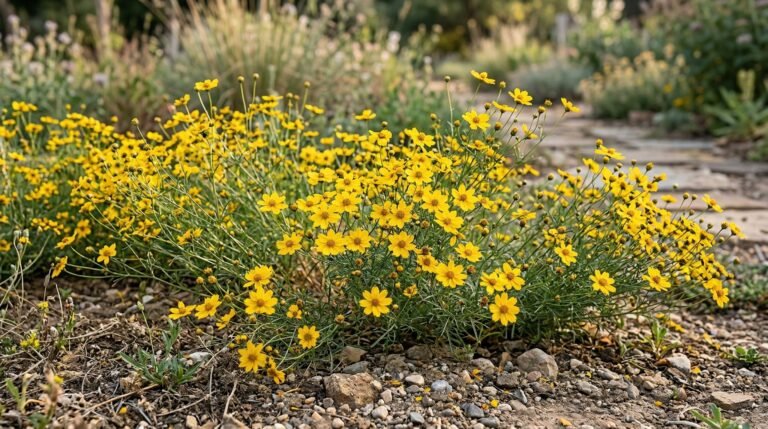
How to grow coreopsis as a carefree perennial that thrives on neglect
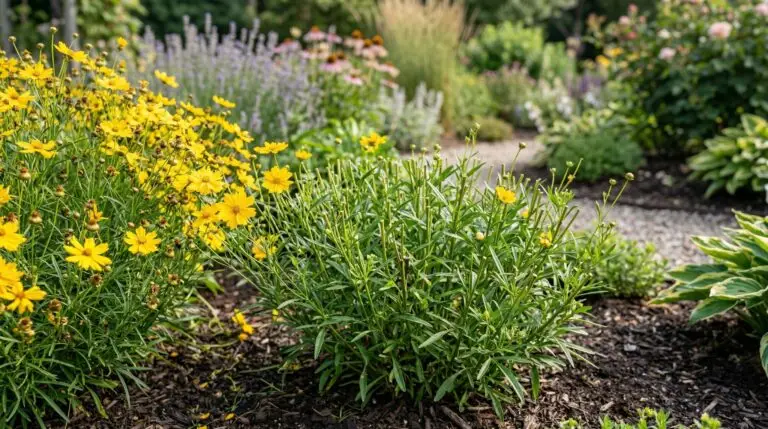
Why coreopsis stops blooming in midsummer and how to keep flowers coming

Coreopsis for xeriscaping and dry garden conditions where other flowers struggle
Growing coreopsis from seed for masses of budget-friendly garden color

Native coreopsis species and their role in restoring American wildflower meadows