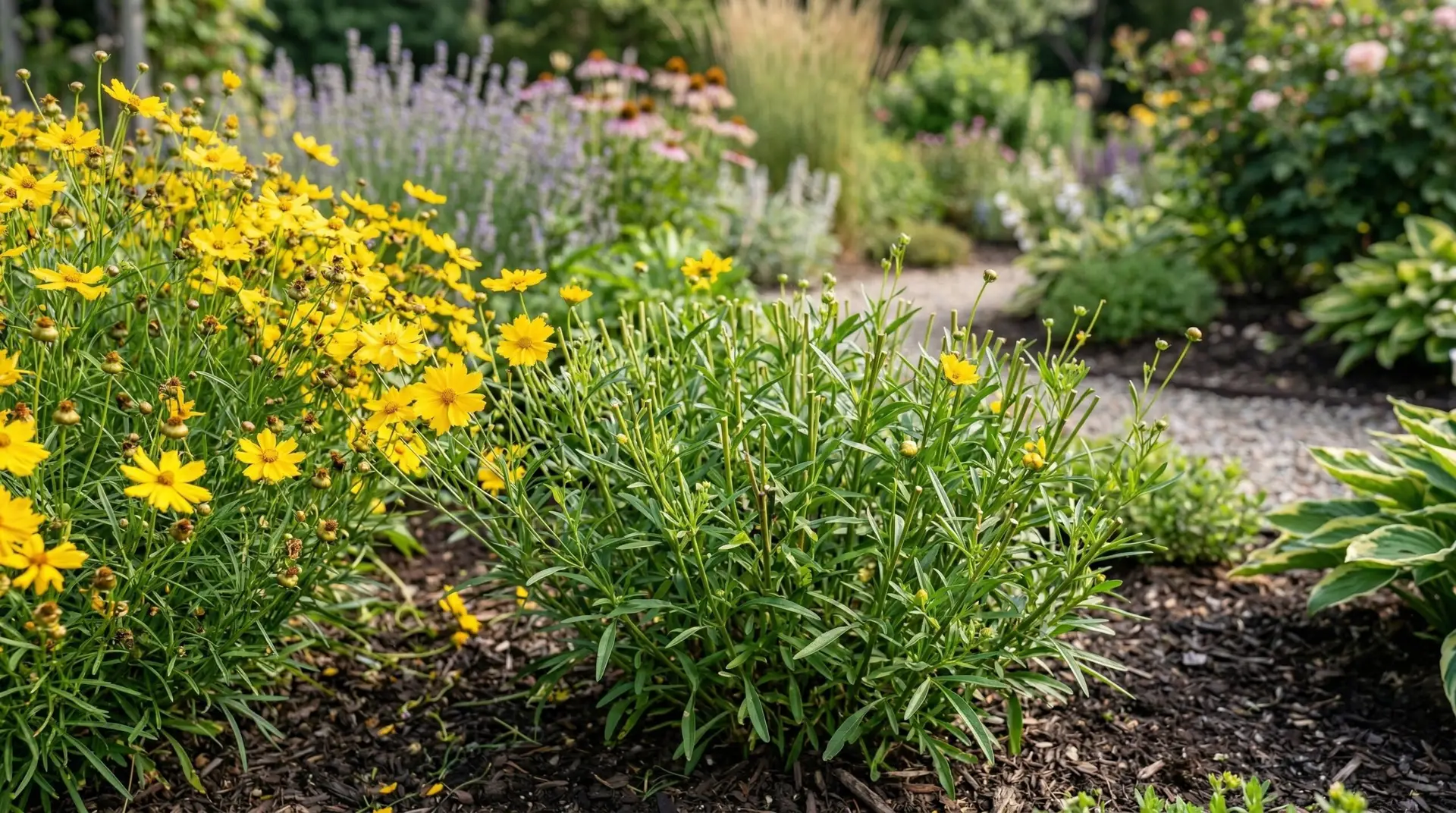
You plant coreopsis expecting a reliable blanket of yellow or pink flowers all summer long, but by late July, the reality is often very different. Instead of a bright mound of color, you are looking at a straggly, exhausted plant covered in brown seed heads and yellowing stems. This midsummer slump is one of the most common frustrations I hear about from home gardeners who feel like they did something wrong. The truth is that you did not fail, because this exact cycle is exactly what coreopsis is biologically programmed to do. Once a plant produces a heavy flush of early summer blooms, its natural instinct is to shut down flower production and focus entirely on making seeds. If you leave the plant to its own devices, it will decide its job for the year is done and simply stop flowering. Getting those blooms back requires you to intervene and reset the plant’s internal clock.
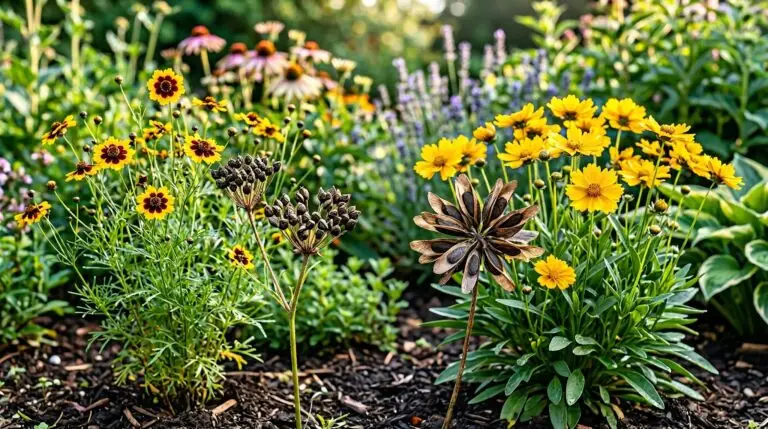
Many gardeners assume that a plant labeled as a continuous bloomer will just keep pushing out new buds without any help. That marketing label usually leaves out the part where continuous blooming requires active management on your part. When you see a coreopsis that has completely stopped flowering, it usually means the plant has successfully transitioned into its reproductive phase. The energy that was previously used to create colorful petals is now being channeled into ripening those tiny brown seed capsules at the tips of the stems. If you want the color to return, you have to remove the seeds so the plant feels compelled to try again. This process takes a little bit of effort, but it is the only reliable way to force a second show of flowers before autumn arrives.
Contents 4 sections
Understanding the shearing technique
Most gardening guides tell you to deadhead your spent flowers, but trying to individually snip off hundreds of tiny faded blooms on a threadleaf coreopsis will drive you absolutely crazy. Instead of wasting your weekend making precision cuts, you need to use a technique called shearing. Shearing simply means taking a pair of hedge clippers or large scissors and giving the entire plant a severe haircut all at once. When your coreopsis starts looking ragged and the brown seed heads outnumber the yellow flowers, gather the foliage into a loose bunch and cut the whole plant back by about one third to one half of its height. This feels incredibly harsh the first time you do it, and the plant will look like a green stubble patch for about a week. However, this aggressive pruning removes all the developing seeds simultaneously and stimulates a fresh flush of dense, bushy growth from the base. Within two to three weeks, the plant will push out new buds and reward you with a late summer bloom cycle that rivals the first.
Timing your shearing correctly makes a huge difference in how well the plant recovers. You want to execute this hard cut right as the first major flush of flowers starts to fade, usually around mid-July depending on your climate. If you wait until late August to shear the plant, it might not have enough warm days left in the growing season to produce a meaningful second round of blooms. This mid-season haircut technique works exceptionally well for many mounding perennials, and you will use the exact same approach to keep catmint looking tidy and blooming late into the year. Just make sure you give the coreopsis a deep soaking of water right after you cut it back. The combination of removing the seed burden and providing ample moisture gives the root system exactly what it needs to push out new foliage fast.
Dealing with different coreopsis varieties
The exact way you handle a bloom slump depends entirely on which type of coreopsis is growing in your garden. The large-flowered types, known botanically as Coreopsis grandiflora, have distinct, individual stems with prominent blooms that actually do respond well to traditional deadheading. With these larger varieties, you can follow the stem down from the dead flower to the next set of leaves and make your cut there. If a grandiflora plant stops blooming completely, it often means the soil is too rich or holds too much moisture, which encourages floppy green growth at the expense of flowers. Coreopsis thrives in poor, sandy, well-draining soil and will stubbornly refuse to bloom if you feed it heavy doses of nitrogen fertilizer. If you have been pampering your large-flowered coreopsis with rich compost and frequent watering, stepping back and letting the soil dry out will often shock it back into producing buds.
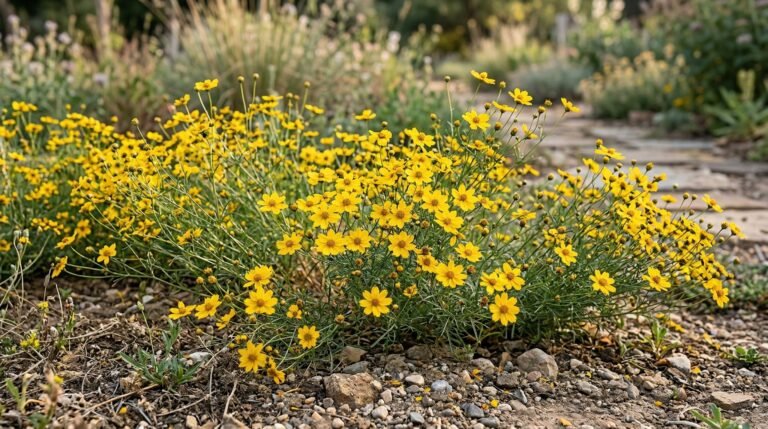
On the other hand, threadleaf varieties like Coreopsis verticillata are the ones that demand the shearing method mentioned earlier. These plants form dense, shrubby mounds with needle-like foliage and hundreds of dime-sized flowers that bloom in massive clusters. Because they are native to dry, rocky environments, they are incredibly drought tolerant once established and actively resent being overwatered. When a threadleaf coreopsis stops blooming prematurely in early summer, the culprit is almost always a combination of excessive heat and dry soil occurring right as the plant is trying to set seed. While they can survive drought easily, they need consistent moisture to actually manufacture new flower buds. Giving the clump a hard shear and then watering it deeply once a week will break the dormancy cycle and force the plant to start over.
Reviving older clumps through division
Sometimes you will shear a coreopsis, water it perfectly, withhold fertilizer, and the plant still refuses to bloom well the following year. When this happens, it usually means the clump has simply grown too old and woody to support vigorous flowering. Coreopsis is generally a short-lived perennial, and after three or four years in the same spot, the center of the plant often dies out completely, leaving a ring of weak growth around a bare middle. The roots become densely packed and exhaust the available nutrients in their immediate area, leading to stunted stems and sparse, tiny flowers. You will see a very similar pattern of central dieback and reduced blooming if you grow Shasta daisy in your garden for several years without intervention. The only way to fix an aging, unproductive coreopsis is to dig the entire clump out of the ground and divide it into smaller, younger pieces.
The best time to divide coreopsis is in early spring just as the new green shoots start emerging from the soil. Dig a wide circle around the plant and lift the whole root ball out with a spade. Use a sharp knife or a garden spade to slice the healthy outer sections of the clump away from the dead, woody center. Throw that dead center section straight into the compost pile, because it will never recover or produce good flowers again. Replant the vigorous outer chunks in fresh soil, spacing them at least eighteen inches apart so they have plenty of room to expand. These newly divided sections will grow with incredible vigor and will bloom heavily in their very first season, completely solving the problem of a tired, non-blooming plant.
Setting your plants up for success
Preventing midsummer bloom failure starts the moment you put the plant in the ground. Always choose a spot that gets full, unshaded sun for at least six to eight hours a day, because any amount of shade will drastically reduce flower production and cause the stems to stretch and flop over. Resist the urge to amend the planting hole with rich potting soil or manure, as lean soil forces the plant to focus on reproduction rather than vegetative growth. If you are dealing with heavy clay, you must mix in coarse sand or gravel to improve drainage, or the crown of the plant will rot during winter dormancy. If I could give a beginner one single piece of advice about growing coreopsis, it would be to stop being afraid of your pruning shears. These plants evolved to be grazed by animals and battered by harsh weather, so a severe midsummer haircut is exactly the kind of tough love they need to stay vigorous and full of flowers until the first frost hits.
More About Coreopsis
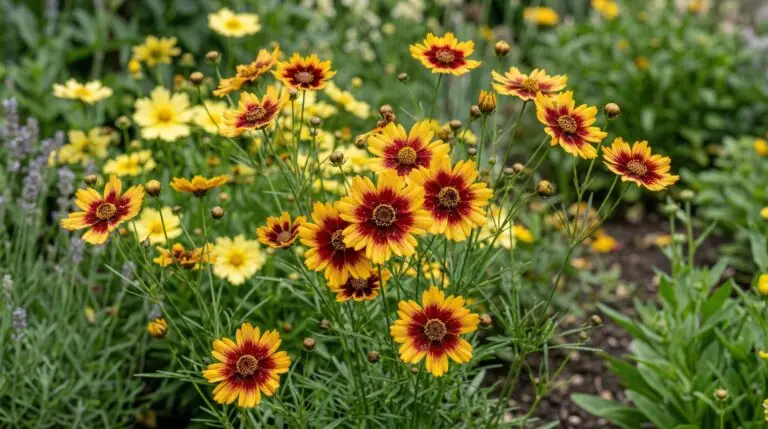
Red and bicolor coreopsis varieties that go beyond the usual yellow
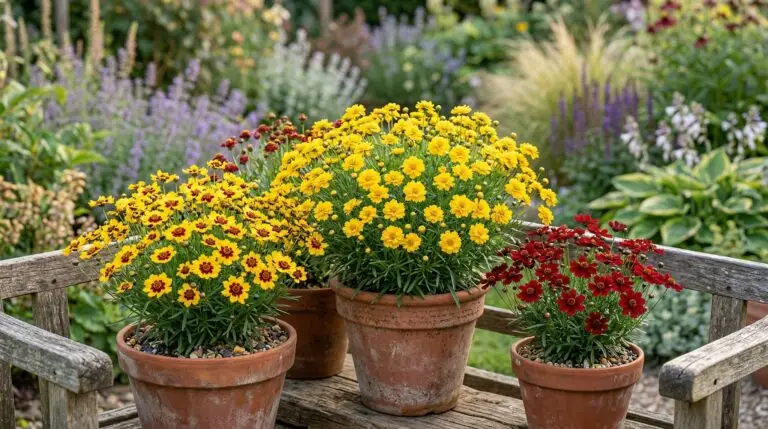
Coreopsis in containers and window boxes for sunny spots that need easy color

Thread-leaf coreopsis Moonbeam and why it is one of the finest perennials ever bred
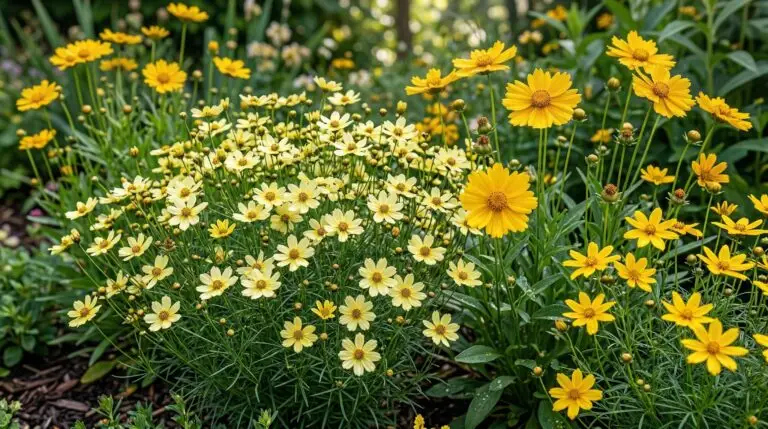
Best coreopsis varieties for non-stop golden blooms from early summer to frost
How to grow coreopsis as a carefree perennial that thrives on neglect

Coreopsis for xeriscaping and dry garden conditions where other flowers struggle
Growing coreopsis from seed for masses of budget-friendly garden color
Native coreopsis species and their role in restoring American wildflower meadows

Coreopsis companion plants: what to grow, what to avoid
Enjoying our flower guides? Add YourFlowersGuide as a preferred source on Google. It helps more readers find us.
Add to Preferred Sources