Contents 4 sections
Assessing your space and choosing coreopsis varieties
Before buying packets of coreopsis seeds, evaluate the garden space and the specific goal for the planting area. Coreopsis, commonly known as tickseed, offers a highly cost-effective way to fill large garden gaps, but success requires matching the right type to the site. Take a walk through the yard and observe the sunlight patterns during the active growing season. These plants require a minimum of six to eight hours of direct, unfiltered sunlight each day to produce strong stems and abundant flowers. Planting them in partial shade will result in floppy, weak growth and a disappointing floral display. Assess the soil drainage carefully, because coreopsis will rot quickly in heavy clay that holds water through the winter months.
The next planning step involves deciding between annual and perennial coreopsis varieties. Annual types complete their life cycle in a single season, grow rapidly from seed, and bloom heavily within a few months of planting. Perennial varieties build strong root systems during their first year and usually produce only a few sparse flowers before returning with a massive flush of color in year two. If the goal is immediate color to fill spaces between young shrubs, annual seed varieties are the right choice for the budget. For long-term garden structure and returning color year after year, invest in perennial seed packets and practice patience. Make this decision before ordering seeds, as the timeline and expectations for each type differ significantly.
Establishing a seed starting timeline and budget
Growing tickseed from seed is highly economical compared to purchasing established nursery plants, but you still need to budget for the right supplies. A single packet of seeds costs a few dollars and can yield dozens of plants, saving hundreds of dollars over buying mature potted perennials. If you plan to start seeds indoors, you need to budget for a seed starting mix, clean cell trays, and reliable grow lights. Window light is rarely sufficient for growing strong seedlings and usually results in weak, leggy plants that struggle to transition outdoors. Alternatively, you can save the cost of indoor equipment entirely by planning to direct sow the seeds right into the garden beds. Direct sowing requires only the cost of the seeds and perhaps a small bag of compost to prepare the planting area.
Your timeline depends entirely on the sowing method you select for your garden. For indoor seed starting, count backward six to eight weeks from your average last frost date. This window gives the seedlings enough time to develop true leaves and a sturdy root system without becoming root-bound in their small cells. If you choose to direct sow, you must wait until all danger of frost has passed and the garden soil has warmed significantly. Seeds planted in cold, wet spring soil will often rot before they have a chance to germinate. Mark these dates on your calendar now so you know exactly when to order seeds, when to gather supplies, and when to begin the actual planting process.
Executing the planting process for maximum germination
Starting coreopsis seeds indoors requires close attention to moisture and light levels. Fill your clean trays with a pre-moistened, sterile seed starting mix, pressing it down lightly to remove large air pockets. Sow two to three seeds per cell, pressing them firmly onto the surface of the soil rather than burying them deep. Coreopsis seed starting requires light for germination, so you should only cover the seeds with a very fine dusting of vermiculite or leave them completely exposed on the soil surface. Keep the trays consistently moist by bottom-watering or misting gently with a spray bottle until the green shoots emerge. Once the seedlings appear, usually within one to three weeks, place the trays directly under your grow lights and keep the lights on for fourteen to sixteen hours a day.
Direct sowing outside requires thorough bed preparation to give the young plants a competitive advantage against weeds. Clear the planting area completely, loosen the top few inches of soil, and rake the surface smooth to create a fine seedbed. Scatter the seeds thinly across the prepared area and press them into the soil with your hands or walk over them lightly with flat shoes. Whether you are direct sowing or transplanting indoor seedlings, pay close attention to the final spacing requirements listed on your specific variety. Crowded plants will compete for water and air circulation, leading to poor growth and increased disease pressure. Just like when you plant cosmos from seed, giving each coreopsis plant enough room to spread out ensures a healthier, more robust display later in the season.
Managing ongoing maintenance and realistic expectations
The maintenance commitment for coreopsis changes as the plants transition from young seedlings to established garden residents. During the first few weeks after transplanting or direct sowing, you must check the soil moisture frequently and water whenever the top inch becomes dry. Young root systems are shallow and will die back quickly if subjected to extended dry spells during the heat of early summer. Once the plants reach about six inches tall and begin forming flower buds, you can gradually reduce your watering frequency. Mature coreopsis plants are highly drought tolerant and generally only require supplemental watering during extended periods of extreme heat with no rain. Overwatering established plants will lead to excessive leafy growth at the expense of flower production.
To keep the plants looking tidy and producing new buds, you need to plan for regular deadheading throughout the blooming season. Removing the spent flowers stops the plant from putting energy into seed production and encourages another flush of blooms. This task requires about ten to fifteen minutes of your time each week, depending on the size of your planting area. You can use sharp scissors or simply pinch the old blooms off with your fingers. This maintenance routine is similar to the care required to keep zinnia plants blooming heavily until the first fall frost. Remember that perennial coreopsis varieties might only produce a handful of flowers in their first year, so adjust your expectations and focus on keeping the foliage healthy.
Your action plan for this week is to finalize your site selection and order your seeds. Go outside and measure the exact square footage of the sunny area you want to fill so you know exactly how many seed packets to purchase. Check your local frost dates to determine whether you have time to start seeds indoors or if you should plan for a direct spring sowing. If you want a diverse mix of easy-to-grow annuals, consider ordering some marigold seeds at the same time to edge the borders of your new coreopsis bed. Gather your indoor seed starting supplies now or prepare your outdoor soil, so you are ready to act the moment the planting window arrives.
More About Coreopsis
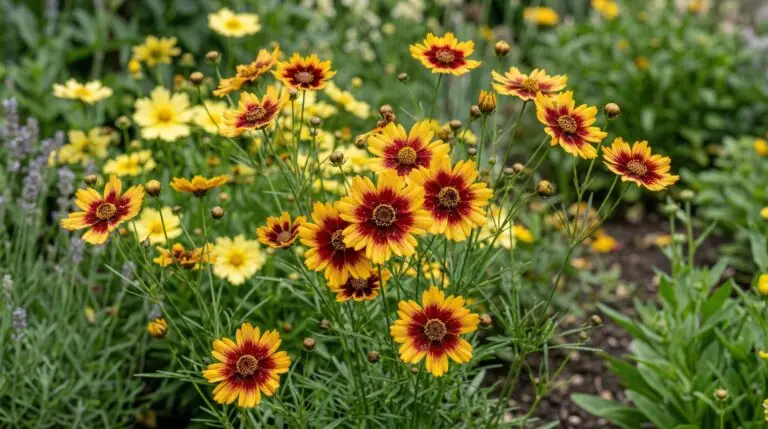
Red and bicolor coreopsis varieties that go beyond the usual yellow
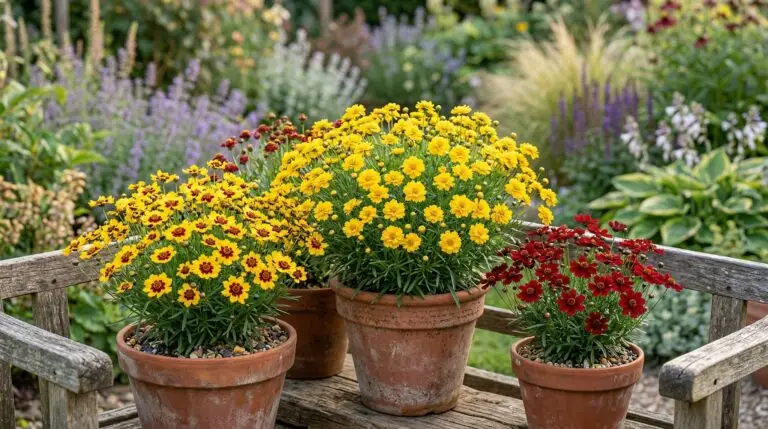
Coreopsis in containers and window boxes for sunny spots that need easy color
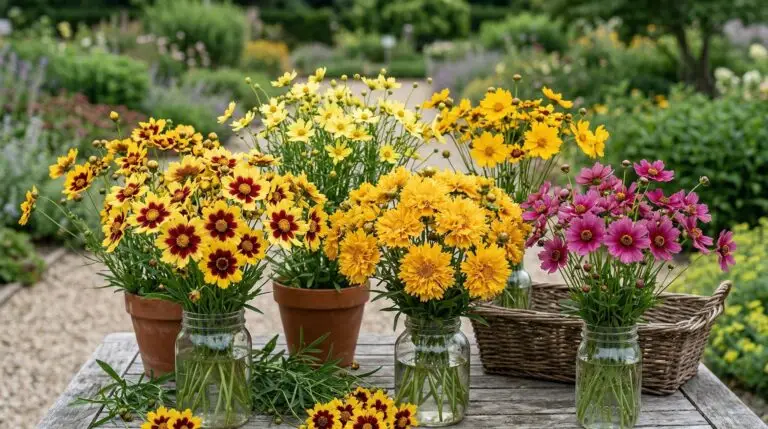
Thread-leaf coreopsis Moonbeam and why it is one of the finest perennials ever bred
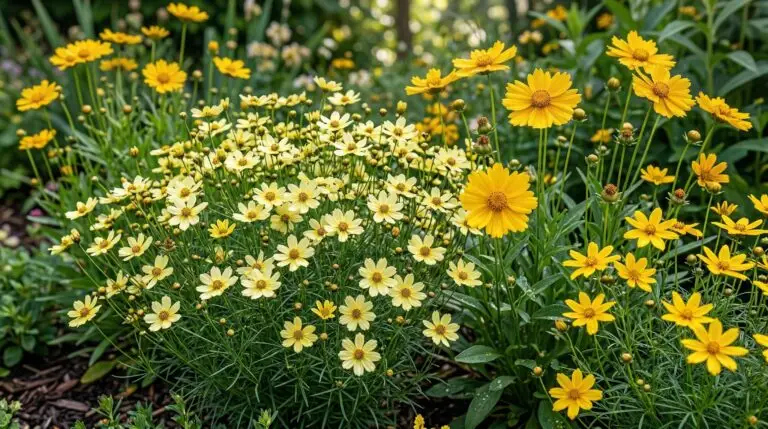
Best coreopsis varieties for non-stop golden blooms from early summer to frost
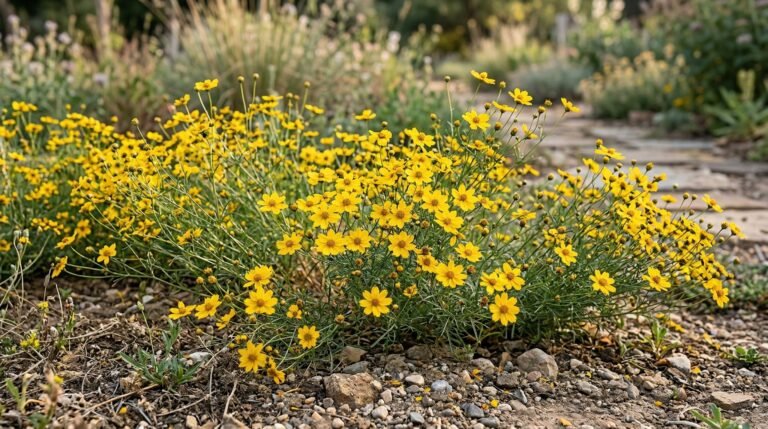
How to grow coreopsis as a carefree perennial that thrives on neglect
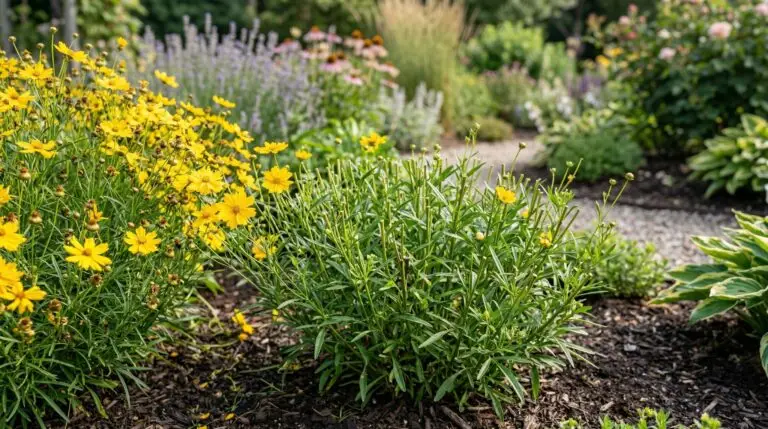
Why coreopsis stops blooming in midsummer and how to keep flowers coming

Coreopsis for xeriscaping and dry garden conditions where other flowers struggle
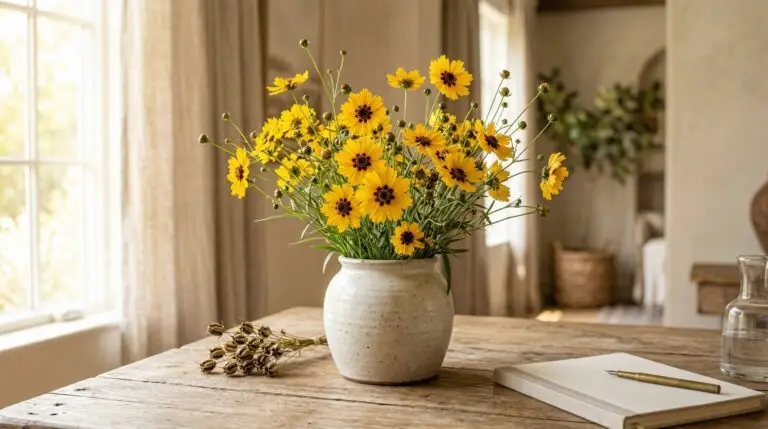
Native coreopsis species and their role in restoring American wildflower meadows

Coreopsis companion plants: what to grow, what to avoid
Enjoying our flower guides? Add YourFlowersGuide as a preferred source on Google. It helps more readers find us.
Add to Preferred Sources