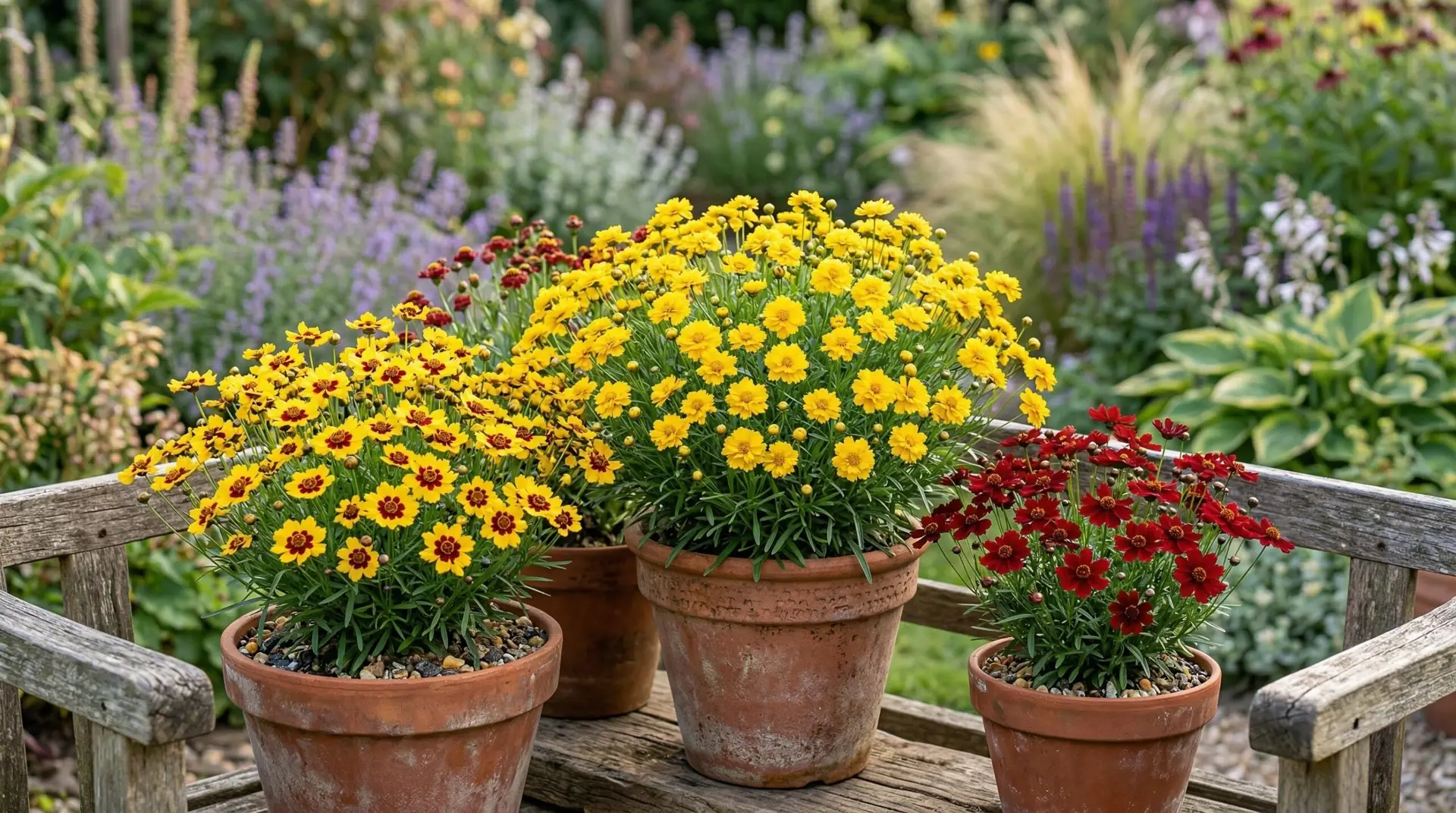
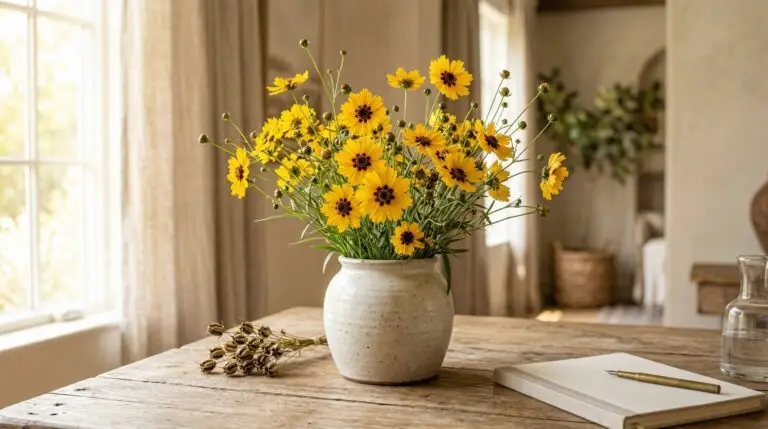
Every gardener knows the feeling of walking out onto the patio in late July to find the potted plants looking completely fried. The sun beats down on the concrete, the soil in the containers turns to dust, and anything delicate simply gives up. After trying countless combinations for those baking hot spots, the one plant that consistently survives and thrives is coreopsis. Growing coreopsis in pots solves the problem of keeping color going when the temperature spikes and the watering can feels too heavy to carry twice a day. These tough native plants are practically indestructible once established, shrugging off heat that would melt typical patio annuals. They bring a cheerful, daisy-like brightness to the porch without demanding constant babysitting or expensive fertilizers. Placing a few of these resilient plants in the sunniest corners of the yard guarantees a steady supply of blooms right through the worst dog days of summer.
Contents 6 sections
Choosing the right coreopsis for tight spaces
When picking out plants for a coreopsis container, the tall border varieties will just cause frustration. Those tall types look beautiful in the ground, but in a pot, they catch the wind, flop over the edges, and expose their bare lower stems. The compact, mounding varieties are the ones that actually work for container gardening. Look for threadleaf coreopsis or the newer dwarf grandiflora types that stay under eighteen inches tall. These smaller plants naturally form a dense, tidy dome of foliage that looks good even before the buds open. When bringing them home from the nursery, the plants might look a little rootbound and sad in their plastic nursery pots. Gently teasing the roots apart before planting will help them settle in, even if the plant sulks and looks half-dead for a week afterward. Give them a little time to establish their root systems in the new soil, and they will bounce back stronger than before.
Potting mix and the secret to proper drainage
Coreopsis is not fussy about nutrients, but it absolutely refuses to live in soggy soil. Professional potting mixes can be expensive, but standard, affordable potting soil works perfectly fine if it gets a little modification. Adding a few handfuls of perlite or coarse builder sand to the bag of cheap potting soil makes a massive difference in drainage. The goal is water that runs straight through the pot and out the bottom holes within seconds of watering. If a coreopsis window box holds water like a sponge, the roots will rot before the first flush of flowers finishes. Always check that the containers have actual drainage holes, as many decorative pots sold at hardware stores do not. Drilling a few extra holes in the bottom of a plastic planter is a free and easy way to save plants from drowning during a heavy summer rainstorm. Setting the pots on small feet or bricks also helps the water escape quickly instead of pooling on the patio.
Watering rules for summer heat
The biggest advantage of growing these plants in containers is their incredible drought tolerance. While most potted flowers demand daily watering in July and August, coreopsis prefers to dry out completely between drinks. The easiest way to know if they need water is simply picking up the edge of the pot to feel its weight. If the pot feels heavy, walk away and leave the watering can for something else. Gardeners in the South will still need to check their pots every couple of days during extreme heat waves, as containers bake much faster than ground soil. In northern zones, a good soaking once a week is often plenty, especially if the pot is large and holds moisture deeper down. Overwatering is the single most common way people kill these tough plants, so ignoring them a little bit is actually the best care routine. Letting the top two inches of soil turn completely dry to the touch is a good rule of thumb for preventing root rot.
Companion plants that share the same needs
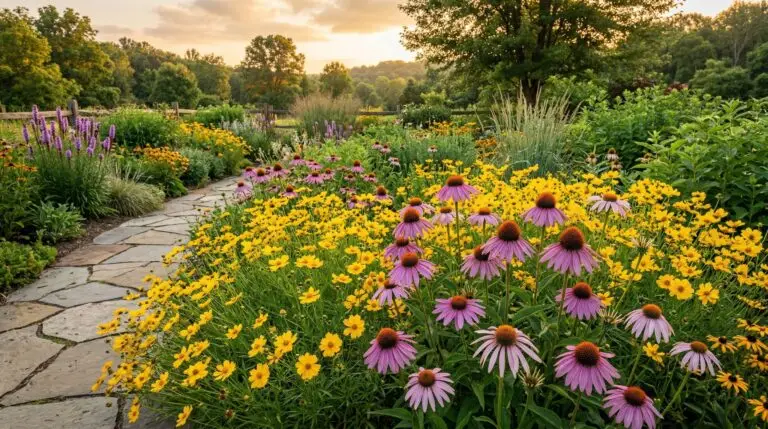
A container looks best when plants with similar care requirements are grouped together. Because coreopsis needs full sun and dry soil, pairing it with thirsty plants will just end in a muddy disaster. Trailing plants like calibrachoa or verbena make excellent companions, spilling over the edges of the pot while the coreopsis provides height and structure in the center. For a classic, bright summer look, tucking a few marigolds around the base creates a solid block of warm colors that lasts all season. If the goal is a softer pastel combination, mixing pale yellow coreopsis with a deep purple petunia creates a beautiful contrast that requires the exact same amount of sun and water. The trick is giving each plant enough room to breathe, as stuffing too many root systems into one pot will stunt everything. Leave a few inches of bare soil between the plants when potting them up, and they will fill the gaps naturally within a month. Crowded plants compete for water and air circulation, which often leads to powdery mildew on the lower leaves.
Feeding container plants without overdoing it
Most flowering annuals need heavy doses of fertilizer to keep producing blooms in a confined space. Coreopsis breaks that rule completely and actually performs worse if the soil is too rich. When these plants get too much nitrogen, they put all their energy into growing tall, floppy green stems and forget to make flower buds. A single application of a slow-release granular fertilizer mixed into the soil at planting time is usually enough food for the entire summer. If the foliage starts looking unusually pale or yellow by late August, a very weak dose of liquid fertilizer can help perk things up. Using cheap, basic plant food diluted to half the recommended strength prevents root burn and gives just enough nutrition to finish out the season. Keeping the feeding schedule simple saves money and results in much sturdier plants. Plants grown in lean soil develop stronger stems that hold up better against summer thunderstorms.
Keeping the blooms coming until frost
Coreopsis will bloom profusely for weeks, but eventually, the first wave of flowers will fade and turn into little brown seed heads. Taking a pair of scissors and giving the whole plant a light haircut removes the spent blooms and encourages a second massive flush of color. This shearing process feels harsh, and the plant will look like a green stubble patch for a few days, but new buds form very quickly. As the season winds down, deciding what to do with the pots over winter depends entirely on the local climate. In mild southern winters, the pots can often stay right on the patio, and the plants will emerge again in spring. Northern gardeners will find that pots freeze solid, killing the roots, so treating them as annuals or moving the pots into an unheated garage is the practical reality. Either way, these tough little plants earn their keep by providing months of reliable color with minimal effort. Planting a few pots of coreopsis guarantees a bright, low-maintenance display that frees up time for the fussier parts of the garden.
More About Coreopsis
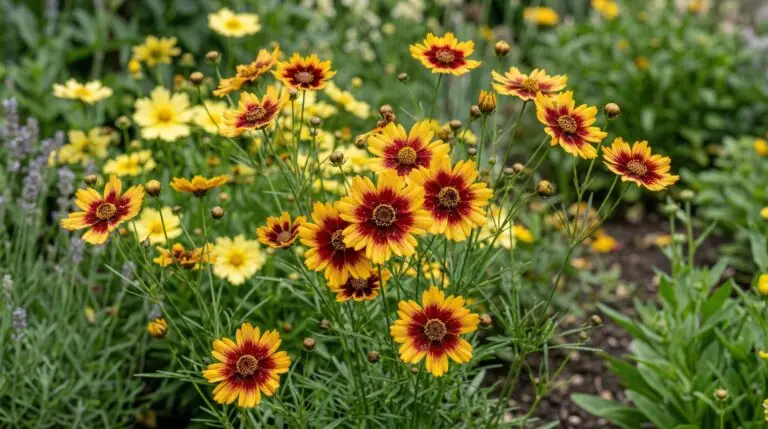
Red and bicolor coreopsis varieties that go beyond the usual yellow
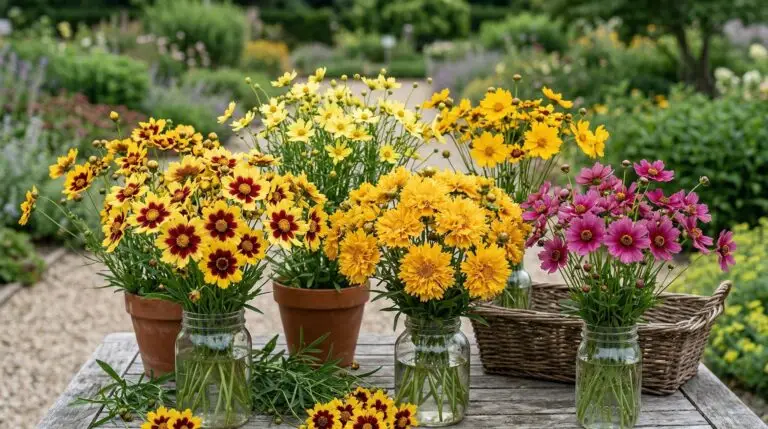
Thread-leaf coreopsis Moonbeam and why it is one of the finest perennials ever bred
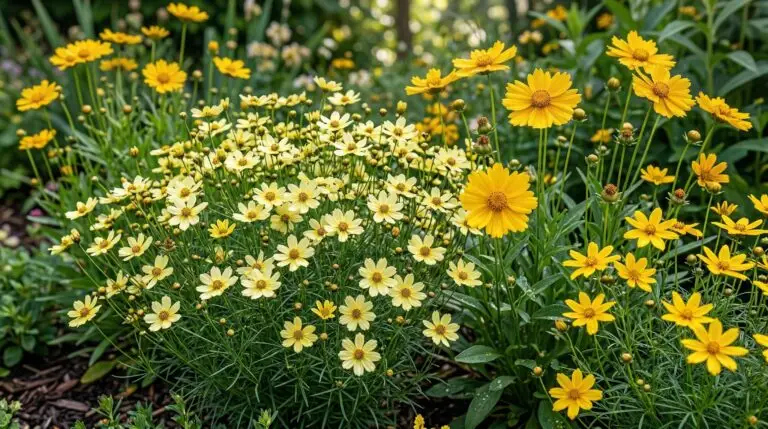
Best coreopsis varieties for non-stop golden blooms from early summer to frost
How to grow coreopsis as a carefree perennial that thrives on neglect
Why coreopsis stops blooming in midsummer and how to keep flowers coming
Coreopsis for xeriscaping and dry garden conditions where other flowers struggle
Growing coreopsis from seed for masses of budget-friendly garden color
Native coreopsis species and their role in restoring American wildflower meadows
Coreopsis companion plants: what to grow, what to avoid
Enjoying our flower guides? Add YourFlowersGuide as a preferred source on Google. It helps more readers find us.
Add to Preferred Sources