The pairing · pick a flower
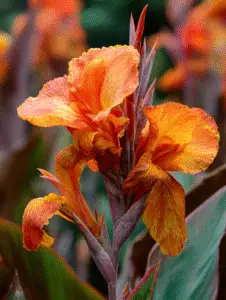 Canna Lily+
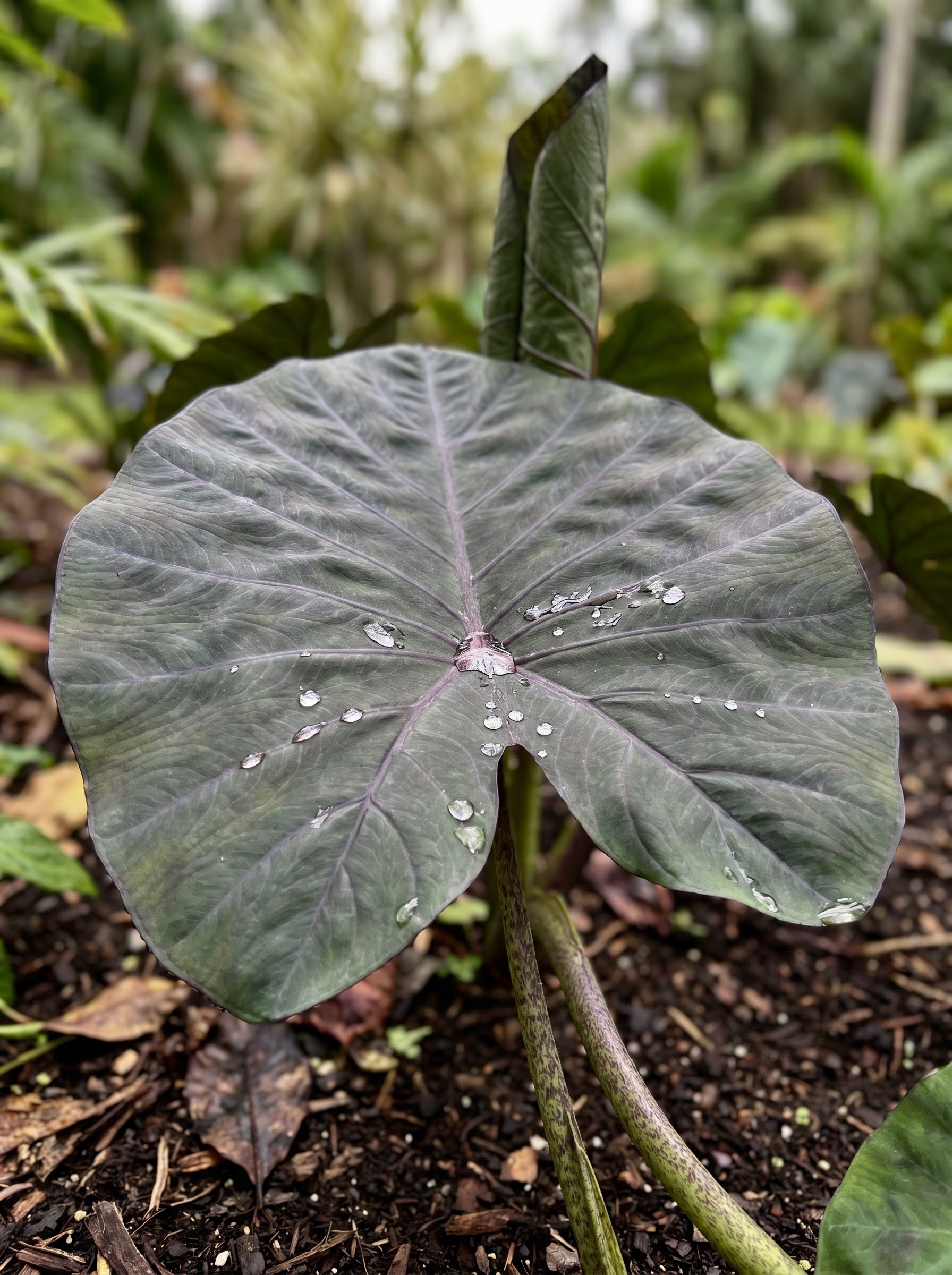 Elephant earProven
Wisconsin Horticulture Extension names elephant ear as combining well with tropicals like canna and hibiscus; its huge solid-color leaves set off canna's brighter spikes while both plants ask for the same rich, wet-tolerant soil.
Canna Lily+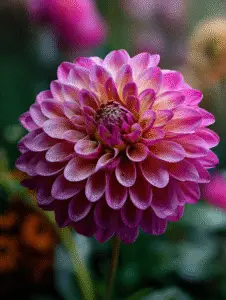 DahliaProven
Both want full sun and rich, moist soil per NC State Extension, both peak in late summer through first frost, and both are tender rhizomes/tubers dug up and stored for winter in cold zones, a practical-care match almost no other pairing shares.
Canna Lily+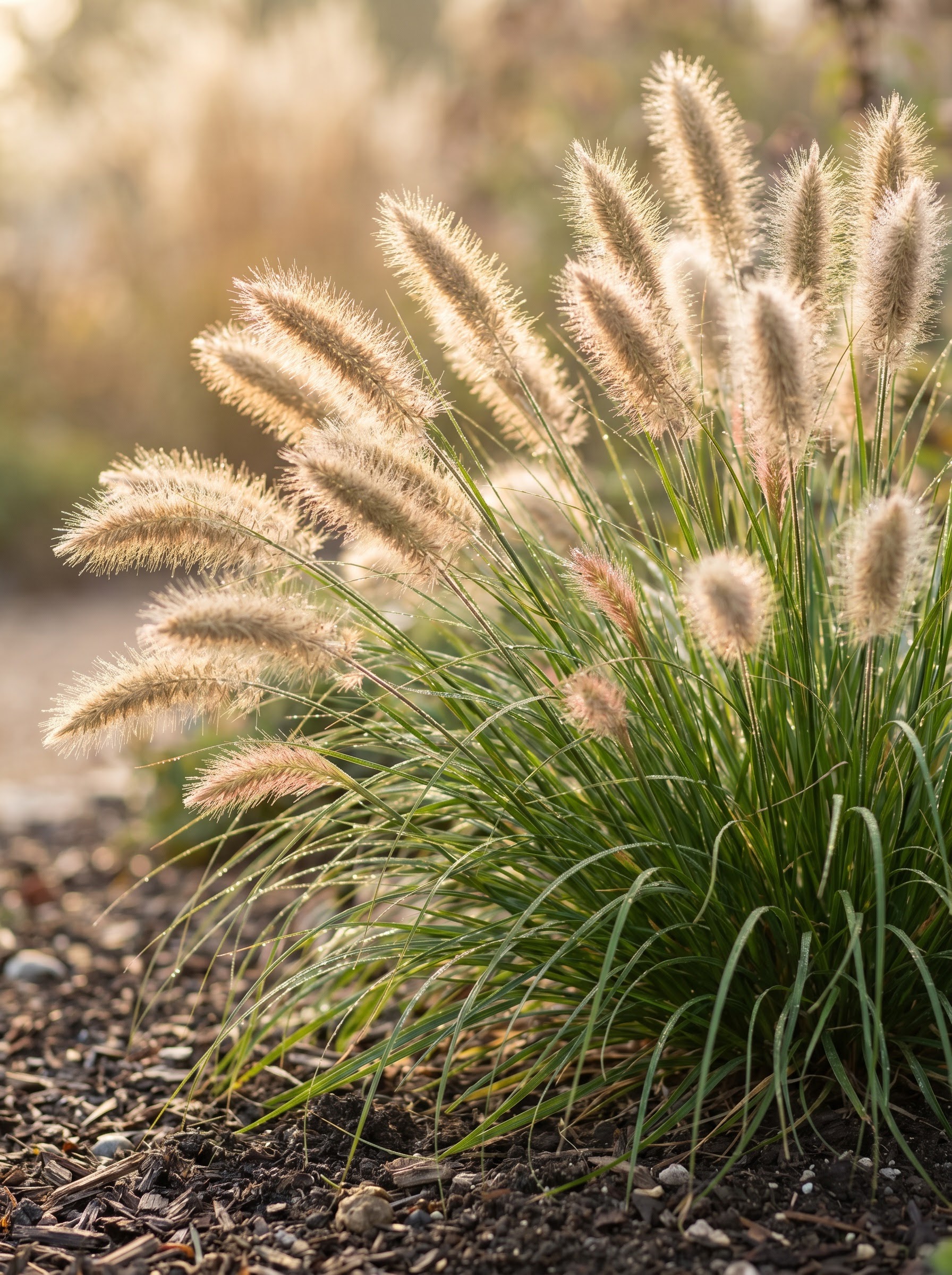 Ornamental grassesPartial
A fine-textured foil that will not compete for attention with canna's bold paddle leaves and spikes, sharing the same full-sun preference, though most popular ornamental grasses are more drought-tolerant than canna and can decline in consistently wet soil.
Canna Lily+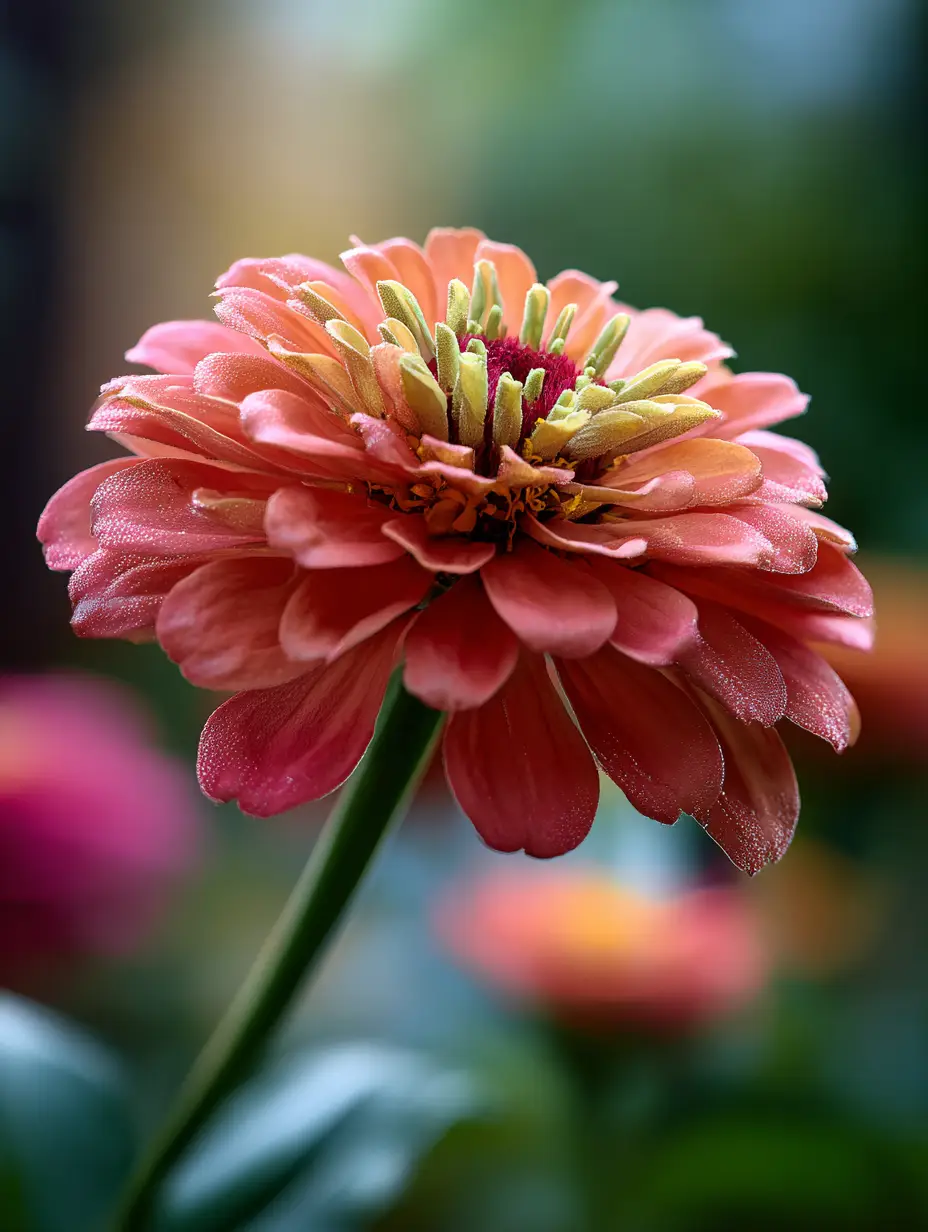 ZinniaPartial
NC State Extension notes zinnia wants full sun and rich, well-drained soil that still holds moisture for hydration, a workable middle ground with canna's wetter preference, and it fills in fast around canna's tall stalks with cheap, easy color.
Canna Lily+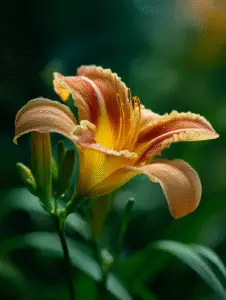 DaylilyPartial
Full sun to light shade and a genuine tolerance for both drought and flooding make daylily an easy shared-conditions fit even on canna's wetter days, and its grassy, medium-height clumps give canna a quieter, non-tropical partner for readers building a traditional border instead of a jungle scene.
Canna Lily+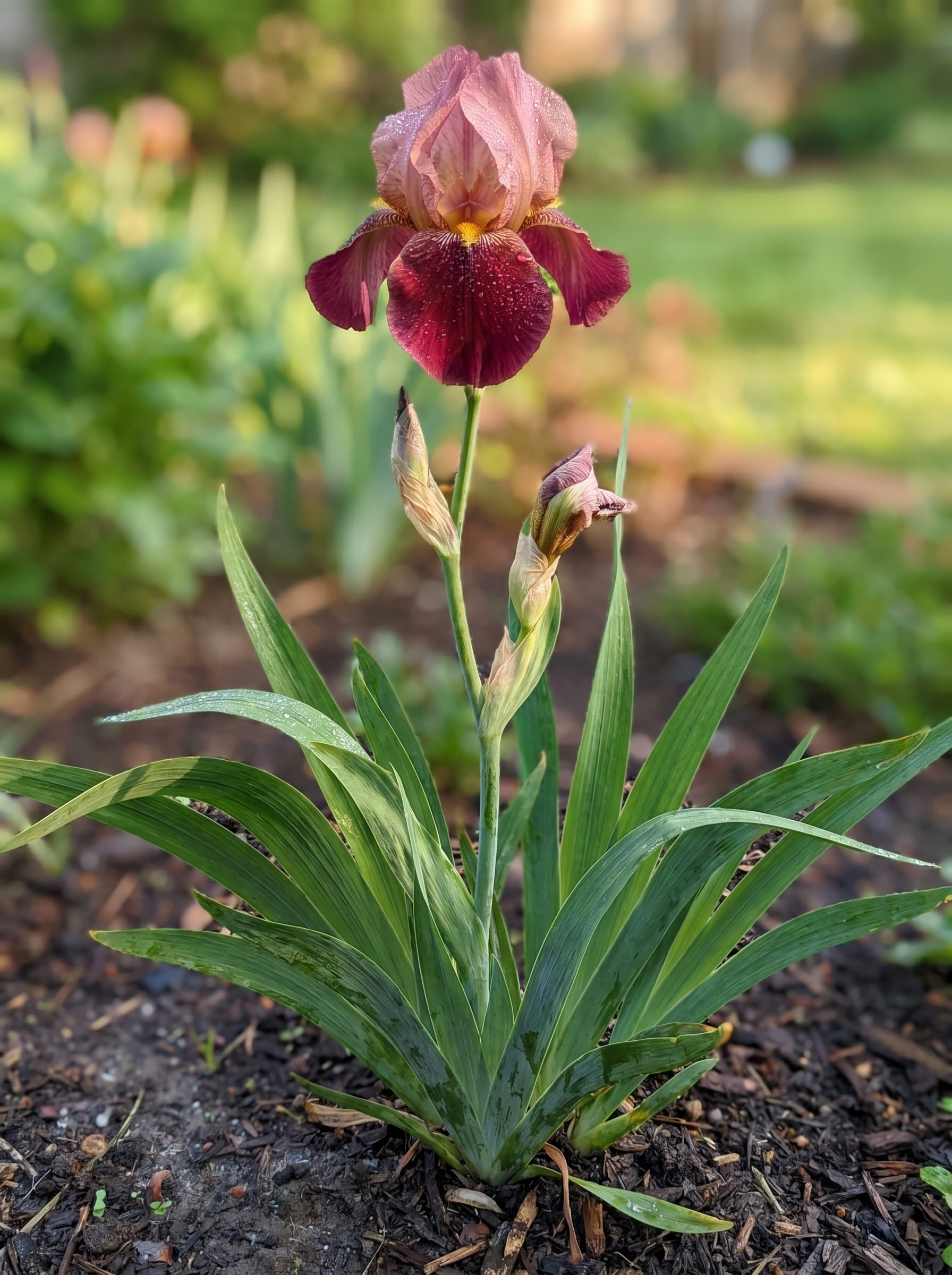 Louisiana irisProven
Bred for wet feet, Louisiana iris tolerates being planted with its root ball up to 6 inches below the water surface and thrives at the same pond and bog margins canna tolerates, the honest answer for readers growing canna as a water-garden plant rather than a standard dry border.
Canna Lily+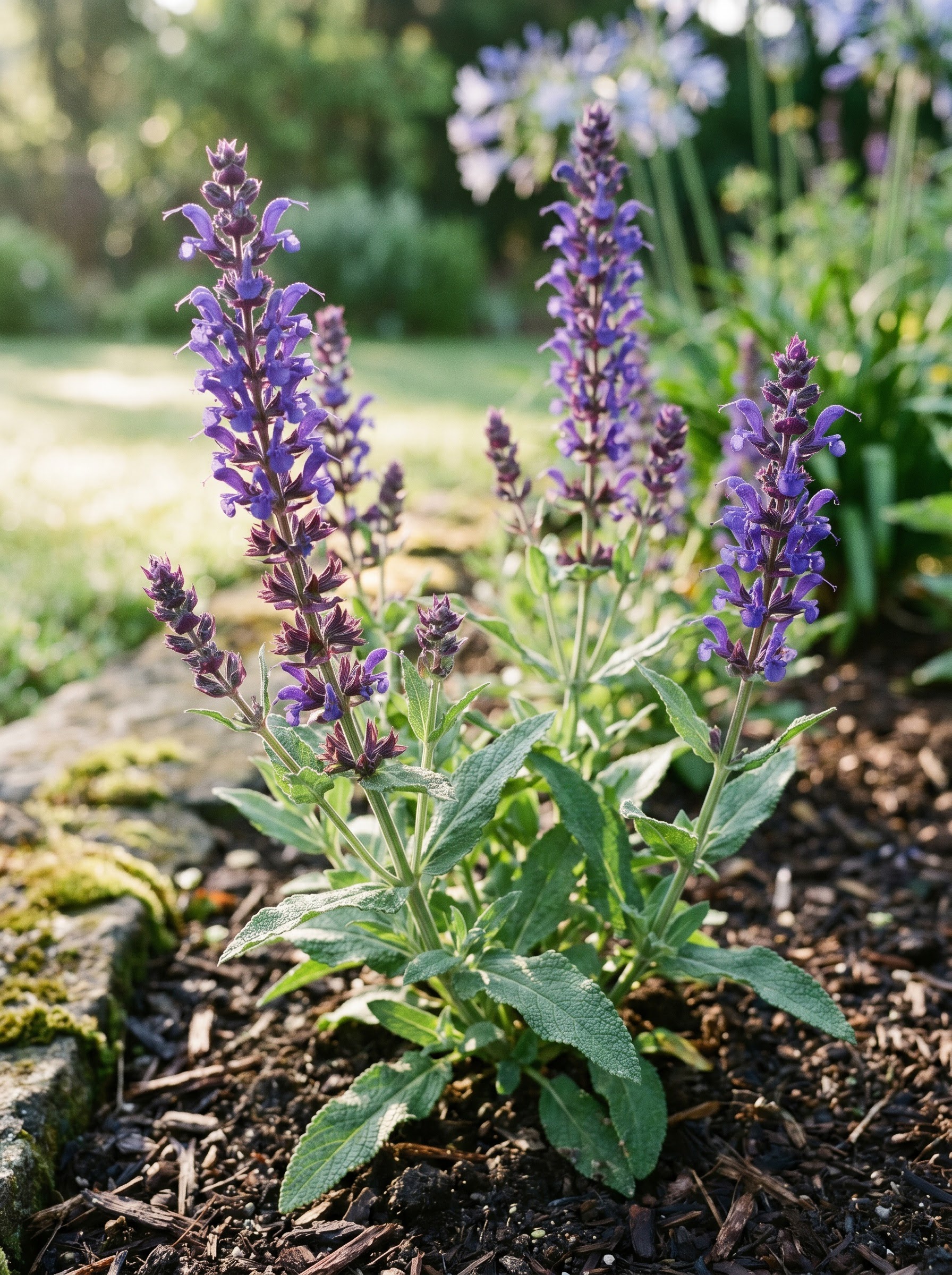 SalviaPartial
Salvia guaranitica flowers best with consistent moisture rather than true drought, closing much of the gap with canna's wetter needs, and its spiky bloom form is a real textural break from canna's broad leaves; leaner, xeric salvia species do not fit as well.
Canna Lily+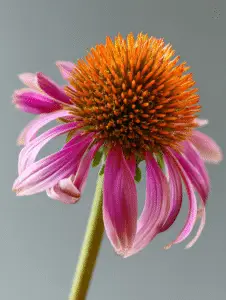 ConeflowerPartial
Coneflower's daisy form is a genuine shape contrast to canna's spikes, but Clemson HGIC lists Echinacea as wanting evenly moist, well-drained soil and only drought and heat tolerant once established, so it wants the driest, best-drained edge of a canna bed, not the wet heart of it.
All Canna lily companions
8 flower companions, best match first
What not to plant near Canna lily
Most bad neighbours are not evil, they just want the opposite light, water or root run. Here is what to keep away, and what to do instead.
Short, sun-hungry perennials and annuals crowded at the base (bee balm named specifically)
A mature canna clump reaches 3 to 8 ft with a dense paddle-leaf canopy; Iowa State University Extension notes bee balm needs at least 6 hours of direct sun and gets leggy with fewer flowers in shade, so tucking it directly beside an established canna clump reliably shades it out.
Lavender, sedum, and other true dry-soil, drought-tolerant plants
Canna tolerates moist, occasionally wet soil according to NC State Extension, while lavender and sedum need to dry out between waterings and rot in consistently damp ground; keeping both alive means deliberately watering one of the two wrong.
Shade ferns planted tight against canna's base
One popular claim warns ferns off as an aggressive-grower conflict, but the real mismatch is light: Clemson HGIC notes most hardy ferns want a moist, shady spot and acidic soil in the pH 4 to 7 range, while canna needs real sun to bloom, so the two simply want different light, not a fight over root space.
Nightshade vegetables (tomato, potato)
This pairing is repeated across consumer gardening sites as a shared-pest, shared-disease avoid, but no extension source reviewed names a specific pathogen or pest the two genuinely share, and this project covers flowers and ornamentals, not vegetable beds.
The best companions for canna lily, explained
Canna lily is rarely the plant someone researches on its own. It gets bought to finish a look: a tropical corner by the pool, a thriller in a big patio pot, a bold spike behind the dahlias in a late-summer border. That changes what "good companion" even means here. The strongest pairing in every source reviewed is elephant ear, whose huge solid-leaf clumps set canna’s brighter, narrower spikes off like a backdrop, and Wisconsin Horticulture Extension names it directly as a plant that combines well with tropicals in this role. Both want the same rich, constantly moist soil and full sun, and the usual design advice, elephant ear slightly behind or beside the canna rather than crowded against it, holds up because elephant ear genuinely grows even larger once established. The other half of canna’s signature pairing is dahlia, and this one earns its reputation on more than looks. NC State Extension confirms dahlia wants the identical full-sun, rich, moist soil canna does, the two bloom together from midsummer to frost, and in cold climates both are tender rhizomes and tubers that get dug up and stored for winter on almost the same schedule. That last point matters more than it sounds: pairing two plants that share not just a look but a whole seasonal care routine is rare, and it means a gardener planning one bed’s winter prep is really only learning one routine, not two. For a more traditional, non-tropical framing, daylily and zinnia both do real work. Daylily tolerates full sun to light shade and, per Clemson HGIC, both drought and flooding, giving canna a quieter, grassy, medium-height partner instead of another spectacle plant, while zinnia’s fast, cheap color fills the gaps around canna’s tall stalks in a bed that reads as a cutting garden more than a jungle. Salvia and coneflower can both work, but only with an honest caveat: canna’s wet-tolerant soil is the outlier trait most companion flowers do not share, so a plant recommended for its shape or color contrast still has to be checked against water before it earns a spot close to the rhizome.
What not to plant near canna lily
Canna carries no meaningful chemical defense against neighboring plants, no juglone-style allelopathy, nothing that poisons the soil for whatever grows nearby. The real risk with this flower is almost entirely physical: it gets big, and it shades. A mature clump reaches 3 to 8 feet with a dense canopy of broad paddle leaves, and anything short and sun-hungry planted directly beside it will bloom less and stretch leggy trying to reach light. Bee balm shows up specifically in this pattern across multiple sources, and Iowa State University Extension confirms why: bee balm needs at least six hours of direct sun and gets leggy with fewer flowers the moment shade moves in, which is exactly what an established canna clump casts on anything tucked too close. This is a spacing problem more than a species problem, and the honest fix is almost always to give the shorter plant real room, two to three feet from canna’s canopy, rather than to strike the plant from the list entirely. The second real avoid is water, not light. Lavender, sedum, and other true dry-soil plants want to dry out fully between waterings, while NC State Extension is explicit that canna tolerates moist, occasionally wet soil, so keeping both alive in the same bed means deliberately watering one of them wrong on any given week. One popular claim online warns gardeners off pairing canna with ferns, framing it as an aggressive-grower conflict, but that framing does not hold up. Clemson HGIC notes most hardy ferns want a moist, shady spot and acidic soil, while canna needs real sun to flower well, so what actually happens is a light mismatch, not a fight over root space; the honest version of this rule is to keep ferns in whatever deeper shade a taller tropical casts elsewhere in the bed, not crowded directly at canna’s own sunny base. A last claim worth naming and setting aside: several consumer gardening sites repeat a warning against planting canna near tomatoes or potatoes, citing shared pests and disease. None of the extension sources checked for this page name a specific pathogen or insect the two actually share, and this is a flowers-and-ornamentals project rather than a vegetable-bed guide, so that claim stays labeled folklore rather than a real rule to plan around.
Do they like the same conditions?
Every companion above gets tested against one ruler: full sun, and soil that stays consistently moist to genuinely wet. NC State Extension and Clemson HGIC both describe canna as wanting full sun for its best bloom and richest foliage color, tolerating partial shade but flowering visibly less there, so sun is the first filter and it is not a soft one. Soil pH sits around 6.0 to 6.5 by most citations, but canna is not a pH-obligate plant the way some flowers are; NC State Extension notes it tolerates clay, loam, acidic, and slightly alkaline soils without much complaint, so pH match is a nice-to-have rather than a hard rule here. Water is the trait that actually separates good companions from decorative ones. Canna tolerates moist, occasionally wet soil far better than almost any other flower covered on this site, to the point that varieties are grown directly in pond margins with a few inches of standing water over the rhizome. That single fact is why lavender and true xeric salvia read as mismatches even though their sun needs line up perfectly, and it is why Louisiana iris, tolerant of a root ball planted up to six inches below the water surface, becomes a genuinely strong companion the moment a reader is building a bog or pond-edge planting instead of a standard dry border. Good drainage still matters even inside that wet tolerance. NC State Extension pairs the wet-soil note with a warning that good drainage is essential to prevent rhizome rot, which is the real distinction: canna wants moist and fertile, not stagnant. A companion that wants the opposite of any of this, dry soil where canna wants wet, deep shade where canna wants sun, belongs at the bed’s edge at best, planted for contrast rather than for a genuine shared-conditions match.
How to plant them together
Space taller companions like elephant ear and banana at least two to three feet from canna’s rhizome mat, since both will fill out to their full mature size within a season and none of the three benefits from being wedged against the others. Layer by the logic of a tropical bed rather than a cottage border: foliage giants go behind or beside canna as a backdrop, canna itself supplies the mid-to-tall color spike, and lower flowering fillers like zinnia or daylily go in front where they still catch full sun. In containers, canna is one of the most reliable thrillers in a thriller-filler-spiller recipe; give it the center or back of a large pot, at least 16 to 18 inches across since canna’s root mass and appetite are substantial, and pair it with a trailing filler that tolerates the same regular watering a container concentrates, since pots dry and compete for moisture faster than open ground. For the water-garden branch, plant canna and Louisiana iris directly at a pond’s edge or in submerged pots with the crown just below the waterline, keeping taller marginal plants toward the back so their foliage does not block canna’s spikes from view. If lifting rhizomes for winter in a marginal zone, plant canna next to something on the same care schedule, dahlia is the obvious match, rather than beside a true hardy perennial that stays in the ground; the most common beginner mistake here is simply forgetting the canna needs digging because its neighbor did not.
Does companion planting actually work for canna lily?
Some of it, yes, and plainly. The shared-conditions logic behind elephant ear, dahlia, and Louisiana iris is not decoration: these plants genuinely want the same sun and the same wet-tolerant soil canna does, verified against extension sources rather than assumed from how a photo looks in a magazine. The dahlia pairing goes further than most companion claims on this site ever do, because the shared winter-storage routine is a real practical fact, not just a design opinion, and it is the kind of honest, distinctive detail an AI-generated summary tends to flatten into a generic "plant tall flowers together" line. Where the evidence gets thinner is anything framed as protection or repelling: no source reviewed for this page supports canna warding off pests from a vegetable bed, and the once-repeated warning against pairing it with ferns turns out to be a mislabeled light mismatch rather than a real conflict. Companion planting for canna lily turns out to be mostly a matching exercise, sun to sun, wet soil to wet soil, tender-care routine to tender-care routine, and the payoff is a bed that looks intentional rather than a plant that magically wards off trouble. Readers chasing a specific pest-repelling myth will be disappointed; readers who want a tropical or pond-edge bed that actually thrives together will find the real matches hold up under scrutiny.
FAQ
What grows well with canna lilies in a tropical garden?
Elephant ear and banana are the two most consistently named partners, both sharing canna’s need for full sun and rich, constantly moist soil, with elephant ear’s huge solid leaves acting as a backdrop for canna’s brighter spikes.
What should you not plant near canna lilies?
Avoid crowding short, sun-hungry plants like bee balm directly against an established clump, since canna’s height and canopy shade them out, and skip true dry-soil plants like lavender or sedum, since canna’s soil stays far wetter than they can tolerate.
Do canna lilies and dahlias need the same winter care?
Yes, in cold climates both are dug up and stored as dormant rhizomes or tubers on a very similar schedule, which is part of why the two are planted together so often; a gardener already digging up dahlias in fall should plan to dig the canna at the same time.
What can I plant in front of canna lilies?
Daylily and zinnia both work well as a lower front layer, since they tolerate canna’s sun and moisture reasonably closely while staying shorter and adding a different bloom shape at eye level.
Can canna lilies grow in a pond or bog garden?
Yes, canna tolerates a few inches of standing water and is regularly planted at pond margins; Louisiana iris is the strongest companion for this specific use, since it tolerates being planted with its root ball up to six inches below the water surface.
Sources
- Canna x generalis, NC State Extension Gardener Plant Toolbox
- Cannas Can Take the Heat, Clemson Home & Garden Information Center
- Elephant Ears (Colocasia, Alocasia, and Xanthosoma), Wisconsin Horticulture Extension
- Dahlia, NC State Extension Gardener Plant Toolbox
- Growing Bee Balm in the Home Garden, Iowa State University Extension
- Daylily, Clemson Home & Garden Information Center
- Louisiana Iris in the Home Landscape, Mississippi State University Extension
- Go Tropical with Ornamental Bananas, University of Illinois Extension
- Hibiscus moscheutos, NC State Extension Gardener Plant Toolbox
- Hardy Ferns: How to Grow and Care for Ferns in South Carolina, Clemson Home & Garden Information Center