The pairing · pick a flower
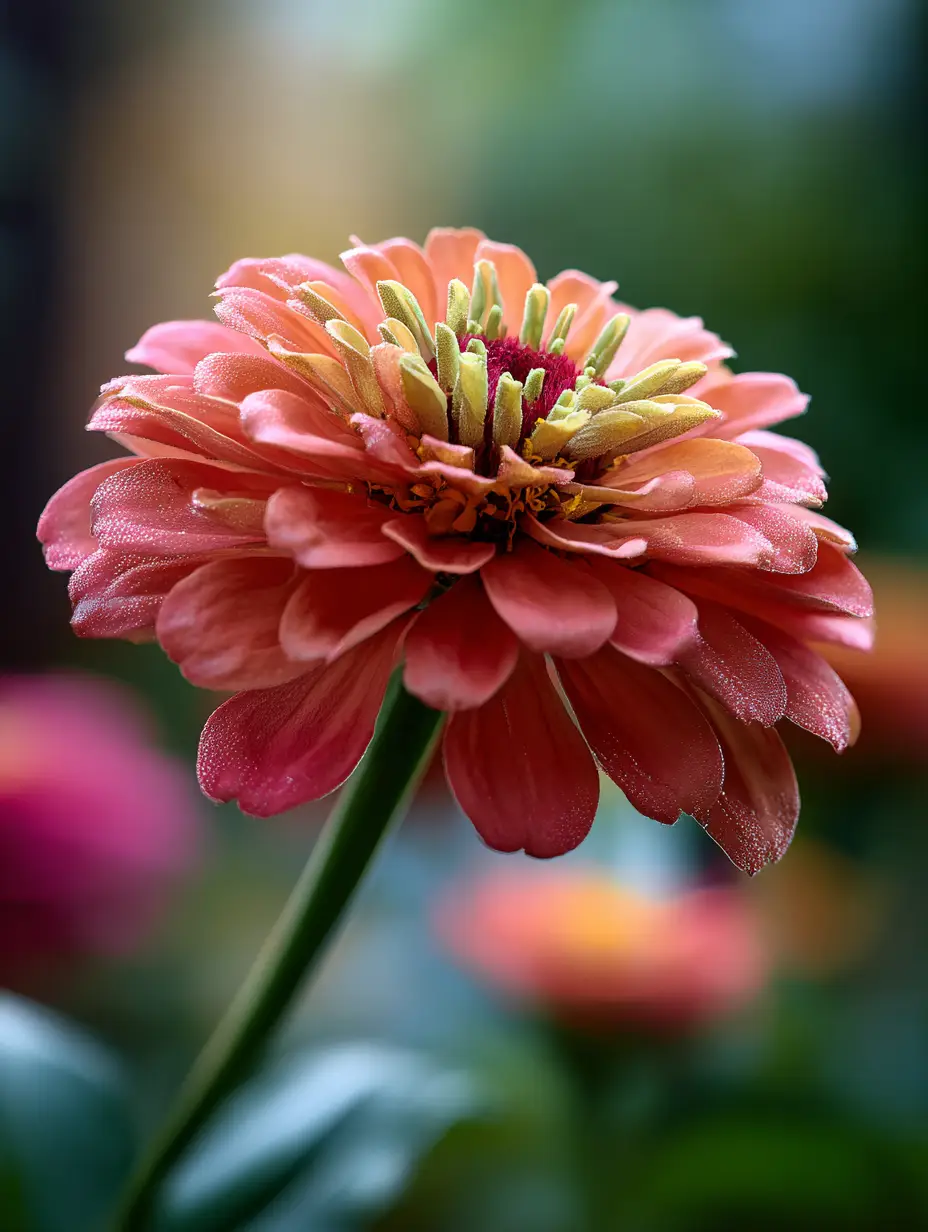 Zinnia+
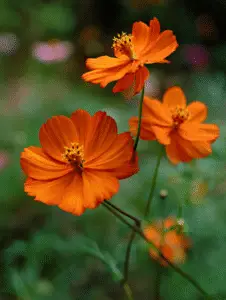 CosmosProven
Near-identical needs: full sun, tolerant of average or poor soil, genuinely drought hardy, and the same fast reseeding cut-and-come-again habit, so neither plant strains the other for water or fertility.
Zinnia+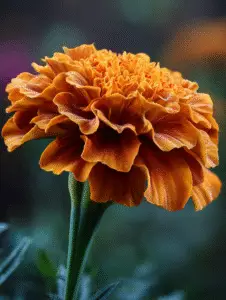 MarigoldPartial
Same Asteraceae family, same full-sun and well-drained needs, and named alongside zinnia as a top insectary bedding plant that draws beneficial insects; the nematode-suppression reputation needs a dense tilled-in stand over months, not a few tucked-in plants.
Zinnia+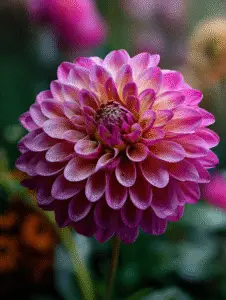 DahliaPartial
Both want full sun, rich soil and steady moisture, and dahlia's late-summer-into-fall peak picks up right as zinnia's early-summer flush from seed starts to slow, stretching the cutting garden's productive window.
Zinnia+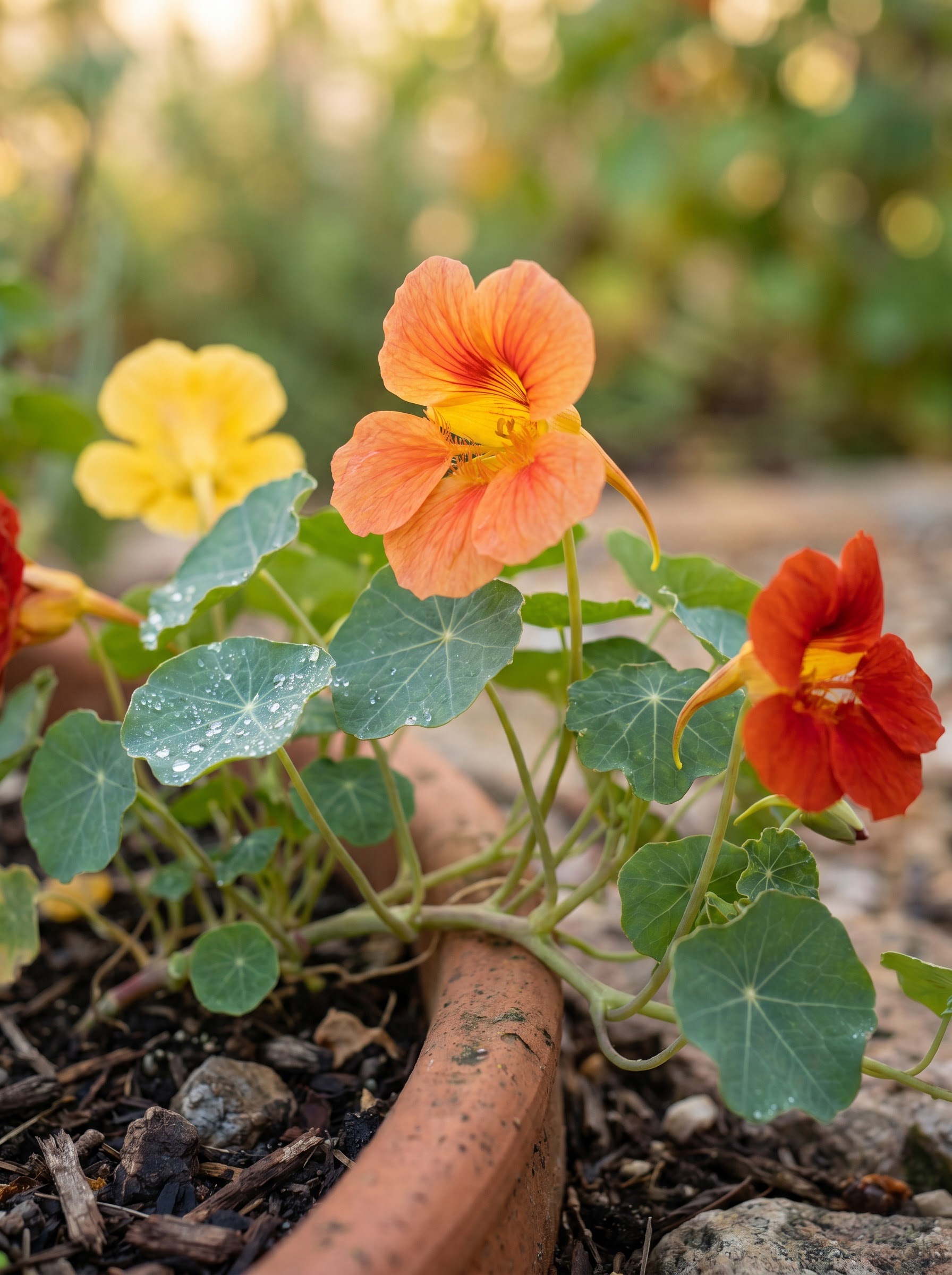 NasturtiumProven
A genuine, well-documented aphid trap crop: aphids consistently prefer nasturtium's peppery foliage over most neighbors, so planting it several feet off pulls pests toward a sacrificial plant instead of straight onto zinnia.
Zinnia+ Sweet alyssumProven
One of the best-documented insectary annuals: a field trial found alyssum interplanting raised hoverfly and parasitic-wasp numbers, and it carpets bare soil at zinnia's feet without competing for light.
Zinnia+ Black-eyed SusanPartial
Shares zinnia's full sun, average well-drained soil, heat and drought tolerance almost exactly, and both are daisy-form composite flowers that draw bees and butterflies in the same summer window.
Zinnia+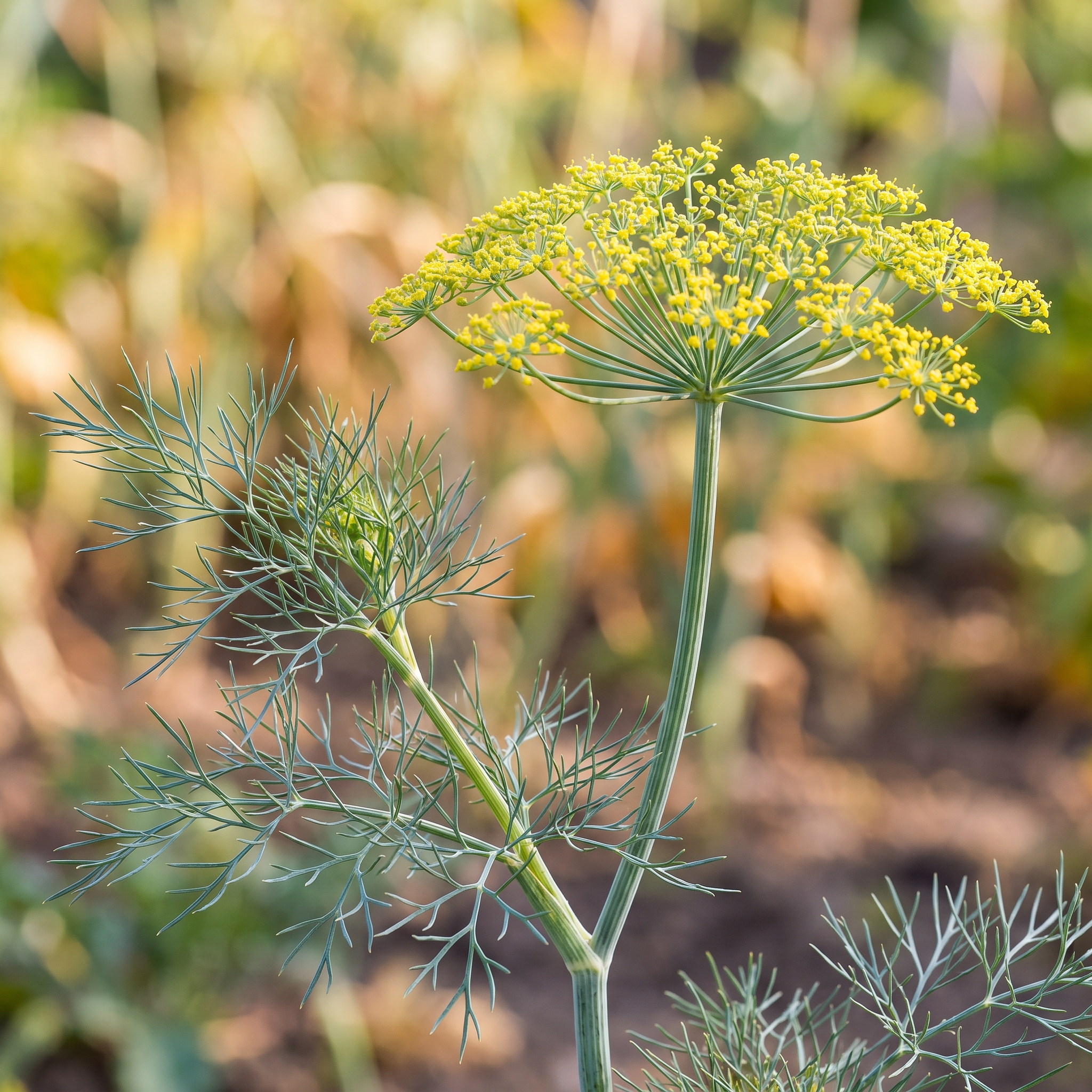 DillProven
Its flat umbel flowers are a documented magnet for hoverflies, lacewings and parasitic wasps once allowed to bolt and bloom, feeding the same predators that keep aphids off zinnia.
Zinnia+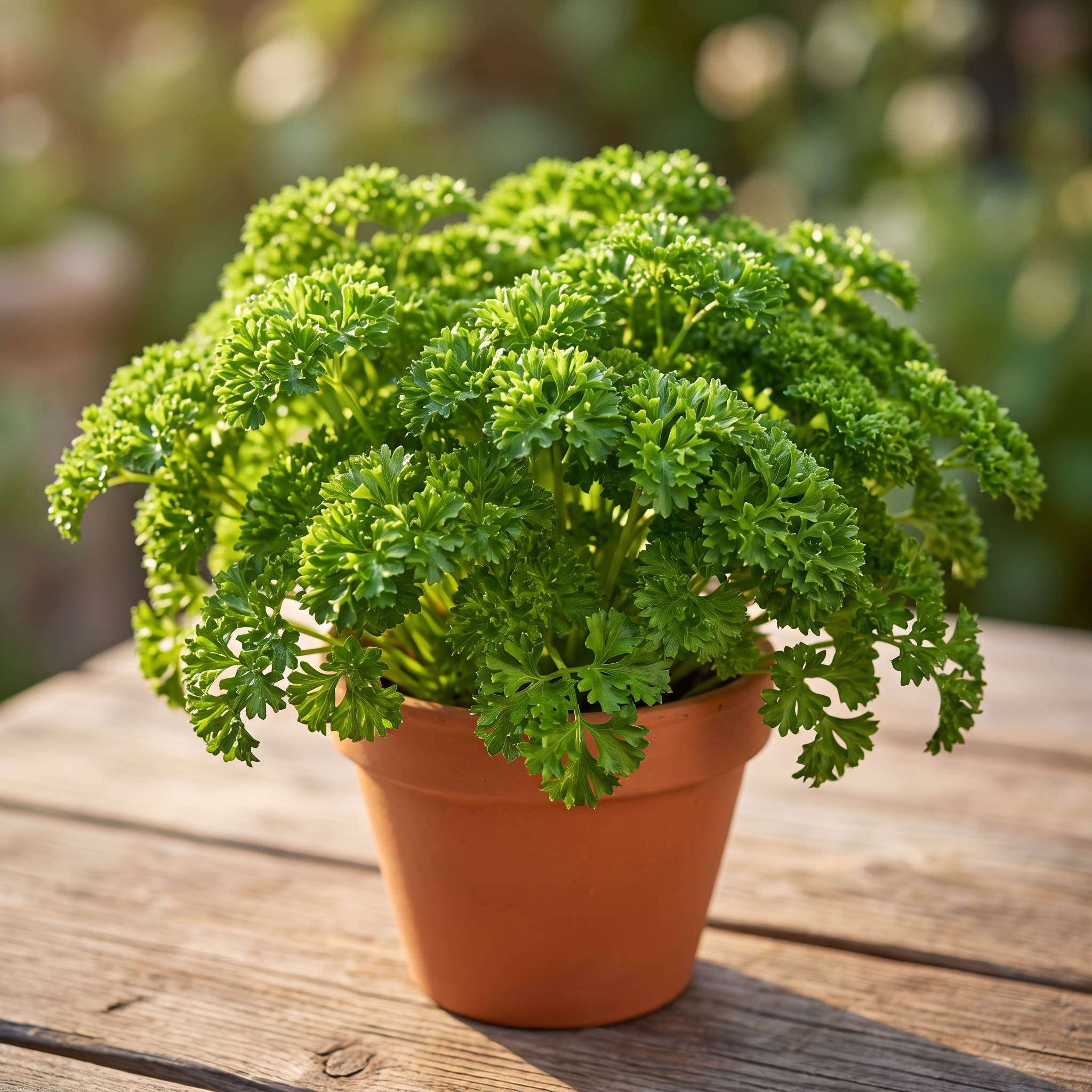 ParsleyProven
Like dill, its umbel flowers are a well-documented nectar source for short-tongued parasitoid wasps and hoverflies once it bolts in its second year or in heat, the same predator-feeding mechanism as the master brief's proven insectary umbels.
Zinnia+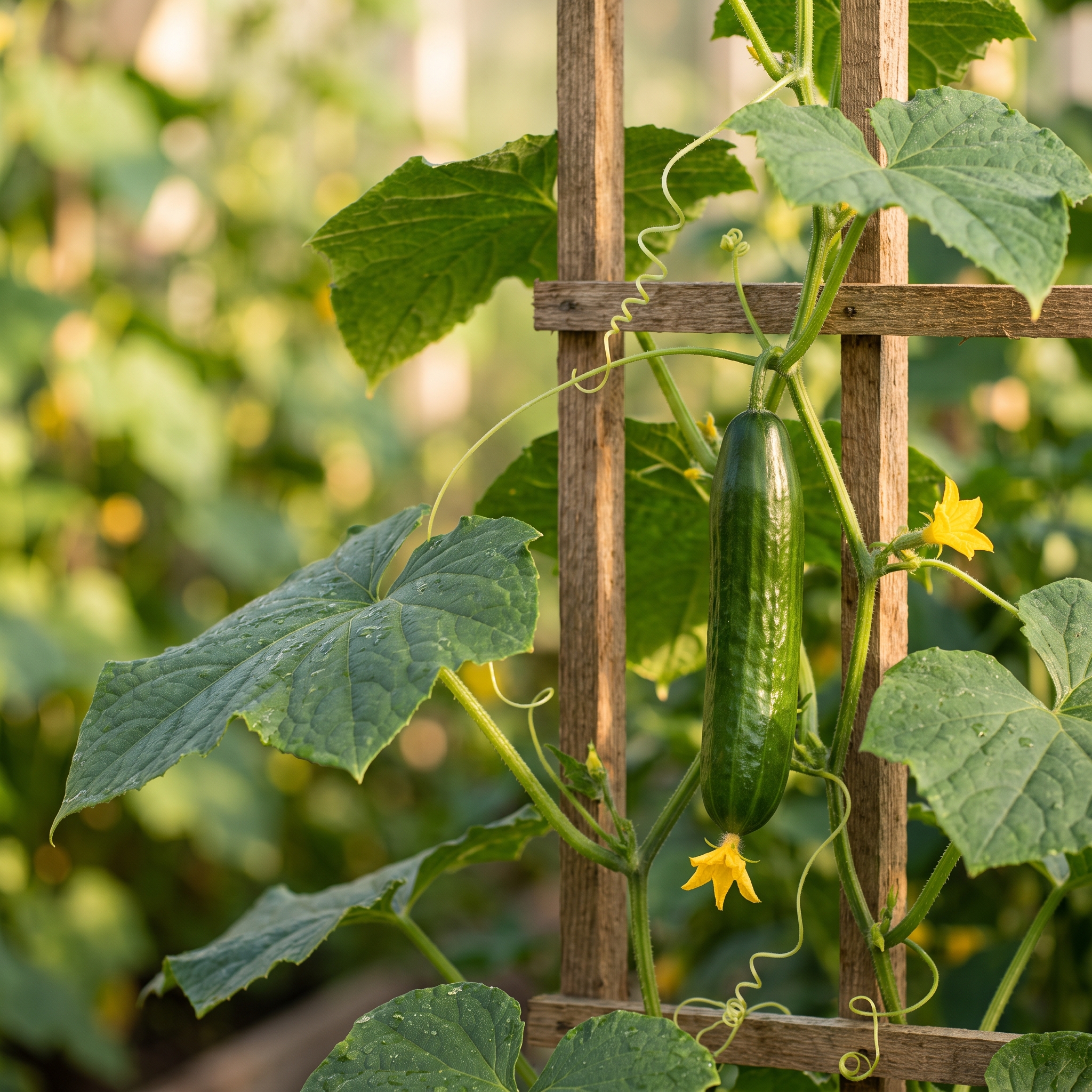 CucumberProven
A 2024 peer-reviewed greenhouse study found zinnia planted alongside cucumbers sustained the parasitic wasp Aphidius colemani far longer against cotton aphids than the wasp released alone, a rare, genuinely citable result for an ornamental annual.
All zinnias companions
9 flower companions, best match first
What not to plant near zinnias
Most bad neighbours are not evil, they just want the opposite light, water or root run. Here is what to keep away, and what to do instead.
Cucumber, squash, melon and other cucurbits
Cucurbits carry their own powdery mildew, usually a different fungal species than the one that hits zinnia, so this is not direct cross-infection. But both are humidity-loving and mildew-prone, and letting sprawling cucurbit vines and packed zinnia stems share the same still, damp air raises the odds of an outbreak in the whole bed.
Bee balm and garden phlox
University extension sources name monarda, phlox and zinnia together as highly susceptible to powdery mildew in the same pollinator-garden conditions, so grouping all three tightly compounds the same humid, crowded weakness rather than spreading the risk.
Morning glory
A vigorous twining vine that climbs and smothers whatever it reaches, closing off the open airflow zinnia depends on to keep its foliage dry.
Mint
Spreads by rhizomes well beyond where it is planted, thickening into a dense mat that invades the root zone and closes up the open base zinnia needs for air to move.
The best companions for zinnia, explained
Zinnia is one of the easiest annuals to pair in a garden because its needs are so simple: full sun and soil that drains, nothing fussier than that. The plant is not particular about soil pH, tolerates dry spells once established, and grows fast enough from seed that most true cutting-garden companions catch up to it within a season. That openness is exactly why the classic zinnia combination reads as effortless rather than engineered. Cosmos is the closest match on the growing-conditions ledger, since both plants want the same lean, well-drained soil, shrug off drought, and rebloom on the same cut-and-come-again rhythm through summer, which is why the two show up together in nearly every wild, romantic cutting-bed photo. Marigold rides along for the same reason, sharing the Asteraceae family’s tolerance for heat and poor soil, and it earns its place further as one of the bedding plants extension entomologists name specifically for pulling in the hoverflies and parasitic wasps that keep aphids in check. Dahlia extends the season on the back end: it wants the same rich soil and steady sun as zinnia, but its tubers take longer to hit their stride, so dahlia’s late-summer and fall peak picks up the productive window right as zinnia’s earliest flush from seed starts to slow.
The pollinator-support angle deserves its own honest look, because zinnia is unusually well documented here for an ordinary annual. Nasturtium is not so much a same-bed companion as a decoy, planted several feet off so the aphids that reliably prefer its peppery leaves get pulled away from zinnia rather than toward it, a genuinely proven trap-crop mechanism rather than vague folklore about "repelling" pests. Sweet alyssum works the opposite angle, carpeting bare soil at zinnia’s base while a documented Oregon State field trial found it measurably raised the number of hoverflies and parasitic wasps working the bed, the same beneficial-insect boost that makes it a repeat pick across the site’s other companion pages. Dill and parsley bring a third, related mechanism: left to bolt and flower, their flat umbel clusters are an easy landing pad for short-tongued predatory insects that cannot reach into deeper flowers, so a few unharvested herb plants tucked among the zinnias quietly extend the same pest-control web. Black-eyed Susan rounds the group out on pure conditions and color, sharing zinnia’s exact sun and soil tolerance and the same daisy-form bloom that reads as an easy visual echo rather than a clash.
What not to plant near zinnia
Every source that covers zinnia leads with the same problem, and for good reason: powdery mildew is this flower’s dominant weakness, and overcrowding is repeatedly named as its single most common cause. That reframes the avoid list here differently than it would read for most flowers. It is less about one specific toxic plant and more about which neighbors compound the humid, still-air conditions the fungus needs. Cucurbits, meaning cucumber, squash, melon and pumpkin, sit at the top of that list, and it is worth being precise about why. Powdery mildew species are largely host-specific, so the fungus that infects cucurbits is generally not the same one that infects zinnia; this is not a case of one plant directly handing its disease to the other. What the two do share is a love of the exact same warm, humid, poorly ventilated conditions, so packing sprawling cucurbit vines against dense zinnia stems raises the odds that the whole corner of the garden turns into a mildew incubator, even without a single fungal spore crossing species lines. Bee balm and garden phlox present a cleaner, more direct version of the same risk, since extension sources list all three, monarda, phlox and zinnia, together as highly susceptible to powdery mildew under the same pollinator-garden conditions. Clustering them tightly does not spread the risk around a bed, it concentrates it.
The other real avoid category is simpler: anything that physically closes the canopy. Morning glory is a vigorous twining vine that will climb whatever structure or plant is nearest, and once it reaches a zinnia stand it smothers the open, breathing space the flower needs to keep its leaves dry. Mint carries a related but underground version of the same problem, spreading by rhizomes well past its original planting spot and thickening into a root-choking mat that closes up the base of the bed from below rather than above. Neither plant is toxic to zinnia the way juglone is toxic to a walnut-sensitive species; they are simply aggressive enough to undo the spacing that keeps mildew away, which is worth stating plainly since it is a different, more mechanical kind of harm than a chemical or nutrient conflict. One genuine honesty note worth flagging here: despite black walnut showing up on some companion lists as a zinnia hazard, the actual extension record says the opposite. Zinnia appears specifically on a university juglone-tolerance list alongside pot marigold and pansy, meaning it is one of the annuals that grows fine near a black walnut tree rather than one the toxin damages, and repeating the reverse claim would be exactly the kind of listicle error this page exists to correct.
Do they like the same conditions?
Zinnia’s growing profile is unusually forgiving compared to most flowers covered on this site, and that changes how the shared-conditions test should be read here. Sun is the one truly non-negotiable filter: zinnia wants 6 or more hours of direct light a day, full stop, which immediately rules out every shade-tolerant companion, no matter how well its other needs line up. Water is more flexible than it looks. Zinnia tolerates dry spells once established and is genuinely more drought-hardy than a plant like hydrangea, though it blooms best and keeps its cut-and-come-again habit going with consistent moisture, especially while young. That middle-ground water tolerance is what lets it pair comfortably with both thirstier bedmates like dahlia and leaner ones like sweet alyssum, without either relationship becoming a real mismatch.
Soil pH is the biggest myth-busting point on this page. Zinnia is genuinely, explicitly not picky about pH, growing well across acid, neutral and alkaline soils alike, which is one of the widest tolerances of any flower researched for this project. That means the usual pH-matching exercise that matters so much for a plant like hydrangea or a true acid-lover barely applies here; a companion’s pH preference is rarely the reason to reject or accept it for a zinnia bed. Airflow and canopy space are what actually decide a good companion here, well ahead of soil chemistry. A plant that shares zinnia’s sun and drainage needs but grows dense, sprawling or tall enough to close off the air around zinnia’s base is a worse match than one with a slightly different soil preference but an open, upright habit. For this particular flower, "do they like the same conditions" really comes down to light and spacing: pH almost never decides it.
How to plant them together
Start with spacing, because it does double duty here, supporting healthy growth and actively preventing the disease this flower is most prone to. Extension guidance generally puts zinnia itself at 8 to 12 inches apart for dwarf types and 12 to 18 inches for taller cutting varieties, and most true companions should sit in that same range or a bit further out rather than crowding in tight. Nasturtium is the clear exception, since its job as a trap crop only works at distance, several feet away rather than adjacent, so pests are drawn toward the sacrificial plant instead of hopping directly onto zinnia from next door. Bloom-succession pairs like cosmos and marigold can go in at the same time as zinnia, since all three germinate and establish on a similar early-summer timeline, while dahlia benefits from being planted where it will not be shaded out early on but can spread into more space as zinnia’s first flush starts to fade.
Layering by height matters more here than in a lot of companion beds, because zinnia’s own height range is unusually wide, from 6-inch dwarf types to 4-foot cutting-garden varieties, so the "same bed" logic depends heavily on which zinnia cultivar is actually being grown. A tall State Fair-type zinnia paired with a low sweet alyssum groundcover functions completely differently than the same alyssum next to a 6-inch dwarf zinnia, where the two are suddenly competing at the same eye level rather than layering. In containers, zinnia does well with a single dwarf cultivar and a trailing edge plant like alyssum rather than multiple tall bedmates competing for the same limited soil volume and airflow. Water at the base rather than overhead in every arrangement, since wet foliage is the other half of the mildew equation alongside crowding, and that rule holds whether zinnia is planted alone or surrounded by its best companions.
Does companion planting actually work for zinnia?
The evidence splits cleanly by mechanism, and zinnia happens to have one of the stronger evidence bases of any ornamental annual reviewed for this project. The clearest Proven case is nasturtium as an aphid trap crop, a well-established piece of integrated pest management with real research behind the "aphids prefer this plant" mechanism specifically, rather than a vague folk claim about repelling pests. Sweet alyssum and the umbel herbs, dill and parsley, sit right alongside it: field trials and extension entomology sources consistently document these plants raising the number of hoverflies and parasitic wasps in a bed, and that beneficial-insect pathway is measurable rather than assumed. The single strongest piece of evidence, though, is a 2024 peer-reviewed greenhouse study that found zinnia planted alongside cucumbers meaningfully extended how long the parasitic wasp Aphidius colemani could keep cotton aphids under control, compared to releasing the wasp alone, a genuinely rare, citable, peer-reviewed result for an ornamental annual’s companion-planting value that usually only turns up in vegetable-crop research.
Marigold is where the honesty needs the most care. Its reputation as a nematode-suppressing companion is real, but the actual extension research is specific about the conditions: alpha-terthienyl, the compound responsible, only works when marigold is grown as a dense, tilled-in cover crop for a full season before the vulnerable crop goes in, and casual companion interplanting of a few marigolds among other flowers does not appear to be effective by the same standard. That reputation earns a Partial tier rather than a full Proven one, and it is worth saying plainly rather than borrowing the cover-crop result to sell a few tucked-in marigold plants. On the flip side, the black walnut avoidance claim that shows up on some zinnia lists turns out to be backward: extension sources actually list zinnia among the juglone-tolerant annuals, not the sensitive ones, which is exactly the kind of listicle error that gets copied forward without anyone checking the primary source. And one more honest asterisk worth knowing: not every zinnia cultivar even carries the pollen and nectar pollinators need, since some varieties have had it bred out in favor of double, showier blooms, so a gardener planting zinnia specifically for pollinator support should check the seed packet rather than assume every zinnia variety performs the same.
Frequently asked questions
What can I plant in front of zinnias?
Low, spreading plants that share full sun and will not shade out the zinnia’s base work best. Sweet alyssum is the strongest pick, since it stays under 6 inches, tolerates the same lean soil, and its own documented benefit is drawing in beneficial insects rather than competing with zinnia for light or root space.
What should you not plant near zinnias?
Anything that closes the canopy or shares zinnia’s exact powdery mildew weakness. Morning glory and mint both spread aggressively enough to choke the airflow zinnia’s base needs, and bee balm, garden phlox and cucurbits like cucumber and squash are all independently mildew-prone plants that raise the compounded disease risk if crowded in nearby.
Do zinnias help tomatoes and other vegetables?
Mainly through pollinator and beneficial-insect traffic rather than any protective chemical effect. Zinnia is one of the flowers named as a genuine bridge between an ornamental bed and a vegetable garden, and the peer-reviewed cucumber-greenhouse study is the clearest evidence that its presence measurably helps biocontrol insects do their job for a neighboring crop.
How far apart should zinnias be spaced to prevent powdery mildew?
Extension guidance generally puts dwarf types at 8 to 12 inches apart and taller cutting varieties at 12 to 18 inches, with overcrowding repeatedly named as the single most common cause of the mildew that affects this flower. Watering at the base rather than overhead matters just as much as the spacing itself.
Are zinnias good for pollinators?
Genuinely, yes, with one honest caveat. Zinnia is a strong butterfly and bee plant, especially single-bloom, flat-faced varieties with visible centers, but some bred cultivars have had their pollen and nectar reduced in favor of showier double blooms, so checking the seed packet matters if pollinator support is the specific goal.
Sources
- North Carolina State Extension Gardener Plant Toolbox: Zinnia elegans
- North Carolina State Extension Gardener Plant Toolbox: Cosmos bipinnatus
- North Carolina State Extension Gardener Plant Toolbox: Dahlia
- North Carolina State Extension Gardener Plant Toolbox: Ipomoea (morning glory)
- University of Maryland Extension: Growing Mint in a Home Garden
- Wisconsin Horticulture Extension: Zinnias
- Wisconsin Horticulture Extension: Powdery Mildew, Herbaceous Ornamentals
- Clemson HGIC: How to Grow Zinnias
- Illinois Extension: Prevent, protect zinnias from powdery mildew
- UF/IFAS Extension: Using Insectary Plants to Attract Pest Predators