The pairing · pick a flower
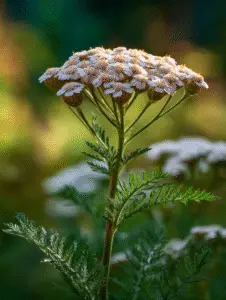 Yarrow+
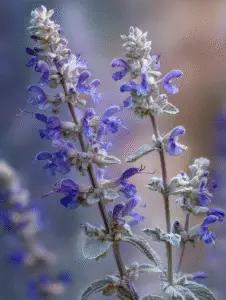 Russian sageProven
Full sun, poor to dry soil, and a see-through, airy habit that echoes yarrow's ferny texture instead of competing with it, with a late-summer peak that stretches the border past yarrow's main flush.
Yarrow+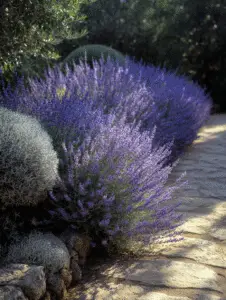 LavenderProven
Same full-sun, lean, sharp-drainage needs, down to sharing a susceptibility to root rot in wet soil, so a bed built to keep yarrow happy keeps lavender happy too.
Yarrow+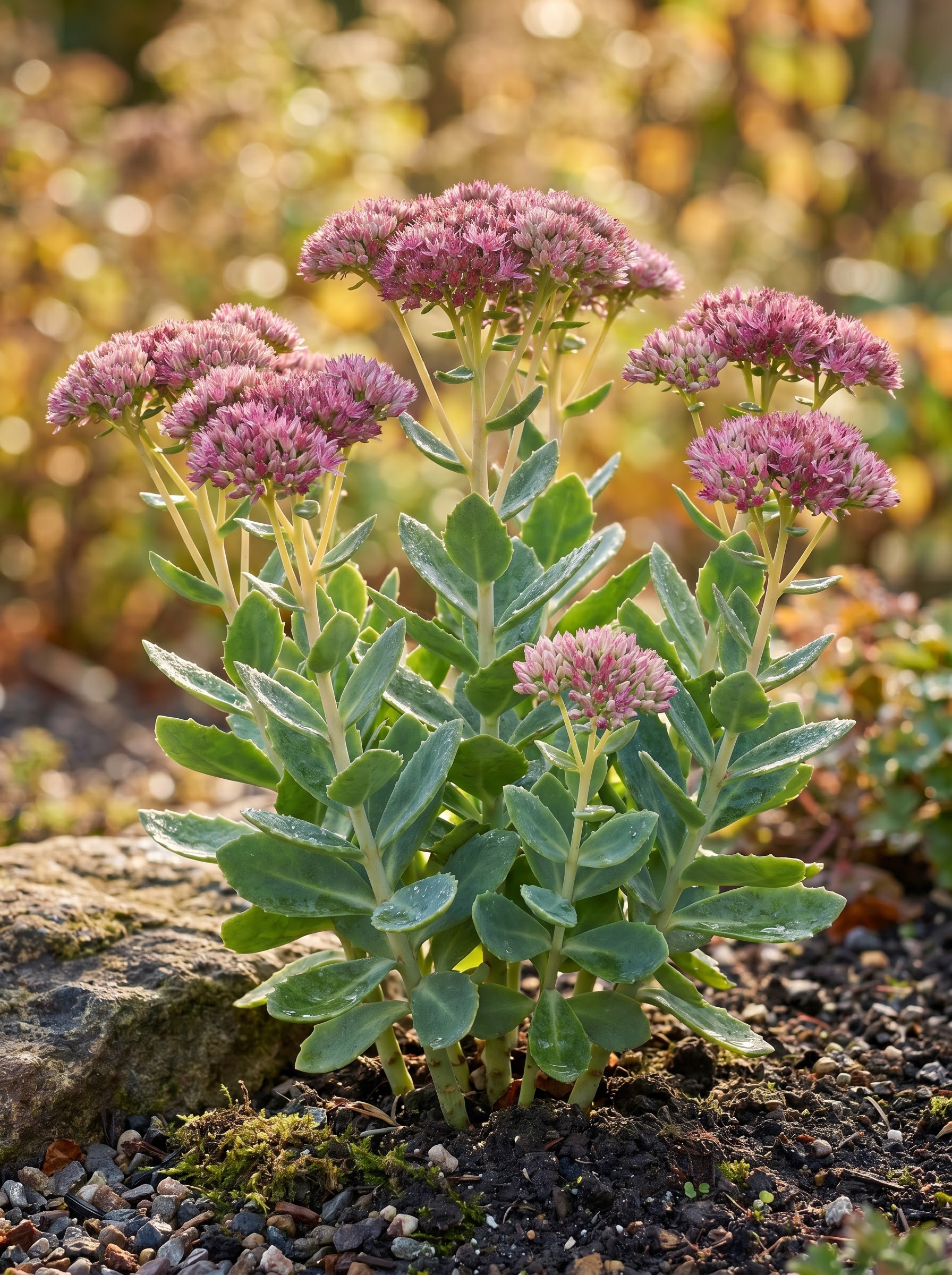 SedumProven
Wants the same average to low-fertility, sharp-draining soil, and its low mounded rosettes contrast yarrow's upright flat heads while carrying the border into fall as yarrow fades.
Yarrow+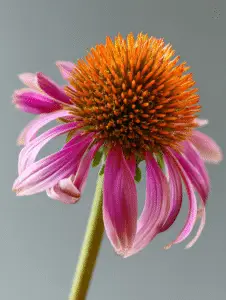 ConeflowerPartial
Shares the full-sun, drought-tolerant, average-soil profile and the same meadow role, drawing butterflies and native bees over a long summer season alongside yarrow's insectary bloom.
Yarrow+ Black-eyed SusanPartial
Tolerates the same full sun and drought once established, and its golden late-summer daisies carry a wildflower meadow through the season after yarrow's earlier bloom has slowed.
Yarrow+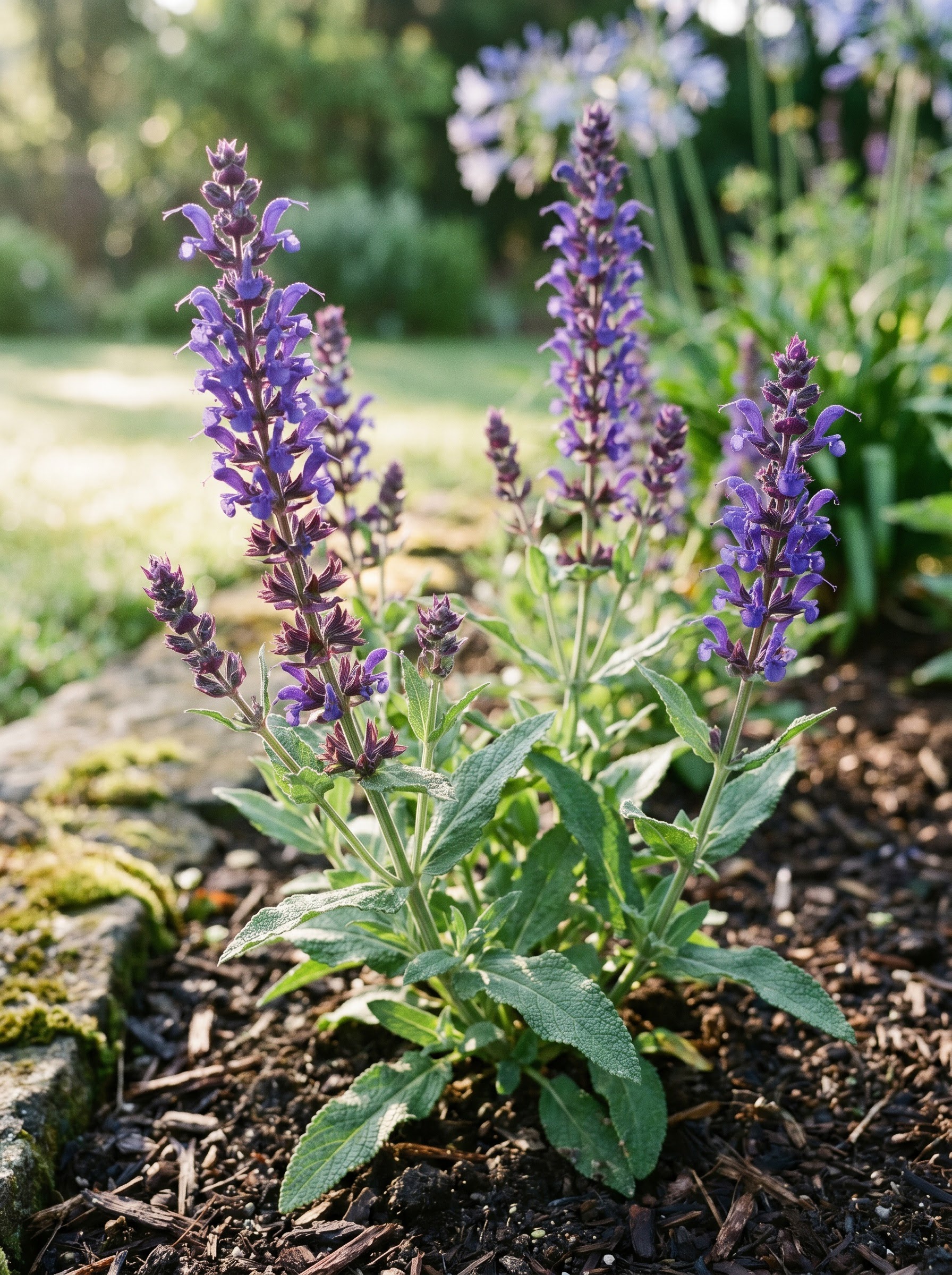 Perennial salviaPartial
Wants the same average, well-drained, full-sun conditions, and its upright violet spikes give yarrow's flat umbels a strong vertical counterpoint bees and hummingbirds both visit.
Yarrow+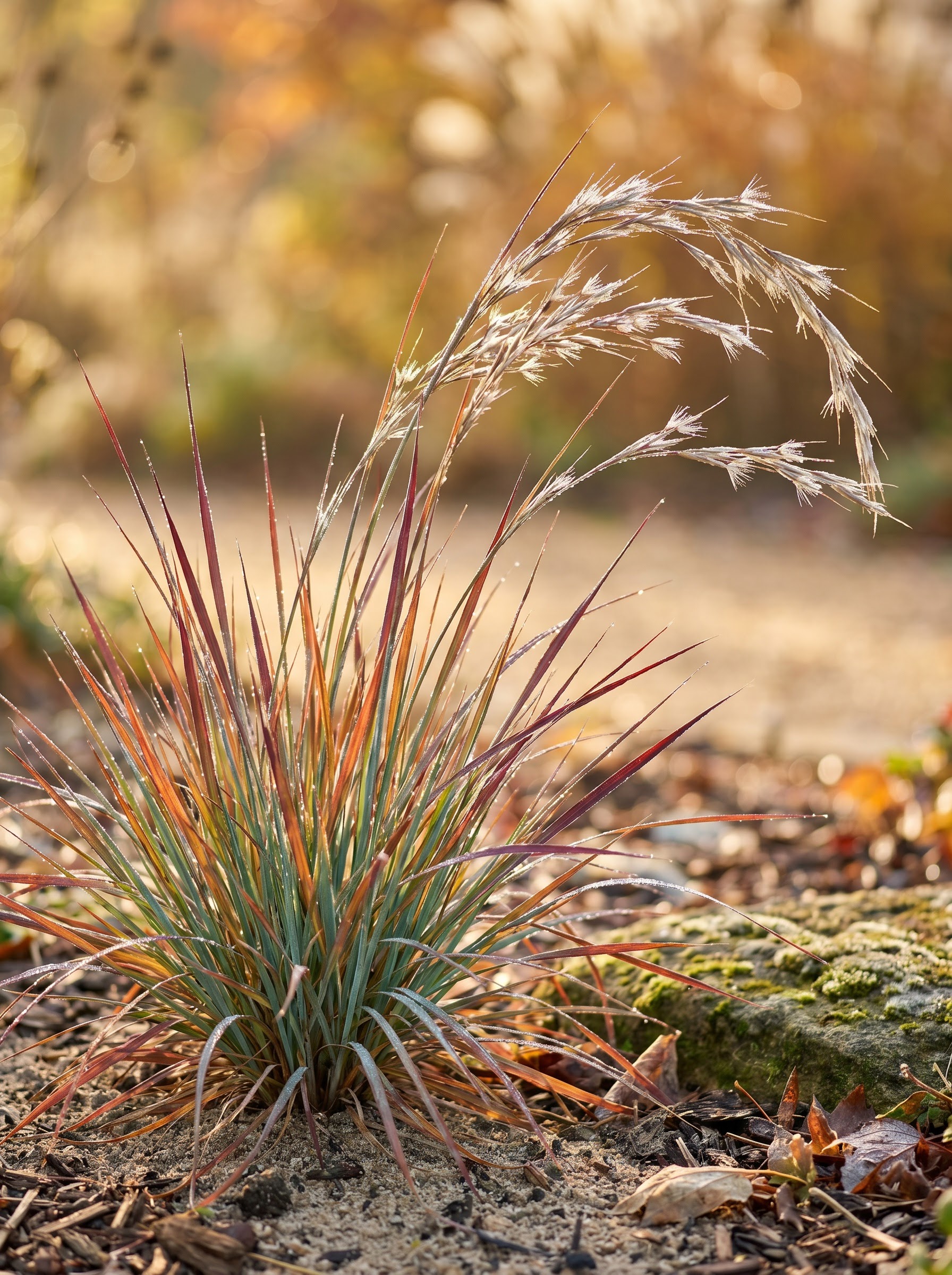 Little bluestemProven
A university-documented prairie-border pairing: this native grass is named alongside yarrow, rudbeckia, and coneflower in the same dry, full-sun combination, adding movement and standing winter structure once yarrow goes dormant.
Yarrow+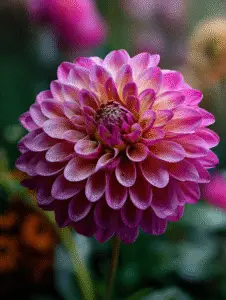 DahliaFolklore
A cutting-garden pairing, not a shared-root-zone one: yarrow's flat clusters and ferny foliage make classic filler beneath dahlia's bold round blooms, but dahlias want richer, wetter soil than yarrow tolerates well.
All yarrow companions
8 flower companions, best match first
What not to plant near yarrow
Most bad neighbours are not evil, they just want the opposite light, water or root run. Here is what to keep away, and what to do instead.
Hydrangea, astilbe, hosta, and other moisture-loving shade perennials
A genuine two-way failure: these plants want shade and constant moisture, the opposite of yarrow's full-sun, lean-dry needs, so yarrow develops root rot and powdery mildew in their watering regime while they scorch and dry out in yarrow's baked, sunny footprint.
Mint and other aggressive rhizomatous spreaders
Pairing two plants that both spread hard underground doesn't create a stable bed, it just moves the crowding problem: mint's rhizomes can out-compete even yarrow for root space in the same lean soil both plants tolerate.
Slow-to-establish, delicate perennials planted close
Small, newly planted perennials like coral bells or dwarf campanula can lose the root-space race in their first season or two, since yarrow's rhizomes and heavy self-seeding actively colonize the same lean soil these plants need time to establish in.
Heavy feeders on a rich fertilizing schedule (modern roses, dahlias at peak feeding)
Not a toxicity or shading problem but a care-regime mismatch: the rich, moist soil and regular fertilizer that keep a hungry rose or dahlia thriving are the same conditions that make yarrow's stems flop, so a bed fed for one plant works against the other.
The best companions for yarrow, explained
Yarrow flips the usual companion-planting problem on its head. Most flowers need protecting from pushy neighbors; yarrow, once it settles in, is often the pushy neighbor itself. Its shallow rhizomes creep outward every season, and a single plant can drop enough seed to colonize open ground nearby, which is exactly why NC State Extension calls straight *Achillea millefolium* too weedy for tidy flower-bed borders and steers it instead toward naturalized meadows, groundcover, or a lawn alternative. That doesn’t make yarrow a bad companion. It makes the honest strategy different: pick neighbors that can hold their own ground in full sun and lean, fast-draining soil, rather than delicate plants that need protecting from it.
The strongest pairings share yarrow’s exact growing conditions and either spread at a similar pace or bring a design contrast strong enough to earn the competition. Russian sage is close to a perfect match: same full sun, same poor-to-dry soil tolerance, and an airy, see-through habit that echoes yarrow’s ferny foliage instead of crowding it, confirmed by NC State’s own growing profile for the plant. Lavender goes a step further, sharing not just yarrow’s light and drainage needs but its specific vulnerability to root rot in wet soil, so a bed built correctly for one keeps the other alive too. Sedum, particularly the showy stonecrop types, wants the same average-to-low fertility and sharp drainage, and its low mounded rosettes give yarrow’s upright flat clusters something to contrast against while carrying color into October as yarrow winds down. Coreopsis is already named beside yarrow in gravel-mulched, drought-adapted beds for gardeners fighting humid climates, which is the same logic that makes coneflower, black-eyed Susan, and perennial salvia solid choices: all four tolerate the same drought and lean soil NC State documents for yarrow, and all four extend bloom or add a vertical shape yarrow’s flat umbels don’t offer on their own.
One pairing deserves its own honest framing rather than a clean recommendation. Yarrow shows up constantly in cutting-garden plant lists next to dahlias, valued for the way its flat, ferny clusters fill space beneath dahlia’s bold round blooms and dry well for arrangements. That’s a real, useful pairing in the vase and in a cutting bed laid out in rows. It is not a tight, shared-root-zone garden match: dahlias want richer, wetter soil at peak feeding than yarrow tolerates well, so the honest version of this pairing keeps the two plants in separate rows with their own watering and feeding schedule, not touching roots in the same hole.
What not to plant near yarrow
The clearest avoid on this list is also the most mechanistic: any moisture-loving shade perennial, hydrangea, astilbe, hosta, and the rest of that woodland cast. This is a genuine two-way failure rather than one plant simply outcompeting the other. Clemson HGIC states plainly that yarrow’s lifespan shortens fast in soil that stays wet, "due to yarrow’s susceptibility to root rot and powdery mildew," and even recommends siting it only at a rain garden’s dry edge where flooding is brief. Put a shade-and-moisture perennial next to yarrow and both plants lose: yarrow rots and mildews in the water the hydrangea needs, while the hydrangea scorches and dries out in yarrow’s baked, full-sun footprint. There’s no version of this pairing that works at close range; it needs two separate beds, not a compromise spacing.
The subtler avoid is doubling up on aggressive spreaders. Mint is the obvious example, but the mechanism matters more than the specific plant: putting two rhizomatous runners in the same lean soil doesn’t create a stable planting, it just relocates the crowding fight underground, and mint in particular can out-compete even yarrow for root space. The same logic extends to small, newly planted perennials that haven’t yet built a strong root system of their own, coral bells and dwarf campanula are typical examples, since yarrow’s rhizomes and heavy self-seeding will happily colonize open soil around a plant that’s still establishing. This isn’t a reason to avoid yarrow near young perennials forever, just a reason to give new plantings a full season’s head start and a foot or more of open ground before letting yarrow spread toward them, or to divide yarrow back each spring if it’s crowding a slower neighbor.
The last avoid is less about toxicity or shading and more about care-regime mismatch. Heavy feeders on a rich fertilizing schedule, most modern roses and dahlias at their peak feeding, don’t harm yarrow directly. But the rich, moist soil that keeps a hungry rose thriving is the same condition University of Tennessee Extension points to when it notes that yarrow’s "stems tend to flop" in rich, moist soil, so the very feeding schedule that helps a rose works against yarrow’s compact form. The fix isn’t avoidance so much as distance: give yarrow the lean, unfed edge of the bed rather than a spot inside the heavy feeder’s root and irrigation zone, and let each plant keep its own care regime.
Do they like the same conditions?
Test any candidate against yarrow’s real profile before adding it to a bed, and this ruler is stricter than most flowers in this series. NC State Extension documents full sun, six or more hours of direct light daily, as the plant’s clear preference, with light shade tolerated but paid for in leggier stems and thinner bloom. Water sits at the low end too: it’s drought tolerant once established, salt tolerant, and genuinely one of the more water-thrifty flowers a xeriscaping gardener can plant, which is why Clemson’s rain-garden guidance keeps it strictly to the dry edge rather than the wet center of the bed.
Soil pH is the one place yarrow is unusually forgiving. NC State lists a neutral range of roughly 6.0 to 8.0, wide enough that pH rarely disqualifies a candidate companion the way it would for an acid-loving plant like hydrangea. The real constraint, and the honest counterintuitive part of this profile, is soil texture and fertility rather than pH. Yarrow explicitly wants average to lean, fast-draining soil. Rich, organic-matter-heavy beds, the kind most flower gardens are built toward, don’t kill it outright the way wet soil does. University of Tennessee Extension documents the actual effect: yarrow’s "stems tend to flop" in rich, moist soil, making it weaker and shorter-lived instead of killing it outright, closer to the opposite problem from what happens if you underfeed a heavy bloomer. That distinction matters when picking companions: a plant that shares yarrow’s sun and drought tolerance but wants richer soil, like a modern rose, isn’t a hard avoid so much as a plant that needs its own separate feeding zone.
Hardiness is the least limiting factor of all. NC State’s zone range of 3a to 9b is one of the widest in this whole companion series, wide enough that almost any full-sun, drought-tolerant flower a US gardener is already growing will overlap with yarrow’s range somewhere. The real filter for a yarrow companion isn’t whether it can survive the same winter. It’s whether it wants the same dry, lean, sun-baked summer.
How to plant them together
Space most companions 12 to 24 inches from yarrow’s crown, closer for low, spreading plants like sedum, farther for larger subshrubs like Russian sage that will billow outward over a couple of seasons. Because yarrow spreads by both rhizome and seed, treat that spacing as a starting point rather than a fixed boundary: check the bed each spring and divide yarrow back, or pull volunteer seedlings, if it’s pressing into a neighbor that hasn’t caught up in vigor.
Layer by form rather than height alone. Yarrow’s flat, ferny texture reads as background noise next to another flat-topped plant, which is why the strongest pairings on this list are upright spikes (Russian sage, lavender, perennial salvia) or low contrasting mounds (sedum) rather than more flat umbels. In a prairie-style bed, ornamental grasses like little bluestem do double duty: they share yarrow’s exact dry, full-sun conditions and add winter structure once yarrow has gone dormant and cut back, a combination Wisconsin Horticulture Extension names directly alongside yarrow, rudbeckia, and coneflower in the same prairie-border planting.
Containers are a workable option for yarrow, but the same lean-soil rule applies even more strictly in a pot, where nutrients concentrate fast. Use a gritty, fast-draining mix rather than a standard potting soil built for moisture retention, and skip heavy feeding; a container that’s a little underfed keeps yarrow compact, while one fed like a typical annual planter produces the same floppy, weak growth rich garden soil does. Pair it in a pot with another genuinely drought-tolerant plant, sedum works well at a container’s edge, rather than anything that expects the daily watering most container gardens get.
Does companion planting actually work for yarrow?
Some of it, yes, and honestly more solidly than for most flowers in this series. The insectary claim is real: Penn State Extension names yarrow directly, listing "yarrow (*Achillea spp.*)" among the aster-family plants attractive to larger predatory insects like lady beetles and soldier beetles, and Missouri Botanical Garden and University of Minnesota Extension corroborate that its flat flower heads pull in a wide range of pollinators and predator insects. That’s a genuine, university-documented benefit, not a folk claim dressed up as science. It comes with the same honest caveat every extension source attaches to insectary planting, though: attracting beneficial insects reduces pest pressure over time, it doesn’t replace watching for and managing a real infestation once one takes hold.
The shared-conditions matches (Russian sage, lavender, sedum, ornamental grasses) are just as solidly backed, because they rest on documented growing requirements from the same university plant database rather than aesthetic tradition. Where the evidence thins out is the classic garden-writing pairings that get repeated without a source behind them: the "lavender, yarrow, and sedum border trio" shows up constantly in gardening content, and it’s a genuinely reasonable combination given all three plants’ matching needs, but it’s a design tradition, not a piece of research, so it’s labeled Folklore here rather than Proven. Same with the dahlia cutting-garden pairing: real, popular, useful in a vase, but resting on horticultural convention rather than a study anyone opened. The one claim that doesn’t hold up on inspection is naming specific plants like bee balm or tansy as yarrow-incompatible; both of those are themselves aggressive spreaders, so what’s really being described is the general "don’t plant two thugs together" rule, not something unique to yarrow.
Frequently asked questions
Will yarrow take over my flower bed?
It can, and this is the most honest thing to say about yarrow as a garden plant. NC State Extension states directly that straight *Achillea millefolium* spreads aggressively by rhizomes and seed and may be too weedy for a flower-bed border, recommending it instead for naturalized meadows, groundcover, or a lawn alternative in low-traffic areas. Named cultivars bred for a tighter, clump-forming habit behave better in a mixed border than the wild species does, but even those benefit from a yearly check and division if space is tight.
Is yarrow invasive?
Not in the regulatory sense in most of the US, where it’s often native or long-naturalized, but it is genuinely aggressive within a garden bed in the way described above. The distinction matters for how you plant it: give it room to spread on its own, or plant it where a spreading, self-seeding groundcover is actually the goal, rather than tucking it into a tight border where it will need constant editing.
What can I plant in front of yarrow?
Low, drought-tolerant plants that won’t get shaded out or crowded work best. Sedum is the strongest match on this list, since its mounded form and matching soil needs put it comfortably at the front edge, and low ornamental grasses or a compact salvia work well too. Avoid anything delicate that needs a season to establish without competing for the same lean soil yarrow’s roots are already working through.
What should you not plant near yarrow?
Moisture-loving shade perennials top the list, hydrangea, astilbe, hosta, since the water and shade they need are close to the opposite of what yarrow tolerates, and both plants suffer in the other’s ideal conditions. Beyond that, avoid crowding yarrow with other aggressive spreaders like mint, and give small, newly planted perennials distance and time before yarrow’s rhizomes reach them.
Does yarrow actually attract beneficial insects, or is that just folklore?
It’s real. Penn State Extension names yarrow specifically as a plant attractive to lady beetles and soldier beetles, both aphid predators, and other extension sources corroborate that its flat flower clusters draw a wide range of pollinators and beneficial insects. It’s a genuine ecological benefit, just not a substitute for watching your plants and managing a real pest outbreak if one develops.
Sources
- NC State Extension Gardener Plant Toolbox: Achillea millefolium
- Clemson HGIC: Rain Garden Plants, Achillea millefolium (Yarrow)
- Penn State Extension: Attracting Beneficial Insects
- Wisconsin Horticulture Extension: Little Bluestem, Schizachyrium scoparium
- NC State Extension Gardener Plant Toolbox: Perovskia atriplicifolia (Russian sage)
- NC State Extension Gardener Plant Toolbox: Lavandula angustifolia
- University of Tennessee Extension, Tennessee Smart Yards: Achillea millefolium