The pairing · pick a flower
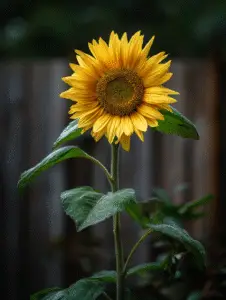 Sunflower+
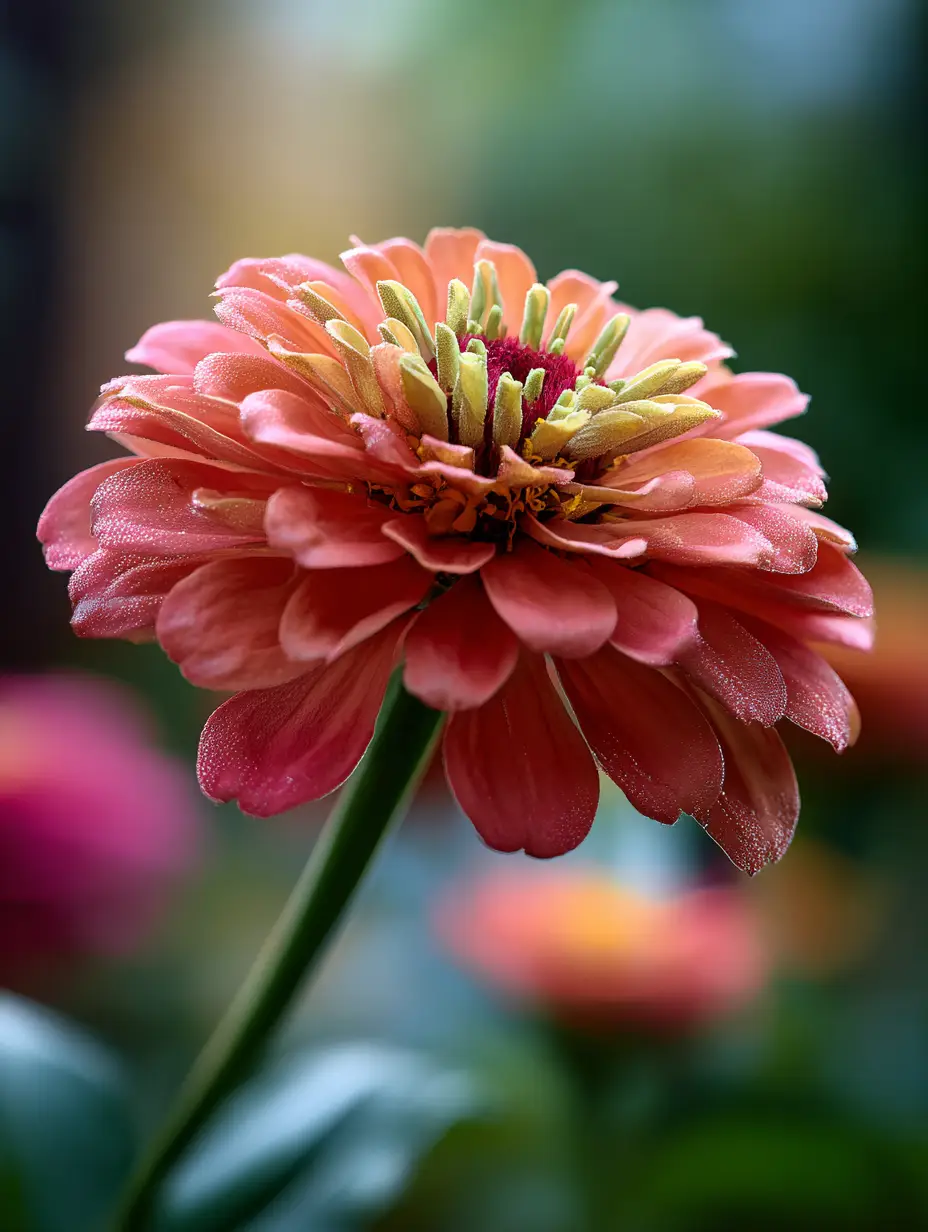 ZinniaPartial
Same full sun and water tolerance, the same warm-season bloom window, and a smaller daisy face that echoes the sunflower's form across a much wider color range; the single most repeated pairing in cutting-garden sources.
Sunflower+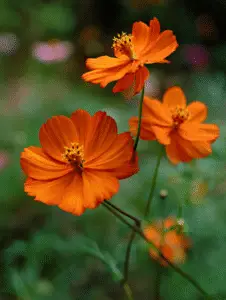 CosmosPartial
Feathery, fine-cut foliage is the strongest textural foil to the sunflower's coarse leaves and heavy head, and its open, easy-access blooms are a documented draw for the hoverflies and lacewings that prey on aphids.
Sunflower+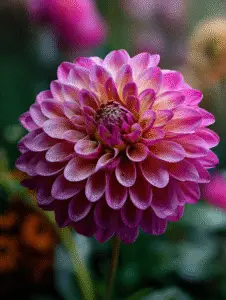 DahliaPartial
Full sun and a shared late-summer cutting-garden role make this a natural bouquet pair, and its bushy mid-height habit does double duty screening a sunflower's bare lower stem.
Sunflower+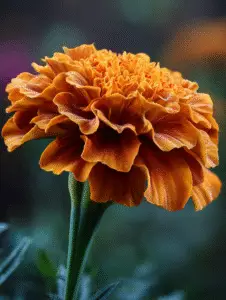 MarigoldPartial
A low, bold color anchor that hides the sunflower's bare ankles regardless of pest claims; French marigold's limonene is proven to slow whitefly buildup on tomato in trials, a mechanism worth naming honestly rather than oversold as a cure-all here.
Sunflower+ Morning gloryPartial
A genuine living-trellis technique: its twining habit climbs the sunflower's thick, sturdy stalk for free support, and its cool blue softens the rigid gold column, though in mild climates it can self-seed more than you'd like.
Sunflower+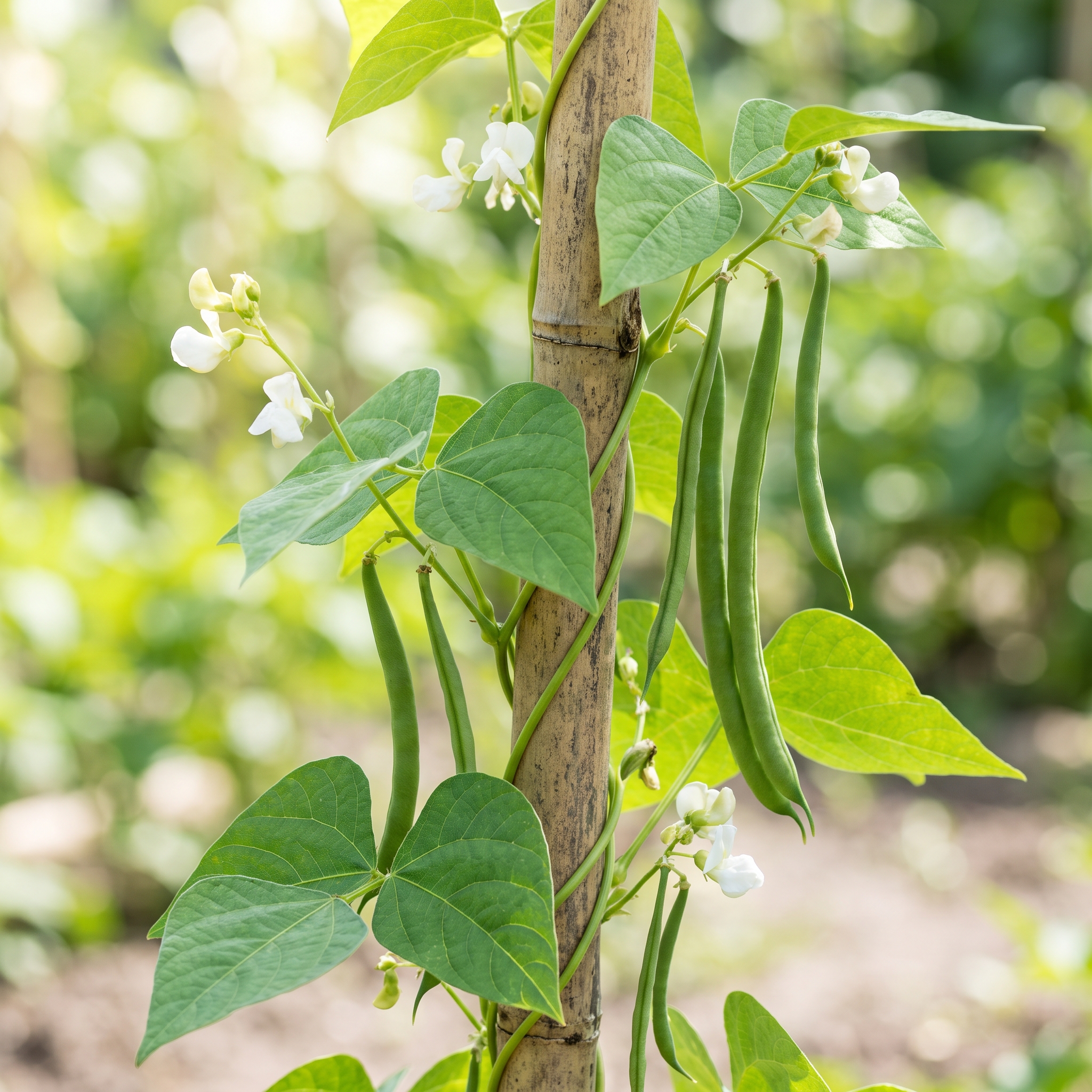 Pole beanPartial
The same living-trellis mechanic as morning glory, plus a genuine nitrogen-fixing bonus from its root nodules that can help offset what a nutrient-hungry sunflower draws from the soil; the flower-garden version of the old Three Sisters planting. Note that a few sources also list pole bean among the plants sunflower allelopathy can affect, so treat the pairing as a working technique to watch rather than a guaranteed win.
Sunflower+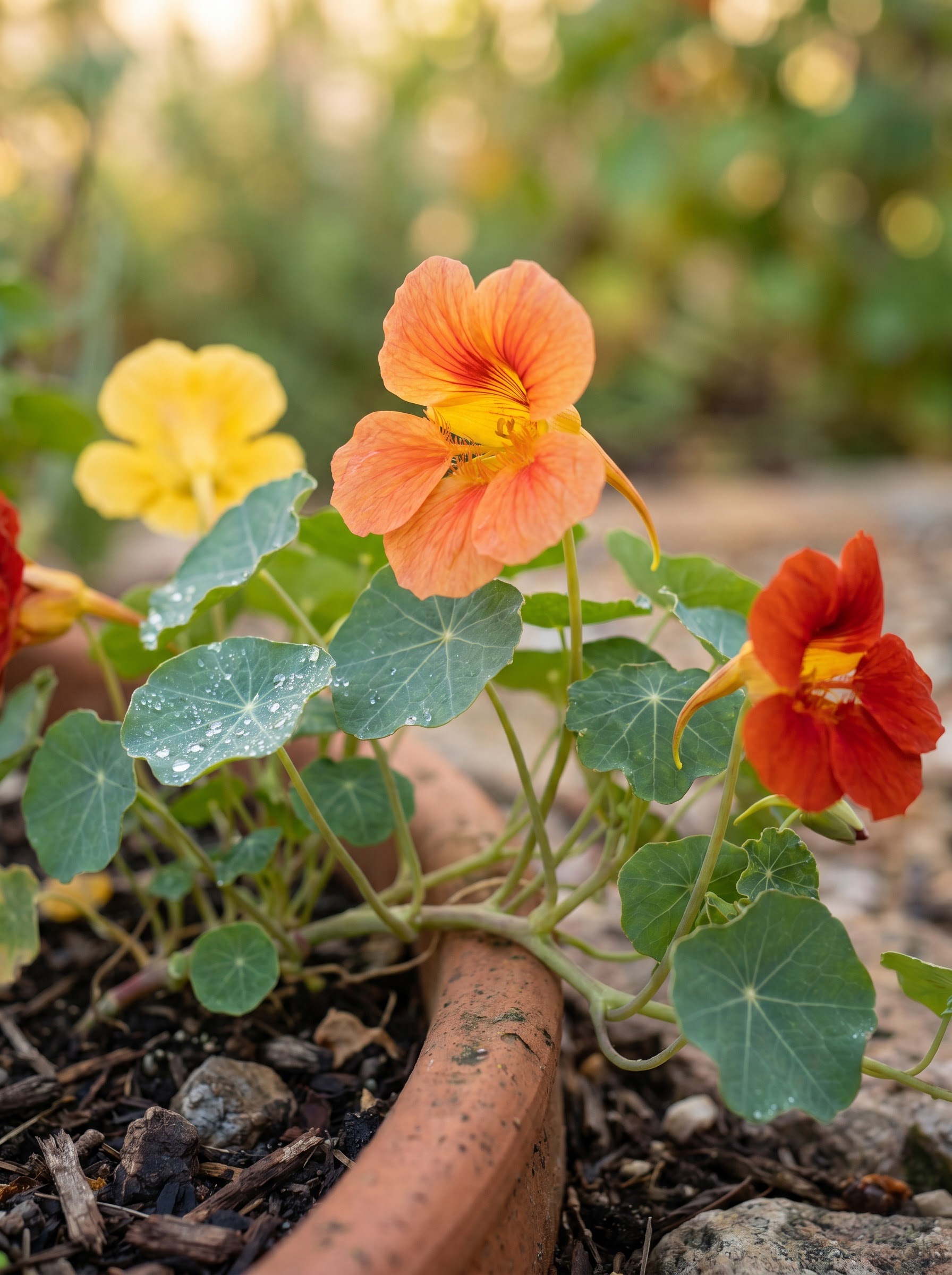 NasturtiumFolklore
A low, sprawling groundcover at the sunflower's feet that shades bare soil and suppresses weeds; gardeners also grow it as a sacrificial planting for aphids, though that trap-crop role is better documented for brassicas and roses than for sunflower specifically, so treat it here as a garden tradition rather than a tested pairing.
Sunflower+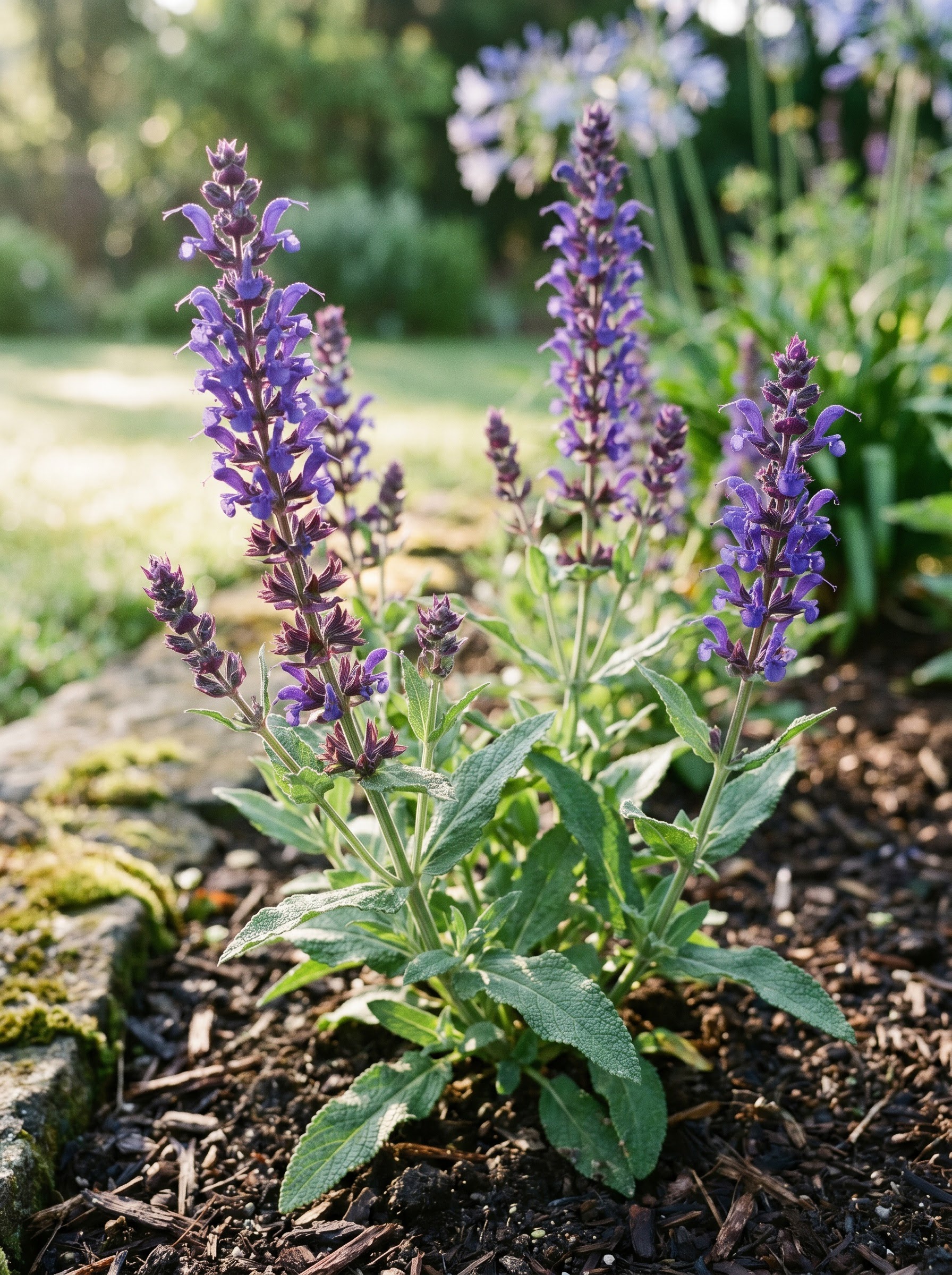 Annual salviaPartial
Full sun and a strong pull for hummingbirds and bumblebees complement the sunflower's own bee traffic, and its spiky vertical bloom is a clean shape contrast to the flat sunflower disc.
All Sunflower companions
8 flower companions, best match first
What not to plant near Sunflower
Most bad neighbours are not evil, they just want the opposite light, water or root run. Here is what to keep away, and what to do instead.
Shade-loving or part-shade ornamentals tucked directly at the base
Sunflowers need 6 to 8 hours of direct sun to build a strong stalk and bloom fully, and their own canopy throws real shade once they clear four or five feet; anything planted right underneath is competing for light it can't win, ordinary sun-competition physiology and not chemical toxicity.
Delicate or brittle-stemmed annuals crowded right beside a tall single-stem head
A large single-stem sunflower head is top-heavy, and wind or a storm can topple it onto whatever is planted directly beside it; a siting and staking issue, not a compatibility problem between the two plants.
Other hungry annuals sharing the exact same root zone in lean soil
Sunflowers root deep and wide, and extension nitrogen guidance for the crop is actually conservative rather than generous, since too much nitrogen makes the stalk more prone to lodging and disease; the practical risk for a companion isn't sunflower draining the bed dry, it's two plants with real root systems competing for the same modest nutrient supply in unamended, lean soil.
Potatoes and pole beans in a shared vegetable bed (the best-evidenced allelopathy example, an aside on this flowers-only page)
Sunflower roots, stems, leaves, and seeds contain allelochemicals that measurably inhibit germination and growth in a narrow set of sensitive plants; potatoes are the most commonly named vegetable-garden example across extension sources, with pole beans mentioned in some. No strong evidence points to a specific ornamental flower being sensitive the same way.
The best companions for sunflowers, explained
A sunflower bed works best when you think of it in layers rather than as a single tall exclamation point in the border. The stalk itself is the backdrop: coarse, upright, and eventually bare at the ankles once the lower leaves yellow and drop in midsummer heat. Everything else in the pairing exists to soften or complete that shape. Zinnias are the most repeated match in cutting-garden sources for good reason: they share the same full sun and easy water tolerance, bloom across the same warm months, and echo the sunflower’s daisy face in a wider color range and a smaller, friendlier scale. Cosmos does different work at the same conditions, its fine, feathery foliage the sharpest textural contrast available to a sunflower’s rough leaves and heavy head, while its open blooms keep the local hoverflies and lacewings fed well past the sunflower’s own bloom window. Dahlia and marigold round out the cutting-garden and color-anchor roles, dahlia sharing the late-summer vase-life job and marigold doing double duty as a low, bold skirt at the base.
Sunflower also supports a technique most flowers in this system simply cannot: using its own thick, rigid stalk as a living trellis. Morning glory’s twining habit climbs a sunflower for free support once the stalk has a season’s head start, its cool blue trumpets softening a rigid gold column and adding a second layer of bloom just under the seed head. Pole beans do the same climbing job with a genuine bonus, their root nodules fixing nitrogen that can help offset what a competing root system pulls from the soil, a flower-garden echo of the old Three Sisters planting; a few sources also flag pole bean among the plants sunflower allelopathy can slow, so it is worth watching rather than assuming the pairing always wins. Neither pairing needs a formal trial to make sense; the mechanism, a vine using a sturdy support for free, is horticulturally unremarkable and easy to see working in a single season. Nasturtium fills the low, sprawling layer instead, shading bare soil at the base and giving aphids a place to gather away from more delicate neighbors, a long garden tradition more than a tested pairing for this particular flower, while annual salvia adds a spiky, hummingbird-friendly vertical note that contrasts the sunflower’s flat disc face without competing for the same visual space.
What not to plant near sunflowers
Sunflowers carry the most dramatic avoid-story of any flower in this system, and the honest version is less alarming than the forum posts make it sound. The core claim is real: sunflower roots, stems, leaves, and seeds contain sesquiterpene lactones and related compounds that can slow germination and growth in a narrow set of sensitive plants by interfering with respiration, cell division, and water uptake. An Ask Extension expert who fielded the question put it plainly: her first reaction was skepticism, "no way," before the research confirmed the mechanism was genuine. But the same answer is careful to note the effect is temporary, tied to compounds accumulating in soil over a season rather than an instant kill, and that it mainly becomes visible when the surrounding vegetation was already struggling for other reasons. That is a meaningfully different picture from a plant that poisons everything around it on contact.
The best-documented victim of sunflower allelopathy is the potato, with pole beans named in some sources as well, and both are vegetables rather than ornamentals. No strong extension-sourced claim names a specific flower as sensitive the same way, which is itself worth stating plainly rather than papering over: for a purely ornamental bed, allelopathy is a real but lower-priority risk than the two more ordinary problems below it. The first is shade. A mature sunflower clears four to six feet quickly and casts genuine shade once it does, so anything sun-loving tucked directly at its base will stretch, flop, or simply fail to bloom, plain sun-competition physiology that has nothing to do with root chemistry. The second is wind. A large single-stem head is top-heavy, and a storm can topple it onto whatever is planted right beside it, a siting and staking issue rather than a compatibility problem. Keep those three mechanisms separate in your head: allelopathy is narrow and mostly a vegetable-bed concern, shade is universal and depends only on height, and wind is a physical risk you solve by staking, not by changing what you plant nearby.
Do they like the same conditions?
Sunflower’s growing profile is more forgiving than its reputation suggests, and matching a companion to it is mostly a matter of respecting full sun and average drainage rather than chasing anything exotic. Light is the one non-negotiable: 6 to 8 hours of direct sun, confirmed across Clemson’s Home & Garden Information Center and other extension guides, and shade at any stage produces a leggy, weak-stemmed plant that struggles to flower fully. Water is genuinely flexible once the plant is established. A deep taproot, often reaching four to six feet down, makes mature sunflowers notably drought-tolerant, which means they can sit comfortably next to both a regularly watered bedding annual and something left to dry out somewhat, as long as the first few weeks after sowing get consistent moisture and the plant isn’t allowed to dry out from bud through full bloom.
Soil pH sits in an ordinary range, roughly 6.0 to 7.5 depending on the source, which most common garden annuals and perennials tolerate without adjustment; there is no acid-soil myth to untangle here the way there is for hydrangea, just an unremarkable preference most companions already share. The one condition worth real attention is fertility, though not in the direction the "heavy feeder" label suggests. Extension nitrogen guidance for sunflower is actually conservative, since too much nitrogen makes the stalk more prone to lodging and disease; the real risk in a shared bed is a deep, wide-spreading root system competing hard with another vigorous plant for the same modest nutrient supply in lean, unamended soil, less dramatic than allelopathy but more likely to actually show up in an ordinary bed. Work compost into the soil before planting and this mostly resolves itself. Zone is really a planting-window question rather than a perenniality one, since sunflower is grown as an annual essentially anywhere with a long enough frost-free stretch, so the shared-conditions test comes down to sun, water flexibility, and feeding the soil well rather than fussing over hardiness zones.
How to plant them together
Site the sunflower row at the back or edge of the bed rather than woven through the middle of a mixed border. This single decision solves most of the shade and root-competition issues at once, since it gives lower companions a clear light path and keeps the sunflower’s wide root spread from directly undercutting a dense planting on every side. Give true companions 12 to 24 inches of clearance from the base depending on their size, more for another vigorous root system in average soil, less for a low groundcover like nasturtium that tolerates the light shade near the stalk. If you’re using morning glory or pole beans as a living trellis, let the sunflower establish for a couple of weeks first so the stalk has real structure before the vine begins its fast vertical climb; sow both from seed at the same time and the vine usually outpaces the support it needs.
Layer by height and by job rather than by bloom color alone. Climbing companions belong at the stalk itself, mid-height cutting-garden partners like zinnia, cosmos, and dahlia sit at the sunflower’s own bloom line a foot or two out, and a low skirt of marigold or nasturtium goes right at the base to hide the bare lower stem once the leaves start dropping. In containers, skip the pairing altogether unless the pot is large: a sunflower’s taproot wants real depth and room, and a shared container usually means both plants lose. If a single-stem variety is tall or growing in an exposed, windy spot, stake it early and keep any brittle-stemmed companion a few feet clear of the base rather than tight against it, since that is a mechanical risk that spacing alone will not fix.
Does companion planting actually work for sunflowers?
Some of it, yes, clearly. The shared-conditions matches are simple and provable in a single season: zinnia, cosmos, dahlia, and salvia genuinely thrive in the same sun and average soil a sunflower wants, and you can watch that work by midsummer without needing a research citation to confirm it. The living-trellis technique is equally real and easy to verify yourself, since a morning glory vine either climbs the stalk or it doesn’t, and the mechanism, a plant using a sturdy neighbor as free support, requires no leap of faith. The pollinator angle holds up too. SDSU Extension has documented a genuinely diverse community of native bees visiting sunflower, and pairing it with more nectar-rich, easy-access blooms like cosmos and sweet alyssum extends that buffet rather than competing with it.
Where the evidence gets thinner is the pest-deterrent claims layered onto some of these same plants. Marigold’s limonene really does slow whitefly buildup in controlled trials, but that research was run on tomato, and the effect depended heavily on the marigolds being in place from the start rather than added after an infestation; "marigolds repel garden pests" as a blanket statement overstates what the study actually showed. Nasturtium’s reputation as an aphid trap crop is well documented for brassicas and roses, but there is no solid research tying that same effect specifically to a sunflower planting, so treat it here as garden tradition rather than a proven technique. And the allelopathy fear that drives so much of the search interest around this flower turns out to be the opposite kind of overstatement: real chemistry, extension-confirmed, but temporary, narrow in scope, and mostly a concern for a shared vegetable bed rather than an ornamental border. The honest verdict is that sunflower rewards straightforward matching on sun and soil far more reliably than it rewards any specific pest-repelling reputation, and that the plant everyone online is scared of is, for a flower bed, mostly just tall.
Frequently asked questions
What can I plant in front of sunflowers to hide the bare stems?
Marigold and nasturtium both work as a low skirt, since they tolerate the light shade near the base and bloom well below the sunflower’s canopy. Lady’s mantle or a low, mounding annual would do the same design job if you want something outside the classic pairing.
What should you not plant right next to sunflowers?
Nothing that specifically needs shade, since a mature sunflower throws real shadow once it clears four or five feet, and nothing brittle or top-heavy tucked directly against a tall single-stem head in a windy spot, since a toppled stalk can flatten a fragile neighbor.
Are sunflowers actually toxic to other plants?
The chemistry is real but narrower than the scare stories suggest. Sunflower roots and decaying tissue release compounds that can slow a handful of sensitive plants, mostly potatoes, with pole beans named in some sources too, and the effect is temporary and tied to soil buildup over a season rather than an instant kill. No strong evidence points to a specific ornamental flower being sensitive the same way.
Can I grow beans or morning glory up a sunflower stalk?
Yes, and it is a genuine technique, not just a folklore trick. Let the sunflower establish for a couple of weeks so the stalk has structure, then sow the vine at its base and let it climb rather than sprawl into neighboring plants.
Do sunflowers attract bees, and what should I plant alongside them for pollinators?
Yes, strongly. SDSU Extension research has documented a genuinely diverse community of native bees visiting sunflower through its bloom window. Cosmos and sweet alyssum both extend that pollinator buffet with easy-access blooms that flower alongside and after the sunflower’s own peak. If the flower’s symbolism matters to your planting choices as much as its garden role, the meaning behind sunflowers is worth a look too.
Can sunflowers and potatoes grow near each other?
This is the one pairing with the clearest evidence against it. Potatoes are among the most consistently named victims of sunflower’s allelopathic compounds, so if you grow both, give them separate beds or rotate the spot the following season rather than replanting potatoes exactly where a sunflower stood.
Sources
- Ask Extension: Are sunflowers toxic to other plants?
- Penn State Extension: Allelopathy in the Home Garden
- Clemson HGIC: Let’s Grow Sunflowers
- SDSU Extension: Bees and Other Pollinators Visiting Sunflower
- UF/IFAS Extension: Using Insectary Plants to Attract Pest Predators
- PLOS ONE: Companion planting with French marigolds protects tomato plants from glasshouse whiteflies through the emission of airborne limonene
- University of Maryland Extension: Growing Beans in a Home Garden
- NDSU Agriculture: Fertilizing Sunflower
More About Sunflower
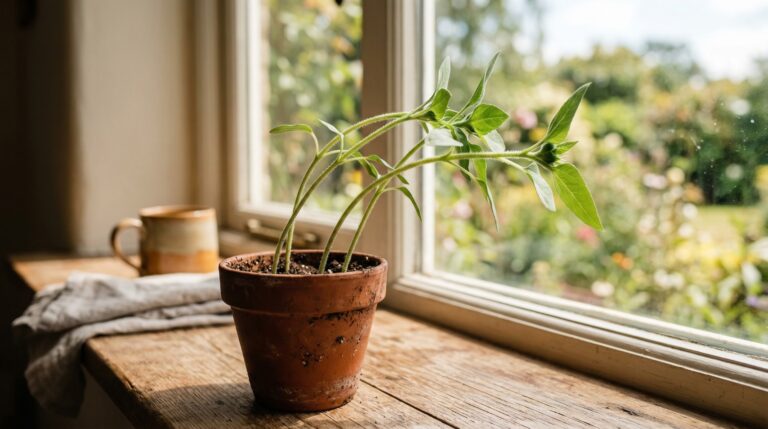
Why sunflowers follow the sun and the fascinating science of heliotropism

Sunflower flower meaning and why this golden bloom represents adoration and loyalty
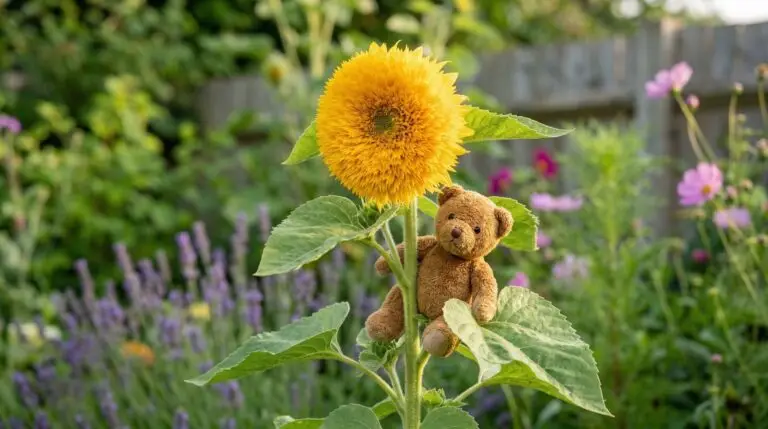
Dwarf sunflowers for containers and small gardens that still bring big sunshine energy
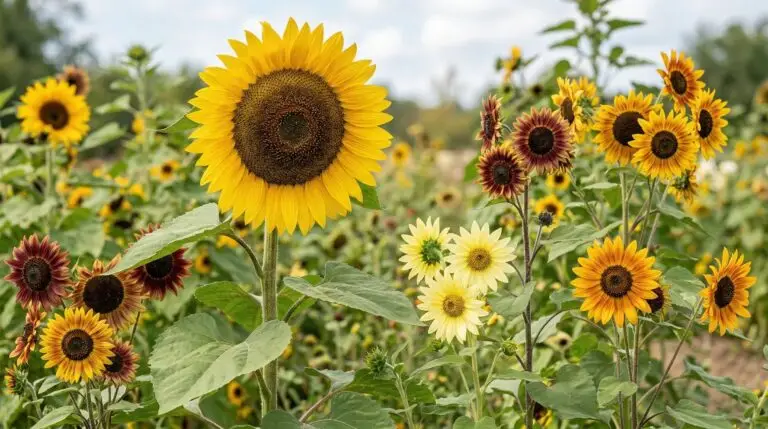
Best sunflower varieties from single-stem giants to branching bouquet types
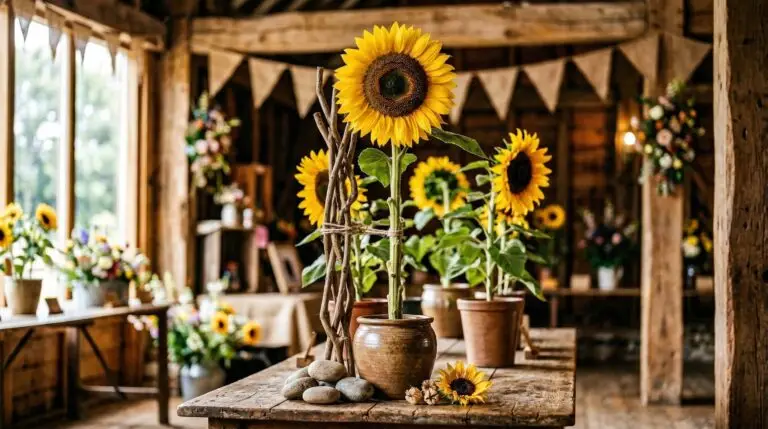
Growing sunflowers with children for the easiest and most exciting garden project ever

Harvesting sunflower seeds for roasting eating and saving for next year’s garden
Pollen-free sunflowers for cutting gardens and allergy-friendly bouquet arrangements

Creating a sunflower field effect in your backyard for the ultimate summer photo backdrop
How to grow giant sunflowers that tower over the garden and make everyone smile