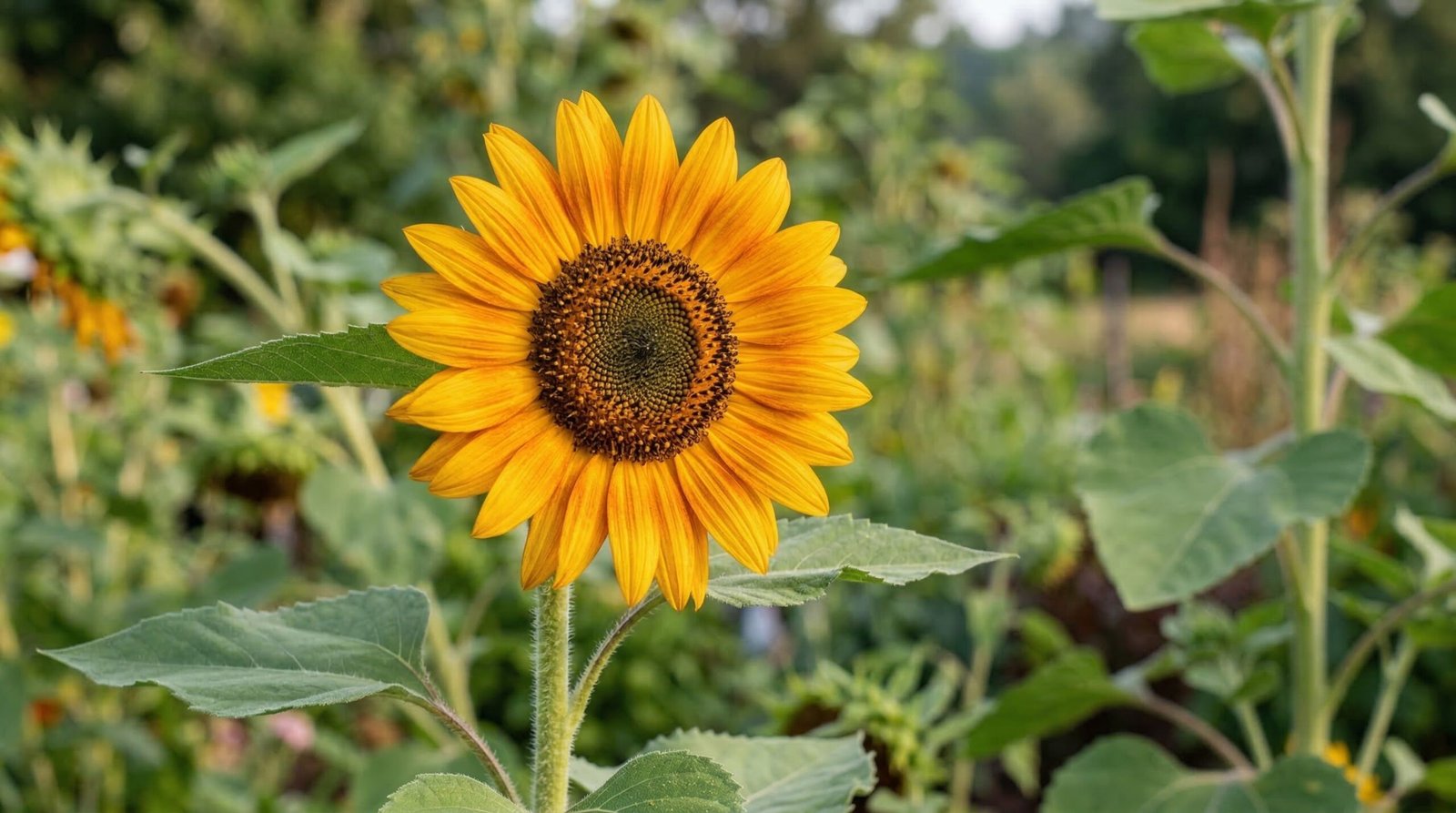
Late August mornings in the cutting garden have a specific weight to them, heavy with dew and the sharp scent of tomato foliage. The eye naturally goes to the tallest plants in the beds, where heavy flower heads nod on thick, bristled stalks. For generations, bringing these massive yellow blooms indoors meant accepting a certain amount of domestic chaos. Within a day of arranging them in a glass vase, a fine ring of golden dust would settle on the dining table, staining the wood and sending anyone with autumn allergies into fits of sneezing. Plant breeders recognized this flaw in the traditional garden giants and began developing varieties specifically for floral design. The result is the pollen free sunflower, a plant that keeps the cheerful geometry of the classic bloom but leaves the mess behind. These specialized seeds have quietly taken over the commercial cut flower trade. Now, home gardeners are discovering that these clean, allergy-friendly plants belong in their own backyard rows.
The mechanics of a pollen free sunflower are surprisingly simple, relying on a natural genetic trait that makes the plants male-sterile. These flowers still produce nectar, meaning bees and butterflies will readily visit them in the garden, but they lack the anthers that shed the heavy, staining yellow dust. This absence of pollen has a secondary, highly practical effect on the cut stems. Because the flower cannot pollinate itself, it expends less energy trying to set seed and instead holds its petals tight for a significantly longer period. A freshly cut stem from one of these varieties can easily last ten to fourteen days in fresh water.
Contents 3 sections
Professional varieties for the backyard bed
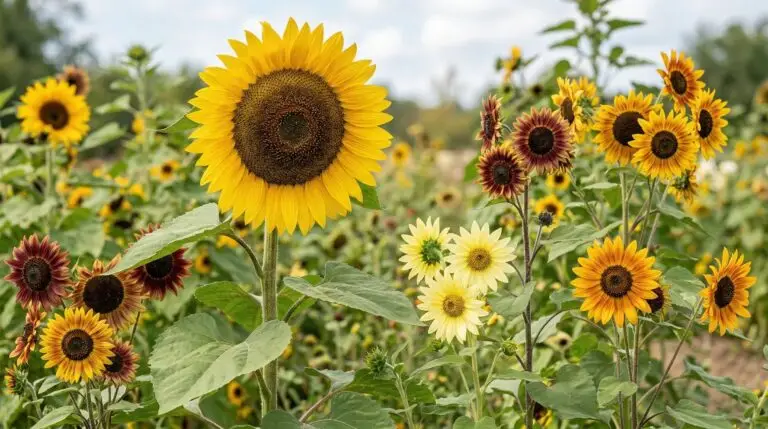
When florists order a sunflower bouquet, they are almost certainly receiving stems from the ProCut series. This collection of seeds has become the standard for professional growers because the plants are incredibly uniform and fast to mature. Most ProCut varieties go from a dry seed to a fully open bloom in just fifty to sixty days, making them one of the fastest crops in the summer garden. They produce a single, thick stem with an upward-facing flower, unlike the older branching types that tend to droop under their own weight. The color palette extends far beyond the standard yellow and brown, offering deep mahogany reds, pale lemon yellows, and even creamy white petals surrounding dark centers. Gardeners who want a sophisticated autumn palette often lean heavily on these muted, unusual tones. The single-stem habit means each seed produces exactly one flower, requiring a slightly different approach to planting than a traditional garden border.
The Sunrich series is another staple of the floral industry that adapts easily to raised beds and backyard plots. These plants are known for their dense, overlapping petals and rigid stems that slide easily into tall glass cylinders. Their perfectly rounded faces provide a strong focal point in mixed arrangements, anchoring the looser, more chaotic shapes of other summer annuals. A heavy Sunrich bloom pairs naturally with the bright, textured domes of a zinnia, creating a classic late summer arrangement that holds up well in the heat.
Cultivating a continuous harvest
Because these professional cut flower varieties produce only one bloom per plant, a single spring sowing will result in a garden that flowers all at once and then finishes for the season. To maintain a steady supply of fresh stems for the kitchen table, gardeners use a technique called succession planting. This involves dropping a new row of seeds into the soil every ten to fourteen days from the last spring frost right through mid-summer. The spacing of these seeds directly dictates the size of the final flower head. Plants spaced widely apart, at twelve to eighteen inches, will grow massive heads that are often too heavy for a standard vase. Pushing the seeds closer together, leaving just four to six inches between each plant, forces them to compete for nutrients and light. This tight spacing results in elegant, manageable flower heads roughly three to four inches across, the ideal size for a standard sunflower cut flower.
The timing of the harvest requires just as much attention as the spacing in the garden beds. The ideal moment to cut a sunflower is when the petals are just beginning to lift off the dark central disk, a phase growers call the cup stage. At this point, the flower will finish opening in the vase, ensuring the absolute maximum lifespan indoors. Stripping away all but the top two or three leaves before dropping the stems into a bucket of cool water keeps the arrangement looking clean and prevents the foliage from rotting. These freshly harvested stems blend easily with a late-season dahlia, offering a sturdy contrast to the soft, intricate petals of the tuberous blooms.
Arranging clean summer centerpieces
For those who prefer a softer look in their floral design, the Vincent series offers a slightly different take on the pollen free sunflower. Named as a nod to Van Gogh, these flowers feature an extra ring of petals that creates a plush, slightly rounded face rather than a flat disk. The centers are less dominant, allowing the rich gold and orange tones of the petals to catch more light in a dim dining room. Bringing these thick, double-petaled varieties indoors highlights the true value of the male-sterile trait. You can place a heavy vase directly on a favorite tablecloth or a polished wooden sideboard without a second thought. Guests who usually shy away from fresh floral centerpieces can sit comfortably next to the arrangement without reaching for a tissue. The air stays clear, the table stays clean, and the flowers simply do what they are supposed to do.
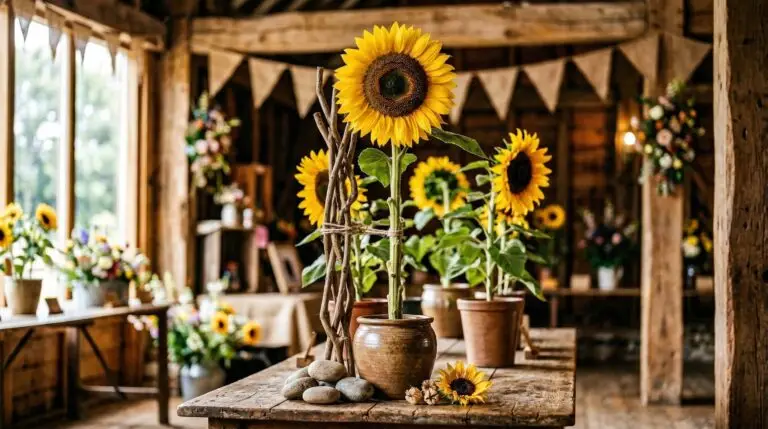
Building a sunflower bouquet requires balancing the heavy, solid geometry of the main blooms with lighter, more delicate elements. The thick green stems drink a massive amount of water, so choosing a heavy, stable vase prevents the entire arrangement from tipping over on the counter. Adding a few stems of cosmos provides a necessary airy texture, their feathery foliage and papery blooms softening the rigid posture of the sunflowers. The contrast between the heavy, pollen-free disks and the floating, delicate companion flowers brings a professional finish to a home-grown bouquet.
Growing specifically for the vase changes how a gardener interacts with the soil and the seasons. The tall, branching sunflowers of childhood memories will always have a place against the back fence, feeding the finches and towering over the vegetable patch. But there is a distinct, quiet satisfaction in harvesting a row of single-stem, clean-faced blooms planted precisely for the indoors. They bridge the gap between the wild heat of the August garden and the cool, controlled environment of the house. Watching the morning light hit a perfectly clean, golden flower on the kitchen counter proves that some of the best garden innovations are the ones you cannot even see.
More About Sunflower
Why sunflowers follow the sun and the fascinating science of heliotropism

Sunflower flower meaning and why this golden bloom represents adoration and loyalty
Dwarf sunflowers for containers and small gardens that still bring big sunshine energy
Sunflower companion plants: what to grow and what to avoid
Best sunflower varieties from single-stem giants to branching bouquet types
Growing sunflowers with children for the easiest and most exciting garden project ever

Harvesting sunflower seeds for roasting eating and saving for next year’s garden

Creating a sunflower field effect in your backyard for the ultimate summer photo backdrop
How to grow giant sunflowers that tower over the garden and make everyone smile
Enjoying our flower guides? Add YourFlowersGuide as a preferred source on Google. It helps more readers find us.
Add to Preferred Sources