The pairing · pick a flower
 Coneflower+
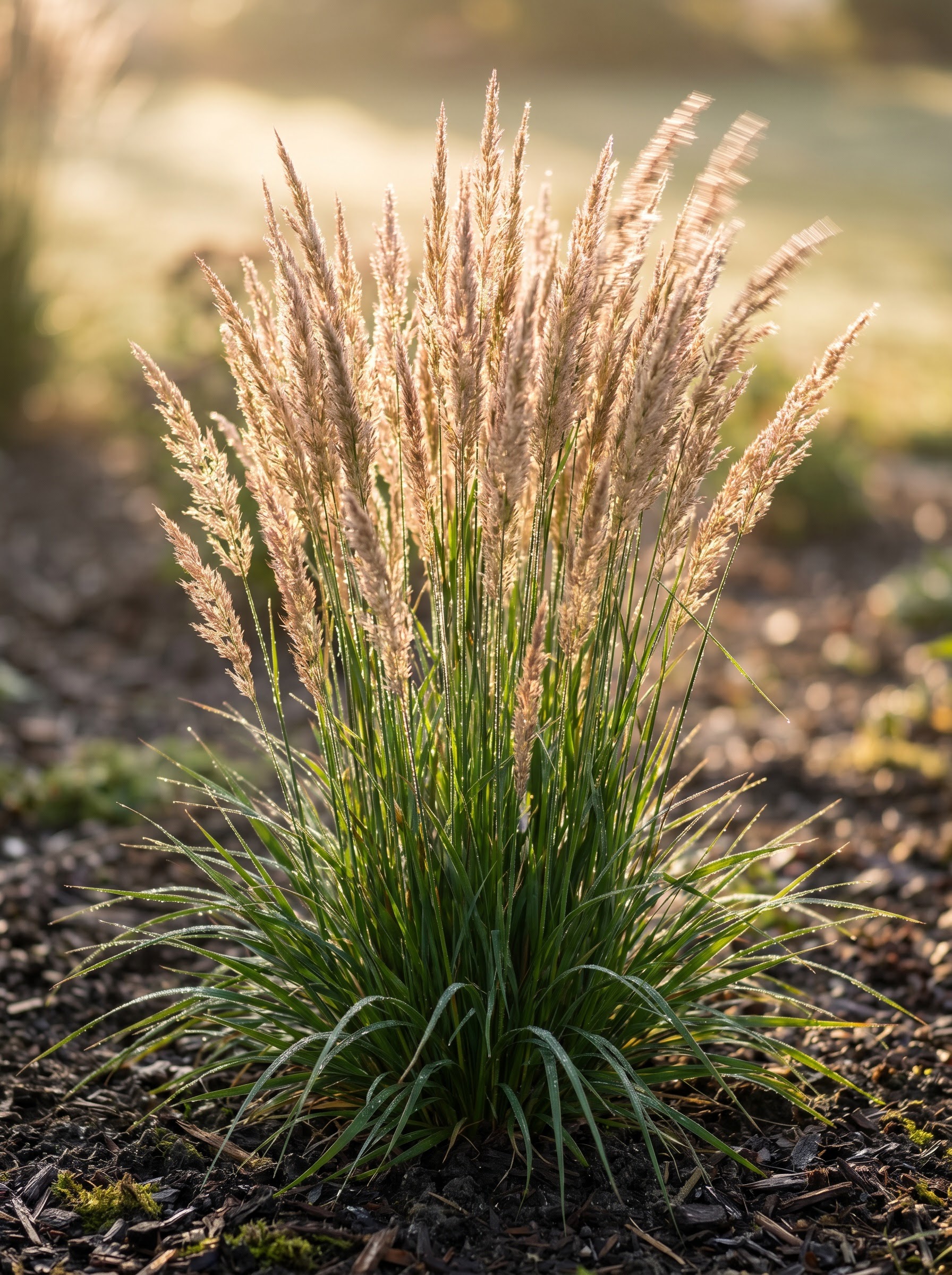 Feather reedProven
Named companion for Echinacea by University of Wisconsin Extension; its strictly upright, wheat-gold blades set off the coneflower's bold daisy face and stay standing through winter alongside the seed heads.
Coneflower+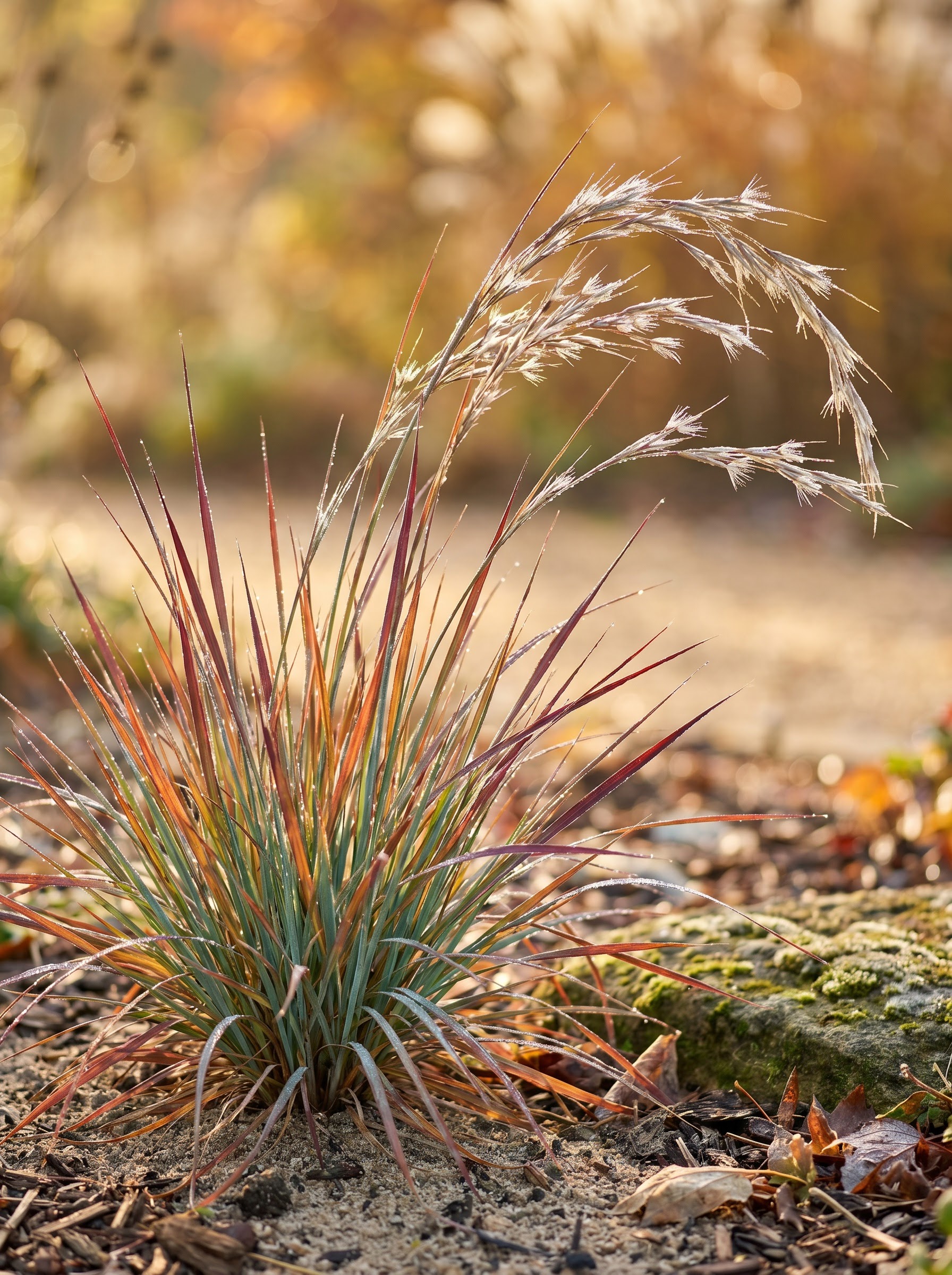 Little bluestemProven
Shares the exact lean, dry, full-sun profile down to the drought resistance, and its blue-green summer color shifting to copper in fall directly complements coneflower's pink and purple tones.
Coneflower+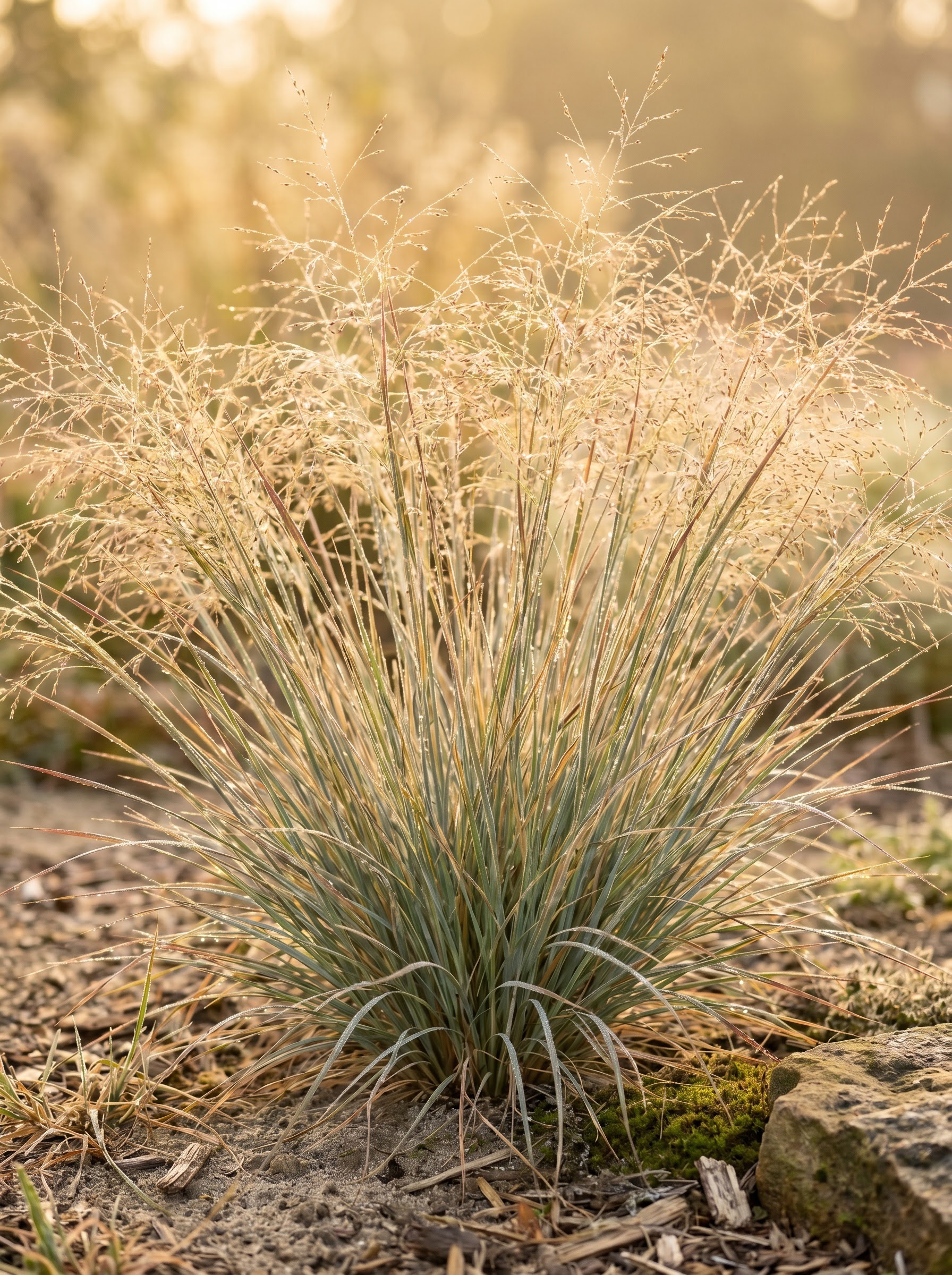 SwitchgrassProven
Tolerates the same dry-to-moist range as coneflower and grows into an airy, cloud-like mass that works as a backdrop, letting clustered coneflowers read as distinct color accents in front of it.
Coneflower+ Black-eyed SusanProven
University of Wisconsin Extension names Echinacea and Rudbeckia together as companions in the same planting group, and the pairing needs no design effort to work: same lean, full-sun conditions, overlapping bloom time, and a gold-on-purple color complement.
Coneflower+ Russian sageProven
A woody subshrub that shares coneflower's exact full-sun, sharp-drainage, deer-resistant profile; its airy lavender-blue spikes give the daisy-form coneflower the vertical shape it lacks on its own.
Coneflower+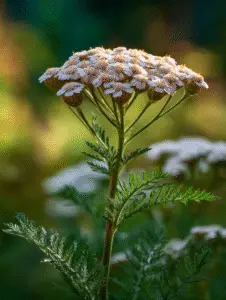 YarrowProven
Near-identical lean-soil, full-sun, drought-tolerant needs, and its flat-topped flower clusters are a genuine textural counterpoint to the coneflower's domed cone, not just a matching color.
Coneflower+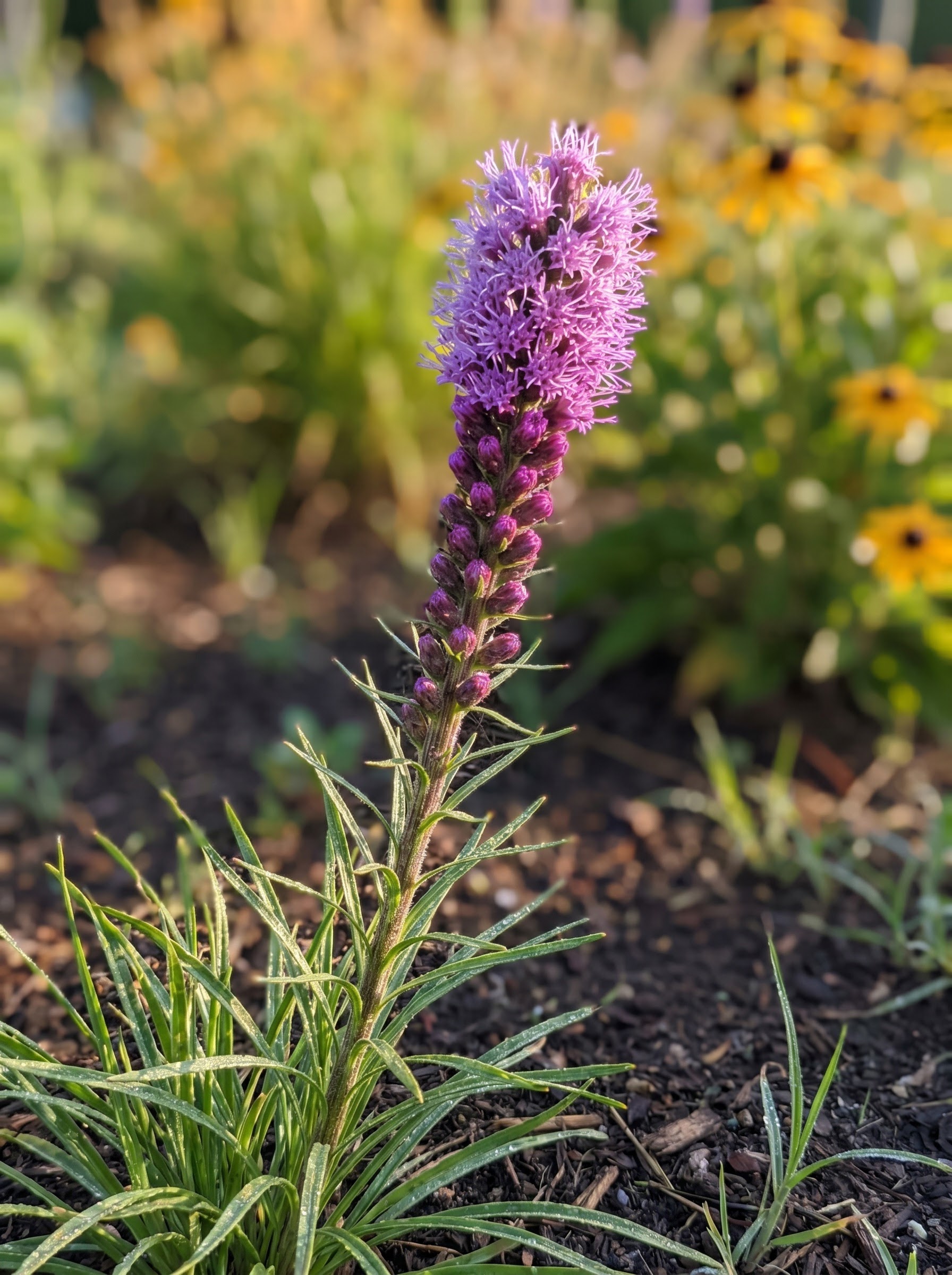 Blazing starProven
Penn State Extension names purple coneflower directly among Liatris's best companions; the tall purple spike habit contrasts the coneflower's flat daisy face while echoing its color.
Coneflower+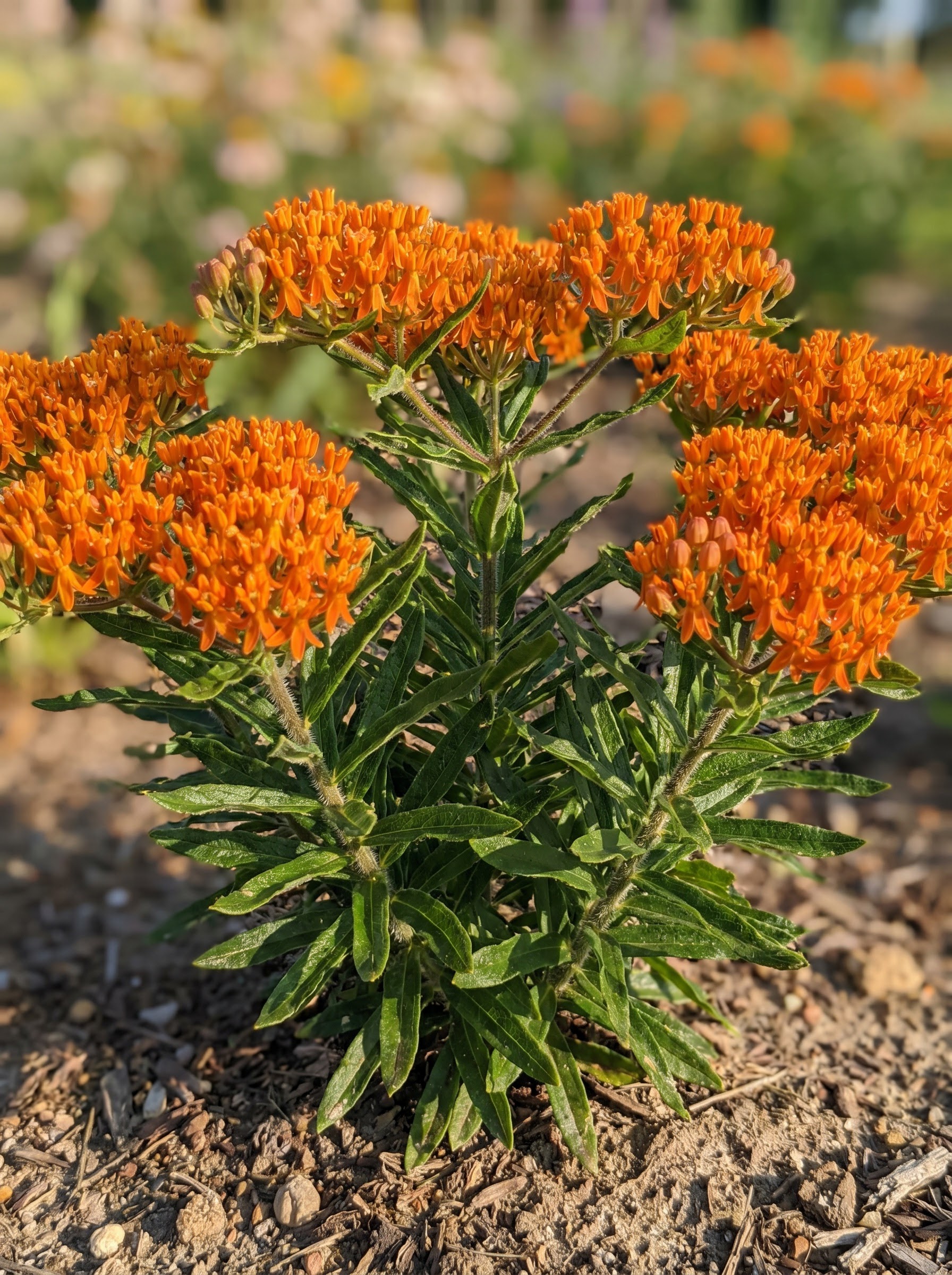 Butterfly weedProven
Wants the exact same dry, well-drained, full-sun ground as coneflower and fills a different pollinator role as the monarch's host plant; note this is butterfly weed specifically, not swamp milkweed, which needs the opposite, damp soil.
Coneflower+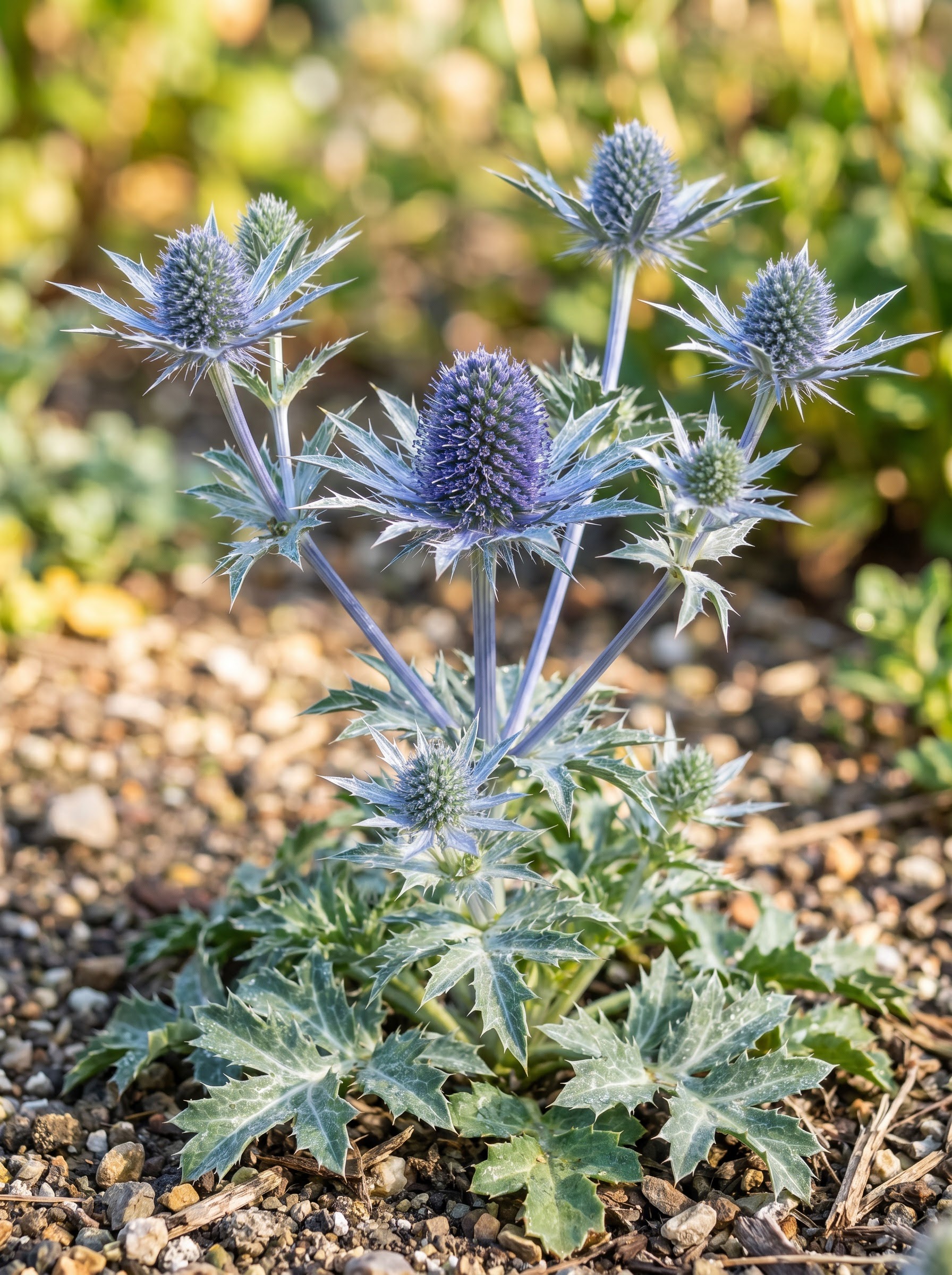 Sea hollyPartial
Same lean, dry, full-sun, no-fuss profile as coneflower, and its spiky, steel-blue flower heads are one of the sharpest textural contrasts available to the coneflower's soft daisy form.
Coneflower+ AsterProven
Extends bloom into October just as coneflower turns to seed, with a blue-purple color echo against the darkening cones, but Clemson HGIC lists both among the plants commonly affected by aster yellows, a leafhopper-spread disease named for this genus.
Coneflower+ CoreopsisProven
UF/IFAS Extension names coreopsis and coneflower together as flat-topped landing pads for beneficial insects; it shares coneflower's lean-soil, full-sun needs and keeps small yellow flowers going long after the coneflower's main bloom.
All Coneflower companions
11 flower companions, best match first
What not to plant near Coneflower
Most bad neighbours are not evil, they just want the opposite light, water or root run. Here is what to keep away, and what to do instead.
Shade and moisture-loving perennials (hosta, fern, bleeding heart)
Hosta and shade ferns want full to part shade and moist, well-drained soil, the direct opposite of the full sun and lean, dry ground coneflower needs to stay upright and disease free.
Swamp milkweed and other damp-soil natives
Swamp milkweed and similar wetland natives want consistently moist to wet soil; coneflower's deep taproot is built for dry ground, and kept damp long-term it is prone to crown and root rot.
Rich, heavily composted or fertilized beds
This is a bed-design caveat, not a single plant: Clemson HGIC confirms coneflower is not a heavy feeder and needs only a light spring application, and planting it into ground built up for hungrier neighbors like dahlias or roses runs counter to that lean diet, a common cause of weak, floppy stems in this plant.
Aggressive spreaders (mint and other running perennials)
Rhizomatous runners like mint compete directly for root space and can crowd out a coneflower clump over a few seasons, though coneflower's dry, sunny site is also less hospitable to mint than a damp bed would be.
Coneflower earns its keep in a sunny bed because it asks for almost nothing, and the plants that pair with it best are the ones that ask for just as little. Anyone who has grown coneflower for a season already knows the drill: full sun, average soil, water it while it settles in and then largely leave it alone. The companions that work are the ones built on the same terms, prairie grasses, other lean-soil natives, and upright bloomers that give the flat, coarse-textured daisy face something to play against. The companions that fail are almost always failing on moisture or light, not on some subtler incompatibility, which makes this one of the more honest pairings to sort out.
The best companions for coneflower, explained
The strongest pairing in every extension source pulled for this page is grass. University of Wisconsin Extension names Echinacea directly alongside ‘Karl Foerster’ feather reed grass, Coreopsis, and Rudbeckia as companions in the same planting group, and the logic holds for little bluestem and switchgrass too: all three grasses want the same lean, well-drained, full-sun ground, and all three bring a strictly upright or airy form that contrasts the coneflower’s stiff, bold daisy face. Little bluestem goes further than most companions by matching color as well as form, its blue-green summer foliage shifting to copper and mahogany right around the time coneflower’s pink and purple tones are at their richest. Black-eyed Susan is the other pairing named in that same source, and for good reason: it wants the same conditions, blooms alongside coneflower through midsummer, and supplies the gold that coneflower’s palette otherwise lacks.
Beyond grasses and rudbeckia, the pattern repeats. Russian sage and blazing star both bring a vertical spike that coneflower cannot produce on its own, and both are documented as sharing its exact dry, full-sun, deer-resistant profile, Penn State Extension names purple coneflower specifically among blazing star’s best companions. Yarrow matches on soil and sun almost perfectly and adds a flat-topped flower cluster that reads as a genuine textural counterpoint to the domed cone, not just a different color in the same shape. Butterfly weed, the dry-soil milkweed rather than its damp-loving swamp cousin, fills a different pollinator niche as the monarch’s host plant while asking for identical ground. None of these pairings need much explaining once you see the shared conditions; the design payoff (grass blade against daisy face, spike against dome) is what a searcher actually notices in the bed.
What not to plant near coneflower
The honest avoid list for coneflower is short and almost entirely about moisture, not toxicity or chemical warfare between roots. Shade lovers like hosta and woodland ferns want the opposite of everything coneflower needs, shade instead of sun, moist soil instead of lean and dry, so the mismatch is obvious once stated plainly rather than left implied. Less obvious is swamp milkweed and other wetland natives, which look like a reasonable choice for an all-native pollinator bed until you notice they need soil kept wet, the kind of long-term dampness that puts a coneflower’s crown at real risk of rot. The fix in both cases is simple: keep the shade and the damp corner for the plants that actually want them, and give coneflower the driest, sunniest stretch of the bed for itself.
The one avoid that surprises people is not a plant at all but a soil condition. Coneflower is not a heavy feeder, and a bed built up with compost and fertilizer for hungrier neighbors like dahlias or roses runs against that lean diet, a common cause of the plant’s most familiar failure, weak, floppy stems that cannot hold up its own flowers. There is also a real, if narrower, disease caveat worth naming honestly: aster yellows, a leafhopper-spread phytoplasma, affects coneflower along with asters and black-eyed Susan, and an infected plant shows deformed, greenish flowers that must be removed since there is no cure. The actual risk driver is leafhopper populations, not simple distance from a garden aster, so this is a caveat to know rather than a reason to skip it as a fall-extending companion.
Do they like the same conditions?
Coneflower’s growing profile is wider than most gardeners assume on light and narrower than most assume on soil richness, and getting that backwards is where companion planning goes wrong. On light, it genuinely tolerates full sun to part shade, a real range rather than a marketing claim, though commercial growers note plants often flop or stretch toward the light in the lower end of that range, so full sun (6 to 8 hours) is where it performs best rather than merely survives. On soil, the common myth is that a richer bed is a kinder bed, and coneflower proves the opposite: it wants lean, well-drained, average to poor ground, and Clemson’s extension guidance is explicit that it is not a heavy feeder, a single light application of slow-release fertilizer in spring is enough. Water follows the same unpampered logic. It wants even moisture only while establishing in its first season; after that, its deep taproot makes it genuinely drought tolerant, and it should not be kept on a steady watering schedule meant for a needier neighbor.
The one condition that rarely limits companion choice is USDA zone, since coneflower’s hardiness range of zone 3 to 9 is wide enough that almost any prairie or cottage perennial worth pairing with it will already overlap. What does limit choice is salt tolerance, which is explicitly poor, a detail that matters for anyone gardening near the coast but rarely surfaces in general companion advice. The shared-conditions ruler for this flower, in short, is sun and soil richness working in the same direction: lean and bright wins, rich and shaded loses, and every strong pairing on this page sits on the lean-and-bright side of that line.
How to plant them together
Space most companions 12 to 24 inches from coneflower’s crown, tighter for low, spreading plants like yarrow and coreopsis, wider for anything that grows into a substantial clump of its own, switchgrass and Russian sage both need 24 to 36 inches so their mature size does not shade the coneflower out. Coneflower’s deep taproot resents disturbance once it is established, so site it where it can stay put rather than planning to shift it later to make room for a companion’s mature spread; plan the spacing at planting time instead. Grasses read best planted so their edges overlap slightly with the coneflower drift rather than in a strict, separated row, which is the naturalistic look extension sources consistently describe for prairie-style beds.
In containers, coneflower pairs well with other drought-tolerant, full-sun companions that share its light watering needs, sedum and shorter grasses are the more forgiving choices since a pot dries out faster than open ground and punishes anything that wants consistent moisture. Timing the bed for a full season matters more with coneflower than with most flowers because its display genuinely shifts in character: black-eyed Susan and yarrow carry the midsummer color alongside it, Russian sage and blazing star extend the vertical interest into late summer, and aster picks up the color as coneflower’s blooms fade to seed heads in fall. Those blackened seed heads are not a sign to cut back for winter; leaving them standing feeds goldfinches through the cold months and gives native bees a place to nest in the hollow stems, a real function that a tidier fall cleanup would remove.
Does companion planting actually work for coneflower?
Yes, for the reasons that actually hold up: shared growing conditions are real physiology, not decoration, and a plant that shares coneflower’s sun and drainage needs will genuinely thrive next to it rather than merely survive the placement. The grass pairings and Rudbeckia pairing sit solidly in this category, backed by extension sources that name the specific plants together, not just general claims about what each likes on its own. The pollinator and insectary value is also proven rather than assumed: University of Florida extension research names coreopsis and coneflower together as flat, open landing pads for the beneficial insects, hoverflies, lacewings, parasitic wasps among them, that keep aphid populations in check without spraying.
Where the honesty gets more interesting is coneflower’s own reputation. It is sometimes described online as an aggressive spreader that needs to be avoided near tidier neighbors, and that reputation has a real basis, it does self-sow readily and can work its way into a lawn edge over a few seasons, confirmed by extension guidance on its growth habit. But that is a spacing and deadheading decision for the gardener, not a reason to avoid any particular companion; nothing about coneflower’s self-sowing chemically or physically excludes a well-matched neighbor the way a genuine allelopathic plant would. The aster yellows caveat is the closest thing to a real, disease-driven reason for caution in this pairing set, and even that is a leafhopper and sanitation issue rather than a plant-to-plant avoidance rule. Judged against the evidence actually available, the moat here is separating shared-conditions science, which is proven and specific, from vague plant folklore, which this flower has surprisingly little of compared to most.
Frequently asked questions
What grows best with coneflower?
Ornamental grasses (feather reed grass, little bluestem, switchgrass) and black-eyed Susan are the two strongest, most-documented pairings, both sharing coneflower’s lean, full-sun conditions and both confirmed by extension sources naming the specific combination.
What should you not plant near coneflower?
Shade and moisture lovers like hosta, ferns, and swamp milkweed are the honest avoids, they want the opposite of coneflower’s sun and drainage needs. A heavily composted or fertilized bed is also worth avoiding even without a specific plant involved, since coneflower is not a heavy feeder and rich ground is a common cause of weak, floppy stems.
Do coneflowers spread and take over the garden?
They self-sow readily and can work into a lawn edge or nearby beds over a few seasons. Deadhead some flower heads if you want a controlled look, or leave them for the goldfinches and accept some volunteers the following spring.
Why are my coneflowers floppy or leggy?
A common cause is soil that is too rich. Coneflower is not a heavy feeder, and compost or fertilizer applied for a hungrier neighbor can produce the same weak-stem problem gardeners often mistake for a light or watering issue.
Can I plant coneflower with lavender?
It is a contested pairing. Both want full sun, but lavender wants leaner, drier soil than coneflower’s evenly moist establishment period, so give them their own separate pockets at the bed’s drier edge rather than crowding them into the same watering zone.
Should I leave coneflower seed heads standing for winter?
Yes. The blackened cones feed goldfinches through the cold months, and native bees nest in the hollow stems, a genuine ecological function that a fall cleanup removes for the sake of tidiness alone.
Sources
- Clemson HGIC: How to Grow Echinacea (Coneflower)
- NC State Extension Gardener Plant Toolbox: Echinacea purpurea
- Clemson HGIC: Aster Yellows
- Wisconsin Horticulture Extension: Feather Reed Grass ‘Karl Foerster’
- NC State Extension Gardener Plant Toolbox: Schizachyrium scoparium (Little Bluestem)
- NC State Extension Gardener Plant Toolbox: Panicum virgatum (Switchgrass)
- NC State Extension Gardener Plant Toolbox: Achillea millefolium (Yarrow)
- NC State Extension Gardener Plant Toolbox: Perovskia atriplicifolia (Russian Sage)
- NC State Extension Gardener Plant Toolbox: Eryngium planum (Sea Holly)
- NC State Extension Gardener Plant Toolbox: Symphyotrichum novae-angliae (New England Aster)