The pairing · pick a flower
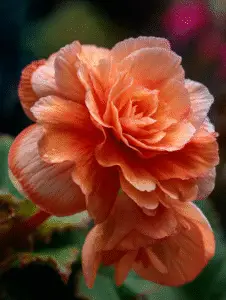 Begonia+
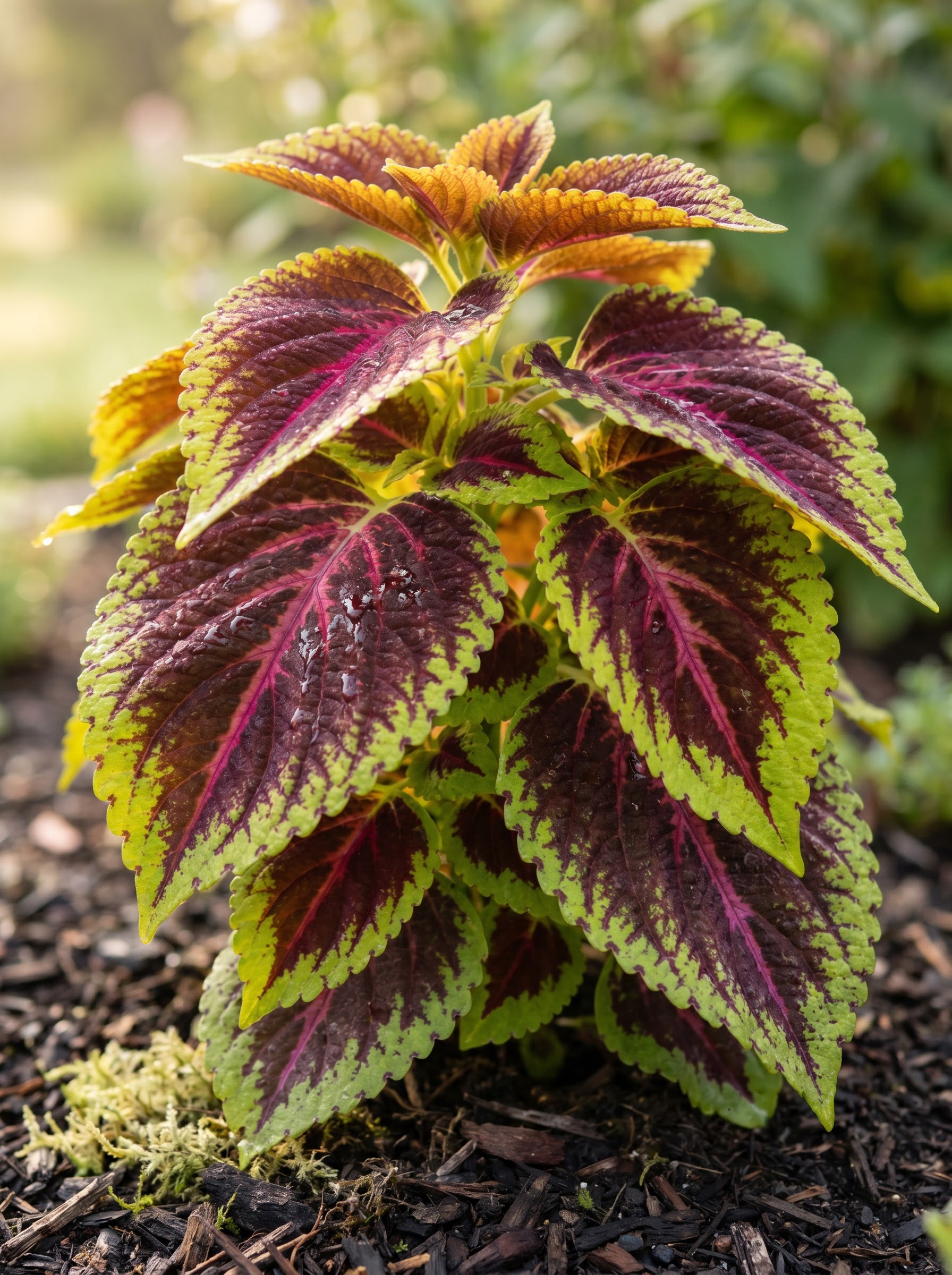 ColeusPartial
Both plants come in sun and shade forms and both are grown for foliage color, so a coleus chosen to echo the begonia's bloom or leaf shade reads as a deliberate design pair, not a coincidence.
Begonia+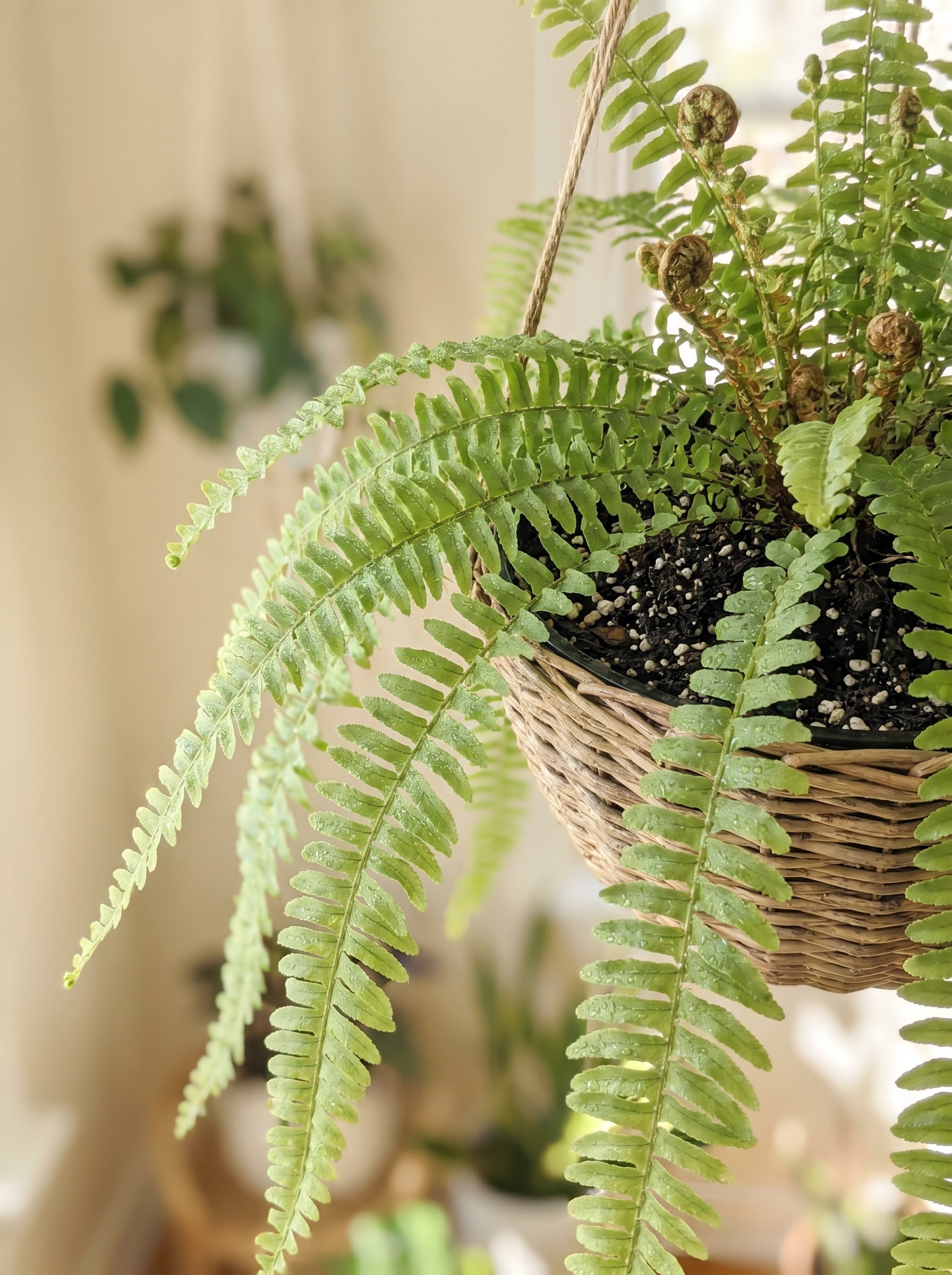 FernFolklore
Ferns want the same cool, consistently moist soil and dappled-to-full shade as a green-leaved begonia, and their fine fronds contrast the begonia's broad waxy leaves without competing for light.
Begonia+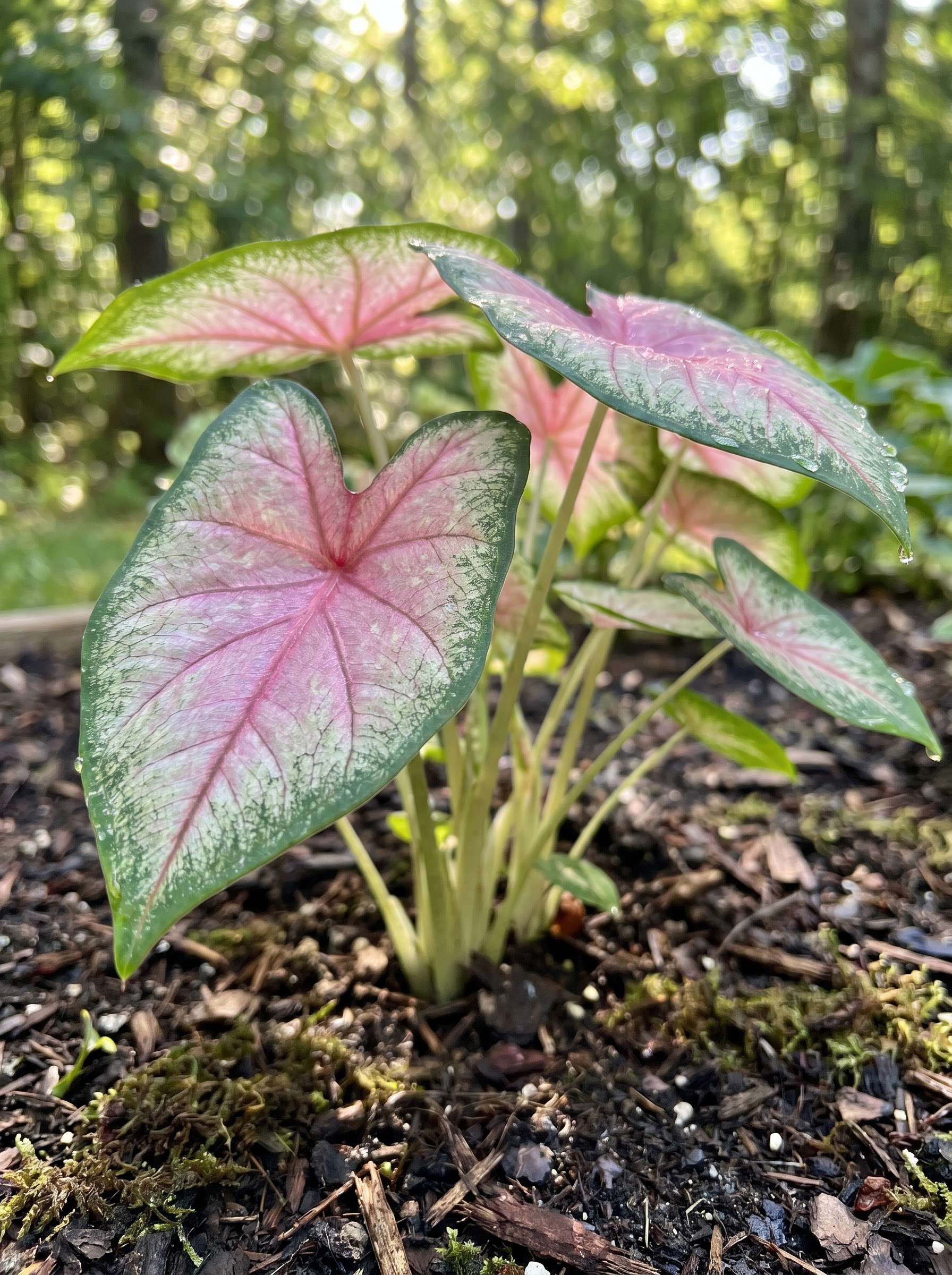 CaladiumPartial
Caladium and begonia both want soil that stays evenly moist without ever going soggy and both sulk in hot afternoon sun, so they share a planting date and a watering routine with almost no adjustment.
Begonia+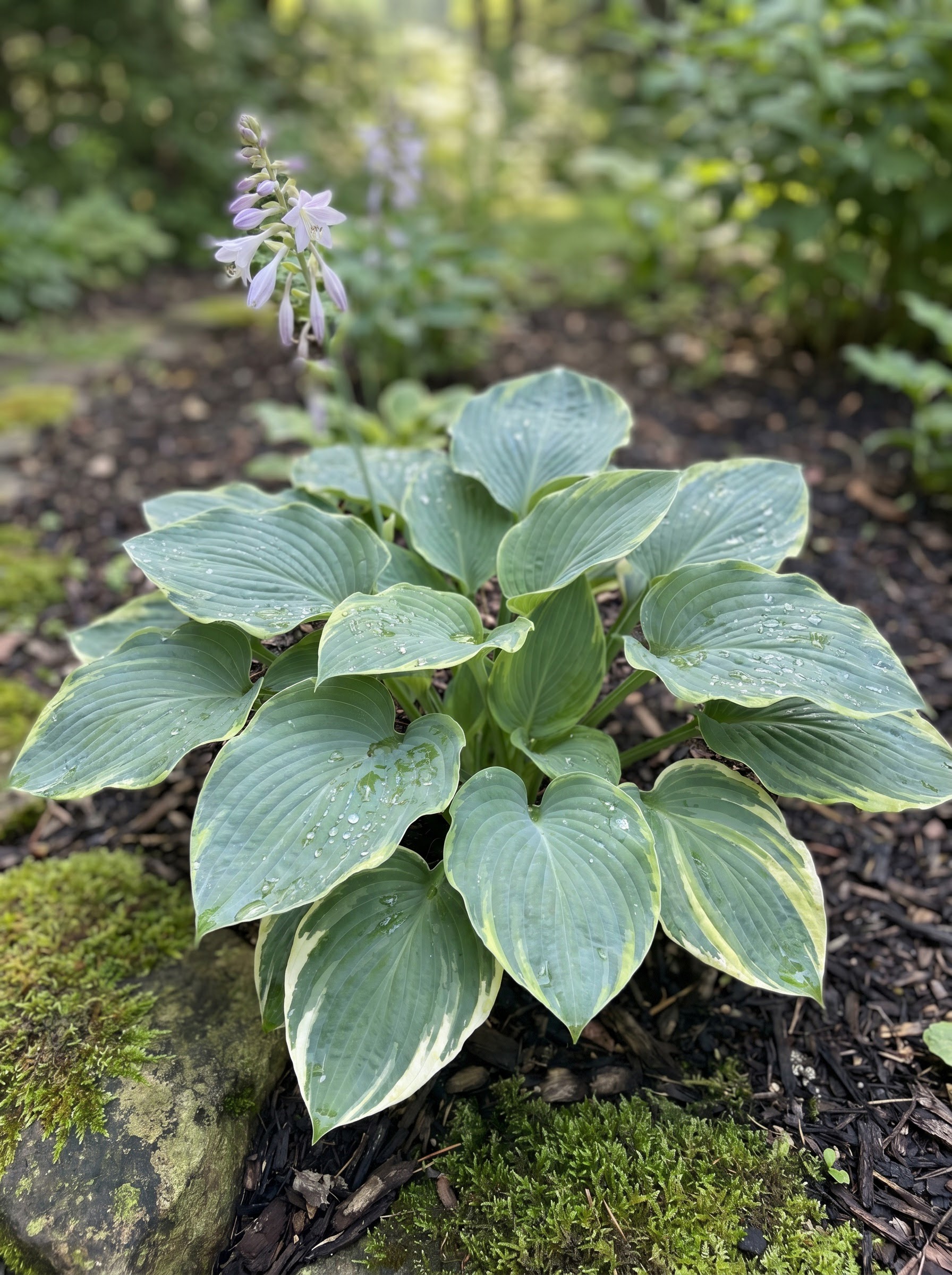 HostaFolklore
Hosta's big, structural leaves and begonia's low mounded habit make a classic large-leaf, small-leaf shade-bed pairing, and both want the same rich, evenly moist soil out of direct afternoon sun.
Begonia+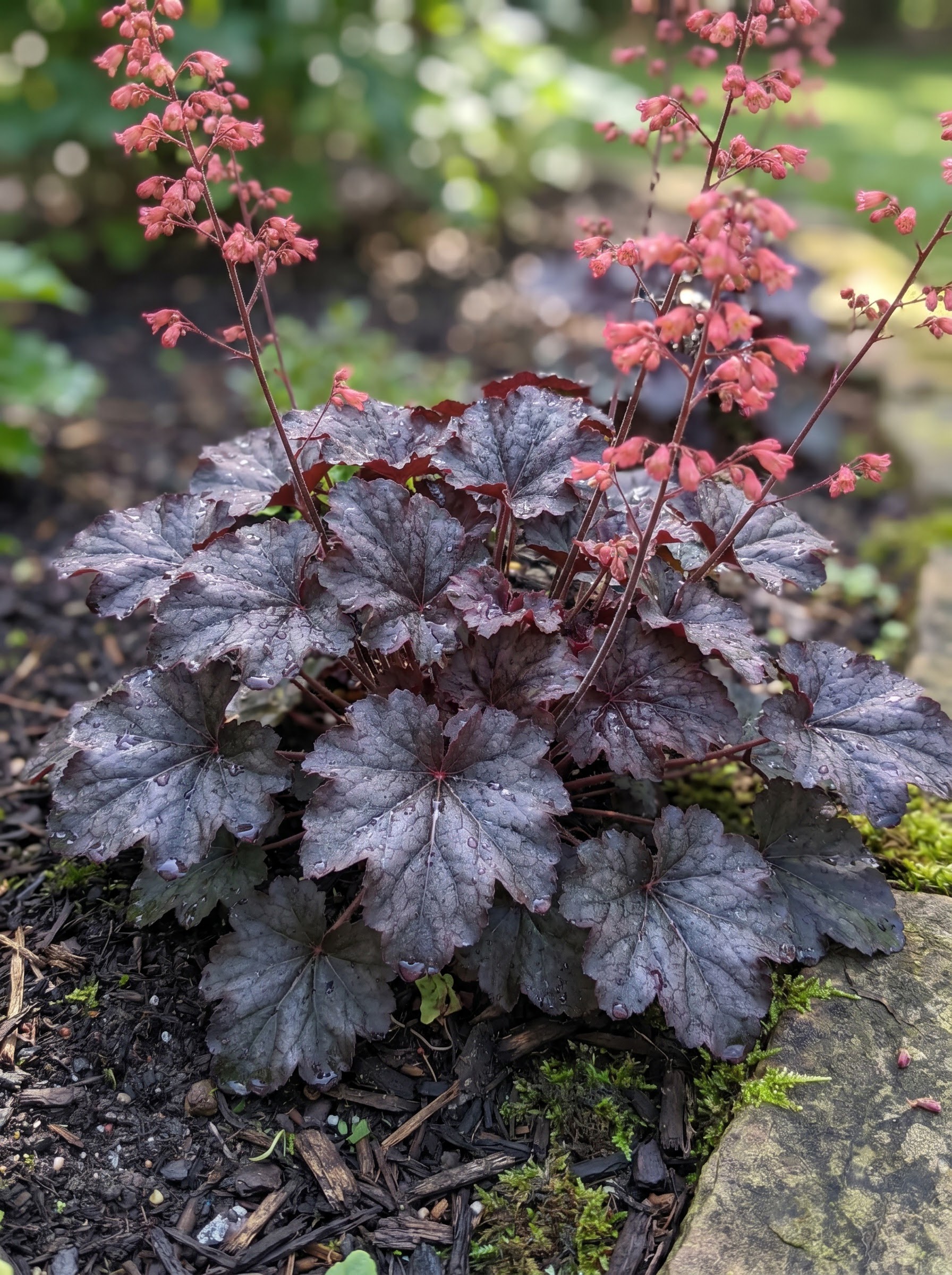 HeucheraPartial
Coral bells want a neutral to slightly acidic soil pH in the same 6.0-ish range begonia prefers, and its colorful, ruffled foliage does the same color-echo job as coleus in a slightly shadier spot.
Begonia+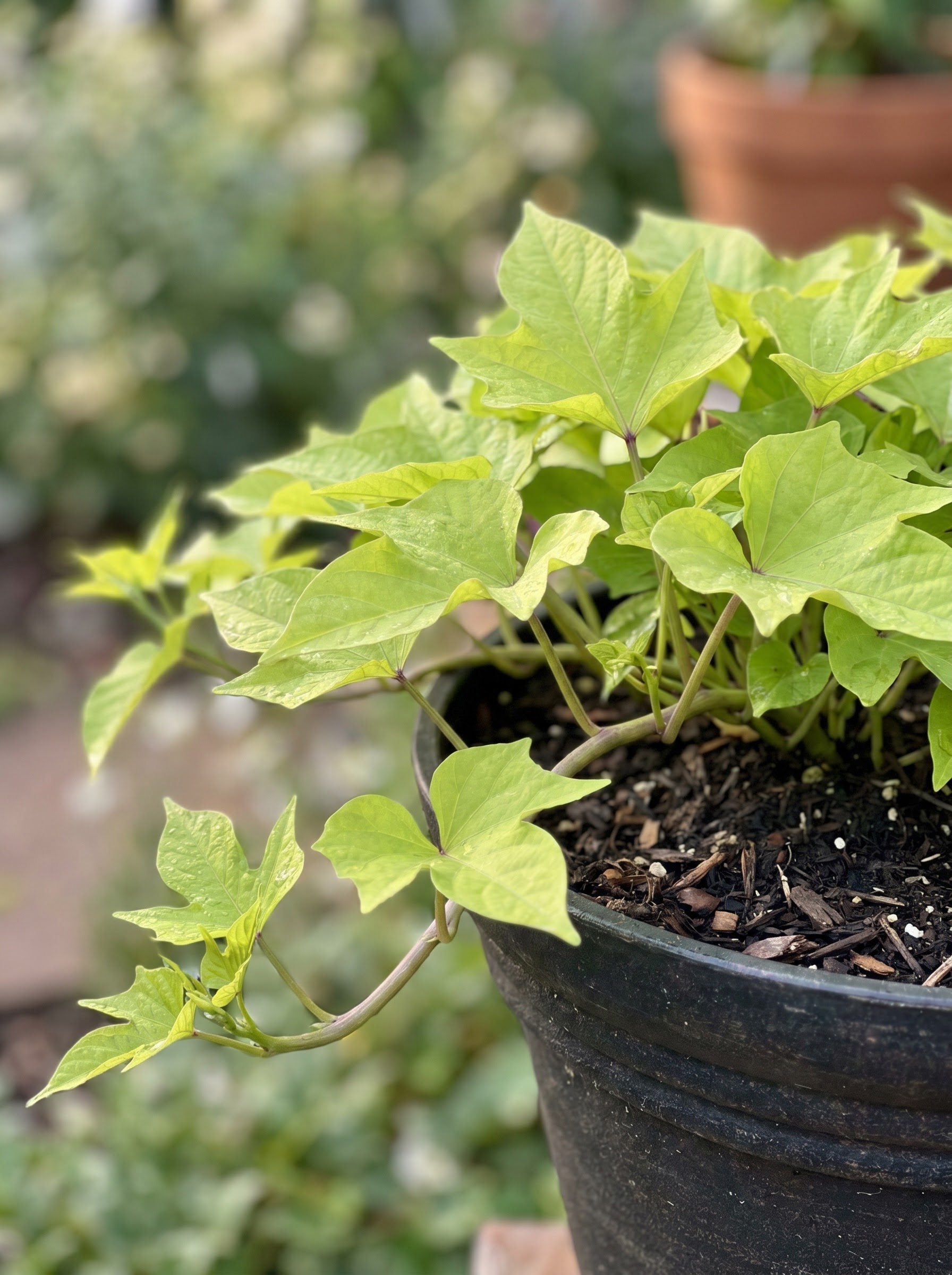 Sweet potatoPartial
As the standard spiller in a thriller-filler-spiller pot, its trailing chartreuse or near-black leaves soften the container's edge while the begonia does the filler work, and both go in after frost and come out at first freeze.
Begonia+ ImpatiensFolklore
Impatiens occupies the same design slot as begonia itself, a shade-tolerant annual filler with constant color, so grouping the two multiplies bloom without asking either plant to change its habits.
Begonia+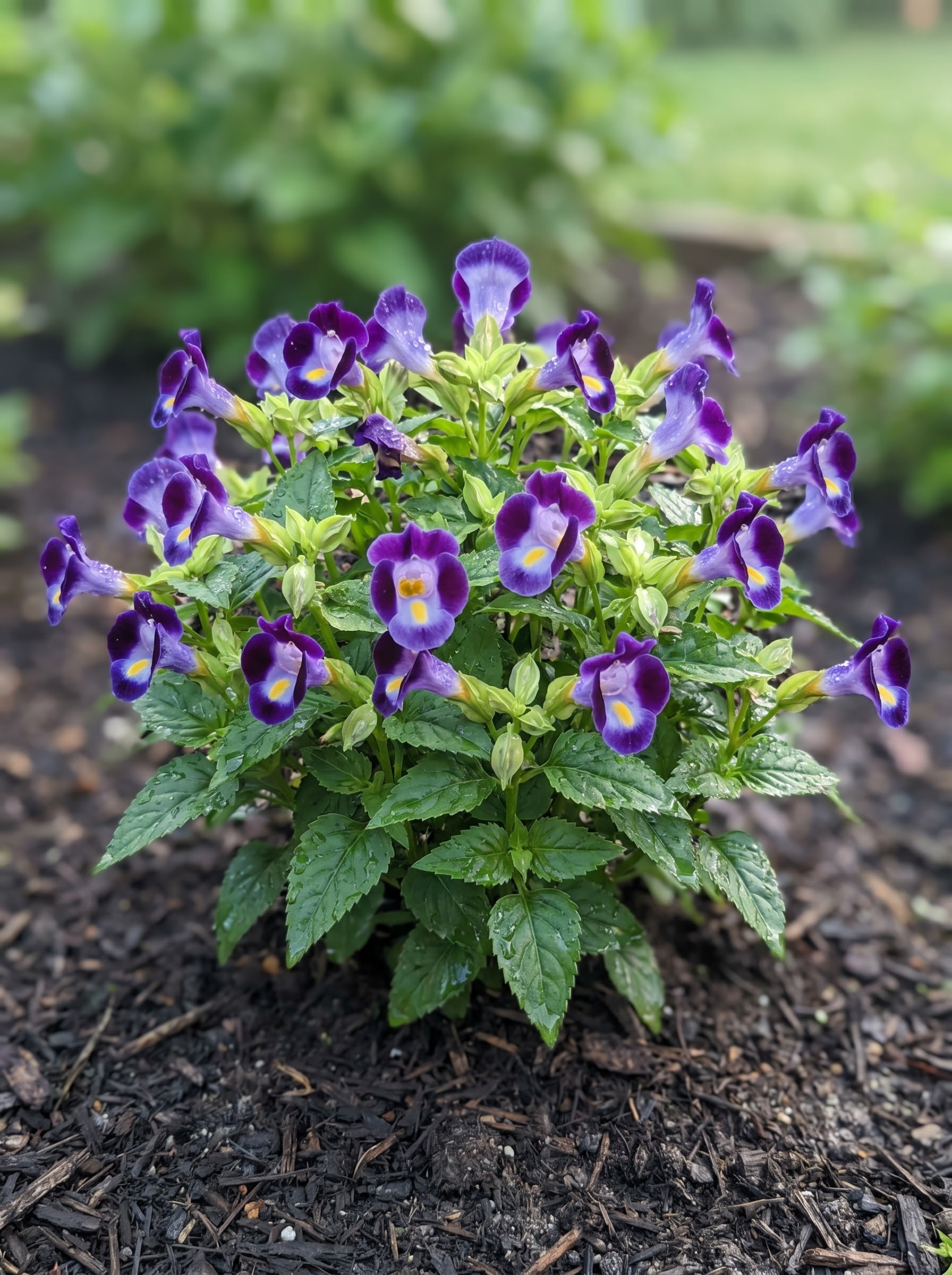 ToreniaFolklore
A shade annual with the same moist-soil habit and nonstop bloom as begonia, torenia's two-toned trumpet flowers add a different flower shape without asking for different care.
Begonia+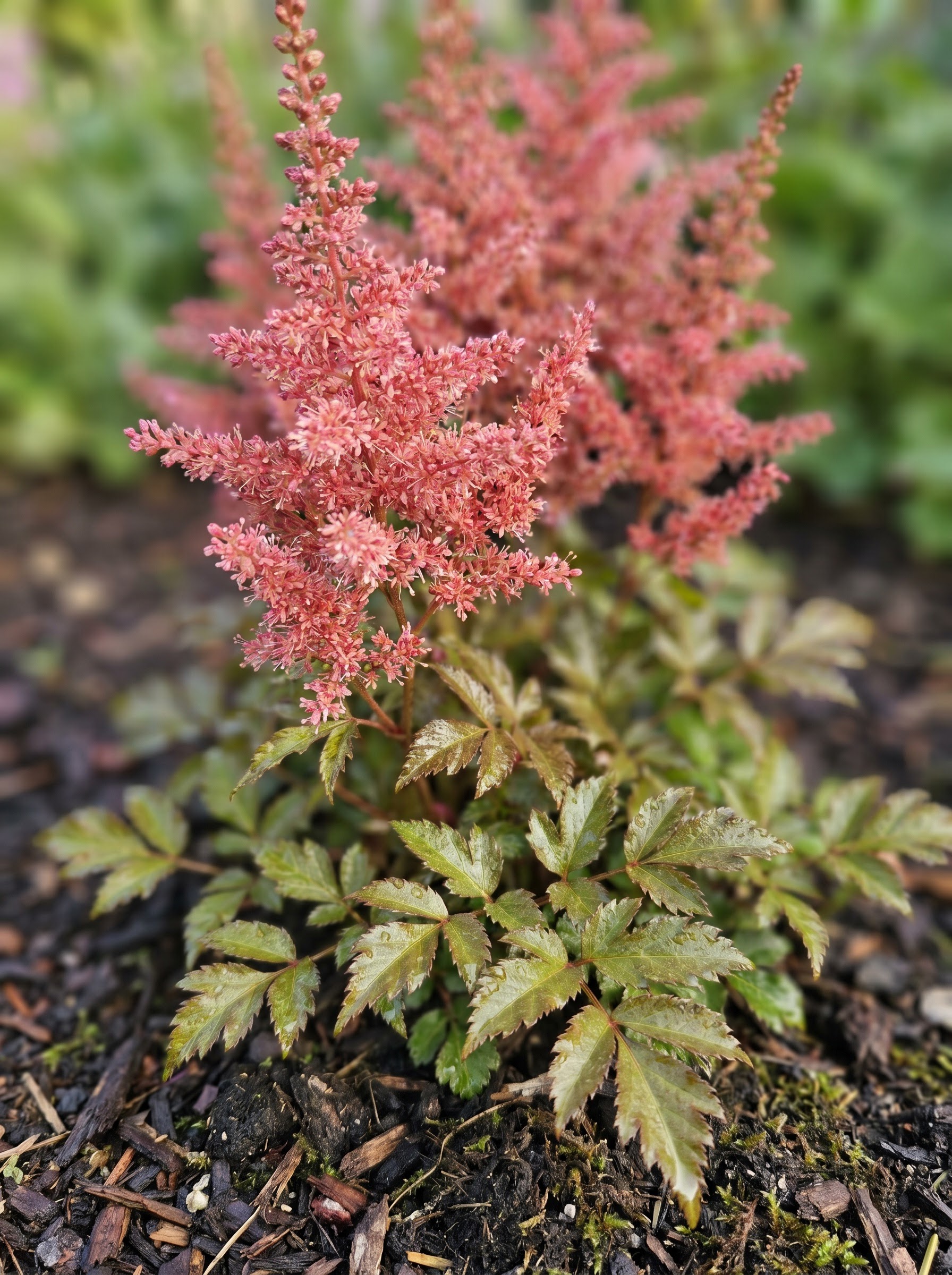 AstilbePartial
Astilbe's feathery plumes give the low, mounding begonia the vertical line it lacks on its own, and it shares the same rich, consistently moist soil, though it browns fast if that moisture ever lapses.
Begonia+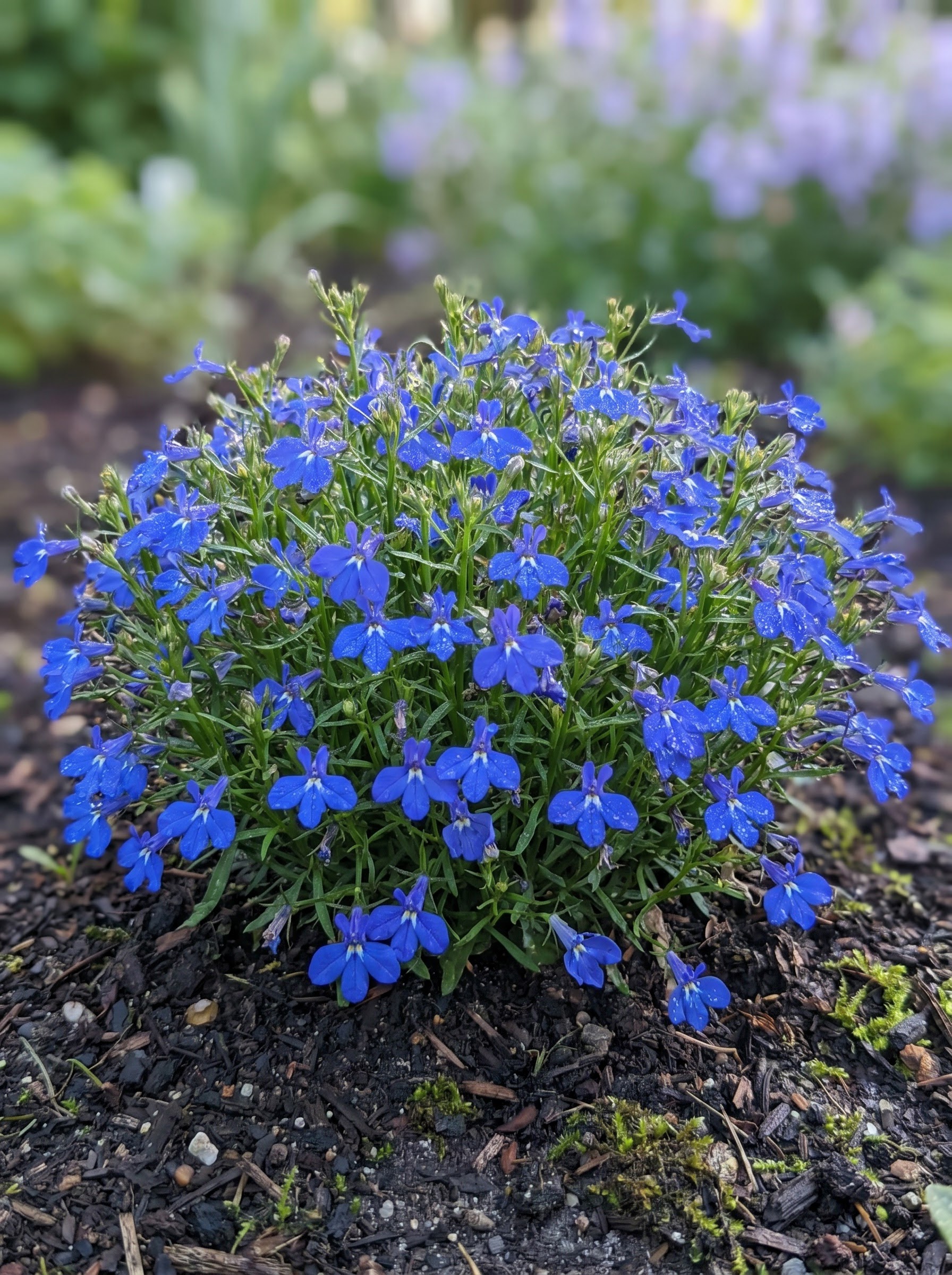 LobeliaFolklore
One of the few true blues in the shade-annual palette, trailing lobelia supplies a color begonia cannot and works as a spiller in the same moist, part-shade container.
Begonia+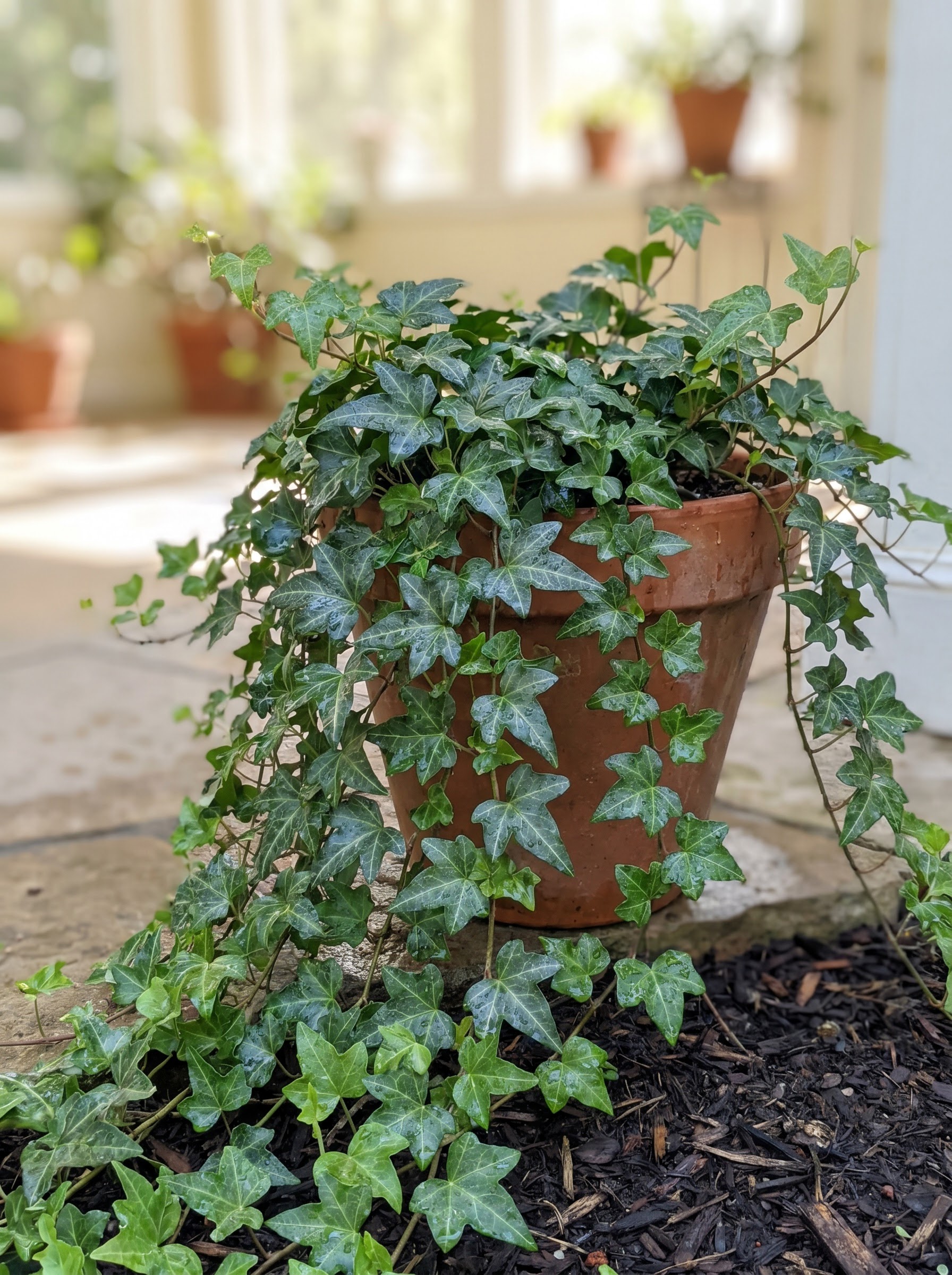 English ivyFolklore
As a trailing spiller confined to a pot, ivy is manageable and evergreen year round, but the same vigor that makes it useful in a container makes it a weed once it touches open bed soil.
Begonia+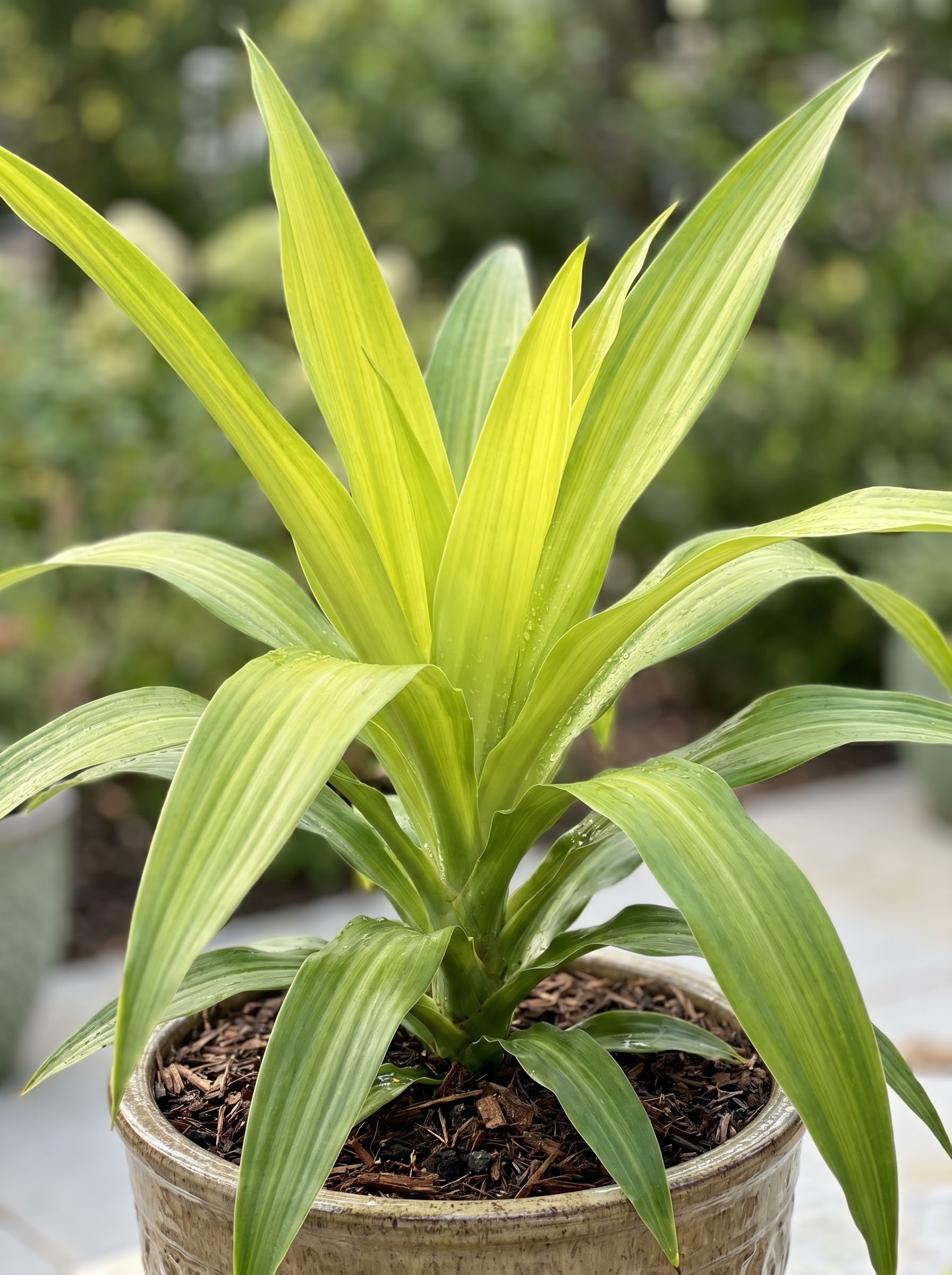 Dracaena 'Limelight'Folklore
As the upright thriller in a mixed pot, its bold chartreuse spikes give height and a strong color echo above the low mounded begonia, though it is a tropical houseplant pressed into seasonal duty outdoors.
All begonia companions
12 flower companions, best match first
What not to plant near begonia
Most bad neighbours are not evil, they just want the opposite light, water or root run. Here is what to keep away, and what to do instead.
Any tight, overcrowded planting, whether in a bed pocket or a shared pot
Powdery mildew, Botrytis blight and stem rot all trace back to poor air circulation and excess humidity around the foliage, and university IPM programs name begonia directly among the ornamentals most often affected.
Bog and moisture-loving plants that need constantly soaked soil
Begonia is highly susceptible to root rot, and a pot or tight bed pocket shared with a plant that needs soil kept saturated will rot the begonia's roots even if the gardener is watering correctly for its neighbor.
Full-sun, dry-soil plants (lavender, sedum, most succulents) paired with a green-leaved begonia
Green-leaved wax begonia scorches in intense sun and wants consistently moist soil, while true xerophytes want it hot, dry and lean, so cramming both into one bed forces someone to be watered or lit wrong all season.
Aggressive spreaders and vigorous runners (mint, ajuga, running ground covers)
Wax begonia stays compact, 6 to 12 in, with a shallow fibrous root system that has no way to compete with a fast runner for light or root space, especially in the finite volume of a shared pot.
Companions on an overhead sprinkler zone rather than base or drip watering
Begonia's own care instructions call for watering at the base and avoiding wet foliage in hot sun, so sharing an irrigation zone with plants that are watered overhead works against that guidance every time the sprinkler runs.
The best companions for begonias, explained
Wax begonia is sold as the annual that will not quit, and most of what people plant beside it is chosen for the same reason: it has to survive the same pot, the same window box, or the same shady bed corner without extra fuss. The strongest companions echo that logic in foliage rather than flowers, because begonia already supplies steady color from planting to frost and does not need another bloomer competing for the same light. Coleus does this job best. It comes in sun and shade forms just like begonia does, and its leaf can be chosen to pick up the red, pink or white of the begonia’s own flowers, so the pairing reads as a deliberate color echo rather than two unrelated plants sharing a pot. Caladium and fern round out the classic shade trio, both wanting the same evenly moist soil and both offering a leaf shape and texture the low, waxy-leaved begonia does not have on its own, arrow-shaped and patterned for caladium, fine and arching for fern.
In a shade bed rather than a pot, hosta and astilbe take over that same textural role at a larger scale, alongside the wider cast of flowers that grow in shade. Hosta’s broad leaves anchor the front of a shade border while begonia works as low color in front of it, and astilbe’s feathery plumes give the planting a vertical line that a mounded, knee-high begonia cannot provide by itself. Heuchera splits the difference, staying compact enough for a container edge while still bringing the same colored-foliage strategy as coleus, and it happens to want a soil pH close enough to begonia’s own 5.5 to 6.5 range that the match is more than decorative. For the container gardener working in the thriller-filler-spiller system, sweet potato vine and trailing lobelia do the spilling at the rim while begonia and a filler like impatiens share the middle, and a single upright plant like dracaena or a spike plant supplies the height none of the others have. None of this depends on begonia needing a bodyguard. It is a foliage-forward, moisture-matched design exercise, and the plants that pass it are the ones already living the same watering schedule the begonia is on.
What not to plant near begonias
Begonia has no famous plant rivalry the way some flowers do, no folklore about a hostile neighbor stunting its growth. What it has instead is a real, well-documented vulnerability to crowding, and that is the one avoid worth taking seriously. Powdery mildew, Botrytis blight and stem rot all trace back to the same root cause: foliage packed too tight, air that cannot move, and humidity that sits on the leaves overnight. University pest-management programs list begonia by name among the ornamentals most often hit by powdery mildew, and their fix is not a fungicide first, it is spacing. Give the crown room. That single habit does more for a begonia’s health than any specific companion choice.
The second real risk is moisture mismatch rather than a bad neighbor. Begonia is highly susceptible to root rot, which means a bog plant or anything that wants soil kept constantly wet is a genuine hazard if it shares the begonia’s pot or a tight bed pocket, because the gardener ends up watering to satisfy the thirstier plant and drowning the begonia in the process. The same logic runs in the other direction for sun and drought. A green-leaved begonia scorches in strong afternoon light and wants soil that never fully dries out, while lavender, sedum and most true succulents want it hot, dry and lean, so forcing the two into one bed means someone is being watered or lit wrong for months. And because begonia stays compact with a shallow, fibrous root system, an aggressive spreader sharing its footprint, mint or a running ground cover in a bed, ivy loose in open soil rather than confined to a pot, will simply out-compete it for light and root space rather than poisoning it outright. None of these are dramatic; they are the same handful of physical mismatches that show up on most flowers’ avoid lists, just without the mythology some other plants attract.
Do they like the same conditions?
The honest complication with begonia is that "shade plant" is not quite true, and most companion advice online flattens it anyway. Bronze-leaved and reddish-leaved wax begonia cultivars tolerate, and often prefer, full sun, handling heat noticeably better than the green-leaved types. Green-leaved cultivars are the ones that actually need morning sun and afternoon shade, because their leaves scorch in strong, direct light the way the bronze types do not. That distinction changes which companions are honestly a match. A green-leaved begonia belongs with hosta, fern, astilbe and other true shade lovers; a bronze-leaved begonia in that same deep-shade bed is being under-lit, and it belongs instead with sun-tolerant coleus cultivars or in a mixed border that gets real afternoon sun.
Water and soil are more consistent across both types. Begonia wants soil that is evenly moist and well-drained, never soggy, with an organic-matter-rich texture and a pH landing in the acidic-to-neutral 5.5 to 6.5 range, a narrower band than many flowers tolerate. Every companion on this page was checked against that specific ruler rather than a generic "shade garden" assumption, and the ones that made the top tier, coleus, fern, caladium, hosta, heuchera, sweet potato vine, share that exact moisture and drainage profile rather than just a vague preference for shade. Begonia is also a modest feeder rather than a heavy one, so a companion that demands rich fertilizing will not starve it, but it will not need the extra feeding either.
How to plant them together
In a container, work from the center out. Give the pot one upright element, a dracaena or spike plant if the container is large enough to hold one, then fill the middle with begonia and a foliage partner like coleus or caladium spaced 8 to 12 inches apart so their crowns do not touch, and finish with a trailing spiller, sweet potato vine, lobelia or a contained ivy, tucked at the rim so it falls outward and down rather than climbing back over the begonia. Because wax begonia is grown almost everywhere as a replaceable annual rather than a fixed perennial anchor, it is the piece of the composition that gets swapped out each spring, so build the container around a perennial or repeat-use foliage plant if the plan is to keep the pot’s structure from year to year.
In a bed, layer by height and moisture zone rather than by bloom time. Put astilbe or a similarly upright perennial 12 to 15 inches behind the begonia line for vertical structure, use hosta as the broad-leaved anchor at a similar distance, and keep heuchera or a second wave of begonia at the front edge where the soil stays a touch drier. Water everything at the base rather than overhead, since begonia’s own care instructions specifically warn against wetting its foliage in hot sun, and a shared sprinkler zone undermines that advice every time it runs; a soaker hose or drip line solves this for the whole bed at once. Whatever the layout, leave the begonia’s crown open on at least one side so air keeps moving through it, because that single habit prevents more disease than any plant choice on this list.
Does companion planting actually work for begonias?
Some of it, yes, in ways that are genuinely documented rather than assumed. Begonia’s own moisture and drainage profile, evenly moist, well-drained, never soggy, is confirmed directly by extension sources, and caladium is confirmed to want that identical balance, so pairing the two saves the gardener from guessing at two different watering schedules in one bed. The crowding-causes-disease mechanism is even better supported, confirmed independently by pest-management programs that name begonia specifically among the ornamentals susceptible to powdery mildew when air cannot move through the planting. Spacing is not folklore. It is the single most effective thing a gardener can control.
What is not proven is the specific claim that any one companion actively protects begonia from pests or disease, or that a design pairing like begonia with hosta or begonia with fern has been studied as a combination rather than assembled from two plants that separately like shade and moisture. There is no solid evidence that coleus repels anything begonia suffers from, or that heuchera’s presence changes a begonia’s disease resistance beyond the shared-soil-pH coincidence. Those pairings work because they look good together and want the same care, which is a legitimate reason to plant them side by side, but it is a design and convenience benefit, not a protective one. The companions rated Perfect pair or Great match earn that rating on shared conditions and genuine design payoff; the ones marked Folklore, fern, hosta, impatiens, torenia, lobelia, ivy and dracaena among them, are popular and reasonable choices built on real, separately-confirmed shade and moisture needs, just without a source that documents the begonia pairing itself, and they are labeled that way rather than dressed up as proven.
FAQ
What can I plant in front of begonias?
Low, front-of-border options that share the same moist, part-shade soil work best, coral bells, a second lower-growing begonia variety, or torenia for a different flower shape. Keep the front planting low enough that it does not shade the begonia’s own crown.
What should you not plant near begonias?
Avoid anything that forces overcrowding against the crown, true bog plants that need constantly saturated soil, and aggressive spreaders like mint or loose ivy that will out-compete a small, shallow-rooted plant for space. None of these poison a begonia; they crowd or drown it.
Do begonias need full shade, or can they take sun?
It depends on the leaf color. Bronze and reddish-leaved wax begonias tolerate and often prefer full sun and handle heat well. Green-leaved cultivars want morning sun with afternoon shade, since strong direct light scorches their leaves.
Are begonias toxic to dogs or cats?
Yes, mildly. The roots contain soluble calcium oxalates and are the most toxic part of the plant, and ingestion can cause drooling, vomiting or mouth irritation in dogs and cats. Severity is generally low, but it is worth keeping curious pets from digging up the roots.
Can I put begonias and coleus in the same pot?
Yes, this is one of the most common and reliable container pairings for begonia. Both tolerate similar light ranges depending on cultivar, both are warm-season annuals planted after frost, and choosing a coleus that echoes the begonia’s flower color turns the pot into a deliberate color scheme rather than a random mix.
What is the best filler plant for a begonia hanging basket?
Sweet potato vine or trailing lobelia at the rim, with begonia and a foliage partner like caladium filling the body of the basket. Keep the crown of the begonia clear of the trailing growth so it does not trap moisture against the stems.
Sources
- Begonia – Home & Garden Information Center, Clemson Cooperative Extension
- Begonia – North Carolina Extension Gardener Plant Toolbox
- Begonia – Wax Types – North Carolina Extension Gardener Plant Toolbox
- Powdery Mildew on Ornamentals – UC Statewide Integrated Pest Management Program
- Growing Astilbe in Iowa – Iowa State University Extension and Outreach
- Heuchera – North Carolina Extension Gardener Plant Toolbox
- Caladiums – UF/IFAS Gardening Solutions
- Coleus: A Color for Every Garden – SDSU Extension
- The Art of Container Gardening – Penn State Extension